Vaccine Coverage in Malawi Goes Solely Solar
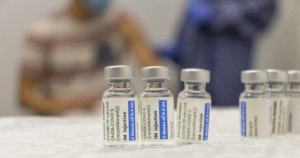 In 2010, the World Health Organization (WHO) approved the first solar direct-drive (SDD) refrigerators. It transformed how vaccines are stored in rural, remote areas worldwide. The Gates Foundation assisted in funding and supporting the spread of this innovation in Malawi; with the help of other organizations like UNICEF and Gavi, the Vaccine Alliance, WHO installed this in all 29 district-level vaccine storage facilities.
SDD Refrigerators
SDD refrigerators are solar-powered devices used to store vaccines at the proper temperature. Before the introduction of SDD refrigerators, earlier models were less reliable and more costly. Ice-lined refrigerators, which had been used for more than 20 years, were considered the most economical option.
Alongside absorption refrigerators and water-pack freezers, people found these units less efficient than solar-powered alternatives. They operated using gas, kerosene or batteries, which required frequent replacement and incurred high operational costs.
SDD Fridges in Malawi
Remote areas such as Malawi have been the top priority for the Gates Foundation due to their previous reliance on gas-powered refrigerators. Around 40% of community health clinics in Malawi are not on the electrical grid, making costly and outdated refrigerators their only option.
However, in 2015, Malawi received its first grant to implement only a few SDD fridges. After about three years of reliability, Gavi and UNICEF helped fund the installation of about 600 more in 2018. Since then, Malawi has replaced all gas and battery-powered fridges with solar-reliant fridges.
SDDs proved to be successful and sustainable. It is cutting carbon dioxide emissions significantly and giving cold chain managers the ability to track the maintenance of each refrigerator to confirm it is at the proper temperature. The equipment is also long-lasting and reliable, creating a concrete solution for Malawi.
Vaccine Coverage in Malawi
In addition to improving storage, Gavi and UNICEF are trying to bridge the gap between urban and rural access to vaccines. These organizations have specifically targeted communities with high rates of zero-dose children and developing equity-focused programming in collaboration with local governments.
The Expanded Programme on Immunization (EPI) from UNICEF shows that “across all antigens, Malawi is missing approximately 10% of children, with a significant portion of these zero-dose children in urban areas.” Providing adequate staff to recognize these patterns and advise immunization can catch these concerns promptly.
Impacts
According to Gavi, vaccine coverage in Malawi has shown impressive progress compared to a decade ago. This advancement has been supported by substantial funding and the availability of trained professionals in both rural and urban clinics, enabling effective vaccine storage and distribution.
Inclement weather is another factor in vaccine storage strategies. Malawi is particularly prone to extreme weather events such as cyclones and floods. When Tropical Storm Ana struck in 2021, significant damage was caused to the hydroelectric system, resulting in widespread power outages across the electrical grid. In previously vulnerable rural areas, health workers successfully kept vaccine doses cold using SDD refrigerators. At the same time, they had to move facilities relying on electricity-powered to avoid spoilage.
As a result, cold chain managers began re-evaluating the effectiveness of electric refrigerators compared to solar-powered ones. They transferred all vaccine doses from urban centers to more remote storage facilities. Solar refrigerators became the standard due to their strength and durability.
Conclusion
The benefits of SDD fridges are vast, including bettering the environment and lowering long-term medical equipment costs. Cold chain management has taken a step in the right direction, with the Gates Foundation and more creating the possibility for success in countries like Malawi.
– Rachael Wexler
Rachael is based in Chicago, IL, USA and focuses on Technology and Global Health for The Borgen Project.
Photo: Unsplash
