Which Is More Severe Urban or Rural Poverty?
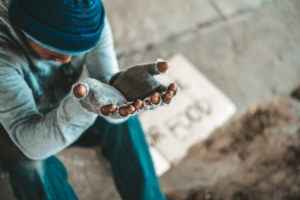 Approximately 700 million people worldwide currently live in poor conditions. “More than three-quarters of the global extreme [impoverished] lived in rural areas in 2022” and more than half live in rural sub-Saharan Africa. Rural areas typically have a higher extreme poverty rate than urban areas. There is an 11% difference in urban and rural poverty rates, with the rural poverty rate being 16% and the urban poverty rate being 5%. In contrast, in other regions, such as Sub-Saharan Africa, the rural poverty rate is 26% higher, 46%, than the urban poverty rate, which is 20%.
Rural Poverty
Rural areas are typically defined as regions outside towns and cities, often called the countryside. They consist of open land for farming, villages or towns with fewer buildings and a low population. With a lower population density and a heavy dependence on the agricultural industry, rural areas are necessary to a country’s overall landscape. They contribute to providing food, natural resources and a sense of community.
Rural poverty is defined as “residents of non-urbanized areas or non-urban clusters who earn below the income threshold” in their country. Despite impactful contributions, rural populations do not have comfortable access to healthcare facilities, transportation and education services. Residents have fewer options for resources, resulting in them struggling to seek help or improve their situation. Several rural tenants do not have a secured income because they are either unemployed or participate in seasonal work due to a short supply of job offers.
Urban Poverty
Urban areas are cities, towns and suburbs with high population density. They have many apartment buildings, public transit and telecommunications. Most urban residents work non-agricultural jobs. Metropolitan areas are crossroads of economic activity, cultural exchange and innovation, offering support systems in fast-paced environments and meeting the population’s needs.
Urban poverty is “residents of urbanized areas (50,000+ people) or urban clusters (2,500-50,000 people) who earn below the income threshold” of their country. While there are support systems for the urban population, many individuals struggle with finances because of inadequate housing, inaccessibility to education and healthcare, unemployment and high exposure to environmental hazards such as natural disasters or air pollution.
Is Urban or Rural Poverty More Severe?
Urban and rural poverty have their complexities. Rural poverty is more hidden and persistent within the countryside community, while urban poverty is more visible and acute. The majority of the neediest individuals live in rural areas, but an estimated 200 million people in urban regions experience poverty. “Many issues faced by urban poverty mirror those experienced in rural poverty, such as limited or no access to education and healthcare” in countries like India, China and Nigeria.
Urban and rural inhabitants have key differences in economic opportunities, infrastructure and services, social isolation, overcrowding and cost of living. The rural economy is strongly related to agriculture, mining and small businesses. In contrast, the urban economy relies on job markets, including manufacturing, services and technology. In rural geographical locations and small neighborhoods, individuals do not receive as much social support as in urban societies that contain social networks. Therefore, rural poverty is more severe than urban poverty due to the “difficulties in infrastructural access/fundamental service limitations in running economic activities.”
The Future
Rural poverty is expected to decline, while urban poverty may persist. In 2030, rural poverty will decrease by 26% to 293 million from 395 million and urban poverty will decrease from 203 million to 200 million. Poverty-reduction bills like the Global Malnutrition Prevention and Treatment Act confront both forms of poverty so everyone can live a standard life with food and health care resources.
– Makayla Johnson
Makayla is based in Cary, NC, USA and focuses on Global Health for The Borgen Project.
Photo: Freepik
