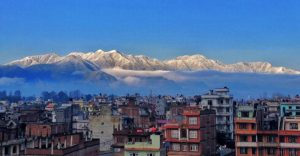
 Nestled among the towering peaks of the Himalayas, Nepal continues to battle a deep-rooted poverty crisis, with more than 25% of its population living below the national poverty line. In the 2024 Human Development Index (HDI), the country ranked 146th out of 193, placing it among the lowest in South Asia. Although its HDI value improved to 0.601, this progress remains uneven and fragile. Indeed, national indicators may suggest advancement, but they often mask the stark internal inequalities.
This article will focus on Nepal’s poverty crisis and precisely those left furthest behind in communities in western regions and near borders, where poverty is deeper and millions still struggle to access even the most basic necessities. In these areas — such as Karnali, Sudurpashchim and remote parts of Lumbini Province — many experience acute multidimensional poverty, facing overlapping deprivations in education, health and living standards.
Food insecurity remains a pressing issue: according to the World Food Programme’s Fill the Nutrient Gap analysis (2021), 23.1% of the population does not consume a nutritionally adequate diet and 33% of pregnant women suffer from anemia. Although stunting rates have declined in recent years, one in four children under the age of five is still affected. Once again, these indicators fail to reflect the full extent of disparities between peripheral regions and urban centers. Here is more information about Nepal’s poverty crisis and measures that are addressing it.
Geographic Isolation
Remote mountain communities are the ones that suffer the most serious consequences, as they often rely on narrow, unpaved roads to reach markets, schools, clinics and other essential services. The United Nations Children’s Fund (UNICEF) reports that many children routinely walk up to several hours to attend overcrowded, under-resourced schools, leading to high dropout rates.
Worsening the situation, heavy rains and winter snowfall can render these routes impassable, isolating villages for days or even weeks. When roads vanish under mud and rock, families must subsist primarily, if not entirely, on their own harvests. But subsistence farmers lack the diversification needed to absorb such shocks. As the United Nations Development Programme (UNDP) warns, unpredictable swings from prolonged drought to sudden downpours throw planting cycles off balance, leaving soils cracked and barren. More frequent landslides then ravage crops and upend local economies, at times forcing residents to start over with nothing.
Health Infrastructure
Improving access to health care remains one of Nepal’s most critical and unresolved development challenges. While the country has made notable advancements in public health over recent decades — reflected in increased life expectancy and reduced maternal and child mortality — many rural clinics continue to operate with outdated, inadequate or even nonfunctional medical equipment, severely compromising the quality and consistency of care.
In pursuit of universal health coverage, the Government of Nepal has launched the National Health Insurance Program (NHIP), a policy initiative aimed at minimizing direct health care costs for individuals and promoting fair access to essential medical services. However, despite its promising framework, the program’s implementation has been uneven and threatens to undermine its potential impact. Enrollment rates remain low, with families either unaware of the program or discouraged by complicated procedures and limited services. A shortage of trained health care workers makes it even harder to provide quality care, especially in remote areas.
A survey that the Asian Development Bank (ADB) conducted across five provinces – Koshi, Madhesh, Bagmati, Gandaki and Sudurpaschim – in December 2024 found that more than half of Nepal’s medical equipment, much of which the country acquired during the COVID-19 pandemic, remains unused or broken. The causes include limited maintenance capacity, poor logistics and insufficient training. Compounding these issues are weak and fragmented data systems that make it difficult to identify who would most benefit from targeted interventions.
Without a reliable foundation of digital infrastructure and data integration, the NHIP risks falling short of its goal to provide sustainable health protection for all. Strengthening biomedical training, equipment management and preventative maintenance policies will be essential to ensuring that no one is left behind.
Economic Development and Grassroots Solutions
On the economic side, the International Monetary Fund (IMF) urges reforms to promote job creation, fiscal stability and inclusive growth throughout the nation. In 2023, agriculture accounted for approximately 26.2% of Nepal’s gross domestic product. However, since the 2010s, the sector’s growth has slowed to an average annual rate of just 3%. The agricultural landscape remains dominated by low-value crops and subsistence farming. The absence of facilities like collection centers, cold storage and grain stores leads to significant post-harvest losses. As a result, farmers are unable to shift from low-value cereals to high-value perishable crops like fruits and vegetables, which require proper storage to sell during peak demand at better prices.
In response, the Nepalese government, supported by international aid, is now prioritizing the expansion of microfinance programs and entrepreneurial training to empower local businesses. Promising results are already emerging from localized initiatives. For instance, several communities have adopted small-scale irrigation projects and diversified crop production, helping mitigate the impacts of changing weather patterns while stabilizing food sources.
Farmer-Managed Irrigation Systems
One notable example is the modernization of more than 100 Farmer-Managed Irrigation Systems (FMISs), supported by the ADB as part of a broader program to enhance irrigation infrastructure across Nepal. These initiatives, aligned with the National Water Plan 2002–2027 and ADB’s Strategy 2030, aim to improve irrigation performance across 17,452 hectares.
The work includes constructing permanent gated water intake structures, selectively lining canals and improving water control systems. These interventions have enhanced water use efficiency and fairer distribution. Just as important, they have created the conditions for more farmers to shift toward climate-smart techniques and mechanized farming tools.
In parallel, the project has also invested in the people who manage these systems — supporting local Water Users Associations (WUAs) and gradually expanding their role into cooperatives with stronger business and governance structures. Moreover, the emphasis on including women and disadvantaged groups has made these efforts more equitable and representative of the communities they serve. These grassroots responses also offer replicable models for other regions facing similar challenges.
Collaboration Easing Nepal’s Poverty Crisis
Collaboration between NGOs, multilateral organizations and community groups can strengthen the country’s social safety net and ensure that vulnerable populations get the support they need during Nepal’s poverty crisis.
For Nepal, this means not only investing in health, education and infrastructure, but also strengthening governance, fostering civic engagement and rebuilding trust in institutions. For families in remote villages, it offers the promise of a future where they can thrive and create lasting opportunities for generations to come.
– Lucrezia Frascati
Lucrezia is based in London, UK and focuses on Global Health for The Borgen Project.
Photo: Unsplash

Shifting Focus on Mental Health in Saint Kitts and Nevis
Global Trends in Mental Illness
Mental illness is a growing concern globally, particularly in the developing world, including Saint Kitts and Nevis. According to the World Health Organization (WHO), in 2019, approximately 970 million people had some form of mental disorder. While still a global minority, this accounts for more than 10% of the population who had to deal with additional barriers in their day-to-day lives.
It is also important to note that mental illness does not affect all equally. Other negative situations in life, such as poverty or violence, can cause or worsen mental illness. This makes developing nations particularly vulnerable as they have larger impoverished populations. On top of that, many nations have limited support systems and cultural stigmas on the topic, which prevent many of their citizens from getting the care they need.
Challenges to Mental Health in Saint Kitts and Nevis
The Islands of Saint Kitts and Nevis have historically struggled with limited funding for mental health services. In 2007, the Federation raised its spending on mental health services to just 1%. While this was still an increase from even lower rates, which had not been adjusted since 1956, the country still lacked major infrastructure to offer help. Limited resources, including needed medicine and trained staff, mean that only the most severe cases in patients receive treatments. Approximately 1% of the population of Saint Kitts and Nevis has been diagnosed with some form of mental illness.
Poverty has also been a significant barrier to accessing mental health care in Saint Kitts and Nevis. In 2008, about 21.8% of the population was below the poverty line. However, due to increased government response, this percentage began to decline slowly but surely. The government sped this up by simultaneously funding public health, so potential patients did not have to pay out of pocket.
Not only can poverty lead to or worsen mental illness, it can also impact a patient’s ability to get care. Research shows that those living in impoverished conditions are less likely to seek help and less likely to receive it if they do.
Mental Health Initiatives in Saint Kitts and Nevis
On November 27, 2024, the Ministry of Health in St. Kitts and Nevis launched its Mental Health Service Systems Enhancement Project. The project, supported by the government and funded in part by Taiwan, aims to expand access to mental health services by increasing funding and strengthening mental health infrastructure. The nation’s Prime Minister and head of the health Ministry, Terrance Drew, also emphasized the importance of this initiative and the nation’s renewed focus on improving the mental health of Saint Kitts and Nevis.
The most prominent counseling center, known as the Dr. Arthur W. L. Lake Mental Health Day Treatment Centre, offers high-quality mental health services and follows a patient-centered approach. For instance, it aims to fight the stigma around mental illness in Saint Kitts and Nevis by providing home-like and comfortable conditions, and some patients even shared their stories and how the center helped them.
The Future of Mental Health Care in the Developing World
While Saint Kitts and Nevis still have a long way to go, its new focus on mental health care is a refreshing step in the right direction. Despite limited infrastructure and combating a cultural stigma, the islands have been making positive steps towards better care. In particular, increases in government funding and foreign aid have given the country more resources in its fight. If the country sees positive results with this project could serve as a blueprint for effective strategies to address and improve mental health in other developing nations.
– Jesse Correll
Photo: Unsplash
Gelephu Mindfulness City: Bhutan’s Model for Poverty Reduction
Renowned Danish sustainable architect Bjarke Ingels will design Gelephu Mindfulness City, which will span more than 2,000 square kilometers near Bhutan’s southern border with India. The project aims to transform the underdeveloped Gelephu region into a thriving center of sustainable commerce, cultural exchange and holistic living.
A Philosophy of Happiness Over Pure Growth
The project’s foundation lies in Bhutan’s GNH framework, which prioritizes psychological well-being, cultural preservation and environmental sustainability alongside traditional economic development. Rather than focusing solely on financial metrics like GDP, Bhutan uses GNH to measure societal success and quality of life.
“Happiness and well-being of people must be the purpose of capitalism,” said Bhutan Prime Minister Tshering Tobgay in conversation with TIME Magazine. “We are talking about creating a new paradigm, an entirely new system of urban development.” Gelephu Mindfulness City plans to advance all four pillars of GNH: sustainable development, environmental conservation, cultural preservation and good governance.
The project will employ green infrastructure, Buddhist architectural motifs, wellness centers and organic agriculture in all construction and community planning. This is part of a broader strategy to boost quality of life and address the root causes of poverty.
Job Creation Through Holistic Infrastructure
More young people are entering the workforce in Bhutan than the economy can absorb. Gelephu Mindfulness City aims to address this problem by creating thousands of jobs across construction, education, hospitality, agriculture and the wellness sector. The city will include schools and universities focused on sustainability, health and traditional knowledge. The plan aims to create short-term employment and long-term professional pathways for Bhutanese citizens.
The project also hopes to attract foreign direct investment through its designation as a Special Administrative Region. This status allows Gelephu to adopt more flexible policies and business regulations than the rest of Bhutan, to encourage ethical investment aligned with Bhutan’s values. The region will screen potential businesses and investors based on their respect for Bhutanese culture and commitment to sustainable and equitable development before extending an invitation to do business in the city.
Sustainability as an Economic Engine
Gelephu Mindfulness City plans to become a global blueprint for mindful urbanism, leveraging ecological integrity to increase economic inclusion. The city will feature renewable energy sources, pedestrian-first planning and strict limits on pollution. Organic markets and traditional healing centers will support local farmers and artisans, further stimulating small business development. These plans aim to attract climate-conscious businesses and tourists while preserving Bhutan’s pristine environment.
The emphasis on sustainability is particularly well-suited for the Gelephu region, a large flatland situated among the Himalayan foothills. Bhutan’s famously rugged terrain and limited industrial capacity render sustainable development the most viable long-term growth strategy. Sustainable transportation also plays a central role in the plans, with neighboring India committed to connecting border towns to the region via railway and improving roads in and out of Bhutan.
A Strong Likelihood of Success
Bhutan’s credibility in launching the Mindfulness City stems from its long-standing success in aligning development with environmental goals and overall well-being. The country is one of the few in the world that is carbon negative. Thanks to its vast forest cover, reliance on hydropower and constitutional mandate to maintain at least 60% forestation.
Past infrastructure projects have effectively incorporated eco-friendliness and community well-being principles, such as green schools and health initiatives emphasizing holistic care. These past successful initiatives demonstrate Bhutan’s capacity to balance modern development with its commitment to Gross National Happiness and provide a strong foundation for the ambitious goals set forth for Gelephu Mindfulness City.
A Blueprint for the Global South
Gelephu Mindfulness City provides a bold example of how low- and middle-income countries might reimagine development. Rather than regarding happiness and prosperity as unrelated metrics, Gelephu Mindfulness City treats them as inextricably intertwined. By reimagining capitalism and aligning economic goals with human well-being, Bhutan proposes a revolutionary mindset shift that could improve the lives of the 99% around the globe.
If successful, this model could inspire similar initiatives across the Global South, particularly in regions where conventional economic growth has failed to address deep-rooted inequalities. As Bhutan pushes forward with this ambitious project, it offers a fresh perspective on the fight against poverty: one that values sustainability, community and joy as invaluable elements of prosperity.
– Kelsey Eisen
Photo: Flickr
Hunger in Taiwan
Taiwan’s estimated 2024 population was almost 23.6 million, over 80% urbanized. It is a high-income economy, one of East Asia’s economic “Tigers.” Despite the political ambiguity, Taiwan manages to maintain economic ties to mainland China. Indeed, China has been a “major investor” there for the past two decades.
Hunger, Food Sufficiency and Dependence on Imports
The annual global hunger and nutrition indices do not provide comparative hunger and nutrition data for Taiwan. Often referred to as the Taiwan Province of China, statistics for Taiwan are likely incorporated into references to mainland China.
However, there are some internal measures related to hunger. In October 2024, Taiwan’s Ministry of Agriculture reported that the country’s 2023 food self-sufficiency rate had dropped to just over 30%, reportedly the lowest in 18 years.
Several factors have an impact on Taiwan’s food self-sufficiency, not the least of which is the “westernization” of the Taiwanese diet. As the economy and incomes have improved, the demand for a more diversified daily diet has grown. This has led to greater reliance on imports as unpredictable weather and limited arable land constrain domestic production. Taiwan imported $18.9 billion of agricultural and related products in 2023, as compared to exports of $5.4 billion. Imports included beef, soybeans, dairy, fresh fruits, processed vegetables and a variety of bulk commodities. The largest supplier is the U.S. (21%), with mainland China the third largest at 7%.
To address logistical disruptions such as occurred during the COVID-19 pandemic, as well as climate challenges, in June 2024 Taiwan and the U.S. signed a Memorandum of Cooperation on food security and established a bilateral mechanism to facilitate the exchange of information and discussion of strategies to improve trade practices and increase the country’s food security.
Planning for Import Disruption
One aspect of Taiwan’s complicated relationship with China is China’s daily military activities that include “practice” blockades and attacks on Taiwan’s ports. Consequently, in October 2024, Taiwan detailed a “wartime” food plan, monitoring monthly inventories of critical food supplies such as rice to assure sufficient stored supplies (higher than the legally required three-month supply) in the event of a Chinese blockade. Rice would be rationed if that became necessary. Additionally, the country might have to increase the land designated to grow rice and other products. A significant amount of arable land was taken over for factories with the transition to industrialization in the 1960s.
Tackling Hunger in Taiwan and Beyond
The Taiwan People’s Food Bank Association was established in 2011 to address hunger and reduce food waste. By 2013, their network included over 50 social welfare organizations and NGOs. They joined the Global Foodbanking Network in 2016 and initiated a program to deliver meals to rural children in schools in 2017. By 2020, they had distributed over a million meals. In the last few years, attention has expanded to education and environmental sustainability. Furthermore, they have incorporated a digital platform and communicate through social media and community events. Beneficiaries are the most vulnerable populations, including collaboration with indigenous communities.
Taiwan AID (Taiwan Alliance in International Development), initiated in 2013, is an NGO focused on international development and relief. Its many humanitarian projects include a nutrition program in Cambodia, a community kitchen and Happy Farm Project in rural Swaziland (2015). Over 4,500 rural children in Swaziland have been supported, and the farm project focused on local food production. A children’s malnutrition improvement project was implemented in Vietnam (2012-2014). Recent activities will include the 2025 Asian Girls in Action Project for girls ages 15-19. Additionally, there is the 2025 NGO Fellowship Program for NGO professionals from South Asia, Southeast Asia and the Pacific Islands. The program includes a workshop, site visits and a field placement.
In January 2024, the Nutrition and Healthy Diet Promotion Act was published. This legislation provides for research, including nutrition surveys, standards and recommendations, and social assistance subsidy plans that require the incorporation of nutritional issues. Guidance is to be provided on the research and development of healthy foods incorporating local agricultural products. Nutrition and healthy diets education is to be included in on-the-job training or continuing education for relevant personnel; spreading false nutrition news is prohibited.
A Multifaceted Approach
The approach to hunger and food insecurity in Taiwan has both domestic and global aspects, private and governmental. It is less about food distribution and funding than it is about planning, policy, education and development.
– Staff Reports
Photo: Flickr
Friendship: Support To Remote Communities in Bangladesh
An estimated 3.5 million people in the low-lying delta region face increasing threats from rising sea levels and more intense monsoon seasons. Indeed, in 2022 alone, historic floods devastated northern regions like Sylhet and Sunamganj, displacing millions and severely disrupting transportation, electricity, health care and access to education.
Despite the risks, many of Bangladesh’s neediest communities live in low-lying coastal and riverine areas, lacking sufficient income to live in lower-risk regions. These zones are fertile and agriculturally productive. However, when floods occur, it is children and low-income families who suffer most, facing destroyed homes, lost livelihoods and health crises with little support.
From One Floating Hospital to a National Lifeline
In 2002, Runa Khan founded Friendship, a nongovernmental organization (NGO) with a radical yet simple mission: delivering support to remote communities in Bangladesh with reduced access. The initiative launched a floating hospital on the Jamuna River in northern Bangladesh. This aims to provide essential health services to isolated communities living on “chars”― sandbar islands that vanish and reappear with the tides.
Since then, Friendship has evolved into a wide-reaching, holistic organization. Today, its 5,000 employees ― more than 70% of whom come from local communities ― work to break cycles of poverty and increase resilience to the regional climate crisis. Its integrated approach includes health care, education, disaster preparedness, economic development and clean energy and water access.
Health Care and Remote Communities in Bangladesh
Friendship operates a unique three-tier health care system:
Powering Livelihoods and Clean Futures
Friendship’s Sustainable Economic Development program supports long-term resilience. In its innovative solar villages, 291 households, 62 shops, four schools and two mosques are now powered by 24-hour solar energy. This has enabled families to extend working hours, refrigerate food and medicines and improve safety and security at night. Clean water access is another priority. Friendship has also supplied more than 700,000 liters of clean drinking water to hundreds of families, drastically reducing disease.
Meanwhile, the organization’s farmers’ club provides sustainable farming training. It empowers more than 1,400 farmers to grow climate-resilient crops like sweet potatoes and mustard. Romesa Khatun, a club member, began using earthworms to make fertilizer in 2022, selling the product and using it in her vegetable garden. She says that the support of the club and Sherazul Islam, project officer at Friendship’s Sustainable Economic Development Sector, empowered her to embrace innovative farming techniques to support her family, especially when her husband is away for work.
These programs boost food security and provide more adaptive livelihoods to environmental challenges.
Hope from Within
In Bangladesh’s flood-prone coastal and riverine communities, poverty and climate vulnerability often go hand in hand. But through Friendship’s work with remote communities in Bangladesh, hope is taking root. What began as a floating hospital has become a nationwide lifeline. It delivers support to remote communities and uplifts them with health care, education, economic opportunity and climate resilience.
Rather than relying on top-down aid, Friendship invests in people ― training local women as community health workers, equipping youth with education and leadership skills and helping farmers adapt to a changing climate. Indeed, Friendship’s impact shows that locally led, community-focused development can help vulnerable populations chart a path toward safety, dignity and lasting change even in the face of rising waters.
– Holly McArthur
Photo: Pexels
USAID Programs in Thailand and Myanmar After Earthquake
USAID Cuts Coincide With Devastation in Asia
Myanmar state media reported that, as of April 19, the earthquake killed more than 3,700 people and injured 5,100 in the country, with 114 residents still missing. Thai newspaper Khaosod reported that, as of April 29, 66 people had died, 28 people were missing and nine people were injured.
Refugees from the ongoing civil war in Myanmar have relied on humanitarian assistance and medical care in neighboring Thailand for decades. USAID programs in Thailand bolstered the assistance Thai hospitals could provide those in need. Before the earthquake in Myanmar occurred, the Border Consortium aid group reported that many Thai hospitals helping around 100,000 refugees from Myanmar had to close following cuts to USAID in late February.
On March 28, the region experienced “a level of devastation that has not been seen in over a century in Asia,” according to Marie Manrique, the acting head of the International Federation of Red Cross and Red Crescent Societies in Myanmar. The same day, The U.S. State Department formally notified Congress that it was moving to dissolve USAID.
The Results of USAID Cuts
The earthquake’s epicenter was in Myanmar’s second-largest city, Mandalay; however, 600 miles away, in the Thai capital city of Bangkok, residents felt widespread shaking and saw significant damage to infrastructure, including a skyscraper that collapsed when it was under construction.
While USAID cuts have backtracked in recent weeks due to pushback from Americans and the country’s federal agencies, aid workers report that, with thousands of residents remaining homeless in Mandalay after the destruction, U.S. assistance is lacking.
“The United States only sent a paltry amount of assistance…it sent only three workers, which then, subsequently, were fired,” Francisco Bencosome, a former USAID worker, said. Some workers were notified of their termination while in the earthquake’s disaster zone.
The ongoing poverty crisis in Myanmar, escalating in recent years due to ongoing civil conflict, saw almost doubled rates from 24.8% in 2017 to 49.7% in 2023. In the beginning of 2025, around 19.9 million people, or about 35% of the country’s population, were in dire need of humanitarian assistance; this included 6.4 million children.
The destruction due to the earthquake in Myanmar has exacerbated existing pervasive poverty conditions, resulting in 4.3 million people lacking basic needs such as shelter, nutrition and clean water.
Solutions
After the reduction of USAID programs in Thailand and Myanmar, NGOs have stepped in to address the earthquake in Myanmar. Here are some examples of NGO efforts in Thailand and Myanmar:
Looking Ahead
Though USAID downsizes have immobilized necessary American federal assistance in Myanmar and Thailand following the historic earthquake in Myanmar, other aid organizations are using donor funding to make effective strides in alleviating poverty conditions and the ongoing refugee crisis.
– Erin Hellhake
Photo: Unsplash
The Reality of Nepal’s Poverty Crisis
This article will focus on Nepal’s poverty crisis and precisely those left furthest behind in communities in western regions and near borders, where poverty is deeper and millions still struggle to access even the most basic necessities. In these areas — such as Karnali, Sudurpashchim and remote parts of Lumbini Province — many experience acute multidimensional poverty, facing overlapping deprivations in education, health and living standards.
Food insecurity remains a pressing issue: according to the World Food Programme’s Fill the Nutrient Gap analysis (2021), 23.1% of the population does not consume a nutritionally adequate diet and 33% of pregnant women suffer from anemia. Although stunting rates have declined in recent years, one in four children under the age of five is still affected. Once again, these indicators fail to reflect the full extent of disparities between peripheral regions and urban centers. Here is more information about Nepal’s poverty crisis and measures that are addressing it.
Geographic Isolation
Remote mountain communities are the ones that suffer the most serious consequences, as they often rely on narrow, unpaved roads to reach markets, schools, clinics and other essential services. The United Nations Children’s Fund (UNICEF) reports that many children routinely walk up to several hours to attend overcrowded, under-resourced schools, leading to high dropout rates.
Worsening the situation, heavy rains and winter snowfall can render these routes impassable, isolating villages for days or even weeks. When roads vanish under mud and rock, families must subsist primarily, if not entirely, on their own harvests. But subsistence farmers lack the diversification needed to absorb such shocks. As the United Nations Development Programme (UNDP) warns, unpredictable swings from prolonged drought to sudden downpours throw planting cycles off balance, leaving soils cracked and barren. More frequent landslides then ravage crops and upend local economies, at times forcing residents to start over with nothing.
Health Infrastructure
Improving access to health care remains one of Nepal’s most critical and unresolved development challenges. While the country has made notable advancements in public health over recent decades — reflected in increased life expectancy and reduced maternal and child mortality — many rural clinics continue to operate with outdated, inadequate or even nonfunctional medical equipment, severely compromising the quality and consistency of care.
In pursuit of universal health coverage, the Government of Nepal has launched the National Health Insurance Program (NHIP), a policy initiative aimed at minimizing direct health care costs for individuals and promoting fair access to essential medical services. However, despite its promising framework, the program’s implementation has been uneven and threatens to undermine its potential impact. Enrollment rates remain low, with families either unaware of the program or discouraged by complicated procedures and limited services. A shortage of trained health care workers makes it even harder to provide quality care, especially in remote areas.
A survey that the Asian Development Bank (ADB) conducted across five provinces – Koshi, Madhesh, Bagmati, Gandaki and Sudurpaschim – in December 2024 found that more than half of Nepal’s medical equipment, much of which the country acquired during the COVID-19 pandemic, remains unused or broken. The causes include limited maintenance capacity, poor logistics and insufficient training. Compounding these issues are weak and fragmented data systems that make it difficult to identify who would most benefit from targeted interventions.
Without a reliable foundation of digital infrastructure and data integration, the NHIP risks falling short of its goal to provide sustainable health protection for all. Strengthening biomedical training, equipment management and preventative maintenance policies will be essential to ensuring that no one is left behind.
Economic Development and Grassroots Solutions
On the economic side, the International Monetary Fund (IMF) urges reforms to promote job creation, fiscal stability and inclusive growth throughout the nation. In 2023, agriculture accounted for approximately 26.2% of Nepal’s gross domestic product. However, since the 2010s, the sector’s growth has slowed to an average annual rate of just 3%. The agricultural landscape remains dominated by low-value crops and subsistence farming. The absence of facilities like collection centers, cold storage and grain stores leads to significant post-harvest losses. As a result, farmers are unable to shift from low-value cereals to high-value perishable crops like fruits and vegetables, which require proper storage to sell during peak demand at better prices.
In response, the Nepalese government, supported by international aid, is now prioritizing the expansion of microfinance programs and entrepreneurial training to empower local businesses. Promising results are already emerging from localized initiatives. For instance, several communities have adopted small-scale irrigation projects and diversified crop production, helping mitigate the impacts of changing weather patterns while stabilizing food sources.
Farmer-Managed Irrigation Systems
One notable example is the modernization of more than 100 Farmer-Managed Irrigation Systems (FMISs), supported by the ADB as part of a broader program to enhance irrigation infrastructure across Nepal. These initiatives, aligned with the National Water Plan 2002–2027 and ADB’s Strategy 2030, aim to improve irrigation performance across 17,452 hectares.
The work includes constructing permanent gated water intake structures, selectively lining canals and improving water control systems. These interventions have enhanced water use efficiency and fairer distribution. Just as important, they have created the conditions for more farmers to shift toward climate-smart techniques and mechanized farming tools.
In parallel, the project has also invested in the people who manage these systems — supporting local Water Users Associations (WUAs) and gradually expanding their role into cooperatives with stronger business and governance structures. Moreover, the emphasis on including women and disadvantaged groups has made these efforts more equitable and representative of the communities they serve. These grassroots responses also offer replicable models for other regions facing similar challenges.
Collaboration Easing Nepal’s Poverty Crisis
Collaboration between NGOs, multilateral organizations and community groups can strengthen the country’s social safety net and ensure that vulnerable populations get the support they need during Nepal’s poverty crisis.
For Nepal, this means not only investing in health, education and infrastructure, but also strengthening governance, fostering civic engagement and rebuilding trust in institutions. For families in remote villages, it offers the promise of a future where they can thrive and create lasting opportunities for generations to come.
– Lucrezia Frascati
Photo: Unsplash
5 Countries Supporting Foreign Aid
Sweden
In April 2025, Sweden pledged $12.7 million to support Rohingya refugees in Bangladesh. More than one million Rohingya live in Bangladesh after fleeing violence and persecution in Myanmar. The package is funding sanitation facilities, food assistance and aid for victims of gender-based violence. Women and children account for more than 75% of the refugee population and in refugee camps, hygiene conditions are poor and malnutrition and abuse are rampant.
Sweden also backed Start Fund Bangladesh, an initiative empowering local organizations to respond quickly to emergencies. Additionally, in 2023, the nation helped fund the World Health Organization’s efforts in Ukraine, which provided care to 5.6 million people with noncommunicable diseases and emergency surgery and trauma care to 38,000 people.
Japan
Japan revised its foreign aid laws to improve efficiency in April 2025. The revisions allow the Japan International Cooperation Agency (JICA) to provide guaranteed reimbursement to banks in developing countries if borrowers do not repay loans. This helps banks continue to give loans to local businesses. The revisions also allowed JICA to help foreign businesses issue bonds to encourage investment. The changes focus on private sector development, a vital part of sustainable growth in developing countries.
Indonesia has maintained a longstanding partnership with Japan through the Official Development Assistance (ODA) program provided by JICA. Indonesia receives the most aid from Japan, with Japan providing 45% of the cumulative aid Indonesia has received since 1960. In February 2025, Japan worked with UNICEF Indonesia to bring nutritious meals and improved education to 2,500 children in schools across the Papua province of the country.
Slovenia
Slovenia sent two shipping containers full of school supplies, sports equipment and medical supplies to Madagascar in March 2025. Businesses, sports associations and the Olympic Committee of Slovenia provided the donations. The aid package followed the construction of a primary school in Antananarivo, the capital of Madagascar, by the nonprofit Caritas Slovenia. The construction began in September 2024, funded partly by the Slovenian Ministry of Foreign and European Affairs.
Education remains a significant challenge in Madagascar, with fewer than one-third of children enrolled through grade five. Only 17.5% achieve adequate literacy levels among those who complete grade five, highlighting the importance of the aid. Also in 2024, Slovenia sent $16.4 million of humanitarian aid to Ukraine and Palestine. On top of that, it gave $23.8 million to developing countries in the Western Balkans, including Serbia, North Macedonia, Bosnia and Herzegovina.
Italy
In March 2025, Italy announced a donation of $73.2 million to Syria. The aid package will support rebuilding after the fall of the Assad regime in December 2024, with focus areas including hospitals, infrastructure and food supply chains. About 43% of hospitals in Syria are not fully operational and 246 health facilities are at risk of closing due to bankruptcy. Additionally, nine million Syrians are food insecure, while the malnutrition rate in children has risen 3.1% since 2019.
Italy also continues implementing its Mattei Plan to support agriculture, education, health, energy and water access in several African countries, including the Democratic Republic of the Congo, Ivory Coast and Mozambique. In May 2025, Italy reaffirmed its collaboration with the African Development Bank as part of the Plan. The partnership aims to invest more than $400 million in private sector development in Africa over the next five years.
South Korea
South Korea sent Myanmar $4 million in aid after a 7.7 magnitude earthquake in March 2025. The aid provided the country with 500 tents, 40,000 water bottles and 80,000 blankets. The earthquake destroyed 55,000 homes and displaced 200,000 people.
In 2024, South Korea increased its foreign aid by $780 million compared to 2023, reaching $3.94 billion. This accounted for 0.21% of its gross national income, the highest level since joining the Development Assistance Committee (DAC) in 2010. Aiming to become a leading donor, South Korea is working toward entering the DAC’s top 10, currently ranking 13th. For 2025, it has allocated $4.7 billion to its foreign assistance budget.
These countries are leading the fight against poverty, ensuring foreign aid remains a policy focus in the future. Their efforts will continue to help millions of people.
– Tyler Payne
Photo: Flickr
Bolsa Família: Poverty Alleviation in Brazil
Hunger Reduction
With the provided cash offerings, many families who had previously suffered from hunger have food security. Last year, the Brazilian Ministry of Social Development and Assistance, Family and the Fight Against Hunger (MDS) gave $30 billion to needy families through the Bolsa Família.
Improved Health and Education
For years, youth mortality rates in Brazil remained high, mainly due to limited access to routine checkups and vaccinations. In response, the Bolsa Família program introduced conditional cash transfers, requiring families to take their children for regular medical visits to receive financial support. So far, more than eight million people have benefited from the initiative, which strongly emphasizes improving family health care.
Furthermore, the initiative has increased educational development with evidence of higher enrollment and academic successes from disadvantaged citizens. A prominent aim of Bolsa Família is to stop children from inheriting the poverty their parents endured by focusing funds toward advancing schooling. As a result, the school enrollment rate has increased by 5.5-6.5%. Similarly, the dropout rates declined by 0.4 and 0.5 points and the grade promotion rate increased by 0.4-0.5 points.
Women Empowerment
Career training and greater access to social assistance programs have opened new job opportunities for women and provided affordable child care services. Women make up 54% of Brazil’s conditional cash transfer program beneficiaries, an investment widely seen as one of the most effective ways to empower women. With increased autonomy, many can now make informed decisions about family planning, creating ripple effects that improve their long-term well-being.
Eliminating Child Labor
Since their consolidation into the Bolsa Família program, initiatives like Bolsa Escola, Bolsa Alimentação, Cartão Alimentação, Auxílio-Gás and the Child Labor Eradication Program have significantly contributed to reducing child labor in Brazil. In 2023, the government reinstated Bolsa Família, enhancing financial support to low-income families. Eligible households now receive approximately R$150 (about $30) per month for each child under age 6, bolstering assistance to vulnerable communities.
What’s Next?
The Bolsa Família program has had a global impact, serving as a model for other countries seeking to address the challenges of poverty and prevent its persistence. Looking ahead to 2030, the program aims to remove Brazil from the Hunger Map while significantly reducing nutritional insecurity across the country.
The goal is to increase disposable income to result in more grocery shopping, recognizing those needing protection and engaging the government to collaborate to eradicate hunger. The program’s lifespan has made a world of a difference to many lives for nearly 23 years and will continue its efforts of poverty alleviation in Brazil.
– Melody Aminian
Photo: Flickr
Prevention Strategies: Malaria in Africa
Geographic Burden and Progress
Countries near the equator, such as Nigeria, the Democratic Republic of the Congo, Uganda and Mozambique, face the highest malaria burden. Nigeria alone recorded about 68 million infections. However, prevention efforts across the continent have prevented an estimated 2.2 billion cases and 12.7 million deaths globally, with most of those malaria cases projected to occur in Africa. Some countries have made significant progress. In Rwanda, for example, malaria cases dropped from 4.9 million in 2019 to 749,000 in 2023. Rwanda’s success stems from its focus on high-risk areas, expanded access to free treatment for adults and vaccination programs for children.
Poverty and Risk Factors
Beyond humid weather conditions, poverty plays a major role in malaria transmission. In Nigeria, many families lack access to mosquito nets, insect repellents or screened housing. Poor working conditions also increase exposure. More than 60% of Nigerians work in agriculture and another 9% in trade, professions that require early morning and evening hours outdoors when mosquitoes are most active. Educational barriers further exacerbate the problem. People without formal schooling are less likely to understand malaria transmission or prevention, making them more vulnerable. If left unchecked, malaria disrupts livelihoods, increases health care costs and perpetuates the poverty cycle.
Vaccination and Treatment Strategies
In 2021, the RTS, S/AS01 malaria vaccine became the first to receive a World Health Organization (WHO) recommendation for widespread use. The Centers for Disease Control and Prevention (CDC) supported this rollout, citing the vaccine’s effectiveness in reducing malaria incidence and child mortality. In pilot programs, the vaccine decreased malaria in children by 30% and reduced overall mortality by 13%, even in areas with high usage of long-lasting insecticidal nets (LLINs).
Alongside vaccination, the CDC also promotes LLINs as an effective physical and chemical barrier against mosquitoes. These nets remain a cornerstone of malaria prevention, especially in rural and high-risk regions. For those already infected, Artemisinin-based combination therapies (ACTs) offer a fast-acting solution. Derived from the sweet wormwood plant, Artemisinin targets the malaria parasite in its blood phase, often clearing the infection within hours when administered intravenously. While not preventative, it remains critical for reducing symptoms and preventing severe illness.
Controlling the Source
Anopheles stephensi, a mosquito species resistant to insecticides and active during daylight, has spread to countries like Djibouti. After nearly eradicating malaria in 2012, Djibouti saw a resurgence of 73,000 cases by 2020 due to the insect’s rapid spread. To counter this, the United States (U.S.)-based company Oxitec released tens of thousands genetically modified (GM) male mosquitoes in Djibouti in 2025. These mosquitoes cannot bite or transmit disease. When they mate with wild females, the female dies shortly after, reducing the mosquito population. Although still in early stages, this approach could offer long-term benefits for vector control across East Africa.
A Path Forward
Malaria prevention has evolved through vaccines, targeted treatment, insecticide-treated nets and now genetic engineering. However, continued investment in education, infrastructure and health care access remains crucial. By tackling malaria transmission and its root causes, public health strategies not only save lives but also create pathways out of poverty for millions across Africa.
– Abegail Buchan
Photo: Flickr
The Hidden Struggles of Japan’s Working Poor
The Reality of the Working Poor
The term “working poor” originated in the United States (U.S.) and refers to individuals who remain below the poverty line despite being employed. More than 30% of employed individuals in Japan fall into this category. Those most affected include younger workers earning lower wages, graduates unable to secure stable employment and middle-to-older generations with limited access to skills development.
A significant factor contributing to the growing population of Japan’s working poor is the decline of Shūshin koyō or lifetime employment. This traditionally guarantees job stability from graduation to retirement. In contrast, there has been an increasing shift toward temporary and contract-based employment, leaving workers vulnerable to financial instability. Budget cuts, particularly within Japan’s civil service, have also led to an increase in irregular jobs that offer lower wages and uncertain futures.
Japan’s economic stagnation has exacerbated financial insecurity, reducing the government’s role in providing social welfare and emphasizing individual responsibility more. As irregular work contracts become more common, private pensions and health care benefits decline, leaving workers unprotected. Critics say “years of deregulation of the labor market and competition with low-wage China have brought a proliferation of such low-paying jobs in Japan. These jobs are “largely uncovered by an outdated social safety net, created decades ago as a last resort in an era when most men could expect lifetime jobs,” compounding the circumstances of Japan’s working poor.
Cultural Barriers
With 80% of those living in poverty included in Japan’s working poor, the country’s deeply ingrained societal norms further complicate matters. The stigma surrounding financial struggle discourages individuals from seeking government aid, even when entitled to assistance. Many people avoid discussing poverty due to concerns about social judgment or personal shame.
The concept of “invisible homelessness” is on the rise. Financially unstable workers, though employed, often resort to living in internet cafés rather than renting permanent housing. The bureaucratic complexity of accessing public assistance discourages individuals from getting the needed help.
Efforts to Combat the Issue
Government intervention has played a role in alleviating poverty through tax reforms and welfare policies. However, historically, Japan has emphasized family and community-based support rather than direct state intervention. Many relief laws, such as the 1874 Relief Regulations and the 1929 Relief and Protection Law, limited aid to only the most vulnerable individuals while excluding the working poor.
However, Japan’s welfare programs have expanded since the Daily Life Security Law (1946, revised 1950). Policymakers have now reviewed plans to increase Japan’s spousal tax deduction threshold to help relieve household financial pressures further. Additionally, in October 2021, Japan’s minimum wage increased from approximately $6.3 to $6.4. For context, Japan’s average loaf of bread costs roughly $1.58. Many argue, therefore, that this minimum wage must be increased further or that a universal “basic income” should be introduced. This would mean that the Japanese government would provide every individual with a standard fund needed to live.
However, this is contentious as there is, as yet, no other country in the world with such a system. There are concerns over where the funds could come from and objections because it could reduce the country’s work ethic. Nongovernmental organizations (NGOs) also play a vital role in supporting struggling workers. Groups such as the Moyai Support Center in Tokyo and HomeDoor in Osaka provide housing assistance, job training and community advocacy efforts. However, as these organizations are only local to certain cities and with the perpetuation of stigma, there are still members of Japan’s working poor who need help.
Key Takeaways
Japan’s working poor continue to face economic uncertainty exacerbated by stagnating wages, irregular employment contracts and deeply ingrained cultural stigma. While governmental policies and NGO efforts aim to combat the issue, lasting change requires systemic reform and societal shifts.
Expanding employment assistance can help workers transition to stable jobs with better pay and benefits and strengthening vocational training will also improve their chances of securing steady work. Critics maintain that increased state involvement is paramount for protecting wages and benefits, regardless of employment type.
Greater awareness and open conversations about financial struggles are critical for breaking the stigmas that reinforce the cycles of poverty. By fostering a culture of support and advocacy, Japan could create a future where no worker is left to struggle in financial hardship.
– Amber Lennox
Photo: Pexels