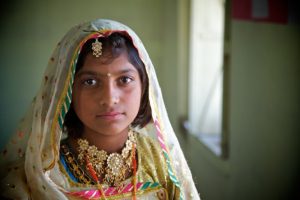
In India, menstruation is more than a biological process. According to the National Library of Medicine (NIH), girls’ health and education are foundational to a country’s development and essential for their full participation in political, economic and cultural life. According to UJAAS, “Period poverty is the lack of access to menstrual products, hygienic sanitation, and period education among women. It is one of the most critical issues faced by women in India.”
Causes of Menstrual Poverty in India
According to UJAAS, one of the most significant causes of menstrual poverty is the stereotypes that surround menstruation. When individuals bring up the topic of a period, the conversation is essentially hushed. The silence surrounding the topic of menstruation has been normalized, according to UJAAS. This causes women to be ashamed and can result in worsening problems.
Additionally, according to UJAAS, there is poor period awareness in India. Talking about menstruation is considered “taboo,” according to India Today. It can be associated with many myths, causing women to think that periods are impure or dirty.
School Dropout Increasing
Menstrual poverty impacts education in India. According to India Today, a lack of access to affordable sanitary products, clean bathrooms and menstrual education can cause many girls to miss school or drop out entirely. According to India Today, 60% of women in India do not attend school during their menstrual cycle.
In many schools, the lack of proper sanitation exacerbates the issue. India Today reports that 15,000 schools in India do not have functional toilets, and in some cases, girls must share toilets with boys or use stalls without doors, leaving them with no safe or private space to manage their periods. Without disposal systems, girls often skip school during menstruation out of fear, shame, or discomfort.
Furthermore, the New Indian Express reports that one in five girls in India drop out of school once they start menstruating. This is mostly because there is not only no menstrual education but also no access to sanitary products inside schools.
Additionally, research from Iwa Publishing shows that girls who go to school on their period have a higher chance of better academic performance. The odds are 14.82 times higher of this when compared to those who do not attend school on their periods.
Menstrual Poverty and Illness in India
According to Save the Child Foundation, menstrual poverty can cause an increased rate of sickness and can sometimes be fatal. When there is little to no access to the products needed, a lack of medical care and poor hygiene, diseases are more likely to occur.
Oftentimes, according to Save the Child Foundation, diseases such as urinary tract infections (UTIs) and other common infections can be fatal. In India, malnutrition is also a severe issue that can impact the health of women during their periods heavily.
In rural India, many women depend on unsafe feminine hygiene products such as rags, hay, sand or ash, according to UJAAS. Along with UTIs, infections such as rashes or bleeding can also be present.
Adding to the health risks is the widespread lack of medical support. According to the Deccan Herald, 91.7% of women do not seek medical help for menstrual health issues due to the lack of female doctors.
According to NIH, a 2024 study surveyed 6,715 girls across 16 states and found that only 14.3% sought treatment from health professionals.
Additionally, the International Journal of Community Medicine & Public Health reported that 62% of participants exhibited RTI symptoms like lower abdominal pain and painful urination, reflecting emerging reproductive morbidity from poor menstrual hygiene.
Solutions in Action
In November 2024, the Union Health Ministry approved the Menstrual Hygiene Policy for School-Going Girls. According to NDTV, this mandates free sanitary pads and hygiene kits for female students in government and aided schools nationwide.
According to NDTV, this policy, formally approved on November 2, 2024, also includes provisions for separate girls’ toilets and safe disposal systems. This marks a major push to normalize menstrual hygiene in schools and ensure dignity in uninterrupted education for adolescent girls.
In Madhya Pradesh, grassroots social enterprises like Saukhyam are advancing sustainable menstrual health through reusable, cloth-based pads made from banana fiber, according to Amma.
The Saukhyam Reusable Pads project, under Sri Mata Amritanandamayi Math’s Amrita SeRVe initiative, has reached more than 500,000 women and girls, according to Amma. This eliminated thousands of menstrual waste and received recognition like the Women Transforming India Award from NITI Aayog.
According to The Pioneer, these eco-friendly pads can last up to three years and have gained interest in more than 500,000 individuals in India as well as internationally. They also foster both environmental sustainability and cost-efficiency for users.
The Future
The Uttar Pradesh government, with the support from UNICEF, has launched the Swachh Garima campaign across 746 Kasturba Gandhi Balika Vidyalayas, according to the Free Press Journal. This initiative equips adolescent girls with scientific menstrual education, nutrition guidance and communication rights.
According to the Free Press Journal, specially trained female teachers deliver interactive lessons and involve parents. This aims to dismantle stigma and reinforce school attendance.
These efforts demonstrate a growing commitment to improving menstrual health management, supporting girls’ education, and breaking the cycle of poverty linked to menstruation stigma.
– Clarissa Dean
Clarissa is based in Bowling Green, KY, USA and focuses on Good News and Celebs for The Borgen Project.
Photo: Flickr

Liveaboard Helpers Provide Hope for Africa
Mercy Ships has impacted more than 2 million lives with the help of its liveaboard helpers. It has done over 119,000 surgeries, trained more than 50,000 people and has had more than 1,500 volunteers each year. Globally, 50% of all human beings live near a coast, making this the reason they use ships. “Two physicians per 10,000 people in sub-Saharan Africa” is the reason it serves the African region.
Providing Surgeries in Africa
Many of the stories by Mercy Ships recount the experiences of people living in countries where inadequate health care is available, as well as those who require surgeries.
According to Mercy Ships, ” In some areas of the world, medical professionals are a rarity. In countries like Sierra Leone, Madagascar, and others across sub-Saharan Africa, hospitals are scarce, and access to quality medical care is limited.” “Many people suffer from treatable conditions simply because there are no doctors or medical resources available to help them.”
In a 2019 Mercy Ships press release said how one child, Aissata from Guinea, was born with a cleft lip. She received assistance from liveaboard helpers through the Africa Mercy ship, which the child, of less than a year old, traveled around 200 miles with her mother to receive assistance from the liveaboard helpers.
“Their family is among the world’s estimated 5 billion people who do not have access to safe, affordable, timely surgery,” said the press release. “In sub-Saharan Africa specifically, 93% of the population cannot get the surgery it needs.” Africa requires places to get surgeries and health professionals.
Partnership
A partnership between MSC and Mercy Ships began in 2011. MSC originally provided cargo, but that turned into much more because of the attention MSC gave to Mercy Ships.
“I spent part of my childhood and early years in the shipping industry in the Horn of Africa, it is a region close to my heart,” said Diego Aponte, the founder. “I saw firsthand the challenges faced by many local communities there and this shaped my conviction that improving the availability of healthcare would bring real and lasting impact for them.”
MSC helps to provide funding, leading the way for Mercy Ships to focus on other areas.
In 2024, MSC Foundation, MSC Group and Mercy Ships partnered to grow the number of Mercy Ships to three.
This new ship will have a two-deck hospital, the ability to house around 600 crew, training areas and six operating rooms. The new ship will operate in sub-Saharan Africa.
In an MSC press release, Gert van de Weerdhof, CEO of Mercy Ships, said, “This new vessel and her future crew will enable us to meet surgical needs while supporting host nations as they develop healthcare systems with their next generation of medical professionals.”
– Matthew Restrepo
Photo: Flickr
LIFT Program in St Kitts and Nevis Improves Family Poverty
New and Improved
The LIFT Program in St Kitts and Nevis aims to replace the previous program, “Poverty Alleviation Program (PAP),” which the government made to relieve poverty within a specific region or country. Instead of simply supplying citizens with necessities and short-term solutions like the PAP Program, the LIFT Program set out to further reduce poverty by focusing on long-term sustainability and self-sufficiency. This newly developed program provides training that will further improve citizens’ skills that will help them sustain themselves while still offering direct financial assistance.
The previous PAP program helped close to 4,000 families, as of 2019. However, in just one year, the LIFT Program has already helped more than 4,300 households, making it a more impactful and effective program for low-income people in St Kitts and Nevis.
Better Lives for Families and Children
Child poverty is one of the most significant issues in St Kitts and Nevis, with 31% of children living in poverty. However, the LIFT Program is highly centered around family and child social benefits, working to reduce and prevent child poverty.
Prioritizing unemployed families, single parents, and those with disabilities, the LIFT Program in St Kitts and Nevis actively helps people provide for their families and create a safe and healthy environment for their children. By providing cash transfers, they open low-income families to more financial opportunities, like more nutritious food, easier access to high-quality health care, and better equipment for schooling.
Alongside daily financial assistance, the LIFT Program also provides aid during natural disasters or other emergencies where the family may need immediate financial help.
While adult poverty is not as widespread as child poverty, it is still a prevalent issue, with 17% of adults living in poverty. The ongoing family support from the LIFT Program helps adults get back on their feet, teaching them necessary life skills that will help them self-sustain and prevent their own downward spiral into poverty.
The Future of St Kitts and Nevis
The LIFT Program in St Kitts and Nevis is still new, only recently put in place to better the countries quality of life. However, with its continuous development and promising results, the program brings hope for those most in need. Alongside other social programs, improving education and healthcare, and the nation’s growing community, the LIFT Program will build a better future for families and children of St Kitts and Nevis.
– Sevyn Whatley
Photo: Flickr
Access to Higher Education in Tajikistan
Poverty
From 2000 to 2020, poverty in Tajikistan dropped significantly, from 83% to 26%. Despite this remarkable progress, the country still struggles to promote higher education. As in many parts of the world, families facing financial hardship often find it difficult to afford university or college, making higher education in Tajikistan an inaccessible goal for much of the population.
In Tajikistan, 73.6% of the population lives and works in rural areas, and nearly half of them remain below the poverty line. These economic constraints make it especially difficult for rural families to support higher education, both financially and logistically. In many cases, families rely on their children to contribute to the household income, making school a lower priority. Child labor laws in Tajikistan are relatively lenient, allowing this practice to continue with limited regulation or enforcement.
The Tajik government officially condemns child labor but has yet to implement effective policies to regulate or eliminate its use. In practice, society often views child labor as a necessary means to an end for families facing severe poverty, especially in rural areas where economic opportunities are limited and survival takes precedence over schooling.
Tradition
In many societies, a woman’s role is traditionally seen as that of a homemaker, and Tajikistan is no exception. Deeply rooted gender norms continue to shape expectations for women, limiting their access to higher education. In 2012, only 23% of college students in Tajikistan were female, compared to a global average of 51%, highlighting a significant gender gap. While female enrollment has steadily increased over time, now averaging 58 female students for every 100 male students, representation remains uneven. Among those who do attend college, only about 7% of women pursue scientific or technical disciplines, reflecting continued gender segregation in academic and professional fields.
In Tajikistan, work sectors dominated by women tend to pay far less than those dominated by men. For many women trying to support themselves or their families, this means earning just 60% of what a man in the same country might make. The struggle often starts early, as girls are more likely to drop out of school before finishing primary or secondary education. Whether due to financial strain, family expectations, or lack of opportunity, many young girls have to put their futures on hold long before they ever reach a classroom door in a university.
Efforts to Enable Prospective Students
The National Strategy for the Education Development of the Republic of Tajikistan (NSED) outlines key goals and initiatives aimed at making education more accessible, while also promoting meaningful changes to the country’s social and cultural framework. Despite significant growth in Tajikistan’s Gross Domestic Product, official employment among citizens remains low and has shown little progress. To address this gap, the NSEDRT calls for a stronger alignment between the education system and the domestic labor market.
In 2018, the President of Tajikistan emphasized that improving education is essential to enhancing the quality of life for all citizens, a statement that helped catalyze the development of the NSED, which spans from 2021 to 2030. By 2030, the strategy aims to ensure that education is free, equitable and of high quality. It also seeks to guarantee that the skills taught are both relevant and practical, while prioritizing improvements in literacy, student safety, and teacher qualifications.
Tajikistan’s path toward educational equity remains challenging, shaped by poverty, tradition, and limited resources. Yet with continued reform, growing awareness, and the resilience of its youth, there is hope that access to higher education in Tajikistan will become not a privilege, but a possibility for all.
– Abegail Buchan
Photo: Flickr
Refugee Policy and Humanitarian Leadership in Rwanda
Refugee Support and Integration Policies
Rwanda hosts approximately 120,000 refugees, primarily from the Democratic Republic of the Congo (DRC) and Burundi. The majority live in refugee camps such as Mahama, Kigeme and Kiziba, while others reside in urban areas like Kigali. Mahama, the largest camp, is home to tens of thousands of Burundian refugees, while Congolese communities are more concentrated in Kigeme and Kiziba.
Refugees in urban settings have access to employment and local services under Rwanda’s integration policy. Through a community-based health insurance scheme, many can access national health care, despite policies promoting self-reliance, practical challenges persist, including limited job opportunities and resource constraints. Refugees also face restrictions on political participation, and reports of pressure to return to their home countries have raised concerns among human rights organizations.
Legal Framework and International Collaboration
Rwanda is a signatory to the 1951 Refugee Convention, its 1967 Protocol and the 1969 Organization of African Unity (OAU) Refugee Convention. These commitments are reflected in Rwanda’s domestic laws, including Law No. 13 ter/2014, which outlines the rights of refugees and asylum seekers. Article 18 of this law ensures that refugees enjoy liberties protected by international legal instruments.
The Ministry of Emergency Management (MINEMA) oversees refugee affairs and coordinates with organizations such as the United Nations High Commissioner for Refugees (UNHCR) to implement resettlement programs and service delivery. The country’s asylum system includes national birth registration for refugees, reducing the risk of statelessness and supporting long-term integration.
Peacekeeping and Regional Influence
Rwanda has actively participated in peacekeeping operations with the African Union (AU) and United Nations (U.N.), including contributions to missions in the Central African Republic. These efforts have strengthened Rwanda’s international standing and regional influence.
At the same time, Rwanda’s involvement in neighboring conflicts has drawn scrutiny. Accusations of supporting rebel groups in the eastern DRC have sparked regional and international debate. While the Rwandan government maintains that its actions aim to protect national and regional security, organizations such as Human Rights Watch and AP News have reported ongoing tensions and concerns about the country’s role in exacerbating conflict dynamics.
Challenges to Refugee Protection
While Rwanda has been widely praised for its refugee policy framework, gaps remain. Some refugees have reported limited avenues for political expression, restricted civil liberties or difficulties accessing sustainable employment. Humanitarian organizations have raised concerns about forced or pressured returns, which would violate international protection standards. Despite these concerns, Rwanda’s refugee services continue to receive support from UNHCR and various nongovernmental organizations (NGOs), particularly in camp settings where food, shelter and basic services are more reliably delivered.
Future of Humanitarian Leadership in Rwanda
Rwanda’s approach to refugee protection combines legal commitment with regional engagement. The country has made important strides in integrating refugees into its public systems, while also contributing to peacekeeping and humanitarian diplomacy in Africa. Continued international collaboration, policy refinement and monitoring could address existing gaps and uphold refugee rights. By maintaining its focus on integration, service access and legal protections, Rwanda has the potential to build on its progress and serve as a regional model for humanitarian leadership in displacement contexts.
– Olivia Fanders
Photo: Flickr
How Intercultural Education in Bolivia Can Help Alleviate Poverty
Intercultural education recognizes cultural and linguistic diversity, as well as ensures all learners have the right to communicate in their native language. Thanks to various strategies, legal reforms and programs, the implementation of intercultural education in Bolivia helped improve outcomes, preserve identities and promote inclusion among rural communities.
Bolivia: A Plurinational Nation
Bolivia’s 2009 constitution declared the country a plurinational state and officially recognized 36 Indigenous languages. This signalled a step forward in the decolonization of Bolivia, as the document also guaranteed rights to “autonomy, self-government, their culture and recognition of their institutions” for Indigenous populations. The constitution also emphasises education in Bolivia as universal, intercultural and free in Article 17.
Following the 2009 constitution and its emphasis on education, the government introduced Law 070 in 2010 to promote multilingual, intracultural and intercultural education in Bolivia. This meant that a multilingual model replaced the bilingual model, so English, Spanish and an Indigenous language became part of the national curriculum.
However, the implementation of complete intercultural education in Bolivia poses a network of challenges. Some of these challenges include insufficient time allocated to native languages, a lack of native-speaking teachers and an inadequate understanding of socio-cultural and regional contexts.
Improving Educational Outcomes
In addition to constitutional and legal reforms, various organizations are working to improve opportunities for Indigenous peoples through multilingual and intercultural education in Bolivia. The Programa Amazónico de Educación Intercultural Bilingüe (PAEIB) has been promoting an intercultural bilingual approach to education in the Amazon and lowland region since 2006. PAEIB provides scholarships and supplies materials to primary schools across Indigenous regions, including dictionaries, learning units, songbooks and teaching guides. Not only does this supply of materials ensure that schools have the necessary equipment to teach native languages, but it also adapts and complements the curriculum towards Indigenous cultures.
Similarly, Fe y Alegría Bolivia promotes quality education for excluded populations. Fe y Alegría manages 398 educational centres across Bolivia (including specialised services for children with learning and hearing disabilities), benefiting 173,518 students and employing 9,384 teachers and administrators. The education centres focus on relevant and contextualised learning by adopting a learning model based on the knowledge and practices of rural Indigenous communities, meaning that the curriculum responds to the socio-cultural contexts of its students and helps to preserve their cultural identities.
Preserving Cultural Identities
With around 30 indigenous languages in danger of extinction, Bilingual Nests is preserving the identities of marginalized groups by revitalizing native languages nationwide. The program has been working since 2014 to prevent language extinction and impacted 2,314 children in 2021.
Bilingual Nests targets children under the age of four to maximise acquisition and adapt their approach depending on whether or not a child’s relatives or caregivers are native speakers. If they are, daily communication and instructions using the native language are encouraged, as well as family and community meetups, in order for the child to naturally build a linguistic foundation. If neither a primary caregiver nor a grandparent can oversee language transition, childcare facilities primarily use Indigenous languages during instructions and activities.
During the COVID-19 Pandemic, Bilingual Nests recognized inequalities regarding internet access and remote learning across Indigenous communities in Bolivia and subsequently developed both print and digital materials to continue running the program in rural communities. With the help of funding from UNICEF, Bilingual Nests hopes to continue expanding its strategies into more rural areas where native languages are at risk of extinction.
Funding and prioritization of native languages in the national curriculum are crucial in order for the 2009 Constitution’s promises of intercultural education in Bolivia to materialize.
– Clodagh Dowson
Photo: Flickr
Women in Peru: The Fight for Indigenous Rights
Conga Mine: Máxima Acuña’s Stand for Land and Water
The Conga Mine, a gold and copper project in Cajamarca, posed a significant threat to four lakes that are essential for local water supplies. Máxima Acuña, a Quechua subsistence farmer, emerged as a symbol of resistance after she refused to cede her land to Newmont Mining. Despite facing violent eviction attempts, criminalization, and harassment, Acuña achieved a landmark court ruling in 2014 that halted the mine’s expansion. Her courage earned her the Goldman Environmental Prize and inspired a documentary.
Although the project remains on hold, her success underscores the potential for Indigenous women’s rights in Peru to prevail against corporate power. Grassroots organizations like GRUFIDES continue to back similar legal efforts, illustrating that local activism can have a global impact.
Loreto’s Oil Spills: Women Rise from Crisis to Leadership
In the Amazon, persistent oil spills from the state-owned Petroperú have contaminated rivers and severely impacted the Kukama Indigenous communities. Leaders like Flor de María Paraná have emerged as powerful advocates, establishing organizations to demand clean water, health care and remediation for the spills, ultimately securing a 2021 court order that mandated government action.
Their advocacy has transformed community leadership, with groups such as ONAMIAP pushing for policies that prioritize Indigenous women in environmental and health issues. These accomplishments illustrate how crises can catalyze progress in women’s rights in Peru.
A Path Forward for Women in Peru
In Peru, Indigenous women are transforming challenges into powerful advocacy, proving that grassroots initiatives can effectively address deep-rooted injustices. Despite persistent threats such as inadequate enforcement of prior consultations, gender-based violence, and demands for corporate accountability, their achievements serve as a model for meaningful change. As Peru strives to balance economic development with human rights, the leadership of Indigenous women is essential. Their struggle extends beyond issues of land and water; it envisions a future in which women’s rights in Peru are unequivocally upheld.
– Emilia Bartle
Photo: Flickr
Responding to Crisis: IF Charity in Gaza
Origins and Mission
Souad’s involvement with the Palestinian cause began 20 years ago, when she helped a friend in Morocco raise funds by selling items at a mosque. After moving to the United Kingdom (U.K.) in 2018, she sought to continue her efforts and found Interpal, the organization that preceded IF Charity. Political challenges eventually led to Interpal’s closure and IF Charity emerged in its place with a continued focus on providing life-saving aid to Gaza. Souad believes that the cause itself sets the charity apart. “I think it hurts a lot to see someone suffering or going through hardship nonstop,” she said.
Education Reborn
Education Reborn, one of IF Charity’s signature programs, focuses on restoring learning opportunities for children in Gaza whose schools have been destroyed. The organization supplies essential materials such as tables and books, aiming to ensure that children have the tools and spaces needed to continue their education.
IF Charity also invests in community infrastructure. Its community development program supports water and desalination plant construction, which provides clean water to families and reduces the need for young people to travel long distances. The time saved allows youth to participate in education or pursue job opportunities through the charity’s job creation initiatives.
Food and Energy Security
According to IF Charity’s 2023 to 2024 action report, 90% of people in Gaza experience food insecurity. To address this, the charity distributes vegetable baskets and food parcels. During Ramadan 2024, the organization provided food parcels to 2,338 families. To tackle frequent electricity outages, IF Charity installed solar panels in North Gaza. These panels also support water extraction from wells, contributing to both energy and water access. The charity also organized an Eid fun day in 2024 to provide emotional relief and a sense of normalcy for children and families affected by ongoing conflict.
Overcoming Barriers
Despite its impact, IF Charity faces numerous obstacles. Infrastructure destruction — including hospitals, power lines and roads — hinders aid delivery. Blockades further restrict access to essential supplies. While the organization constructs makeshift clinics and supplies medicine to the extent possible, needs remain high.
Another significant challenge is the transfer of donations. Souad described the difficulty she experienced after raising more than £6,000 for Gaza during Ramadan. Banks refused to transfer funds directly to Gaza, citing restrictions. She explained, “They were happy with it to go to any other country besides Gaza.” Attempts to reroute donations through Türkiye also failed due to bank complications and even IF Charity was unable to accept the funds due to regulatory concerns.
Additionally, the charity faces limitations on social media. Its Instagram page has been shadow-banned, meaning that posts do not appear in users’ feeds and tagging volunteers is restricted. Souad said, “So many hours that the person [spends]… to post pictures, videos,” yet the content does not reach the intended audience.
Looking Ahead
As IF Charity navigates operational hurdles, it continues to create spaces for global participation through events that raise both awareness and support. Annual initiatives in Morocco and Istanbul allow donors and volunteers to engage directly with the charity’s mission while fostering a broader network of solidarity. Despite ongoing challenges, IF Charity remains focused on expanding its reach and sustaining critical aid programs. With continued collaboration and visibility, the organization aims to strengthen its long-term impact in Gaza and beyond.
– Maryam
Photo: Flickr
The Invisible Impact of Menstrual Poverty in India
In India, menstruation is more than a biological process. According to the National Library of Medicine (NIH), girls’ health and education are foundational to a country’s development and essential for their full participation in political, economic and cultural life. According to UJAAS, “Period poverty is the lack of access to menstrual products, hygienic sanitation, and period education among women. It is one of the most critical issues faced by women in India.”
Causes of Menstrual Poverty in India
According to UJAAS, one of the most significant causes of menstrual poverty is the stereotypes that surround menstruation. When individuals bring up the topic of a period, the conversation is essentially hushed. The silence surrounding the topic of menstruation has been normalized, according to UJAAS. This causes women to be ashamed and can result in worsening problems.
Additionally, according to UJAAS, there is poor period awareness in India. Talking about menstruation is considered “taboo,” according to India Today. It can be associated with many myths, causing women to think that periods are impure or dirty.
School Dropout Increasing
Menstrual poverty impacts education in India. According to India Today, a lack of access to affordable sanitary products, clean bathrooms and menstrual education can cause many girls to miss school or drop out entirely. According to India Today, 60% of women in India do not attend school during their menstrual cycle.
In many schools, the lack of proper sanitation exacerbates the issue. India Today reports that 15,000 schools in India do not have functional toilets, and in some cases, girls must share toilets with boys or use stalls without doors, leaving them with no safe or private space to manage their periods. Without disposal systems, girls often skip school during menstruation out of fear, shame, or discomfort.
Furthermore, the New Indian Express reports that one in five girls in India drop out of school once they start menstruating. This is mostly because there is not only no menstrual education but also no access to sanitary products inside schools.
Additionally, research from Iwa Publishing shows that girls who go to school on their period have a higher chance of better academic performance. The odds are 14.82 times higher of this when compared to those who do not attend school on their periods.
Menstrual Poverty and Illness in India
According to Save the Child Foundation, menstrual poverty can cause an increased rate of sickness and can sometimes be fatal. When there is little to no access to the products needed, a lack of medical care and poor hygiene, diseases are more likely to occur.
Oftentimes, according to Save the Child Foundation, diseases such as urinary tract infections (UTIs) and other common infections can be fatal. In India, malnutrition is also a severe issue that can impact the health of women during their periods heavily.
In rural India, many women depend on unsafe feminine hygiene products such as rags, hay, sand or ash, according to UJAAS. Along with UTIs, infections such as rashes or bleeding can also be present.
Adding to the health risks is the widespread lack of medical support. According to the Deccan Herald, 91.7% of women do not seek medical help for menstrual health issues due to the lack of female doctors.
According to NIH, a 2024 study surveyed 6,715 girls across 16 states and found that only 14.3% sought treatment from health professionals.
Additionally, the International Journal of Community Medicine & Public Health reported that 62% of participants exhibited RTI symptoms like lower abdominal pain and painful urination, reflecting emerging reproductive morbidity from poor menstrual hygiene.
Solutions in Action
In November 2024, the Union Health Ministry approved the Menstrual Hygiene Policy for School-Going Girls. According to NDTV, this mandates free sanitary pads and hygiene kits for female students in government and aided schools nationwide.
According to NDTV, this policy, formally approved on November 2, 2024, also includes provisions for separate girls’ toilets and safe disposal systems. This marks a major push to normalize menstrual hygiene in schools and ensure dignity in uninterrupted education for adolescent girls.
In Madhya Pradesh, grassroots social enterprises like Saukhyam are advancing sustainable menstrual health through reusable, cloth-based pads made from banana fiber, according to Amma.
The Saukhyam Reusable Pads project, under Sri Mata Amritanandamayi Math’s Amrita SeRVe initiative, has reached more than 500,000 women and girls, according to Amma. This eliminated thousands of menstrual waste and received recognition like the Women Transforming India Award from NITI Aayog.
According to The Pioneer, these eco-friendly pads can last up to three years and have gained interest in more than 500,000 individuals in India as well as internationally. They also foster both environmental sustainability and cost-efficiency for users.
The Future
The Uttar Pradesh government, with the support from UNICEF, has launched the Swachh Garima campaign across 746 Kasturba Gandhi Balika Vidyalayas, according to the Free Press Journal. This initiative equips adolescent girls with scientific menstrual education, nutrition guidance and communication rights.
According to the Free Press Journal, specially trained female teachers deliver interactive lessons and involve parents. This aims to dismantle stigma and reinforce school attendance.
These efforts demonstrate a growing commitment to improving menstrual health management, supporting girls’ education, and breaking the cycle of poverty linked to menstruation stigma.
– Clarissa Dean
Photo: Flickr
How UNICEF’s initiative is expanding education for Rohingya Girls
UNICEF’s Education Initiative
To address these challenges, UNICEF’s education initiative, in collaboration with 45 partner organizations, has played a successful role in expanding education for Rohingya girls. With support from NGOs such as the Global Partnership for Education, which contributed $11 million just in 2023, the initiative established more than 3,500 learning centres. Today, 80% of children aged 6-11 are part of learning centres with a high attendance rate of 83% and a similar proportion between boys and girls.
Still, enrollment rates decline as girls grow older. As a response, UNICEF began implementing girls-only classrooms in 2022 and increased the number of female volunteers from 71 to 305. These changes were made in recognition of cultural sensitivities, where many families believe girls should not study alongside boys or the fear that girls may be harassed outside the home. As a result, more female teachers, volunteers, and girls-only classrooms helped reassure and encourage parents to keep their daughters in school, increasing the number of girls in secondary education from 17% to 24% over the past two years.
Despite progress, the initiative has recently been facing challenges due to a funding crisis. Some learning centres had to close while others struggled with limited learning materials and a lack of qualified teachers, especially at the secondary level. The 50,000 estimated new arrivals in the camp and another 50,000 refugees waiting for registration further exacerbate this issue, according to the Rohingya Refugee Response.
The 2025-26 Joint Response Plan
To mitigate such challenges, the 2025-26 Joint Response plan, launched on March 24, calls for $71.5 million. Part of this will come from the 2025 Complementary Development Fund to maintain and establish learning facilities.
Another key component of the plan is its aim for a more inclusive education for children aged 3-18. This includes the launch of Early Childhood Development, Accelerated Learning Programmes for over-aged learners, and flexible learning arrangements for disabled children. It also reiterates efforts to continue to encourage girls’ enrollment and attendance by establishing more female-only classes and increasing the recruitment of female teachers.
Notably, the plan states that the education will continue to follow the Myanmar curriculum delivered in Burmese, the Myanmar language. This not only helps preserve cultural identity but also prepares children for eventual repatriation to Myanmar in the future.
The Future
Education for Rohingya girls is a right, a shield against child marriage and labour, and a step toward financial stability. Thanks to the help of volunteers, UNICEF’s education initiative and the support from its partner, thousands of Rohingya girls have gained access to education which opened doors to bigger opportunities. However, as funding falls short, international support is essential more than ever. Only through continued investment can we ensure that these girls will have the chance to learn, grow, and lead.
– Lucy Cho
Photo: Flickr
Transformation of Elderly Poverty in Panama
The Influence of Non-Contributory Pension
In Panama, the elderly make up a significant part of the population, and many are facing tough challenges. Despite efforts underway to support this community, elderly poverty in Panama continues to create harsh realities for many. With pensions often falling short, countless seniors find themselves pushed back into the workforce, not out of choice but necessity, to avoid slipping below the poverty line. Back in 2012, around 26.2% of the demographic are still working, a rate nearly twice as high as that seen in countries belonging to the Organization for Economic Co-operation and Development [OECD]. But the picture grows even more troubling when it becomes evident that many seniors in Latin America work in informal jobs or self-employment without access to social protections or benefits, which forces them to labor far longer.
Fortunately, programs like the Non-Contributory Pensions (NPCs) have begun to turn the tide for elderly poverty in Panama, especially those working in the formal sector. These “social pensions” provide a vital financial lifeline to low-income seniors, offering support even when they have not contributed to traditional pension systems. The impact has been significant; it has greatly reduced extreme poverty by 66.1% and moderate poverty by 56% among Panama’s elderly. While this program does not magically erase poverty overnight, it lays a crucial foundation for organizations to grant older citizens a chance to live with dignity, free from the constant threat of poverty.
“Social protection is thus a universal human right.” In line with this principle, Non-Contributory Pensions (NPCs) have seen a substantial increase in coverage across Latin America since the early 2000s. These programs have become an essential mechanism for safeguarding vulnerable populations, particularly the elderly, from the various risks and challenges associated with aging. For example, as of July 2019, Panamanian elderly individuals who qualify for these pensions receive a guaranteed minimum monthly payment of 120 balboas, providing them with critical financial support.
Healthy Aging in Panama
Healthy aging, which the United Nations General Assembly officially declared in 2020, represents one of the most deliberate and strategic approaches to fostering a sustainable society that supports individuals of all ages, with particular emphasis on the elderly. Panama is among the countries encompassed by the Pan American Health Organization (PAHO), which prioritizes transforming societal attitudes toward aging, promoting community environments that are supportive and welcoming to older adults, and implementing “person-centered care and primary health services” tailored specifically to the needs of the elderly. Additionally, PAHO focuses on ensuring adequate resources and infrastructure for long-term care to enhance the quality of life for older populations.
In Panama, elderly individuals hold a position of great respect within the social hierarchy of their households. Maintaining a healthy lifestyle is crucial not only for nurturing strong family dynamics but also for extending their ability to participate actively in the labor market. Furthermore, good health among the elderly helps reduce medical expenses [especially for the uninsured], promotes greater autonomy, and contributes positively to broader economic growth.
The National Plan for the Elderly
The National Plan for the Elderly 2022–2025, which Panama’s Ministry of Social Protection (MIDES) oversees, coordinates a range of programs aimed at supporting the issue with elderly poverty in Panama. This comprehensive plan centers on three key priorities: economic security, health and the creation of sustainable environments. Its objectives include ensuring access to educational benefits, reducing healthcare costs, actively monitoring the health status of older adults to prevent future complications, improving caregiving services and fostering healthier living environments where older adults can thrive. The plan involves collaborative efforts among institutions such as the Ministry of Health (MINSA) and the Panamanian Social Security Fund.
Looking Forward
In recent years, Panama has made significant efforts to strengthen institutions that support elderly citizens, particularly in low-income communities. With the backing of several international organizations, the country has seen notable progress in addressing pension insecurity since the early twenty-first century. A nation’s economy is deeply influenced by the choices it makes, and Panama’s commitment to caring for its aging population is a powerful example. This initiative is not only economically sound, promoting stability and growth, but also reflects a fundamental human right: the right to dignity and protection at every stage of life.
– LaRaymee Lee
Photo: Unsplash