Elderly Poverty in South Africa: Progress and Challenges
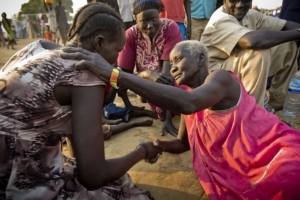 Elderly poverty in South Africa affects more than 5.5 million citizens, about 9.2% of the total population, according to Statistics South Africa. The legacy of Apartheid continues to impact older adults’ financial security, as multiple generations faced systematic exclusion from secure pension systems from 1948 to 1994.
Multi-generational households are common in South Africa. South Africa’s population continues to age as the country progresses through the demographic transition. Living among close family members helps the elderly substantially, as roughly one quarter of South Africa’s elderly live on less than $100 a month. White South Africans accumulated inter-generational wealth and secured retirement benefits, while the apartheid regime denied the same opportunities to Black South Africans and those of Indian descent, according to Human Rights Watch.
Pensions and Politics
Remedying the problem began before the formal end of Apartheid. Under the leadership of F.W. de Klerk, pension amounts for black South Africans increased while white pension amounts reduced. This continued until 1994 when all groups formally equalized. Although Apartheid was formally abolished, the majority of Black South Africans lacked any form of private pension or financial safety in their old age.
After the peaceful transition of power, the new democratic government led by the African National Congress began constructing and expanding the Old Age Grant, which was to become the bedrock of South Africa’s Social Security. New amendments in 2008 equalized access by setting the age for both men and women at 60 to be able to file a claim. Adjusted for inflation, South Africa’s social grant expenditure has quadrupled since 1994. As of 2025, social assistance is a cornerstone of the welfare system, accounting for roughly 11% of the national budget.
Dynamics of Aging
Despite these efforts, elderly poverty remains a difficult policy area to tackle as the country’s leaders have to address the current needs as well as plan for future aging. Complicating the problem are the normal occurrences of health issues as a result of aging. Aging increases the risk for chronic diseases (hypertension, diabetes, arthritis), disabilities and frailty.
In South Africa, the health system is struggling to meet geriatric care needs. Primary care clinics are free and generally available, but they are often crowded and not elderly-friendly. The state offers a Grant-in-Aid, which equates to an extra R500 per month for pensioners who require full-time care, but this amount is grossly insufficient (R500 is less than the minimum wage for just one day of a caregiver’s labor).
Gaps in Elderly Support Services
In 2025, roughly 20 years after South Africa’s Older Persons Act became effective, the state is still struggling with filling its deficits. According to a recent University of Cape Town study, the Department of Social Development (DSD) allocates only about 2% of its older persons budget to services other than the pension.
Further complications emerge due to the program’s structure. Similar to programs like Medicare in the United States (U.S.), funding for these elderly programs is dependent on the state of residence. This structure, coupled with an inefficient inter-agency entanglement that potentially jeopardizes quality of life and health care, is often the dilemma many elderly South Africans face.
Filling the Deficits
In the current system, where government, private pensions and safety nets vastly underperform, nonprofit organizations are often the deciding factor between life and death. Fortunately, South Africa reportedly has a vibrant civil society sector that specializes in aging, stemming from church groups and charities that historically ran old age homes or feeding schemes for those excluded by Apartheid.
Among the notable systems is the Age-in-Action (the South African Council for the Aged). Founded in 1956, it is essentially a federation of organizations for older persons. These member organizations range from big provincial NGOs (like TAFTA in KwaZulu-Natal or BADISA in Western Cape) to small local elder clubs and religious charities. Together, they provide vital services to the elderly, often with minimal resources. According to its mission, it represents more than 2.7 million older people nationwide and has at least 800 member NGOs under its umbrella.
International aid has also been crucial. The United Nations Population Fund (UNFPA) and World Health Organization (WHO) are helping the government develop a National Strategy on Healthy Ageing, aligning with the United Nations (U.N.) Decade of Healthy Ageing (2021–2030). This strategy aims to incorporate older persons’ needs into public health planning.
At the grassroots, many communities have self-help groups for seniors. Stokvels (rotating savings clubs) among elderly women are common; they pool bits of their pension to save for emergencies or to start small vegetable gardens together. Churches also play a vital role as they often organize visits to sick elders, help with chores or run soup kitchens for the elderly. Traditional leadership structures in some rural areas also provide support. For example, chiefs might allocate a piece of communal land for an old age vegetable garden or community caregivers.
Future of Elderly Poverty in South Africa
Addressing elderly poverty in South Africa remains a collaborative process that continues to evolve, with ongoing efforts to expand support to meet current and future needs.
– Maxwell Marcello
Maxwell is based in Pittsburgh, PA, USA and focuses on Global Health for The Borgen Project.
Photo: Flickr
