How Football Academies in Africa Are Changing Lives
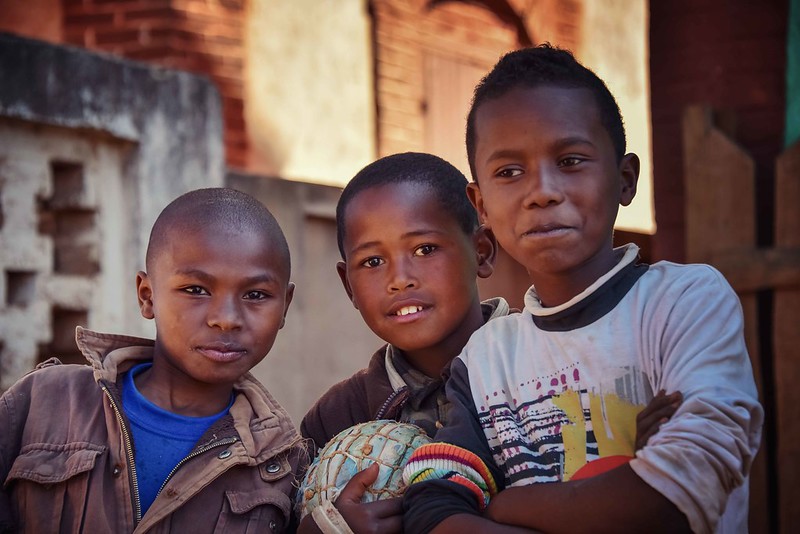 Across Africa, where poverty, unemployment, and inequality often impact he potential of young people, football appears to be redrawing the lines. Such is the case in the heart of Kibera, Nairobi’s vast informal settlement, where a group of young women trains relentlessly at Kibera Soccer Women FC, the first team from an informal settlement to reach Kenya’s Premier League. Football academies in Africa are changing lives.
Football as a Health and Education Gateway
Kibera Soccer FC links training to community wellness: players serve as peer educators on sexual and reproductive health, gender-based violence and education advocacy, working alongside NGOs and schools. The club’s involvement helps destigmatise critical topics and guides peers to vital resources and services rarely available in informal settlements.
In Uganda, Kampala Kids League has engaged more than 16,000 children from 160 schools, minority communities and orphanages since 1998. Through football, basketball and even baseball, it provides structured play and life-skills lessons, delivered by more than 2,000 trained volunteers. Embedding sport in everyday life has helped keep kids in school and connected to community support.
Tackling Sexual Health and Gender Norms
In Malawi, the Health Goals Malawi project, run by the Liverpool School of Tropical Medicine in partnership with the LFC Foundation, used football to engage adolescent boys and young men aged 14–24 in HIV self-testing initiatives. During its first year, the programme distributed more than 3,300 self-test kits, resulting in a jump in self-reported testing rates from 53% to 83%. This sharp increase not only improved testing coverage but also helped normalise discussion around HIV, reducing stigma associated with knowing one’s status.
Meanwhile, in South Africa, WhizzKids United, a school-based 12-week football curriculum focused on HIV prevention, demonstrated significant behavioural impact. Evaluation studies found that participants showed greater HIV-related knowledge and reduced stigma compared to peers receiving only classroom education. The program also addressed gender norms: schools reported noticeable increases in respect and understanding between male and female students following sessions.
These approaches are proving that football pitches, traditionally reserved for footwork, can be influential platforms for action. By integrating self-testing access, role-model-led education and open conversations, such football-based health programmes are delivering measurable strides in HIV awareness, testing and gender-equitable attitudes across the region.
Sport-Based Employment and Soft Skills
Beyond health, football programmes are nurturing employability and entrepreneurship in youth facing unemployment. The Laureus Sport for Good SESLA fund has invested more than €150,000 per site into sport-driven youth employability projects. In Mozambique, a capoeira and football hybrid programme trains young people in leadership, peer mentoring and conflict resolution. These are all skills that local employers value.
Coaches Across Continents, active in 113 countries, including many African nations, reports that its training equips coaches to teach life skills alongside football. Its 2021 annual report highlights core programmes in “Choice for Women” and entrepreneurship, bridging sport with digital literacy and gender empowerment.
In Cameroon, the youth-focused JumpStart Academy Africa has expanded its leadership curriculum to include sport-derived modules, training more than 20,000 students in entrepreneurial leadership through teamwork, communication and problem-solving skills directly applicable to self-employment and small business ventures.
Building Peace and Community Cohesion
In Sierra Leone and Liberia, two countries still recovering from civil war, local football tournaments have united young people across ethnic divides, promoting peace and dialogue. Schools introduce “Fun Football” curricula in Nigeria that bring together displaced children and local youth, promoting inclusion, life skills and psychosocial healing. These initiatives go far beyond skills on the ball; they create peer networks, shared goals and community trust.
Anchoring Sport in Community Ecosystems
Football isn’t isolated; it’s embedded in community ecosystems. Charts show that in Kibera, players mentor younger peers as part of CFK Africa’s programs, developing continuity and local leadership.
In Kampala, organisations like Kids Club Kampala have doubled youth participation in football and mentoring sessions—reaching more than 64 regularly attending participants—with trained coaches providing emotional support, discipline and real-world advice to steer young boys away from crime and substance abuse.
Meanwhile, Coaches Across Continents has trained more than 74,000 coaches across 133 countries—including Uganda—to use sport as a platform for community leadership, gender equity and educational outcomes.
Football Academies in Africa
Football is one of Africa’s most accessible sports; ongoing trends suggest that it is one of its most effective tools for development. Whether by promoting health, education, peace or employment, football academies in Africa are helping youth unlock potential and build brighter futures. As these grassroots initiatives continue to grow, they offer a model of how sport could drive real, measurable change in the fight against poverty.
– James Harwood
James is based in England, UK and focuses on Good News and Global Health for The Borgen Project.
Photo: Flickr
