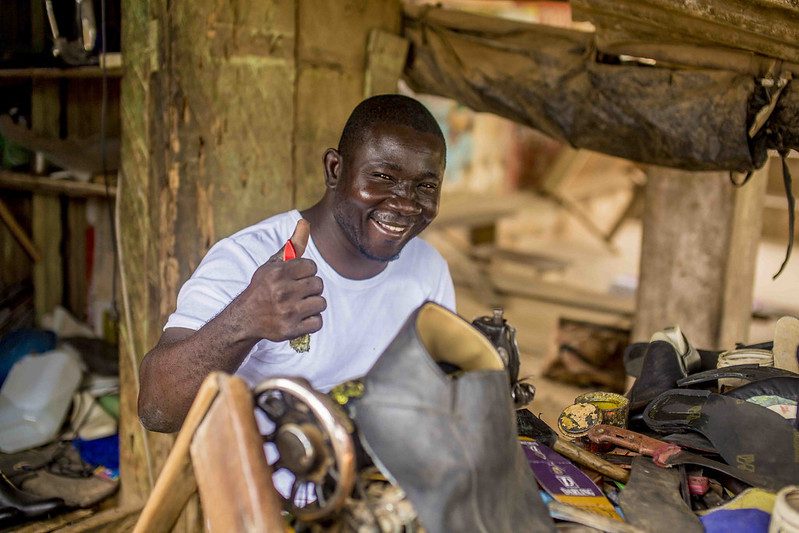
 In Ghana, between 2023 and mid‑2025, non-governmental organizations have partnered with the government and international organizations to spearhead transformative programs for persons with disabilities, crucial in breaking the cycle of poverty.
Disabilities in Ghana
According to the 2021 Population and Housing Census by the Ghana Statistical Service, around 8% of Ghanaians experience some form of disability. According to Ghana Districts in 2017, visual impairment makes up 38.3% of people with disabilities in Ghana, followed by physical at 18.1%, intellectual at 8.0%, emotional at 23.1%, hearing at 14.6% and speech at 14.7%.
Because of these disabilities, according to Ghana Districts, approximately 67.9% of individuals with physical disabilities have attended school, but just 2.6% have attained post-secondary education.
Additionally, according to Emerging Public Leaders, only 30% of public buildings in Ghana meet accessibility criteria. According to a 2020 article, households with a person with disability face significantly higher poverty levels, 38.5% vs. 22.6%.
Training Social Workers for Inclusive Support
In July 2024, UNICEF, in coordination with the Ministry of Gender, Children and Social Protection and USAID, launched a seven-week certified training program, which upskilled 60 social service workers from all 16 regions, enhancing their ability to support disabled individuals through better case management, disability rights awareness, and community-based rehabilitation.
“By improving and building the capacity of social workers, Ghana is paving the way for the delivery of quality care and services for children and vulnerable families to thrive,” UNICEF Representative Osama Makkawi said at the launch of the program, according to UNICEF’s website.
Ghana Federation of Disability Organizations
Legal frameworks have historically lagged behind Ghana’s commitment to disability rights. The Ghana Federation of Disability Organizations (GFD), a national umbrella body, has taken the lead in addressing this gap.
According to Ghana News Agency (GNA), in mid-2024, GFD ramped up advocacy for the reenactment of the 2006 Persons with Disability Act (Act 715) to align with the U.N. Convention on the Rights of Persons with Disabilities.
With support from the legal NGO Centre for Public Interest Law (CePIL) and funding from Oxfam, which provides services and training to people with disabilities. CePIL organized trainings nationwide capacity-building workshops to train people with disabilities in legal advice.
ACLiDD-Ghana Promotes Inclusive Employment
While legislation is critical, economic empowerment remains a key challenge for Ghana’s disabled population. According to GNA, Advocacy for Children Living with Developmental Disabilities (ACLiDD) has led efforts to push for policy incentives for inclusive employment.
On International Day of Persons with Disabilities 2024, according to GNA, ACLiDD launched a public campaign. This campaign called for leadership roles to not be based on physical abilities, but instead on competency, vision, passion and determination.
It emphasized the importance of mentorship and job-readiness programs to support transition from education to work, according to GNA..
Africa Disability Institute Performs Accountability Activity
In April 2024, the Africa Disability Institute (ADI) launched a five-year USAID-funded Performance Accountability Activity in select directs across the Volta and Oti Regions, according to GNA.
The program includes assemblies in Keta, Ketu South and Nkwanta North and South as well as the empowerment of persons with disabilities in Ghana, according to GNA. It monitors ans holds public institutions accountable in essential sectors such as education, healthcare, WASH, agriculture and fisheries.
According to GNA, at stakeholder meetings in Keta, ADI emphasized strengthening user voice and community networks to secure equitable service delivery. The project aims to enhance local economic outcomes by ensuring inclusive development plans are implemented in these four districts before expanding nationwide.
Looking Forward
Despite growing momentum, challenges remain. Funding gaps, inconsistent data collection and social stigma continue to hinder progress.
According to the International Labour Organization (ILO), investing in disability inclusion can yield significant economic returns, potentially increasing GDP by up to 7% in some countries.
Additionally, Ghana’s Direct Assemblies Common Fund for Persons with Disabilities is mandated to allocate 3% of district development funds towards disability support, according to My Joy Online. However, civil society groups like SEND Ghana have reported delays and inconsistent disbursement at the district level.
In all, Ghana’s journey toward disability inclusion is not complete, but the foundation is being laid.
– Clarissa Dean
Clarissa is based in Bowling Green, KY, USA and focuses on Good News and Celebs for The Borgen Project.
Photo: Flickr

Migration to Côte d’Ivoire
Historically
Côte d’Ivoire was a French Colony until 1960, when the country gained independence and joined the United Nations (UN) in the same year. Since its independence, the country has experienced periods of political instability, however, despite its challenges the country remains resilient, fostering a strong sense of national identity that continually makes it an attractive destination for migrants in Western Africa.
Since gaining independence, Côte d’Ivoire experienced an economic boom encouraging migrants to come from the sub-region, representing the first migration country in the region. This allowed migrants to come in and contribute to the labor force, helping fuel the economic boom.
Côte d’Ivoire is the main migration destination in West Africa and is the second most popular destination on the continent after South Africa, with the country taking in roughly 2.5 million migrants annually constituting just under 10% of their population. Looking more closely at where migrants are coming from, about 90% of migrants coming into Côte d’Ivoire are nationals of the Economic Community of West African States (ECOWAS), with the majority of them coming from Burkina Faso.
Why Côte d’Ivoire?
There are numerous reasons why people migrate to Côte d’Ivoire with the most popular being economical with the country offering better business and job opportunities as well as better education for children.
There is a predominance of immigrants from Burkina Faso, when looking at migration to Côte d’Ivoire. Burkina Faso shares their southern border with Côte d’Ivoire and the country is currently facing a humanitarian crisis with more than 2 million internally displaced people, causing them to flee to neighboring countries, primarily Côte d’Ivoire. The situation in Burkina Faso has left large groups of people impoverished and without access to basic services, leading them to migrate south in search of better opportunities.
Migration to Côte d’Ivoire is not perfect as the country has experienced periods of instability. The country, however, works with numerous branches of the U.N. so that their ability to keep their borders open is not impacted. The number of refugees and asylum seekers from nearby regions has steadily increased since 2022, reaching just more than 55,000 in 2024, causing them to rely more heavily on support from international organizations.
Managing Migration
International Organizations have become a key factor in helping Côte d’Ivoire strengthen their infrastructure so that they can maintain their open borders as well as provide a smooth transition for immigrants coming in, as well as people returning to the country. Examples include the U.N. High Commissioner for Refugees (UNHCR), which focuses on strengthening protection for migrants when the enter the country, U.N. Development Programme (UNDP), who works to keep migrant children in schools while also working with Côte d’Ivoire’s government in overseeing projects that work within sustainable development goals (SDGs). Lastly the World Food Programme (WFP) helps provide school meals for kids throughout the year.
Since the country became a member of the International Organization for Migration (IOM) in 2000, which is a branch of the UN, it has helped manage migration flows into the country as well as protecting the dignity of migrants once inside the country. It does this by helping the government with projects aimed at the intersection of migration and development, counter-trafficking, reintegration measures and support for migrants.
The IOM focuses mainly on border management, working with migrants as they come into the country. These efforts include providing migrants the necessary information for them on safe and secure migration paths as they enter the country. It does work with the communities at the border in order to strengthen their capacity to support migrants as they come in, by developing programs aimed at peacebuilding, counter-trafficking and managing natural resources.
Looking Ahead
Côte d’Ivoire has become the most popular destination in Western Africa, taking in millions of migrants annually due to its attractive, growing economy, with most of the migrants to Côte d’Ivoire coming from neighboring countries like Burkina Faso. This is due to Burkina Faso experiencing a major refugee crisis, causing Burkinabe migrants to flee south in order to escape poverty. Due to the large number of migrants coming into Côte d’Ivoire, the country has relied on the help of international organizations, largely backed by the U.N., to help support the flow of people into the country, in order to create better conditions for migrants to help get them out of poverty.
– Olivia Peters
Photo: Unsplash
5 Ways M-TIBA Kenya Transforms Health Care
5 Ways M-TIBA Kenya Transforms Health Care
Looking Ahead
M-TIBA Kenya demonstrates how mobile technology, when supported by government and nonprofit partners, can bridge gaps in health access. Furthermore, it can empower individuals to manage their own care. The continued rollout of AI, combined with strong public‑private‑community partnerships, positions M‑TIBA as a key player in Kenya’s push for universal health coverage. The scaling of digital health wallets offers a replicable model for other lower‑income countries seeking to close care gaps and empower individuals to manage their health funds effectively.
– Hayden Chedid
Photo: Flickr
Education Reform in Malaysia
Problems in the Education System
In Malaysia, the problem of inequity remains. Students in states with a high rural population perform less than states with high urban populations. Additionally, girls perform better than boys, with women comprising 70% of university-level cohorts.
The most prevalent gap remains between socio-economic origins, which can be defined using three points: the parents’ highest education level, the state’s average income per household and the number of students receiving financial aid. Of good schools in Malaysia, only 7% have more than two-thirds of their population receiving financial assistance, versus 52% of underperforming schools. In an effort to further bolster equity through education reform in Malaysia, the Ministry of Education has implemented the Malaysian Education Blueprint 2013-2025.
Shifts to Transform the System
To minimize gaps between students, the Malaysian Education Blueprint 2013-2025 consists of 11 shifts to implement: (1) equal access to quality education; (2) guarantee language proficiency in Bahasa Malaysia and English; (3) inspire a value-driven lifestyle; (4) improve teaching; (5) establish strong leaders in schools; (6) promote school improvement (infrastructure, performance); (7) utilize technology in the classroom; (8) empower state and district education departments; (9) collaborate with parents and community; (10) get best educational results for every ringgit spent and (11) increase transparency in education system.
Malaysia has implemented the 11 shifts through three waves. The plan is to track education reform in Malaysia after each wave (2015, 2020, 2025) to review progress.
Impacts of the Education Blueprint
Currently, Malaysia is in the third wave of its plan as it approaches its final review in 2025. Though some experts have observed that Malaysia has failed to completely implement its shifts, the plan has introduced major improvements in Malaysia’s education system. Within the first two years of the plan’s implementation, Malaysia saw a 31% decrease in the gap between urban and rural states. Additionally, English literacy increased from 63% to 94% in primary school students. Further, Malaysia has exited the bottom third in the ranking of education systems.
Looking Ahead
It appears there is still much work to do if Malaysia is to achieve its initial goals. Challenges remain in three main areas: weak progression in student achievement, dropouts—particularly among minority ethnic groups—and the remaining urban and rural disparity. Though it seems unlikely that Malaysia will be able to fully accomplish everything stated in the Education Blueprint by 2025, an extension of a few years may be enough for it to reach its aspiration of entering the top third in the education system rankings. Malaysia has made measurable progress since 2013 and an extended timeline may help the country meet its education goals.
– Ariana Wang
Photo: Flickr
Health Care System in Turkey
Backed by the Social Security Institution (SGK), the scheme now covers nearly 97% of the population, offering access to public and private providers. The country has a mixed public-private model, with more than 870 public hospitals, 571 private hospitals and 68 university hospitals as of 2022. According to the Organisation for Economic Co-operation and Development (OECD) reports, Turkey spends around 6.3% of its gross domestic product on health, well below the OECD normal of 9.3%, but still achieves good results. Life expectancy has reached nearly 79 times and under 5 years old mortality has fallen by 88% between 1990 and 2021.
Growing Pains
Despite these achievements, systemic problems remain. Turkey faces indigenous differences in child mortality and access to health care, according to the World Health Organization (WHO). There are also growing concerns about high levels of antibiotic use, air pollution and rising rates of rotundity and diabetes, which now affect around 13% to 17% of people in the country.
Turkey is also a world leader in medical tourism, attracting cases from Europe and the Middle East with affordable dentistry, ornamental surgery and hair transplants. Turkey is also a world leader in medical tourism, attracting cases from Europe and the Middle East with affordable dentistry, ornamental surgery and hair transplants. The government-backed USHAŞ (International Health Services Inc.) agency has helped promote these services worldwide. At the same time, numerous hospitals retain Joint Commission International delegations.
However, confidence in the health care system was shaken after serious allegations of fraud and price fleecing in neonatal ferocious care units surfaced. Several croakers and nurses are under investigation and several private conventions have been closed after babies were allegedly transferred from one sanitarium to another to inflate insurance claims.
Following this incident, all private hospitals in Turkey were required to obtain accreditation from the Turkish Health Care Quality and Accreditation Institute (TÜSKA) starting January 2025. A total of 58 standards and 244 criteria will be enforced and hospitals seeking accreditation must report their compliance in detail. While health care system in Turkey has made significant progress in coverage, infrastructure and innovation, it now faces the challenge of maintaining quality and integrity amid rising demand and increased ethical scrutiny.
Looking Forward
Turkey has taken decisive steps to rebuild trust and strengthen oversight in response to recent setbacks. The introduction of mandatory TÜSKA accreditation marks a serious push toward greater transparency and accountability in private care. The Health Ministry has also increased digital monitoring of insurance claims and expanded training for hospital staff. Meanwhile, investments continue in public health infrastructure, with new city hospitals opening and e-health services expanding. These moves show Turkey’s commitment to safeguarding the gains of its health care reform while adapting to new challenges.
– Ksenia Potaturina
Photo: Freepik
The Link Between Poverty and Disabilities in Ghana
Disabilities in Ghana
According to the 2021 Population and Housing Census by the Ghana Statistical Service, around 8% of Ghanaians experience some form of disability. According to Ghana Districts in 2017, visual impairment makes up 38.3% of people with disabilities in Ghana, followed by physical at 18.1%, intellectual at 8.0%, emotional at 23.1%, hearing at 14.6% and speech at 14.7%.
Because of these disabilities, according to Ghana Districts, approximately 67.9% of individuals with physical disabilities have attended school, but just 2.6% have attained post-secondary education.
Additionally, according to Emerging Public Leaders, only 30% of public buildings in Ghana meet accessibility criteria. According to a 2020 article, households with a person with disability face significantly higher poverty levels, 38.5% vs. 22.6%.
Training Social Workers for Inclusive Support
In July 2024, UNICEF, in coordination with the Ministry of Gender, Children and Social Protection and USAID, launched a seven-week certified training program, which upskilled 60 social service workers from all 16 regions, enhancing their ability to support disabled individuals through better case management, disability rights awareness, and community-based rehabilitation.
“By improving and building the capacity of social workers, Ghana is paving the way for the delivery of quality care and services for children and vulnerable families to thrive,” UNICEF Representative Osama Makkawi said at the launch of the program, according to UNICEF’s website.
Ghana Federation of Disability Organizations
Legal frameworks have historically lagged behind Ghana’s commitment to disability rights. The Ghana Federation of Disability Organizations (GFD), a national umbrella body, has taken the lead in addressing this gap.
According to Ghana News Agency (GNA), in mid-2024, GFD ramped up advocacy for the reenactment of the 2006 Persons with Disability Act (Act 715) to align with the U.N. Convention on the Rights of Persons with Disabilities.
With support from the legal NGO Centre for Public Interest Law (CePIL) and funding from Oxfam, which provides services and training to people with disabilities. CePIL organized trainings nationwide capacity-building workshops to train people with disabilities in legal advice.
ACLiDD-Ghana Promotes Inclusive Employment
While legislation is critical, economic empowerment remains a key challenge for Ghana’s disabled population. According to GNA, Advocacy for Children Living with Developmental Disabilities (ACLiDD) has led efforts to push for policy incentives for inclusive employment.
On International Day of Persons with Disabilities 2024, according to GNA, ACLiDD launched a public campaign. This campaign called for leadership roles to not be based on physical abilities, but instead on competency, vision, passion and determination.
It emphasized the importance of mentorship and job-readiness programs to support transition from education to work, according to GNA..
Africa Disability Institute Performs Accountability Activity
In April 2024, the Africa Disability Institute (ADI) launched a five-year USAID-funded Performance Accountability Activity in select directs across the Volta and Oti Regions, according to GNA.
The program includes assemblies in Keta, Ketu South and Nkwanta North and South as well as the empowerment of persons with disabilities in Ghana, according to GNA. It monitors ans holds public institutions accountable in essential sectors such as education, healthcare, WASH, agriculture and fisheries.
According to GNA, at stakeholder meetings in Keta, ADI emphasized strengthening user voice and community networks to secure equitable service delivery. The project aims to enhance local economic outcomes by ensuring inclusive development plans are implemented in these four districts before expanding nationwide.
Looking Forward
Despite growing momentum, challenges remain. Funding gaps, inconsistent data collection and social stigma continue to hinder progress.
According to the International Labour Organization (ILO), investing in disability inclusion can yield significant economic returns, potentially increasing GDP by up to 7% in some countries.
Additionally, Ghana’s Direct Assemblies Common Fund for Persons with Disabilities is mandated to allocate 3% of district development funds towards disability support, according to My Joy Online. However, civil society groups like SEND Ghana have reported delays and inconsistent disbursement at the district level.
In all, Ghana’s journey toward disability inclusion is not complete, but the foundation is being laid.
– Clarissa Dean
Photo: Flickr
Poverty in Colombia: How Stratification Reinforces Inequality
Redistribution as a Barrier
The system’s intent was progressive. Higher strata would pay full or elevated rates for public services, effectively subsidizing lower-income households. Those in strata 1 and 2 receive discounts, while strata 3 and 4 are expected to pay market rates. But over time, the policy has increased inequality and distorted the measurement of poverty in Colombia, failing to reflect current economic conditions, thereby leading to mismatches. A struggling family in stratum 6 may pay full price, while a wealthy homeowner in a modest area may qualify for discounts.
A ScienceDirect study found that residents in middle-income Stratum 4 reported a higher quality of life than those in Stratum 6. It cited stronger community ties and a greater sense of safety. In lower strata, household income improved wellbeing, but in wealthier areas, social trust mattered more. The researchers concluded that Colombia’s current classification system may overlook the factors that actually improve people’s lives.
Outdated Metrics and Adverse Incentives
Poorer neighborhoods sometimes resist infrastructure upgrades to avoid reclassification and loss of benefits. In other cases, families face higher utility rates after a neighborhood improves, even if their income remains unchanged. Strata assignments have not kept pace with the country’s demographic shifts, rapid urbanization or population displacement from conflict. The result is a system that reflects outdated stereotypes more than present-day realities.
Strata affect more than just utility bills. Strata details appear on personal IDs and can influence access to bank loans, scholarships and job opportunities. “Stratum” has become a shorthand for class status—mocking someone as “estrato 8” (too rich) or “estrato 3” (unsophisticated) is common in daily speech. This reinforces classism, racial prejudice and territorial segregation.
According to the World Values Survey, as the BBC reported, Colombia ranks among the most socially distrustful countries in Latin America. During the 2021 protests, some residents in higher-income neighborhoods reportedly armed themselves against perceived threats from poorer communities. As noted by a 2024 Reuters report, many Colombians rarely interact with people outside their stratum. For wealthier residents, this makes it easy to ignore poverty altogether.
Colombia’s stratification system aimed to reduce inequality. Instead, it entrenched a modern caste order, where address often determines opportunity. These outcomes have prompted national efforts to rethink how Colombia targets poverty, from the delivery of public services to vulnerability assessment.
SISBÉN IV: A Data-Driven Alternative
The government’s primary tool for identifying and addressing poverty in Colombia is the System for Identifying Potential Beneficiaries of Social Programs (SISBÉN). It is a multidimensional classification system that evaluates households based on income, housing, health and education conditions. Its goal is to help social investment reach the most vulnerable populations.
SISBÉN IV, the latest version, classifies households into groups A through D, with Group A representing extreme poverty and Group D being nonvulnerable. The system shifts focus away from strata and toward individual vulnerability. It does not directly distribute aid, but it enables institutions like Prosperidad Social, ICBF and housing programs to allocate support more equitably. By relying on updated, verifiable data, SISBÉN improves targeting and reduces misclassification, helping ensure that those most in need are prioritized for public assistance.
Universal Income Registry: Replacing the Strata System
To modernize social policy, Colombia is preparing to launch the Universal Income Registry (RUI) in 2026. This system will eventually replace SISBÉN and the outdated strata model. Built on the Social Household Registry (RSH), the RUI will assess household vulnerability based on income, employment, education, housing conditions and health status. This reform will expand the national social registry from 35 million to up to 57 million people, creating a more accurate and unified platform for distributing subsidies.
The RUI aims to:
This shift toward income-based classification marks a fundamental departure from geographic indicators like strata.
Housing Reform: Mi Casa Ya
The Mi Casa Ya program is Colombia’s primary housing subsidy initiative. It provides down-payment and interest subsidies to first-time homebuyers from vulnerable populations, based on their SISBÉN group rather than strata.
Recent reforms have expanded the program’s reach beyond major cities to include rural and Indigenous communities. In addition to income requirements, applicants must:
By using data to prioritize need, Mi Casa Ya makes homeownership more accessible and equitable for lower-income families.
A More Equitable Path
While Colombia’s stratification system has long reinforced inequality, reforms like SISBÉN IV, the Universal Income Registry and programs like Mi Casa Ya reflect growing efforts to reframe how the country defines vulnerability. These reforms reflect a shift in understanding and addressing poverty in Colombia, moving from geographic assumptions to individual need. By using data-driven tools, the country is working toward a more inclusive and equitable future.
– Jacobo L. Esteban
Photo: Flickr
Satellite Technology Combating Yemen’s Drought Crisis
Satellite technology sparks hope as a pivotal tool in transforming humanitarian disasters, enabling remote sensing to monitor, assess and respond to water scarcity. It creates access to clean water through satellites capturing vital data on rainfall patterns, soil moisture and land use, providing updated insights in a country with limited on-the-ground access. Thus, integrating satellite technology to combat Yemen’s drought crisis could lay the groundwork for long-term resilience in one of the world’s most water-insecure regions.
Yemen’s Ongoing Water Shortage
Yemen faces one of the most severe water crises worldwide, with groundwater depletion occurring at twice the natural recharge rate. The cultivation of Qat, which consumes more than 40% of the country’s renewable water resources and 32% of all groundwater withdrawals, is a major driver of the depletion. Nearly 17.8 million people lack access to safe water and adequate sanitation services. Conversely, the national water network reaches less than 30% of the population, forcing many, especially women and children, to walk long distances only to fetch water. Overall, this scarcity has triggered major health crises, including the worst cholera outbreak in modern history, with more than 2.5 million reported cases and at least 4,000 deaths since 2016.
The ongoing conflict and political instability have further exacerbated water access and management, as infrastructure deteriorates and institutional oversight weakens, aggravating the crisis of water scarcity and aridity. The International Committee of the Red Cross has responded to this issue by rehabilitating boreholes and water stations, allocating chlorine tablets and supplying more than 3 million liters of water with 17 generators to prisons, hospitals and water projects to help reduce waterborne disease outbreaks. Despite these critical interventions, the continuous droughts highlight a growing humanitarian call for global concern driven by environmental, social and political challenges that demand urgent, coordinated action through satellite technology to combat Yemen’s drought crisis.
Remote Sensing Water Displacement
Advancements in satellite technology are revolutionizing Yemen’s approach to managing its prolonged water crisis. With nearly 80% of the population requiring humanitarian aid, traditional methods of monitoring groundwater levels have become increasingly challenging due to ongoing conflict and infrastructure degradation. Remote sensing tools, such as the Surface Energy Balance Algorithm for Land, have been pivotal in providing high-resolution data on evapotranspiration and irrigated areas, offering a comprehensive understanding of water usage. For instance, the Groundwater and Soil Conservation Project, founded in 2009, initiated implementing the use of satellite imagery to assess crop water consumption in areas such as Siham, Abiyan, Dhamar and Rada.
The findings revealed that single-season crops, which constitute 76% of irrigated land, have a significantly higher evapotranspiration rate compared to rainfed crops, highlighting areas where water conservation efforts can be most effective. This data-driven technique, derived from the integration of satellite-based systems, enables real-time monitoring of groundwater recharge and abstraction rates, facilitating the identification of regions most at risk of depletion. This approach empowers local authorities and humanitarian agencies to plan targeted interventions, such as promoting water-efficient irrigation techniques and sustainable crop selection.
NGO Satellite Solutions
A consortium led by HR Wallingford is deploying an advanced satellite-based system to monitor Yemen’s groundwater remotely. Using data on rainfall and cropland, the system estimates groundwater recharge and usage in real-time, providing pivotal information to nongovernmental organizations (NGOs) amid limited ground access due to conflict.
This technology overcomes traditional monitoring challenges by enabling continuous tracking of aquifer depletion and forecasting future water availability under climate change scenarios. It supports preventive measures such as early detection of shortages and promoting efficient irrigation and crop management to reduce water stress. NGOs utilize this data to target vulnerable communities, coordinate relief efforts and implement on-the-ground conservation programs.
By offering transparent, scalable monitoring, the system fosters collaboration between NGOs and international partners, enhancing Yemen’s capacity to manage its severe drought crisis effectively and ensure a more ecologically balanced future.
What’s Next?
By providing a comprehensive and up-to-date overview of water resources, satellite technology plays a crucial role in mitigating the impacts of Yemen’s water crisis and steering the nation toward a more sustainable future.
– Hibah Iqbal
Photo: Flickr
FIAFED: Uplifting Women and Communities in the DRC
Health Care Initiatives
In 2008, FIAFED opened Centre De Santé Moïse K. to serve the rural village of Bungu Bungu and neighboring communities. The Centre has treated thousands of individuals for malaria, malnutrition, cholera and a number of other conditions and diseases which would have otherwise ravaged local populations. Around two years later, the organization decided to open a maternity clinic in the area as well, the Maternité Robert Levi, which has recorded hundreds of deliveries and provided further relief to Bungu Bungu and many adjacent communities.
FIAFED additionally acted as an “initiator and mobilizer of funds” for the construction and operation of Centre De Santé Prince Pascal K., a medical facility which provides clinical care similar to the organization’s first-built health center. It also expanded its services to include maternal care. Speaking on FIAFED’s mission after the construction of the clinic, Mrs. Kayembe let Radio Okapi know that, “In Djino, there was no clinic. We thought of Djino, Ndea and Katutu. Because there are many cases of malaria and typhoid fever, poorly treated or never treated at all.”
Though not involved directly, the organization is also a major benefactor of Centre De Santé Uchungu Wa Muzazi, which provides clinical and maternal care for the commune city of Katuba, located within Lubumbashi – The DRC’s ‘second city.’ Such efforts suggest that FIAFED works not only to support rural communities but also urban ones, which face their own unique struggles when attempting to access medical care.
Expanding Access to Education
Beyond providing direct medical aid to underserved communities, FIAFED also works to provide stable education to children who lack proper access to schooling, opening two primary schools and acting as a pillar of support for a distinguished local girls’ boarding school. C.S. Les Huit Colombes – also located in Bungu Bungu – was the organization’s first ever construction project and brought schooling to a region which was in dire need of it. Of the region’s 5,000 inhabitants at the time of construction, 80% of children were unable to access proper schooling and most had to walk more than 10 kilometers a day to get to class.
In 2010, FIAFED opened E.P. Princesse Onda Onda Numbi in the Kabalo Territory, located within the Taganiyka Province. Here the work has centered around the education of girls in the region, with the organization’s website stating that, “The objective of the establishment of the [school] is to encourage girls to study more and thus fight against early marriage … and other kinds of evils which discourage girls from pursuing their studies.” FIAFED has also long been a dedicated patron of Lycée Lubusha, one of the most renowned girls’ boarding schools in the DRC, located within a mining town roughly 80 km from Lubumbashi. Despite the school’s status, it has been in danger of demolition and disruption for quite some time due to surrounding mining efforts.
Vocational Training and Social Support
Beyond schooling, FIAFED also understands the importance of training and caring for acutely disadvantaged individuals who may not have the ability or time to pursue proper schooling. In 2006, it opened the Coupe Et Couture Centre De Formation, to care for and provide vocational training to “Single mothers, orphans, widows and other disadvantaged women.” The training center has provided cutting and sewing training to hundreds of women and orphans in Kinshasa, the capital of the DRC.
This was followed up four years later with the opening of the Foyer Social Elizabeth Kayembe, a social home and training center in the Kabalo Territory for disadvantaged women, especially those who have experienced sexual violence. The home gives these women a place to rehabilitate their confidence, often torn apart by the world around them. It also provides a litany of vocational and general life training, in an effort to prepare women as they work to re-enter their communities.
Lasting Impact in the DRC
Working tirelessly for more than 20 years, FIAFED has managed to teach thousands of pupils in their schools, deliver thousands of children at their maternity clinics, treat tens of thousands of patients at their health clinics and assist hundreds of orphans and disadvantaged women at their social care centers. An impact that has yet to gain international attention.
– Alex Degterev
Photo: Flickr
Midwife Training Reduces Maternal Mortality in South Sudan
A 2017 estimate claimed that health care professionals are only present in one of five childbirths in South Sudan. The majority of South Sudanese mothers give birth in unsanitary and isolated conditions. Forced marriage and adolescent pregnancies are common. A girl in South Sudan is more likely to die of childbirth than finish secondary school. However, maternal health improvement has occurred in the recent decade.
While mortality rates are still high, recent years have shown a decrease: from 2,054 maternal deaths per 100,000 births in 2010 to 1,223 deaths per 100,000 births in 2020. A massive reason for the past decade’s reduction of maternal mortality in South Sudan is an increase in trained midwives.
Hope for South Sudanese Mothers: A Midwife Training Institute
In 2010, the Sudan Relief Fund partnered with Solidarity for South Sudan to support establishing the Catholic Health Training Institute (CHTI). This institute trains young South Sudanese to become certified midwives and nurses in Wau, South Sudan. Its goal is to provide necessary health care to women in need, ultimately reducing the startling rate of maternal mortality in South Sudan.
The institute began with 18 inaugural students but has five times the enrollment today. Notably, one-third of the institute’s students are women. This is a remarkable statistic considering the educational gender gap in South Sudan. The institute serves as a temporary home for its students, providing them with dormitory housing and land to cultivate for the institute’s collective food service. Attending students come from various regions and tribal groups with a shared goal of reducing maternal mortality in South Sudan.
Education
Midwife certification requires a rigorous, 3-year education at Wau’s CHTI. National and foreign medical personnel work together to operate CHTI education. After passing an entrance exam, students are taken through thorough academic study. Students attend lectures and classroom lessons for the entire first year of their program.
Second-year students are taken to hospital facilities to practice hands-on skills such as maternal examinations, IV and immunization insertion and emergency skills like infant rehabilitation. In their third year of study, students are provided internships at Wau Teaching Hospital. Midwifery students will spend time focusing on antenatal care (ANC), learning to care for mothers throughout pregnancy and delivery.
First aid training and disease prevention education are also services provided to CHTI students. Meticulous training prepares CHTI students to impact maternal mortality in South Sudan positively.
Certification
As a result of its excellent education, CHTI renders certified and passionate health care professionals. Since its founding in 2010, the program has educated students to earn their Diploma in Nursing (RN). In 2012, a second certification was added, allowing students to receive a Diploma in Midwifery (RM). CHTI was labeled as the top-performing school of nursing and midwifery in the 2024 National Examination by the South Sudan Ministry of Health. CHTI graduates are among the nation’s first certified midwives, a massive step toward the reduction of maternal mortality in South Sudan.
Hope for Maternal Health Improvement in South Sudan
Prior to the CHTI’s establishment, the nation only had 10 obstetricians and four pediatricians in total, according to the 2010 issue of the South Sudan Medical Journal. A decade of midwife training has produced more than 350 CHTI graduates. About 85% of the institute’s graduates are currently employed in local hospitals and NGOs.
With a certification in nursing and midwifery, CHTI graduates utilize their skills to aid mothers in safe pregnancy and delivery. Additionally, women are increasing in the institute’s enrollment, a factor further improving health outcomes for female patients. At the program’s graduation, students are ceremonially labeled as “beacons of hope” for their communities.
With organizations like the Sudan Relief Fund and Solidarity with Sudan’s support, CHTI is able to run amid conflict and crisis, encouraging mass reduction of maternal mortality in South Sudan.
– Helen Cusick
Photo: Flickr
Being Poor in Nicaragua: Life on the Edge of Survival
A Nation of Beauty and Inequality
Nicaragua, bordered by Honduras and Costa Rica, is known for its volcanoes, lakes and vibrant culture. Yet for many of its citizens—especially in rural areas— economic fragility overshadows these scenic images. According to the World Bank, approximately 12.5% of the population lived below the international poverty line of $3.65 per day in 2023.
This figure masks deeper inequalities. About 73% of the rural population depends on agriculture, where work is seasonal and wages are low. Failed harvests are not only financial setbacks—they often mean food insecurity for entire families, according to the World Food Programme (WFP).
Adding to the challenge, remittances made up 26% of Nicaragua’s GDP in 2023, according to the World Bank. This reliance on income from abroad highlights the painful fact that many families survive only because loved ones have left home.
The Human Face of Poverty
Being poor in Nicaragua means limited access to clean water, health care and education. In rural communities, homes are often built with scrap materials and lack proper toilets or plumbing. Children face high rates of malnutrition and many families struggle to meet even the most basic dietary needs.
Environmental disasters only make things worse. Hurricanes, flooding and droughts are common and can wipe out crops, damage homes and isolate villages. The Food and Agriculture Organization (FAO) has warned that extreme weather events often reverse development gains, keeping families trapped in poverty.
Political and Economic Tensions
Politics in Nicaragua remain tense. The government, led by President Daniel Ortega, has received criticism for stifling opposition and limiting freedoms. These issues have led to international sanctions and reduced foreign investment, which affects funding for public services and development programs.
Although the International Monetary Fund (IMF) projected Nicaragua’s economy would grow by 3.6% in 2024, many of the country’s poorest people are not feeling the impact. Growth often benefits urban centers or large businesses, leaving rural communities behind.
Solutions
Despite these challenges, local and international organizations are working to make a difference. Opportunity International has been active in Nicaragua for nearly 20 years, partnering with micro-entrepreneurs to build sustainable businesses that help families lift themselves out of poverty.
Support also comes from other NGOs. The Fabretto Foundation is improving education in under-resourced areas by training teachers and equipping rural classrooms. Meanwhile, Catholic Relief Services helps farmers manage climate risks through sustainable practices such as soil conservation and drought-resistant crops, building long-term resilience in vulnerable communities.
Final Thoughts
Being poor in Nicaragua means living with uncertainty, but it does not have to stay that way. With targeted policies, community-driven efforts and international support, progress is possible. Each step forward—whether it is a harvest that survives the season, a child finishing school or a family opening a small shop—brings hope that poverty in Nicaragua can be challenged and one day, overcome.
– Charlie Baker
Photo: Unsplash