Poverty in Southeastern Turkey: A Brighter Future
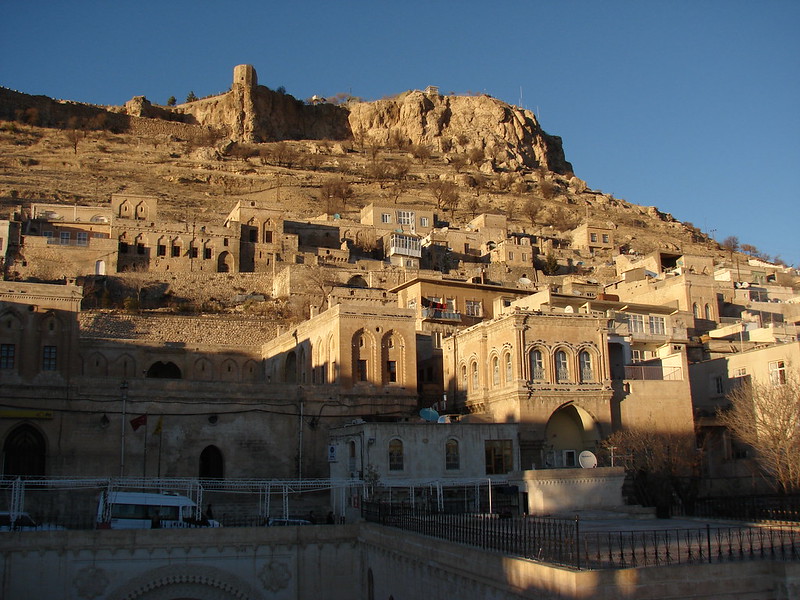 The southeastern regions of Turkey face significant challenges as the poorest part of the country, struggling with underdevelopment and ethnic tensions. Recent developments, however, provide hope for a revitalized future in this historically rich area. The government plans to invest $14 billion in the region, a move aimed at reducing poverty and creating economic opportunities. Coupled with the normalization of relations with post-Assad Syria and Kurdish groups, this could transform the area and stimulate growth. This investment focuses on developing agricultural infrastructure to bolster the regional economy. Officials expect the initiative to create more than 500,000 jobs, offering a much-needed boost to local livelihoods.
Poverty in Southeastern Turkey and the GAP Project
Southeastern Anatolia ranks among Turkey’s regions with the lowest average income. Despite limited research on poverty in the region, existing studies indicate that conditions have seen little improvement since the early 2000s. The $14 billion investment aims to partially fund the Southeastern Anatolia Project (GAP) with the hopes it can continue its construction of needed infrastructure.
The GAP project was launched in the 70s as a region-wide investment project to provide the energy and water infrastructure to support an economic boom. However, throughout its history, the project continues to falter in its aims of revitalization. With renewed government support, the region now has a chance to attract further investment and drive sustainable development.
Insights from Mardin
The city of Mardin illustrates many of the challenges facing southeastern Turkey. This ancient city, which dates back to the Neo-Assyrian period, highlights the region’s rich history and its socioeconomic struggles. Mardin suffers from one of the country’s highest relative at-risk-of-poverty rates at 14.4%.
In 2021, Dr. Nurdan Atalay conducted ethnographic research in Mardin, revealing how top-down financialization and investment strategies exacerbate economic inequality and limit employment opportunities for women. In her book chapter, she noted, “…the women in this neighborhood have very limited opportunities to change their position in society… The impending economic crisis has the potential to worsen their situation.”
Mardin also accommodates a large population of refugees who fled Syria’s civil war and the 2023 earthquakes. More than 88,000 Syrian refugees live in the city, contending with the trauma of displacement and the strain on local resources. Reports detail the economic burden that border cities faced during the Syrian conflict. With the end of Assad’s rule, many refugees now look toward a hopeful future and the possibility of returning home.
The Potential of Tourism
Neighboring political progress isn’t the only cause for optimism in southeastern Turkey. The tourism industry holds immense potential to reduce poverty in the region. This area, rich in historical monuments and natural beauty, stands poised for economic growth if supported by infrastructure and investment.
The 1982 Tourism Incentives Act excluded southeastern Turkey, denying the region the development needed for a thriving tourism sector. Despite this, cities like Mardin actively seek to expand their tourism potential. Research indicates that Mardin’s residents support tourism growth, which promises to benefit both urban and rural communities.
In 2023, Mardin welcomed nearly 650,000 tourists, reflecting the industry’s growing role in the local economy. By fostering tourism, southeastern Turkey can unlock new opportunities for sustainable development and cultural preservation.
A New Chapter for Southeastern Turkey
With the government’s $14 billion investment and the prospect of peace in Syria, poverty in southeastern Turkey faces a turning point. The region’s lack of infrastructure has long created a cycle of poverty and underdevelopment. This new funding and strategic focus could break that cycle, paving the way for meaningful progress and prosperity.
– Charley Dennis
Charley is based in London, UK and focuses on Good News for The Borgen Project.
Photo: Flickr
