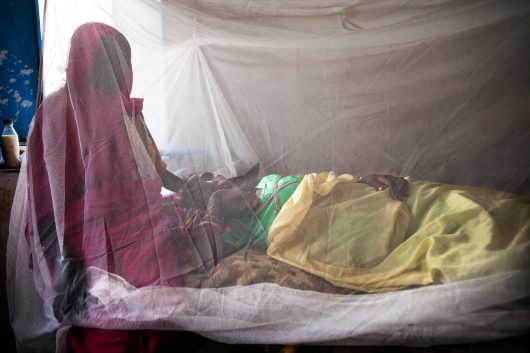
 Rwanda, a country located in Central-Eastern Africa, is a country that has experienced everything from colonialism to genocide. Currently, Rwanda continues to battle hidden enemies within its borders: various diseases that infect its population. With a population of more than 11 million, the occurrence of common communicable diseases in Rwanda is an urgent concern.
The top ten causes of death in Rwanda are lower respiratory infections, HIV, diarrheal diseases, congenital birth defects, cancer, preterm birth complications, encephalopathy, neonatal sepsis, protein energy malnutrition and road injuries. Of these causes of death, diseases make up at least a third of the list.
Respiratory Disease
Lower respiratory disease is an unexpected, but serious health concern in Rwanda. The elderly, specifically those over 80, are especially vulnerable to lower respiratory infections after a lifetime of exposure to factors that cause lower respiratory infections.
Air pollution and malnutrition are the leading contributors to respiratory infections. Interestingly, neither are factors which an individual can directly control. Individuals are vulnerable to lower respiratory infections throughout their life due to these environmental factors. Tobacco, alcohol and drug usage only account for about 10 percent of lower respiratory diseases.
Hepatitis B and C
Other common diseases in Rwanda are Hepatitis (B and C). Hepatitis consists of the inflammation of the liver. Unfortunately, hepatitis shows limited symptoms, if any at all, making it difficult to diagnose. When symptoms do show, they may consist of yellowish skin and poor appetite. Hepatitis is classified as “acute” when it lasts fewer than six months, and “chronic” when it lasts longer.
Sometimes, hepatitis may be diagnosed as malaria, since malaria victims also experience yellowish skin. However, malaria’s other symptoms manifest more powerfully: the ill person will experience fever, fatigue, vomiting and headaches. In the worse cases of malaria, people experience seizures, comas and ultimately, death. In 2013, 900,000 people in Rwanda were diagnosed with malaria.
Typhoid
Typhoid is a disease that occurs as result of ingesting contaminated food or water. Typhoid brings reduced appetite, headaches, generalized aches and pains, fever and worse of all, diarrhea. Typhoid is predominantly caused by external factors such as the ingestion of contaminants.
HIV/AIDS
HIV/AIDS is another silent disease spreading through the population of Rwanda. HIV/AIDS is spread through drug needles or through sexual contact with infected people. Some symptoms of HIV/AIDS include swollen glands and flu-like symptoms. This disease is fast-spreading — one person is infected every 30 minutes. In 2013, 200,000 Rwandans were living with HIV/AIDS, with 4,500 dying the same year. Being infected with HIV/AIDS increases a person’s chance by 30 times of developing active tuberculosis.
Breast Cancer
In addition to these diseases, cancer—especially breast cancer—is common among Rwandans. Access to hospitals and medical treatment may be difficult in terms of finances and transport.
Poverty and susceptibility to communicable diseases are closely linked. Once a disease is contracted, the lack of medical care places those ill at great risk.
War and Poverty
Diseases strike resource-poor communities, like those in Rwanda. Rwanda’s genocide in 1994 took a great toll on the communities: 800,000 Rwandans were killed in 3 months. During the genocide, systematic rape served to transmit HIV/AIDS to thousands. Rwandans who fled to refugee camps weren’t safe either. The lack of sanitation, food and water increased the spread of infectious diseases rapidly. Rwandans found themselves falling prey to malaria and tuberculosis.
Rwanda’s communities are still recovering from war and battling poverty. The poor find it difficult to access medical care when they are ill; communicable diseases then spread because they are left untreated. The cycle of poverty leaves many susceptible to treatable diseases.
Solutions
However, hope is not lost: the Rwandan government and the Centers for Disease Control and Prevention (CDC) are working to work towards preventing common diseases in Rwanda. The CDC is trying to develop more labs and clinics to help treat HIV/AIDS, including distributing blood safety devices to help prevent HIV/AIDS in the first place. For malaria, the CDC is taking a preventative approach, by distributing nets and insecticide. The CDC is also monitoring each case of malaria carefully.
Rwanda is also home to Congolese refugees. Due to the preventative healthcare approach the CDC is taking, it is screening Congolese refugees for infectious diseases and chronic conditions that may be contagious to residents of Rwanda.
The Rwandan government has been cooperative with new approaches in its medical treatment infrastructure. In July 2017, the government became one of the first African countries to implement the World Health Organization’s treatment strategy, heralding a focus on preventative medicine.
The CDC and the Rwandan government demonstrate that together, agencies and communities can slowly defeat the common diseases in Rwanda.
– Smriti Krishnan
Photo: Flickr

Gender Inequality and Causes of Poverty in Swaziland
Among the many causes of poverty in Swaziland, a lack of effective health care is one of the largest concerns. The nation holds the highest rate of HIV prevalence in the world, with 28.8 percent of the adult population living with this life-threatening disease.
As the key driving factors of Swaziland’s HIV epidemic include low and inconsistent condom use, transactional sex, gender inequalities and gender based violence, it is clear that the cycle of poverty supported by this disease disproportionately affects women.
With 120,000 of the 220,000 people living with HIV in Swaziland being women, studies reveal that 31 percent of all women within the country live with HIV, while only 20 percent of men are affected.
Many driving factors contribute to women’s increased risk of contracting HIV, including a lack of access to proper reproductive education and health care. While 14 percent of women between the ages of 15 and 24 have been involved in intergenerational sex with older men, their adolescent age and lack of reproductive education cause them to be at more of a risk to the spread of the disease, often without their knowledge.
According to AVERT, one in three women in Swaziland also report experiencing some form of sexual abuse by the time they were 18. These and other significant gender disparities have ranked Swaziland 137 out of 159 countries in the Gender Inequality Index.
The inequalities women face in Swaziland not only leave them in a more vulnerable position to disease but also serve as the major causes of poverty in Swaziland. As women are the primary caretakers and providers for children worldwide, those disadvantages that women face create a ripple effect of a detriment for the next generation as well.
For every 100,000 live births in Swaziland, 389 women die from pregnancy-related causes, leaving 24 percent of children aged zero to 17 as orphans and 45 percent as either orphans or vulnerable.
These high maternal mortality rates reveal the reality that women’s disproportionate access to health care in Swaziland serves as one of the direct causes of poverty in Swaziland, as it not only affects the mother but also leaves almost half of Swaziland’s adolescent population at an increased risk for poverty.
Through analyzing the direct effects of gender inequality on the next generation’s vulnerability to the cycle of poverty, it is clear that a greater focus needs to be placed on addressing gender disparities within the nation — especially those of female’s access to education and reproductive health care — so as to encourage a significant drop in the poverty rates in Swaziland.
– Kendra Richardson
Photo: Flickr
A Global Example: The Ever-Decreasing Poverty Rate In Belgium
Currently, the poverty rate in Belgium rests at 15 percent. Like many other European nations, Belgium has a high standard of living and per capita income. Belgium consistently ranks among the top nations in the Human Development Index (an index that measures the quality of life in countries). In 2007, Belgium ranked number seven, which was ahead of the country it once was a part of — the Netherlands.
When measured in 1992, 3.7 percent of the population was in the lowest 10 percent of the income bracket. About 9.5 percent were in the lowest 20 percent, 14.6 percent were in the second 20 percent, 18.4 percent were in the third 20 percent and 23 percent were in the fourth 20 percent of income.
The highest 20 percent made up 34.5 percent and the highest 10 percent made up 20.2 percent of income. These statistics indicate the low poverty rate in Belgium and the little income inequality.
Although there is little income inequality in Belgium, 16.7 percent of people under the age of 18 lived in families that fell below the poverty line. Since 2012, the risk of being under the poverty line for people under the age of 18 has decreased considerably. Thanks to numerous social welfare programs, the risk of a person under 18 being under the poverty line in Belgium has fallen from 27 to 15 percent.
The social welfare system is a primary reason for why the poverty rate in Belgium remains low. The country has programs for family allowance, retirement, medical benefits, unemployment insurance and even a program that provides a salary in the event of an illness.
Belgium is a country that has managed to tackle the issues of income inequality and poverty while remaining a small nation. The social welfare system in Belgium in conjunction with its cooperation with the EU and NATO are one of the primary reasons for the success of the country. Thus, countries interested in lowering their poverty rates should follow Belgium’s example.
– Nicholas Beauchamp
Photo: Flickr
How to Help People in Mexico: Four Influential Organizations
Despite nearly 80 percent of the population living in urban areas, mainly in or around the capital Mexico City, four percent of the population has unimproved drinking water and 15 percent has unimproved sanitation facilities.
Here are four nonprofits advocating, fundraising and working on the ground to help people in Mexico.
1. Children International
Working in ten countries around the world including Mexico, Children International is a nonprofit focused on helping kids living in poverty. With over 70 community centers and over 9,000 volunteers worldwide, Children International provides children living in poverty with assistance in health, education and employment through empowering programs and resources.
The long-term impacts aim to help break the cycle of poverty. Their website offers a number of ways to get involved including sponsoring a child by donating $32 a month, making a single donation or volunteering at one of their community centers.
2. Feed the Hungry
Relying on almost entirely private donations, Feed the Hungry delivers meals and nutrition education to children throughout San Miguel, Mexico. Through school meals, family education programs and community events, the nonprofit aims to alleviate poverty in the poorest communities. Feed the Hungry operates kitchens partnered with schools in 33 communities.
Most recently in 2017, they opened new kitchens in Moral de Puerto de Nieto, Los González, Puerto de Sosa and Nuevo Pantoja, feeding more than 400 additional children every day. You can help people in Mexico with Feed the Children by sponsoring a school kitchen, advocating throughout your community or volunteering on the ground.
3. PEACE
PEACE (Protection and Education: Animals, Culture, and Environment) is a nonprofit working in the Bay of Banderas, Mexico, to increase educational and economic opportunities in developing areas. To support improved quality of life, the nonprofit runs programs consisting of topics ranging from community education to Mexican culture preservation to environmental protection.
You can get involved by donating to the organization or volunteering for the company remotely or on the ground.
4. PVAngels
Focused on uplifting the communities in Puerto Vallarta, PVAngels combines activity-driven events with fundraising to create community awareness. The money raised goes to charities focusing on a variety of issues including environmental issues, health care, education, family assistance and recreation services.
You can help people in Mexico by donating to any one of PVAngels’ charities or volunteering as a “partner for change” assisting directly the communities in Puerto Vallarta.
By utilizing nonprofits as well as individual volunteers to help people in Mexico, Mexico’s future will hopefully be a flourishing one.
– Riley Bunch
Photo: Flickr
Preventing the Spread of Common Diseases in Liberia
Despite economic barriers, Liberia has made progress in certain areas, such as combatting the spread of HIV/AIDS through government programs and improved conditions.
Some of the most common diseases in Liberia include pneumonia, acute respiratory diseases and diarrheal diseases, all of which have high mortality rates. Many respiratory diseases can be linked to poor indoor air quality in rural areas where coal is often burned with poor ventilation.
Another health concern due to poor living conditions is the prevalence of cholera and parasitic disease outbreaks, which are connected to contaminated water and lack of proper sanitation. Over half of Liberian households do not use any toilet facility, and only 10 percent of households use an improved, unshared toilet facility.
Malaria is one of the most common illnesses throughout West Africa, and Liberia is no exception. Malaria accounts for 38 percent of all outpatient visits — the most out of any disease. After peaking in 2011, confirmed Malaria cases per 1000 have declined drastically to 220 cases per 1000 all thanks to preventative efforts and increased awareness.
In the spring of 2017, Liberia experienced a “mystery outbreak” along with several other West African countries. After extensive testing on autopsies, the outbreak was classified as meningitis, which caught scientists off guard due to the introduction of a meningitis vaccine throughout West Africa in 2010.
This outbreak, however, is presumed to be a meningitis C strain, which required different antibiotics to treat. In all, Liberia’s quick response and containment of the outbreak has demonstrated the country’s health improvements since the first cases of Ebola in 2014.
In the last decade, Liberia has made a concentrated effort at curbing the spread of diseases such as HIV. Recently, the Ministry of Health and Social Welfare and its partners have increased the number of HIV counseling and testing centers, and helped increase the number of sites providing prevention of mother-to-child transmission services from 29 in 2008 to 230 in 2011.
While the prevalence of the disease remains relatively high at 1.9 percent for adults ages 15-49, the Liberian government has put infrastructure in place to bring this number down in the near future.
While poverty and poor living conditions continue to facilitate the spread of diseases in Liberia, recent efforts have reduced the threat of Malaria and HIV. Continued improvements to water quality, living conditions and health care access are necessary for Liberia to solve future questions regarding disease.
– Nicholas Dugan
Nine of the Most Important Facts About Tongan Emigrants
While Tonga’s economy faces some challenges, the Tongan population has been steadily increasing for decades. Notably, the rate of population increase spiked from 0.35 percent in 2013 to 0.82 percent in 2017. Tongans born abroad will have complex and varied relationships to their native country as time goes on, but the fact their numbers are increasing suggests that Tonga will be able to count on its emigrants for remittances for years to come.
– Caroline Meyers
Photo: Flickr
Causes of Death: The Most Common Diseases in Rwanda
The top ten causes of death in Rwanda are lower respiratory infections, HIV, diarrheal diseases, congenital birth defects, cancer, preterm birth complications, encephalopathy, neonatal sepsis, protein energy malnutrition and road injuries. Of these causes of death, diseases make up at least a third of the list.
Respiratory Disease
Lower respiratory disease is an unexpected, but serious health concern in Rwanda. The elderly, specifically those over 80, are especially vulnerable to lower respiratory infections after a lifetime of exposure to factors that cause lower respiratory infections.
Air pollution and malnutrition are the leading contributors to respiratory infections. Interestingly, neither are factors which an individual can directly control. Individuals are vulnerable to lower respiratory infections throughout their life due to these environmental factors. Tobacco, alcohol and drug usage only account for about 10 percent of lower respiratory diseases.
Hepatitis B and C
Other common diseases in Rwanda are Hepatitis (B and C). Hepatitis consists of the inflammation of the liver. Unfortunately, hepatitis shows limited symptoms, if any at all, making it difficult to diagnose. When symptoms do show, they may consist of yellowish skin and poor appetite. Hepatitis is classified as “acute” when it lasts fewer than six months, and “chronic” when it lasts longer.
Sometimes, hepatitis may be diagnosed as malaria, since malaria victims also experience yellowish skin. However, malaria’s other symptoms manifest more powerfully: the ill person will experience fever, fatigue, vomiting and headaches. In the worse cases of malaria, people experience seizures, comas and ultimately, death. In 2013, 900,000 people in Rwanda were diagnosed with malaria.
Typhoid
Typhoid is a disease that occurs as result of ingesting contaminated food or water. Typhoid brings reduced appetite, headaches, generalized aches and pains, fever and worse of all, diarrhea. Typhoid is predominantly caused by external factors such as the ingestion of contaminants.
HIV/AIDS
HIV/AIDS is another silent disease spreading through the population of Rwanda. HIV/AIDS is spread through drug needles or through sexual contact with infected people. Some symptoms of HIV/AIDS include swollen glands and flu-like symptoms. This disease is fast-spreading — one person is infected every 30 minutes. In 2013, 200,000 Rwandans were living with HIV/AIDS, with 4,500 dying the same year. Being infected with HIV/AIDS increases a person’s chance by 30 times of developing active tuberculosis.
Breast Cancer
In addition to these diseases, cancer—especially breast cancer—is common among Rwandans. Access to hospitals and medical treatment may be difficult in terms of finances and transport.
Poverty and susceptibility to communicable diseases are closely linked. Once a disease is contracted, the lack of medical care places those ill at great risk.
War and Poverty
Diseases strike resource-poor communities, like those in Rwanda. Rwanda’s genocide in 1994 took a great toll on the communities: 800,000 Rwandans were killed in 3 months. During the genocide, systematic rape served to transmit HIV/AIDS to thousands. Rwandans who fled to refugee camps weren’t safe either. The lack of sanitation, food and water increased the spread of infectious diseases rapidly. Rwandans found themselves falling prey to malaria and tuberculosis.
Rwanda’s communities are still recovering from war and battling poverty. The poor find it difficult to access medical care when they are ill; communicable diseases then spread because they are left untreated. The cycle of poverty leaves many susceptible to treatable diseases.
Solutions
However, hope is not lost: the Rwandan government and the Centers for Disease Control and Prevention (CDC) are working to work towards preventing common diseases in Rwanda. The CDC is trying to develop more labs and clinics to help treat HIV/AIDS, including distributing blood safety devices to help prevent HIV/AIDS in the first place. For malaria, the CDC is taking a preventative approach, by distributing nets and insecticide. The CDC is also monitoring each case of malaria carefully.
Rwanda is also home to Congolese refugees. Due to the preventative healthcare approach the CDC is taking, it is screening Congolese refugees for infectious diseases and chronic conditions that may be contagious to residents of Rwanda.
The Rwandan government has been cooperative with new approaches in its medical treatment infrastructure. In July 2017, the government became one of the first African countries to implement the World Health Organization’s treatment strategy, heralding a focus on preventative medicine.
The CDC and the Rwandan government demonstrate that together, agencies and communities can slowly defeat the common diseases in Rwanda.
– Smriti Krishnan
Photo: Flickr
Efforts to Improve Maternal and Child Health in Haiti
Crushing poverty, poor health infrastructure and frequent natural disasters are some of the causes of the poor situation for maternal and child health in Haiti. Many people are still displaced from the 2010 earthquake. Women have a one in 80 chance of dying due to pregnancy and childbirth, and about 50 percent of the population has no access to basic health services at all.
The first study conducted by the NIH after the earthquake that looked at maternal and child health in Haiti and includes opinions of Haitian women and healthcare workers (HCWs) was conducted in 2015. This study found that Haiti was staffed with only 2.8 HCWs per 1,000 inhabitants, and only 1.8 nurses and one physician per 10,000 inhabitants.
The study outlined six major strategies for improving maternal and child health in Haiti:
The U.N. Population Fund (UNFPA) has been working with the health ministry and other partners on improving these issues on the ground by supporting “smile clinics.” Smile clinics are maternity hospitals and clinics that provide basic but life-saving emergency obstetric and neonatal care. They are among the most active clinics in the country and also offer family planning services, programs to combat gender-based violence and HIV treatment services.
Haiti has seen a 43 percent decrease in maternal mortality since 1990, and infant mortality is falling by three percent annually, but there is still more to be done. Because only 10 percent of midwifery needs are currently being met, UNFPA supported the construction of a new earthquake-resistant National Midwifery School after the previous one was flattened.
UNICEF is another organization working to improve conditions for maternal and child health in Haiti. UNICEF opened a clinic in 2012 in Marigot, a rural area with little access to health services. In addition to Basic Emergency Obstetric Care (BEmOC), the clinic provides training for matrons, traditional Haitian birth attendants who usually do not have any training. Most matrons use traditional childbirth practices that are passed down through generations. Transportation to clinics can be very difficult, and Haitians often trust and prefer local matrons to professionally trained midwives. For this reason, the clinic in Marigot emphasizes training matrons in basic obstetric care.
USAID’s Maternal and Child Survival Program (MCSP) is another agency working to improve maternal and child health in Haiti. Beginning in April 2014, MCSP has been working in Haiti with Ending Preventable Child and Maternal Deaths (EPCMD) and Services de Sante de Qualite pour Haïti-Nord (SSQH-Nord) to provide technical assistance directly to the Ministry of Health in policies, guidelines and protocols in line with global standards.
In the project’s first year, it opened three National Training Centers with 19 staff trained as trainers in Maternal and Newborn Health skills standardization and high-impact interventions. MCSP also mapped and profiled 36 civil society organizations engaged in community health. The project will continue through September 2017.
With efforts such as these, maternal and child health in Haiti is sure to continue improving in the future.
– Phoebe Cohen
Photo: Google
Maternal Health in Somalia
The fate of pregnant women and mothers is particularly precarious in Somalia, as one in 12 women die due to pregnancy-related causes. In 2015, Somalia’s maternal mortality rate was 732 deaths per 100,000 live births, making it the third-highest maternal mortality rate in the world.
Access to maternal health services and antenatal care coverage remain low. Only about 26 percent of Somalis have antenatal care coverage, and the number of necessary emergency care facilities for obstetrics is 0.8 per 500,00 people. This means the number of facilities is 4.2 facilities short of the international standard of five facilities per 500,000 people.
Pregnancy or childbirth-related complications such as hemorrhage, obstructed labor, infection, high blood pressures and unsafe abortion are the main contributors to maternal morbidity and mortality in developing countries.
Although levels of maternal mortality remain unacceptably high, some efforts to improve maternal health in Somalia have succeeded. There has been a gradual and continuous decline in maternal mortality since 1990. The number of maternal deaths per 100,000 live births in Somalia decreased from 1,210 in 1990 to 732 in 2015.
The United Nations Population Fund’s (UNFPA) methods to improve coverage and health service delivery for emergency obstetric care in Somalia were recently implemented in June of 2017.
“The lives of many Somali mothers are cut short as a result of prolonged labour due to lack of access to life saving services. Many others develop complications such as obstetric fistula,” said UNFPA Somalia’s Dr. Layla Mohammed Hashi. “UNFPA is working with partners and government to ensure that we provide Comprehensive Emergency Obstetric and Newborn Care (CEmONC) services to women that need the care.”
UNFPA has joined the Somaliland Nursing and Midwifery Association (SLNMA) and the Borama Regional Hospital to help over 130,000 pregnant women requiring emergency maternal health services in the Borama and Awdal regions.
The UNFPA’s efforts complement projects that provide health services for expectant mothers. One such example is maternity waiting homes which offer women care and medical supervision at every stage of their pregnancy. In 2013, 34 maternity waiting homes had been established in Somalia and by 2015, nearly 17,000 women had delivered in these residential facilities. An additional 1,300 were transported to facilities with the adequate infrastructure and clinical capacity to care for women with pregnancy and childbirth complications.
The need for improved obstetric care services and reproductive health interventions as a means for improving female health outcomes continues to be recognized as a priority in Somalia. It will be important to evaluate changes in service utilization and morbidity and mortality ratios, as further investments are made in the development and implementation of interventions addressing maternal health in Somalia.
– Gabrielle Doran
Photo: Flickr
Examining the Poverty Rate in Fiji
The percentage of Fiji’s population living beneath its national poverty line hovers around 30 percent, amounting to a quarter million people, and has remained fairly stationary for the past 10 years. Compared to its South Pacific counterparts, the poverty rate in Fiji is average given its location and circumstances. Papua New Guinea, Timor-Leste and Micronesia top the list with rates of about 40 percent. The Solomon Islands and Vanuatu are the wealthiest nations in the South Pacific with poverty rates of 12.7 percent. To put these numbers into perspective, 15 percent of the United States lives in poverty.
Shanty towns, or squatter neighborhoods, rest mere miles outside of Fiji’s luxurious resorts. Impoverished rural citizens often resort to moving into shanty towns in order to find work in urban areas within the tourism industry. Fiji’s sugar production, once another booming industry, is on a slow decline. Because of this, rural workers now have better luck finding work in the cities.
In the past, hunger was a looming issue across the islands of Fiji. A 2004 report stated that approximately 40 percent of Fijian children experienced malnourishment. This figure is high even when compared to the country’s poverty rate as a whole.
Why does Fiji experience such issues? Fiji’s politics were once turbulent and the lack of a strong judiciary system allowed for rampant corruption and misconduct. Education and literacy rates are relatively low, making it difficult for many Fijians to find ample work. Land ownership and leasing are highly restricted, as the government lays claim to about 92 percent of all property. Business ownership is also a difficult venture due to strict regulations, but it is becoming easier as new policy makes an effort to enforce a simpler start-up process.
Luckily, current news regarding Fiji’s poverty and hunger is not so bleak. With record numbers of tourists entering the country, workers are finding jobs now more than ever. With changes in leadership and policy, the government is now more supportive of its constituents. The operations manager of Fiji’s Red Cross Society, Eseroma Ledua, noted that the government supports locals in doing business and educates them to be resilient in potentially troubling future economies.
Continued government reform and an increasing tourist volume are likely to continue the steady decline of the poverty rate in Fiji.
-Emily Van Devender
Photo: Flickr
How to Help People in El Salvador
Poverty is high in El Salvador due to the remnants of its violent civil war from 1979 to 1992. Although a truce was agreed to, tensions between the communist rebel movement and the conservative government remain, which has led to the growth of violent street gangs. El Salvador has the highest murder rate in the world (excluding countries at war) due to the activities of its gangs. Violence and instability have created increased poverty within El Salvador.
People in the United States can help citizens in El Salvador. Many Salvadorans have fled to other countries – including the United States – due to the violence in their homeland. American citizens can help Salvadoran refugees by donating to The UN Refugee Agency’s Children on the Run campaign. This campaign is specifically aimed at providing shelter, education and physical and mental care for children and families fleeing the violence in El Salvador, Honduras and Guatemala. Donations can be made through UNHCR’s website.
Save the Children works within El Salvador to help improve the quality of living for Salvadorans. Through Save the Children, one can sponsor a child from early childhood through to early adulthood. The program supports children throughout their education by providing specialized programmings, such as early literacy programs for toddlers and life-skills programs for adolescents. Save the Children also provides families with seeds and livestock that they need for survival, and tools and temporary jobs to give them an income and teach them new skills. Donating to this cause is a great way to help the people, especially children, of El Salvador.
More hands-on approaches can be used to help people in El Salvador as well. Volunteer opportunities are abundant through a variety of organizations. One such organization is Help International. Help International works on an assortment of projects including building community centers, running outreach programs to assist at-risk youth and reforestation campaigns. One can apply to participate in Help International’s El Salvador program through their website.
Finally, simply sharing this information with friends and family and brainstorming ways you can help can go a long way in helping the people of El Salvador overcome poverty.
– Mary Kate Luft
Photo: Flickr