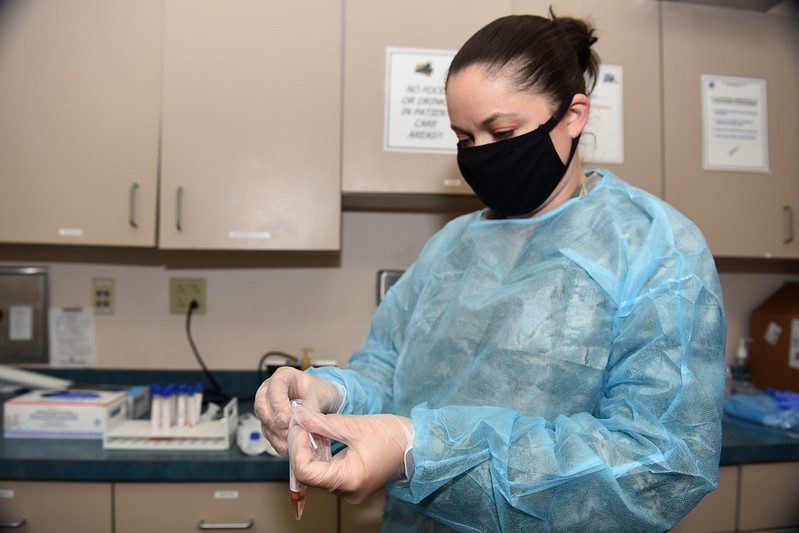
 After the COVID-19 pandemic, the World Health Organization (WHO) and the international community are trying to prepare for the next outbreak. Epidemiologists label this future pandemic as “Disease X,” likely from one of the 25 known virus families; they estimate that it could be significantly deadlier than previous pandemics. Fighting global poverty has been central to how the international community fights against disease.
Preparing for the next pandemic supports people in low- and middle-income countries in two key ways. First, addressing systemic challenges such as pollution, deforestation and limited access to sustainable health care can reduce the likelihood and impact of future outbreaks. Second, the effects of disease tend to be more severe for populations living in poverty. The international community can help by funding existing health initiatives—particularly in tropical regions of the Americas, Africa and Asia—and by supporting efforts like the Coalition for Epidemic Preparedness Innovations’ (CEPI) 100 Day Mission, which aims to accelerate vaccine development and save lives.
Challenges in Pandemic Planning
Experts suggest that one of the most difficult parts of improving global public health is preparing for the next pandemic before it happens. The major challenge is getting governments to invest ahead of time, despite not knowing exactly when, where or how the next major disease will strike. Caroline Buckee, professor of epidemiology and associate director of the Center for Communicable Disease Dynamics (CCDD), noted,
“One of the confirmatory lessons for me—it’s not a new lesson—was that governments and people are reactive. And it’s very hard to get significant investment in preparedness. When it comes to pandemics, or epidemics in general, one of the hardest things about preparedness is that if you’re doing it really well, no outbreak—or only a small outbreak—occurs. Proving that you have averted an epidemic is difficult, so politically, how do you justify the investment required? It’s a really hard problem.”
One of the ways epidemiologists prepare for something that is both unpredictable and inevitable is by ranking the likeliest outbreaks to become a major issue, including “another possible Disease X, a term used to describe a currently unknown pathogen with pandemic potential.”
Tracking Zoonotic Threats
One of the ways health experts accurately prepare is through pathogen rankings like the Priority Zoonotic Disease Lists and the Research and Development Blueprint. The Coalition for Epidemic Preparedness Innovations, in partnership with the University of California, Davis, has developed a new analytical tool called SpillOver to help predict the most likely risks.
SpillOver evaluates the likelihood of animal-to-human spillover among viruses, like the zoonotic transfer that occurred with the 2020 coronavirus pandemic. So far, the project has isolated 12 separate zoonotic diseases that are most likely to infect, ranging from Simian foamy virus to Lassa virus. SpillOver 2.0 will incorporate more data in order to more holistically analyze which diseases we need to prepare for.
The Impact on Global Poverty
This massive effort of analyzing and preparing for the next pandemic is critical to fighting global poverty for two major reasons. First, pandemics disproportionately harm the global poor. Analysis from The Lancet found that if a pandemic of similar proportions to the 1918 influenza epidemic were to occur in 2025, there would be 62 million fatalities, 96% of which would be in lower-income countries. By contrast, investing in poverty relief helps combat disease spread through improved health systems, increased health education and more effective sanitation.
Secondly, the fight against poverty and the effort to control pandemics are linked. The wider systemic issues that cause global poverty also increase the risk of a disease outbreak and that same outbreak developing into a full-blown pandemic. The WHO has warned that this next pandemic, labeled Disease X, “could be 20 times more lethal than COVID-19, with very high costs, possibly no vaccines and enormous social and economic impacts.”
The most likely risk is a zoonotic disease from a tropical region, all places suffering from high poverty rates, climate change and deforestation. These three main factors increase the likelihood of a tropical animal-to-human outbreak turning into the next COVID-19. While deforestation increases the possibility of spillover, combating deforestation not only helps prevent outbreak but also can reduce poverty as well.
Rapid Response and Vaccine Development
As daunting as this may be for the global poor, the international community and health experts are learning from the last pandemic. CEPI is leading efforts to ensure that life-saving vaccines can be made available across the developing world in as little as 100 days, compared to the traditional five-year timeline.
Started in 2014 to help combat Ebola, CEPI also played a critical role in reducing the COVID-19 vaccine development timeline to 12 to 18 months. By focusing on increased research, development and mass production, “…CEPI has simultaneously advanced the development of 11 rapid response platforms to deploy against unknown threats, or Disease X.” Being able to predict which diseases may emerge from and affect the developing world is critical to fast-tracking vaccines, which have historically saved an estimated 154 million lives worldwide.
Looking Ahead: A Shared Global Strategy
While preparing for the next pandemic is difficult and full of uncertainties, expert opinions suggest that focusing efforts will be critical to combating global poverty. By identifying the most likely pathogens as potential future “Disease X” threats, the international scientific community has helped concentrate resources that can be used effectively in the developing world. Hence, fighting global poverty and protecting global health appear to be essential parts of the same strategy.
– Joseph Laughon
Joseph is based in Sacramento, CA, USA and focuses on Technology and Global Health for The Borgen Project.
Photo: Flickr

Investing in Girls’ Education in Malawi
CAMFED: Scholarships and Mentorship
The Campaign for Female Education (CAMFED) has made significant strides in Malawi by providing holistic support for girls’ secondary education. Since its launch, CAMFED Malawi has supported more than 646,000 students by covering school fees, uniforms, books and menstrual supplies. It has also trained 4,710 students in government schools with essential services and mentorship through its Learner Guide model.
CAMFED fosters long-term educational engagement through its alum network, the CAMFED Association. The association reached nearly 110,000 students in 2023 with mentoring, life-skills development and leadership training. These initiatives are directly credited with boosting retention and completion rates among rural girls.
Let Girls Learn Initiative
In Malawi, the Let Girls Learn initiative, backed by USAID and the U.S. Department of State, led to focused efforts that helped more girls continue their education beyond primary school. One of the key projects, called Apatseni Mwayi Atsikana Aphunzire (AMAA), was carried out by Save the Children and Concern Worldwide across five districts. The program built girl-friendly school facilities, supported girls’ transitions to secondary school and offered life-skills training to boost their confidence and resilience.
Globally, the Let Girls Learn program contributed $25 million to support locally driven education programs in 13 countries, including Malawi. These efforts addressed major obstacles such as school fees, period poverty and child marriage while promoting leadership, inclusion and long-term access to learning.
National Strategy and Policy Reform
The government of Malawi has prioritized gender equity in education through its National Strategy for Girls’ Education. The project integrates school access with child protection, gender-based violence prevention and reproductive health education. The strategy supports the re-enrollment of young mothers, the enforcement of anti-child marriage laws and teacher training to create safe and inclusive learning environments.
Implemented with organizations such as UNICEF and the Global Partnership for Education, this policy framework addresses the systemic and social causes of girls’ dropout rates.
Building a Brighter Future
The combined impact of local nonprofits, international partnerships and national education reforms is reshaping the landscape for girls in Malawi. Programs like CAMFED have supported thousands of students. A recent World Bank report highlights that investing in girls’ education is one of the most effective ways to reduce poverty, improve health outcomes and promote gender equality.
Educated girls are more likely to delay marriage, have healthier families and contribute to economic growth. By supporting comprehensive approaches that combine schooling with health, mentorship and legal protections, Malawi is laying the foundation for a more equitable and prosperous future.
– Joseph Hasty
Photo: Flickr
Health Reforms in Uganda
Ministry of Health Strategic Plan
Uganda’s Ministry of Health Strategic Plan (2020/21–2024/25) guides the country’s health sector priorities in alignment with the National Development Plan III and Vision 2040. It focuses on improving access to quality health care, enhancing health system efficiency and promoting disease prevention.
The plan emphasizes universal health coverage, infrastructure development, human resources and digital health integration. It also outlines strategies for strengthening governance, financing and community health systems to achieve better health outcomes and resilience.
Sector-Wide Approach
In the early 2000s, Uganda’s Ministry of Health implemented a Sector-Wide Approach (SWAp) as part of its broader health reform strategy. This model aimed to align all stakeholders, the government, donors and implementers, under a unified national health plan. While decentralization of the health sector had already begun in the ’90s, SWAp helped reinforce the process by channeling resources and decision-making to local governments.
A key advantage of SWAp was its role in reducing aid fragmentation. By encouraging pooled funding and sector-wide planning, the approach helped prioritize high-impact investments in alignment with national goals. Though some major global health donors operated outside the SWAp framework, the model enhanced coordination and accountability for many key health programs.
SWAp also strengthened district-level governance. It provided Uganda’s districts with planning, monitoring and performance review tools, while increasing attention to health information systems and evidence-based management. Though the SWAp was initially successful, its impact has declined due to capacity constraints and a weakening Ministry of Health.
The National Health Insurance Scheme
Uganda is currently seeking to establish a National Health Insurance Scheme (NHIS) to improve financial risk protection through pooled contributions, where wealthier individuals subsidize others. Although Parliament passed the NHIS Bill in March 2021, the President has not yet signed it into law. Furthermore, the revised version is pending Cabinet approval.
Currently, health insurance coverage in Uganda remains extremely low. Only around 1% of the population is insured, leaving the vast majority exposed to high out-of-pocket health costs. Many households are pushed into poverty due to medical expenses, particularly in rural areas where access to care is limited.
The proposed NHIS, if enacted, would pool contributions from citizens, allowing those with greater financial means to help offset health care costs for lower-income Ugandans.
Moving Forward
Through its strategic health plan, Uganda has formulated a solid plan for moving forward. The future of the health care sector in Uganda is bright, especially with reforms like NHIS, which could be a sustainable way to establish high-quality, accessible health care.
– Ariana Wang
Photo: Pixabay
USAID Programs in Albania 2025
For USAID programs in Albania, statistics show that most funding supported peace and security efforts. To put it into perspective, out of the $21 million that USAID provided Albania in 2020, $16 million was for strengthening national defense, $4 million was for improving the governing democracy system and about $200 thousand was directed at economic growth. While part of this funding responded to the COVID-19 pandemic, these three areas have remained the primary focus of USAID programs in Albania.
USAID Compete SëBashku
As of 2025, Albania continues to receive funding from USAID, with several projects still up and running. Most USAID programs in Albania focus on the country’s economic growth, aiding the country’s democracy and supplying resources to help alleviate poverty. USAID Compete SëBashku works to bolster Albania’s economic functions. The program works to create more opportunities for businesses to start and grow, creating more jobs for underprivileged citizens and strengthening both the buyer and supplier networks in Albania. The program, launched in 2024, is in coordination with the European Union (EU) as well and has received $12 million from the U.S. alone to help bolster the agrifood system.
The CIDR in Albania
There has also been much work on improving cybersecurity; one of the USAID programs in Albania is the Critical Infrastructure Digitalization and Resilience (CIDR). A large-scale program operating in multiple European countries that USAID supports with funding. The plan is to conclude the program in 2026 by reaching the aim of strengthening the digitized use of government for Albania and the private sectors, making them much more resilient to cyber attacks or breaches of digital security. As Albania’s economy and business opportunities grow, strengthening cybersecurity can potentially ensure the safety of transactions and deals, while also assuring citizens’ personal lives.
Another project scheduled to conclude in 2026 is Improving Community Resilience (ICR). This program primarily targets neglected citizens and larger communities susceptible to poverty or strife. Furthermore, it involves providing media engagement in areas that don’t normally have it, other protection programs for women and young girls and encouraging an engaging community that lends a helping hand. The ICR supports the excluded, discriminated, conflicted and abused citizen. The program works to bring justice, health care, education and social protection to these individuals through the charitable actions of other citizens in social care services.
Looking Ahead
USAID programs in Albania remain active, supporting long-term development through targeted efforts in governance, security and economic growth.
– Russell Bivins
Photo: Flickr
How Urine Fertilizer in Burkina Faso is Boosting Food Security
Urine Fertilizer in Burkina Faso
Human urine is naturally rich in nitrogen, phosphorus and potassium, the same nutrients found in commercial fertilizers. By separating urine at the household level using urine diversion toilets, farmers can collect, sanitize and apply it directly to their crops. According to a study in Burkina Faso, using urine fertilizer and compost together increased maize and eggplant yields by up to 90% compared to unfertilized plots.&amp;amp;lt;/p&gt;</p></p>
style=”font-weight: 400;”>Programs led by organizations like CIRAD and the Institut de Recherche pour le Développement are helping farmers in Burkina Faso and neighbouring countries adopt safe collection and application practices. These nutrient recycling pilots demonstrate that farmers can reduce reliance on expensive imported fertilizers while protecting groundwater from untreated waste runoff.
How it works
Simple ecosan toilets separate urine and feces, allowing households to store urine in sealed containers for a few weeks to kill pathogens. Once sanitized, the liquid can be diluted and spread on fields as urine fertilizer. A recent study in Mali found that farmers using urine fertilizer on rice paddies produced 1,623 kg/ha, outperforming plots fertilized with mineral fertilizer and achieved a benefit-cost ratio of 3.3. Farmer cooperatives and local nongovernmental organizations (NGOs) provide training on safe handling, dosage and storage, helping communities overcome taboos around human waste. Many see this as a crucial step for smallholders who struggle to afford chemical fertilizers, which can use 20% to 30% of their annual household budget.
Benefits for Health, Food Security and the Environment
Urine recycling boosts both yields and reduces pollution. Poor sanitation systems in West Africa often leak nutrients into rivers and groundwater, harming ecosystems and drinking water supplies. By recovering the nutrients from urine for farming, communities can close the loop between sanitation and agriculture in a safe, circular way. This practice directly supports the Sustainable Development Goals (SDGs):
Looking Ahead
Nutrient recycling is not so widespread in Burkina Faso, but the evidence shows it could be transformative for food security in regions where soil fertility is falling and fertilizer prices are rising. As farmer cooperatives expand training and share success stories, more communities may see that the solution to hunger can be as simple as the waste they flush away.
– Rebecca Lee
Photo: Flickr
Introducing Zero Budget Natural Farming in India
In response to these challenges, a promising solution has emerged in the form of Zero Budget Natural Farming (ZBNF), an efficient agricultural system that enriches soil naturally using materials such as cow dung, cow urine, jaggery, pulse flour etc. This approach enhances soil health, strengthens crop resilience against climate extremes and improves access to safe, affordable food. ZBNF holds significant potential to transform rural India by promoting ecological balance, economic resilience and sustainable livelihoods.
The Practices and Principles of ZBNF
Zero Budget Natural Farming (ZBNF) was initially practiced by Masanobu Fukuoka, a Japanese farmer and philosopher, on the island of Shikoku. However, the method gained prominence in the 21st century through the work of Indian agriculturalist Subhash Palekar, who drew inspiration from traditional Indian farming techniques. To reiterate, ZBNF is an ecological and low-cost approach to agriculture that seeks to replace chemical inputs with natural resources, enabling farmers to cultivate without dependence on loans or market-purchased inputs.
Palekar developed four core principles of ZBNF, referred to as the four wheels, each representing a foundational aspect of the practice: Beejamrit, Jeevamrit, Mulching and Waaphasa. Beejamrit is a natural microbial treatment applied to seeds before sowing, made using cow dung liquids comprising of local cow dung, local cow urine, and is designed to stimulate healthy germination. Jeevamrit refers to the enhancement of soil microbes using an inoculum of cow dung, cow urine and jaggery, fostering soil fertility through biological means.
Mulching involves covering the soil with crop residue, such as mulch, to retain moisture and regulate soil temperature. Waaphasa focuses on the building up of soil humus to increase soil aeration, which improves soil structure and reduces water usage. Under this method, irrigation—defined as applying water to crops artificially—is carried out only at noon and in alternate furrows.
The Impact
Researchers have increasingly observed that Zero Budget Natural Farming (ZBNF) holds the potential to substantially improve agricultural productivity when compared to conventional farming methods, which typically rely on synthetic fertilizers and chemical pesticides. Empirical evidence suggests that ZBNF practices increased by up to 22% for crops such as gram, lentil, soybean, black gram and red mash as compared to inorganic farming. This indicates a promising trend toward more sustainable yet productive agricultural systems.
Further supporting these findings, a survey conducted in the state of Karnataka revealed that farmers who adopted ZBNF techniques experienced an impressive 79% increase in crop yields. Even more striking, a separate study carried out in Andhra Pradesh recorded an even higher yield improvement, with increases reaching up to 88% when utilizing ZBNF methods.
Nonetheless, it is important to recognize that agricultural practices are rarely universally effective and outcomes can vary significantly based on regional conditions, crop type and soil characteristics. For instance, a study conducted in the state of Telangana found that maize, in this particular case, yielded better results when grown using conventional farming methods rather than through ZBNF practices. This serves as a reminder that while ZBNF shows great promise, it may not consistently outperform traditional approaches across all contexts and crop systems.
Ongoing Challenges
Despite the promising benefits of Zero Budget Natural Farming (ZBNF), it remains the subject of valid controversy, most notably, the concern that over a couple of decades or less, the soil may run out of organic matter, resulting in a catastrophic crash in food production across India. In other words, experts worry that ZBNF may mine nutrients from the soil’s organic matter, leading to long-term soil degradation, reduced crop yields and a potential collapse in food production if widely adopted without proper research.
Looking Ahead
This highlights the need for future research to reevaluate the long-term effects of ZBNF so that countries utilizing this practice can flourish both in the short term and the long term. The good news is that with timely, science-based evaluation and careful adaptation, ZBNF has the potential to evolve into a resilient, sustainable model of agriculture that benefits both farmers and the environment.
– LaRaymee Lee
Photo: Flickr
Yemen’s Pervasive Health Care Crisis: Diseases Impacting Yemen
Neglected Tropical Diseases (NTDs)
Neglected tropical diseases are diseases that stem from a combination of environmental conditions, poor sanitation infrastructure and poor health care conditions. Malaria, dengue fever, cholera and schistosomiasis are among only some of the most common NTDs. In 2022, an estimated 110,000 cases of malaria were reported in Yemen; there were more than 2.5 million suspected cases of cholera, accounting for the largest case of cholera ever reported. There have been annual reports of thousands of cases of dengue fever. These statistics cover only a fraction of NTD cases that currently taint Yemen’s health care system and are a product of its state of political strife, while simultaneously compounding Yemen’s current humanitarian crisis.
Malnutrition
Malnutrition is one of the current prime causes of disease risk in Yemen. More than 18 million Yemenis currently struggle with food insecurity and at least 80% of its civilians currently live below the poverty line. More than 45% of children in Yemen suffer from malnutrition and the poverty crisis has left millions of Yemenis at risk of neurological, chronic and other long-term diseases like cystic fibrosis, renal failure, congenital heart disease and neuromuscular diseases.
The Impact of the COVID-19 Pandemic
The outbreak of COVID-19 completely exacerbated Yemen’s already severe health care and economic crisis. Due to Yemen’s severed health care system, there were only six COVID-19 testing sites available, a fairly limited amount of available protective equipment and a lack of health care professionals equipped to handle the consequences of the pandemic. The disruption of COVID-19 also caused a 19.6% decline in the influx of remittances, sequentially leading to an average 20% household income reduction. While the COVID-19 crisis has since smoothed over, the economic disruption has continued to pervade civilian life, as the percentage of Yemeni civilians susceptible to acute malnutrition and long-term chronic illnesses has increased since the start of the pandemic.
Looking Forward
While tragedy still persists in Yemen, there have been many initiatives dedicated to halting its humanitarian emergency. The World Health Organization (WHO) is currently providing medical aid to around 12.6 million people in Yemen, with an emphasis on alleviating acute malnutrition, improving maternal health care and improving disease surveillance, amongst many other focuses.
UNICEF has also contributed to efforts in increasing health care services by providing primary medical care as well as vaccines, medical equipment and training. Doctors Without Borders has brought medical professionals to Yemen to support hospitals, health facilities and governorates throughout the country as well. The organization’s doctors have also been focusing on “maternal and child health, specialist and emergency care and responding to malnutrition and outbreaks of preventable diseases such as cholera, diphtheria and measles”. Through the efforts of Doctors Without Borders, medical teams in Yemen have admitted 165,200 people to hospitals, conducted 26,900 surgical interventions, enrolled 11,900 children in feeding programs and treated 12,800 patients for measles.
While many humanitarian organizations and nonprofits have contributed to alleviating diseases currently impacting Yemen, issues persist. Sustained humanitarian aid to countries like Yemen depends on continued advocacy to keep the issue a priority for lawmakers. This support is essential for achieving long-term, measurable change.
– Ava Lachini
Photo: Flickr
Child Soldiers in the Philippines
Non-State Sanctioned Military Groups
Regardless of the year, the NPA has more often than not been responsible for the highest number of violations, reportedly accounting for 40% and 41% of the total in 2022 and 2024, respectively. The majority of the remaining violations were spread somewhat evenly among the other groups, though the Dawlah Islamiyah-Maute Group and the Armed Forces of the Philippines stand out as repeat offenders. As one may notice, the Armed Forces of the Philippines is a state military force, showing the government is not entirely free from blame; however, this group also showed the greatest reduction in violations, dropping from 21 in 2021 to 12 in 2023. In contrast, the Dawlah Islamiyah-Maute Group more than quadrupled its violations, rising from two to nine.
The Acts
Overall, the most common and consistent violations were killing and maiming, recruitment and attacks on schools, which together made up just under 95% of total violations in 2024; 43% in killing and maiming, 38% in recruitment and 12% in attacks on schools. The remaining 7% consisted of sexual misconduct, abductions and denial of humanitarian access. The acts were generally split evenly between areas, with one standout case of a disproportionate number (53%) of violations taking place in Mindanao, the second largest of the Philippine islands and one of the most populated islands in the world.
Looking Ahead
In 2021, the Armed Forces of the Philippines and the U.N. signed a strategic plan in order to improve conditions and lower the number of violations of child rights. There are now more than 3,100 trained child protection actors throughout the country. Furthermore, some regions have even established a regional reporting system so that civilians can alert authorities to violations. These, along with the 2019 issuance of the child protection policy by the Philippine police, have started great advances in Philippine child rights, with the data supporting the fact that the plan is showing results and reducing the number of child soldiers in the Philippines.
– Seth Christopher
Photo: Flickr
Water Purification in Developing Countries: 5 Techniques
Drinking contaminated water can spread disease and may be fatal for entire households. Fortunately, nonprofit aid organizations such as the U.N. Children’s Fund (UNICEF), World Vision and Water.org are implementing various water purification methods in developing countries. Decontamination technology, water infrastructure and sanitation education are vital resources in making safe water accessible to all.
Methods That Make Local Water Safe to Drink
To make clean drinking water accessible, solutions rely on local water sources. Unfortunately, streams, rivers and lakes are often contaminated. Below are several methods used for water purification in developing countries.
Long-Term Solutions
Water infrastructure is essential for making clean water widely accessible. Treatment centers, pipelines and pumping networks help distribute decontaminated water over long distances. In Juba, South Sudan, UNICEF’s 2017 Lologo project established a water treatment plant that draws water from the Nile River, decontaminates it and pumps it throughout Juba and local camps. This is one of many infrastructure projects launched globally to support water purification in developing countries.
UNICEF’s Water, Sanitation and Hygiene (WASH) program ensures schools educate students on hygienic toilet use and clean water maintenance. In Bangladesh’s largest refugee camp, Kutupalong, children ages 10 to 15 participate in World Water Day art competitions, drawing images reflecting the importance of clean water and sanitation. WASH workers hold hygiene awareness sessions for Rohingya refugees of all ages to attend.
Looking Ahead
Water purification is a vital step toward poverty reduction. With continued investment in decontamination methods and infrastructure, access to clean water may soon become a reality for all.
– Helen Cusick
Photo: Flickr
Fighting Poverty by Preparing for the Next Pandemic
Preparing for the next pandemic supports people in low- and middle-income countries in two key ways. First, addressing systemic challenges such as pollution, deforestation and limited access to sustainable health care can reduce the likelihood and impact of future outbreaks. Second, the effects of disease tend to be more severe for populations living in poverty. The international community can help by funding existing health initiatives—particularly in tropical regions of the Americas, Africa and Asia—and by supporting efforts like the Coalition for Epidemic Preparedness Innovations’ (CEPI) 100 Day Mission, which aims to accelerate vaccine development and save lives.
Challenges in Pandemic Planning
Experts suggest that one of the most difficult parts of improving global public health is preparing for the next pandemic before it happens. The major challenge is getting governments to invest ahead of time, despite not knowing exactly when, where or how the next major disease will strike. Caroline Buckee, professor of epidemiology and associate director of the Center for Communicable Disease Dynamics (CCDD), noted,
“One of the confirmatory lessons for me—it’s not a new lesson—was that governments and people are reactive. And it’s very hard to get significant investment in preparedness. When it comes to pandemics, or epidemics in general, one of the hardest things about preparedness is that if you’re doing it really well, no outbreak—or only a small outbreak—occurs. Proving that you have averted an epidemic is difficult, so politically, how do you justify the investment required? It’s a really hard problem.”
One of the ways epidemiologists prepare for something that is both unpredictable and inevitable is by ranking the likeliest outbreaks to become a major issue, including “another possible Disease X, a term used to describe a currently unknown pathogen with pandemic potential.”
Tracking Zoonotic Threats
One of the ways health experts accurately prepare is through pathogen rankings like the Priority Zoonotic Disease Lists and the Research and Development Blueprint. The Coalition for Epidemic Preparedness Innovations, in partnership with the University of California, Davis, has developed a new analytical tool called SpillOver to help predict the most likely risks.
SpillOver evaluates the likelihood of animal-to-human spillover among viruses, like the zoonotic transfer that occurred with the 2020 coronavirus pandemic. So far, the project has isolated 12 separate zoonotic diseases that are most likely to infect, ranging from Simian foamy virus to Lassa virus. SpillOver 2.0 will incorporate more data in order to more holistically analyze which diseases we need to prepare for.
The Impact on Global Poverty
This massive effort of analyzing and preparing for the next pandemic is critical to fighting global poverty for two major reasons. First, pandemics disproportionately harm the global poor. Analysis from The Lancet found that if a pandemic of similar proportions to the 1918 influenza epidemic were to occur in 2025, there would be 62 million fatalities, 96% of which would be in lower-income countries. By contrast, investing in poverty relief helps combat disease spread through improved health systems, increased health education and more effective sanitation.
Secondly, the fight against poverty and the effort to control pandemics are linked. The wider systemic issues that cause global poverty also increase the risk of a disease outbreak and that same outbreak developing into a full-blown pandemic. The WHO has warned that this next pandemic, labeled Disease X, “could be 20 times more lethal than COVID-19, with very high costs, possibly no vaccines and enormous social and economic impacts.”
The most likely risk is a zoonotic disease from a tropical region, all places suffering from high poverty rates, climate change and deforestation. These three main factors increase the likelihood of a tropical animal-to-human outbreak turning into the next COVID-19. While deforestation increases the possibility of spillover, combating deforestation not only helps prevent outbreak but also can reduce poverty as well.
Rapid Response and Vaccine Development
As daunting as this may be for the global poor, the international community and health experts are learning from the last pandemic. CEPI is leading efforts to ensure that life-saving vaccines can be made available across the developing world in as little as 100 days, compared to the traditional five-year timeline.
Started in 2014 to help combat Ebola, CEPI also played a critical role in reducing the COVID-19 vaccine development timeline to 12 to 18 months. By focusing on increased research, development and mass production, “…CEPI has simultaneously advanced the development of 11 rapid response platforms to deploy against unknown threats, or Disease X.” Being able to predict which diseases may emerge from and affect the developing world is critical to fast-tracking vaccines, which have historically saved an estimated 154 million lives worldwide.
Looking Ahead: A Shared Global Strategy
While preparing for the next pandemic is difficult and full of uncertainties, expert opinions suggest that focusing efforts will be critical to combating global poverty. By identifying the most likely pathogens as potential future “Disease X” threats, the international scientific community has helped concentrate resources that can be used effectively in the developing world. Hence, fighting global poverty and protecting global health appear to be essential parts of the same strategy.
– Joseph Laughon
Photo: Flickr
10 Facts About Business with The Visegrad Four
Top 10 Facts About Business with the Visegrad Four
Looking Ahead
The Visegrád Four represents an important forum for teamwork, with a strategic geographical location for business. Through regional cooperation and EU integration, the V4 built competitive economies rooted in industrial strength and foreign investment. While the V4 faces shared challenges in the energy sector and with global market fluctuations, they embrace proactive strategies, such as the V4 Business Conference, to find solutions.
– Alessandra Lewis
Photo: Flickr