Water Purification in Developing Countries: 5 Techniques
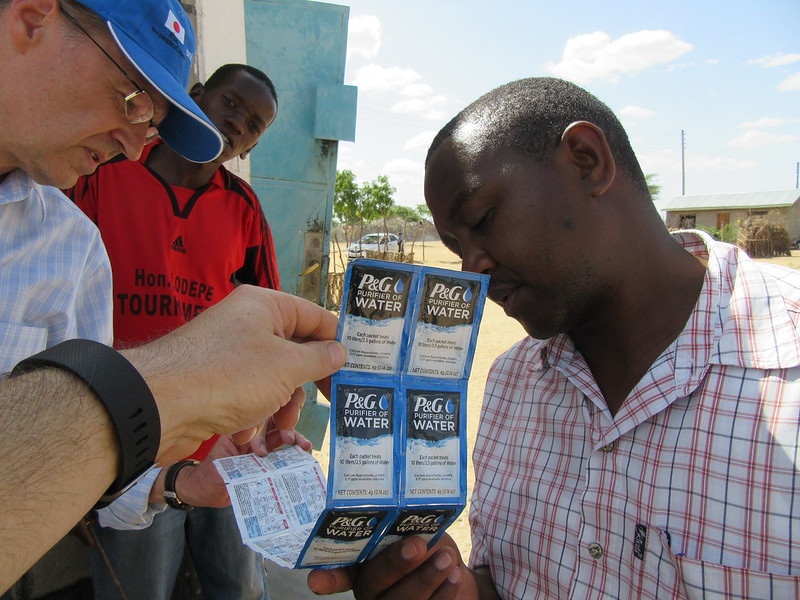 In 2025, approximately 2 billion people lack access to clean drinking water worldwide. Three criteria determine clean water access: water must be located at home, available when needed and free from contamination. Many families spend dozens of hours per week collecting water. In particular, women often travel long distances to collect water for their households. Collection locations do not always guarantee uncontaminated water.
Drinking contaminated water can spread disease and may be fatal for entire households. Fortunately, nonprofit aid organizations such as the U.N. Children’s Fund (UNICEF), World Vision and Water.org are implementing various water purification methods in developing countries. Decontamination technology, water infrastructure and sanitation education are vital resources in making safe water accessible to all.
Methods That Make Local Water Safe to Drink
To make clean drinking water accessible, solutions rely on local water sources. Unfortunately, streams, rivers and lakes are often contaminated. Below are several methods used for water purification in developing countries.
- Membrane Separation Technology. Reverse osmosis and ultrafiltration are the two most commonly used membrane separation techniques. Membrane separation uses high pressure to filter water through a porous wall. The permeable barrier prevents bacteria, pathogens and chemicals from passing, only allowing clean water through. Membrane separation technology is versatile and requires little maintenance, making it ideal for rural communities. Membrane separation is especially useful in preventing waterborne illnesses.
- Chlorination. Water chlorination disinfects lakes, rivers and groundwater by adding a sodium hypochlorite solution to contaminated water, effectively killing bacteria and viruses. It is inexpensive, but excessive chlorine intake may pose health risks if used as a sole solution.
- Solar Water Disinfection (SODIS). Solar water disinfection treatment uses ultraviolet rays to kill waterborne bacteria. It is inexpensive and ideal in circumstances where resources are scarce. Families fill 2-litre polyethylene terephthalate bottles with local water and lay them in the sun for six hours. SODIS is primarily valuable for household use, as it disinfects only small amounts of water at a time.
- Filtration Systems. Biosand Water Filtration (BSF) is an inexpensive household filter, making water purification in developing countries domestically accessible. BSF consists of a large container with layers of washed sand and gravel. Local water is poured over the container. The sediment acts as a filter, trapping 90% of bacteria and 100% of parasites, which allows safe drinking water to flow through.
- Wells and Aquifers. Digging wells is a common strategy for improving access to clean water in developing countries. Wells are either hand-dug or drilled underground and pipelines connected to a large pump draw groundwater from a local aquifer. Although wells are a more expensive solution, they can effectively supply water to an entire community.
Long-Term Solutions
Water infrastructure is essential for making clean water widely accessible. Treatment centers, pipelines and pumping networks help distribute decontaminated water over long distances. In Juba, South Sudan, UNICEF’s 2017 Lologo project established a water treatment plant that draws water from the Nile River, decontaminates it and pumps it throughout Juba and local camps. This is one of many infrastructure projects launched globally to support water purification in developing countries.
UNICEF’s Water, Sanitation and Hygiene (WASH) program ensures schools educate students on hygienic toilet use and clean water maintenance. In Bangladesh’s largest refugee camp, Kutupalong, children ages 10 to 15 participate in World Water Day art competitions, drawing images reflecting the importance of clean water and sanitation. WASH workers hold hygiene awareness sessions for Rohingya refugees of all ages to attend.
Looking Ahead
Water purification is a vital step toward poverty reduction. With continued investment in decontamination methods and infrastructure, access to clean water may soon become a reality for all.
– Helen Cusick
Helen is based in Minneapolis, MN, USA and focuses on Good Newsn and Technology for The Borgen Project.
Photo: Flickr
