Yemen’s Pervasive Health Care Crisis: Diseases Impacting Yemen
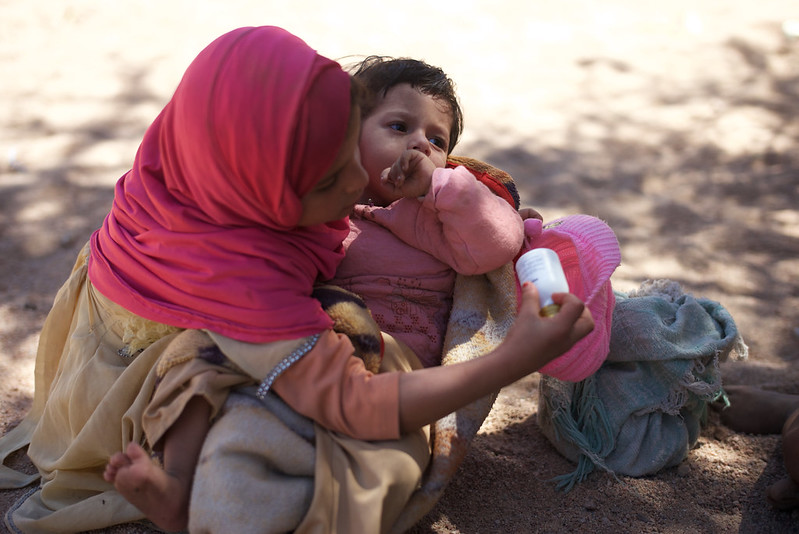 It has been more than a decade since the Yemeni civil war has thrust Yemen into one of the most dire humanitarian crises in modern history. Many of Yemen’s hospitals have collapsed or are now severely damaged by the prolonged political crisis, plunging Yemen’s health care system into a complete state of distress. As a result of its current state of political, economic and overall societal turmoil, 15.3 million Yemenis have no access to clean water, sanitation systems or hygiene supplies, leaving the majority of citizens at risk of exposure to diseases like cholera, diphtheria and measles. With a decline in feasible hospital facilities, sanitation systems and hygiene supplies, the risk of disease exposure has become even more probable in Yemen. Below are statistics highlighting diseases currently impacting Yemen and efforts that can potentially alleviate its current health care crisis.
Neglected Tropical Diseases (NTDs)
Neglected tropical diseases are diseases that stem from a combination of environmental conditions, poor sanitation infrastructure and poor health care conditions. Malaria, dengue fever, cholera and schistosomiasis are among only some of the most common NTDs. In 2022, an estimated 110,000 cases of malaria were reported in Yemen; there were more than 2.5 million suspected cases of cholera, accounting for the largest case of cholera ever reported. There have been annual reports of thousands of cases of dengue fever. These statistics cover only a fraction of NTD cases that currently taint Yemen’s health care system and are a product of its state of political strife, while simultaneously compounding Yemen’s current humanitarian crisis.
Malnutrition
Malnutrition is one of the current prime causes of disease risk in Yemen. More than 18 million Yemenis currently struggle with food insecurity and at least 80% of its civilians currently live below the poverty line. More than 45% of children in Yemen suffer from malnutrition and the poverty crisis has left millions of Yemenis at risk of neurological, chronic and other long-term diseases like cystic fibrosis, renal failure, congenital heart disease and neuromuscular diseases.
The Impact of the COVID-19 Pandemic
The outbreak of COVID-19 completely exacerbated Yemen’s already severe health care and economic crisis. Due to Yemen’s severed health care system, there were only six COVID-19 testing sites available, a fairly limited amount of available protective equipment and a lack of health care professionals equipped to handle the consequences of the pandemic. The disruption of COVID-19 also caused a 19.6% decline in the influx of remittances, sequentially leading to an average 20% household income reduction. While the COVID-19 crisis has since smoothed over, the economic disruption has continued to pervade civilian life, as the percentage of Yemeni civilians susceptible to acute malnutrition and long-term chronic illnesses has increased since the start of the pandemic.
Looking Forward
While tragedy still persists in Yemen, there have been many initiatives dedicated to halting its humanitarian emergency. The World Health Organization (WHO) is currently providing medical aid to around 12.6 million people in Yemen, with an emphasis on alleviating acute malnutrition, improving maternal health care and improving disease surveillance, amongst many other focuses.
UNICEF has also contributed to efforts in increasing health care services by providing primary medical care as well as vaccines, medical equipment and training. Doctors Without Borders has brought medical professionals to Yemen to support hospitals, health facilities and governorates throughout the country as well. The organization’s doctors have also been focusing on “maternal and child health, specialist and emergency care and responding to malnutrition and outbreaks of preventable diseases such as cholera, diphtheria and measles”. Through the efforts of Doctors Without Borders, medical teams in Yemen have admitted 165,200 people to hospitals, conducted 26,900 surgical interventions, enrolled 11,900 children in feeding programs and treated 12,800 patients for measles.
While many humanitarian organizations and nonprofits have contributed to alleviating diseases currently impacting Yemen, issues persist. Sustained humanitarian aid to countries like Yemen depends on continued advocacy to keep the issue a priority for lawmakers. This support is essential for achieving long-term, measurable change.
– Ava Lachini
Ava is based in Los Angeles, CA, USA and focuses on Global Health for The Borgen Project.
Photo: Flickr
