Investing in Girls’ Education in Malawi
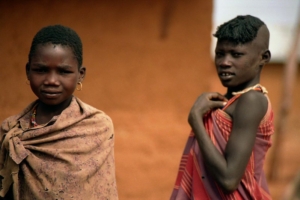 In Malawi, many girls, especially those living in rural areas, face steep challenges in staying in school. While more girls are enrolling in primary education than ever, many are forced to drop out long before graduation. Early marriage, poverty, long and often unsafe journeys to school and a lack of menstrual hygiene products are just some of the obstacles that stand in their way. Nearly 42% of girls in Malawi are married before their 18th birthday, which often ends their education early. These barriers not only limit their potential but also deepen cycles of poverty and inequality that affect entire communities.
CAMFED: Scholarships and Mentorship
The Campaign for Female Education (CAMFED) has made significant strides in Malawi by providing holistic support for girls’ secondary education. Since its launch, CAMFED Malawi has supported more than 646,000 students by covering school fees, uniforms, books and menstrual supplies. It has also trained 4,710 students in government schools with essential services and mentorship through its Learner Guide model.
CAMFED fosters long-term educational engagement through its alum network, the CAMFED Association. The association reached nearly 110,000 students in 2023 with mentoring, life-skills development and leadership training. These initiatives are directly credited with boosting retention and completion rates among rural girls.
Let Girls Learn Initiative
In Malawi, the Let Girls Learn initiative, backed by USAID and the U.S. Department of State, led to focused efforts that helped more girls continue their education beyond primary school. One of the key projects, called Apatseni Mwayi Atsikana Aphunzire (AMAA), was carried out by Save the Children and Concern Worldwide across five districts. The program built girl-friendly school facilities, supported girls’ transitions to secondary school and offered life-skills training to boost their confidence and resilience.
Globally, the Let Girls Learn program contributed $25 million to support locally driven education programs in 13 countries, including Malawi. These efforts addressed major obstacles such as school fees, period poverty and child marriage while promoting leadership, inclusion and long-term access to learning.
National Strategy and Policy Reform
The government of Malawi has prioritized gender equity in education through its National Strategy for Girls’ Education. The project integrates school access with child protection, gender-based violence prevention and reproductive health education. The strategy supports the re-enrollment of young mothers, the enforcement of anti-child marriage laws and teacher training to create safe and inclusive learning environments.
Implemented with organizations such as UNICEF and the Global Partnership for Education, this policy framework addresses the systemic and social causes of girls’ dropout rates.
Building a Brighter Future
The combined impact of local nonprofits, international partnerships and national education reforms is reshaping the landscape for girls in Malawi. Programs like CAMFED have supported thousands of students. A recent World Bank report highlights that investing in girls’ education is one of the most effective ways to reduce poverty, improve health outcomes and promote gender equality.
Educated girls are more likely to delay marriage, have healthier families and contribute to economic growth. By supporting comprehensive approaches that combine schooling with health, mentorship and legal protections, Malawi is laying the foundation for a more equitable and prosperous future.
– Joseph Hasty
Joseph is in Winter Park, FL, USA and focuses on Global Health for The Borgen Project.
Photo: Flickr
