Chagas Disease in Bolivia: A Public Health Crisis in Rural Areas
 Bolivia is a landlocked country in South America, bordered by Brazil to the north and east, Paraguay and Argentina to the south and Chile and Peru to the west. With a population of more than 12 million people, Bolivia is one of the most culturally diverse nations on the continent, home to numerous Indigenous groups. Politically, it is a presidential republic and around 78% of its population identifies as Roman Catholic. Despite progress in democratization and economic development, Bolivia still grapples with poverty, limited access to health care in rural areas and stark regional inequalities.
When it comes to public health, Bolivia faces a unique and often overlooked challenge: Chagas disease. Caused by a parasite transmitted by blood-sucking insects, this tropical disease has quietly affected hundreds of thousands, particularly in impoverished, rural communities. Bolivia has one of the highest rates of Chagas infection in the world, making it both a public health burden and a social justice issue. This article explores the reality of Chagas disease in Bolivia and the ongoing efforts to fight it.
Chagas Disease in Bolivia
Chagas disease in Bolivia, caused by the parasite Trypanosoma cruzi, continues to pose a serious public health challenge across Latin America and Bolivia remains one of the most affected countries. The disease is widespread across Bolivia, with seven out of the country’s nine departments considered endemic, regardless of altitude. Although major international health efforts, especially those targeting insect vectors and the safety of blood transfusions, have led to a significant decline in infection rates over the past two decades, the burden is still considerable.
By 2005, Bolivia reported around 620,000 cases of infection, down from more than a million in the mid-1980s. Before large-scale control efforts began in 2000, infection rates in Bolivia were alarmingly high, with 90% of adults infected. In 2025, approximately 80% of Bolivian territory is considered endemic. Despite progress, health authorities still diagnose more than 10,000 new cases each year.
The Knowledge of Citizens
People living in rural parts of Bolivia are much more familiar with the insect that spreads Chagas disease. In many rural communities, more than 80% of people could easily recognize the vinchuca, a blood-sucking bug responsible for spreading the parasite. In contrast, only about half of the residents in cities like La Paz and around two-thirds in Santa Cruz were able to identify it correctly. Many rural communities know when it’s most active—often during hot and dry weather—and describe how it enters homes from nearby forests or hides near animal shelters. Locals also talk about its nighttime activity and blood-feeding habits. Interestingly, some communities have noticed a decline in the number of vinchucas in recent years, though the threat is still very real.
Fighting the Illness
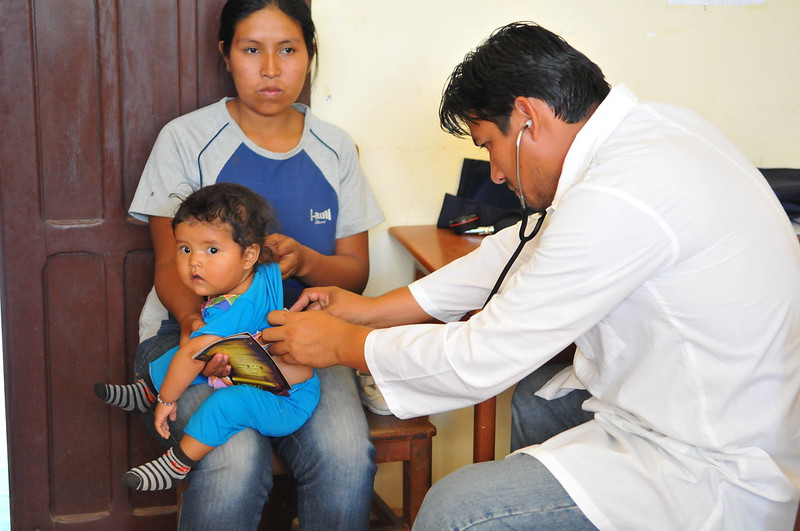
Since 2015, Médecins Sans Frontières has been working with Bolivia’s Ministry of Health to improve care for Chagas disease, especially in remote rural areas. One of its most innovative efforts is eMOCHA, a mobile system that allows people to report sightings of triatomine bugs (vinchucas) via free SMS messages. The system uses GPS technology to send technicians directly to affected homes for fumigation and follow-up. Previously, this process could take up to a month—now it happens within days. The pilot project in Narciso Campero Province has shown promising results and may be expanded nationwide or adapted for tracking other diseases.
MSF has also provided training to rural health centers, donated medical supplies like electrocardiography devices and rapid tests and helped treat hundreds of Chagas patients in areas like Monteagudo. Its model suggests that it’s possible to deliver diagnosis and treatment at the primary care level—even in Bolivia’s most remote communities. MSF is now working on a comprehensive manual, in partnership with the Ministry of Health, to help scale the program to other endemic regions.
Looking Ahead
While often overlooked, Chagas disease remains a daily reality for many Bolivians—especially those in rural areas. With the impact of community knowledge, international support and smart technology, progress is underway. However, the road to full disease control remains long and sustained investment is essential.
– Julia Skowrońska
Julia is based in Wrocław, Poland and focuses on Global Health for The Borgen Project.
Photo: Flickr
