Trachoma in Burundi: How Burundi Beat Trachoma
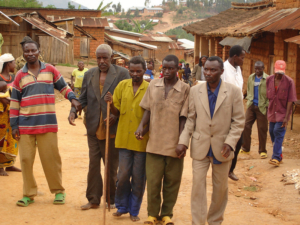 After a long history of trials and tribulations, the WHO has declared Burundi free of trachoma as a public health risk. This marks a major milestone in the country’s health, as only seven others in its region have achieved such a feat. The World Health Organization (WHO) celebrates this milestone not just as Burundi eliminated trachoma, but as the first neglected tropical disease the country has successfully eradicated.
The Impact of Trachoma
Trachoma is a bacterial eye disease caused by Chlamydia trachomatis. It remains a public health problem in 32 countries, primarily in impoverished regions with weak or nonexistent water, sanitation and hygiene infrastructure. The disease spreads through direct contact with the eye and nasal discharge from infected individuals, especially children, or indirectly through flies that have come into contact with these secretions.
In severe cases, blindness from trachoma is irreversible, making early intervention critical. Globally, trachoma is the leading infectious cause of blindness, with millions of people at risk, particularly in sub-Saharan Africa. The disease disproportionately affects women and children, who are often the primary caregivers and more likely to be in close contact with infected individuals.
In Burundi, poor access to clean water and proper sanitation, especially latrines, has historically contributed to the spread of disease. Rural areas often rely on shared or open defecation sites, which attract flies and increase exposure risk. Limited public awareness and inadequate hygiene education further exacerbated the situation, allowing trachoma to persist unchecked for years.
Progress Over Time
According to baseline surveys conducted in 2007-2010, more than 5% of children aged 1-9 had trachoma, indicating that it was endemic in multiple parts of the country. WHO intervened with its SAFE strategy and provided aid across 12 districts. The government of Burundi also cooperated by following WHO guidelines and mapping the disease. Although WHO aimed to eliminate trachoma by 2020, Burundi missed this target due to delays in implementing the strategy across several regions.
From 2018 to 2021, the National Institute of Health (NIH) conducted a public health survey to record the baseline impact of trachoma on Burundi. The results showed that the prevalence of trachoma in Burundi exceeded the ideal threshold and that only around 8% of households had access to sanitary latrines. In 2023, however, things had changed. The WHO reported that, among several other countries, Burundi had met the threshold for eliminating trachoma.
It accomplished this by successfully implementing the SAFE strategy across the country and increasing sanitation (though it is still relatively poor). After two years of consistently meeting the threshold, the WHO declared Burundi free of trachoma as a public health risk.
Final Remarks
Burundi’s trachoma elimination reflects years of persistent effort, collaboration and community health interventions. While challenges remain in sanitation, this success proves the country can overcome major public health threats with sustained action.
– Cayle Harrison
Cayle is based in Columbia, SC, USA and focuses on Global Health and Politics for The Borgen Project.
Photo: Flickr
