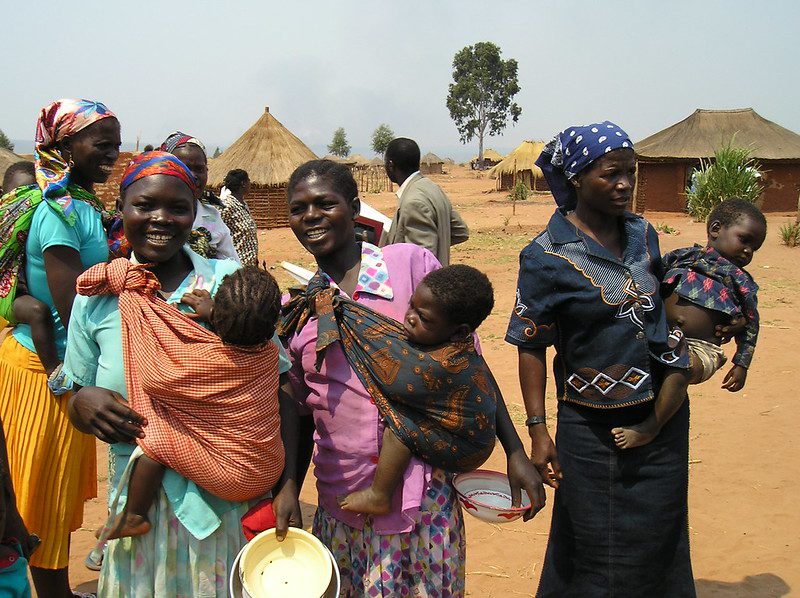
 Schistosomiasis in Angola continues to pose a major threat to public health- especially for school-aged children in rural, water-reliant communities. Caused by parasitic worms that infect humans through contact with contaminated freshwater, schistosomiasis can lead to fatigue, anemia and developmental delays. With more than 90% of districts at risk, Angola faces one of the highest burdens of this neglected tropical disease (NTD) in sub-Saharan Africa.
To combat this issue, Angola’s Ministry of Health, backed by the World Health Organization (WHO) and nongovernmental organizations (NGOs) such as The MENTOR Initiative, has implemented an innovative, school-based response. These campaigns provide mass deworming treatments using praziquantel, reinforce hygiene education and promote access to clean water and sanitation. This integrative model not only lowers infection rates but also improves school attendance and overall child development.
Understanding the Disease Burden
“Children are especially vulnerable as they play in the water and often don’t understand the risks,” a local health worker based in the Huila, Huambo and Zaire provinces told The Borgen Project in an interview. “We saw many children with swollen bellies and constant fatigue. Now, after regular deworming and hygiene education, those symptoms are much less common.”
Schistosomiasis in Angola has long plagued rural Angola, where many communities depend on rivers and lakes for everyday activities such as bathing, washing and even drinking. According to WHO, chronic schistosomiasis can lead to liver and kidney damage, cognitive delays and an increased risk of school absenteeism. Recent mapping by The MENTOR Initiative reveals a troubling overlap between schistosomiasis and other parasitic infections like soil-transmitted helminths (STHs). This dual burden is particularly pronounced in Angola’s south-central provinces, where more than 70% of school-aged children are at risk.
School-Based Campaigns: A Scalable Solution
Angola’s Ministry of Health, in collaboration with WHO, has responded with mass deworming campaigns centered around schools. “We coordinate with teachers and school staff,” the health worker explained. “They help us organize the children and explain the treatment to them in simple terms.” Parents are also engaged through community meetings, which help build trust and transparency around the medication process. These campaigns utilize praziquantel, the WHO-recommended drug for schistosomiasis treatment. In addition to being safe and affordable, praziquantel is effective with a single dose and is ideally suited for distribution in school settings.
According to a six‑year impact assessment of Angola’s school‑based deworming program, schistosomiasis monitoring covered nearly 600 schools between 2015 and 2021, revealing persistent transmission in multiple provinces. As a result, soil-transmitted helminth-endemic regions received deworming treatments, hygiene supplies and health education. These combined efforts have led to improved child health outcomes and increased school participation. Studies show that deworming enhances children’s physical well-being and “It’s not just about treating the disease, it’s about giving these kids a better chance at life”, the local source tells The Borgen Project.
Hygiene Education and Infrastructure
The success of deworming programs in Angola depends on an integrated approach. Medication alone cannot stop the cycle of reinfection, especially in rural areas where poor sanitation and limited access to clean water drive continued transmission. To address this, school-based campaigns include hygiene education that teaches students proper handwashing, safe defecation and how to avoid contaminated water. Schools also act as community hubs, spreading these practices to families. Some schools receive additional support through partnerships with NGOs and government agencies, gaining improved facilities like latrines, handwashing stations and water filtration systems.
WHO highlights that combining water, sanitation and hygiene (WASH) measures with deworming efforts can reduce transmission by more than 75%. This underscores the importance of holistic strategies for lasting impact.
Data-Driven Targeting
Disease mapping has played a critical role in Angola’s national response to schistosomiasis and soil-transmitted helminths (STHs). In collaboration with Angola’s Ministry of Health, the MENTOR Initiative conducted large-scale parasitological surveys across all 18 provinces. These surveys, involving more than 1.6 million school-aged children, used stool and urine sampling along with geospatial tools to determine prevalence rates and identify high-risk transmission zones.
The mapping results allowed for the strategic targeting of mass drug administration (MDA) campaigns, ensuring that treatment was concentrated in areas with the highest disease burden. By using prevalence thresholds recommended by WHO, Angola was able to tailor the frequency and intensity of treatment to the needs of each province. In addition to guiding the delivery of preventive chemotherapy, the data also support long-term monitoring, policy decision-making and evaluation of program impact.
Challenges and Local Resilience
Despite efforts, schistosomiasis in Angola continues to face several operational and infrastructural challenges. Limited access to clean water and adequate sanitation facilities in many rural areas contributes to persistent reinfection rates. Even with periodic MDA, the lack of improved WASH (Water, Sanitation and Hygiene) infrastructure undermines sustained disease control.
The program is also constrained by logistical difficulties such as inconsistent medicine supply chains and a shortage of trained personnel for implementation and monitoring. Regardless, integration of the deworming program into the existing school-based health system has helped optimize outreach and reduce costs. Capacity-building initiatives for local staff, as well as coordination with multiple stakeholders, including the Ministry of Education and international partners, have strengthened the program’s delivery and laid the foundation for more sustainable control efforts.
A Model Grounded in Elimination, Not Just Control
Angola’s approach mirrors a growing call in public health to shift from reactive control toward proactive elimination of schistosomiasis. As emphasized in Frontiers in Public Health, long-term success requires more than drug distribution; it depends on a systems-thinking model that integrates treatment with behavioral change, hygiene, snail control and environmental improvements.
By using schools as delivery platforms, Angola addresses multiple layers of disease transmission- medical, educational and ecological. This multifaceted approach offers a replicable blueprint for other countries. “The key is to involve the community and combine treatment with education and clean water,” the local health worker explained. “It’s not enough to give medicine- you have to change the environment and the habits. Angola’s model is working here and I believe it can help others, too.”
Health, Education and Hope
The integrated approach to fighting schistosomiasis in Angola demonstrates how local solutions, when grounded in data, education and community engagement, can spark meaningful change. With continued investment in health systems and infrastructure, the country is not just treating a disease but empowering a generation of children to learn, grow and thrive.
– Vasara Mikulevicius
Vasara is based in West Bloomfield, MI, USA and focuses on Global Health for The Borgen Project.
Photo: Flickr

Schistosomiasis in Angola: A Local Strategy With Global Impact
To combat this issue, Angola’s Ministry of Health, backed by the World Health Organization (WHO) and nongovernmental organizations (NGOs) such as The MENTOR Initiative, has implemented an innovative, school-based response. These campaigns provide mass deworming treatments using praziquantel, reinforce hygiene education and promote access to clean water and sanitation. This integrative model not only lowers infection rates but also improves school attendance and overall child development.
Understanding the Disease Burden
“Children are especially vulnerable as they play in the water and often don’t understand the risks,” a local health worker based in the Huila, Huambo and Zaire provinces told The Borgen Project in an interview. “We saw many children with swollen bellies and constant fatigue. Now, after regular deworming and hygiene education, those symptoms are much less common.”
Schistosomiasis in Angola has long plagued rural Angola, where many communities depend on rivers and lakes for everyday activities such as bathing, washing and even drinking. According to WHO, chronic schistosomiasis can lead to liver and kidney damage, cognitive delays and an increased risk of school absenteeism. Recent mapping by The MENTOR Initiative reveals a troubling overlap between schistosomiasis and other parasitic infections like soil-transmitted helminths (STHs). This dual burden is particularly pronounced in Angola’s south-central provinces, where more than 70% of school-aged children are at risk.
School-Based Campaigns: A Scalable Solution
Angola’s Ministry of Health, in collaboration with WHO, has responded with mass deworming campaigns centered around schools. “We coordinate with teachers and school staff,” the health worker explained. “They help us organize the children and explain the treatment to them in simple terms.” Parents are also engaged through community meetings, which help build trust and transparency around the medication process. These campaigns utilize praziquantel, the WHO-recommended drug for schistosomiasis treatment. In addition to being safe and affordable, praziquantel is effective with a single dose and is ideally suited for distribution in school settings.
According to a six‑year impact assessment of Angola’s school‑based deworming program, schistosomiasis monitoring covered nearly 600 schools between 2015 and 2021, revealing persistent transmission in multiple provinces. As a result, soil-transmitted helminth-endemic regions received deworming treatments, hygiene supplies and health education. These combined efforts have led to improved child health outcomes and increased school participation. Studies show that deworming enhances children’s physical well-being and “It’s not just about treating the disease, it’s about giving these kids a better chance at life”, the local source tells The Borgen Project.
Hygiene Education and Infrastructure
The success of deworming programs in Angola depends on an integrated approach. Medication alone cannot stop the cycle of reinfection, especially in rural areas where poor sanitation and limited access to clean water drive continued transmission. To address this, school-based campaigns include hygiene education that teaches students proper handwashing, safe defecation and how to avoid contaminated water. Schools also act as community hubs, spreading these practices to families. Some schools receive additional support through partnerships with NGOs and government agencies, gaining improved facilities like latrines, handwashing stations and water filtration systems.
WHO highlights that combining water, sanitation and hygiene (WASH) measures with deworming efforts can reduce transmission by more than 75%. This underscores the importance of holistic strategies for lasting impact.
Data-Driven Targeting
Disease mapping has played a critical role in Angola’s national response to schistosomiasis and soil-transmitted helminths (STHs). In collaboration with Angola’s Ministry of Health, the MENTOR Initiative conducted large-scale parasitological surveys across all 18 provinces. These surveys, involving more than 1.6 million school-aged children, used stool and urine sampling along with geospatial tools to determine prevalence rates and identify high-risk transmission zones.
The mapping results allowed for the strategic targeting of mass drug administration (MDA) campaigns, ensuring that treatment was concentrated in areas with the highest disease burden. By using prevalence thresholds recommended by WHO, Angola was able to tailor the frequency and intensity of treatment to the needs of each province. In addition to guiding the delivery of preventive chemotherapy, the data also support long-term monitoring, policy decision-making and evaluation of program impact.
Challenges and Local Resilience
Despite efforts, schistosomiasis in Angola continues to face several operational and infrastructural challenges. Limited access to clean water and adequate sanitation facilities in many rural areas contributes to persistent reinfection rates. Even with periodic MDA, the lack of improved WASH (Water, Sanitation and Hygiene) infrastructure undermines sustained disease control.
The program is also constrained by logistical difficulties such as inconsistent medicine supply chains and a shortage of trained personnel for implementation and monitoring. Regardless, integration of the deworming program into the existing school-based health system has helped optimize outreach and reduce costs. Capacity-building initiatives for local staff, as well as coordination with multiple stakeholders, including the Ministry of Education and international partners, have strengthened the program’s delivery and laid the foundation for more sustainable control efforts.
A Model Grounded in Elimination, Not Just Control
Angola’s approach mirrors a growing call in public health to shift from reactive control toward proactive elimination of schistosomiasis. As emphasized in Frontiers in Public Health, long-term success requires more than drug distribution; it depends on a systems-thinking model that integrates treatment with behavioral change, hygiene, snail control and environmental improvements.
By using schools as delivery platforms, Angola addresses multiple layers of disease transmission- medical, educational and ecological. This multifaceted approach offers a replicable blueprint for other countries. “The key is to involve the community and combine treatment with education and clean water,” the local health worker explained. “It’s not enough to give medicine- you have to change the environment and the habits. Angola’s model is working here and I believe it can help others, too.”
Health, Education and Hope
The integrated approach to fighting schistosomiasis in Angola demonstrates how local solutions, when grounded in data, education and community engagement, can spark meaningful change. With continued investment in health systems and infrastructure, the country is not just treating a disease but empowering a generation of children to learn, grow and thrive.
– Vasara Mikulevicius
Photo: Flickr
Elderly Poverty in Chad
Despite its size and important resources like oil, Chad remains one of the most impoverished countries in the world. Poverty stretches to every corner of the country. However, one of the most susceptible victims, older people, are often ignored. Here are some facts about what elderly poverty in Chad looks like and how foreign aid can help minimize it.
Facts About Elderly Poverty in Chad
Conclusion
Elderly poverty in Chad remains a critical but often overlooked issue. Limited health care, food insecurity and poor sanitation leave older adults especially vulnerable. While humanitarian aid provides some relief, lasting change requires targeted support and stronger systems to protect Chad’s older population.
– Zoe Alatsas
Photo: Pickpik
Disability and Poverty in Burkina Faso
Disability in Burkina Faso is more than a personal health challenge; it is a profound development issue. In one of the world’s most impoverished nations, having a disability often means being locked out of education, employment and health care. When systems aren’t built for inclusion, the result is predictable: poverty deepens, inequality widens and national progress stalls.
Systemic Poverty and Exclusion
According to the Tigoung Nonma, a cooperative of disabled artisans, approximately 10% of Burkina Faso’s population lives with a disability. Yet most of them are invisible in public life. Due to structural barriers and social stigma, access to jobs, education and even buildings remains limited.
Not only that, but for families already surviving on less than $2 a day, caring for a disabled member without social safety nets often means sacrificing their own basic needs. Medical devices like wheelchairs or hearing aids are expensive and hard to use and accessible public infrastructure is scarce. Children with disabilities are more likely to drop out of school and adults face major hurdles in finding stable work.
Health System Gaps: Underserved and Underfunded
According to the World Health Organization (WHO), Burkina Faso allocates just 6.3% of its GDP to health. This is far below the global average and far short of the need. Rural health centers are often unequipped to serve patients with specialized needs, especially those requiring physical therapy, long-term care or rehabilitation services.
Most of Burkina Faso’s more than 3,000 health facilities are inaccessible to people with mobility impairments. Similarly, a 2024 survey across French-speaking sub‑Saharan Africa revealed that Burkina Faso has only 26 physiotherapists, a staggering shortage for a needy population. For those with intellectual or developmental disabilities, the situation is even more dire. Most go undiagnosed, untreated and entirely unsupported, falling through the cracks of an already strained health care system.
Social Stigma and Discrimination
Beyond physical barriers, people with disabilities in Burkina Faso face deep social stigma. Misconceptions linking disability to witchcraft or divine punishment are still prevalent in rural areas, leading to neglect, abandonment and violence.
In employment and education, discrimination persists. Many children with disabilities are kept at home, denied enrollment in schools or bullied by peers. Adults are often excluded from the labor market entirely or relegated to informal work without legal protections.
A Vicious Cycle
Disability increases the likelihood of poverty and poverty increases the likelihood of disability. Malnutrition, unsafe childbirth, poor sanitation and lack of access to vaccinations contribute to preventable impairments in children. Meanwhile, poverty-stricken families often lack the knowledge or means to seek early intervention.
This cycle is especially damaging for women and girls, who face a double burden of gender and disability-based discrimination. They are less likely to attend school or access health care and more vulnerable to abuse.
Toward Inclusive Development
Thankfully, efforts are growing to integrate disability rights into national development plans. Burkina Faso ratified the U.N. Convention on the Rights of Persons with Disabilities (CRPD) in 2009 and has committed to more inclusive policies. However, Implementation remains slow.
Nonprofits like Light for the World and Humanity & Inclusion lead some of the most impactful initiatives. These organizations have progressed in supplying assistive devices and pushing for disability-inclusive budgets. Their work shows that inclusion isn’t just possible, it’s essential for sustainable development.
Conclusion
Disability and poverty in Burkina Faso are closely linked, forming a loop of exclusion that threatens the country’s development goals. The challenge is not disability but the failure to provide accessible infrastructure, inclusive policies and equal opportunities.
Addressing this issue requires more than charity; it demands systemic change, political will and international solidarity. Only then can Burkina Faso unlock the full potential of all its citizens, regardless of ability.
– De’Marlo Gray
Photo: Flickr
SmartCane: Technology Empowers Blind Communities in India
Barriers such as affordability, low literacy and geographic isolation disproportionately affect women, marginalized communities and people with low incomes. These challenges limit access not only to treatment but also to assistive devices like canes or glasses.
Smart cane technology in India is addressing this gap by using sensor-based innovation to improve mobility, independence and safety for people who are blind or visually impaired.
The Limits of Traditional Mobility Tools
An estimated 4.95 million people in India are blind and another 35 million are visually impaired. Cataracts and uncorrected refractive errors remain the leading causes of blindness and low vision, respectively.
Many of these individuals rely on traditional white canes for mobility. While helpful for detecting objects on the ground, conventional canes fail to detect obstacles above waist height, such as low-hanging signs or open windows.
This limitation increases the risk of accidents and discourages independent travel, especially in crowded or unfamiliar environments.
SmartCane Solution for Safer Navigation
Smart cane technology aims to overcome these limitations. The SmartCane was developed by the Indian Institute of Technology (IIT) Delhi in collaboration with Phoenix Medical Systems and Saksham Trust, with funding from the Wellcome Trust.
It is an electronic mobility aid that uses ultrasonic sensors to detect obstacles up to three meters away and at varying heights. The device sends tactile feedback through vibrations to alert users before impact. The SmartCane retails for around $34 and has reached more than 20,000 users across India and internationally.
Implementation and Impact
SmartCane’s distribution has primarily occurred through partnerships with NGOs, schools for the blind and regional disability centers in India. Saksham Trust, a key implementing partner, has helped train users to integrate the device into their daily routines. Instruction includes mobility training, orientation sessions and guidance on interpreting haptic feedback.
A study led by Rohan Paul, one of SmartCane’s innovators and a Rhodes Scholar, found a 93% reduction in collisions during a structured obstacle course compared to users of traditional canes. Another U.S.-based study of older adults evaluating smart mobility devices found that 83% supported the idea. Similarly, 100% believed they could learn to use it effectively with training. However, some raised concerns about accessibility, appearance and tech support.
Real Benefits Beyond Navigation
Smart canes give users greater independence, allowing them to move through public spaces and explore new places more confidently. Enhanced obstacle detection reduces the risk of injury and supports safer commuting. Integration with smartphones and other devices opens access to apps, navigation tools and public services.
However, affordability remains a barrier, especially for low-income users. About half of the people with visual disabilities can access recommended aids or appliances. Government subsidy programs and increased awareness could help scale the device’s reach and close these access gaps.
Looking Ahead
Smart cane technology in India illustrates how low-cost, scalable innovation can reshape the lives of people with disabilities. With further investment and inclusion in national disability programs, smart canes could empower millions to navigate their environments safely, independently and with dignity.
– Hayden Chedid
Photo: Flickr
Tackling the Digital Divide in Ghana
Digital exclusion reinforces existing poverty and inequality, as equal access to advanced technologies is crucial for supporting women’s economic independence and fostering a more inclusive society. However, closing the digital divide in Ghana will give women the agency and empowerment to shape their futures and thrive in the digital economy.
Reasons Behind the Digital Divide
Current Initiatives
The GSM Association is a nonprofit that represents the interests of global mobile operators. It supports efforts to empower Ghanaian women with digital skills and access through complementary programs. Its ICT Skills for Entrepreneurial Women Empowerment initiative has trained 15,000 artisans and 720 female entrepreneurs in key digital skills. These include internet use, mobile money and social media marketing, helping them grow businesses and improve entrepreneurial growth.
To further enhance digital competence, the organization’s Mobile Internet Skills Training Toolkit offers free, multilingual video courses for micro-entrepreneurs. This initiative improves digital literacy, fosters economic independence and challenges traditional gender roles, opening new pathways for women in the workforce. Building on this digital foundation, the National Health Care Insurance Scheme’s mobile renewal option has boosted active membership by more than 50%, with 83% of women using this convenient service via mobile devices.
While these initiatives have seen success, the GSM Association surveys indicate that other e-government services are utilized at a lower rate. To tackle the digital divide in Ghana, external factors that hinder women from accessing such technologies must be taken into consideration. These include raising awareness, boosting digital literacy and addressing affordability barriers through targeted campaigns, training programs and expanded access to low-cost internet and devices.
Looking Ahead
“The Access to Agency: Empowering Women Through Digital Inclusion Conference,” held in July 2025, brought these challenges to the forefront. Indeed, sessions focused on expanding women’s access to smartphones, using WhatsApp networks for digital financial services and entrepreneurship and developing tailored safeguards to protect women’s privacy and safety online. By highlighting these priorities, the conference reinforced the need for targeted strategies that help women benefit equally from digital progress.
By putting women’s digital inclusion at the center of future strategies, Ghana can unlock new opportunities, reduce poverty and build a fairer, more prosperous society for all.
– Beatrice Punt
Photo: Wikimedia Commons
buildOn: Education To Help End Global Poverty
An Overview of buildOn’s Impact
Since 1991, buildOn has been using education to help end global poverty. The organization has constructed more than 2,500 schools throughout its history, impacting more than 346,000 lives.
With the support of global donors, buildOn forms strong partnerships to expand its impact across multiple countries. In 2023, the organization set a new record for the number of schools built worldwide. It extended its literacy programs’ reach in new and existing schools.
Education as a Tool To End Global Poverty
buildOn partners with donors to fight global poverty by building schools in underserved rural communities. Its mission targets regions where access to education remains limited, focusing on countries with the greatest economic need.
Current buildOn school locations include:
These countries face some of the highest poverty rates globally, with large segments of the population lacking access to quality education. Through its programs, buildOn works to close this gap and create pathways to opportunity for future generations.
Bridging the Education Gap for All Ages
buildOn’s education programs aim to eliminate discrimination in access to education by partnering with rural communities to educate people of all ages, from children to adults and seniors. In Burkina Faso, buildOn’s schools face significant challenges. Many rural areas lack basic infrastructure, forcing students to walk long distances to attend properly built schools in neighboring villages.
To break the cycle of poverty and lack of access to good education, buildOn aims to construct as many fully equipped schools as possible, ensuring each village has proper classrooms in underserved regions. When education becomes accessible to everyone, the chances of lifting communities out of poverty increase significantly. Many children who might otherwise drop out due to distance or poor facilities can now attend school and receive the education they deserve.
buildOn also supports adult learners through re-education programs that equip working adults with essential literacy and numeracy skills to improve their job prospects. In many rural communities, women comprise most adult participants, reflecting buildOn’s focus on empowering women. These programs boost economic opportunities and promote gender equality by giving women a stronger voice in their households and communities.
Final Remarks
Overall, buildOn’s programs aim to end global poverty by eliminating barriers to education through large-scale school development in rural areas. By partnering directly with local communities, buildOn ensures that each school is sustainably built and locally supported. These efforts provide children and adults with lifelong learning opportunities and help communities gain the tools needed to break generational cycles of poverty.
– Angelina Tas
Photo: Flickr
How 2D Participatory Maps Are Fighting Poverty in Chad
A Nation in Emergency
Measured by poor life expectancy, education and living standards, Chad’s slow pace of development since French colonial rule has created deep-rooted challenges for its people. About 42% of the population lives below the poverty line and food insecurity has increased by 240% since 2020.
Despite the discovery of oil in 2003, Chad has remained overwhelmingly focused on military security. This, combined with a legacy of political instability, corruption and poverty, has left its growing population trapped in cycles of poverty, unemployment and deepening regional conflict.
As scarcity rises, the war in Sudan is creating a new humanitarian crisis, impacting trade routes, with almost one million Sudanese refugees crossing into its borders. These challenges divert Chad’s already limited resources from other critical areas of the economy as fuel and food prices surge rapidly.
Rising Temperatures in Chad
As desertification advances at a rate of four kilometers per year, Lake Chad, once one of Africa’s largest freshwater bodies and a source of survival for around 30 million people, has shrunk by 90% since 1960. Today, fewer than half of all children have access to safe drinking water.
Further, mass flooding in 2023, particularly in the most populated areas, destroyed an estimated 259,000 hectares of farmland. This affected 1.5 million people, creating further regional insecurity and disruption.
Climate studies project that temperatures in Chad will rise throughout the 21st century. This will likely result in lower crop yields, leaving communities to fight for scraps of land ravaged by extreme weather conditions.
2D Digital Maps for the Future
In the face of these great challenges, Hindou Oumarou Ibrahim, a cartographer and climate activist, has become a voice of hope among indigenous populations. Ibrahim is creating 2D participatory maps designed to combat poverty in Chad by helping communities identify and share resources in areas of emerging conflict.
Transhumance routes empower local communities and enable cultural exchange across the Sahel. These routes aim to reduce violent conflict by making populations less vulnerable to rising temperatures through evolving 2D participatory maps.
Integrating indigenous and scientific knowledge, Ibrahim’s maps are constantly evolving. Using annotated satellite imagery, they bring together leaders from 116 communities to agree on fair and sustainable use of fertile land, materials and freshwater points across 1,728 square kilometers.
The Chad Digital Transformation Project
While Ibrahim’s work sparks regional interest, only 19% of the Chadian population can access the necessary digital tools or facilities. This presents challenges in scaling the project, especially during a time of political and ecological instability.
However, within five years, the Chad Digital Transformation Project aims to provide an additional 4.5 million people with broadband access. The project will enable people to engage more comprehensively with the project in the coming years.
Conclusion
Chad’s challenges are immense, but participatory maps offer a hopeful path forward. By combining indigenous knowledge with digital tools, communities can manage resources and reduce conflict. As digital access expands, this grassroots solution could help turn local resilience into lasting impact.
– Gabriel John Gunn
Photo: Flickr
Using Oil to Fight Poverty in Guyana
By October 2022, two additional oil discoveries had been made, confirming that Guyana was sitting on one of the largest oil finds in the region. Today, Guyana is one of the world’s fastest-growing economies and this trend is expected to continue. According to the International Monetary Fund’s April 2024 World Economic Outlook, Guyana is predicted to be “one of just a few countries in the world to post double-digit economic growth in 2025.”
What Does All of This Oil Mean for Guyana
As of 2024, Guyana was producing more than 600,000 barrels of oil per day, a major output for a country of about 830,000 people. The scale of this production is not only boosting gross domestic product (GDP), it’s also fueling job creation and generating billions in government revenue. As one of the fastest-growing economies in the world, Guyana is using these funds to take care of long-overdue development efforts across the country.
From Oil to Employment
Since becoming one of the fastest-growing economies in the world, Guyana has seen an increase in available infrastructure funding. Such growth has allowed the government to launch development initiatives aimed at improving the country’s economy and reducing poverty in Guyana. According to 7NEWS, Vice President Bharrat Jagdeo announced in 2023 that several major projects are underway. These include the construction of 12 hospitals, seven hotels, numerous schools and various public facilities.
Many of these buildings are expected to open soon or within the next few years. These investments have so many benefits, helping to improve access to health care, education and tourism. Also, they are expected to generate thousands of new jobs and raise the overall quality of life for the Guyanese population. The expansion of infrastructure shows a huge step in ensuring that the country’s wealth benefits a broad spectrum of its citizens.
More Than Just Oil
By creating more career opportunities, poverty in Guyana is gradually begin eroded, allowing individuals access to opportunities and experiences they may have never been exposed to. In this sense, oil is more than just a natural resource; it’s a tool for transformation. It represents the possibility of long-term development, greater access to essential resources and the chance to uplift entire communities.
– Knia Parks
Photo: Unsplash
Diseases Impacting Ethiopia
Neglected Tropical Diseases
Millions of Ethiopians are at risk of neglected tropical diseases (NTDs). NTDs are a group of diseases primarily caused by pathogens (such as bacteria, viruses and parasites). Ethiopia has Africa’s third-largest number of NTDs, behind Nigeria and the Democratic Republic of the Congo.
Similarly, Ethiopia has the highest number of cases of diseases such as trachoma, podoconiosis and cutaneous leishmaniasis in all of sub-Saharan Africa. It has the second highest number of cases involving ascariasis, leprosy and visceral leishmaniasis. And it has the third highest number of cases involving hookworms.
Infectious Diseases
Infectious diseases are also prevalent across Ethiopia. The most common contagious diseases in Ethiopia are HIV/AIDS, tuberculosis and malaria. The prevalence of HIV/AIDS in Ethiopia stands at around 1.5%. While this is lower than Africa’s average, it’s still higher than the global average (0.7%).
The prevalence of malaria in the country is about 0.39% to 1.1%. Research showed that population density was a standard variable in the spread of all three infectious diseases. Low urbanity and low population density correlate with a lower risk for contagious diseases.
Government Efforts
Ethiopia is still a developing country. About 68.7% of Ethiopians suffer from multidimensional poverty and a further 18% are at risk of doing so. Impoverished people are the most vulnerable to NTDs. Those living in extreme poverty lack access to proper health care and basic health services. They also live in areas where vectors of infectious diseases thrive.
However, the Ethiopian government has taken active steps to combat both NTDs and other infectious diseases. In 1999, the country developed a national plan to address onchocerciasis. The Ministry of Health established the National Onchocerciasis Task Force the following year. This task force focused on mobilizing and educating affected communities and distributing Mectizan tablets to help control the disease.
The Ethiopian Ministry of Health also established the National Dracunculiasis Eradication Program in 1993. In collaboration with The Carter Center, Ethiopia launched a national program to combat lymphatic filariasis. Additionally, the country has implemented several programs and strategies targeting other neglected tropical diseases, including podoconiosis, soil-transmitted helminths, schistosomiasis, leishmaniasis and leprosy.
Conclusion
Ethiopia continues to struggle with the burden of infectious and noninfectious tropical diseases, which disproportionately affect its underserved communities. While the challenges are significant, the country’s proactive health initiatives and partnerships offer hope. Sustained investment in public health, education and poverty reduction is essential to combat the diseases impacting Ethiopia and improve health outcomes for millions.
– Samriddha Aryal
Photo: Wikimedia Commons
The Impacts of The Smart Rwanda Master Plan
While Smart Rwanda serves as the strategic framework, ongoing projects such as the Digital Acceleration Project, Kigali Innovation City (KIC) and the Electricity Access Rollout Program (EARP) demonstrate how Rwanda operationalizes this vision to uplift rural communities and empower youth and women.
Bringing Power to Classrooms and Rural Villages
Through the EARP, Rwanda’s Ministry of Infrastructure aims to electrify nearly 1,000 rural primary schools with off-grid solar power systems by the end of 2025. These installations provide lighting, laptop charging and digital tools that extend study hours and improve learning outcomes in remote regions.
Through public-private partnerships, Rwanda also expanded solar mini-grids to more than 45 villages in the Bugesera District. MeshPower, a key stakeholder, delivers reliable electricity to households and small enterprises. Locals report that access to power has doubled family incomes and created jobs by enabling new economic activities like phone charging stations and tailoring shops.
Expanding Clean Cooking Solutions and Green Model Villages
In partnership with the United Nations Development Program (UNDP) and HomeBiogas, more than 500 Rwamagana and Ngoma Districts households installed biogas digesters. These convert organic waste into clean cooking fuel, reducing firewood use by about 80%. This improvement enhances indoor air quality, reduces respiratory illnesses and saves women and children hours previously spent collecting firewood.
Rwanda scaled its Green Model Village program by upgrading several villages with off-grid solar power systems. These provide reliable electricity and rainwater harvesting installations that ensure year-round clean water access. Furthermore, they provide improve sanitation facilities, eco-friendly toilets and newly built or renovated health posts offering essential medical services. These targeted improvements enable schools to extend learning hours with electricity, reduce waterborne diseases through better hygiene and create local jobs by supporting small-scale agriculture and clean energy enterprises.
Accelerating Electricity Access and Digital Transformation
Rwanda has rapidly increased electricity access from 6% in 2009 to 75% in 2024 through the EARP. The government leads this effort with strong institutional support from the Ministry of Infrastructure, Rwanda Energy Group and the Development Bank of Rwanda. With more than $1.4 billion in funding, around $750 million from the World Bank, the program combines grid and off-grid solutions to reach underserved areas. Performance contracts ensure accountability as Rwanda moves toward universal electricity access.
Rwanda’s $200 million Digital Acceleration Project, running from 2022 through 2026, further advances Smart Rwanda’s vision. By July 2025, the project reached 55% completion, expanding broadband infrastructure, improving digital public services and fostering innovation ecosystems. This initiative enhances connectivity in rural and urban areas, empowering citizens and businesses to participate in the digital economy.
Building KIC
KIC is a flagship Smart Rwanda project focused on transforming Rwanda into a regional technology and knowledge hub. In May 2024, the Government of Rwanda signed an implementation agreement with the Rwanda Development Board and Africa50 to accelerate KIC’s development. The 61-hectare smart city aims to host universities, research institutions, technology companies and innovation hubs, creating jobs and fostering entrepreneurship for young Rwandans.
Supporting Women and Youth
Smart Rwanda prioritizes gender equality and youth empowerment through targeted skills training and entrepreneurship programs. The World Bank’s $200 million Priority Skills for Growth and Youth Empowerment initiative benefits more than 200,000 young people. The initiative provides young women with market-ready skills and improves access to education.
Projects like Youth Entrepreneurship for the Future of Food and Agriculture generate thousands of jobs and increase female participation in economic activities, aligning closely with Smart Rwanda’s inclusive growth objectives.
A Scalable Model for Rural Development
The Smart Rwanda Master Plan unites infrastructure, digital innovation, energy, education, health and social services into one coordinated framework. The government collaborates closely with international partners, technology providers and communities to ensure that development benefits reach all citizens.
By advancing this master plan, Rwanda offers a replicable blueprint for other countries seeking sustainable and inclusive rural poverty reduction. The continued implementation of Smart Rwanda initiatives in 2025 shows that thoughtful planning and multi-sector collaboration can effectively combat poverty and foster long-term prosperity.
– Kelsey Eisen
Photo: Flickr