Schistosomiasis in Angola: A Local Strategy With Global Impact
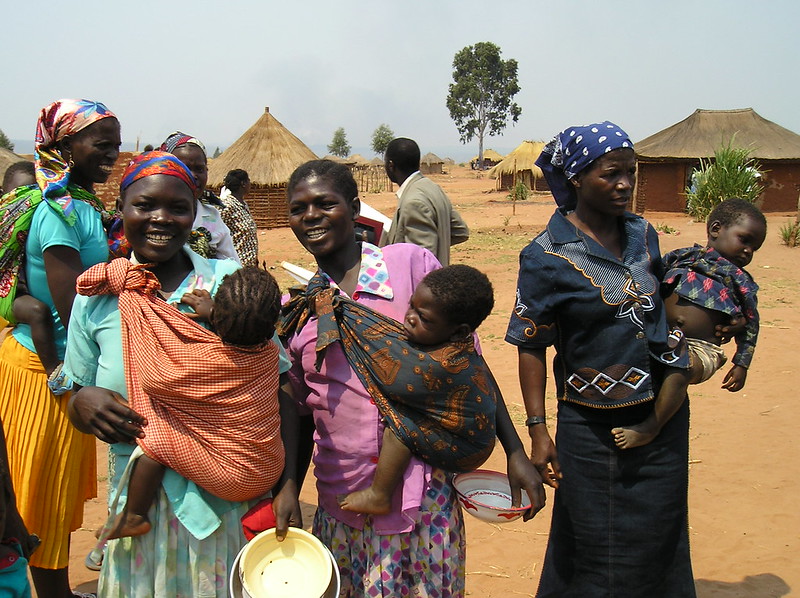 Schistosomiasis in Angola continues to pose a major threat to public health- especially for school-aged children in rural, water-reliant communities. Caused by parasitic worms that infect humans through contact with contaminated freshwater, schistosomiasis can lead to fatigue, anemia and developmental delays. With more than 90% of districts at risk, Angola faces one of the highest burdens of this neglected tropical disease (NTD) in sub-Saharan Africa.
To combat this issue, Angola’s Ministry of Health, backed by the World Health Organization (WHO) and nongovernmental organizations (NGOs) such as The MENTOR Initiative, has implemented an innovative, school-based response. These campaigns provide mass deworming treatments using praziquantel, reinforce hygiene education and promote access to clean water and sanitation. This integrative model not only lowers infection rates but also improves school attendance and overall child development.
Understanding the Disease Burden
“Children are especially vulnerable as they play in the water and often don’t understand the risks,” a local health worker based in the Huila, Huambo and Zaire provinces told The Borgen Project in an interview. “We saw many children with swollen bellies and constant fatigue. Now, after regular deworming and hygiene education, those symptoms are much less common.”
Schistosomiasis in Angola has long plagued rural Angola, where many communities depend on rivers and lakes for everyday activities such as bathing, washing and even drinking. According to WHO, chronic schistosomiasis can lead to liver and kidney damage, cognitive delays and an increased risk of school absenteeism. Recent mapping by The MENTOR Initiative reveals a troubling overlap between schistosomiasis and other parasitic infections like soil-transmitted helminths (STHs). This dual burden is particularly pronounced in Angola’s south-central provinces, where more than 70% of school-aged children are at risk.
School-Based Campaigns: A Scalable Solution
Angola’s Ministry of Health, in collaboration with WHO, has responded with mass deworming campaigns centered around schools. “We coordinate with teachers and school staff,” the health worker explained. “They help us organize the children and explain the treatment to them in simple terms.” Parents are also engaged through community meetings, which help build trust and transparency around the medication process. These campaigns utilize praziquantel, the WHO-recommended drug for schistosomiasis treatment. In addition to being safe and affordable, praziquantel is effective with a single dose and is ideally suited for distribution in school settings.
According to a six‑year impact assessment of Angola’s school‑based deworming program, schistosomiasis monitoring covered nearly 600 schools between 2015 and 2021, revealing persistent transmission in multiple provinces. As a result, soil-transmitted helminth-endemic regions received deworming treatments, hygiene supplies and health education. These combined efforts have led to improved child health outcomes and increased school participation. Studies show that deworming enhances children’s physical well-being and “It’s not just about treating the disease, it’s about giving these kids a better chance at life”, the local source tells The Borgen Project.
Hygiene Education and Infrastructure
The success of deworming programs in Angola depends on an integrated approach. Medication alone cannot stop the cycle of reinfection, especially in rural areas where poor sanitation and limited access to clean water drive continued transmission. To address this, school-based campaigns include hygiene education that teaches students proper handwashing, safe defecation and how to avoid contaminated water. Schools also act as community hubs, spreading these practices to families. Some schools receive additional support through partnerships with NGOs and government agencies, gaining improved facilities like latrines, handwashing stations and water filtration systems.
WHO highlights that combining water, sanitation and hygiene (WASH) measures with deworming efforts can reduce transmission by more than 75%. This underscores the importance of holistic strategies for lasting impact.
Data-Driven Targeting
Disease mapping has played a critical role in Angola’s national response to schistosomiasis and soil-transmitted helminths (STHs). In collaboration with Angola’s Ministry of Health, the MENTOR Initiative conducted large-scale parasitological surveys across all 18 provinces. These surveys, involving more than 1.6 million school-aged children, used stool and urine sampling along with geospatial tools to determine prevalence rates and identify high-risk transmission zones.
The mapping results allowed for the strategic targeting of mass drug administration (MDA) campaigns, ensuring that treatment was concentrated in areas with the highest disease burden. By using prevalence thresholds recommended by WHO, Angola was able to tailor the frequency and intensity of treatment to the needs of each province. In addition to guiding the delivery of preventive chemotherapy, the data also support long-term monitoring, policy decision-making and evaluation of program impact.
Challenges and Local Resilience
Despite efforts, schistosomiasis in Angola continues to face several operational and infrastructural challenges. Limited access to clean water and adequate sanitation facilities in many rural areas contributes to persistent reinfection rates. Even with periodic MDA, the lack of improved WASH (Water, Sanitation and Hygiene) infrastructure undermines sustained disease control.
The program is also constrained by logistical difficulties such as inconsistent medicine supply chains and a shortage of trained personnel for implementation and monitoring. Regardless, integration of the deworming program into the existing school-based health system has helped optimize outreach and reduce costs. Capacity-building initiatives for local staff, as well as coordination with multiple stakeholders, including the Ministry of Education and international partners, have strengthened the program’s delivery and laid the foundation for more sustainable control efforts.
A Model Grounded in Elimination, Not Just Control
Angola’s approach mirrors a growing call in public health to shift from reactive control toward proactive elimination of schistosomiasis. As emphasized in Frontiers in Public Health, long-term success requires more than drug distribution; it depends on a systems-thinking model that integrates treatment with behavioral change, hygiene, snail control and environmental improvements.
By using schools as delivery platforms, Angola addresses multiple layers of disease transmission- medical, educational and ecological. This multifaceted approach offers a replicable blueprint for other countries. “The key is to involve the community and combine treatment with education and clean water,” the local health worker explained. “It’s not enough to give medicine- you have to change the environment and the habits. Angola’s model is working here and I believe it can help others, too.”
Health, Education and Hope
The integrated approach to fighting schistosomiasis in Angola demonstrates how local solutions, when grounded in data, education and community engagement, can spark meaningful change. With continued investment in health systems and infrastructure, the country is not just treating a disease but empowering a generation of children to learn, grow and thrive.
– Vasara Mikulevicius
Vasara is based in West Bloomfield, MI, USA and focuses on Global Health for The Borgen Project.
Photo: Flickr
