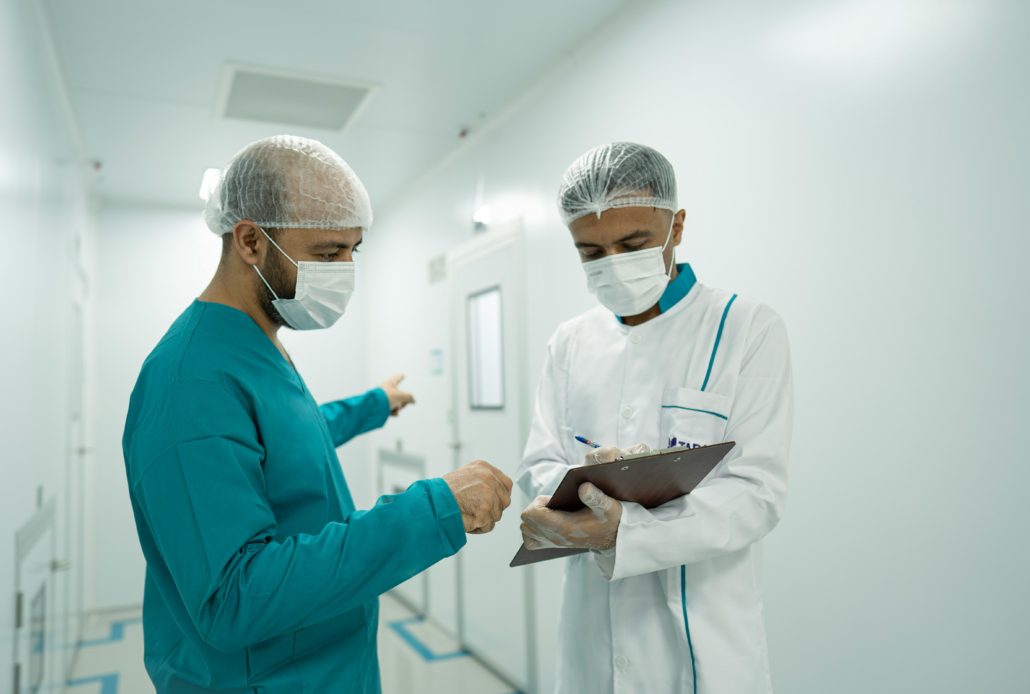
 Brazil, Latin America’s largest country, faces a diverse and unequal health landscape. From urban favelas to remote Indigenous communities, access to care varies widely. Millions lack regular health services, and regional disparities in medical infrastructure persist. These challenges make Sustainable Development Goal 3 (SDG 3 in Brazil)—ensuring health and well-being for all—a particularly urgent priority.
SDG 3 includes targets to reduce maternal mortality, combat infectious diseases, improve mental health and ensure universal health coverage. Brazil has made significant progress in some areas, although gaps remain. The country is advancing this goal through a combination of public policy, innovation and grassroots action.
According to the Sustainable Development Report, Brazil is making steady progress on SDG 3 in Brazil, particularly in reducing child mortality and expanding access to primary health care. However, ongoing challenges in infrastructure and staffing call for targeted investment and coordination. Here are five ways Brazil is working to enhance the health and well-being of its people.
1. Expanding Universal Health Coverage
Brazil created the Sistema Único de Saúde (SUS) in 1988, declaring health a right for all citizens. SUS now provides free and universal health care to more than 200 million Brazilians, including vaccines, preventive care, childbirth support and HIV/AIDS treatment.
Despite challenges, Brazil continues to strengthen SUS through mobile health units, telemedicine and community outreach. These efforts, in particular, benefit rural and underserved populations in the Amazon and Northeast. SUS is a cornerstone of progress toward SDG 3 in Brazil, as it reduces inequality and ensures that all Brazilians—regardless of income or location—can access essential care.
2. CONASS and the Oral Health Care Network
Oral health inequality remains a serious issue in Brazil, particularly among low-income populations. Many families cannot afford dental services, and untreated oral diseases disproportionately affect people experiencing poverty. In response, the National Council of Health Secretaries (CONASS) and Conasems created the Oral Health Care Network (RASB) in partnership with the Ministry of Health.
This initiative aims to make comprehensive and preventive dental care accessible through the SUS network. The federal government increased investment in oral health programs from R$1 billion to R$4.5 billion, a fourfold rise. This funding supports public dental clinics, mobile services and training for oral health teams. By addressing an often-overlooked dimension of public health, this initiative helps Brazil advance SDG 3 in Brazil more equitably.
3. Addressing Doctor Shortages in Remote Areas
Remote regions of Brazil face a chronic shortage of doctors. In 2023, the government relaunched the Mais Médicos (More Doctors Program) to place trained physicians in underserved areas.
The program now includes incentives for long-term placements, expanded residency opportunities and support for Brazilian medical graduates. Its goal is to reduce turnover and strengthen primary health care delivery where it is most needed. Brazil advances SDG 3 by implementing strategies that enhance continuity of care and guarantee equitable access to health services across all regions.
4. Community-Led Health Outreach in the Amazon
Since 1987, Projeto Saúde e Alegria (PSA) has been working in the Amazon region to deliver health services to remote Indigenous and riverine communities. These groups often lack access to public clinics and face threats from illegal mining and environmental degradation.
PSA operates mobile clinics, provides clean water solutions, and trains community health agents. In response to mercury contamination from mining and the COVID-19 pandemic, PSA expanded its water and hygiene programs. Serving more than 30 villages, PSA shows how grassroots, community-led models can close health gaps and contribute directly to SDG 3 in Brazil.
5. Brazil’s Role in Global Health Policy
In 2024, Brazil hosted the G20 Health Working Group in Salvador, highlighting the need for sustainable financing in primary health care (PHC). To advance SDG 3 in Brazil, the Pan American Health Organization (PAHO), the World Bank and the Inter-American Development Bank (IDB) co-hosted the event, bringing together global leaders to discuss sustainable health financing.
At the summit, Brazil helped launch the Alliance for Primary Health Care in the Americas, a regional initiative to boost PHC investment and resilience. Brazil’s leadership showcased its commitment to building equitable health systems, both domestically and across Latin America. This international engagement reflects Brazil’s growing role as a health leader and its long-term investment in achieving SDG 3 in Brazil.
Progress and Outlook
Through programs such as SUS, Mais Médicos and PSA, Brazil has made significant strides toward achieving universal health coverage, particularly in marginalized regions. Oral health investments and regional partnerships further illustrate its multifaceted strategy to achieve SDG 3 in Brazil. According to recent SDG dashboards, Brazil is showing steady progress in reducing maternal and child mortality and expanding primary health care.
Challenges remain—particularly in infrastructure, staffing and rural care access—but Brazil’s combination of national policy and local innovation is producing measurable impact. Continued investment and coordination will be crucial to sustain progress and enhance the well-being of all Brazilians by 2030.
– Isaac Nelson
Isaac is based in Florianópolis, Santa Catarina, Brazil and focuses on Good News for The Borgen Project.
Photo: Unsplash

Women-Led Solutions to Period Poverty in Uganda
Girls for School Pads by Global Girls Glow
Founded by Kashish at just 18 years old, Girls for School Pads focuses on changing the way communities perceive periods. Safe spaces are being created for girls to ask questions about their bodies and, in turn, understand how to effectively manage their health and well-being. Alongside providing affordable and reusable sanitary products, educational workshops and community dialogues are created to inform people about menstruation. The proceeds made from these events go directly to funding scholarships for girls’ education. Since its startup in 2018, Girls for School Pads has impacted 500 women and girls and 60 girls within three Ugandan cities are pursuing their education through the scholarship programme.
She for She Pads
She for She Pads is a social enterprise that produces and provides sanitary products for schoolgirls and women in the labor market. The production of sanitary products creates jobs for vulnerable women, ensuring safe working conditions, training and income. Recently, the organization provided 800 pads to orphans in Uganda, addressing period poverty by helping girls remain in school and women stay in the workforce. This women-led solution helps break the cycle of period poverty and empowers girls and women to take control of their lives. Furthermore, through job security, stable income and access to education, they are able to reach their full potential.
Mulatsi Church of Uganda
Mulatsi Church partnered with Compassion Church after the approval of funding for menstrual hygiene interventions. Educating communities about the importance of menstrual hygiene and teaching how to make reusable products became their immediate call to action. Women and men, including parents, local leaders, children and students from three local schools, completed training. Afterward, they were asked to train others, allowing the movement to grow quickly and spread awareness. Through this effort, “48 churches are educating 4,800 adolescent girls and boys.” This women-led initiative also helped challenge men’s attitudes toward menstruation and feminine hygiene, leading many to become active participants in the fight to end period poverty.
Going Forward
All three women-led initiatives play vital roles in reducing period poverty in Uganda. Community support drives these projects, helping break the cycle and empower women from a young age through adulthood. Furthermore, increased awareness and safe spaces allow women and men to dismantle the stigma around menstruation. More girls and women can access sanitary products, remain in education and the workforce and care for their bodies in a safe, informed and hygienic way.
– Jule Riemenschneider
Photo: Flickr
How Economic Growth in Albania Is Reducing Poverty
Economic Growth in Albania
In 2024, Albania’s economy grew by 3.3%, bolstered by private consumption, tourism and construction. Projections by the World Bank estimate a slight uptick in 2025, with growth expected to reach 3.4%. Inflation has eased significantly and employment has risen, particularly in the private sector, where wages have increased by an average of 12.7% across all industries. As a result, poverty rates are declining steadily, falling by 1.7 percentage points in 2024 alone. This economic growth in Albania is part of a broader regional trend, as Western Balkan economies benefit from increased domestic consumption and improved EU market access. Structural reforms have also played a crucial role, including efforts to enhance regional connectivity and diversify exports.
Addressing the Roots of Poverty
While Albania’s economic trajectory is positive, challenges remain. Rural communities continue to face disproportionately high poverty levels. A 2025 study by the Agricultural University of Tirana emphasizes the need to increase agricultural productivity and address the urban-rural divide through targeted policy reforms. Government initiatives have since focused on macroeconomic restructuring and prioritizing growth sectors like tourism, digitization and agriculture. In particular, improving food security through updated calorie-based consumption baskets and enhancing data collection methodologies has refined poverty measurement and intervention planning.
EU Integration and Long-Term Vision
Albania’s recent progress is also tied to its EU accession efforts. Since opening formal negotiations in late 2024, the government has launched policy overhauls across public procurement, financial management and human capital development. The World Bank’s Country Partnership Framework for Albania (2023–2027) underscores three core goals: creating more and better jobs, strengthening human capital and enhancing resilience to economic shocks. As part of this strategy, Albania signed new development loans and grants totaling more than $600 million, including $80 million for GovTech reforms in April 2025.
Solutions in Action
One critical component of Albania’s poverty reduction strategy is agricultural development. Since rural areas exhibit higher poverty levels, boosting agricultural productivity has direct poverty-alleviation effects. National programs now prioritize training for rural farmers, infrastructure investment and access to regional markets. One of the most visible examples of economic growth reducing poverty in Albania is the World Bank-supported Regional and Local Roads Connectivity Project, which is helping rural communities regain access to essential services and markets.
In the small village of Darëzezë e Re, farmers once spent hours waiting to cross a collapsed bridge. Road rehabilitation and bridge construction have cut travel times dramatically, boosting both safety and productivity.
Additionally, the World Bank emphasizes managing migration effectively as a development tool. Nearly one in four people from the Western Balkans lives abroad. According to the World Bank, migration, when harnessed correctly, can reduce poverty by increasing remittances, encouraging skill development and fostering “brain gain” through returning migrants. Policy recommendations include creating mobility training programs, bilateral social security agreements and diaspora investment channels.
Looking Ahead
While Albania’s economic growth faces risks — such as global trade tensions and domestic fiscal pressures — the current trajectory remains positive. Structural reforms, combined with continued EU integration and targeted poverty reduction policies, are improving lives across the country. With sustained effort, economic growth in Albania is on track to significantly reduce poverty and achieve long-term equitable development. Albania’s progress shows how targeted economic aid can reduce poverty and build sustainable futures.
– Robert Darke
Photo: Flickr
SDG 3 in Brazil: Advancing Health and Well-Being
SDG 3 includes targets to reduce maternal mortality, combat infectious diseases, improve mental health and ensure universal health coverage. Brazil has made significant progress in some areas, although gaps remain. The country is advancing this goal through a combination of public policy, innovation and grassroots action.
According to the Sustainable Development Report, Brazil is making steady progress on SDG 3 in Brazil, particularly in reducing child mortality and expanding access to primary health care. However, ongoing challenges in infrastructure and staffing call for targeted investment and coordination. Here are five ways Brazil is working to enhance the health and well-being of its people.
1. Expanding Universal Health Coverage
Brazil created the Sistema Único de Saúde (SUS) in 1988, declaring health a right for all citizens. SUS now provides free and universal health care to more than 200 million Brazilians, including vaccines, preventive care, childbirth support and HIV/AIDS treatment.
Despite challenges, Brazil continues to strengthen SUS through mobile health units, telemedicine and community outreach. These efforts, in particular, benefit rural and underserved populations in the Amazon and Northeast. SUS is a cornerstone of progress toward SDG 3 in Brazil, as it reduces inequality and ensures that all Brazilians—regardless of income or location—can access essential care.
2. CONASS and the Oral Health Care Network
Oral health inequality remains a serious issue in Brazil, particularly among low-income populations. Many families cannot afford dental services, and untreated oral diseases disproportionately affect people experiencing poverty. In response, the National Council of Health Secretaries (CONASS) and Conasems created the Oral Health Care Network (RASB) in partnership with the Ministry of Health.
This initiative aims to make comprehensive and preventive dental care accessible through the SUS network. The federal government increased investment in oral health programs from R$1 billion to R$4.5 billion, a fourfold rise. This funding supports public dental clinics, mobile services and training for oral health teams. By addressing an often-overlooked dimension of public health, this initiative helps Brazil advance SDG 3 in Brazil more equitably.
3. Addressing Doctor Shortages in Remote Areas
Remote regions of Brazil face a chronic shortage of doctors. In 2023, the government relaunched the Mais Médicos (More Doctors Program) to place trained physicians in underserved areas.
The program now includes incentives for long-term placements, expanded residency opportunities and support for Brazilian medical graduates. Its goal is to reduce turnover and strengthen primary health care delivery where it is most needed. Brazil advances SDG 3 by implementing strategies that enhance continuity of care and guarantee equitable access to health services across all regions.
4. Community-Led Health Outreach in the Amazon
Since 1987, Projeto Saúde e Alegria (PSA) has been working in the Amazon region to deliver health services to remote Indigenous and riverine communities. These groups often lack access to public clinics and face threats from illegal mining and environmental degradation.
PSA operates mobile clinics, provides clean water solutions, and trains community health agents. In response to mercury contamination from mining and the COVID-19 pandemic, PSA expanded its water and hygiene programs. Serving more than 30 villages, PSA shows how grassroots, community-led models can close health gaps and contribute directly to SDG 3 in Brazil.
5. Brazil’s Role in Global Health Policy
In 2024, Brazil hosted the G20 Health Working Group in Salvador, highlighting the need for sustainable financing in primary health care (PHC). To advance SDG 3 in Brazil, the Pan American Health Organization (PAHO), the World Bank and the Inter-American Development Bank (IDB) co-hosted the event, bringing together global leaders to discuss sustainable health financing.
At the summit, Brazil helped launch the Alliance for Primary Health Care in the Americas, a regional initiative to boost PHC investment and resilience. Brazil’s leadership showcased its commitment to building equitable health systems, both domestically and across Latin America. This international engagement reflects Brazil’s growing role as a health leader and its long-term investment in achieving SDG 3 in Brazil.
Progress and Outlook
Through programs such as SUS, Mais Médicos and PSA, Brazil has made significant strides toward achieving universal health coverage, particularly in marginalized regions. Oral health investments and regional partnerships further illustrate its multifaceted strategy to achieve SDG 3 in Brazil. According to recent SDG dashboards, Brazil is showing steady progress in reducing maternal and child mortality and expanding primary health care.
Challenges remain—particularly in infrastructure, staffing and rural care access—but Brazil’s combination of national policy and local innovation is producing measurable impact. Continued investment and coordination will be crucial to sustain progress and enhance the well-being of all Brazilians by 2030.
– Isaac Nelson
Photo: Unsplash
Mobile Banking: How Internet Access is Reducing Nigerian Poverty
Poverty in Nigeria
Based on data from the World Bank, poverty significantly impacts Nigeria. The 2025 research shows nearly one-third of Nigerians live on less than $2.15 per day. Inequality in poverty is also drastically exacerbated by region. Research from 2018/19 found that 46.5% of residents within Nigeria’s northern provinces experienced poverty compared with 13.5% of those in Nigeria’s south.
Efforts to reduce extreme poverty have slowed since before the recent COVID-19 pandemic. Lack of national economic policy transformation has only exacerbated the Nigerian struggle of increasing employment opportunities. This has left the majority of living conditions suboptimal. Though Nigeria’s government has made macroeconomic changes to stimulate the economy, income has remained unable to keep up with sustained inflation, the World Bank reports.
Growth in Technology
As modernization brings technological access around the globe, nations experiencing substantial poverty bear the benefits. Smartphone technology has brought both global connectivity and the availability for benefiting from applications which require the internet. The 2018 Pew Research data found that 32% of Nigerians own a smartphone. Though figures show that smartphone ownership is broadly stratified by income, Nigeria has notably high low-income ownership compared to other sub-Saharan nations.
In 2018, 93% of high-income Nigerians owned smartphones, alongside 74% of low-income Nigerians. With ownership rates soaring overall, a 2020 GSMA and the World Bank study named Nigeria as “the largest mobile market and economy in Africa.”
Reducing Nigerian Poverty
Other global research studies have found a link between internet access, mobile banking, and reductions to national poverty rates. The 2020 GSMA and World Bank study focused on monitoring the effects of internet access on Nigerian poverty. In addition to the study’s assertion of Nigeria as one of Africa’s mobile giants, researchers found that after two years of broadband internet access, 2.5 million Nigerians had escaped extreme poverty. Additionally, the study noted how Nigerian households in rural areas benefited more substantially than those in urban communities.
The benefit of internet access experienced by impoverished Nigerians in rural communities is one reflected in a 2023 national survey. Conducted by the Department of Finance and Banking at the Rivers State University in Nigeria, scholars cited how rural communities often lack local banking branches. 2018 data from the World Bank noted that Nigeria has only 4.3 banks per 100,000 people. With access to the internet for these rural communities, mobile banking allows the ease of financial literacy without the necessity of extensive travel.
The study notes statistical evidence that mere knowledge around savings, payments, and credit positively impacts the poor and the success of new businesses. The researchers concluded that digital payment platforms provide substantial poverty alleviation for Nigerians in the Rivers State with implications for the nation at large.
Companies/Governmental Initiatives
In light of these findings that internet access is reducing Nigerian poverty, the national government has recently sought to expand broadband across the country. As Nigeria’s economy continues to stagnate, government officials see the availability of broadband as a possible solution for future economic growth.
The Broadband Strategic Plan 2020-2025 focuses on providing free nationwide areas where Nigerians can access the internet free of charge. Though the government has designated 75 public places itself (like airports, universities, marketplaces), Nigeria’s seven state governments have instituted their own initiatives for free Wifi. The Edo State government, for example, launched its “Free Wifi Initiative” in June 2023. The initiative provides free 24-hour internet coverage in both governmental and recreational areas, according to ICT Works.
Mobile Money on the Rise
As Nigeria continues to promote free internet access for its citizens, access and usage of mobile banking have only increased. In addition to governmental Wifi initiatives, institutions such as the Central Bank of Nigeria have planned to highlight their mobile framework.
In its 2024 Report on Mobile Money, the GSMA cited how in 2022 alone, Nigeria saw exponential growth in the usage of online banking services. As evidence proves that internet access is reducing Nigerian poverty, the continuance of government broadband initiatives and financial education programs could continue to be instrumental in this national eradication of hardship.
– Piper Aweeka
Photo: Flickr
Eradicating Poverty Through Higher Education in Indonesia
Challenges in Indonesian Higher Education
Higher education in Indonesia is a large and complex system made up of thousands of institutions, including public and private universities, community colleges, polytechnics and more, offering a wide range of programs. However, as a means for impactful economic change, its higher education system faces considerable challenges. Regional access inequities limit many in Indonesia’s large population to few options for a post-secondary education, as most institutes concentrate in the country’s most populous area, such as Java. For example, Jakarta’s 12% enrollment ratio eclipses 11% in smaller populations like Bangka Belitung. A growing private sector also means that more often than not, poorer students with these limited options end up paying more for a lower-quality education.
With an expansion in access comes the challenge to maintain quality and ensure students are graduating with the knowledge and skills needed to successfully join the job market. Yet, while enrollment is currently expanding, graduate unemployment and underemployment rates are high. This need for a stronger link between program subjects and quality and current workforce needs has barred higher education in Indonesia from a better international reputation and rank, and created a challenge in creating meaningful economic change.
Reforms Underway
Recent studies have highlighted education to be a crucial key in reducing poverty and inequality in Indonesia, as well as the value of knowledge as an economic resource. An investment in improving education equips individuals with better knowledge and skills, making them more productive, effective and relevant members of the workforce and Indonesia is making the investment.
In 2025, Indonesia’s Ministry of Higher Education, Science and Technology identified three key areas for higher education development: “strengthening institutional autonomy, promoting impactful research and innovation and emphasizing science and technology for sustainable socio-economic transformation.” These focuses aim to prioritize quality, consistency and stability in Indonesian higher education and pave the way for innovation and, in turn, economic advantage and employability for students. A more autonomous higher education system can better respond to local and national needs. Likewise, encouraging innovation and targeted research helps address Indonesia’s most urgent challenges, from poverty and inequality to sustainability. An increased focus on science and technology will also ensure that academic programs align with labor market demands, thereby improving graduates’ employability and contributing to broader economic growth.
Improving Accessibility To Higher Education in Indonesia
Apart from just improving higher education is ensuring it is accessible to those it can impact the most, putting equity, opportunity and accessibility for poorer students in Indonesia as another focus in reform. A new Equity and Access policy is calling on all higher education institutions to ensure at least 20% of their newly admitted students are of a low socioeconomic status. Programs such as the Smart Indonesia Card (KIP), a government program that provides financial assistance to cover tuition fees and living expenses for low-income students, will also be continuing as a great tool for students on their educational journey and in the pursuit of poverty alleviation. These efforts are designed to ensure that education becomes a meaningful lever for poverty alleviation, providing not only knowledge but the chance to thrive.
– Jannah Khalil
Photo: Flickr
Forced Migration is Driving Poverty Among Russian Refugees
To better understand the human impact of this forced migration, The Borgen Project spoke with Ekaterina, a 20-year-old woman who left Russia with her sister in 2022. Her story reflects not only personal hardship but also a broader crisis affecting displaced people worldwide.
Life Before and the Urgency to Leave
Before the war escalated, Ekaterina lived a relatively stable life in Saint Petersburg, studying at a university and preparing for her future. However, as political pressure mounted, peaceful protesters were arrested, media outlets shut down, and fear spread quickly.
“People were being arrested for saying what they thought, and even peaceful protests became dangerous,” she told The Borgen Project. “We did not feel safe anymore.”
Faced with uncertainty, she and her sister decided to leave Russia in 2022. With no concrete plan and limited resources, they packed what they could and left their home behind.
Poverty in Disguise: Starting Over with Nothing
Although many Russian migrants are often perceived as educated or middle class, their relocation often pushes them into poverty. Most leave without stable income, savings, or access to local support systems. For Ekaterina and her sister, this meant relying on short-term housing with acquaintances and struggling to find legal work.
“We did not know how anything worked — the documents, the healthcare, even just how to rent an apartment,” she said. “Money was the biggest stress — we did not have savings and could not work right away.”
The sisters depended on public transportation and occasional food support. Emotional stress, legal uncertainty, and cultural barriers added to their hardship.
Gaps in Support for the Russian Refugees
One of the most pressing challenges for displaced Russian people is that many do not qualify for official refugee status, leaving them in a legal limbo. Yet despite these barriers, some organizations have stepped in to help.
For example, founded in 2022, Ark helps Russian political exiles and conscientious objectors by providing legal assistance, housing guidance, and relocation resources across Europe and North America. It also runs Telegram channels and support hotlines for Russian speakers seeking asylum or temporary protection.
In the U.S., organizations like Hebrew Immigrant Aid Society (HIAS) provide broader resettlement services for asylum seekers, including Russian migrants — but access can vary by location and case status.
Still, as Ekaterina noted, “We were lucky. A few volunteers helped us with paperwork and told us where to get food. But many others didn’t speak English and did not know where to go.”
Migration and Poverty: An Inseparable Link
Forced displacement — whether from war, authoritarianism, or repression — often leads to poverty, regardless of one’s previous economic standing. The loss of home, employment, and legal stability can create long-term economic hardship, even for those who were once secure.
Ekaterina’s story is not unique. Thousands of Russian refugees and refugees from other countries like her are now living in financial and emotional uncertainty. Their experiences reveal that poverty is often not a result of laziness or poor choices, but of circumstances beyond one’s control.
Supporting displaced people through legal aid, housing access, language support, and mental health care is essential not only for recovery, but also for breaking the long-term cycle of poverty.
As she put it, “We did not choose this easily. Most of us had jobs, education and plans. Now we are just trying to survive.”
– Polina Makarova
Photo: Flickr
The Bold Plan To End Youth Unemployment in Eswatini
This crisis stems largely from Eswatini’s skills gap, one of the world’s widest. Consequently, young people’s skills due to training or education are far below what employers require. In 2017, Eswatini ranked 136/139 in the International Labor Organization Skills Mismatch Index. Furthermore, more than 50% of Eswatini’s workforce holds jobs in the informal sector, leaving many young people without wage protections.
High youth unemployment can fuel poverty and inequality, with 53% of the population already living below the poverty line. Furthermore, as young people are discouraged by repeated failures in the job market, many may leave the labor market altogether. This lost potential threatens to hold back progress and risks entrenching young people in cycles of dependency and social instability.
The Eswatini Youth Employment Opportunities Project
Recognizing the severe economic and social risks posed by youth unemployment, the World Bank has stepped in with a bold response. It launched the Eswatini Youth Employment Opportunities Project to help the country harness the full potential of its young population. The first component of the World Bank’s project aims to expand income-earning opportunities for young people.
The scheme will specifically target 30,000 young people, at least 50% female and provide targeted support in the agricultural sector, aiming to promote self-employment opportunities. Given the size of Eswatini’s farming population, this can revolutionize the farm job market and lower youth unemployment in Eswatini.
Smarter Youth Welfare Spending
The project’s second component shifts the focus from skills and income generation to ensuring that support reaches the most vulnerable youth. Indeed, this will involve the development of a digital Eswatini Social Registry to provide relevant data that will allow the Eswatini government to target welfare resources more effectively.
This part of the plan is essentially an effort to ensure that the Eswatini government’s welfare spending on young people is used as efficiently as possible. If this program can ensure that the resources of Eswatini’s government are being spent efficiently, it could unlock millions of dollars that can be spent on the welfare of Eswatini’s youth.
Final Remarks
The Eswatini Youth Employment Opportunities Project represents more than an economic program; it signals a potential turning point for the nation’s future. The plan effectively combines direct income-generating initiatives with more efficient social protection systems. In doing so, it aims to address the immediate need for jobs and the structural barriers that keep young people from accessing the labor market.
– Adam Walsh
Photo: Wikimedia Commons
FSPK Offers Hope: Homelessness in Kiribati
The Impact of Climate on Homelessness in Kiribati
Recent World Bank research indicates that sea levels could rise by as much as 0.5 meters between 2070 and 2110, potentially flooding 50% to 80% of Kiribati’s major urban areas. But even ahead of this daunting statistic, climate-related disasters such as flooding and extreme weather events have already worsened the housing crisis.
In June 2025, the Kiribati National Statistics Office reported that 60% of households that experienced climate disasters in the past year sustained home damage, primarily due to strong winds and heavy rain. Nearly 4,000 people had to leave their homes, underscoring the urgent need for emergency housing and the growing challenge of homelessness in Kiribati.
Despite the challenges, most residents maintain a deep attachment to their land and traditions and are reluctant to leave. In response, the Foundation for the Peoples of the South Pacific Kiribati (FSPK) is a local nonprofit leading local efforts to combat homelessness and housing insecurity. Here are examples of three key initiatives making a difference today.
Modular Affordable & Climate-Resilient Housing Initiatives
In Kiribati’s crowded capital, families average 7.3 members and often live in open shacks packed closely together. Additionally, there are frequent land disputes, and many have resorted to creating their own sea walls made from coral as an attempt to hold off flood waters. To address these housing issues, FSPK partnered with Karmod to introduce modular, quick-build homes that offer sustainable, flood-resistant shelter for vulnerable communities. These serve as faster shelter solutions for vulnerable communities facing threats from rising seas. These homes are a direct response to the increasing homelessness in Kiribati, driven by sea-level rise and climate-related disasters.
Women & Youth-Driven Climate Resilience
Thanks to FSPK’s partnership with Action on Poverty, women and youth who past leadership excluded from decision-making in community planning are now leading community-based adaptation efforts. Resilience projects include digging freshwater wells and kitchen gardens, efforts which boost food and water security, and therefore reduce the need for forced, climate-related relocation. By deliberately targeting those most vulnerable to climate impacts and housing insecurity, the program empowers women and children to recognize their role in adaptation and building a more resilient future.
Advocacy for Government and Donor Support
In March 2025, FSPK co-developed a proposal in partnership with the Kiribati government, targeting an international climate finance mechanism called the Adaptation Fund Board. The proposal aims to secure funding for climate resilience efforts, specifically by engaging donor governments and mobilizing national and international NGO support. The proposal also highlights the impact of initiatives led by FSPK and local communities, and encourages ongoing government collaboration to develop scalable solutions.
Looking Ahead
Homelessness in Kiribati continues to rise as climate threats intensify, putting countless residents at risk. However, local organizations like FSPK, are leading effective solutions, bringing hope and stability to these vulnerable communities. To help ensure a safer future for Kiribati, supporting groups like FSPK and donating to climate-focused housing initiatives is more important than ever.
– Kaitlin Reed
Photo: Pexels
Senegal’s Sustainability Progress: Achieving the First Three SDGs
SDG 1: No Poverty
The SDG 1 focuses on ending all poverty around the globe. Being a developing country, Senegal experiences high rates of poverty in some regions. However, the poverty rate is steadily decreasing, going from 53% in 2011 to 18% in 2021.
The Sahel Adaptive Social Protection Program (SASPP), a policy that has assisted in decreasing poverty in Senegal, seeks to improve social protection systems, support programs that help all individuals make a living (such as Yokk Koom Koom), provide emergency aid for vulnerable households and strengthen institutions.
SDG 2: Zero Hunger
The purpose of the SDG 2 is to end hunger, improve nutrition, promote sustainable agriculture and attain food security. Senegal has made progress in the fight against hunger, improving its Global Hunger Index score from 17.1 in 2020 to 15.3 in 2024.
Although there is still room for improvement, organizations like The Hunger Project focus on further declining Senegal’s hunger rate and continuing Senegal’s sustainability progress. The Hunger Project is a non-profit organization that operates on the “Epicenter Strategy,”
which works to establish sustainable and self-reliant epicenters in Senegal, assisting communities in accessing safe food resources.
SDG 3: Good Health and Well-Being
The SDG 3 works to promote healthy lives and the general well-being of all individuals. Although COVID-19 caused worldwide setbacks in health, Senegal’s sustainability progress continued to improve in several areas. Through consistent development of modern practices and medicine, maternal mortality has decreased from 356.7 deaths per 100,000 live births in 2015 to 237.4 deaths in 2023; the number of people reported as needing assistance due to Neglected Tropical Diseases (NTD) has gone from 5.6 million in 2020 to 4.1 million in 2023; and by 2021, only 1.3% of households were spending more than a quarter of their budget on basic healthcare.
Caritas Internationalis is a Catholic relief organization that has provided health support in Senegal since 1966. Caritas administers medication, prevents illnesses, and provides treatment programs with life-saving supplies.
Conclusion
Organizations like The Hunger Project and Caritas Internationalis, alongside The Sahel Adaptive Social Protection Program, have helped tremendously in reducing poverty and hunger, promoting well-being and more. Despite trials and tribulations, Senegal’s sustainability progress is on a steady incline.
Senegal 2050– a “National Transformation Agenda”– outlines goals that are similar to those of the United Nations. With the continued support of organizations and policies, several of the Sustainable Development Goals may be achieved by 2050.
– Casey Relyea
Photo: Flickr
Who Am I?: The Influence of Mahmoud Darwish on Palestine
The master lyrical poet constantly asks for answers to who he is; however, Mahmoud Darwish never stood alone and never failed to call out to the Palestinian people he wrote for. Though Darwish sadly passed away in 2008, his work remains just as influential for the people of Palestine, who have always been the heart of his work.
The Healing Power of Poetry
Reading and writing poetry offers incredible mental benefits, even going so far as to decrease pain in the sick. In a study conducted in 2016, researchers observed how listening to or reading music and poetry could affect pain, depression and hope within adult cancer patients.
The findings were remarkable; the study directly identified “both music and poetry produced a similar improvement in the pain intensity. The two therapies also affected depression scores and only poetry increased hope scores.” The “hope score” mentioned in the study refers to a measurement of a patient’s optimism, which was solely increased by listening to poetry.
Writing for Palestinians
Born in 1941, Mahmoud Darwish published his first poetry collection at 22, titled “Leaves of Olives.” At this point, he had been put on house arrest and imprisoned by the Israeli government; Darwish’s back-and-forth with the Israeli government began when he was 14. Darwish’s influence on Palestinian voices has been an incredibly valuable tool and continues to be so today.
Being Palestinian himself, Darwish wrote to the people of Palestine, sharing their anxieties, suffering and love for their home. Darwish witnessed the beginning of it when he was a young boy. Born in al-Birwa before it became a part of Israel, Darwish watched the expansion of the Israeli army firsthand. Al Jazeera, an independent news organization operating out of Qatar, explains the unique significance of Darwish’s writing to his Palestinian audience: “For Palestinians, words are often the only weapon available to fight back, finding the power to shape perception.” Poetry’s power is not only one of healing, but one of hope. Darwish’s influence on Palestine reveals that.
Exile, Famine and Tragedy in Gaza
Since Darwish’s sad passing in Houston, Texas, his beloved homeland has become more dangerous as conditions worsen. The Israel-Gaza ceasefire expired in March 2025 and it remains unclear if any new progress has been made in peace talks between Hamas, Israel and the U.S.
Right now, starvation has become an incredibly pressing issue, with the BBC reporting that “almost one in three people in Gaza are going days without eating.” Malnutrition and famine are adding to an already immense body count. However, active humanitarian efforts are taking place across the globe.
Gaza’s Poets Today
This past July, a young Palestinian named Mohammed Moussa had his work posted on the Instagram account gazapoets, in which he writes, “How do you capture starvation in words? Hollow bowls, hollow promises, bellies aching like silent bombs…” Moussa mentions Darwish in another piece of writing, an article, telling the story of Moussa’s literary beginnings. In the same article, the other emerging poets Moussa interviewed named Darwish as one of their favorite poets. Darwish’s influence remains impressive, even among younger Palestinians.
It cannot be downplayed how much of an inspiration Darwish was during his life, even now as conditions continue worsening in Gaza. His name still holds significant power and hope. Darwish’s words remain as pertinent in 2025, still speaking to those struggling beneath war, famine and displacement. Currently, the #mahmouddarwish tag on TikTok contains 20,000 videos. The videos range from celebrating the work and language of the late poet to using his art to bring attention to the humanitarian crisis in Gaza.
– Peyton Worsham
Photo: Pixabay