Senegal’s Sustainability Progress: Achieving the First Three SDGs
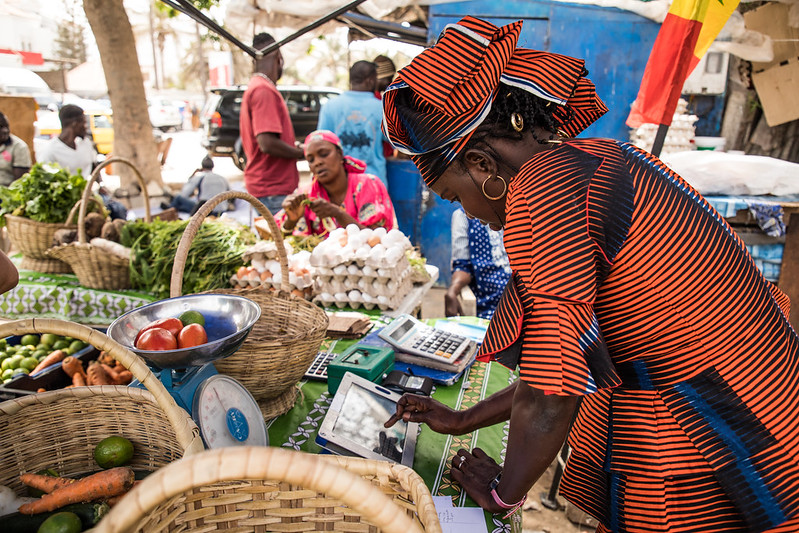 The United Nations’ 17 Sustainable Development Goals (SDGs) aim to address and defeat several global challenges, promote the growth of developing countries and improve the well-being of individuals and communities. The first three SDGs tackle issues including poverty and hunger, while also focusing on overall health and well-being. Although these SDGs may seem challenging to solve, sustainability progress in Senegal shows it can be done. Here’s how Senegal is working toward achieving the first three SDGs.
SDG 1: No Poverty
The SDG 1 focuses on ending all poverty around the globe. Being a developing country, Senegal experiences high rates of poverty in some regions. However, the poverty rate is steadily decreasing, going from 53% in 2011 to 18% in 2021.
The Sahel Adaptive Social Protection Program (SASPP), a policy that has assisted in decreasing poverty in Senegal, seeks to improve social protection systems, support programs that help all individuals make a living (such as Yokk Koom Koom), provide emergency aid for vulnerable households and strengthen institutions.
SDG 2: Zero Hunger
The purpose of the SDG 2 is to end hunger, improve nutrition, promote sustainable agriculture and attain food security. Senegal has made progress in the fight against hunger, improving its Global Hunger Index score from 17.1 in 2020 to 15.3 in 2024.
Although there is still room for improvement, organizations like The Hunger Project focus on further declining Senegal’s hunger rate and continuing Senegal’s sustainability progress. The Hunger Project is a non-profit organization that operates on the “Epicenter Strategy,”
which works to establish sustainable and self-reliant epicenters in Senegal, assisting communities in accessing safe food resources.
SDG 3: Good Health and Well-Being
The SDG 3 works to promote healthy lives and the general well-being of all individuals. Although COVID-19 caused worldwide setbacks in health, Senegal’s sustainability progress continued to improve in several areas. Through consistent development of modern practices and medicine, maternal mortality has decreased from 356.7 deaths per 100,000 live births in 2015 to 237.4 deaths in 2023; the number of people reported as needing assistance due to Neglected Tropical Diseases (NTD) has gone from 5.6 million in 2020 to 4.1 million in 2023; and by 2021, only 1.3% of households were spending more than a quarter of their budget on basic healthcare.
Caritas Internationalis is a Catholic relief organization that has provided health support in Senegal since 1966. Caritas administers medication, prevents illnesses, and provides treatment programs with life-saving supplies.
Conclusion
Organizations like The Hunger Project and Caritas Internationalis, alongside The Sahel Adaptive Social Protection Program, have helped tremendously in reducing poverty and hunger, promoting well-being and more. Despite trials and tribulations, Senegal’s sustainability progress is on a steady incline.
Senegal 2050– a “National Transformation Agenda”– outlines goals that are similar to those of the United Nations. With the continued support of organizations and policies, several of the Sustainable Development Goals may be achieved by 2050.
– Casey Relyea
Casey is based in Moneta, VA, USA and focuses on Celebs and Politics for The Borgen Project.
Photo: Flickr
