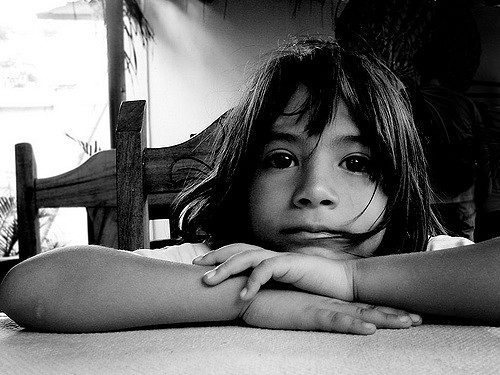
The situation in Venezuela, sparked by political turmoil and hyperinflation, has denigrated into a dire case of global poverty. Despite its former status as one of the richest countries in South America and its access to the largest oil rig in the world, Venezuela’s economy has sparked both a humanitarian crisis and a refugee crisis within South America. Here are the top 10 facts about living conditions in Venezuela:
Food Scarcity & Weight loss
According to a study by three universities in Venezuela, 74.3 percent of the population lost an average of 19 pounds of weight in 2015, and around 9.6 million Venezuelans ate two or fewer meals a day.
Due to past government subsidies of oil production, the people of Venezuela have historically relied heavily on imports of even basic necessities rather than domestic production.
Now that Venezuela’s borders have been closed and its currency devalued, imported resources within Venezuela have become increasingly scarce, making food prices rise significantly.
Population and Inflation
Approximately 81 percent of Venezuela’s 31.5 million people are now considered to be living in income poverty, while over 50 percent are estimated to be living in extreme poverty.
Additionally, the IMF predicts that inflation will reach 13,000 percent in the coming year, making it the biggest recession in the history of the Western Hemisphere — twice as large as the Great Depression.
Education Decline
For a country that once boasted free education for all students under Hugo Chavez’s socialist regime, the education structure in Venezuela is crumbling under the current economic crisis. Many schools in Venezuela have closed or are operating at limited capacity.
Such conditions are due to insufficient salaries for school teachers who are working for just over a dollar a month, as well as lack of school lunches as the government has run out of funds for the state-run program that provided children with free lunch. An increasing number of children have stopped going to school because, without food, they may faint in class.
Of 8 million school children, approximately 3 million students have stopped attending some or all classes. Education professionals within Venezuela fear for a future of uneducated and unskilled workers if this trend continues too long.
Lack of Hygiene
As most families have been scraping by just to put food on the table, those receiving the minimum wage face a choice every time they receive their paycheck: food or hygiene? According to Jonathan Marquez, a security guard and now also a taxi driver, he always picks food, adding water to the little bit of shampoo that he has left to make soap.
Additionally, one reporter from Venezuela spent 86 percent of the monthly minimum wage on eight rolls of toilet paper, after failing to find it in any stores for a whole week.
Businesses Cannot Operate
Number five of the top 10 facts about living conditions in Venezuela is that lack of resources for the individual means lack of resources for small businesses as well. The economic emergency in Venezuela has led to declining business within Venezuela, resulting in layoffs and even many business shut-downs.
Hairdressers only have running water two days a week and hair products are scarce to find; bakers have no flour to make bread; restaurant owners have no customers to cook for and very little pasta to cook.
Lack of Medicine
The medical profession is suffering as well. While doctors can still prescribe medicine, there is hardly any medicine to supply to their patients as the country endures an estimated 85 percent shortage of medicine, according to the Pharmaceutical Federation of Venezuela. Chronic diseases like kidney disease or diabetes are not being treated due to this limited supply of medicine, which leads to serious health risks.
A box of ten pills for high blood pressure can be more than a retiree’s monthly pension. Even highly preventable and curable diseases can now develop into life-threatening illnesses from the lack of antibiotics and proper treatment.
Water and Electricity Shortages
Drought from the Guri Dam has sparked a country-wide rationing of water and electricity. The hydroelectric plants in the reservoir contribute to 70 percent of the nation’s electricity supply.
While a standardized 4 hour outage was enacted daily, residents have noted that some days there is no electricity for up to 14 hours. In efforts to conserve electricity, Maduro has cut public sector work weeks to two days per week.
Concerning water rationing, faucets only run once or twice a week for most people; however, in harder-to-reach places like Margarita Island, water is only supplied once every 21 days.
Violence and Protests
Street protests and looting have become almost commonplace in Venezuela as people continue to lose faith in their government. In three months, 111 protests were recorded in Sucre — one of Venezuela’s 23 states — as reported by Indice, a human rights group monitoring the protests.
Reporters have noted 5 or 6 protests per week, all demanding basic necessities and fighting through tear gas and rubber bullets to get it.
The South American Refugee Crisis
To escape the turmoil within Venezuela, there has been a mass exodus into neighboring countries, particularly Colombia, Ecuador, Peru and Chile. The UNHCR estimates that nearly 5000 people escape from Venezuela each day, totaling 2.3 million migrants from Venezuela since 2015.
While South American border policies have eased the refugee migration process for many Venezuelan people, neighboring countries are not equipped with the facilities and resources to host refugees in the capacity at which they’re arriving.
Aid and Access
Government restrictions under President Maduro have rejected humanitarian aid by obstructing shipments, particularly targeting medicine, but that does not mean that there is nothing that can be done. Church groups and non-profit organizations like Sanando and the Cuatro Por Venezuela Foundation are doing their best to provide aid to the people of Venezuela.
Cuatro Por Venezuela began in 2016 when four Venezuelan women living in the U.S. decided to deliver relief to their country. They have since provided over 50,000 food servings per year and attended to over 17,000 medical patients. Neighboring countries, such as Colombia, have also been immensely helpful to Venezuelan refugees by providing food and shelter for hundreds of thousands of people.
While the U.S. is still pressing sanctions on President Maduro, Mike Pence has promised $48 million to support regional partners that are taking on the brunt of this crisis.
Giving Hand, Willing Heart
The humanitarian readiness to help is inspiring; however, the onus remains on Nicolas Maduro and the Venezuelan government to open its borders to aid and imports to ensure the safety and health of their people.
The U.S. government and the world is ready to help alleviate the situation in Venezuela. The hope is that these top 10 facts about living conditions in Venezuela will have significantly changed by next year.
– Sara Andresen
Photo: Flickr

The Struggle Against Drug Trafficking in Tajikistan
The Tajikistani population is faced with a lack of educational institutions, deteriorated healthcare, severely limited access to clean drinking water, high rates of childhood malnutrition, high maternal mortality, a growing HIV/AIDS epidemic, high rates of tuberculosis and inadequate access to electricity, heat and roads. In addition to these daily struggles, the country continues to combat drug trafficking, an issue that is intertwined with Tajikistan’s economy, governance, culture and health.
Explaining Drug Trafficking in Tajikistan
Approximately 75 to 80 metric tons (MT) of heroin and 35 to 40 MT of opium are smuggled into Tajikistan annually, either for transfer north to Russia and Europe or for domestic consumption. Tajikistan’s geographic location, history of political unrest and high level of poverty contribute to the country’s major function as a “drug transit state.”
Tajikistan’s geographic location, with a porous border of 1,400 kilometers next to Afghanistan, has affected the country’s vulnerability for trafficking of illegal drugs to Russia, Kazakhstan and Europe. According to a 2012 estimate, 30 percent of the opiates produced in Afghanistan passed through Tajikistan. The high volume of drug trafficking in Tajikistan has now become equivalent to 30 percent of the country’s GDP.
Drug trafficking in Tajikistan is the product of a variety of interwoven problems. These problems include the continued large-scale production of opium in Tajikistan’s neighboring state of Afghanistan, a growing economic and social crisis in Tajikistan and governmental complicity contributing to the problem. Despite Tajik governmental policies to combat drug trafficking, U.S. counter-narcotics policies in Afghanistan and $200 million of U.S. military assistance since 2001, drug trafficking in Tajikistan not only continues to persist, but has increased.
Common discourse tends to overemphasize the link between the increase in drug trafficking in Tajikistan and the country’s neighbors, who are composed of Islamist groups such as the Taliban. This emphasis places responsibility for drug trafficking with terrorist organizations. However, this explanation undermines the severity of Tajikistan’s economic, social and political crisis.
In 2011, it was estimated that drug trafficking in Tajikistan generated $2.7 billion per year. For a country with an unstable population growth rate of 2.2 percent and a volatile GDP annual growth rate of 6.9 percent, the wealth generated from the drug trade is seen as profitable and legitimate among politicians and state officials.
Since the Tajikistan Civil War, which took place from May of 1992 to June of 1997, drug trafficking in Tajikistan has been a major source of income for the government. State officials, government personnel and military administrators continue to profit not only from the drug trade, but from the outside aid and efforts to combat drug trafficking.
Methods to Fight Drug Trafficking
Prior to 2004, Tajikistan’s government was limited in its methods to put an end to the drug flow. However, U.S. military assistance in the form of vehicles and specialized equipment, the creation of anti-drug squads and the construction of border outposts has served to undermine the flow of narcotics. More barriers positioned along the border has equated to more extraction opportunities for Tajik government officials, facilitated by the severe and persistent institutionalized corruption. The largest drug traffickers in Tajikistan are believed to be among the high-level officials of the Tajik government.
In addition to corrupt law enforcement, drug trafficking in Tajikistan has developed through the efforts of small traffickers, namely Tajik migrant workers who are willing to transport drugs to meet their basic needs. Government corruption and resistance to reform, as well as the country’s limited economic resources, has encouraged the development of illicit drug rings among local administrative officials.
What Can Be Done?
As long as governmental corruption is present in Tajikistan, international organizations and aid efforts have little hope of tackling drug trafficking in the country with any legitimate success. Institutionalized corruption among law enforcement officials, the presidential family and Tajik authorities is seen as a valid and necessary form of wealth production for the state.
International aid and military assistance has, thus far, failed to make any kind of a serious dent in the issue due to the governmental acceptance of drug trafficking and corruption. Drug trafficking in Tajikistan will not significantly decrease without greater emphasis placed on socio-economic development, poverty reduction efforts and the creation and maintenance of basic public services and infrastructure. These basic needs to be met include healthcare, education, transportation, heating, electricity and sanitation.
As a result, drug trafficking in Tajikistan must be fought indirectly. Organizations such as USAID are working with the Tajikistan Ministry of Health to improve basic healthcare services. By creating and building upon Tajikistan’s infrastructure and public services, international aid will be more effective in preventing the widespread corruption and drug trade prevalent within Tajikistan.
– Kara Roberts
Photo: Flickr
Addressing a Crisis: Air Pollution in Mongolia
The Ger Districts in Ulaanbaatar
Air pollution in Mongolia is caused, in part, by Ulaanbaatar’s topography, climatic conditions, peaking population, lacking infrastructure and heavy reliance on coal for up to eight months of the year. Ulaanbaatar was built in a river valley with surrounding mountains that trap the city’s smog.
Nearly half of Mongolia’s population – 1.5 million – resides in Ulaanbaatar where the vast majority of Mongolia’s air pollution crisis is caused by those living in the ger districts in the north. Named for the traditional nomadic dwellings of Mongolia’s herding lifestyle, a ger is a circular tent with bedding and furniture surrounding the stove: the one thing making the harsh climate of Mongolia bearable.
Ulaanbaatar’s severe air pollution problem stems primarily from the unplanned and inadequate urban planning of the ger districts. Due to uncertainty regarding land ownership and migrant workers’ relocation to the city in search of work, the ger districts have sprung up all over Ulaanbaatar. Ger areas lack basic services, such as sewer systems, running water and trash collection.
As the world’s coldest capital, Ulaanbaatar can see temperatures as low as -40 degrees Fahrenheit/Celsius – contributing to the population’s heavy use of coal to keep warm. In fact, to keep warm from the harsh Mongolian weather, Ulaanbaatar residents have burned over a million tons of raw coal per year. In 2016, Ulaanbaatar surpassed New Delhi and Beijing as the capital with the highest levels of air pollution in the world.
Dangerous Effects of Air Pollution on Children
In the last ten years, Mongolia’s air pollution crisis and, consequently, related respiratory diseases have increased dramatically. The effects of air pollution in Mongolia are felt most severely by the country’s children. Babies and young children are especially vulnerable to air pollution due to their small lungs and their still-developing immune systems.
According to UNICEF, children living in Ulaanbaatar have a high risk of getting lower respiratory infections than those living in rural areas. Airborne chemicals and toxins associated with air pollution can also complicate pregnancies, starving the fetus of oxygen, which can cause birth defects like irreversibly stunting brain growth or result in miscarriages. Children exposed to these toxins are more likely to have lower IQs, exhibit behavioral problems and neurological disorders.
UNICEF Mongolia warned of a “child health crisis” in February 2018. Data from the reports of health officials suggests a 3.5-fold increase in fetal mortality rates between summer and winter, and a “near-perfect correlation between still births and air toxicity.” Respiratory infections have nearly tripled and pneumonia is the second leading cause of death for children under five.
The High Cost of Air Pollution
The National Center for Public Health and UNICEF released a joint report in February 2018 highlighting the severity of Mongolia’s air pollution crisis. The report states that unless Ulaanbaatar’s air pollution levels drastically decrease in the next few years, the cost of treating air pollution-related diseases in children will increase 33 percent by 2025.
In addition to the health risks associated with air pollution – stillbirth, preterm birth, lower birth weight, asthma, pneumonia, bronchitis and death – Mongolia’s air pollution crisis is also costing the public health system MNT 4.8 billion per year (just over $2 million) by 2025.
The residents of Ulaanbaatar have become desperate to rid themselves of the pollution. Stores and pharmacies have begun selling “lung tea” and “oxygen cocktails,” though WHO officials say there is no evidence that these Russian-made “anti-smog” products work. Pregnant women are among the products’ most avid buyers.
What is being Done to Reduce Air Pollution in Mongolia
Realistic recommendations to reduce the severity of Mongolia’s air pollution crisis include strengthening public education campaigns to increase awareness of the health issues associated with air pollution, use of clean technologies and fuels and greater use of the Pneumococcal Vaccine, which will have an immediate impact on the children of Ulaanbaatar exposed to heavy air pollution.
Furthermore, improvement of indoor air quality in public kindergartens, schools and hospitals as well as guidance for the public on the use and access of high-quality face masks will greatly help reduce the effects of Mongolia’s air pollution.
In March 2018, the government of Mongolia went to The Asian Development Bank to request financial assistance to address Ulaanbaatar’s severe air pollution problem. This policy-based loan will help to prioritize and expand upon public resources for pollution reduction efforts and update urban energy and transport systems, encouraging cost-effective actions.
Some individuals are taking Mongolia’s air pollution crisis into their own hands. Odgerel Gamsukh, a 34-year-old architect, has started a company to turn the unplanned and heavily polluted city of Ulaanbaatar into a green community. This community would be comprised of solar-heated, permanant ger structures, which would add windows, solar collectors and insulation to the traditional model.
Both the problem of air pollution and the solutions, i.e. green building, are relatively new to Mongolia. Traditional Mongolian culture involved a nomadic lifestyle expressed by the mobile ger homes. Modernization, increasing urban populations and inadequate infrastructure have exacerbated the health issues related to air pollution in Mongolia. If efforts such as Gamsukh’s green community and foreign aid assistance programs continue, there is hope of seeing a reduction in Mongolia’s air pollution crisis.
– Kara Roberts
Photo: Flickr
Poverty and Methods To Control Stray Dogs
Adoption as a Method to Control Stray Dogs
In the United States, shelters control stray dogs by capturing them and allowing families to adopt them into loving homes. It may seem as though this method can transfer to other countries (and many have tried) but cultural differences prevent its effectiveness. The concept of dog ownership differs from country to country. Though some changes have recently occurred, the adoption of street dogs does not often factor into the norm.
While citizens of the United States can adopt dogs from overseas, the process has many dangers. With the failure of quarantine and vaccination procedures, dogs can spread dangerous diseases from overseas. Also, bringing in foreign dogs can deny native dogs the chance for a loving home.
Euthanasia
Too many countries promote and carry out the mass-culling of dogs in an attempt to curb the stray dog population. Readers might recall the 2014 scandal in which the city of Sochi poisoned hundreds of dogs in preparation of the Winter Olympics. In places such as India, citizens kill stray dogs every day through cruel methods such as electrocution.
Killing dogs might seem as justifiable as killing any wild animal in self-defense and the defense of others, and perhaps the introduction of more humane methods of euthanasia might solve the ethical conundrum of human welfare versus dog welfare. Yet, even humane euthanasia has very little effect upon the stray population. India has attempted to control stray dogs through culling programs for decades and still has the highest stray dog population of any country.
Furthermore, the ethics of euthanasia tend to recommend using euthanasia as a last resort. While euthanasia can remove a dog from a desperate situation, humans should attempt to intervene in health, environmental and behavioral issues first. Only in the failure of these inventions can the act of euthanasia become justified.
Capture, Neuter, Vaccination and Release
Vaccination and Capture, Neuter and Release programs (some programs combine the two) seem the most effective when dealing with the most common issues of stray dogs. Vaccinating stray dogs against diseases should cause them to not spread diseases to humans. Neutering dogs should cause a decrease in the dog population. The data of such programs backs up these claims.
A 1983 rabies vaccination program led by the World Health Organization (WHO) caused rabies rates to drop 93 percent between 1982 and 2003 in Latin America. Other programs in Tanzania reduced the rabies rate by 93 percent.
As for neutering programs, Jaipur, India decreased the dog density of the state by a third in 1994 and 1995. A program in the island nation of Abaco saw the number of dogs seen in the street reduced by 50-75 percent. The stray dogs in these programs also showed an improvement of health and welfare, having “improved coat luster and quality, improved skin conditions, and fewer parasites and venereal tumors.”
Yet despite the proven success of these programs, they still have limitations for wide-spread reach. Often in developing countries, veterinarians do not have the training or experience in small animal medicine and surgery. Citizens also can have misgivings with wanting to spay their pets or cannot reach the program locations. On top of that, organizations can have difficulty accessing the necessary resources and funds.
Though no method to control stray dogs works perfectly, some do work better both in the ethical and practical sense. In the future, perhaps innovation will make the practical methods more accessible to the places that need them. For now, the efforts made have great success.
– Elizabeth Frerking
Photo: Flickr
Top 5 Facts About Smart Cities in Africa
Africa, much like the rest of the developing world, is racing towards a potential crisis of overpopulation. Over the past 50 years, Africa has held a persistent population growth rate of 2 percent, and this growth, according to the U.N. Population Division, is showing no signs of slowing down.
Factors of Overpopulation
A variety of factors are contributing to this rate of growth, the most prominent of which is Africa’s staggeringly high fertility rate. The top 15 nations with the highest rates of fertility in the world all lie within Africa’s borders. Africa’s challenge of fertility rates and overpopulation is only being compounded with the improvement in health care and lagging family planning programs. People are living longer and children are surviving birth more frequently but fertility rates in Africa are remaining static. In Africa, the fertility rate is five to six children per birth mother. In comparison, the fertility rate of the United States is just below two children per birth mother.
As Africa’s population continues to expand, more and more of its new citizens are opting to live in urban areas. This increases pressure on governors, policymakers and city planners to ensure that Africa’s urban landscapes are properly optimized to support a growing population.
Improved family planning alongside a host of other measures is being taken to target the root causes of overpopulation in Africa. Even still, these measures may not be enough. Africa, as a continent, is in need for creative solutions that go beyond the causes and effects of overpopulation, and towards the future, in order to address these symptoms.
Smart cities, a new conceptual model for living in Africa aims to address these symptoms of overpopulation alongside increased urbanization. These cities are being built to be relevant in an ever-evolving global climate. In the text below, five facts about Smart cities in Africa are presented.
5 Facts About Smart Cities in Africa
Clearly, the implementation of smart cities should not and will not be cordoned off to a section of the globe. They hold the potential to help humanity as a whole.
– Ian Lloyd Greenwood
Photo: Flickr
10 Facts about South African Corruption
South African corruption is widespread, affecting educational sectors and police, and non-enforcement of anti-corruption laws. Corruption disadvantages citizens and hurts the poor in particular. Some efforts are being made to fight corruption as a few perpetrators are currently being prosecuted and a new government is vowing to fight corruption. In the text below, 10 facts about corruption in this country are presented.
10 Facts about South African Corruption
While the struggles against corruption in South Africa are far from finished, the future promises changes. With citizens who care about ending corruption and holding officials responsible for their actions, South Africans have a great opportunity to improve the quality of life in their country.
– Grace Gay
Photo: Flickr
Top Five Improvements in Global Health Trends
With the many advances in science and medicine over the last century, it is no surprise that overall global health has been positively impacted. From the discovery of penicillin to the creation of the X-Ray machine, dedication to healthcare and these advancements have proved beneficial for both scientists and patients. The following is a discussion of the top five improvements in global health trends and their impacts on the global health conversation.
Top Five Improvements in Global Health Trends
The above list merely scratches the surface of recent improvements in global health. There is much more left in the healthcare conversation and many more advancements that are being enhanced, discovered and yet to be discovered. Improvements in global health afford people the opportunity to dissolve their poverty, allowing them to live a longer and better life.
– Alexandra C Ferrigno
Photo: Flickr
Top Factors that Lead to Poverty
People in this world understand what poverty is and how devastating it is for individuals and communities. However, the factors that lead to poverty are not as clear as the way in which poverty affects people. The question of why does poverty exists has been asked many times yet the ultimate solution continues to evade the world due to the multifaceted issues of this problem. These are the top factors that lead to poverty today.
Top Factors that Lead to Poverty
Many factors that affect poverty are not mentioned above. Poverty is not only an issue for people affected but it impacts the entire world. It can come as a result of many other factors, therefore, it is difficult to truly eliminate it. This requires the international cooperation and understanding on how to overcome these factors.
– Jenny S. Park
Photo: Flickr
Obama Gives Speech on Nelson Mandela Day
On July 18, 2018, Nelson Mandela Day, former U.S. President Barack Obama gave a speech in honor of the late Nelson Rolihlahla Mandela and his legacy that continues in today’s world. The day marked 100 years since his birth and led to Obama speaking about the progress made in that time span. Despite the many people still oppressed by corrupt political systems, Obama suggested tactics that could promote a bright future.
Nelson Mandela Day
Nelson Mandela Day was made official on November 10, 2009. The United Nations General Assembly declared that the humanitarian’s birthday, July 18, would be internationally recognized to honor his achievements and philosophy. The General Assembly deemed it necessary to acknowledge Mandela’s peaceful methods of conflict resolution every year.
Mandela witnessed South Africa’s former apartheid take away human rights from the black race. This led to his advocacy work for blacks and impoverished communities along with his subsequent role of the first democratically-elected president of South Africa.
Key Points in Obama’s Speech
In his speech, Obama made parallels between the political turmoil in Mandela’s lifetime and that which still exists today. He said that advancements in technology, poverty reduction, health and international trade have led to more peace. However, there’s a danger in prioritizing innovation and business interests over human needs. New machines can increase efficiency and production, but this hurts the common worker by eliminating jobs. If political leaders worked to raise people out of poverty, it would promote democracy in their government.
Obama went on to stress the need for a fair distribution of wealth. Advancements in the economy just provide those in power the chance to widen the disparity between themselves and the poor. People living in the top one percent do not need every penny they have to spend on luxuries since they have an excess of money. Even a small amount of that excess could help people in need. In other words, people do not have to commit themselves to a life of poverty in order to help lift others out of poverty.
Since his speech was in honor of Nelson Mandela Day, he brought up the philosophies Mandela wanted to see in future generations. When he became president, his declarations were not drafted for the sole use of South Africa. He believed in human rights for people all over the world.
Obama outlined what a democracy needs in order to be successful, including open-minded people and transparency. Decision makers must be receptive to opposing viewpoints. Even though a country might uphold a democratic system, that doesn’t mean those in power always base their actions on that philosophy. Instead of spreading lies and propaganda that only serve their personal interests, political leaders must be honest with their citizens.
Continuing the Legacy of Nelson Mandela
Organizations based in South Africa are continuing work beyond Nelson Mandela Day. Rebecca’s Well is an organization that supports women on their journeys to become contributing members of society by offering to help fund their education and by providing counseling services after a divorce. Much like the activism done by Mandela, these actions ensure that a marginalized group of people receive a fair chance of fulfilling their potential.
In terms of Obama’s message about global progress, the New Voices Fellowship casts the spotlight on innovative minds from developing countries. The most effective way to help tackle poverty is by consulting with those experiencing it. With that in mind, the organization proposes solutions for how to generate income, increase access to medical services and invent technology that helps the lives of people in need.
Obama said that no one, not even Mandela during his presidency, is immune to the dangerous lure of power. Mandela recognized that truth, which is why he brought democracy to South Africa. Governments need to be reminded of it to ensure that people are free to express their opinions about how their government is being run. Citizens have power too.
– Sabrina Dubbert
Photo: Flickr
Global Reduction in Child Labor
Child labor is defined as the employment of children who are under the legal working age. Currently, there are about 265 million children engaged in child labor around the world. While this is clearly not ideal, there has been a reduction in child labor across the globe, from 23 percent of children working in 2000 to close to 17 percent in 2012. Many countries whose laws once allowed for child labor now protect their children from such harsh conditions instead.
Where Countries Are Based on Levels of Income
There are four basic income levels. Level 1 is extreme poverty; the family can barely afford to eat and must get water from wells. Level 2 is lower-middle income; the family can afford decent food and shoes. Level 3 is upper-middle income; the family can afford running water and basic appliances. Level 4 is high income; the family can afford a nice house and cars.
The higher a family’s income, the less likely they are to have their children work from a young age. Likewise, the higher a country’s income, the less likely they are to approve of child labor. We can see the likelihood of child labor by looking at the income level of different countries.
Level 4: Ireland
In 18th and 19th century Ireland, children were routinely put to work because they could be paid less than what adult workers were paid, they could operate certain machines that adults could not and it was believed that they would grow up to be harder workers. In many cases, children aged 3 to 7 were outright kidnapped by organized trade rings and forced to do whatever work their masters wanted them to.
The Protection of Young Persons (Employment) Act of 1996 changed all of that. Under this law, Irish employers cannot make children younger than 16 work full time. Additionally, employers cannot hire anyone under age 14 at all. Children aged 14 to 15 can only do light work during school holiday periods, work in educational programs that are not harmful to their health or cultural enrichment jobs. On top of that, employees aged 18 or younger must receive a minimum of €6.69 per hour, which is 70 percent of the Irish adult minimum wage.
Level 3: Croatia
In Croatia, the legal minimum age for work is 15. From the ages of 15 to 18 years old, children can only work with written permission from their parents, and inspections must show that the labor does not interfere with the child’s health, morality or education. In addition, anyone caught dealing in child prostitution in any way will face a three to 10-month prison sentence.
These laws have not stopped all child labor in Croatia. Roma children are often forced to beg in the streets, and Croatia experiences the active trafficking of young girls for prostitution. That said, the 2006-2012 National Program for the Protection of the Best Interests of Children made great strides in the reduction in child labor, particularly prostitution.
Level 2: Sudan
Of Sudan’s 37.96 million children, 45,600 are currently subject to child labor. Not only are there no laws against child labor, but the government also encourages it by kidnapping children in rural areas during military raids. These children start working at age 5, so they miss out on their educations, which otherwise would be compulsory.
However, Sudan has made strides in decreasing the child labor rate, including signing a Partnership Protocol Agreement with the European Union in 2008 and inspecting working environments to keep children from working in toxic conditions. Unfortunately, little has been done to help rural areas. Families have to migrate to urban areas or to other countries to escape labor and let their children get an education. Although, escape from Sudan is illegal and far from easy, it is still possible.
Level 1: Niger
The child labor rate in Niger is 42.8 percent. The jobs that young children are made to perform include agriculture, mining, caste-based servitude and forced begging. The government has set up a number of programs to reduce child labor, including Centers for Education, Legal, and Preventative Service; The Project to Reduce Child Labor in Agriculture; and The World Bank Country Program. However, these programs have made only moderate advances in stopping child labor.
Child labor continues to be a problem in the world today. Poor and corrupt countries are quick to put children to work because the children do not require high wages. However, laws and legislation all over the world have resulted in a global reduction in child labor. It has not stopped child labor altogether, but a little progress is better than none at all. The fight to end child labor continues.
– Cassie Parvaz
Photo: Flickr
Crisis Zone: 10 Facts about Living Conditions in Venezuela
The situation in Venezuela, sparked by political turmoil and hyperinflation, has denigrated into a dire case of global poverty. Despite its former status as one of the richest countries in South America and its access to the largest oil rig in the world, Venezuela’s economy has sparked both a humanitarian crisis and a refugee crisis within South America. Here are the top 10 facts about living conditions in Venezuela:
Food Scarcity & Weight loss
According to a study by three universities in Venezuela, 74.3 percent of the population lost an average of 19 pounds of weight in 2015, and around 9.6 million Venezuelans ate two or fewer meals a day.
Due to past government subsidies of oil production, the people of Venezuela have historically relied heavily on imports of even basic necessities rather than domestic production.
Now that Venezuela’s borders have been closed and its currency devalued, imported resources within Venezuela have become increasingly scarce, making food prices rise significantly.
Population and Inflation
Approximately 81 percent of Venezuela’s 31.5 million people are now considered to be living in income poverty, while over 50 percent are estimated to be living in extreme poverty.
Additionally, the IMF predicts that inflation will reach 13,000 percent in the coming year, making it the biggest recession in the history of the Western Hemisphere — twice as large as the Great Depression.
Education Decline
For a country that once boasted free education for all students under Hugo Chavez’s socialist regime, the education structure in Venezuela is crumbling under the current economic crisis. Many schools in Venezuela have closed or are operating at limited capacity.
Such conditions are due to insufficient salaries for school teachers who are working for just over a dollar a month, as well as lack of school lunches as the government has run out of funds for the state-run program that provided children with free lunch. An increasing number of children have stopped going to school because, without food, they may faint in class.
Of 8 million school children, approximately 3 million students have stopped attending some or all classes. Education professionals within Venezuela fear for a future of uneducated and unskilled workers if this trend continues too long.
Lack of Hygiene
As most families have been scraping by just to put food on the table, those receiving the minimum wage face a choice every time they receive their paycheck: food or hygiene? According to Jonathan Marquez, a security guard and now also a taxi driver, he always picks food, adding water to the little bit of shampoo that he has left to make soap.
Additionally, one reporter from Venezuela spent 86 percent of the monthly minimum wage on eight rolls of toilet paper, after failing to find it in any stores for a whole week.
Businesses Cannot Operate
Number five of the top 10 facts about living conditions in Venezuela is that lack of resources for the individual means lack of resources for small businesses as well. The economic emergency in Venezuela has led to declining business within Venezuela, resulting in layoffs and even many business shut-downs.
Hairdressers only have running water two days a week and hair products are scarce to find; bakers have no flour to make bread; restaurant owners have no customers to cook for and very little pasta to cook.
Lack of Medicine
The medical profession is suffering as well. While doctors can still prescribe medicine, there is hardly any medicine to supply to their patients as the country endures an estimated 85 percent shortage of medicine, according to the Pharmaceutical Federation of Venezuela. Chronic diseases like kidney disease or diabetes are not being treated due to this limited supply of medicine, which leads to serious health risks.
A box of ten pills for high blood pressure can be more than a retiree’s monthly pension. Even highly preventable and curable diseases can now develop into life-threatening illnesses from the lack of antibiotics and proper treatment.
Water and Electricity Shortages
Drought from the Guri Dam has sparked a country-wide rationing of water and electricity. The hydroelectric plants in the reservoir contribute to 70 percent of the nation’s electricity supply.
While a standardized 4 hour outage was enacted daily, residents have noted that some days there is no electricity for up to 14 hours. In efforts to conserve electricity, Maduro has cut public sector work weeks to two days per week.
Concerning water rationing, faucets only run once or twice a week for most people; however, in harder-to-reach places like Margarita Island, water is only supplied once every 21 days.
Violence and Protests
Street protests and looting have become almost commonplace in Venezuela as people continue to lose faith in their government. In three months, 111 protests were recorded in Sucre — one of Venezuela’s 23 states — as reported by Indice, a human rights group monitoring the protests.
Reporters have noted 5 or 6 protests per week, all demanding basic necessities and fighting through tear gas and rubber bullets to get it.
The South American Refugee Crisis
To escape the turmoil within Venezuela, there has been a mass exodus into neighboring countries, particularly Colombia, Ecuador, Peru and Chile. The UNHCR estimates that nearly 5000 people escape from Venezuela each day, totaling 2.3 million migrants from Venezuela since 2015.
While South American border policies have eased the refugee migration process for many Venezuelan people, neighboring countries are not equipped with the facilities and resources to host refugees in the capacity at which they’re arriving.
Aid and Access
Government restrictions under President Maduro have rejected humanitarian aid by obstructing shipments, particularly targeting medicine, but that does not mean that there is nothing that can be done. Church groups and non-profit organizations like Sanando and the Cuatro Por Venezuela Foundation are doing their best to provide aid to the people of Venezuela.
Cuatro Por Venezuela began in 2016 when four Venezuelan women living in the U.S. decided to deliver relief to their country. They have since provided over 50,000 food servings per year and attended to over 17,000 medical patients. Neighboring countries, such as Colombia, have also been immensely helpful to Venezuelan refugees by providing food and shelter for hundreds of thousands of people.
While the U.S. is still pressing sanctions on President Maduro, Mike Pence has promised $48 million to support regional partners that are taking on the brunt of this crisis.
Giving Hand, Willing Heart
The humanitarian readiness to help is inspiring; however, the onus remains on Nicolas Maduro and the Venezuelan government to open its borders to aid and imports to ensure the safety and health of their people.
The U.S. government and the world is ready to help alleviate the situation in Venezuela. The hope is that these top 10 facts about living conditions in Venezuela will have significantly changed by next year.
– Sara Andresen
Photo: Flickr