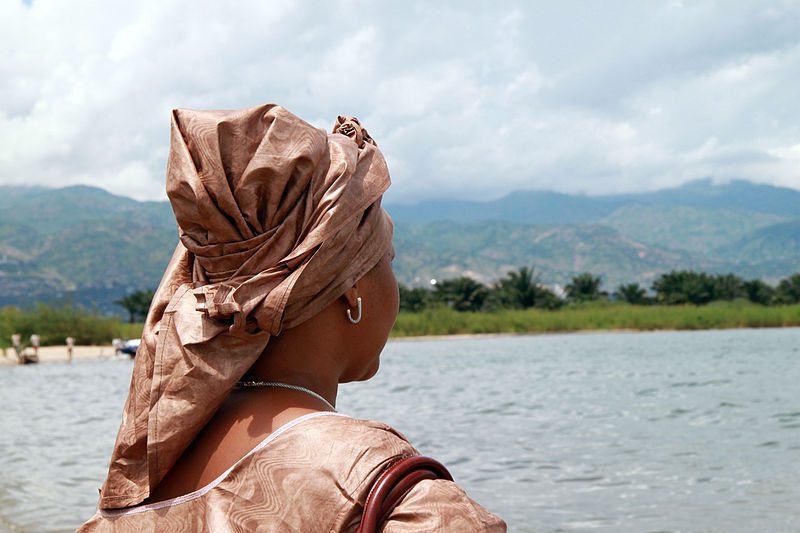
Located in Africa’s southeastern region, Burundi, a heart-shaped nation bordering Lake Tanganyika and Rwanda, is one of the poorest countries in the world. With a poverty rate of nearly 75 percent, the nation is largely underdeveloped. In terms of women’s rights, life in Burundi could be better, as many of the country’s citizens cling to discriminatory perspectives that hold their women back. Despite this, the country has made great strides toward cultivating a more equal nation, such as in 2005 when it included gender equality in its reformed Constitution.
Pregnancy and Sexual Health
In Burundi, discussing sex is generally viewed as a taboo subject. Without the occurrence of these necessary conversations, sexual education is often replaced by false information, and many of the country’s citizens fail to understand their own bodies; an issue most dangerous when it comes to young women and girls. Without knowing the way their bodies work, many Burundian women experience unplanned extramarital pregnancies, and because of Burundi’s negative prejudice toward non-marital pregnancy, many of these girls are often ostracized from their communities, kicked out of their homes and forced out of their schools.
Pamella Mubeza, a native to Burundi, fell victim to this system at a young age. Though, after seeing the prevalence of her issue among other Burundian women, she began an organization known as l’Association des mamans célibataires (the Organisation for Single Mums). Through the organization, Mubeza travels to some of the most impoverished places in the city of Bujumbura, such as Kinyankonge and Kinama, and works with young single mothers to not only re-enroll them in school but to rebuild the self esteem their homeland formerly shamed out of them. By 2019, Mubeza’s organization was able to re-enroll 40 young women in schooling and instilled 250 with a newfound desire to learn.
CARE Burundi, a non-profit organization that works to improve the impoverished realities of women and young girls, is also working to help solve the issue. In 2016, the organization launched an initiative known as the Joint Programme, a 4-year-long project that provides Burundian girls with comprehensive sexual and reproductive education through a comprehensive sexuality education (CSE) curriculum called “The World Starts with Me” (WSWM). The program educates young women about their rights and their bodies, and after its first year of implementation, it was taught in 76 Burundian schools and educated 6,007 young women.
Access to female hygiene products is another one of Burundi’s sexual health problems. With sanitary napkins costing up to 2,000 Burundian francs and the country regarding menstrual periods as shameful, many of the nation’s women turn to unhygienic sources, such as grass and plastic bags, during their menstrual cycles. However, the Organisation for Single Mums is working to combat the problem, as they hand out 1,500 free sanitary napkins to Burundian women each month.
Gender-Based Violence
Sexual violence against women is a growing problem in Burundi. With nearly 23 percent of Burundian women experiencing sexual abuse, and 50 percent of these victims being under the age of 13, the prevalence of gender-based violence in Burundi is undeniable.
Due to the nation’s connection between shame and sexuality, many sexual abuse cases often go unreported, so the number of women experiencing them is likely much higher.
However, through the help of UNICEF and NGO partner Caritas Burundi, Burundian sexual violence is being challenged. Through an initiative known as the Giriteka project, UNICEF and Caritas Burundi are bringing together the nation’s doctors, psychologists, nurses, community leaders, local authorities and religious leaders and teaching them how to best care for their nation’s sexually abused women. From training psychologists on how to prevent gender-based violence to working with religious leaders on how to direct victims toward help, thanks to these organizations, women’s rights in Burundi are not only being protected but defended.
Economic Opportunity
When it comes to the workforce, Burundian women make up 90 percent of the country’s food and export jobs and with 55.2 percent of the nation’s workforce being female, Burundian women are making substantial contributions toward the advancement of their national economy.
However, this same level of equality cannot be seen in the country’s distribution of land.
Access to property ownership is the largest barrier Burundian women face when seeking economic equality. While 80.2 percent of the country’s people own land, women make up only 17.7 percent of them since the country lacks proper legislation that prohibits male succession traditions from overriding women’s rights.
Public opinion may be partly responsible for these discriminatory practices since 57 percent of the nation’s people believe women and men should not have equal land rights when it comes to inheritance.
Despite this prejudicial reality, U.N. Women is making women’s pathway to land ownership easier by providing them with monetary loans.
Also, the Zionist Organization of America has created an initiative meant to advocate for female land rights in Burundi by urging the nation’s women who do own land to register it.
By working at the community level, these organizations are advocating for the economic endeavors of Burundian women, and actively challenging the misogynistic gender norms that have been placed upon these their lives.
While women’s rights in Burundi are far from equal, the good news is that great work is being done to better them. Thanks to organizations like U.N. Women and initiatives such as the Giriteka project, women in Burundi are not only being cared for but heard. By advocating for women’s rights, these organizations are not only providing Burundi’s women with the freedom to hope for a better life but also to live one.
– Candace Fernandez
Photo: Flickr

10 Facts About Corruption in Cuba
Ever since the small Caribbean nation of Cuba became a nation in 1902, corruption at all levels of its society has plagued it. From the face of the nation to the small-time citizen, corruption impacts almost every person in Cuba.
Cuba has suffered over a century of corrupt government officials, businessmen and everyday citizens taking advantage of the already impoverished nation. Cuba has formed policies in an attempt to stop the trends that so many are familiar with, but the country needs to do more. Here are 10 facts about corruption in Cuba including its history and what the country is doing to combat it.
10 Facts About Corruption in Cuba
Despite a long history of corruption in Cuba, the new leadership is taking steps to combat corruption on the island nation. Corruption in Cuba still exists today but data shows that the country is heading in the right direction. Only time will tell if the newly implemented policies will have a positive impact on the Cuban people.
– Sam Bostwick
Photo: Flickr
What To Do With Wasted Medical Supplies
The United States generates over two million tons of wasted medical supplies each year. Facilities do not use many of these supplies such as unexpired medical supplies and equipment. People even throw away completely usable, albeit expired medical supplies. This surplus exists because of hospital cleaning policies, infection prevention guidelines and changes in vendors. Additionally, because equipment must always be ready, replacements are always in order. As such, in the U.K., medical facilities replace equipment before the old versions are out of commission. Waste ranges from medicine to operating gowns, all the way to hospital beds and wheelchairs. Beyond consumables like medicine and one-time supplies like syringes, the need to replace before equipment is sub-optimal leaves a margin for waste on big-ticket items like MRIs.
Many hospitals have dumped their garbage from the reception and operating rooms along with usable medical surplus into incinerators. Although this burning is a source of many pollutants, it is still common practice in many developing countries.
This issue of medical supply waste intertwines deeply with a lack of access to medical equipment in the developing world. While developed countries live in a world of sterile excess, developing countries and remote villages with little access to suitable equipment to meet their needs suffer.
How Does this Waste Relate to Poverty?
People view access to the level of health care service in the developed world as the standard rather than a privilege. In places of poverty like Kivu, Democratic Republic of Congo, facilities are in desperate need of supplies and equipment to treat patients in their region.
Inadequate provisions leave patients on the floor or in out-of-date hospital beds paired with another patient. In the DRC, rape is a common weapon of war. The U.N. Human Rights Security Council passed a resolution that described the problem as “a tactic of war to humiliate, dominate, instill fear in, disperse and/or forcibly relocate civilian members of a community or ethnic group.” Many of the patients at the doorstep of Burhinyi Central Hospital are suffering from rape-related ailments. Some examples are HIV/AIDS, fistulas, bladder and intestinal damage and infections. Without the necessary equipment to handle such cases, impoverished areas, which are already more prone to injury and disease, deteriorate.
How Can it be Fixed?
Again, the issue of wasted medical supplies id deeply connected to poverty. In fact, they are complementary. The solution lies in moving the surplus from areas of excess to people in need. This reduces the waste in developed countries by giving supplies to hospitals that need them. Therefore, one can convert wasted medical supplies to usable surplus.
There are many NGOs like Medshare and Supplies Over Seas (SOS) that follow this process. These nonprofits operate based on collecting, sorting and sending the usable medical surplus to hospitals in need.
SOS has a container shipment program that sends cargo containers filled with medical supplies. These containers would have otherwise ended up in the landfill. A typical container contains six to eight tons. Its medical contents value conservatively at $150,000-$350,000. Since 2014, SOS has shipped containers to 20 countries in need.
A volunteer at Medshare outlined her experience working with surplus medical supplies, saying that, “It was shocking how much waste there actually was. Warehouses full of totally usable stuff all ready to be thrown away.” She added, “[she] sorted through things like syringes and gauze packets which were all put into huge containers for hospitals that need it. It feels like a difference is being made.”
Stop Wasting and Start Donating
Wasted medical supplies and impoverished areas without access to proper medical equipment are issues that people can resolve simultaneously by salvaging usable supplies and equipment that were ready to go to landfill and sending them to communities in need. Regarding medical waste and poverty, the best solutions occur when those who have more give to those who have less.
– Andrew Yang
Photo: Flickr
How the Breakdown of the Nuclear Deal has Affected Poverty in Iran
As the relationship between Iran and the U.S. deteriorates, Iran’s quality of living is plummeting, the cost of living is soaring and Iranian citizens are feeling the pressure.
Since the dissolution of the Joint Comprehensive Plan of Action, more commonly known as the Iran Nuclear Deal, in May 2018, extreme hardship has hit the West Asian country. Economic sanctions that the nuclear agreement thwarted are in place again and are damaging Iran’s oil and precious metal sectors, handicapping the country’s export potential.
The primary component of the economic decline is the dent that sanctions are making in the oil sector–which, according to the World Bank, accounts for two-thirds of Iran’s economic growth.
Post-Breakdown Economic Turmoil
Iran’s oil production has already fallen steadily every month since the breakdown of the nuclear deal, according to the U.S. Energy Information Administration, and the resulting impact on the economy is devastating. In April 2019, the World Bank reported that Iran’s economic growth slowed to 1.8% in the first quarter of 2018/2019–down by 4.6% from the previous year. Compounded with years of corruption and mishandling of public funds, the breakdown of the nuclear deal has positioned the Iranian economy in a state of stagflation (negative GDP growth) estimated to continue until April 2020.
Compounding the decline in GDP, the national currency has depreciated by around 60% on the U.S. dollar. An IMF senior official revealed that the inflation rate could reach 40% by the end of 2019. This economic turmoil has reduced accessibility to living essentials, increased societal instability and swelled poverty rates.
Increased Poverty
The World Bank reports that the upper-middle-class poverty rate, which is classified as at or under $5.50 PPP (Purchasing Power Parity), is at an estimated 11.6% for 2018/2019 and forecasted to grow to 12.6% in 2019/2020.
It is essential to note that $5.50 PPP is not a daily income. That figure is usually much lower. According to the Global Basic Income Foundation, PPP is the amount a person can afford to spend on any given day, taking into account both earnings and savings. To put this into perspective, 11.6 percent of people in Iran could not afford to buy something today that costs $5.51.
Higher Prices
With the reimposed sanctions resulting from the breakdown of the nuclear deal, accessibility to living essentials is rapidly shrinking. Even humanitarian organizations struggle to acquire adequate supplies to carry out their work due to soaring prices.
A recent report from the Statistical Centre of Iran revealed eye-opening inflation statistics. Between 2018 and 2019, the price of food and drink increased by 43.5%, clothing and footwear by 33.9%, housing and utilities by 18.2% and health and medical services by 18.8 percent. The overall Consumer Price Index is up by 30.6%.
The amalgam of decreasing wages and currency devaluation is restricting Iranian citizens’ ability to acquire necessities. The World Bank expects Iran’s poverty rate to rise to 12.8% by 2021.
Humanitarian Response
With poverty levels rising in Iran, humanitarian agencies are stepping up to meet the need. Moms Against Poverty is a nonprofit organization that is working to alleviate poverty in Iran through hunger relief, education and orphan care. Since the breakdown of the nuclear deal, Iran has had a 6.3 magnitude earthquake and major flooding. Moms Against Poverty provided natural disaster victims with food, water and blankets, distributed safe heaters and helped rebuild and furnish health clinics and pre-schools in the flooded areas. The organization also funded 2,000 food baskets for the Persian New Year across three Iranian provinces.
The breakdown of the nuclear deal has been economically painful for Iran. Tensions have only risen since the reimposition of sanctions and, as of now, show no signs of alleviating. There have already been multiple conflicts between the U.S. and Iran in the Strait of Hormuz, Iran’s main shipping route, since the breakdown.
Organizations like Moms Against Poverty provide some poverty relief and help the quality of life for many citizens. However, relief on a nationwide scale could be achieved if U.S.-Iran relations are restored or if Iran can boost its economic growth and halts the devaluation of the national currency. For now, the citizens of Iran are feeling the pressure.
– Zach Brown
Photo: Flickr
The Importance of Women’s Rights in Burundi
Located in Africa’s southeastern region, Burundi, a heart-shaped nation bordering Lake Tanganyika and Rwanda, is one of the poorest countries in the world. With a poverty rate of nearly 75 percent, the nation is largely underdeveloped. In terms of women’s rights, life in Burundi could be better, as many of the country’s citizens cling to discriminatory perspectives that hold their women back. Despite this, the country has made great strides toward cultivating a more equal nation, such as in 2005 when it included gender equality in its reformed Constitution.
Pregnancy and Sexual Health
In Burundi, discussing sex is generally viewed as a taboo subject. Without the occurrence of these necessary conversations, sexual education is often replaced by false information, and many of the country’s citizens fail to understand their own bodies; an issue most dangerous when it comes to young women and girls. Without knowing the way their bodies work, many Burundian women experience unplanned extramarital pregnancies, and because of Burundi’s negative prejudice toward non-marital pregnancy, many of these girls are often ostracized from their communities, kicked out of their homes and forced out of their schools.
Pamella Mubeza, a native to Burundi, fell victim to this system at a young age. Though, after seeing the prevalence of her issue among other Burundian women, she began an organization known as l’Association des mamans célibataires (the Organisation for Single Mums). Through the organization, Mubeza travels to some of the most impoverished places in the city of Bujumbura, such as Kinyankonge and Kinama, and works with young single mothers to not only re-enroll them in school but to rebuild the self esteem their homeland formerly shamed out of them. By 2019, Mubeza’s organization was able to re-enroll 40 young women in schooling and instilled 250 with a newfound desire to learn.
CARE Burundi, a non-profit organization that works to improve the impoverished realities of women and young girls, is also working to help solve the issue. In 2016, the organization launched an initiative known as the Joint Programme, a 4-year-long project that provides Burundian girls with comprehensive sexual and reproductive education through a comprehensive sexuality education (CSE) curriculum called “The World Starts with Me” (WSWM). The program educates young women about their rights and their bodies, and after its first year of implementation, it was taught in 76 Burundian schools and educated 6,007 young women.
Access to female hygiene products is another one of Burundi’s sexual health problems. With sanitary napkins costing up to 2,000 Burundian francs and the country regarding menstrual periods as shameful, many of the nation’s women turn to unhygienic sources, such as grass and plastic bags, during their menstrual cycles. However, the Organisation for Single Mums is working to combat the problem, as they hand out 1,500 free sanitary napkins to Burundian women each month.
Gender-Based Violence
Sexual violence against women is a growing problem in Burundi. With nearly 23 percent of Burundian women experiencing sexual abuse, and 50 percent of these victims being under the age of 13, the prevalence of gender-based violence in Burundi is undeniable.
Due to the nation’s connection between shame and sexuality, many sexual abuse cases often go unreported, so the number of women experiencing them is likely much higher.
However, through the help of UNICEF and NGO partner Caritas Burundi, Burundian sexual violence is being challenged. Through an initiative known as the Giriteka project, UNICEF and Caritas Burundi are bringing together the nation’s doctors, psychologists, nurses, community leaders, local authorities and religious leaders and teaching them how to best care for their nation’s sexually abused women. From training psychologists on how to prevent gender-based violence to working with religious leaders on how to direct victims toward help, thanks to these organizations, women’s rights in Burundi are not only being protected but defended.
Economic Opportunity
When it comes to the workforce, Burundian women make up 90 percent of the country’s food and export jobs and with 55.2 percent of the nation’s workforce being female, Burundian women are making substantial contributions toward the advancement of their national economy.
However, this same level of equality cannot be seen in the country’s distribution of land.
Access to property ownership is the largest barrier Burundian women face when seeking economic equality. While 80.2 percent of the country’s people own land, women make up only 17.7 percent of them since the country lacks proper legislation that prohibits male succession traditions from overriding women’s rights.
Public opinion may be partly responsible for these discriminatory practices since 57 percent of the nation’s people believe women and men should not have equal land rights when it comes to inheritance.
Despite this prejudicial reality, U.N. Women is making women’s pathway to land ownership easier by providing them with monetary loans.
Also, the Zionist Organization of America has created an initiative meant to advocate for female land rights in Burundi by urging the nation’s women who do own land to register it.
By working at the community level, these organizations are advocating for the economic endeavors of Burundian women, and actively challenging the misogynistic gender norms that have been placed upon these their lives.
While women’s rights in Burundi are far from equal, the good news is that great work is being done to better them. Thanks to organizations like U.N. Women and initiatives such as the Giriteka project, women in Burundi are not only being cared for but heard. By advocating for women’s rights, these organizations are not only providing Burundi’s women with the freedom to hope for a better life but also to live one.
– Candace Fernandez
Photo: Flickr
The ARDA: Addressing Homelessness in Armenia
The Armenian Relief and Development Association (ARDA) focuses on one mission: to help impoverished Armenians. ARDA has helped Armenians in many aspects, including the building and restoration of medical clinics and schools. The organization has also created and provided resources for educational programs, widow and orphan programs and feeding programs.
However, its biggest project revolves around reducing homelessness in Armenia. Many apartment buildings were damaged during the 1988 earthquake, and there were not enough resources for rebuilding and restoration, which left thousands of Armenians without a home.
“According to the U.N. Economic Commission for Europe, of the approximately 800,000 families living in Armenia, about 40,000 are without permanent shelter.” Their solution was to use metal shipping containers as what was supposed to be a temporary shelter. However, this “temporary shelter” has been their home for over three decades. These “homes” are basically just protection against the elements, as they do not have a bathroom or a kitchen. Also, temperatures within the containers reach below the freezing point during the winter and are extremely hot during the summer. Thousands have died within the confines of these “homes.”
ARDA knew it had to find a solution to this on-going problem. The solution came in four phases and utilized a simple building material: polystyrene foam (more popularly known as Styrofoam).
The Four-Phase Project
In 2007, ARDA, together with the Armenian Center for International Development, sent faculty and students from Point Loma Nazarene University to northern Armenia to execute their four-phase plan.
The first phase involves the building of homes using inexpensive yet sturdy materials including polystyrene molds. The molds, which are hollow, “interconnect like Legos to make the exterior walls of the home.” Once the foundation is put into place, rebar for stability and wiring for electrical outlets are put into the molds, after which the cement is poured in. Each mold is 16 inches tall and eight inches wide. These molds result in much more energy-efficient homes, as they require 44 percent less energy for heating and 32 percent less for cooling.
After phase one is complete, the next step involves some research: trying to find a local manufacturer that can create these molds cheaply. “Each of the structures built during the trip cost an estimated $20,000. That doesn’t include labor, land, and extra materials, which were mostly donated.” Being able to acquire these materials at a reasonable rate is an important step in the continued building of these houses and reduction in homelessness in Armenia.
Once a manufacturer is procured, ARDA moves onto phase three, which results in more long-term benefits. This phase focuses on the creation of a business model that sustains production and creates jobs in the area. This is accomplished by building a Trade and Technology Center on the same site as the homes. Steve Lazarian, director of ARDA at the time said: “the center would provide education and training for the local community in various trades, including home construction.” These skills, which are essential to becoming self-sufficient, will assist Armenians in the transition out of temporary shelters and into permanent homes.
The success of the first three phases of the project will gauge whether the fourth phase is necessary. If they are successful, phase four will be the implementation of the project in other poverty-stricken countries worldwide.
Benefits of Polystyrene Foam
Using this technique, a new home could be built in about one month. This is much shorter than the six to 12 months it takes when using traditional building methods. Also, the polystyrene blocks are mold and earthquake resistant. This is an important factor in a country that is still reeling from the aftermath of a devastating earthquake.
Other Important Projects
ARDA’s Angel Home Health program provides social services to fifty families. Of those fifty families, sixty-five percent graduate out of the program, acquiring the skills they need in order to take care of themselves.
Patrick Hovsepian, Operations Manager of ARDA, spoke of a woman named Eliza who approached ARDA for help after her husband passed away at a young age. She was left homeless and was unable to care for their baby. ARDA gave her a job as a Teacher’s Aide in their preschool. Through hard work and determination, Eliza eventually became the director of that same preschool.
What’s in Store for the Future?
Though the polystyrene blocks have proven to be an exemplary building component, ARDA is already looking for better materials, with hopes of building houses at an even faster rate. According to Hovsepian, ARDA is working toward securing an architect and building a 3-D printing factory in Armenia. With this new technology, houses can be built within one week, which will not only provide homes, reducing homelessness in Armenia, but it will also create thousands of jobs.
What do Potential Donors Need to Know?
When asked what people might not be aware of regarding the living conditions in Armenia, Hovsepian stated, “People don’t seem to understand just how impoverished these cities are. These people look just like us, but they’re living in devastating situations.” He also mentioned that many people think their small donations might not make a big difference. “A little bit here is a lot over there. It only costs $360 a year to sponsor a child, which helps pay for food, clothes, and education for an entire year.”
ARDA has been helping the poverty-stricken communities of Armenia for decades but its work is nowhere near completion. Armenians who have been living in containers that were not meant for habitation will soon be able to live in actual houses, complete with plumbing and heating, improving the situation of homelessness in Armenia. With ARDA’s help, there is hope that Armenians will emerge from poverty and become self-sustaining.
– Sareen Mekhitarian
Photo: Flickr
How AquaSafi Can Provide Access to Clean Water
Back in 2011, the creator of AquaSafi, Kevin Cluff, wanted to provide a solution to those 800 million people in the world who do not have access to clean water. He then created water purification systems to place in developing countries to provide people with access to clean water. Cluff and AquaSafi partnered with NGOs in India to bring the systems to the country due to how expensive the systems are. AquaSafi has already provided over 100,000 people with access to clean water and helped communities in other ways too.
Water Purification Systems
Having access to clean water is arguably the biggest necessity in developing countries. Clean water access is crucial because, without it, people can contract waterborne diseases such as polio, malaria, cholera and diarrhea. Diarrhea alone causes 2.2 of the 3.4 million deaths from waterborne diseases a year because developing countries often do not have access to modern medicine. Unfortunately, having access to clean water is becoming harder when people are polluting more and more of the water supply.
Luckily, AquaSafi has provided a potential solution to this widespread problem. The water purification systems that AquaSafi has created utilize reverse osmosis systems, which is a process that uses pressure to eliminate contaminants from water. Because the systems use only pressure, they require little electricity, water and space to operate.
Clean Water at an Affordable Price
To bring its systems to developing countries, AquaSafi partners with NGOs in those areas. By gaining the investments from organizations like H2O for Humanity, AquaSafi opened up stores in India where people can buy 20 liters of water for 3 cents. This affordable pricing is essential in making this an effective solution, as those living in extreme poverty are frequently living under $1.90 a day.
Other Benefits of AquaSafi
Through opening these stores, communities have benefited in ways that one might not think. Before, up to 4,000 children died every day due to waterborne illnesses. Now, in the communities with AquaSafi, the child death rate has dropped so much that school attendance is up. Additionally, the removal of fluoride from water sources has made cramps and joint pains go away for many people. Lastly, by opening up stores in the communities that most need them, AquaSafi has provided employment opportunities for locals. The organization trains those people on how to operate the system and perform maintenance when necessary.
By providing the solution of its water purification systems, Aquasafi has helped provide access to clean water to hundreds of communities. To lower the price per 20 liters, AquaSafi partnered with NGOs like H2O for Humanity so that those living in extreme poverty can afford it. The stores placed in these communities have also allowed those living in extreme poverty to gain employment opportunities which allow for the money spent on the water to go back into the communities. Overall, these water purification systems can save thousands of lives at an affordable cost as well as benefit the communities financially, which could potentially start to uproot people out of extreme poverty.
– Ian Scott
Photo: Wikipedia Commons
10 Facts About Human Trafficking in Guatemala
According to the United Nations Office on Drugs and Crime (UNODC) about 15,000 young people are being trafficked for sexual exploitation currently in Guatemala and for every victim that is rescued approximately 30 more are exploited and kept hidden. Here are 10 facts about human trafficking in Guatemala.
10 Facts About Human Trafficking in Guatemala
These 10 facts about human trafficking in Guatemala shed light on what a pressing issue it is, however efforts are being made by the government as well as international organizations to continue progress in ending human trafficking worldwide.
—Laura Rogers
Photo: Flickr
Influencer Activism: Social Media and African Politics
Changes in African Politics
Nearly a decade ago, former Nigerian President Goodluck Jonathan announced his candidacy for re-election on Facebook. For this reason, CNN gave President Jonathan the nickname “the Facebook President.” Today, this behavior surfaces as a common occurrence due to the interdependence of social media and African politics. Social media platforms such as Facebook and Twitter act as primary tools for electoral commissions, political commentators and to prolong political conversations. Research estimates 1.6 billion tweets in African include political subject matter which outnumbers tweets in the U.S. and the U.K. Many African politicians agree that direct access to voters fosters a more authentic connection between the government and its people.
Limitations for Social Activism
Alternatively, the validity of the political field gives social media also warrants regulated social media use. Some African countries possess state-owned media that only promotes its political bias. In July 2018, Uganda implemented the very first social media tax. The tax charges an additional 200 shillings on top of a 1,000 shillings per day fee for 50 megabytes of internet data.
Additionally, Ugandan President Yoweri Museveni complained that young people spend an excessive amount of time on social media. Many young Ugandans have boycotted the tax to protest against the President and his attempt to limit free speech such as political criticism. Other countries such as Tanzania, Kenya and Benin plan to roll out their own internet taxes in the near future. A recent survey across 31 African countries displays that only 39 percent of people prefer government-controlled media. In contrast, 56 percent of people prefer media freedom.
Governments Monitoring Social Media
Social media and African politics have created a surge of new ways for African governments to monitor and limit online criticism:
A New Style of Government
Former pop-star Bobi Wine understands the value of social media and African politics and rallied in protest against Uganda’s social media tax beside Ugandan youth. Wine’s newly announced campaign for the 2021 presidential election sparked controversy. Wine is a current member of Parliament with growing popularity. He intends to replace President Yoweri Museveni and his political party. However, Wine faces constant obstructions on his road to the presidency. In his numerous attempts to hold rallies or concerts for his presidential campaign, the Ugandan police tried to impede the events by firing bullets or using tear gas. Wine addresses the lack of jobs and overwhelming corruption in the country. Consequently, he aims to increase his political involvement beyond social media as the leader of the “People Power” movement.
Overall, social media and African politics remain a dynamic duo to aid leaders to continue toward success for their countries and people. Many attempts at government crackdown on access to social media further prove the power of social media to give laypeople a voice in African politics.
– Nia Coleman
Photo: Flickr
Culture Affects Poverty: Children and Family Structure
Poverty is a universal issue. It affects people of every nation, religion and culture. Though global inequality has been decreasing in recent decades, many countries still stand at an advantage over others, and in many cases, are in a better position to help.
It is difficult to guarantee effectiveness in a foreign country by virtue of it being foreign. The way the government or people behave will differ. Even the general mindset toward poverty can vary—and these are important differences to note. Culture impacts poverty’s manifestation and means of escape.
These cultural differences continue to exist on an international scale. Culture affects poverty both directly in the way it interacts with poverty, and indirectly, with the conditions that stimulate or prevent poverty. Many of the critical factors focus on a culture’s standard for family structure.
Children are More Likely to Live in Poverty
Children are most likely to live in poverty. If approached per capita, children below 11-years-old in developing countries are nearly 10 percent more likely to live in poverty than the international average. In contrast, the elderly are 10 percent less likely to live in poverty.
There are similar numbers across the globe. In Sub-Saharan Africa, where the poverty rate averages 54.6 percent, children between six and 11-years-old are 62.7 percent likely to live in poverty, while those of 65-years-old stands at 47.9 percent.
The Middle East and Northern Africa have the lowest rates of child poverty. Mirza Izmagilov Makhmutov, former Minister of Education of Tatarstan, describes Eastern culture as being more family-oriented with a focus on upholding history and tradition, compared to Western culture, which places emphasis on science and the individual. Though she describes this rule as unattractive to most young people, it may hold ground in lessening child and elderly poverty in the Middle East.
This is not to dismiss economic factors. Poverty rates drop with even moderate economies of scale—that is, the more production in a country, the more efficiently its society runs. Countries with economies of scale tend to have fewer children in a household.
Single Parents are at a Disadvantage
Though it is difficult to isolate the causes of single parents’ likeliness to live in poverty, as they are often closely entangled with a lesser education and intergenerational poverty, single parents are more likely to live in poverty than their married or cohabiting counterparts. In the U.K., a child’s likelihood of being in the bottom quintile of income is 21 percent for married parents, 31 percent for cohabiting families and 81 percent for single parents.
While the U.K’.s rate of single parents has grown over the last few decades, as the gap in poverty between single and married parents decreases, people still largely look down on single parenthood in Asia.
Globally in 2012, 13.7 percent of children below 15 lived in single-parent households. In Japan and Korea, 12.3 percent and 8.9 percent of children respectively lived in single-parent households, compared to in the U.K. and the U.S., with a respective 20.7 percent and 16.7 percent.
On average, 15 percent of children in Japan live in poverty. For children of single mothers, this increases to 55 percent. Yukiko Tokumaru, who runs Child Action Poverty Osaka, a non-governmental organization, describes Japan as having a culture that places women below men, making it difficult for a woman to have a job after a child.
Yasuko Kawabe, who runs the Nishinari Kids Dining Hall in Osaka, describes the children as needing more than food when they come to her center. At school, the children often find themselves isolated from their peers because their peers consider them to be from a “bad house.” Mothers, too, do not receive pressure to look wealthy at the Hall. According to Junko Terauchi, head of the Osaka Social Welfare Promotional Council, there is massive pressure on single or poor mothers, with women going so far as to hide separations from their partners from friends and coworkers.
Though hope often feels far away for these Japanese women, change seems to be on the horizon. Japanese President Abe Shinzo aims to provide work for women, especially those returning to the workforce after giving birth. Daycare centers in Osaka and other cities offer free meals and playtime for children.
Globally, there is increasing aid for single parents, and there is decreasing global inequality. Culture and wealth gradually exchange. There are no clear-cut means of determining if any culture is more effective at dealing with poverty than another. Rather, culture affects poverty by determining the behavior of poverty in a nation. Culture affects poverty on many levels—in determining government support, in the way it changes the standard family structure and in wealthy treatment of the poor.
– Katie Hwang
Photo: Flickr
Goonj: Using Excess to Fulfill Someone’s Needs
Goonj is a non-governmental organization working in various parts of India. It aims to share unused and unrequired materials from urban households with people living in rural areas to fulfill their needs. The organization believes that countries and economies can use urban discard to alleviate poverty and enhance the dignity of the poor.
The organization works across 23 states in India with 250 partner groups. It has offices with 150 full-time people and thousands of volunteers. The organization receives about 80-100 tonnes of material each month and turns it into material that people can productively use in the remote and impoverished areas of the country. In its latest annual report for 2017 to 2018, Goonj highlights that it has been able to reach over 3,600 villages in India and has dealt with more than 4,000 tonnes of material.
Various Initiatives
Goonj has performed various activities in different fields of work from 2017 to 2018. Some of its highlights include sanitation activities where it repurposed basic essentials like clothes and utility items into materials for women to use during menstruation. In addition to this, its initiative, Not just a Piece of Cloth, also aims to break the culture of shame and silence around menstruation. It turns these cloths into biodegradable clothes for women to use. When people from urban areas contribute their cotton bed sheets, curtains and shirts, the organization turns them into cloth pads for women in rural areas. It also holds gatherings for women to talk openly about the issue of menstruation, which many still consider a stigma in Indian society.
In the field of education, Goonj’s initiative School to School works towards using urban school material to address gaps in the rural education systems in India. Goonj was able to share 39,416 school kits to over 2,100 schools and 1,200 educational setups in villages. In addition, children in rural areas learn value for their belongings as they take up various educational and behavioral change activities which reward them these school kits. Not only does this initiative provide the poor with resources for education, but it also teaches them values.
Other areas of work that the organization focuses on are road repairs, disaster relief and health that it can perform with the excess raw materials it receives. Its initiative Cloth for Work works on rural developmental activities while Raahat provides disaster relief. Meanwhile, Green, an in-house brand, creates items from the last bits of materials it receives. These are also extremely successful ventures and have impacted a large population of the country.
Awards and Recognition
Goonj has received various awards for the work it does all over India. In 2012, NASA and the U.S. State Department chose it as a Game-Changing Innovation and in the same year, Forbes magazine listed Anshu Gupta, Goonj’s founder, as one of India’s most powerful rural entrepreneurs. In recognition of its important work, Goonj has received the Japanese Award for Most Innovative Development Project by the Global Development Fund and continues to impact the country to build sustainability and impact the rural population.
– Isha Akshita Mahajan
Photo: Flickr