• Link to X
  • Link to Facebook
  • Link to Instagram
  • Link to TikTok
  • Link to Youtube
  • About
    • About Us
      • President
      • Board of Directors
      • Board of Advisors
      • Financials
      • Our Methodology
      • Success Tracker
      • Contact
  • Act Now
    • 30 Ways to Help
      • Email Congress
      • Call Congress
      • Volunteer
      • Courses & Certificates
      • Be a Donor
    • Internships
      • In-Office Internships
      • Remote Internships
    • Legislation
      • Politics 101
  • The Blog
  • The Podcast
  • Magazine
  • Donate
  • Click to open the search input field Click to open the search input field Search
  • Menu Menu

Tag Archive for: USAID

Information and news about mobile technology

Posts

Developing Countries, Global Poverty, Health

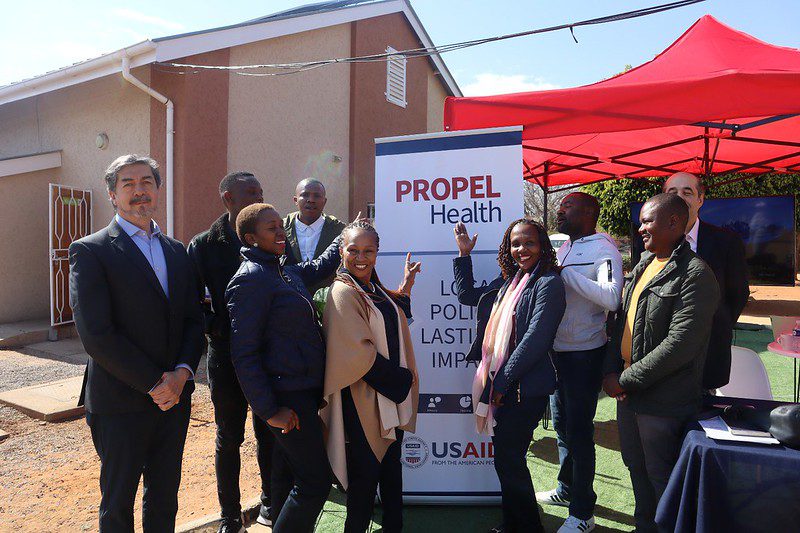
USAID Programs in Botswana Alleviating HIV

USAID Programs in BotswanaClassified as one of the world’s most impoverished countries in 1966, Botswana has undergone significant economic transformation since gaining independence. Today, it is recognized as an upper-middle-income country, largely due to its thriving mining sector. The land-locked nation’s production of diamonds, alongside other minerals, is a key factor in its growing economy. After 58 years of gaining independence from the U.K., Botswana is now aiming to achieve high-income status. 

However, the country still relies on the help of the United States Agency for International Development’s (USAID) programs. Despite Botswana’s economic prosperity, the health of the nation’s people is largely vulnerable due to the prevalence of HIV. The epidemic has become a burden on the economy, as well as Botswana social services. Almost 21% of adults in Botswana have HIV, which is one of the highest HIV infection rates in the world. Improvements to the health care sector have been implemented, such as increased access to clean water. Yet, the nation’s health remains unstable due to the HIV epidemic.

USAID’s Work in Botswana

USAID is a key implementer of the U.S. President’s Emergency Plan for AIDS Relief (PEPFAR), which combats the HIV epidemic. PEPFAR works to address HIV in more than 50 countries globally. “We have the opportunity to see an AIDS-free generation by 2030,” said Congresswoman Barbara Lee, a PEPFAR advocate. PEPFAR’s goal is to eradicate AIDS and, by extension, HIV in the near future and it is working with USAID to achieve this.

In the past two decades, PEPFAR has received about $120 billion in funding, enabling USAID to fight the HIV epidemic and improve global health, with a significant focus on Botswana. Since 2003, PEPFAR has invested $750 million to combat HIV in Botswana. This funding supports USAID programs, enhancing its effectiveness in the Southern African nation.

Reducing Stigma

HIV has been heavily stigmatized in parts of Botswana and USAID is working to reduce negative perceptions of people with the infection. USAID is engaging with traditional, faith and community leaders to help eradicate the epidemic by addressing the social stigma surrounding HIV.

Support and Counseling 

Individuals with HIV aren’t the only ones affected by the virus. In 2022, an estimated 54,000 children in Botswana were orphaned due to HIV/AIDS. USAID supports orphans and other vulnerable groups, including women and children, whom HIV has impacted.

Furthermore, USAID provides counseling services to people living with HIV in Botswana. Infected individuals are supplied with support and guidance, encouraging them to get medical treatment. Counselors can track individuals’ progress as they start or maintain their medical schedules, helping to prevent the transmission of the virus.

Final Thoughts

USAID has been helping Botswana since the ’80s, working to alleviate HIV by improving health services, prevention efforts, public opinion and support for those affected by the disease. The $750 million PEPFAR has provided to Botswana since 2003 has allowed USAID programs to help reduce AIDS-related deaths among adults and children by about 14,100. Additionally, USAID programs have contributed to lowering the estimated number of children living with HIV by 16,900 in the past 20 years. USAID programs continue to combat the HIV epidemic, both in Botswana and globally, working toward eradicating the disease.

– Megan Hall

Megan is based in Suffolk, UK and focuses on Global Health and Celebs for The Borgen Project.

Photo: Flickr
September 23, 2024
https://borgenproject.org/wp-content/uploads/borgen-project-logo.svg 0 0 Hemant Gupta https://borgenproject.org/wp-content/uploads/borgen-project-logo.svg Hemant Gupta2024-09-23 01:30:582024-09-22 22:40:09USAID Programs in Botswana Alleviating HIV
Developing Countries, Global Poverty, Politics

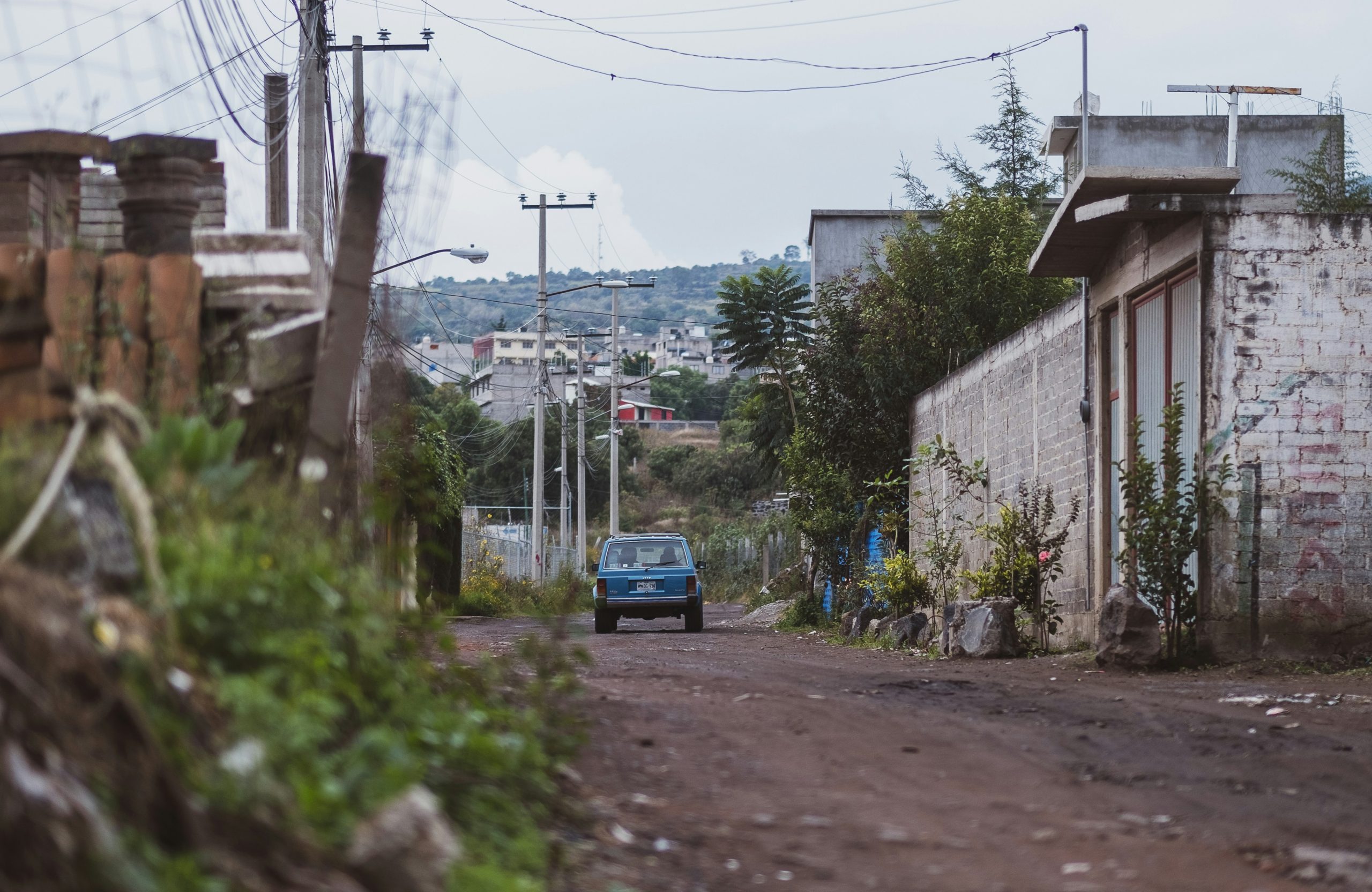
New President Prepares to Combat Poverty in Mexico

Combat Poverty in MexicoOn Sunday, June 2, 2024, Claudia Shinebaum was elected Mexico’s new president. This marks a historical moment as she is the first female president of Mexico. The former mayor of Mexico City was the chosen successor of Andres Manuel Lopez Obrador (AMLO). During AMLO’s term as president, he is credited with lifting more than 5 million Mexican citizens out of poverty. Promises of expanding social services and education reform and her work as Mexico City’s mayor leave many in the poverty-stricken nation hopeful that she will help to further combat poverty in Mexico.

Pending Pension Promises

Many of the initial items Shinebaum plans to address are continuations of projects AMLO has laid out. One of the biggest overhauls is the changes to Mexico’s pension program that started in 2020. A whole sweet of changes have been proposed and are in the process of implementation to make a pension available to more people and expand just how much goes into the fund.

The American Bar Association lays out the points of change, such as a decrease in the number of weekly contributions needed from 1,250 to 1,000 and an increase in the employers’ contribution by 8% with an increase in the government contribution. Additionally, these changes were laid out as gradual changes to be implemented by 2031; thus, it is expected that Shinebaum will oversee a majority of these rollouts during her term.

Investing in Education

Education reform has been an enduring issue in Mexico, with multiple proposed solutions with varying levels of efficacy. ALMO began his term by scraping his predecessors’ reforms, making way for his programs. He opened publicly funded universities to make higher education accessible to low-income students. Furthermore, this came alongside cuts to funding for higher education stemming from the policies of his predecessor.

He also lowered standardized testing requirements in an attempt to increase graduation rates. Reactions to these reforms have been mixed. Indeed, critics say that a strong focus on higher education has meant less focus on primary and secondary education. The Benito Juarez Welfare Scholarship seeks to provide aid to the families of students 15 and younger. The International Monetary Fund credits it as an important step toward addressing the plight of the 43.5% of Mexican citizens living in poverty. With this, citizens can expect Mexico’s new president to continue and expand on these social services throughout her term.

Final Note

According to the United States Agency for International Development (USAID), the U.S. has contributed $495 million to developmental projects in Mexico. However, this is just 0.03% of its gross domestic product (GDP). Given the close cultural, economic and geographic ties between the two nations, the U.S. may see it in its advantage to do more to help combat poverty in Mexico.

– Thane Zerbe

Thane is based in Wichita, KS, USA and focuses on Good News and Politics for The Borgen Project.

Photo: Unsplash

September 21, 2024
https://borgenproject.org/wp-content/uploads/borgen-project-logo.svg 0 0 Hemant Gupta https://borgenproject.org/wp-content/uploads/borgen-project-logo.svg Hemant Gupta2024-09-21 03:00:332024-09-21 01:36:31New President Prepares to Combat Poverty in Mexico
Agriculture, Global Poverty

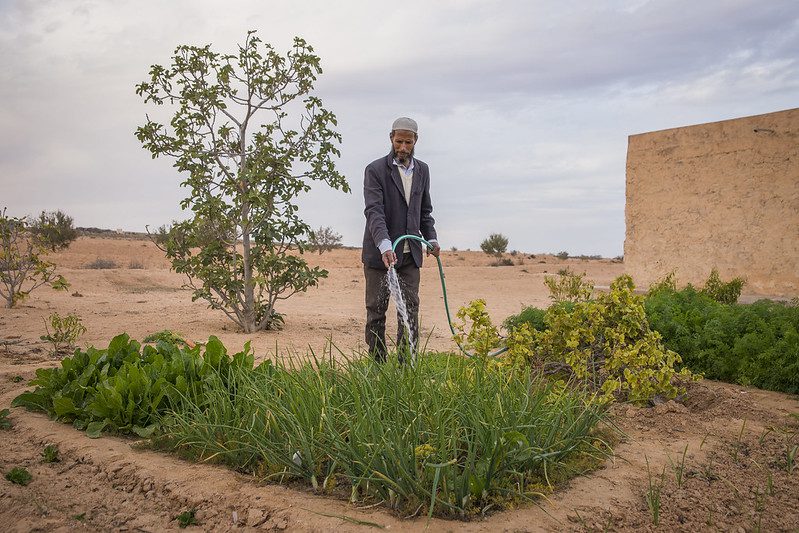
Agricultural Subsidies: Mitigating Food Insecurity in Tunisia

Food Insecurity in TunisiaPersistent political and socio-economic challenges have led to social tensions and delayed economic recovery in Tunisia. This has caused high unemployment rates and regional conflicts, contributing to food insecurity in Tunisia. According to the World Food Programme (WFP), 16.6% of Tunisians live below the poverty line, while 30% of children under 5 and pregnant and nursing women suffer from anemia. Furthermore, Tunisia’s high dependence on agricultural imports, exacerbated by economic challenges and a high inflation rate, has led to food shortages. The ongoing drought has strained agriculture, decreasing harvest and diminishing dairy production. Agricultural subsidies have been crucial in addressing these ongoing challenges, shaping the country’s food production landscape and influencing socioeconomic dynamics. 

Tunisia’s agricultural policies have evolved drastically since its independence in 1956. With an initial focus on self-sufficiency, the country gradually shifted toward an export-oriented approach which led to increased reliance on food imports. This has caused implications for Tunisia’s food security and has made it vulnerable to global market fluctuations. 

Types of Agricultural Subsidies

To assist in its agriculture, the Tunisian government has multiple subsidy mechanisms. These aim to boost domestic production, stabilize food prices and support rural livelihoods.

  • Input subsidies. Covers fertilizers, seeds and machinery.
  • Price support. Ensures minimum prices for specific crops and financially protects farmers against crop losses due to natural disasters, pests or other unforeseen events. 
  • Credit subsidies. Provides low-interest loans to farmers
  • Irrigation subsidies. Supports water management infrastructure.

Impact on Domestic Food Production

Agricultural subsidies have significantly influenced Tunisia’s food production patterns. While they have helped maintain production levels of certain crops, it has led to changes in crop choices which has implications for both food and environmental sustainability. It is clear that Tunisia’s agricultural model based on water-intensive hybrid seeds is unsustainable, thus farmers have moved to a more practical and sustainable approach of using local seed varieties known as “Mahmoudi seeds.” The seeds are better suited to the Tunisian climate and therefore are a necessity to adapt to climate change. Spreading awareness of the local seeds can increase the shift toward using said seeds, support the agriculture sector and reduce food insecurity in Tunisia

Benefits of Agricultural Subsidies

The primary benefits of Tunisia’s agricultural subsidy system include:

  • Price stabilization. Subsidies help support consumers from global price fluctuations, particularly for staple foods such as flour, vegetable oil, rice and sugar. 
  • Rural livelihood support or poverty reduction. By providing stable income for farmers, subsidies help maintain rural economies. A study by the Friedrich-Ebert-Stiftung found that using Proxy Means Testing (PMT) in Tunisia results in significant errors in both excluding eligible recipients and including ineligible ones. This is due to infrequent household surveys and the large informal economy in Tunisia and similar developing countries. The research determined that food and energy subsidies are more effective at reducing poverty than the targeted cash transfers provided by Tunisia’s National Program of Assistance to Needy Families.
  • Food availability. Subsidies ensure a consistent food supply, even during periods of global market instability.

International Aid and Cooperation

International support plays a significant role in agricultural subsidies and Tunisia’s agricultural sector. 

  • European Investment Bank. As of 2022, the EIB has provided loans to finance the rehabilitation and construction of silos and cereal reserves in Tunisia. This aims to increase Tunisia’s cereal storage capacity and support permanent working capital. This responded to the grain supply shock caused by the Russian invasion of Ukraine. This contributes to the country’s food security and ensures public health. 
  • World Bank. In 2022, the World Bank approved a $130 million loan for Tunisia to address food security issues. This was part of an emergency response package with other donors, supporting short-term importation of wheat, barley and agricultural inputs for domestic grain production. This aimed to strengthen Tunisia’s responses to potential future food crises and provide assistance to modernize the food subsidy system.
  • USAID. In 2023, USAID, alongside the World Bank, announced financing for the purchase of 25,000 metric tons of American durum wheat to help Tunisia weather multiple crises and ensure essential food supplies.

Moving Forward

Agricultural subsidies remain a critical tool in reducing food insecurity in Tunisia. The future of food security in the country potentially depends on the balance between the support for domestic production, management of import dependencies and the promotion of sustainable agricultural practices. By doing so, as well as creating climate-smart approaches, Tunisia could enhance food security and build a more resilient agricultural sector.

– Hannah Ravariere-Moakes

Hannah is based in London, UK and focuses on Politics for The Borgen Project.

Photo: Flickr
September 18, 2024
https://borgenproject.org/wp-content/uploads/borgen-project-logo.svg 0 0 Precious Sheidu https://borgenproject.org/wp-content/uploads/borgen-project-logo.svg Precious Sheidu2024-09-18 07:30:092024-09-18 00:51:09Agricultural Subsidies: Mitigating Food Insecurity in Tunisia
Africa, Development, Global Poverty

Overview of Poverty in Mali

Poverty in MaliMali, a country of 22.9 million, faces some of the highest poverty rates in the world. The country’s extreme poverty rate, defined as making less than $2.15 per day, has only increased since COVID-19, hitting 19.1% in 2022. The most vulnerable populations have continued to lose purchasing power as prices climb higher and economic growth dwindles. Yet the economy itself has continued to grow, raising 3.5% in 2022. This article outlines quick facts about poverty in Mali.

Poverty in Mali: Political Context and Basic Needs

Mali has had five military coups since gaining its independence from France in 1960, the most recent being in 2021. The coup in 1991 was relatively successful, but the country has faced instability since the coup in 2012. There was another government breakdown in 2020 and a Head of State was named in 2021, but that was quickly overthrown by the original coup leaders. This has led to further government instability and a lack of access to public services, contributing to poverty in Mali.

In 2020, 2021, and 2022 only 45% of Malians had access to basic sanitation, 48% had access to electricity, and 40% had access to clean drinking water, respectively, according to the Bertelsmann Transformation Index (BTI). Access to these basic needs is unequal between regions, with access being the worst in the northern region and sparse rural areas.

Unemployment and Children’s Rights

Agriculture makes up 80% of Mali’s employment, yet 65% of the country’s land is a total desert or semi-desert area. This forces most agriculture to stay along the Niger River, making the sector much more vulnerable to natural disasters. The country also faces land degradation, a lack of fertilizer, and post-harvest losses from poor storage and processing capacity, according to the World Food Programme (WFP). All of this contributes to smallholder farmers having higher-than-average poverty rates.

“More than 2 million children between 5 and 17 do not go to school,” according to UNICEF,  despite national efforts to improve education over the last decade. More than half of Mali’s young people are still not literate. Children in Mali often have to drop out of school to work, enter child marriages or because of school closures. Besides dropout rates, Malian schools also struggle to find enough qualified teachers and textbooks for students. Only 73.8% of girls and 85.5% of boys are enrolled in primary school and only 15% of girls and 21% of boys continue to secondary school, UNICEF reports.

Every year of education can increase an individual’s income by up to 10%. Education provides people with the skills and knowledge they need to secure employment and become financially independent. It is considered to be one of the most effective ways to combat poverty in Mali, yet so many Malians still cannot access it.

Conflict and Displacement

Many of the poorest in Mali struggle with internal displacement. At the end of 2023, internal displacement affected around 344,000 people in Mali due to conflict and violence or natural disasters such as flooding. Many people lose their income due to displacement, plunging them into poverty. Almost two-thirds of internally displaced households lacked a stable income source in 2023, compared to less than 20% of non-displaced households, according to the Internal Displacement Monitoring Center (IDMC).

A combination of the above issues, armed conflict and restricted humanitarian access are pushing nearly 1 million Malian children under 5 into acute malnutrition. Close to 5 million children are in urgent need of humanitarian assistance in Mali and at least 200,000 are at risk of dying of hunger if they do not receive aid. In Northern Mali, the Sahara desert is quickly expanding and encroaching on farmlands, directly leading to food shortages in the country.

Addressing Poverty in Mali

Many international organizations are working to address the complex web of issues contributing to poverty in Mali. UNICEF, for example, has programs aiming to strengthen and spread access to education in Mali. UNICEF supports Mali’s Ministry of National Education, the Ministry of Vocational Training and the Ministry of Higher Learning and Scientific Research to support education at all levels, according to its website. It also works with in-country partners to offer education opportunities to out-of-school children. The organization works to build up the capacity of school management committees, train more teachers and increase access to school materials for teachers and students.

USAID currently has eight active programs in Mali fighting to eradicate malnutrition. Mali is one of USAID’s 12 “Feed the Future” target countries for focused investment under the U.S. Government’s Global Food Security Strategy. The U.S. has made strategic investments in 113 communities addressing malnutrition, low dietary diversity, improving agricultural trade and investment, and bullying capacity among farmers, the private sector, civil society and public institutions. These programs are a part of the five-year USAID/Mali Health Strategy, which “seeks to achieve sustained improvements in health and facilitate Mali’s journey toward self-reliance.”

– Anna Thibodeau

Anna is based in Omaha, NE, USA and focuses on Good News for The Borgen Project.

Photo: Unsplash

September 18, 2024
https://borgenproject.org/wp-content/uploads/borgen-project-logo.svg 0 0 Naida Jahic https://borgenproject.org/wp-content/uploads/borgen-project-logo.svg Naida Jahic2024-09-18 01:30:002024-09-17 01:56:01Overview of Poverty in Mali
Africa, Global Poverty, HIV/AIDS

USAID Programs in Eswatini

USAID Programs in EswatiniEswatini, due to its geographical location, relies on South Africa for the majority of its trade, with 65% of its exports and 75% of its imports going to South Africa, meaning that this is a large contributor to Eswatini’s economy. Despite the GDP per capita in Eswatini remaining relatively high, standing at $3,823 in 2023, nearly 70% of the population lives in poverty, with diseases such as HIV and AIDS having a devastating impact on citizens. With education quality being insufficient, alongside access to education, many do not receive an education that will prepare them for the workplace.

USAID Programs in Eswatini

Whilst there are several USAID programs in Eswatini, most of its work in Eswatini, and Southern Africa as a whole has been a part of the President’s Emergency Plan for HIV/AIDs Relief (PEPFAR), which works to control the HIV/AIDS pandemic in at least 50 countries across the world. The project has four main priorities within its operation: making progress towards HIV/AIDS control in more than 50 countries across the world, helping partner countries in spending every dollar they receive on creating data-driven policies, giving access to support to the populations that the by HIV/AIDs impacts the most and providing them with innovative solutions that are appropriate to their situations while utilizing partnerships in several different sectors to increase their impact.

After partnering with USAID and PEPFAR in 2007, Eswatini’s first Swaziland HIV Incidence Measurement Survey (SHIMS) in 2011 proved HIV rates in Eswatini were relatively high. Only less than 62% of the infected population aged between 18 and 49 knew their status, and out of those, only 73.1% were undergoing treatment and were virally suppressed. However, after SHIMS3 in 2021, these figures had improved significantly, with 93.7% of the population living with HIV knowing their status, and of this, 96.2% were undergoing treatment

DREAMS

USAID introduced the Determined, Resilient, Empowered, AIDS-free, Mentored and Safe (DREAMS) program in Eswatini with help from PEPFAR in 2015, to help teenage girls and young women by addressing factors that make them susceptible to HIV/AIDS. The program offers services such as access to pre-exposure prophylaxis (a drug that can prevent the acquisition of HIV), education subsidies and wider access to HIV screening, testing and counselling. In Eswatini, young girls also have access to business mentorship with Cabrini Ministries, as youth unemployment currently stands at 58%, and this mentorship provides young girls with employment opportunities in a social climate where job opportunities for women are sparse.

In 2024, PEPFAR announced that it is looking to roll out DREAMS NextGen, in partnership with USAID, which will aim to take a specific approach for the situation in each country, by expanding the services already in place and specific services for women in each partner country. This USAID program in Eswatini is the next step within the DREAMS program, which aims to create “supportive environments” for teenage girls and young women, with aims including strengthening families with social protection with subsidized education costs and parent and caregiver programs and mobilizing local communities to promote change through a roll-out of school and community HIV and violence awareness and prevention.

The Future

It is clear that with the help of USAID programs in Eswatini and schemes such as the PEPFAR, the country will be able to sustainably develop beyond USAID programs and control the HIV/AIDs pandemic. With further support from both of these organizations, the people of Eswatini will be able to prosper, with access to things like better and subsidized education that will better prepare young people for the workplace and better healthcare to improve their quality of life.

– Freyja Stone

Freyja is based in Manchester, UK and focuses on Global Health and Politics for The Borgen Project.

Photo: Unsplash

September 13, 2024
https://borgenproject.org/wp-content/uploads/borgen-project-logo.svg 0 0 Naida Jahic https://borgenproject.org/wp-content/uploads/borgen-project-logo.svg Naida Jahic2024-09-13 01:30:542024-09-12 03:18:01USAID Programs in Eswatini
Global Poverty, HIV/AIDS

HIV in India: Working Towards Improving the Health Care

hiv in indiaMore than two decades ago, Bill and Melinda Gates learned about the contagious Rotavirus, present in several countries. The more they learned, the more devoted they became to helping. Higher-income countries could treat rotavirus with ease, but lower-income countries struggled with it, leading to many casualties. Hearing this, the Bill and Melinda Gates Foundation started working in India in 2003. The foundation launched the Avahan Program, which targeted HIV prevention. Avahan was incredibly successful in its endeavors, eliminating nearly 600,000 infections.

The Bill and Melinda Gates Foundation also partnered with others to help the Indian government in defacing polio. These efforts were not easy; nearly 2.3 million volunteers helped with vaccination efforts, and their labors were fruitful. The efforts helped provide vaccines to 170 million children finally eradicating polio in India in 2014, according to the foundation’s website.

CDC in India

In 2001, the Centers for Disease Control and Prevention (CDC) established its first Indian office in New Delhi. Establishing this office was one of the first steps to their end goal: eliminating any presence of HIV in India by 2030.

The CDC, partnering with National AIDS Control Organization (NACO) began advancing HIV treatment in India. They improved accessibility to antiretroviral therapy (ART) and viral load (VL) testing. With CDC, NACO created 740 ART centers in India, all providing specialized care, disease management and ART, according to a 2024 CDC report.

Regarding their laboratories, the CDC has worked on reaching remote areas through community-led testing, and access to PLHIV. Additionally, the CDC is collaborating with the Indian Government to create systems within their laboratories, dedicated to the early detection and management of HIV, along with continued care regarding cervical cancer, according to the same report.

The CDC and the Indian Government have partnered together regarding testing, targeting districts with a high HIV prevalence, including Mumbai, Mizoram, Manipur, Nagaland, and Andhra Pradesh, according to the CDC. This partnership has led to an increased awareness and understanding regarding HIV.

USAID Project

Additionally, USAID and the Johns Hopkins University School of Medicine started a project to make HIV treatment available in socially remote areas. This program has opened several centers that help with treatment. There are centers dedicated to teenagers, where they have access to “sports, music, and life-skills programs, while also accessing counselling, social services and peer support on their HIV journey.”

This mix of services allows them to navigate life and challenges as they live with HIV. There are also centers for transgender people, that provide specialized treatment for HIV along with general healthcare services as well. In these specific centers, they provide stigma-free care, allowing for a more accepting, safe atmosphere for patients. There are also online platforms such as SafeZindagi.in, which can often be a faster or easier option for patients. It provides confidential care and counselling for those living with HIV.

HIV in India: The Future

Having centers like these available to the general public is a game-changer. Factors that may inhibit people from seeking care include stigma, transportation accessibility, cost, lack of awareness, and more. Programs like these, along with the work from the CDC and Indian government, are slowly tackling these issues and working towards a healthier India.

Now, around 2.5 million people are living with HIV in India, compared to the 39.9 million people living globally with HIV. Thanks to the efforts from the CDC, the Indian Government and USAID, HIV prevention in India is advancing in an upward trajectory.

– Lakshya Anand

Lakshya is based in Bellevue, WA, USA and focuses on Global Health for The Borgen Project.

Photo: Unsplash

September 8, 2024
https://borgenproject.org/wp-content/uploads/borgen-project-logo.svg 0 0 Naida Jahic https://borgenproject.org/wp-content/uploads/borgen-project-logo.svg Naida Jahic2024-09-08 03:00:242024-09-08 01:26:26HIV in India: Working Towards Improving the Health Care
Agriculture, Aid, Global Poverty

The Challenge of Sustaining Ukraine’s Agricultural Sector

Ukraine’s Agricultural SectorUkraine’s agricultural sector underpins its national economy and global food security. Therefore, the support of the United States (U.S.) for Ukrainian agriculture is a strategic priority. The European Union (EU), meanwhile, has balanced supporting Ukraine with protecting EU agricultural markets.

The Importance of Ukraine’s Agricultural Sector

Ukraine’s agricultural sector employs 14% of its population. Ukraine was the largest global producer of sunflower, the second largest producer of sunflower oil and meal, the sixth for rapeseed and corn and the seventh for wheat. Following an Association Agreement with the EU, agriculture’s share of Ukraine’s exports increased from 27% in 2013 to 41% by 2021, with agricultural exports to the EU accounting for $7.7 billion out of a total of $27.8 billion.

The war in Ukraine has worsened food price inflation and acute global food insecurity, particularly in the Middle East and Africa. An estimated 400 million people in 36 of the 55 food-insecure countries rely on Ukrainian food products. Previously, half of the World Food Programme’s (WFP) grain stock came from Ukraine. The country also supplied a third of the cereal imported into the Middle East and North Africa. Nations like Libya, Pakistan, Yemen and Lebanon import 30% of their wheat from Ukraine, while 45% of wheat imports to East Africa come from the country.

Global food prices and acute food insecurity reached record highs in 2022, partly due to the war’s disruptions of supply chains and the price of fertilizer, food commodities and fuel. This also raises humanitarian assistance costs.

The Extent of Damage Inflicted

Russia has strategically destroyed, damaged and seized farms, food storage facilities, agricultural machinery and irrigation systems. This allows Russia to diminish Ukraine’s income and ability to resist, acquire the nation’s exports and create pressure by provoking food crises. Russia inflicted $10.3 billion in damages to the agricultural sector and $69.8 billion in losses by the end of 2023. Agricultural machinery accounts for 56.7 % of lost value.

Among the seized or lost products are 2.8 million tonnes of grain, 1.2 million tonnes of oilseeds, 124,000 tonnes of fertilizer and 11.6 million liters of fuel. The conflict caused seven million Ukrainians to experience moderate or severe acute food insecurity in September 2023. The regions of Zaporizhya, Kherson and Luhansk suffered the most, with 65% of the total damages. An estimated 7.5% of Ukrainian cropland has been abandoned.

The U.S. Department of Agriculture (USDA) estimates that harvested area is down from 2021 levels for wheat, corn and barley for 2023 are down 32%, 27% and 37%, respectively. Nearly 20% of Ukraine’s storage capacity on its territory is lost.

Global Support

Following Russia’s capture of key ports by May 2022, exports went through Poland, Hungary, Slovakia and Romania by land and river through EU Solidarity Lanes and later via a corridor with Turkey. The high weight-to-value ratio of agricultural products renders transportation by land expensive, reducing the level of grain exported and making sea routes crucial. The U.N.-brokered Black Sea Grain Initiative enabled the export of nearly 33 million metric tons of grains and other agricultural products from July 2022 to July 2023. To further alleviate food security pressures, international sanctions against Russia (and Belarus) exempted agricultural products, including fertilizer.

The EU has also been crucial in supporting Ukraine’s agricultural sector, with 50% of Ukrainian wheat exports going to Europe in February 2022. However, opposition from EU farmers led to restricted grain sales from May 2022 to September 2023. Now, the EU has implemented quotas for Ukrainian agricultural products and emergency breaks for certain products to protect their farmers while also re-exporting grain.

Similarly, the United States Agency for International Development (USAID) Agriculture Resilience Initiative (AGRI-Ukraine) supported the production and export of seeds, fertilizers and agricultural equipment. Investment totaled $350 million in its first year. In July, USAID announced it secured $510 million in private sector and donor investments for Ukraine’s agricultural sector. The program helped 32% of Ukraine’s registered farmers access seeds, fertilizers, crop protection, storage and financing.

Conclusion

Ukraine’s agricultural sector benefited from global economic support, trade reconfiguration and the recovery of some ports. Despite increased production and exports, recovering Ukraine’s agricultural output and income is challenging amid hostilities. However, it is crucial in tempering global food crises and sustaining Ukraine’s resistance effort. The biggest challenges include extensive infrastructure damage, landmine prevalence, trade costs and disruptions and coordination between Ukraine’s government, international actors and the private sector.

– Luke Ravetto

Luke is based in Boston, MA and focuses on Politics for The Borgen Project

Photo: Wikimedia Commons

September 1, 2024
https://borgenproject.org/wp-content/uploads/borgen-project-logo.svg 0 0 Hemant Gupta https://borgenproject.org/wp-content/uploads/borgen-project-logo.svg Hemant Gupta2024-09-01 01:30:152024-08-31 02:42:01The Challenge of Sustaining Ukraine’s Agricultural Sector
Aid, Foreign Aid, Global Poverty

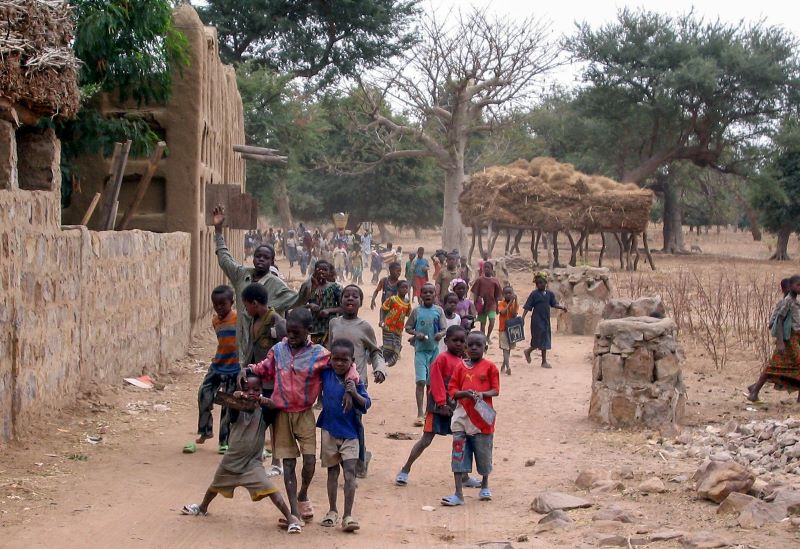
The United States Announces $39 Million in Aid for Zimbabwe

Aid for ZimbabweIn July of 2024, the United States Agency for International Development (USAID) announced more than $39 million of assistance for Zimbabwe in the face of extreme food insecurity. The landlocked African country has encountered increasing rates of food insecurity following poor weather and droughts. These weather patterns have increased food insecurity in Zimbabwe and impacted the nation’s economy and agricultural infrastructure. Foreign assistance from organizations such as USAID can often make all the difference in the developing world. Here is what you need to know about U.S. foreign aid for Zimbabwe.

Weather Patterns Exacerbate Suffering in Zimbabwe

The Global Hunger Index has identified severe food insecurity in Zimbabwe that has only worsened with persistent droughts. Considering the existing food insecurity in the country, the El Niño weather patterns and the subsequent droughts plaguing sub-Saharan countries have worsened an already severe situation of food insecurity in Zimbabwe. Throughout the 2024 October-May agricultural season, around 80% of Zimbabwe received reduced rainfall, which resulted in the loss of almost 70% of crops across the country. Consequently, the Government of Zimbabwe has predicted that around 6 million citizens will require food assistance in the coming months.

Additionally, hits to the agricultural sector have numerous implications for Zimbabweans’ economy and general livelihoods. Thus, changes in weather patterns imply more than just elevated rates of food insecurity; they can also have resounding impacts across multiple sectors of the country’s infrastructure. The International Trade Administration (ITA), a subsection of the United States Department of Commerce, addresses the importance of the agricultural sector for Zimbabwe’s economy by stating that “Zimbabwe’s economic growth potential largely depends on developments in its agricultural sector.” The farming industry in the country is responsible for millions of jobs, 30% of export earnings, 15% of the country’s gross domestic product (GDP) and the livelihoods of more than 60% of the population of Zimbabwe heavily rely on the success 

USAID’s Plan for Improvement

USAID recognizes agriculture’s critical role in the economy of Zimbabwe and has prioritized foreign aid to the nation for many years. Most recently, USAID announced $39 million in aid to help Zimbabwe address the impacts of weather change on its agriculture, bringing the total foreign assistance for the 2024 fiscal year to $62 million. In 2019 and 2020, USAID provided $86.9 million to combat food insecurity caused by droughts during the 2019-2020 agricultural season.

With the recently announced $39 million in aid from USAID, humanitarian partners will have the funding to support more than 500,000 severely food-insecure people during the 2024/2025 lean season. USAID partners provide food assistance in response to drought impacts, distribute supplies and livestock and improve water quality and sanitation for both consumption and agriculture, making a significant difference for thousands of Zimbabweans facing extreme food insecurity.

Final Note

Zimbabwe has frequently faced severe food insecurity due to its heavy reliance on agriculture for sustenance and economic stability. Weather changes have significantly disrupted everyday life in recent years, prompting USAID to provide critical funding to support the country’s humanitarian partners. In 2018 and 2019, droughts caused substantial crop losses during the agricultural season, leading to similar nationwide consequences as those seen in the 2023-2024 season. These recurring weather patterns have exacerbated Zimbabwe’s vulnerability to food insecurity, underscoring the ongoing need for support from USAID and other foreign aid initiatives.

– Juliana Granville

Juliana is based in Brooklyn, NY, USA and focuses on Good News and Politics for The Borgen Project.

Photo: Flickr
August 31, 2024
https://borgenproject.org/wp-content/uploads/borgen-project-logo.svg 0 0 Hemant Gupta https://borgenproject.org/wp-content/uploads/borgen-project-logo.svg Hemant Gupta2024-08-31 07:30:222024-08-31 02:21:02The United States Announces $39 Million in Aid for Zimbabwe
Global Poverty, Technology, Women's Empowerment

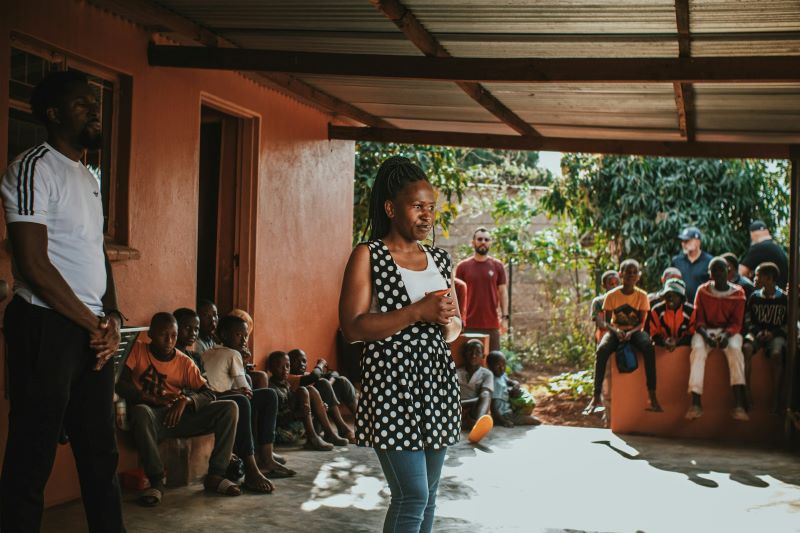
Second Round of Women in the Digital Economy Fund

Women in the Digital Economy FundAn estimated 1.1 billion women in low- and middle-income households lack access to mobile internet. In response, the Women in the Digital Economy Fund (WiDEF), a program funded by the United States Agency for International Development (USAID) and the Bill & Melinda Gates Foundation, has committed to improving women’s access to digital technologies and teaching digital literacy strategies.

Launched in March 2023, the first round of WiDEF initiatives focused on funding local organizations to support women in nearby communities on a more personal level. The newly released second round is aimed at the private sector. The gender digital divide significantly hampers global economic progress, limiting an entire market of consumers and producers due to longstanding gender inequality.

Establishment of the Women in the Digital Economy Fund

Though WiCEF is a relatively new program, announced less than two years ago, it has already shown significant success in advancing digital education at both individual and community levels. USAID has committed more than $50 million in funding as part of its advocacy for gender equality, while the Gates Foundation has added $10 million to support the initiative. As part of its budget, WiCEF ensures that more than half of its funding is dedicated to improving digital opportunities in Africa, where some of the world’s largest mobile internet gender gaps exist.

With a focus on addressing gender disparities, WiCEF continuously researches the best ways to introduce gender-equitable digital solutions, prioritizing women-led and women-oriented innovations and products. Each selected candidate receives between $50,000 and $150,000 in digital support.

Overarching Goals and Initiatives

USAID highlights five core outcomes of its WiCEF program:

  1. Access and Affordability: Ensuring digital devices and internet-enabled services are affordable, sustainable and accessible for diverse communities of women.
  2. Relevant Products and Tools: Designing and providing women access to digital products and tools, including smartphones and other mobile technologies, that can contribute to income-generation purposes
  3. Literacy and Skills: Enhancing women’s digital skills and literacy to help them participate meaningfully in the digital economy and other digital spaces.
  4. Safety and Security: Addressing technology-facilitated gender-based violence while promoting digital user protection.
  5. Data and Insights: Leveraging sex-disaggregated data to identify social barriers that cause disparities in technology use and to inform the development of more gender-equitable programs.

Consequences of the Gender Digital Divide

Samantha Power, Administrator of USAID, highlighted that the gender digital divide “hinders developmental progress… ingraining existing inequities into the fabric of societies of the future,” emphasizing the deepening of gender inequalities in the digital age. Access to digital technologies, along with the tools to navigate them, has become a privilege many women are denied, further exacerbating economic, political and social disparities. The International Telecommunication Union (ITU) estimates that there are approximately 244 million more men than women using the Internet as of 2023, a statistic that will only increase if not addressed adequately in the following years.

The lack of digital education for women has additionally inhibited economic growth, specifically for developing nations, with the Global Digital Inclusion Partnership approximating that countries have lost more than $1 trillion in gross domestic product (GDP) from female exclusion in the digital world. Closing the gender digital divide—the overarching goal uptaken by WiCEF—will deliver around $700 billion in GDP growth while generating up to 64 million new jobs for women in the next five years.

Opening of Second Round of Applicants

The opening of the second round of applicants for WiCEF will only further the work of USAID and the Gates Foundation on an economic scale, now expanding technical assistance into private sector enterprises. Businesses across developing nations aiming to close the gender digital divide will now have access to tools for effective research and evaluation, with data-driven feedback to assess their usage of products among women. Additionally, WiCEF provides education on user design, product adaptation and business modeling, strengthening the foundation of these companies and the women impacted by them.

– Eileen Lincoln

Eileen is based in Oakton, VA, USAs and focuses on Technology and Solutions for The Borgen Project.

Photo: Flickr
August 29, 2024
https://borgenproject.org/wp-content/uploads/borgen-project-logo.svg 0 0 Hemant Gupta https://borgenproject.org/wp-content/uploads/borgen-project-logo.svg Hemant Gupta2024-08-29 03:00:482024-08-29 02:03:09Second Round of Women in the Digital Economy Fund
Disease, Global Poverty, Health

A Look at Malaria in Ghana

Malaria in GhanaGhana is located in Western Africa and sits on the Gulf of Guinea. It boasts a fairly high gross domestic product (GDP) per capita, at $2,203. Nearby countries, such as its neighbor Togo, sit at $942. Despite the high income, the nation is suffering one of its largest economic crises, marked by rampant inflation.

As a result, poverty is widespread, affecting approximately 24% of its 33.48 million residents. This translates to around 8 million people living below the poverty line. Many of these individuals face significant hardships, including health challenges. Malaria, in particular, has been a persistent and severe issue for Ghana.

What Is Malaria?

Malaria is a parasitic disease transmitted through the bites of female Anopheles mosquitoes. It is caused by five types of parasites, with Plasmodium falciparum and Plasmodium vivax being the most severe. While malaria is found in various regions globally, it is most prevalent in sub-Saharan Africa, including Ghana.

In 2022, 94% of malaria cases occurred in sub-Saharan Africa. Although malaria is both preventable and curable, it is a serious and rapidly progressing disease that requires prompt treatment. Ensuring those at risk have continuous access to necessary care is crucial for combating this dangerous illness.

How Does Malaria Impact Ghana?

In 2022, Africa experienced a massive malaria outbreak, with approximately 249 million cases and more than 608,000 deaths reported. Ghana alone recorded 5.3 million cases and 11,557 deaths. Although the outbreak has subsided, Ghana’s vulnerable health care system, which receives only 4% of the country’s GDP in funding, remains at risk for future malaria outbreaks.

With little spending on health care, Ghana’s system is weak, making it challenging for many citizens to access efficient care. Coupled with widespread poverty, affording medications is a struggle for many. Although a national health care insurance program exists, about 48% of the population is not enrolled. The combination of a weak health care system and a significant amount of people in poverty means that the country stands at a higher risk of outbreaks and infections.

What Is Being Done?

The World Health Organization (WHO) has collaborated with Ghana to combat malaria, achieving significant progress. Notably, they facilitated the distribution of the world’s first malaria vaccine to 708,970 children nationwide. Furthermore, WHO introduced the National Malaria Strategic Elimination Plan to eradicate malaria in Ghana.

In addition to WHO, other organizations are actively combating malaria in Ghana. The United States Agency for International Development (USAID), in collaboration with the United States (U.S.) Centers for Disease Control and Prevention (CDC), has made significant contributions. They have distributed insecticides nationwide to protect against mosquito bites, provided malaria chemoprevention to more than one million children and delivered approximately 2.8 million doses of preventive medicine.

Final Note on Malaria in Ghana

Ghana continues to face significant challenges, including persistent poverty and various systemic issues. However, the efforts of WHO and USAID have yielded positive results. The country’s health system is gradually improving and receiving increased government funding. While eradicating poverty in Ghana will be a lengthy process, eliminating malaria will undoubtedly enhance the quality of life for many, especially those living in poverty.

– Tyra Brantly

Tyra is based in Los Angeles, CA, USA and focuses on Global Health for The Borgen Project.

Photo: Flickr

August 19, 2024
https://borgenproject.org/wp-content/uploads/borgen-project-logo.svg 0 0 Hemant Gupta https://borgenproject.org/wp-content/uploads/borgen-project-logo.svg Hemant Gupta2024-08-19 07:30:132024-08-19 04:14:53A Look at Malaria in Ghana
Page 7 of 92«‹56789›»

Get Smarter

  • Global Poverty 101
  • Global Poverty… The Good News
  • Global Poverty & U.S. Jobs
  • Global Poverty and National Security
  • Innovative Solutions to Poverty
  • Global Poverty & Aid FAQ’s
Search Search

Take Action

  • Call Congress
  • Email Congress
  • Donate
  • 30 Ways to Help
  • Volunteer Ops
  • Internships
  • Courses & Certificates
  • The Podcast
Borgen Project

“The Borgen Project is an incredible nonprofit organization that is addressing poverty and hunger and working towards ending them.”

-The Huffington Post

Inside The Borgen Project

  • Contact
  • About
  • Financials
  • President
  • Board of Directors
  • Board of Advisors

International Links

  • UK Email Parliament
  • UK Donate
  • Canada Email Parliament

Get Smarter

  • Global Poverty 101
  • Global Poverty… The Good News
  • Global Poverty & U.S. Jobs
  • Global Poverty and National Security
  • Innovative Solutions to Poverty
  • Global Poverty & Aid FAQ’s

Ways to Help

  • Call Congress
  • Email Congress
  • Donate
  • 30 Ways to Help
  • Volunteer Ops
  • Internships
  • Courses & Certificates
  • The Podcast
Scroll to top Scroll to top Scroll to top