• Link to X
  • Link to Facebook
  • Link to Instagram
  • Link to TikTok
  • Link to Youtube
  • About
    • About Us
      • President
      • Board of Directors
      • Board of Advisors
      • Financials
      • Our Methodology
      • Success Tracker
      • Contact
  • Act Now
    • 30 Ways to Help
      • Email Congress
      • Call Congress
      • Volunteer
      • Courses & Certificates
      • Be a Donor
    • Internships
      • In-Office Internships
      • Remote Internships
    • Legislation
      • Politics 101
  • The Blog
  • The Podcast
  • Magazine
  • Donate
  • Click to open the search input field Click to open the search input field Search
  • Menu Menu

Tag Archive for: USAID

Information and news about mobile technology

Posts

Aid, Global Poverty, Nonprofit Organizations and NGOs

CARE: Addressing the Crisis in Venezuela

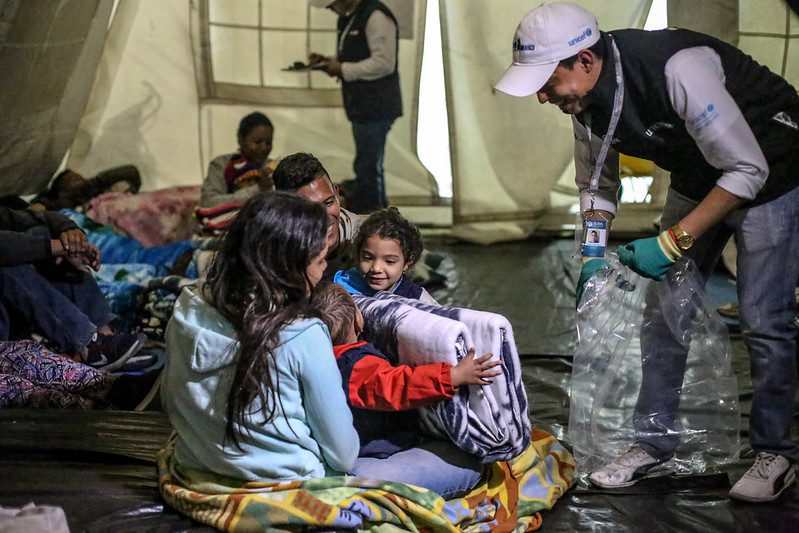
CARE: An Organization Addressing the Crisis in VenezuelaIn just a decade, more than 7.7 million people have fled their homes due to the crisis in Venezuela, marking it as one of the largest exoduses in recent Latin American history and one of the largest displacements worldwide. The country struggles with three simultaneous crises: a massive exodus, escalating humanitarian emergencies and intensified crackdowns on government dissent.

Economic Decline

Venezuela, home to the world’s largest oil reserves, has become highly dependent on its fossil fuel income since the discovery, evolving into what is known as a petrostate. As the nation’s reliance on oil increased, political power concentrated increasingly in the hands of an elite minority, which weakened political institutions and led to widespread corruption. However, starting in 2014, oil production began to decline due to inadequate investment and maintenance. Between 2014 and 2021, Venezuela’s Gross Domestic Product shrank by three-quarters, leading to severe economic distress.

CARE’s Involvement in Crisis Management

Since 1945, CARE, a nonprofit organization, has been actively working to address the crisis in Venezuela at a local level and build lasting institutions that support Venezuelan citizens and refugees. Operating in 109 countries, CARE has implemented more than 1,600 development projects aimed at fighting poverty. As of 2024, its work has reached 167 million people. CARE focuses on creating and funding long-term development projects that aim to reduce poverty, rather than merely alleviating immediate needs.

CARE focuses on six main issues: crisis, food and water, health, education and work, climate and equality. The organization addresses these issues through advocacy, innovation, women’s economic justice, strengthening social systems and enhancing local partnerships. In crisis response, CARE aims to deliver gender-focused and localized humanitarian assistance to 10% of people affected by major crises by 2030, impacting at least 50 million people. In Venezuela, CARE is actively implementing crisis response programs to support citizens and refugees affected by the humanitarian crisis.

Regional Refugee Support and CARE’s Response

The crisis in Venezuela has forced approximately 20% of the country’s population to become refugees, with CARE heavily focusing on providing aid to these individuals in surrounding countries. Most Venezuelan refugees find themselves in Colombia, Ecuador and Peru. However, Ecuador curtailed its influx of refugees in 2019 by requiring entry visas from Venezuelan citizens, whereas Colombia has welcomed nearly 1.7 million Venezuelan refugees. Since 2018, CARE has expanded its operations in Latin America, specifically in Ecuador, Colombia and southern Venezuela, to respond to this mass exodus.

CARE offers cash vouchers for food and accommodation, transportation tickets, phone SIM cards and sanitary kits for women. In Colombia, new arrivals also receive legal counseling and information services through CARE. Nearly one million Venezuelans have fled to Peru, where CARE provides food and cash assistance and refurbishes shelters and health clinics. Additionally, CARE collaborates with local partners and leverages international support to help refugee host countries promote long-term integration. This includes providing education, health services, social protection, legal advice and entrepreneurship opportunities.

CARE’s Community and Gender-Specific Initiatives

In Venezuela, CARE organizes awareness campaigns and activities to combat gender-based violence and is initiating efforts to address child malnutrition in Caracas. Currently, CARE operates in Caracas and Miranda, collaborating with intervention partners to support vulnerable families, female-headed households, families with children under 5 and the elderly. It provides water, sanitation, hygiene, food and nutrition security, shelter, sexual and reproductive health education and cash voucher assistance. In all its programs, CARE aims to engage 30% of the community to foster social cohesion.

CARE allocates 90% of its expenses to fund programs like those addressing the crisis in Venezuela, but it has only raised 54% of the funds needed to assist everyone currently in crisis. Spreading these funds across all the countries it serves means that many projects cannot reach everyone it aims to help. CARE encourages people not only to donate but also to speak out about these issues. It provides resources where people can help, attend awareness and fundraising events, organize local events and stay connected with the CARE community.

Looking Ahead

The ongoing crisis in Venezuela has resulted in the displacement of millions and severe humanitarian challenges. CARE continues to play a vital role in supporting Venezuelan refugees and citizens, providing essential services like food, shelter and legal assistance across Latin America. Despite limited funding, CARE remains committed to addressing the crisis, emphasizing the importance of community engagement and gender-specific initiatives to foster long-term recovery and stability.

– Anna Thibodeau

Anna is based in Omaha, NE, USA and focuses on Good News for The Borgen Project.

Photo: Flickr
August 18, 2024
https://borgenproject.org/wp-content/uploads/borgen-project-logo.svg 0 0 Precious Sheidu https://borgenproject.org/wp-content/uploads/borgen-project-logo.svg Precious Sheidu2024-08-18 01:30:322024-08-17 10:33:55CARE: Addressing the Crisis in Venezuela
Global Poverty, Human Rights, Human Trafficking

Anirban Helping Trafficking Survivors in Bangladesh

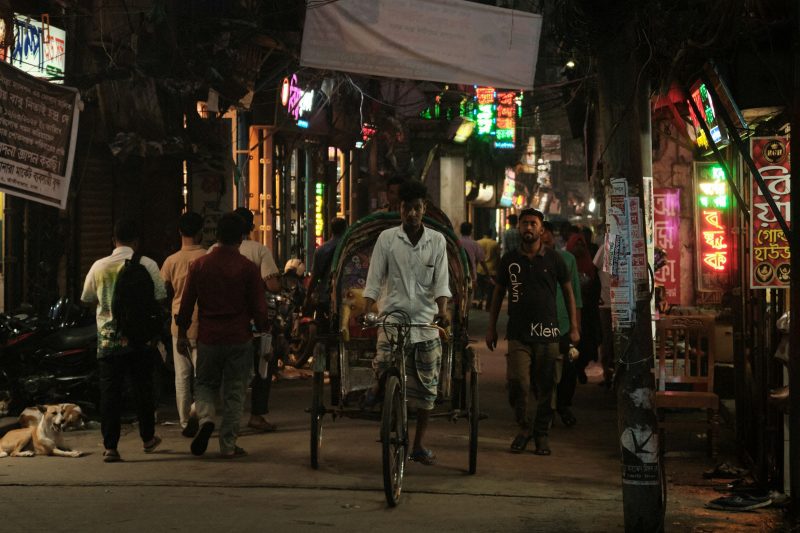
Trafficking Survivors in BangladeshBangladesh is the sixth largest migrant-sending country. Bangladeshi workers migrate to India, Maldives, the Middle East, Pakistan and Southeast Asian countries such as Indonesia, Malaysia and Thailand. Migrant workers from Bangladesh consist of low or unskilled workers. Middlemen and private recruitment agencies arrange for the migration process. Bangladeshi workers are subject to high migration fees and repay loans obtained from recruiters. This forces them to overstay visas and makes them vulnerable to trafficking, according to the U.S. Department of State.

Trafficking in Bangladesh

Women and children can be subject to recruitment fraud. Traffickers promise jobs to these vulnerable groups and exploit them in sex trafficking upon arrival at the location. According to the U.S. Department of State, 40% of Bangladeshi children become victims of sex trafficking victims and face exploitation abroad. Men are subject to forced labor. Forms of labor exploitation include discrepancies in wages or work hours, low or unpaid wages and fraudulent contracts. The U.S. Department of State report has shown passport retention, physical abuse and death due to inadequate protections in working environments.

The reason why these groups of people become vulnerable to exploitation stems from debt-based coercion, absence of adequate legal protection, lack of formal contracts and homelessness. Children become subject to hazardous forms of child labour and serve as collateral for their parents’ loans. Traffickers tempt rural people with alleged good employment opportunities and ultimately become victims of exploitation, the U.S. Department of State reports.

Helping Trafficking Survivors in Bangladesh

Anirban (the flame that never dies), is Bangladesh’s first trafficking survivors’ group. Founded in 2011 with the help of Winrock International, an NGO based in the United States, and USAID, Anirban continues to actively advocate for the rights of trafficking survivors in Bangladesh. Survivors manage Anirban groups and take the lead in helping other trafficking survivors in Bangladesh to build self-confidence and identity. Under the USAID Fight Slavery and Trafficking activity (2021-2026), Winrock International has supported them to become a nationally registered, self-sustaining organization that continues to advocate for the needs of these survivors.

Anirban groups work toward changing public perception of these trafficking survivors in Bangladesh, especially the stigmatization of trafficked people as victims. Sessions and meetings take place in schools with civil society organizations, journalists, the local government and survivors. The main agenda for these sessions is to promote human rights, women’s rights and “safe migration days” for the people, according to Winrock International.

The Flame That Never Dies

Saiful Islam’s story continues to inspire many individuals. An active member at Anirban, Saiful uses his experience as a cautionary tale to spread awareness of the hardships of migrants. Due to being unable to find a job and subsequently being unable to support his family and falling victim to poverty, Saiful began looking for jobs abroad. He comes across a job in Singapore with a two-year contract and a monthly salary of $1,600, Winrock International reports.

The recruiters receive a lump sum amount from Saiful to emigrate to Singapore. Saiful experiences severe hardships in Singapore. He does not secure a published job, does not receive his salary and faces threats. It is only after one year abroad he can return to Bangladesh. Saiful’s woes do not end. He no longer has a job, has lost his family property and has no money.

Through the support from the Bangladesh Counter Trafficking-in-Persons project, funded by USAID and implemented by Winrock International, he was able to get back on his feet. As a member of Anirban, he conducts outreach efforts and spreads awareness about the risks of child marriage and its illegality in Bangladesh. In cases where families are in entanglements with traffickers or suspected traffickers, Saiful guides these communities to develop practical alternatives and solutions. He emphasizes the importance of education and helps trafficking survivors in Bangladesh with social and support programs. Saiful is a beacon of hope for the trafficking survivors in Bangladesh. He uses his funds to support migrants in Bangladesh. With Saiful’s funds, he has been able to help 13 vulnerable families and uplift them from having the same plight as himself, according to Winrock International.

Looking Forward

The work of Anirban continues to be exemplary. The focus on participatory action research ensures addressing the needs of victims of child marriage and human trafficking. The continuous promotion and conversation on safe migration and survivor reintegration within these communities contribute to an effective bottom-up systemic change. Survivor networks have been effective in leading changes in local conditions such as poverty, which drive vulnerable groups to the risk of exploitation.

– Caren Thomas

Caren is based in Dubai, United Arab Emirates and focuses on Good News and Technology for The Borgen Project.

Photo: Unsplash

August 17, 2024
https://borgenproject.org/wp-content/uploads/borgen-project-logo.svg 0 0 Naida Jahic https://borgenproject.org/wp-content/uploads/borgen-project-logo.svg Naida Jahic2024-08-17 01:30:012024-08-16 11:21:40Anirban Helping Trafficking Survivors in Bangladesh
Agriculture, Aid, Global Poverty

Food Insecurity in Ghana: Challenges and Progress

Food Insecurity in Ghana: Challenges and Progress Ghana, located in West Africa and home to more than 30 million people, is known for its traditional rain-fed agriculture. The country features both rural and urban areas stretching from the north to the south, where farmers, including those on the world’s second-largest cocoa farms, produce a variety of products. Unfortunately, food insecurity is rising again as farmers contend with inflation and an unstable climate. While Ghana has made significant progress in reducing malnutrition and hunger over the past 20 years, famine and inflation continue to pose ongoing challenges.

Advancements and Obstacles

Recovery from COVID-19 and its economic impacts continues, as the pandemic significantly stalled growth in Ghana. The country has set a goal to restore stability after experiencing fluctuations in economic development due to inflation and hunger. In 2023, inflation rates notably decreased from 53.4% in Jan. to 23.2% in Dec. However, consistent progress slowed at the beginning of 2024 as inflation began to rise again. This resurgence has led to higher prices for imported goods and a sharp decline in crop production in rural areas.

Information about food security in Ghana became public when several organizations, including the Cadre Harmonisé, conducted assessments and released important findings. In 2023, they estimated that 1.45 million people struggled with hunger and malnutrition from March to May. Analysts initially expected this number to decrease to around 1.3 million from June to Aug. 2023. Contrary to these expectations, the most recent estimates indicate that about 2.2 million people will remain food insecure from June to Aug. 2024.

A report from the World Food Program Country Brief, released in March 2024, estimated that more than one million people in Ghana could face food insecurity between June and Aug. Although these figures represent a decrease from the 2.2 million reported in Nov. 2023, the situation continues to burden farmers who depend heavily on agriculture for their livelihood. Despite improvements in growth and development, food insecurity persists, especially among families in rural areas. Organizations like the World Food Programme (WFP) are working to create a world free from famine.

The World Food Programme

Focused on “saving lives, changing lives,” the World Food Programme (WFP) operates in more than 120 countries, including Ghana, with the goal of achieving “a world with zero hunger.” WFP has assisted many individuals in need and is the largest provider of cash assistance in the humanitarian community. The organization collaborates with partners who share the same goals of increasing food availability and ensuring fair prices for all, such as the Ministry of Food and Agriculture.

Since 1963, the WFP has collaborated with the Ghanaian government to focus on food security, particularly through advocacy for effective food standards via Ghana’s School Feeding Programme. In 2023, WFP helped more than 36,000 people by providing direct cash assistance to address challenges like high food prices. Additionally, WFP works with the government and private sectors to enhance school facilities and has established approximately 150 savings groups to teach digital financial skills. In collaboration with USAID, WFP also supported 17,000 farmers with $5 million in mobile money.

The WFP plays a crucial role in assisting those in need and advocating for a stronger foundation in food security in Ghana. Additionally, the organization disseminates reports and national briefs to keep the public informed about ongoing developments and the success of various efforts.

Moving Forward

The WFP continues its efforts to improve conditions for families in Ghana. According to the WFP Ghana Country Strategic Plan for 2024 to 2028, the organization aims to eradicate poverty by 2028. WFP outlines this goal by detailing key outcomes such as improving nutrition and establishing stable food systems for all. Although food insecurity levels fluctuate, ongoing support plays a crucial role in combating hunger in Ghana.

– Savannah Garza

Savannah is based in New York, NY and focuses on Good News and Global Health for The Borgen Project.

Photo: Flickr

August 16, 2024
https://borgenproject.org/wp-content/uploads/borgen-project-logo.svg 0 0 Precious Sheidu https://borgenproject.org/wp-content/uploads/borgen-project-logo.svg Precious Sheidu2024-08-16 03:00:232024-08-16 01:52:03Food Insecurity in Ghana: Challenges and Progress
Global Health, Global Poverty, Women and Children

USAID and Maternal Mortality in Ethiopia

 USAID and Maternal Mortality in Ethiopia Across the developing world, the health of mothers and the risks of childbirth remain a difficult challenge. Developing nations experience a lack of modern health care centers, inaccessible medical training, diseases that the developed world has eradicated and food insecurity, among other hindrances to healthy pregnancies and deliveries. Despite recent improvements, Ethiopia continues to experience these difficulties. It is for this reason that the United States Agency for International Development (USAID) has built up various programs that work to improve the health of mothers and reduce maternal mortality in Ethiopia. 

The Situation

In the last 20 years, the number of mothers who die from childbirth in Ethiopia has dropped from 29,600 mothers in 2002 to about 10,000 in 2020. Likewise, maternal mortality measures such as the maternal mortality ratio (number of mothers who die from pregnancy-related causes per 100,000 live births) have more than halved in the last two decades. Currently, there are 401 deaths per 100,000 live births in Ethiopia. Despite these levels remaining high in comparison with developed nations, which experience just 24 deaths per 100,000 live births, these improvements are extremely significant. In addition to the work of the Ethiopian government and other NGOs and nonprofits working across the country, USAID has made major contributions to improve maternal mortality in Ethiopia. 

Health Care Worker Program

An aspect of the discussion surrounding maternal mortality in Ethiopia is the state of health care across the country. Currently, there is a global median of 48.6 health care workers per 10,000 people. Ethiopia only has 9.2 workers per 10,000 people. These numbers indicate a stark shortage of health care workers, which has serious implications for expectant mothers and birthing women. When there are so few health care workers, it is impossible to ensure that pregnant people receive antenatal care, access a sterile birthing facility or receive quality health care during and after labor.

In response to the ongoing situation, USAID has built up two programs in Ethiopia, known as USAID’s Transform Primary Health Care and Transform Health in Developing Regions projects. These projects focus on underserved areas of Ethiopia to expand basic health care needs, strengthen the abilities of health care workers and provide support for health care programs through planning, budgeting and managing. This program is a major source of aid in rural parts of the country, where women experiencing pregnancy and childbirth are at an increased risk of maternal mortality. 

Preventable Disease Programs

Another important aspect of maternal health is infant and child health. Currently, 24% of all preventable deaths in Ethiopia are women and children. It is for this reason that USAID intervenes in Ethiopia with various vaccination and nutrition programs for both mothers and children. In 2023, USAID reached three million to provide mosquito nets, 62% of births measured received DTP3 immunizations before age 1 and nearly 700,000 women gave birth in a sterile U.S.-funded facility. USAID also funds the Core Group Polio Project to improve vaccination (namely in rural areas), provide outbreak response and eventually eradicate polio from Ethiopia. These programs do the vital work of avoiding preventable deaths in not only mothers across Ethiopia but also their young children.

Nutrition Program

A key aspect of both maternal and child health is nutrition. Nutrition is an extremely difficult obstacle to overcome in a country like Ethiopia, where droughts, conflict and extreme poverty are constant challenges. For this reason, USAID works through its Feed the Future Growth through Nutrition Program to boost the nutrition of pregnant women, mothers, infants and young children. This program focuses on education programs that ensure good nutrition via nutrient and vitamin-rich foods are household staples. With only 11% of the USAID budget for maternal health in Ethiopia, this program reached 6.1 million children under 5 in 2023 alone. Despite difficulties in ensuring good nutrition which impacts the health of mothers and children, USAID has put in important work to improve the health of mothers and therefore lower maternal mortality in Ethiopia. 

Looking Ahead

Maternal mortality remains a critical challenge in the developing world and Ethiopia is no exception. However, organizations like USAID are making significant strides in creating a safer environment for mothers. Their efforts are crucial in improving health care, reducing preventable diseases and enhancing nutrition.

– Carlie Duggan

Carlie is based in Newtown, PA, USA and focuses on Global Health for The Borgen Project.

Photo: Flickr

August 16, 2024
https://borgenproject.org/wp-content/uploads/borgen-project-logo.svg 0 0 Precious Sheidu https://borgenproject.org/wp-content/uploads/borgen-project-logo.svg Precious Sheidu2024-08-16 01:30:472024-08-15 12:58:47USAID and Maternal Mortality in Ethiopia
Developing Countries, Development, Global Poverty

Everything You Need to Know about Health Care in Bangladesh

Health Care in BangladeshAs of March 2024, Bangladesh has committed to transforming into a Smart-Bangladesh High-Income Country by 2041, with health care identified as a key priority in this plan. A collaboration between the World Health Organization (WHO) and the Bangladeshi government has been established to advance health care. As of 2022, Bangladesh had only 13 doctors, nurses and midwives per 10,000 people, compared to the global median of 49. This partnership aims to improve these figures and enhance health care access for millions.

Life Expectancy in Bangladesh

Life expectancy in Bangladesh has increased significantly, from 65.6 years in 2000 to 73.1 years in 2021. This compares favorably to Southeast Asia’s overall life expectancy, which rose by 5.01 years from 63.4 years to 68.4 years in the same period. Bangladesh has improved the accessibility of health care, but there is more to be done.

Smiling Sun Clinics 

Smiling Sun Clinics has been a prominent part of health care in Bangladesh since 1997. It is the world’s largest nongovernmental organization (NGO) network of maternal and child health clinics globally. The NGO Health Services Delivery Project supports the Smiling Sun network, allowing millions of Bangladeshis to access health care. This network is composed of 25 NGOs and 399 clinics that are located in both urban and rural areas.

The services provided include emergency obstetric care and maternity care. More than 10,000 part-time clinics also operate and refer clients to full-time clinics if they believe more care is required. This allows community health workers to offer personal health care to their communities and helps to ensure universal health coverage.

The World Bank and USAID’s Roles in Health Care in Bangladesh

By 2025, one in every 10 people in Bangladesh will be 60 or older and this figure is expected to rise to one in five by 2050. In response, the World Bank organized a workshop in August 2023 to bring together health experts, stakeholders and policymakers. The goal is to foster progress in shaping health care to better address the needs of an aging population in Bangladesh.

Additionally, in August 2023, the World Bank approved $200 million to support primary health care in the country. This pledge benefited the Urban Health, Nutrition and Population Project, which will help 2.5 million children and provide 250,000 pregnant women with at least four antenatal checkups. Furthermore, in 2019, the United States Agency for International Development (USAID) programs in Bangladesh provided more than 46 million health service consultations. Technological improvements included developing solutions to detect deadly drug-resistant TB within two hours and digitizing national health information.

UNICEF’s Role

UNICEF’s immunization programs in Bangladesh have reached 3.5 million newborns with the Measles and rubella vaccine (MR1). Additionally, its nutrition interventions have improved the health and growth of countless children. The organization also helps strengthen health care infrastructure and train health workers to enhance service delivery for vulnerable populations.

– Amy Fox

Amy is based in Birmingham, UK and focuses on Good News and Global Health for The Borgen Project.

Photo: Flickr

August 14, 2024
https://borgenproject.org/wp-content/uploads/borgen-project-logo.svg 0 0 Hemant Gupta https://borgenproject.org/wp-content/uploads/borgen-project-logo.svg Hemant Gupta2024-08-14 07:30:272024-08-14 06:03:47Everything You Need to Know about Health Care in Bangladesh
Aid, Children, Global Poverty

Strengthening Children’s Education in Jordan

Education in JordanCurrently, 3.8 million children live in Jordan, and only 70% are actually Jordanian. Globally, Jordan holds the second highest number of refugees per capita, typically coming from Iraq, Sudan, Somalia, Yemen, and notably, Syria. Approximately 1.3 million Syrian refugees reside in Jordan. According to UNICEF, 97% of children in Jordan attend school. While gender parity exists, the education system in Jordan is still ripe for improvement. Only 30% of second- and third-graders can fully comprehend what they are reading, which indicates subpar teaching quality. However, several initiatives are focusing on improving education in Jordan.

UNICEF Improving Education in Jordan

The strong partnership between UNICEF and the Jordanian Government has enabled 4,000 children with disabilities to enroll in public schools. In addition, UNICEF opened two more schools and provided 1,600 Ministry of Education teachers with specific training to teach students of all abilities.

Another outcome of the UNICEF and Jordanian Government’s collaboration is regarding kindergarten (KG). In Jordan, 87% of 3–4-year-olds do not attend KG 1 and 41% of 5-6-year-olds do not attend KG 2, which is concerningly low. Kindergarten education is fundamental to the rest of children’s educational careers. Without a strong foundation, continuing their education is a challenge. For this reason, the quality of preschools is being improved, and teachers are being provided better training. Besides that, UNICEF is opening classrooms in “refugee camps and community-based centres across Jordan,” increasing the number of children that can attend kindergarten, according to its website.

Drop Out and Catch Up Programs

Since November 2015, UNICEF has supported the Drop Out program, which helped 12,000 children (12 years old or younger) who have either never experienced or missed three or more years to return to school, according to its website. This propels children into their educational careers, opening more opportunities to build a future for themselves.

Similarly, since 2016, UNICEF has supported the Catch Up program, which has encouraged nearly 5,000 children, who have never attended or missed three and more years to return to school. Already, 1,700 children have officially returned and continue their educational careers, UNICEF reports.

Local Heroes

Locally, schools face the brunt of the refugee situation. In these dire times, local heroes have taken it upon themselves to lighten the situation. A prime example of this is Ms. Maha Al Ashqar, the principal of the Khawla Bint Tha’alaba Primary Girls’ School. At her school, she observed that “the Jordanian students already filled the school’s capacity.” However, this did not stop Syrian parents from reaching out and attempting to find a spot for their children.

Ms. Maha, seeing the desperation of Syrian families, struggling to find an education for their kids, agreed to allow these children in, so long as they bring a chair. She states that Syrian parents “did nothing wrong to lose the chance of educating their daughters,” believing everyone has the right to an education, regardless of their circumstances, USAID reports.

Now, the classrooms of Ms. Maha’s school are decorated with small, colorful chairs, brought in by Syrian refugee students. Each little chair represents the opportunity these children will have in the future, thanks to the education they are receiving.

– Lakshya Anand

Lakshya is based in Bellevue, WA, USA and focuses on Good News for The Borgen Project.

Photo: Flickr

August 13, 2024
https://borgenproject.org/wp-content/uploads/borgen-project-logo.svg 0 0 Naida Jahic https://borgenproject.org/wp-content/uploads/borgen-project-logo.svg Naida Jahic2024-08-13 01:30:222024-08-12 12:14:26Strengthening Children’s Education in Jordan
Global Poverty, Nonprofit Organizations and NGOs

The Fight to End Malnutrition in Ethiopia

The Fight to Better Malnutrition in EthiopiaMalnutrition has been a significant problem in Ethiopia, starting with the 1983 hunger shortage that left many without food and nutritional value. Then in the early 2020s, Ethiopia suffered from a severe drought which caused almost 6.8 million livestock to pass away. As a country that heavily depends on agriculture, drought has caused an increase in food insecurity and malnutrition, according to Disaster Philanthropy. Crop production also fell due to pests that roamed the farms, leading to a downfall in maize production from 25 million tons to more than four million tons. However, three organizations have currently been on the road to improving malnutrition in Ethiopia.

United Nations International Children’s Emergency Fund

The United Nations International Children’s Emergency Fund (UNICEF) has primarily been working with the government to resolve this issue. It supports the government’s nutrition program called the Health Extention Program which was developed in 2004. The main focus of this program is to increase awareness about nutrition actions in households, limit bacteria with vaccinations and promote healthy behaviors. In addition, it allows for family health services, putting the spotlight on helping adolescent nutrition. 

UNICEF also works with the pilot program that allows for a new innovative way of growing crops, which has been especially beneficial in preventing damage from sudden hits by natural disasters. Through this new method in hydroponic vegetable farming, malnutrition rates have gone down, especially for children. This practice allows farmers to grow food with little soil and water, perfect for situations of extreme drought. Not only did self-sufficiency increase through this process, allowing farmers to cultivate year-round, but it also has made farming practices sustainable, as this process promises generations of this usage.

United States Agency for International Development

The United States Agency for International Development (USAID) has accomplished many tasks involving increasing nutrition access. Feed the Future movement which aims to end world hunger is one of its most influential successes. This organization not only aims to increase the amount of agricultural produce, but it also seeks to increase wages earned through their produce to increase their income and buy products to lift them out of poverty. 

In Ethiopia specifically, there are three main steps that USAID and Feed the Future have been following to aid poverty. The three steps are as follows:

  1. Supporting sustainable agricultural growth with an increase in market accessibility, providing further job opportunities and creating a range of crops and cattle to make use of.
  2. Increasing the flexibility in agriculture by modernizing their system’s ability to adapt to new conditions, especially with natural disasters and also bettering the organization of different resources.
  3. Improving nutrition, particularly for the more vulnerable demographics like women and children, by implementing new ways to address and target specific malnutrition problems like providing financial literacy. 

Results for Development

Results for Development (R4D) is a global nonprofit that works with government officials and social leaders to create grand changes in health and nutrition. R4D has aimed to integrate wasting treatment into the health care routine of Ethiopia, especially when wasting has become one of the largest mortality causes for small children.

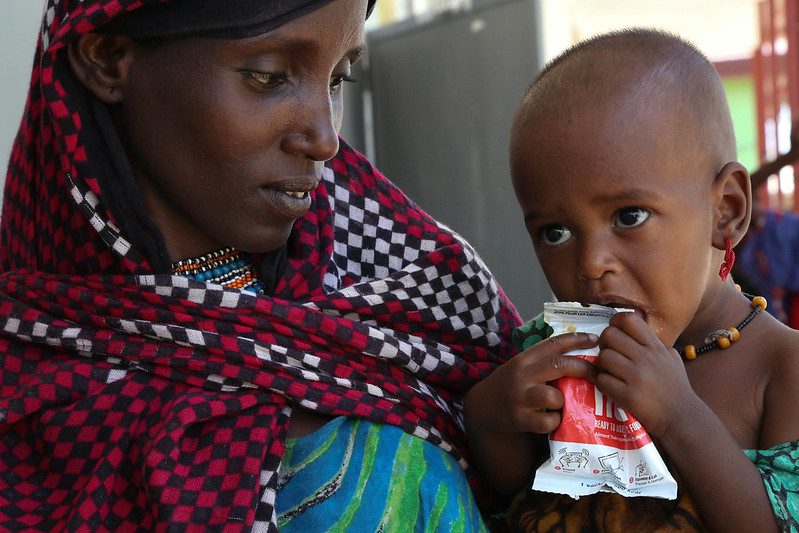
By incorporating ready-to-use therapeutic food (RUTF), R4D has begun to address the severe underweight problem caused by malnutrition. But even though this product is made with high quality and is cost-effective, it is not widely available to minorities. This issue is currently on the road to becoming resolved through market shaping which would introduce more access to RUTFs. Ethiopia is one of the countries that has access to this solution through R4D. This organization is looking to increase funding for RUTF to increase its presence in markets and create a set of cost-effective recipes. 

Looking Forward

Malnutrition is a heavily prevalent issue in Ethiopia, with more than 5 million children in Ethiopia suffering. However, through actions provided by these three organizations, UNICEF, USAID and R4D, malnutrition is on its way to being tackled in this country. 

– Linda Yoonseo Lee

Linda is based in Phoenix, AZ, USA and focuses on Good News for The Borgen Project.

Photo: Flickr

August 11, 2024
https://borgenproject.org/wp-content/uploads/borgen-project-logo.svg 0 0 Precious Sheidu https://borgenproject.org/wp-content/uploads/borgen-project-logo.svg Precious Sheidu2024-08-11 01:30:132024-08-10 14:02:02The Fight to End Malnutrition in Ethiopia
Child Labor, Child Poverty, Global Poverty

Child Poverty in Timor-Leste

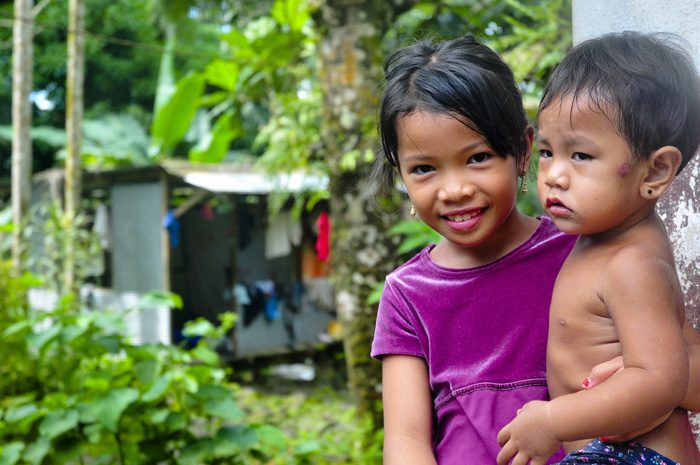
Child Poverty in Timor-LesteSince its independence in May 2002, Timor-Leste has made significant progress in expanding its economy and improving its standards of living through various efforts such as rebuilding public infrastructures and institutional frameworks. Today, Timor-Leste, with around 1.3 million people, is a peaceful nation. However, the aftermath of decades of conflicts and other factors like natural disasters persists, as shown by the poverty measure with the national poverty line. Though it has been on the decline, in 2024, 42% of families in Timor-Leste are living in poverty according to the United Nations. Among them, children are the most vulnerable group when it comes to poverty. Fortunately, some efforts are underway to eliminate child poverty in Timor-Leste.

Poverty

According to Timor-Leste’s own country-specific measurement of multidimensional poverty, young children have the highest multidimensional poverty rates, meaning that the children do not have enough access to quality education, health care and nutrition.

Education

According to UNICEF, only 20% of children who are of the age for preschool are enrolled in school and 70% of students in the first grade do not meet basic learning standards. Moreover, educational institutions face challenges due to insufficient necessities as well such as bathrooms and drinking water. 

To address this room for improvement, UNICEF has been working with the government to formalize quality standards for preschool and basic education and an Early Childhood Development Policy. Additionally, UNICEF also advocated for Youth and Sports and the Ministry of Education to establish the Basic Law of Education in 2008, the  National Policy Framework for Preschool Education in 2014, the Basic Education Law in 2010,  the WASH in Schools Guidelines in 2016 and the Inclusive Education Policy in 2017. These efforts for improvements in education and equity will contribute to a higher rate of quality education along with an increase in individual earnings. This will eventually contribute to solving poverty and increasing domestic product per capita in Timor-Leste.

Child Labor

Instead, many children in Timor-Leste work as child laborers to make a living for their families and to buy necessities. According to the United Nations, one child named Ano from Dili, the capital of Timor-Leste, spends nine hours daily selling popcorn and other snacks to subsidize his family’s income. This is not just a problem surrounding one child. UNICEF and ILO jointly announced in their report that around 10% of 5-12 aged children in Timor-Leste work to support their families.

The government of Timor-Leste acknowledged the issue of child labor by ratifying Convention No. 182, an international agreement in 1999, and the Convention on the Rights of the Child in 2003 with a goal of eliminating any form of child abuse. Other organizations such as UNICEF have also worked to advocate for child rights and eliminate child labor in Timor-Leste.

Nutrition

Food deficits and malnutrition are also problems in Timor-Leste. The World Food Programme (WFP) reported that around 47% of the children five years old and under are stunted and 8.6% of children are suffering from malnutrition. Additionally, 23% of women from age 15 to 49 are anemic, which means they do not have enough red blood cells needed to distribute oxygen to the body’s tissues.

To combat malnutrition, WFP has provided technical support to the government of Timor-Leste to produce fortified food filled with minerals and vitamins for vulnerable families. It has also developed an efficient supply chain management system to ensure that the food reaches households that need the most assistance. Subsequently, in 2022, WFP provided fortified rice to approximately 79,000 children in more than 400 schools in Timor-Leste  through a school program.

Health Care

Due to low access to health care systems, maternal and under-5 mortality rates are the highest in Southeast Asia. In terms of vaccination, a UNICEF report from 2016 indicated that only 49% of children (12-29 months) had obtained all of their vaccinations. Moreover, about 88% of health care facilities in Timor-Leste lack emergency care for women and newborns. These problems are mainly due to limited workforce, supply chains and public financing.

In order to save the lives of children by improving health care systems, many organizations and governments have carried out various efforts. USAID endeavors to expand health care across Timor-Leste and improve the support of infants, children and women. USAID assisted the Ministry of Health in facilitating health promotion sessions including hygiene and nutrition education for 11,317 people. UNICEF also seeks to strengthen health care worker networks and workforces in Timor-Leste along with advocacy for vaccination programs. By 2025, its goal is to increase the number of skilled health care professionals during birth from 55% to 70% and reach 150,000 people at health care promotion activities and health care facilities.

Looking Forward

It was a short period after Timor-Leste became a sovereign state in 2002. Since, there has been a continuous effort made by governments, various organizations and individuals to mitigate the problem of child poverty in Timor-Leste and improve the lives of children. When these collective actions worldwide support its long-lasting growth in Timor-Leste, child poverty in Timor-Leste will gradually decline with more children living the fulfilling lives they deserve. As Helen Keller said, “Until the great mass of the people shall be filled with the sense of responsibility for each other’s welfare, social justice can never be attained.”

– Sein Kim

Sein is based in Bellevue, WA, USA and focuses on Good News for The Borgen Project.

Photo: Flickr

August 6, 2024
https://borgenproject.org/wp-content/uploads/borgen-project-logo.svg 0 0 Jennifer Philipp https://borgenproject.org/wp-content/uploads/borgen-project-logo.svg Jennifer Philipp2024-08-06 01:30:342024-08-05 14:25:39Child Poverty in Timor-Leste
Africa, Aid, Global Poverty

USAID in the Sahel: Resilience and Security

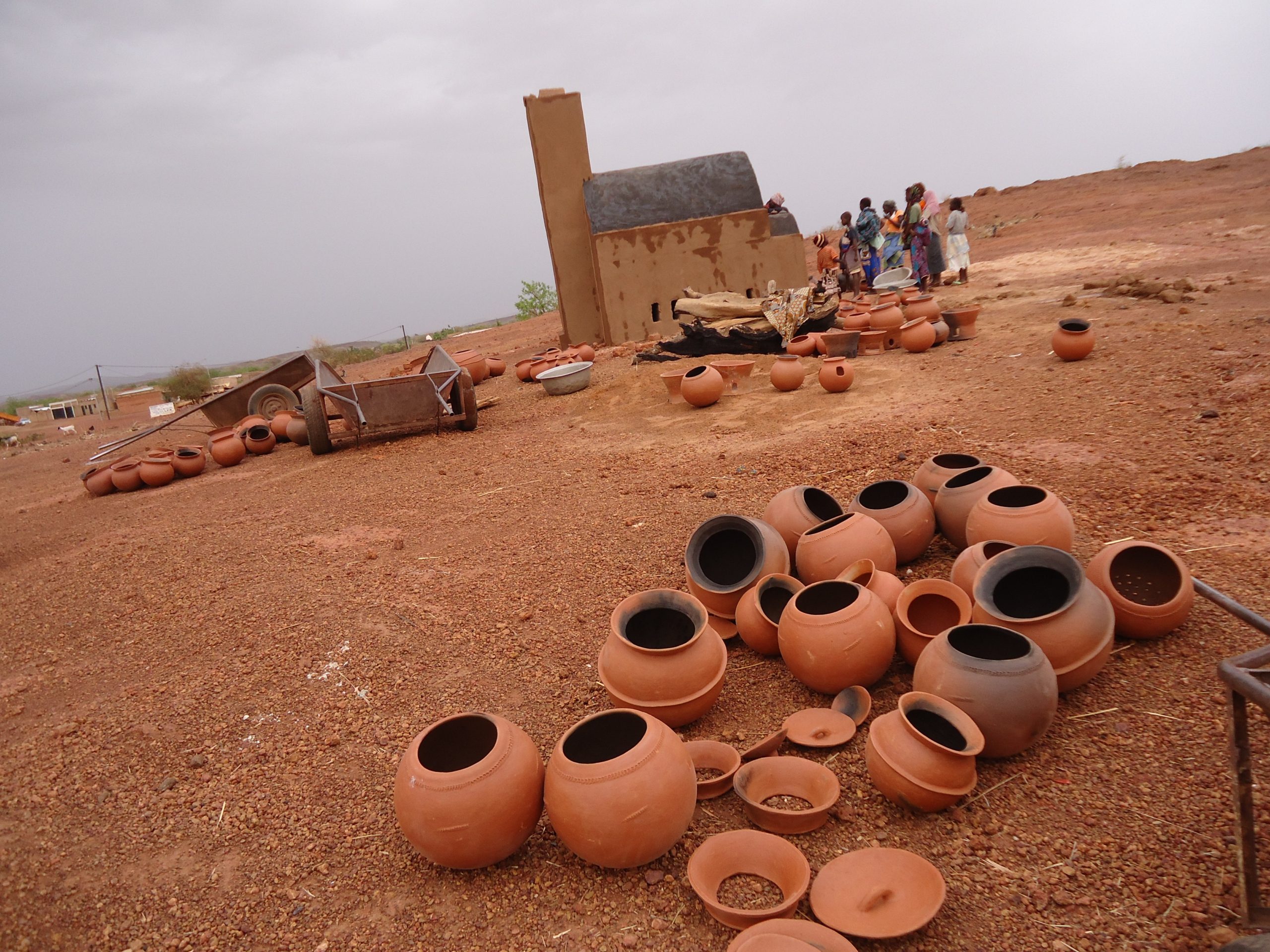
USAID in the SahelThe Sahel region is at a crossroads. Poverty, inadequate infrastructure, armed conflict and environmental challenges create recurrent humanitarian crises. USAID in the Sahel aims to reduce chronic vulnerability by alleviating systemic issues while promoting resilience against economic shocks, natural disasters and conflict.

Background

The World Bank estimates one-third of development funding is lost to disasters and crises. Resilience measures enhance coping mechanisms for hardships like natural disasters, terrorism and failed harvests.

Economic vulnerabilities and a growing youth unemployment fuel grievances and radicalization. It is now the epicenter of terrorism according to the Global Terrorism Index. The Sahel experienced 47% of global terrorism deaths in 2023. The UNOCHA estimates that 35 million people in the Sahel need humanitarian assistance.  11.6 million are food insecure, 2.2 million children suffer from severe acute malnutrition, 5.6 million people are internally displaced and 1.7 million refugees, according to the 2024 Humanitarian Programme Cycle.

The Sahel is exceptionally vulnerable to natural disasters; rising temperatures and droughts worsen already poor agricultural conditions. These factors and flawed farming practices increase desertification and soil erosion, leading to unsustainable economic approaches and shock vulnerability.

The Impact of USAID in the Sahel Region

Working with civil society, international partners and local government, USAID helps provide humanitarian and development support. In 2022, the Sahel Regional Office managed approximately $235 million for development activities and USAID’s Bureau for Humanitarian Assistance (BHA) allocated $857 million for humanitarian assistance.

According to the 2023 Sahel Regional Office Factsheet, that year, USAID funding in the Sahel:

  • Provided health care to 405,000 mothers and newborns. Furthermore, funding treated 146,000 child diarrhea cases and 450,000 childhood pneumonia cases in Burkina Faso.
  • Helped 1.2 million individuals access improved water facilities.
  • Helped manage 508,000 hectares of farmland and helped 320,000 individuals learn management practices in agriculture in Burkina Faso and Niger since 2020.
  • Assisted more than 170,000 food-insecure individuals in Mauritania
  • Provided critical food assistance to nearly 1.8 million people in 2022, built 70 shelters and provided health and kitchen supplies to nearly 7,000 displaced people in Chad.

USAID spent $2.392 billion total in the Sahel in 2023, and $1.154 billion so far in 2024 for food, health, agriculture and governance assistance.

USAID and Resilience Measures

USAID’s Resilience in the Sahel Enhanced (RISE) initiative focuses “on systemic solutions” that coordinate relief and development efforts with international donors “to support country-led plans.” RISE focused on agricultural opportunities and disaster management for chronically vulnerable households, according to a 2022 USAID report.

The program’s first stage disbursed $348 million and reached 1.9 million of the Sahel’s most vulnerable people in Burkina Faso and Niger. It mitigated the rise in food insecurity and the effects of shocks by expanding access to loans and insurance, educating people on risk and disaster preparedness and supporting social cohesion networks.

The RISE I program directly prevented one in five extremely vulnerable individuals from experiencing severe food insecurity. It mitigated the increase in food security between 2017 and 2020 to a rate of 2.9% compared to 16.5% in non-RISE areas. The program also mitigated the increase in moderate to severe food insecurity between 2017 and 2020 to an increase of 35.6% compared to 74.6% in non-RISE households.

RISE II, implemented from 2019 to 2025, focused on building resilience to economic, natural, conflict and health shocks in Burkina Faso and Niger. It secured $446.3 million in funding through 2023.

USAID in the Sahel supported economic well-being by improving access to financial services and market infrastructure. It strengthened governance through natural resource, risk and conflict management programs. USAID improved health by improving water access, nutrition, family planning and sanitation.

Security Interests

USAID in the Sahel aims to strengthen state legitimacy and curb terrorist groups and adversarial powers. However, international counter-terrorism support and regional leadership are failing. Several Sahelian countries recently experienced coups or attempted coups, including Russia-supported military regimes.

Weak infrastructural power catalyzes conflict. States cannot provide adequate social services or security, increasing local armed group influence. For example, Mali’s backing of ethnic militias and Burkina Faso’s reliance on less civil and accountable security forces created rivalries over resources and territory.

USAID in the Sahel reduces regional conflict by improving disaster reliance and addressing underlying causes of terrorism. USAID serves U.S. foreign interests by supporting regional partnerships and counter-terrorism efforts to maintain the U.S.’s presence.

Conclusion

USAID in the Sahel helped those living in extreme poverty mitigate economic and environmental risks. RISE targeted the systemic causes of poverty and promoted resilience to shocks caused by climate change, conflict and economic shifts.

The U.S. has ceded significant regional influence and failed to prevent coups and radical insurgent groups.  USAID recognizes the Sahel’s security-environment-poverty nexus and has made substantial, lasting impacts on people living in extreme poverty.

– Luke Ravetto

Luke is based in Boston, MA, USA and focuses on Politics for The Borgen Project.

Photo: Pxhere

July 28, 2024
https://borgenproject.org/wp-content/uploads/borgen-project-logo.svg 0 0 Jennifer Philipp https://borgenproject.org/wp-content/uploads/borgen-project-logo.svg Jennifer Philipp2024-07-28 07:30:192024-07-27 10:27:01USAID in the Sahel: Resilience and Security
Aid, Developing Countries, Global Poverty

USAID in the Central African Republic

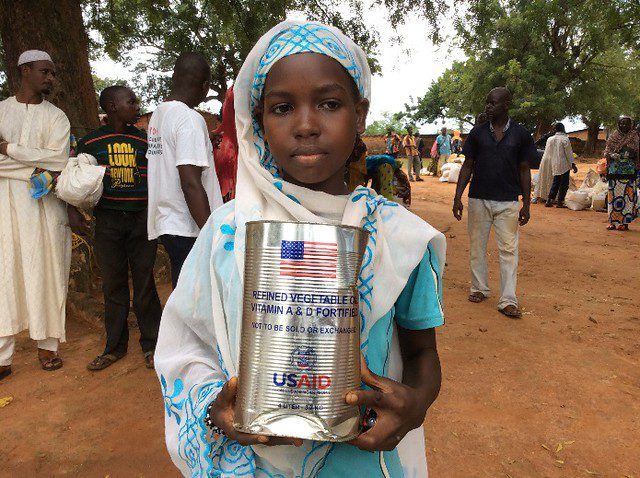
USAID in the Central African RepublicThe Central African Republic is one of the world’s poorest countries, despite its abundant valuable resources such as diamonds, gold, oil and uranium. The government has faced instability since its inception in 1960 when the country became an independent country. It has since seen multiple military coups which have become especially disruptive since 2013 and more than 60% of the country lives in poverty. This amount of poverty combined with weak governance has led to multiple humanitarian issues, such as high maternal mortality rates and low life expectancy. Many people and organizations within the country and around the world work to aid struggling or displaced people in the Central African Republic. The United States Agency for International Development (USAID) has programs committed to focusing on humanitarian aid and responding to crises in the Central African Republic but also invests in economic growth, trade and the environment.

Economic Growth and Trade

Currently, USAID programs in the Central African Republic are restoring an 85-mile stretch of road in the northwest region. The construction of this road creates jobs for locals and upon completion it connects two northern cities, opening their markets to each other. Unemployment in CAR stood at 6.34% in 2022. While little information is given on this project, USAID boasts community involvement and job creation as well as the potential for new trade, all of which can aid in reducing unemployment.

Environment

USAID programs in the Central African Republic also fund the Central Africa Regional Program for the Environment (CARPE) which aims to protect the world’s second-largest rainforest. Located in the Congo Basin, the rainforest is threatened by deforestation, biodiversity loss, environmental destruction and growing global demand for resources.

About 70% of the country’s population depends on agriculture and nearly half of its population is food insecure. It is also facing an increasingly common issue with cattle farmers who cannot find grazing land. They have to travel farther than they used to graze, often causing them to cross borders into the Central African Republic because of its abundant fields. This puts a heavy strain on CAR’s resources and causes possibly violent disputes.

USAID supports the region by building up local, regional and national organizations to mitigate natural disasters, improve management of natural resources and sustain biodiversity. It also enforces logging regulations, reforms natural resource policy, engages communities in resource management and shares the benefits of forest resources.

CARPE is the largest environmental program from USAID. Its mission is to create a Congo Basin with healthy ecosystems and dynamic local leadership that supports stability and prosperity in communities. USAID works with partners such as the World Wildlife Fund to fund conservation, development, and community projects and improve the livelihoods of farmers across the region.

Crises and Conflict

Although recognizing the importance of economic growth and the environment, USAID places most of its focus on humanitarian crises in the Central African Republic. Fighting between the national army and rebel forces permeates across the country, regularly affecting civilian safety. In 2022, the government tried to remove the president’s two-term limit from the constitution, which only fueled the fire. This has led to an increase in abductions and hostages from both sides.

Because of ongoing instability, violence and displacement within the country people are often left without necessities. USAID works to combat food shortages and delivers medical aid such as measles vaccines and malnutrition treatment, according to its website. In places with more extreme conflict, they also provide emergency relief supplies, food aid, health and nutrition supplies, protection, water, sanitation and hygiene supplies and coordinated humanitarian efforts.

Food and Water

As of March 2024, USAID works with different partners to provide food security, health and nutrition, logistics support, water, protection and shelter and settlement in the Central African Republic. UNICEF, for example, partners with USAID to provide access to safe water for nearly 100,000 people through the rehabilitation and repair of more than 90 boreholes, the implementation of emergency water supply systems, and the distribution of household water treatment kits.

The World Food Program (WFP) implements cash transfers, locally procured food, food vouchers, and some U.S.-sources crops and supplementary feeding programs for young children and pregnant or breastfeeding women. These are just two of their many partners and programs which also include things such as humanitarian air transportation due to insufficient roads, latrines and hygiene kits, community safety awareness sessions, emergency case management, emergency shelter kits and more.

The Central African Republic is facing political and economic instability and a major climate crisis at the same time, leading to skyrocketing poverty and food insecurity rates. USAID programs in the Central African Republic are designed to target these issues and help remove people from violence, poverty and hunger.

– Anna Thibodeau

Anna is based in Omaha, NE, USA and focuses on Good News for The Borgen Project.

Photo: Flickr

July 27, 2024
https://borgenproject.org/wp-content/uploads/borgen-project-logo.svg 0 0 Jennifer Philipp https://borgenproject.org/wp-content/uploads/borgen-project-logo.svg Jennifer Philipp2024-07-27 01:30:132024-07-26 06:08:46USAID in the Central African Republic
Page 8 of 92«‹678910›»

Get Smarter

  • Global Poverty 101
  • Global Poverty… The Good News
  • Global Poverty & U.S. Jobs
  • Global Poverty and National Security
  • Innovative Solutions to Poverty
  • Global Poverty & Aid FAQ’s
Search Search

Take Action

  • Call Congress
  • Email Congress
  • Donate
  • 30 Ways to Help
  • Volunteer Ops
  • Internships
  • Courses & Certificates
  • The Podcast
Borgen Project

“The Borgen Project is an incredible nonprofit organization that is addressing poverty and hunger and working towards ending them.”

-The Huffington Post

Inside The Borgen Project

  • Contact
  • About
  • Financials
  • President
  • Board of Directors
  • Board of Advisors

International Links

  • UK Email Parliament
  • UK Donate
  • Canada Email Parliament

Get Smarter

  • Global Poverty 101
  • Global Poverty… The Good News
  • Global Poverty & U.S. Jobs
  • Global Poverty and National Security
  • Innovative Solutions to Poverty
  • Global Poverty & Aid FAQ’s

Ways to Help

  • Call Congress
  • Email Congress
  • Donate
  • 30 Ways to Help
  • Volunteer Ops
  • Internships
  • Courses & Certificates
  • The Podcast
Scroll to top Scroll to top Scroll to top