• Link to X
  • Link to Facebook
  • Link to Instagram
  • Link to TikTok
  • Link to Youtube
  • About
    • About Us
      • President
      • Board of Directors
      • Board of Advisors
      • Financials
      • Our Methodology
      • Success Tracker
      • Contact
  • Act Now
    • 30 Ways to Help
      • Email Congress
      • Call Congress
      • Volunteer
      • Courses & Certificates
      • Be a Donor
    • Internships
      • In-Office Internships
      • Remote Internships
    • Legislation
      • Politics 101
  • The Blog
  • The Podcast
  • Magazine
  • Donate
  • Click to open the search input field Click to open the search input field Search
  • Menu Menu

Tag Archive for: USAID

Information and news about mobile technology

Posts

Global Health, Global Poverty

Lack of USAID and Tuberculosis in Kenya

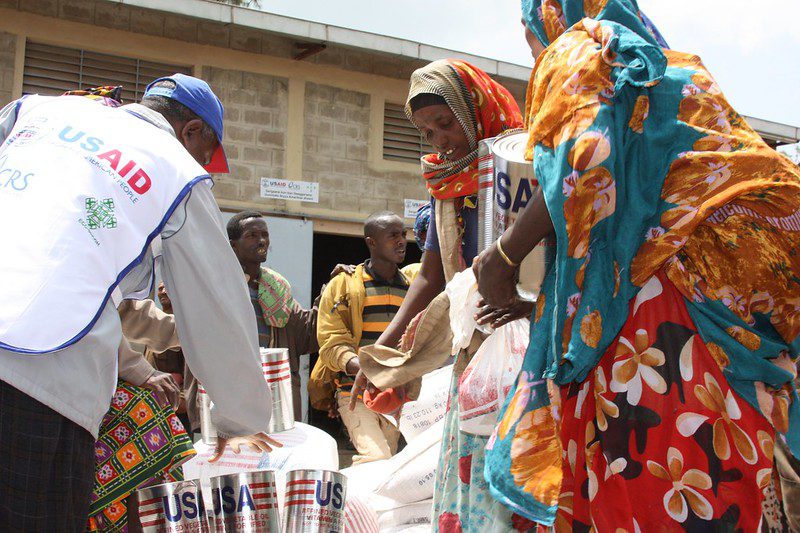
kenya tuberculosisKenya is experiencing a resurgence in tuberculosis (TB). Thousands of Kenyans have lost access to public health care regarding Tuberculosis testing and treatments in the last month since the Trump administration eliminated foreign aid. The aid freeze went into effect on January 20, Inauguration Day. Many Kenyans have taken tuberculosis tests before the aid freeze but unfortunately have not received results due to the health program cuts. Tuberculosis is the deadliest infectious disease; in 2023 alone, 1.25 million died from TB. Half of the international donor funding for TB research and treatment came from the United States.

The U.S. personally funded TB Essentials for Kenya. With the loss of financing, public health programs have shut down, leaving many undiagnosed and suffering. Tuberculosis is fully treatable, yet with the lack of international funding, the entire program, including research, diagnostics and successful treatment, has been ceased.

Unaffordable Care

Many Kenyans live below the poverty line.  According to the UNDP report, 36% of them live below the national poverty line. This percentage is living off of less than $1 a day. This poverty rate prevents many Kenyans from obtaining basic necessities and creates many health issues. In the case of the resurgence in tuberculosis, this poverty rate is detrimental for many. A TB test can cost more than $80 and is highly inaccessible to Kenyans—the U.S.-funded testing for Kenyans and transportation for the movement of medical supplies and prescriptions, according to The New York Times. Most importantly, the U.S. paid for data management on the resurgence. TB treatments require long-term intense medication that often makes the infected feel dejected. Without constant care, it is most likely that TB patients will relapse.

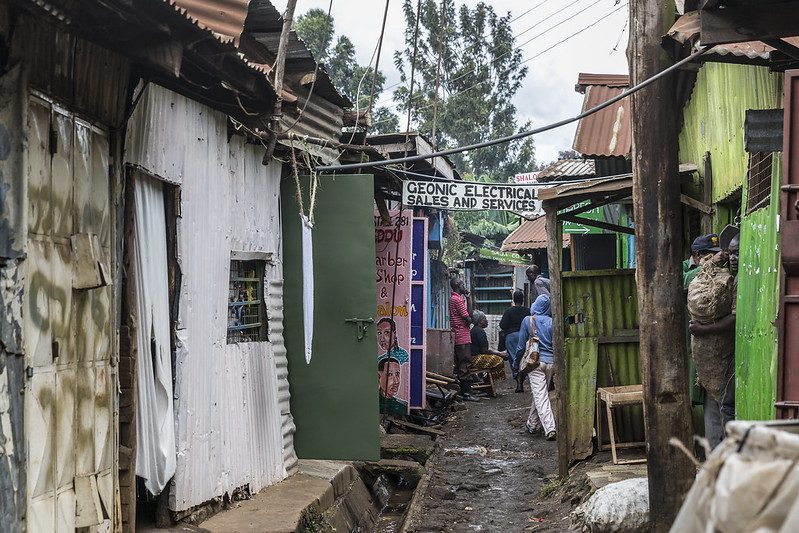
In the neighborhood of Nairobi, the infected still live in their homes, spreading the disease to their families persistently. Community advocates are rallying together to protect their neighbors. TB survivor Doreen Kikuyu collects sputum samples for her neighbors and delivers them to one of the last standing labs herself. There is a lack of public health care workers to administer prescriptions to Kenyans who are not drug-resistant. TB drugs are intense; there are a dozen tests to be run on a patient to ensure their body is strong enough for life-saving treatment. A lot of Kenyans are drug-resistant and have been prescribed a rare drug concoction, according to The New York Times.

Since the foreign aid freeze,  prescriptions are not being re-stocked. TB patients must be consistent with treatment, and fall-off is a cause for a relapse in illness. It takes the average Kenyan family’s entire savings to treat TB and check those uninfected for the spread of the disease.

Survivor, Savior

The resurgence in tuberculosis resulted in almost 90,000 infections alone in Kenya in 2024. TB survivors are a trustworthy source of help for those struggling. Survivor Agnes Okose uses personal funds from her small business to fund visits to other villages to collect sputum samples and transport them to the remaining lab for testing. Twenty years ago, President George W. Bush established the Emergency Plan for AIDS Relief, setting up many clinics across Africa, The New York Times reports. These clinics have treated HIV and TB patients for the past two decades. These clinics are utterly separate from the nation’s primary medical systems. The foreign aid halt has affected this network of clinics.

African health officials claim that this has resulted in 40% more patients needing care in the primary medical systems throughout Africa, according to The New York Times. Due to the separation of the infectious disease clinics, clinicians in the primary medical systems are unaware of how to diagnose or treat HIV and TB. The resurgence in tuberculosis has left the Kenyan government grueling with no further details on how they will fix the loss of foreign funding.

Hope for surviving this resurgence and the world’s safety is that of the tuberculosis survivors in Kenya. It is unclear if foreign funding from the U.S. will return; what is constant is community care for each other and the desire to prevent tuberculosis from spreading. The Astellas Global Health Foundation works tirelessly with community health leaders to establish public health care access, specifically in Nyamaria County. Kenya’s resurgence in tuberculosis can quickly become another global pandemic with the lack of USAID. Kenyans are protecting their people, their nation, and the world.

– Mackenzie Inman

Mackenzie is based in Washington, DC, USA and focuses on Global Health for The Borgen Project.

Photo: Flickr
March 23, 2025
https://borgenproject.org/wp-content/uploads/borgen-project-logo.svg 0 0 Naida Jahic https://borgenproject.org/wp-content/uploads/borgen-project-logo.svg Naida Jahic2025-03-23 07:30:392025-03-21 14:26:30Lack of USAID and Tuberculosis in Kenya
Disease, Global Health, Global Poverty

Mystery Illness Sparks Public Health Crisis in the DRC

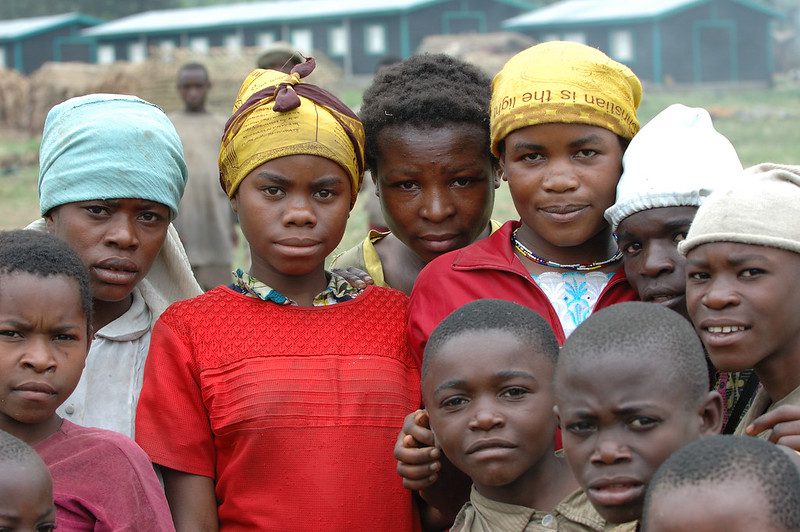
Mystery Illness Sparks Public Health Crisis in the DRCA public health crisis is unfolding in the Democratic Republic of Congo (DRC) as health officials investigate a mystery illness that has claimed at least 60 lives and infected approximately 1,000 people. The disease first appeared in the village of Boloko in the Équateur Province on Jan. 21 and has since spread across the northwestern region. The illness presents hemorrhagic fever symptoms, including vomiting, nosebleeds and internal bleeding, resembling Ebola and yellow fever. However, the World Health Organization (WHO) ruled out these diseases after conducting initial tests on patient samples. Health officials are examining multiple potential causes, including malaria, waterborne pathogens and exposure to contaminated food sources.
Investigating the Source of the Outbreak

Dr. Michael Ryan, WHO’s director of emergencies, suggested the outbreak may be linked to poisoning, though investigations remain ongoing. The African Centres for Disease Control and Prevention (Africa CDC) has also considered malaria as a possible factor, given its high prevalence in the country. Researchers traced the first reported deaths to three young children who had consumed a bat carcass before falling ill. While zoonotic diseases—those transmitted from animals to humans—are common in the region, scientists have not confirmed a direct link. Health authorities are also assessing whether contaminated water sources or food poisoning contributed to the outbreak. The Congolese government has deployed health experts to affected areas to conduct research and assist local health care workers. However, limited resources and a fragile health care system pose challenges to an effective response.

Public Health Crisis: Food Insecurity and Disease Risk

Congo, the second-largest country in Africa by landmass, has a population of 105.8 million, with 73% of people living on less than $2.15 per day. The DRC ranks among the poorest in the world, with widespread food insecurity, displacement and malnutrition. More than 6.9 million people are displaced and 3.7 million children and women suffer from acute malnutrition.

Agriculture remains Congo’s largest economic sector, but it struggles to meet food demands due to climate change, conflict and underdeveloped infrastructure. Production growth slowed to 2.2% in 2023, further limiting access to food. Many rural communities rely on subsistence farming, but disruptions in crop yields and market access leave millions vulnerable to hunger. Deforestation and land degradation further impact food production, driving many Congolese to rely on bushmeat for survival.

Health experts warn that extreme poverty and food shortages create conditions where people turn to wild animals as a food source, increasing the risk of zoonotic disease transmission—infections that jump from animals to humans. Over the last decade, Africa has seen a 60% rise in rare disease outbreaks linked to wild animal consumption. Congo’s vast tropical forests harbor numerous pathogens, making human- wildlife interactions a continuous public health risk.

Dr. Gabriel Nsakala, a public health professor at Congo’s National Pedagogical University, emphasized that as long as poverty, deforestation and food insecurity persist, epidemics will continue to emerge and evolve. Poor sanitation, limited access to clean water and weak health care infrastructure further increase the likelihood of disease outbreaks spreading rapidly in vulnerable communities.

International Response and Humanitarian Assistance

Congo’s public health system lacks sufficient personnel and resources to contain large-scale outbreaks. Fewer than 10 employees work at the country’s national public health agency, making it heavily reliant on the WHO and other international partners.

The United States Agency for International Development (USAID) recently reduced funding for foreign health initiatives, limiting the resources available for emergency responses in the DRC. Without international aid, the country struggles to conduct laboratory testing, deploy medical personnel and provide essential treatments. Meanwhile, the World Food Programme (WFP) remains one of the largest humanitarian organizations operating in the DRC. The WFP provides nutrition assistance, cash transfers and food security programs, reaching more than 5.3 million people in 2023. The organization also funds long-term agricultural initiatives, literacy programs and infrastructure projects to improve economic stability.

Looking Ahead

The public health crisis in the DRC coincides with a worsening humanitarian crisis in the country, where ongoing conflict between the Congolese military and the M23 rebel group has displaced thousands. With limited health care infrastructure, high poverty rates and persistent violence, controlling disease outbreaks remains a significant challenge. As investigations continue, health officials emphasize the urgent need for increased funding, stronger health care infrastructure and international support to prevent future epidemics and strengthen public health responses in the region.

– Mackenzie Inman

Mackenzie is based in Washington, D.C., USA and focuses on Global Health and Politics for The Borgen Project.

Photo: Flickr

March 22, 2025
https://borgenproject.org/wp-content/uploads/borgen-project-logo.svg 0 0 Precious Sheidu https://borgenproject.org/wp-content/uploads/borgen-project-logo.svg Precious Sheidu2025-03-22 01:30:442025-03-21 04:38:38Mystery Illness Sparks Public Health Crisis in the DRC
Disease, Global Health, Global Poverty

How USAID Cuts Impact Global Polio Eradication Efforts

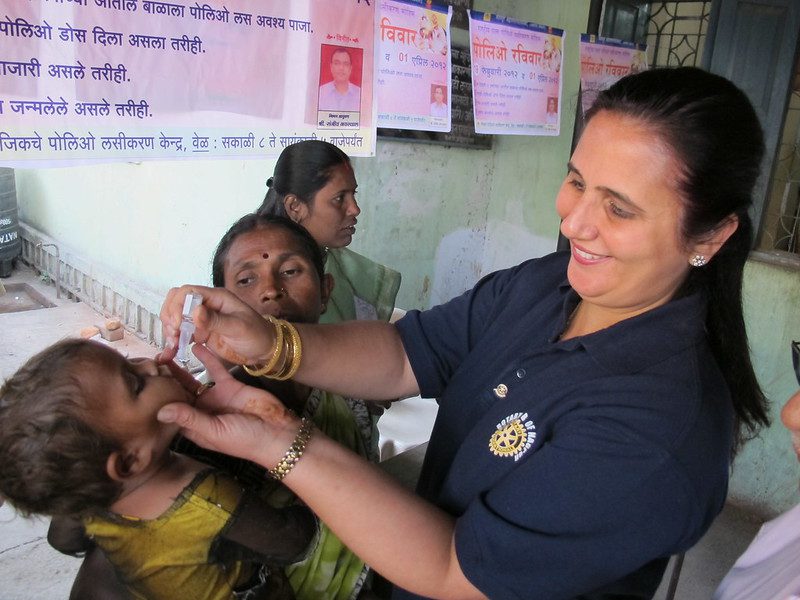
How USAID Cuts Impact Global Polio Vaccination EffortsPolio, a highly infectious viral disease, has affected millions of people worldwide. The introduction of the polio vaccine in the 1950s led to an exponential decrease in infection rates. However, access to vaccines remains limited in some countries, keeping the disease circulation alive in certain regions. The Global Polio Eradication Initiative (GPEI) works to vaccinate populations in endemic countries, striving for complete eradication. Recent funding reductions from USAID, a historically significant donor, have raised concerns about the initiative’s progress.
Polio primarily affects children under 5, with about 0.5% of cases leading to paralysis. Though most common in children, unvaccinated individuals of any age remain vulnerable to infection. The disease, once present in more than 120 endemic countries, now persists in only two—Afghanistan and Pakistan. Despite this significant progress, outbreaks of wild poliovirus continue to surface in regions with political instability, such as Gaza, where vaccination campaigns face disruption due to ongoing conflict.

GPEI’s Efforts to Eradicate Polio

The Global Polio Eradication Initiative was launched in 1988 with the goal of eliminating polio worldwide. Since its inception, polio cases have declined by 99%, a testament to the effectiveness of vaccination programs. GPEI focuses on two primary goals: permanently stopping poliovirus transmission in endemic countries and preventing outbreaks in nonendemic regions. GPEI’s strategy includes mass vaccination efforts, political advocacy, community engagement and infection surveillance. By collaborating with governments and organizations such as WHO, CDC, UNICEF and the Gates Foundation, the initiative has successfully reduced polio cases. However, continued progress depends on sustained financial support.

USAID Funding Cuts and Its Impact

GPEI relies on funding from multiple government and nongovernment organizations. The United States (U.S.) has historically contributed $40 billion to the initiative, making USAID a key financial supporter. However, recent reductions in USAID funding have raised concerns about the program’s sustainability. In early 2025, the Trump administration significantly reduced USAID funding, including a $131 million grant for UNICEF and GPEI’s polio immunization efforts. This loss of funding has forced GPEI to extend its five-year strategy to 2029, pushing back its original goal of eradication by three years. While USAID’s funding cut presents challenges, it remains unclear whether the reduction will be permanent. GPEI continues to operate with financial backing from other sources, though long-term funding gaps could slow vaccination efforts.

New Funding Sources and the Future of Polio Eradication

Despite the loss of USAID funding, other nations and organizations have stepped up to support GPEI’s mission. Countries such as Saudi Arabia and the United Arab Emirates (UAE) have pledged $500 million toward polio eradication efforts. Additionally, organizations such as the WHO and the Gates Foundation continue to provide financial support, ensuring that vaccination programs remain operational. Alongside large-scale government contributions, GPEI also relies on small individual donations from supporters committed to eradicating polio within this generation. The organization remains focused on vaccination, public awareness and policy advocacy, working toward its revised goal of eradication by 2029.

Looking Ahead

While USAID’s funding reduction poses obstacles for GPEI, global support for polio eradication remains strong. Ongoing contributions from international donors and nongovernmental organizations continue to drive vaccination efforts, bringing the world closer to a polio-free future. Regardless of the status of USAID funding, GPEI continues its vaccination and eradication efforts with support from international donors and organizations.

– Lizzie Mazzola

Lizzie is based in Raleigh, NC, USA and focuses on Global Health and Politics for The Borgen Project.

Photo: Flickr

March 18, 2025
https://borgenproject.org/wp-content/uploads/borgen-project-logo.svg 0 0 Precious Sheidu https://borgenproject.org/wp-content/uploads/borgen-project-logo.svg Precious Sheidu2025-03-18 01:30:112025-03-18 01:26:42How USAID Cuts Impact Global Polio Eradication Efforts
Foreign Aid, Global Poverty

Foreign Aid to South Africa

Foreign Aid to South AfricaForeign aid to South Africa has been crucial in sustaining its people for over two decades. South Africa is a country that faces a multitude of issues that hinder its way of life. Disease, government corruption and lack of infrastructure are but some problems that the people of South Africa face. The country has an unemployment rate of 32.1%, one of the highest nations with AIDS at 13.9% of the population, and more than 20 million facing food poverty or hunger daily. The requirement for foreign aid is vital in ensuring the people receive the aid that they desperately need whether it be medical aid or food aid. 

Countries like the United States, the United Kingdom and European Union are core donors in helping South Africa tackle their problems. Below are some examples of foreign aid programs.

Foreign Aid From the US

Out of all the countries involved in foreign aid, the U.S. has been the largest donor of foreign aid to South Africa, giving more than $527 million in ODA. The United States has been a large donor for combating diseases in South Africa through its USAID programs, such as PEPFAR. PEPFAR has actively tackled the HIV/AIDS epidemic in the country, saving an estimated 7.7 million lives in South Africa and giving 5.9 million access to antiretroviral treatment. The U.S. has further approved more than $450 million into PEPFAR for South Africa and has seen more than $8 billion invested over two decades. 

Additionally, ANOVA APACE, a USAID funding program that addresses health epidemics in South Africa, has received more than $36.5 million. While it works to address HIV/AIDS, it also works to combat tuberculosis outbreaks in South Africa as South Africa is one of the top eight countries still affected by the disease. In ANOVA’s first year, it treated 62% of people living with HIV and 54% were virally suppressed. As more than 13% of the population live with HIV/AIDS, this has been the cornerstone to tackling the epidemic.

Foreign Aid From the UK

The United Kingdom has been one of the largest donors of foreign aid to South Africa. It has provided £19 million ODA to South Africa, which goes towards vital infrastructure projects and job creation. Most notable is the Energy Transition Support program that is moving South Africa from fossil fuel energy to more renewable sources, with the aim of stimulating the economy and energy facilities. The U.K. has pledged £2.4 million to finance the sectors involved.

Additionally, the U.K. massively funds democratic initiatives. In the 2023 election period, the U.K. gave funding to ensure that South Africa held a democratic and fair election. The programs ensured that South Africa’s pre- and post-election voting and results were fair, as well as improved the political research going into the candidates and government statistics.

Foreign Aid From the EU

The European Union has established multiple programs in South Africa across a plethora of areas. The IIPSA has been crucial in building & creating new infrastructure to harbor economic growth. From building roads, schools or other institutions, the organization has grown both the job market and the livelihoods of everyday people. EU initiatives have created more than 1 million jobs since 2020 and a massive 62% are women employees.

Erasmus+ has helped improve the education system for South African universities. It allows foreign students from Europe to go and learn in South Africa, and vice versa, improving not only the flexibility of student exchange programs, but builds on improving higher education.

Moreover, the EU has helped South Africa in SME fundings. These investments reported more than 2,000 jobs created for South Africans, in much needed departments such as ICT, green economy and agriculture. More than 160,000 SMEs have benefitted from these foreign aid improvements.

Outcomes

The goals of these initiatives was to help improve the lives of South Africans and it has been a resounding success. Foreign aid to South Africa from these key donors has helped stimulate its economy, healthcare system and governmental programs and institutions. 

Foreign aid has helped with job creation, improved job markets, better wages, less death from disease and economic improvement. These are the areas most affected by foreign aid to South Africa, and the continuing support from the U.K. and E.U. will only benefit the country further. 

However, with the cutting of current USAID funding packages, South Africa will have to look elsewhere for massive chunks of its funding. As the U.S. propped up the majority of the health industry in South Africa, foreign aid must come from more international organizations to fulfil its needs, but there currently are no solutions to confront the current situation.

Furthermore, the foreign aid sent to South Africa does not always target poverty, and more funding and new strategies will be needed to more directly impact those facing poverty in South Africa. While there has been noticeable improvements to societal struggle, foreign aid to South Africa has not impacted the 40% that still live below the poverty line.

– Joel Raymer

Joel is based in Derby, UK and focuses on Business and Politics for The Borgen Project.

Photo: Flickr

March 17, 2025
https://borgenproject.org/wp-content/uploads/borgen-project-logo.svg 0 0 Jennifer Philipp https://borgenproject.org/wp-content/uploads/borgen-project-logo.svg Jennifer Philipp2025-03-17 01:30:102025-03-17 01:04:31Foreign Aid to South Africa
Africa, Global Health, Global Poverty

How big is the hole? Suspension of USAID in Ethiopia

ethiopia usaidEthiopia is the largest recipient of USAID in sub-Saharan Africa. After receiving the money for 2023, Ethiopia has seen a suspension in the $1 billion in aid it receives. The funding cut has left the country in a vulnerable position, disrupting critical aspects of its healthcare system, including data management, medicine procurement, delivery, and workforce training and retention
Where the Suspension Has Hit Hardest?

The suspension of USAID funding has severely disrupted Ethiopia’s fight against diseases like malaria, HIV and tuberculosis. Around 5,000 health care workers lost their jobs, affecting vital services such as vaccinations, patient care and disease surveillance. The funding cut also threatens Ethiopia’s global “95-95-95” HIV treatment goals, with 503,000 people receiving care across 1,400 health facilities. Additionally, 10,000 data clerks responsible for managing HIV treatment have lost their jobs, further hindering the delivery and monitoring of care.

This could cripple efforts to combat HIV in the short to medium term, leaving many patients vulnerable. This has worsened the strain on the health care system, leaving it unable to provide basic services and hindering disease eradication efforts, deepening health poverty. 

With USAID support, Ethiopia launched a five-year health sector plan (HSTP-II) from 2020-2025 to improve health care. The plan aims to ensure quality, accessible health care, strengthen governance and leverage technology for reliable health data. A key challenge is the severe shortage of health care workers, with less than 100,000 staff members, far below the 445,000 necessary for universal health coverage. The plan’s success is crucial to expanding services and addressing this workforce gap.

The suspension of USAID funding has severely impacted Ethiopia’s HSTP-II, halting training programs and delaying the expansion of the health care workforce. Many NGOs have been hit hard by the suspension, including the Tesfa Social and Development Association (TSDA), which aids HIV patients with food, clothing and school supplies, according to The Guardian. The funding cut has crippled the organization, leaving those who depend on TSDA in even worse health and poverty. Staff layoffs and operational challenges have worsened the already dire situation for those relying on the organization’s support.

Solutions

The government has tried to enhance its support for local NGOs by trying to empower them by simplifying regulatory frameworks, in the hope this will enhance the operational efficiency and sustainability of NGO’s despite the budget constraints they are now facing. Following the advice of the Ethiopian Civil Society Organisation Authority, NGOs that did not rely on USAID funding are forming alliances with other local NGOs, enabling them to share resources, have joint fundraising efforts, and increase advocacy for policy changes to support the nonprofit sector during this challenging period.

NGOs such as the Mekedonia Humanitarian Association focus on supporting the critically disabled, elderly and mentally ill by providing housing, clothes and other vital amenities. Another organization is the Ethiopian Human Rights Council, which focuses on providing legal aid and investigating human rights abuses. These have turned out to be important practices for non-USAID-funded NGOs as it has provided support for these NGOs to allow them to continue their work during the period of the suspension.

Conclusion

The suspension of USAID has left Ethiopia’s health care system in an unprecedented crisis, affecting disease eradication efforts, health care workforce expansion and the operations of vital NGOs. The abrupt withdrawal of $1 billion in aid has crippled essential programs, forced widespread layoffs and disrupted Ethiopia’s ability to meet global health commitments. The impact on HSTP-II and organizations like the Tesfa Social and Development Association underscores how deeply intertwined USAID funding was with Ethiopia’s healthcare infrastructure.

Efforts to diversify funding streams, improve private sector involvement and empower local NGOs mark a shift towards long-term self-sufficiency, though the short-term outlook remains dire. Ultimately, while Ethiopia is making strides to mitigate the crisis, the loss of USAID has left an undeniable mark on its healthcare system. Whether the government’s measures will be enough to compensate for the loss of funding remains uncertain, but one thing is clear: The suspension has deepened Ethiopia’s health crisis, and the road to recovery will be long and arduous.

– Oliver Hedges

Oliver is based in Lancaster, UK and focuses on Global Health for The Borgen Project.

Photo: Flickr

March 15, 2025
https://borgenproject.org/wp-content/uploads/borgen-project-logo.svg 0 0 Naida Jahic https://borgenproject.org/wp-content/uploads/borgen-project-logo.svg Naida Jahic2025-03-15 01:30:292025-03-14 07:37:27How big is the hole? Suspension of USAID in Ethiopia
Gender Equality, Gender Wage Inequality, Global Poverty

Female Employment in Kenya: Boda Girls

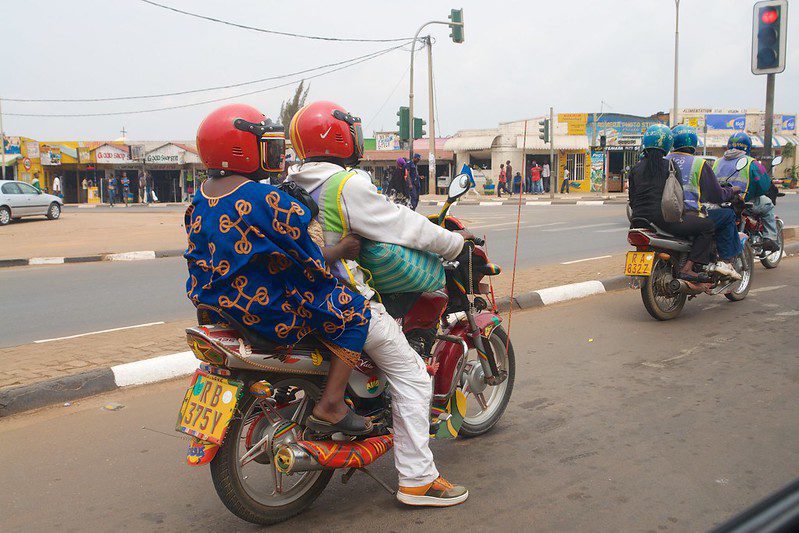
Female Employment in Kenya“Boda-boda” driving, a form of motorcycle taxi service, has been a prominent industry in East Africa since the 1970s when drivers transported people across the Uganda-Kenya border on bicycles. In recent years, however, the industry has become a subject of intense public scrutiny, as several accidents and assaults have been increasingly connected to boda-boda drivers. Robbery, violence, drug trafficking and even murder claims have been connected with drivers, leading to protests and calls for regulation of the boda taxi industry. The public benefits boda-boda driving brings, including employment for thousands of young men and cheap transportation, especially to hospitals or voting booths, further complicate this issue.

Women and Boda-boda

Women have been excluded from the boda-boda industry since its invention, despite Kenya’s large strides towards gender equality over the past 50 years. Before 2022, there were few, if any, female boda drivers and women were subjected to numerous incidents of assault as passengers. Regardless of legal equality in the workforce, many barriers to entry still exist for female employment in Kenya. According to U.N. Women Africa, most women in Kenya work in the informal (home and agricultural labor) sector. At the same time, men receive higher wages and have more opportunities to participate in the formal economy than women.

Employment opportunities in Siaya County, the home of the Matibabu Foundation Hospital, are largely agricultural. This is especially true for women, who constitute anywhere from 30% to 80% of the agricultural labor force across sub-Saharan Africa and whose labor pays about one-tenth of what male boda drivers typically make in a year. Transportation is a major issue, as most women cannot afford the typical boda taxi fee to reach the hospital for health care services.

Boda Girls

Boda Girls, a cohort of Kenyan women who have trained to become boda drivers, offers a solution. As the first female driver entrepreneurship program, Boda Girls offers employment opportunities to women in addition to safe, free transportation and home care. Launched by the Matibabu Foundation Hospital and the Tiba Foundation in April 2022, the cohort has employed more than 50 female drivers, identifiable by their bright pink shirts and purple leather motorcycle seats.

In addition to training in road safety, Boda Girls learn self-defense to protect themselves and others in the case of unwarranted conduct, which they share with female students of nearby schools, according to The New York Times. Motorcycle upkeep and mechanical skills are also a part of the six-week training program.

Maternity Care

Boda Girls originated from the gap in female accessibility to hospitals, particularly for maternity care. Drivers provide free, safe transportation for women’s check-ups, even bringing portable ultrasounds in the case of complications. In the two years since its launch, the organization has now provided more than 6,000 free rides to hospitals for prenatal, family planning, and cancer screening services. Due to their services, Siaya County has experienced a 67% increase in hospital deliveries, a 100% increase in maternal clinics, and a 300% increase in cancer screenings, according to the Tiba Foundation.

After birth, Boda Girls also make home visits to follow up on postpartum care, planting a kitchen garden and avocado tree for future nutrition and profit opportunities for families.

School Girls

Boda Girls adopts schools to promote menstrual and sexual education for female students, as well as to distribute free sustainable menstrual kits. It also runs entrepreneurial clubs where girls can learn the fundamentals of business, and they promote high school graduation. In two years, Boda Girls has visited 84 schools and provided menstrual education and kits to more than 3,700 girls, according to its website.

Female Employment in Kenya

Female employment in Kenya is a cornerstone of the Boda Girls mission; they focus on widowers in particular, who often suffer from the loss of financial support. By facilitating entrepreneurship classes and group stress counseling, Boda Girls assists in dealing with grief in families and sponsoring female financial ventures. They also engage in micro-lending practices to boost entrepreneurship in Siaya County and have played a role in helping 118 women develop profitable small businesses and mentor others to do the same, according to The Tiba Foundation.

Boda Girls, launched by the Tiba and Matibabu foundations, has partnered with several other initiatives including the Red Pride Project and USAID’s Western Kenya Sanitation Project. “USAID aims to reach 500,000 women and girls with accurate information on proper menstrual hygiene management and reliable access to sanitary products in Western Kenya by 2027.”

Boda Girls’ ability to reach local schools and communities will play a major part in this goal, as it continues to recruit new driver cohorts and expand its range to a greater area of Siaya County.

Beyond simply providing transportation, Boda Girls works to inspire thousands of women and support female employment in Kenya and will continue to work towards gender inequality and access to essential services.

– Sadie Claps

Sadie is based in Seattle, WA, USA and focuses on Business and Politics for The Borgen Project.

Photo: Flickr

March 2, 2025
https://borgenproject.org/wp-content/uploads/borgen-project-logo.svg 0 0 Naida Jahic https://borgenproject.org/wp-content/uploads/borgen-project-logo.svg Naida Jahic2025-03-02 07:30:142025-03-02 01:10:34Female Employment in Kenya: Boda Girls
Africa, Aid, Global Poverty

4 Impacts of USAID Programs in Mozambique 

USAID Programs in Mozambique
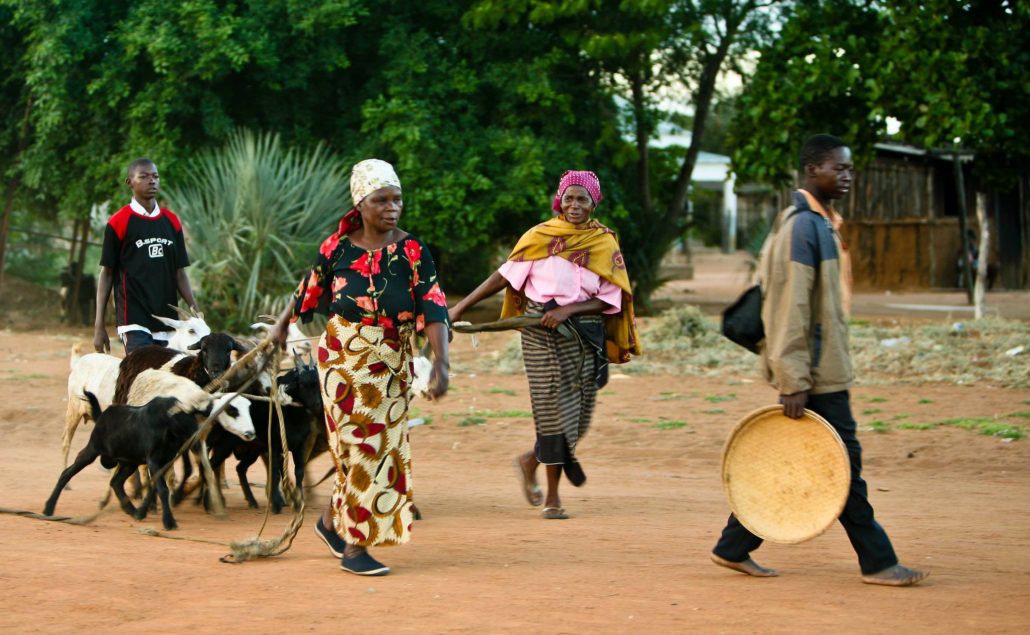
While much progress has been made in recent years, Mozambique has long struggled with poverty due to natural disasters, COVID-19, lack of access to education and repeated conflict, with approximately 62% of the total population living in poverty. This means that a majority of the population is living on less than $1.90 a day. These circumstances often arise in the more rural parts of Mozambique where a lack of skills training lends to selling produce in markets leaving people with barely enough to support their families. Since its inception in 1961, the U.S. Agency for International Development (USAID) is a federal agency that aims to support countries by uplifting and strengthening communities through various programs and partnerships. The following are examples of success stories of USAID programs in Mozambique that follow a history of aid that spans more than 40 years in the country. 

Partnership With GiveDirectly

Following cyclone “Idai” in March 2019, hundreds of thousands of people experienced displacement from their homes in Mozambique. In combination with the impact of the COVID-19 epidemic, approximately 4 million people, roughly 10% of the population, were facing food insecurity. To address this issue, USAID has partnered with GiveDirectly, a program that takes a unique approach to fighting poverty through direct cash deposits for villagers who need to purchase food, medical and agricultural supplies. Since 2021, GiveDirectly has provided $10.9 million in cash to 18,000+ people across 55 different villages which includes more than 7,000 households. 

USAID’s partnership with GiveDirectly in 2024 has allowed for the growth of programs like Cash+ Youth in Conflict Affected Communities which provides $250 each to youths while they receive business skills training through USAID. The partnership has also brought growth to GiveDirectly programs like Cash+ Climate Smart Agriculture and Cash+Resilient Agriculture. These programs provide cash transfers that increase distribution of agricultural inputs, training in sustainable agricultural practices and the purchase of new farm equipment like fertilizers and high-quality seeds.

Educational Programs

Education plays a pivotal role in allowing children to set themselves up for the future they deserve by learning necessary reading and writing skills. As of 2016, 94% of children in Mozambique attended primary school, a significant improvement from 2003 when only 72% of school aged children attended primary school. Despite this improvement, less than 5% of students demonstrated grade-level reading proficiency by the 3rd grade. This is primarily due to factors such as a lack of reading material, teacher and student absenteeism and limited community engagement in the daily life of the school.

USAID has invested in the education and future of Mozambique’s child population through new educational programs like SABER. This five-year program, announced on August 17, 2023, plans to expand bilingual education in more than 4,000 primary schools across the provinces of Zambezia, Niassa, Nampula and Cabo Delgado. SABER is part of USAID’s plan to invest more than $150 million into education and community engagement across Mozambique in the next five years, improving the literacy and numeracy skills of more than 2.2 million students.

Previous educational programs in Mozambique, such as “Eu Leio” (I Read), sought to increase the distribution of reading materials within a period of six years (2014-2020). The program accomplished this while improving school building capacities and holding students and teachers accountable for the learning outcomes of their community. As of September 2019, their efforts have established 116 school libraries, 116 school councils began monitoring teacher/student tardiness and absenteeism and 116 District Education Plans to address critical education gaps originated.

Gender Equality

Among many in Mozambique there remains long-standing beliefs about gender that tend to encourage discrimination towards women. These gender norms, among other contributing health epidemics like HIV is what leaves Mozambique rated 119th out of 166 other nations on the UNDP Gender Inequality Index. These disparities play out in a variety of ways with approximately half of women being illiterate, 11% of young women and adolescent girls contracting AIDS, and women comprising most of the unskilled labor force that includes agriculture despite their work going largely unpaid. Women in Mozambique face these problems, all while the media continues to support harmful stereotypes about women by portraying them as deserving of violence.

The harmful stereotypes in the media are why one of the many USAID programs in Mozambique is directed towards bridging the gender divide through the Media Strengthening Program. This program aims to amplify citizens’ voices who may not otherwise be heard by targeting gender biases in reporting while working to include female voices as sources. Key targets of gender biased reporting may include topics such as early marriage, women’s health issues and gender-based violence. While more work is necessary to end gender biases in Mozambique, the media is a key component in changing people’s perspective across the country so that further change faces less resistance.

Conservation Efforts

Among the USAID programs in Mozambique are efforts in wildlife conservation. No organization has exemplified this effort more than the partnership between Gorongosa National Park and USAID, a partnership that celebrates its 20th year anniversary as of 2024. After their initial partnership in 2004, USAID began its support of a number of initiatives in the Gorongosa National Park including wildlife protection with the hiring and training of park rangers, habitat restoration through the construction of beehive fences, and conservation through pangolin rehabilitation and veterinary care. With these efforts there are now more than 100,000 animals in the park including elephants, lions, hippos, antelope, painted wolves, hyenas and leopards.

The efforts of Gorongosa National Park, which USAID has supported, have created sustainable incomes for local residents by re-allocating jobs. For example, USAID’s partnership with Gonorosa National Park is replacing jobs like illegal hunting, mining and slash and burn logging with coffee cultivation, honey production, cashew farming, fish farming and chili growing. These efforts are in addition to how USAID’s support is reaching 200,000 people through community health workers, traditional birth attendants and mobile medical clinics.

Concluding Thoughts

These partnerships and organizations alongside many more have successfully demonstrated the impact that USAID programs in Mozambique have had in elevating communities. Mozambique is one country among many other success stories of the good work that USAID has accomplished throughout the world. 

– Hunter Gomersall

Hunter is based in Santa Barbara, CA, USA and focuses on Good News for The Borgen Project.

Photo: Flickr

March 2, 2025
https://borgenproject.org/wp-content/uploads/borgen-project-logo.svg 0 0 Jennifer Philipp https://borgenproject.org/wp-content/uploads/borgen-project-logo.svg Jennifer Philipp2025-03-02 01:30:512025-04-14 07:32:564 Impacts of USAID Programs in Mozambique 
Economy, Electricity and Power, Global Poverty

Exploring the Economic Impact of Renewable Energy in Mali

Renewable Energy in Mali
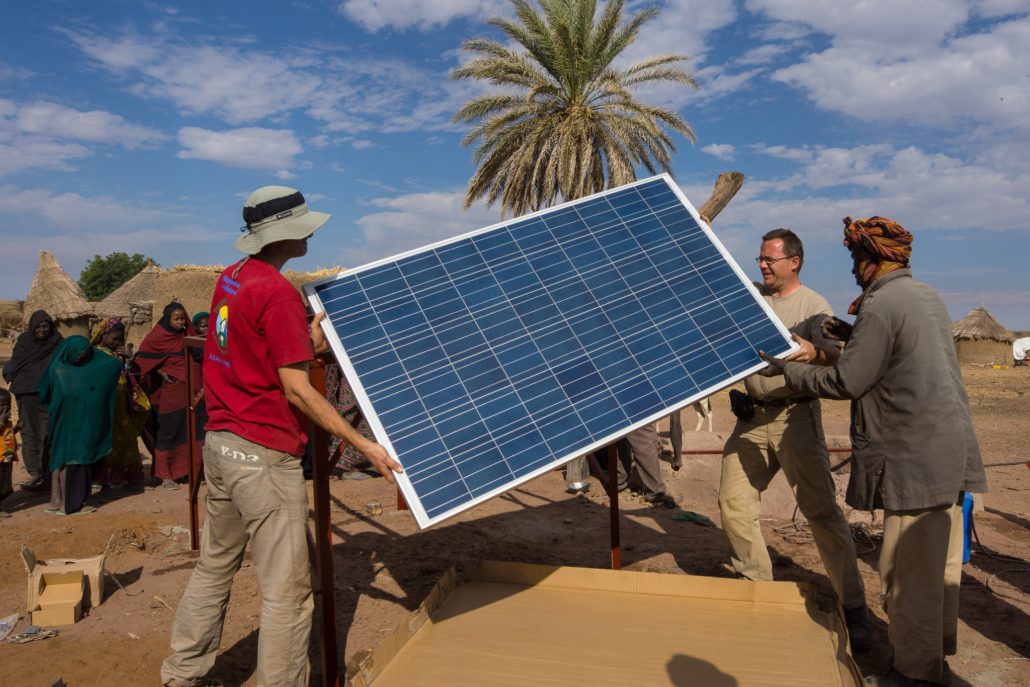
Many citizens in Mali, a Sub-Saharan desert country in Africa with a population of almost 24.5 million, struggle to afford energy, and simmer in poverty. In 2022, poverty rates hit 19.1%, meaning almost 20% of their population makes less than $2.15 a day. With their growing impoverishment, their government has decided to take initiative and implement renewable energy in Mali. Not only does renewable energy create a cheaper alternative for those who cannot otherwise afford it, but it also creates jobs for those who need them. A staggering 52% of the population has access to electricity, less than 5%  have access to clean cooking, and as of 2023, the unemployment rate sits at 3.01%.

What is Renewable Energy?

In general terms, renewable energy is harnessed power that is derived from a continuously and naturally replenishable source, and is often a carbon-free source. Renewable energy sources include: 

  • Hydropower
  • Wind Power
  • Biomass
  • Solar Energy

All of these create a form of electricity.

Today, electricity greatly enhances people’s lives, which they use for everything from evening illumination to laundry, food preparation, factory operation and even things like international communication. It is essential for raising living standards, promoting economic growth and reducing poverty.

How Does Renewable Energy Affect Mali?

Currently in Mali, the average lifespan is only 59 years. On average, 97 newborns out of 1,000 pass away before they turn five. About 80% of Malians lack proper sanitation, and many do not have access to safe drinking water. The population is growing at a pace of 3.2% each year, and 47% of Malians are under the age of 15.

In 2006, Mali’s government implemented the National Energy Policy, which is supported by its five main objectives:

  • Improving access to energy
  • The rational use of existing energy sources
  • The efficient use of existing natural resources to produce energy
  • Sustainable use of biomass resources through the conservation and protection of forests
  • Strengthening government capacity and streamlining administrative procedures within the energy sector

These objectives aid in getting more electricity access across the continent, and also has the potential to create employment opportunities across the globe. According to the International Renewable Energy Agency (IRENA), transitioning to renewable energy in Mali is expected to “create 40 million additional jobs in the energy sector by 2050, with 18 million more jobs globally in renewables alone.”

Actions That Mali is Taking

Mali already has many jobs created for its citizens from these renewable energy projects. For example, in 2019, “ECREEE supported the Government of Mali in 2015 to develop a BOOT model tender for the development of grid-connected renewable energy projects.” From this BOOT (Build, Own, Operate, Transfer) model, a whopping 450 jobs emerged in Mali across the duration of the project.

The imminent arrival of these jobs can provide skills to allow workers to obtain future employment once it becomes available. However, in order for this initiative to work, there are several things being prioritized starting at early ages. With aid and funding from the U.S. Agency for International Development (USAID), the Education Development Center (EDC) has been able to provide a lot of help to the youthful Malians through the PAJE-Nièta— the Mali Out-of-School Youth project. These are the main pursuits of the project:

  • Give young people access to basic education, training in entrepreneurship and technical instruction in the service and agro-pastoral sectors
  • Teach volunteers to conduct business and basic education classes and to support program participants as they pursue entrepreneurship
  • Teach young people how to use Stepping Stone, an app that the EDC created, to access basic education lessons on mobile devices
  • Teach young people to start internal lending and savings organizations to support social and corporate loans
  • Boost the current youth associations’ organizational capabilities to oversee and carry out project operations

Looking Ahead

In order to produce employees for future jobs, once renewable energy projects reach completion, creating skilled workers from the inexperienced youth is key to furthering the continent’s progression. Renewable projects in Mali will likely develop the country’s economy, improving the conditions its citizens live in.

– Taylor Naquin

Taylor is based in Gilbert, AZ , USA and focuses on Global Health for The Borgen Project.

Photo: Flickr

February 6, 2025
https://borgenproject.org/wp-content/uploads/borgen-project-logo.svg 0 0 Jennifer Philipp https://borgenproject.org/wp-content/uploads/borgen-project-logo.svg Jennifer Philipp2025-02-06 01:30:592025-02-05 09:09:00Exploring the Economic Impact of Renewable Energy in Mali
Food Insecurity, Global Poverty, Malaria

USAID in the Democratic Republic of the Congo

USAID in the Democratic Republic of the Congo
The Democratic Republic of the Congo (DRC), a country rich in natural resources yet long-suffered by instability and authoritarian rule, has received humanitarian assistance from multiple international organizations and single-nation funding sources. Here is some information about the work of USAID in the Democratic Republic of the Congo.

USAID in the DRC

The U.S. Agency for International Development (USAID) has supported the DRC since 1990 through various programs designed to improve food security, health and sanitation and access to clean water, and respond to conflicts and emergencies. As the largest bilateral donor to the DRC, USAID stands to make the biggest impact in meeting the needs of Congolese citizens and delivering essential services.

Poverty in the DRC

The DRC is the fourth-largest country in Africa with a population of 109 million. Due to civil conflict and the displacement of large portions of the population, the DRC remains one of the five poorest countries in the world, and the World Bank estimates that 73.5% of Congolese people live on less than $2.15 a day.

The DRC particularly struggles with disease prevention, including but not limited to Ebola, malaria, HIV and measles. This is largely a result of inadequate funding for vaccines, bed nets and other preventative measures. Ongoing civil conflicts and governmental fractures make this particularly difficult for the government of the DRC to address, which is why USAID in the Democratic Republic of the Congo is essential to safeguard the public health and safety of millions of Congolese citizens. 

How USAID Is Helping the DRC

USAID in the Democratic Republic of the Congo has increased its level of funding in U.S. dollars every year since 2001. Programs have focused on two particular sectors— emergency response and basic health. In 2023, USAID disbursed $935.77 million of development aid to the DRC, making it the fourth-largest recipient of USAID assistance. Below are the largest programs under USAID in the Democratic Republic of the Congo which assist in development and emergency response in the DRC. 

The Title II Emergency Program

The largest USAID activity in the DRC is the Title II Emergency Program, which provides U.S.-grown food to those suffering from food insecurity in foreign countries. In 2023, USAID allocated $120.8 million to the DRC, providing critical food assistance to those most vulnerable to starvation.

With the World Food Program (WFP), USAID was able to reach approximately 4.4 million people to help them meet basic food needs in 2023.

The Integrated Health Program

The Integrated Health Program (IHP) works to improve the quality and availability of health services in the DRC, through providing technology and training. USAID partnered with other health organizations to provide $38.53 million to the DRC in 2023, supporting areas including child health, immunizations, nutrition and sanitation. USAID was able to reach 26.7 million children for nutrition programming and assistance from October 2021 to September 2022, alongside other vaccination, family planning and newborn assistance. 

USAID’s End Malaria Project

The End Malaria Project works to provide mass distribution of insecticide-treated bed nets to prevent the spread of malaria. In 2023, USAID provided $15.88 million to support the DRC’s National Malaria Control Program, helping to provide bed nets to more than 28 million people. 

As the leading cause of death in the DRC, malaria stands as one of the biggest challenges for the U.S. and DRC governments to address. Through the providing of bed nets and vaccines, USAID, through the President’s Malaria Initiative (PMI), can reach more than 45 million people to prevent or treat malaria each year.

Additionally, USAID donated 50,000 doses of an mpox— a cousin to smallpox— vaccine to the DRC in September 2024 in collaboration with the CDC. USAID has already committed more than $10 million for research and prevention. 

Looking Ahead

USAID in the Democratic Republic of the Congo has provided life-saving humanitarian assistance, particularly to marginalized groups and those living in conflict zones. By investing in the health and security of Congolese people, the U.S. may assist the DRC in achieving stability and prosperity within the near future. 

– Sadie Claps

Sadie is based in Seattle, WA, USA and focuses on Business and Politics for The Borgen Project.

Photo: Unsplash

January 25, 2025
https://borgenproject.org/wp-content/uploads/borgen-project-logo.svg 0 0 Jennifer Philipp https://borgenproject.org/wp-content/uploads/borgen-project-logo.svg Jennifer Philipp2025-01-25 01:30:012025-02-22 02:45:59USAID in the Democratic Republic of the Congo
Aid, Development, Global Poverty

Empowering Change: The Impact of USAID in Kazakhstan

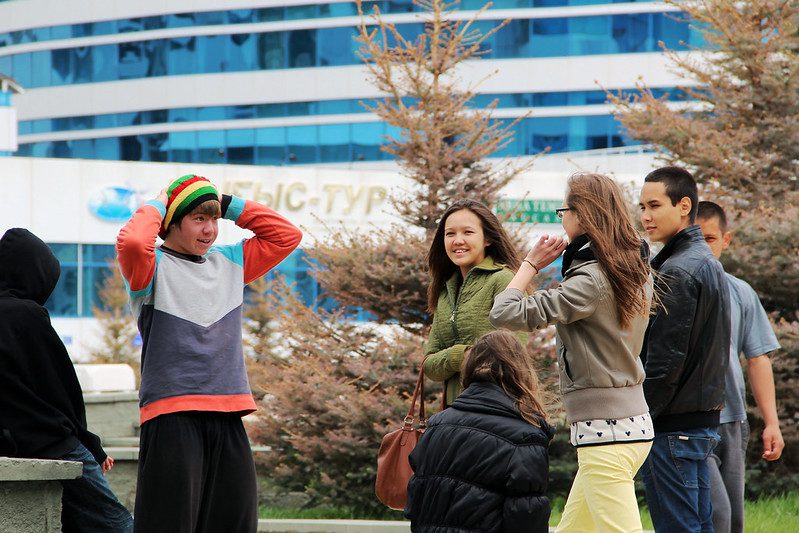
USAID in KazakhstanKazakhstan, a nation rich in natural resources and cultural diversity, has undergone significant transformations since gaining independence from the Soviet Union in 1991. Then, USAID began its partnership with the Government of Kazakhstan. Through various programs and initiatives, USAID has empowered changes across multiple sectors, fostering sustainable development and enhancing the quality of life for many Kazakhs. Today, Kazakhstan is an upper middle-income country that has emerged as a regional leader in Central Asia. This article is going to discuss four main factors about the impact of USAID in Kazakhstan.

Democracy and Governance

Kazakhstan possesses relatively strong state institutions; however, insufficient transparency and accountability undermine its attempts to promote good governance.  Also, another significant barrier to effective governance is the perceived lack of judicial independence, which affects the country’s ability to attract foreign investment and maintain the rule of law.

USAID in Kazakhstan supports the creation of a “civil society, access to information, strengthening citizen initiative groups and promoting human rights.” The agency also facilitates partnerships between civil society organizations and the Government of Kazakhstan to implement reforms that drive meaningful change in creating a better living environment. For example, the USAID is assisting the Ministry of Information and Social Development in “developing transparent and fair procedures for awarding and monitoring grants to local non-governmental organisations.”

USAID is working with the International Organization for Migration (IOM) on the adoption of an agreement between Kazakhstan and Uzbekistan on the protection of rights of the migrant

Economic Growth and Trade

Since gaining independence in 1991, the economy of Kazakhstan has experienced significant growth, mainly due to the utilization of its vast oil and gas reserves. Thanks to robust economic growth, the national poverty rate plummeted from nearly 50% at the start of the century to just 2.7% in 2015. To combat inequality, Kazakhstan is committed to boosting the income share of the bottom 40% of its population from 22.8% to 27% of total income by 2025.

Nonetheless, the country faces various economic challenges stemming from its Soviet past, such as “weak trade links with other Central Asian nations and a cumbersome regulatory framework” that hampers business development. Also, there are notable inequalities between urban and rural areas, as well as among different regions.

The work of USAID in Kazakhstan aims to diversify its economy beyond the oil and gas sector, focusing on areas like transportation and logistics, horticulture, information technology, and tourism. Additionally, USAID works to identify and eliminate barriers to trade with Kazakhstan’s Central Asian neighbors, helping the country unlock its potential as a regional trade and investment hub.

Energy and Environment

USAID has been instrumental in helping Kazakhstan modernize its energy sector while prioritizing environmental protection. This includes enhancing energy efficiency, promoting renewable energy, and attracting private investment.

Kazakhstan, a significant energy player, is transitioning to clean energy technologies. Despite its reliance on coal, which generates more than 80% of its electricity and accounts for 82% of its greenhouse gas emissions, the government recognizes the need for reform. Kazakhstan aims to reduce greenhouse gas emissions by 15% from 1990 levels by 2030, and at least 50% by 2050

USAID focuses on helping Kazakhstan and Central Asia diversify their energy sources with wind, solar, and hydropower. With USAID assistance, the Government of Kazakhstan added more than 1 Gigawatt of renewable energy projects through competitive auctions. The auctions made it possible to create competitive conditions, attract international investors, and significantly reduce renewable energy prices. This allows citizens to enjoy using clean energy with a lower cost.

Health Care

USAID programs in Kazakhstan aim to enhance access to essential services to prevent and control infectious diseases like HIV/AIDS and COVID-19. Kazakhstan faces a significant challenge with drug-resistant tuberculosis, while HIV/AIDS continues to impact vulnerable groups, especially those who inject drugs. However, the corporation between USAID and the Kazakhstan government to test and adopt client-centred HIV strategies such as HIV self-testing and adopt policies to support people living with HIV such as multi-month dispensation of antiretroviral therapy.

Besides, the USAID participated in supporting Kazakhstan in combating the COVID-19 pandemic through the provision of training, technical assistance to medical providers and the promotion of hygienic practices for the prevention of COVID-19 transmission.

The impact of USAID in Kazakhstan is profound and multifaceted. Through its commitment to empowering change, the agency has contributed to economic growth, improved education and health outcomes, promoted environmental sustainability, and strengthened democratic governance. As Kazakhstan continues to evolve on the global stage, the partnership with USAID remains a beacon of hope and progress, underscoring the importance of international collaboration in achieving sustainable development goals. The journey ahead may be challenging, but with continued support and empowerment, Kazakhstan is poised to build a brighter future for all its citizens.

– Hoi Ieng Chao

Hoi is based in Macau and focuses on Good News and Technology for The Borgen Project.

Photo: Flickr

January 13, 2025
https://borgenproject.org/wp-content/uploads/borgen-project-logo.svg 0 0 Naida Jahic https://borgenproject.org/wp-content/uploads/borgen-project-logo.svg Naida Jahic2025-01-13 01:30:072025-01-10 05:54:58Empowering Change: The Impact of USAID in Kazakhstan
Page 5 of 92«‹34567›»

Get Smarter

  • Global Poverty 101
  • Global Poverty… The Good News
  • Global Poverty & U.S. Jobs
  • Global Poverty and National Security
  • Innovative Solutions to Poverty
  • Global Poverty & Aid FAQ’s
Search Search

Take Action

  • Call Congress
  • Email Congress
  • Donate
  • 30 Ways to Help
  • Volunteer Ops
  • Internships
  • Courses & Certificates
  • The Podcast
Borgen Project

“The Borgen Project is an incredible nonprofit organization that is addressing poverty and hunger and working towards ending them.”

-The Huffington Post

Inside The Borgen Project

  • Contact
  • About
  • Financials
  • President
  • Board of Directors
  • Board of Advisors

International Links

  • UK Email Parliament
  • UK Donate
  • Canada Email Parliament

Get Smarter

  • Global Poverty 101
  • Global Poverty… The Good News
  • Global Poverty & U.S. Jobs
  • Global Poverty and National Security
  • Innovative Solutions to Poverty
  • Global Poverty & Aid FAQ’s

Ways to Help

  • Call Congress
  • Email Congress
  • Donate
  • 30 Ways to Help
  • Volunteer Ops
  • Internships
  • Courses & Certificates
  • The Podcast
Scroll to top Scroll to top Scroll to top