• Link to X
  • Link to Facebook
  • Link to Instagram
  • Link to TikTok
  • Link to Youtube
  • About
    • About Us
      • President
      • Board of Directors
      • Board of Advisors
      • Financials
      • Our Methodology
      • Success Tracker
      • Contact
  • Act Now
    • 30 Ways to Help
      • Email Congress
      • Call Congress
      • Volunteer
      • Courses & Certificates
      • Be a Donor
    • Internships
      • In-Office Internships
      • Remote Internships
    • Legislation
      • Politics 101
  • The Blog
  • The Podcast
  • Magazine
  • Donate
  • Click to open the search input field Click to open the search input field Search
  • Menu Menu

Tag Archive for: USAID

Information and news about mobile technology

Posts

Developing Countries, Foreign Aid, Global Poverty

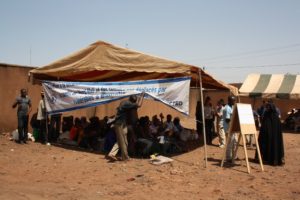
Foreign Aid to Burkina Faso

Foreign Aid to Burkina FasoBurkina Faso faces many challenges, including a high poverty rate, with more than 40% of its population living below the national poverty line. Terrorism, political instability and economic uncertainty compound these difficulties. Despite these overwhelming hurdles, foreign aid to Burkina Faso has played a crucial role in alleviating immediate crises and contributing to long-term development.

A Historical Look At Foreign Aid to Burkina Faso

Since independence from France in 1960, Burkina Faso has relied heavily on foreign assistance. In its early years, foreign aid to Burkina Faso focused on developing agricultural infrastructure. Key projects included irrigation and market development improvements, which were vital for an economy still largely dependent on agriculture, contributing 80% of the population’s income.

In the ’90s, international aid priorities shifted toward democratization and poverty reduction. Contributions from entities like the European Union (EU), the World Bank and the United States Agency for International Development (USAID) supported key development goals. However, by the 2010s, insurgencies in the Sahel region had disrupted these advancements, displacing millions and deepening the humanitarian crisis.

The Current Crisis: A Multifaceted Emergency

The insecurity situation in Burkina Faso, which escalated in the early 2010s, stems from armed conflict, displacement and economic instability. As of 2024, Burkina Faso has experienced increased violence caused by armed groups like al-Qaeda and ISIS-affiliated organizations. According to the United Nations Children’s Fund (UNICEF), targeted attacks on civilians, including worshippers at churches and mosques, have displaced more than 2 million people, including 32,768 children, in the first quarter of 2024 alone.

Terrorism and Displacement

Armed groups have forced families to flee their homes, leaving 2.7 million people in extreme food insecurity. More than one million individuals are trapped in blockaded regions such as Djibo, which is cut off from essential supplies and services. The ongoing violence has disrupted agriculture and livelihoods, further exacerbating the need for foreign aid to Burkina Faso.

Health Care and Education Gaps

The conflict has rendered 426 health facilities nonoperational, depriving more than 4 million people of essential medical care. Vaccination campaigns have reached approximately 3.4 million children, yet gaps remain due to restricted access.

Similarly, education has been severely disrupted, with more than 5,336 schools closed and 823,340 children unable to attend classes. UNICEF has supported the construction of temporary learning spaces, allowing 2,500 displaced children in the Sahel region to resume education while training teachers to manage emergency education needs.

International Humanitarian Response

The international community has mobilized resources to address these crises:

  • USAID’s Contributions: USAID has been a vital partner in delivering foreign aid to Burkina Faso. Through its Bureau for Humanitarian Assistance (BHA), the organization supports food security, nutrition, WASH and shelter programs. Since April 2024, USAID’s BHA has provided $70 million to the World Food Programme (WFP) for emergency food distribution in regions like Centre-Nord and Sahel. Furthermore, In 2024, USAID launched the Burkina Faso Community Health Activity, a five-year program with $50 million in funding to improve health care access in underserved regions.
  • UNICEF Nutrition Programs: UNICEF has treated more than 16,015 children suffering from severe acute malnutrition. Community health workers screened 62,070 children, identifying 1,431 severe cases requiring treatment. Additionally, 337,801 pregnant and lactating women received feeding counseling, while 10,370 children were given micronutrient powders to prevent deficiencies.

A Way Forward: Strengthening Resilience

While foreign aid to Burkina Faso is essential for immediate relief, the U.N. Conference on Trade and Development suggested sustainable development is critical for long-term recovery. These include diversifying the economy from agriculture and mining through investments in renewable energy and manufacturing. Therefore, as foreign aid to Burkina Faso continues to provide critical relief, the international community must focus on closing financial gaps and addressing structural challenges to ensure sustainable recovery.

– Mmanoko Faith Molobetsi

Mmanoko is based in Pretoria, South Africa and focuses on Good News and Politics for The Borgen Project.

Photo: Wikimedia Commons
January 8, 2025
https://borgenproject.org/wp-content/uploads/borgen-project-logo.svg 0 0 Hemant Gupta https://borgenproject.org/wp-content/uploads/borgen-project-logo.svg Hemant Gupta2025-01-08 01:30:462025-01-07 07:50:39Foreign Aid to Burkina Faso
Global Poverty, Women's Empowerment, Women's Rights

Things to Know About Haiti’s Gender Wage Gap

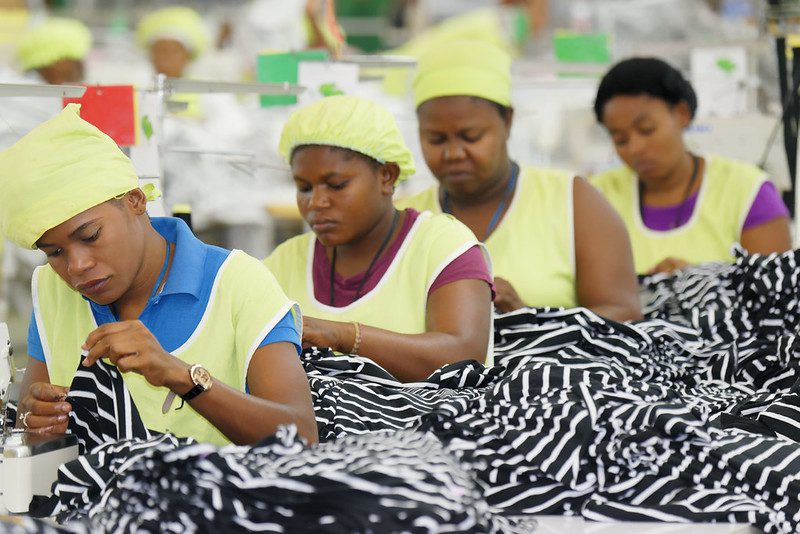
haiti's gender wage gapRanked 163rd out of 170 countries on the UNDP’s Gender Inequality Index in 2021, Haiti’s gender wage gap is categorized as the largest of any Latin American or African state. Many factors interact to maintain this level of income inequality, with traditional ideas around a woman’s role, gender-based violence and a disproportionate number of female workers in the informal sector reinforcing this harmful cycle. There are several attempts to eradicate these gender inequalities in the labor market, but more work is still necessary.

Haiti’s Gender Wage Gap and Unemployment

On average, female salaries are around 32% lower than their male counterparts in Haiti. About a third of this wage difference “can be explained by factors such as age, number of children, education, and industry of employment,” according to the International Monetary Fund (IMF). However, the rest of Haiti’s gender wage gap has no explanation, pointing towards a culture of gender discrimination. In rural areas, this manifests itself as more women living in poverty; households headed by women are more likely to live below the poverty line (62% compared to 54% of male-led households).

In 2017, women in Haiti were 20 percentage points more likely to be out of work than their male equivalents This was exacerbated during the COVID-19 pandemic, with women more likely to be unemployed or leave their positions, “reflecting a pattern of low labor market attachment among women that was already present and that expanded during the pandemic.” Although female unemployment has reduced slightly in the post-lockdown era, it still stood at 17.78% in 2023, compared to 11.79% for men.

Women and the Informal Sector

The informal sector contributes around 60% of Haiti’s GDP. Haitian women tend to dominate in this informal economy, partially due to a lack of opportunities or education, but also because Haitian women have “traditionally carried the brunt of family responsibilities” and the society sees them as “poto-mitan” – or backbone- of their families and wider communities. Thus, many women become informal merchants to earn money and juggle domestic responsibilities, contributing to Haiti’s gender wage gap. Women tend to work more in this informal sector which “small production units with low-profit margins” define, including a lack of protections and security for workers (10), which further disadvantages women in terms of pensions and rights, making job progression more difficult.

Traditional Gender Roles and Violence

Around half of Haitian homes, according to the May-June 2020 Haiti Gender Assessment, claimed that chores like cooking, cleaning and child-rearing were a woman’s responsibility in the home. This significant domestic burden inevitably places women at a disadvantage when looking for employment in comparison to men, who tend to have fewer if any domestic tasks.

Also, women have much less access to “productive resources” like land and financial tools, with only 8% of women in rural Haiti owning their own land, compared to 20% of rural men, according to the World Bank. Although only a third of Haitians have a bank account, the gender gap is around 5 percentage points, with much less women having access to these services.

An acute problem with gender-based violence could also be contributing to the persistence of Haiti’s gender wage gaps, given that violence against women “has profound implications for women’s [labor] market participation, driving economic and workplace barriers that erode financial independence and restrict access to meaningful employment opportunities.” In just the first quarter of 2024, there were 1,793 reports of GBV 94% of which came from women and girls, according to the Center for Strategic and International Studies (CSIS). Combatting chauvinist ideas and domestic violence towards women is key to empowering and integrating them into the workplace.

Education Gap Reversing

Despite a lack of progress regarding women’s involvement in the workforce, there has been progress in improving female education and attendance rates. Gender gaps have “closed or even reversed at the secondary and tertiary levels” with more girls between 15-24 years attending school than boys in rural areas, the World Bank reports.

However, gender gaps persist in lower stages of the education system, and men are still more likely to have graduated from secondary and higher education institutions than their female counterparts. This persisting gender gap in higher education attainment is inevitably worsening this gender pay gap, given that many women in Haiti have not been provided with the same level and quality of education as their male peers.

Solving Haiti’s Gender Wage Gap

The Haitian government has tried to make progress regarding the country’s marked gender wage gap, signing international accords addressing women and gender equality. It also has a Ministry for the Status of Women and Women’s Rights (MCFDF) and a Gender Equality Office for the Parliament, established in 2013, “to foster gender equality on the legislative level and women’s participation in formal politics.”

However, implementation has been slow, considering institutional weakness, political instability and a lack of funding for the MCFDF. Quotas for female representation in government have not had major success within these bodies, with women making up less than the constitutional requirement in both houses of the Haitian Parliament (less than 30%). Compared to its neighbors, Haiti is underperforming regarding the promotion of gender quality and equal opportunities, according to the World Bank.

USAID has also attempted to empower women and girls and combat Haiti’s gender wage gap. They have focused on programs intermingling economic factors and improvements to health and sanitation provision with measures to reduce poverty and gender-based violence. USAID initiatives to reduce poverty and stimulate growth have created 27,000 permanent jobs since 2011, 53% of which employed women, in sectors like construction and manufacturing.

Final Notes

Haiti is a country with a young population and much potential but has suffered at the hands of dictators, natural disasters, and political instability. The country’s gender pay gap has been fed by and worsened female participation in the labor market and the lack of employment opportunities for women. Despite great efforts by the Haitian government and USAID, the 32% gender wage gap persists, and women still find themselves without work, or limited to employment within more informal sectors without workplace protections.

– Ciara Howard

Ciara is based in Brighton, UK and focuses on Good News and Global Health for The Borgen Project.

Photo: Flickr

January 1, 2025
https://borgenproject.org/wp-content/uploads/borgen-project-logo.svg 0 0 Naida Jahic https://borgenproject.org/wp-content/uploads/borgen-project-logo.svg Naida Jahic2025-01-01 07:30:042024-12-31 03:24:23Things to Know About Haiti’s Gender Wage Gap
Developing Countries, Global Poverty, USAID

USAID in Angola: Impacting Poverty

USAID in AngolaAngola is not inherently an impoverished country; however, it has been significantly affected by a tumultuous history marked by slavery and civil conflict. These historical injustices have led to widespread inequality and left a substantial portion of the population living in precarious conditions. The United States Agency for International Development (USAID) is the principal government agency responsible for international development and humanitarian assistance. USAID plays a vital role in Angola by providing support aimed at fostering sustainable development, improving health outcomes and enhancing economic opportunities for its citizens.

Historical Background

Since 1992, USAID has been engaged in relief and development programs in Angola, initially focusing on immediate health interventions like immunization campaigns and emergency feeding. Following the end of the civil war in 2002, Angola made strides in rebuilding its infrastructure and economy. However, challenges such as poverty, inadequate health care and limited education remain. In response, USAID expanded its efforts to address these critical areas for recovery. By 2011, USAID celebrated its 50th anniversary and 15 years in Angola, providing support across agriculture, economic growth, health and governance.

Health Care Assistance

USAID’s health programs in Angola focus on improving health care services and addressing high maternal and child mortality rates. Collaborating with the Government of Angola (GRA) and various stakeholders, USAID supports initiatives like the President’s Emergency Plan for AIDS Relief (PEPFAR) and the President’s Malaria Initiative (PMI) to combat malaria, HIV/AIDS and other communicable diseases in the nation.

Despite these efforts, Angola faces significant health challenges, with nearly one in five children dying before age 5 and a maternal mortality ratio of 199 deaths per 100,000 live births. The country also has a high fertility rate of 5.8 births per woman, straining health care resources. The Angolan National Health Development Plan (2012-2025) aims to reduce malaria morbidity from 21% to 12%, maintain HIV/AIDS prevalence at 2%, triple the number of doctors per 10,000 citizens, improve skilled birth attendance from 49% to 70% and increase access to family planning services from 6% to 45%.

Food Assistance

​​Angola is highly vulnerable to recurring climatic shocks, such as droughts and floods, which have severely limited agricultural production and exacerbated food insecurity. Moreover, inadequate access to safe drinking water and essential health care services has led to increased morbidity and mortality rates. According to the World Food Program (WFP), as of September 2021, more than 1.3 million people in the Cunene, Huíla and Namibe provinces required emergency food assistance.

In response to this crisis, U.S. Ambassador Tulinabo S. Mushingi issued a redeclaration of humanitarian needs on November 29, 2022, highlighting the widespread food insecurity affecting the country. In light of these challenges, USAID continues to provide critical support in food, nutrition, water, sanitation and hygiene assistance to improve food security and nutrition outcomes for at-risk populations in Angola.

Environmental Protection

USAID’s Regional Environmental Activities prioritize the conservation and sustainable management of the Cubango-Okavango Basin, one of Africa’s most biodiverse ecosystems, which supports more than one million people who depend on its water for drinking, fishing, agriculture and tourism. However, changes in land use, water diversion and urbanization threaten these unique ecosystems and their vital resources. In response, the Ecosystems, Communities and Climate – Cubango-Okavango (ECCO) initiative has been launched, funded by USAID and bolstered by private sector support.

This initiative focuses on enhancing community governance of water and sanitation services while promoting cross-sector collaboration for biodiversity conservation. USAID’s efforts in Angola also include supporting national forest inventories, implementing community forestry pilot projects, conducting fire management capacity assessments and evaluating Angola’s protected area network. These initiatives complement regional programs aimed at safeguarding Angola’s natural resources, enhancing economic opportunities and promoting sustainable development across Angola, Namibia and Botswana.

Economic Development

Furthermore, USAID has developed a five-year Country Development Cooperation Strategy (CDCS) that acknowledges Angola’s growing economy, rising regional status and ongoing development challenges. This strategy aims to transition Angola from a donor-recipient relationship to a partnership model, where the country will take the lead in financing and managing its economic and social development with targeted technical assistance from USAID.

Recognizing agriculture as the backbone of the economy, USAID fosters economic growth and trade by mobilizing private sector investments. Collaborating with companies like ExxonMobil and Azule Energy, USAID supports rural women farmers through initiatives that enhance land rights, literacy and agricultural productivity, such as the Women in Angola Farming project. Additionally, USAID’s Africa Trade and Investment program under the Prosper Africa initiative boosts trade and investment between Africa and the U.S., addressing energy poverty and promoting sustainable innovation.

Conclusion

The USAID program in Angola represents a commitment to supporting the country’s development journey. Through targeted interventions in health care and food assistance, environmental protection and economic development, USAID has made a positive impact on the lives of many Angolans. Continued collaboration between the U.S. government, Angolan authorities and local communities will be essential to address ongoing challenges and promote sustainable development in the years to come.

– Hoi Ieng Chao

Hoi Ieng Chao is based in Macau and focuses on Global Health for The Borgen Project..

Photo: Flickr

November 26, 2024
https://borgenproject.org/wp-content/uploads/borgen-project-logo.svg 0 0 Hemant Gupta https://borgenproject.org/wp-content/uploads/borgen-project-logo.svg Hemant Gupta2024-11-26 01:30:262024-11-24 11:33:50USAID in Angola: Impacting Poverty
elderly poverty, Global Poverty, Tourism

Everything to Know About Elderly Poverty in Antigua and Barbuda

Elderly Poverty in Antigua and Barbuda 
Antigua and Barbuda is a Caribbean country consisting of the two main islands and several smaller islands with 97% of the country’s population located in Antigua. The British colonized the country in the 17th century and transported a large population of enslaved Africans to work on sugar and tobacco plantations. After the emancipation of slavery in 1834, the economy struggled due to the heavy reliance on sugar production. In 1981, the country gained full independence from the U.K. and opted to remain in the Commonwealth. The country’s legacy of colonialism still affects the current economic state. 

Economic Effect on Elders

People aged 60 years and older have a higher likelihood of suffering from extreme poverty at 4.2% than the rest of the population at 3.7%. Poverty is more prevalent in rural areas due to limited access to services, transportation and economic opportunities. Access to affordable health care is also a major issue caused by elderly poverty in Antigua and Barbuda. The costs of medical care, including medications and treatments for chronic conditions strain the limited resources of those who experience elderly poverty in Antigua and Barbuda.

Many charitable and nonprofit organizations provide health care services in Antigua and Barbuda. St. John’s Hospice is a charity that provides hospice care to the terminally ill. The organization provides both in-home and inpatient care through the proceeds from a shop run by the charity located in Antigua, as well as fundraising and donations.

The Environment and Tourism

Caribbean countries are more vulnerable to extreme weather events and natural disasters. Environmental devastation affects the ability to conduct tourism and the economy since the tourism industry makes up more than 50% of the country’s GDP and is responsible for more than 46% of the national employment. 

Elderly poverty in Antigua and Barbuda is disproportionately affected by hits to the labor market. According to a 2018 Labour Force Survey Report, the employment-to-population ratio is lowest in seniors 65 and older. Both environmental issues and the tourism industry affect housing. Environmental disasters destroy buildings. The tourism industry pushes locals away from coastal land and into areas with fewer resources. Jamaica Kincaid describes tourism as a neo-colonial structure that exploits the land and local population and is responsible for the economy. 

USAID/OFDA provided disaster relief services for Antigua and Barbuda, including getting resources to more than 400 hurricane-affected households in 2018. Since 2010, it has provided $95 million to support disaster risk reduction programs in Latin America and the Caribbean.

Conclusion

Despite challenges from Antigua and Barbuda’s colonial past and a heavy reliance on tourism, the country is home to a vibrant community working towards a brighter future. With continued efforts from local and international groups, there is hope for sustainable development and a better quality of life for all citizens, especially those affected by elderly poverty in Antigua and Barbuda.

– Nina Bujewski

Nina is based in San Luis Obispo, CA, USA and focuses on Politics for The Borgen Project.

Photo: Pexels

November 5, 2024
https://borgenproject.org/wp-content/uploads/borgen-project-logo.svg 0 0 Jennifer Philipp https://borgenproject.org/wp-content/uploads/borgen-project-logo.svg Jennifer Philipp2024-11-05 01:30:422024-11-10 22:38:58Everything to Know About Elderly Poverty in Antigua and Barbuda
Food & Hunger, Food Insecurity, Global Poverty

Hunger in Ethiopia: Everything You Need to Know

Hunger in EthiopiaAccording to the World Food Programme (WFP), a staggering 55% of all children younger than 5 in Ethiopia suffer from hunger, highlighting the severe nutritional crisis facing the nation. In 2024, approximately 15.8 million people in Ethiopia required food support due to a complex interplay of factors such as rampant inflation, ongoing conflicts, severe droughts and the spread of diseases.

Ethiopia is currently grappling with one of the worst droughts in recent history, leading to widespread starvation and devastating consequences for vulnerable populations. The drought has destroyed crops and livestock, further exacerbating food shortages and pushing families into dire circumstances.

Many Ethiopians are also suffering from various diseases, with children particularly affected by hydrocephalus, a serious condition characterized by swelling of the brain due to the accumulation of spinal fluid. This condition can often be linked to malnutrition during pregnancy, underscoring the intergenerational impacts of food insecurity.

The Impacts of Conflict and Drought in Ethiopia

Conflict, drought and decreasing food support are endangering the lives of millions of Ethiopians and driving inflation to unprecedented levels in the region. While inflation in the U.S. and conflicts elsewhere contribute to the crisis, the situation is complex, with smaller issues, such as the availability of fuel for supply trucks delivering food and medicine, playing a critical role.

The disruption of supply chains due to fuel shortages has led to delays in delivering vital humanitarian assistance to affected communities. These delays have further strained the already limited resources available to those in need. Moreover, ongoing conflicts in various regions of the country have hindered access to agricultural land, preventing farmers from cultivating crops and worsening food scarcity.

Humanitarian needs in Ethiopia have tripled since 2015 and the country is experiencing its worst drought in decades, often described as the worst in a generation. This drought affects 8.1 million people, including approximately 2.5 million children, leading to water scarcity, food insecurity and severe disruptions in livelihoods. The consequences include rising food prices, increased malnutrition rates among children and the displacement of millions.

In southern and southeastern Ethiopia, an estimated 7.4 million people wake up hungry each day as the country grapples with its fourth consecutive failed rainy season. Drought, compounded by regional conflict, remains a significant challenge. These alarming statistics and health issues reflect the urgent need for comprehensive interventions to address not only immediate food needs but also the underlying causes of hunger and health disparities in Ethiopia.

What Is Being Done

Several organizations, including the United States Agency for International Development (USAID), are actively supporting Ethiopia through humanitarian assistance. In 2022, USAID announced $488 million to address various critical needs, including:

  • Emergency food assistance
  • Life-saving nutrition to treat malnourished children
  • Support for farmers to prevent livestock and crop loss
  • Aid for vulnerable populations
  • Assistance for farmers and agribusiness to build resilience
  • Provision of safe drinking water and emergency health care to mitigate disease exacerbated by hunger
  • Protection for women and children to prevent gender-based violence.

Summary

Ethiopia is facing a critical crisis as conflict, drought and hunger threaten millions of lives. However, several nonprofit organizations, such as USAID, are actively assisting the country in addressing these issues through humanitarian aid. With sustained support from both local and international organizations, Ethiopia has the potential to overcome these challenges and work toward a more stable future.

– Anthony Burt

Anthony is based in Kansas, USA and focuses on Technology and Politics for The Borgen Project.

Photo: Flickr

October 31, 2024
https://borgenproject.org/wp-content/uploads/borgen-project-logo.svg 0 0 Hemant Gupta https://borgenproject.org/wp-content/uploads/borgen-project-logo.svg Hemant Gupta2024-10-31 07:30:322024-10-31 00:28:52Hunger in Ethiopia: Everything You Need to Know
Aid, Global Poverty, Health

Bridging the Gap: Poverty and Maternal Health in Yemen

Maternal Health in YemenYemen is facing a catastrophic humanitarian crisis. Maternal health issues and extreme poverty have become some of the deadliest threats in the region. According to the United Nations Children’s Fund (UNICEF), one woman and six newborns die every two hours in Yemen due to complications during pregnancy or childbirth. The country’s health care system has been severely compromised by prolonged and intense fighting. Since the conflict escalated between the Saudi-led government coalition and Houthi rebels, maternal mortality rates have skyrocketed.

The ongoing conflict has not only destroyed medical facilities but also led to a severe shortage of medical supplies and personnel. As a result, only approximately half of the country’s health facilities are functional and even fewer are equipped to provide adequate maternal and child health services. This scarcity of resources has left millions of women without access to essential reproductive health care, including prenatal check-ups, safe delivery options and postnatal care.

The crisis is further emphasized by widespread food insecurity and malnutrition, which disproportionately affect pregnant women and new mothers. With the economy struggling, many families struggle to afford necessities, let alone specialized medical care. This economic hardship has created a vicious cycle where poverty and poor health outcomes reinforce each other, with devastating consequences for maternal and infant well-being.

Collapsed Health Care System

The conflict has caused a breakdown of Yemen’s health care system. As of 2024, 17.8 million people require health assistance, with one-quarter being women. Among them, 5.5 million of reproductive age, including pregnant and lactating women, struggle to access necessary health services. This is largely due to a shortage of female doctors and nurses, as well as a lack of essential medical supplies. Currently, only one in five functioning health clinics can provide maternal and child health services.

In addition, more than 2.7 million pregnant and breastfeeding women in Yemen are estimated to require treatment for acute malnutrition. Food shortages and insecurity increase the risks of giving birth to newborns with stunted growth and malnourished infants. The lack of medical infrastructure has left millions of women without access to essential health care services.

Economic Impact

The severe economic conditions in Yemen have left 80% of the population struggling to meet basic needs, which directly impacts maternal and infant health through malnutrition and lack of access to care. The economic crisis has worsened the situation for pregnant women and new mothers. The devaluation of the Yemeni Rial and high inflation rates have severely restricted families’ ability to afford nutritious food.

Additionally, the crisis has led to widespread displacement, with 73% of the 4.2 million displaced people being women and children. Despite the Ministry of Public Health and Population’s policy of free access to health care, Yemenis still pay more than 50% of their health expenditures out of pocket.

International Aid

The United Nations Population Fund (UNFPA) has played a crucial role in addressing Yemen’s maternal health crisis by:

  • Being the sole provider of life-saving reproductive health services in the country.
  • Leading the coordination and provision of women’s reproductive health and protection services nationwide.
  • Supporting emergency obstetric and maternal health care at more than 100 health facilities.
  • Offering services to prevent and respond to gender-based violence through 36 safe spaces, eight shelters and seven specialized mental health centers.
  • Leading a rapid response mechanism in partnership with the World Food Programme (WFP) and UNICEF to provide emergency relief to newly displaced persons.

The European Union (EU) has also been a significant contributor to Yemen’s humanitarian efforts by:

  • Allocating more than $130 million in humanitarian funding to address the most pressing needs in the country.
  • Contributing nearly $1.6 billion since 2015 to address the Yemeni crisis, including more than $1 billion in humanitarian aid.
  • Recognizing 13 humanitarian Air Bridge flights since February 2024 to respond to the urgent health crisis triggered by outbreaks of infectious diseases, including cholera.
  • Funding the refurbishment of health centers, such as the Shahir Health Center in Hadramout.

Additionally, the United States Agency for International Development (USAID) has been involved in improving maternal and child health in Yemen. The agency-funded Systems Health and Resiliency Project (SHARP) has made strides in improving maternal and child health services in 14 districts across three governorates. SHARP has reached more than 1.8 million Yemeni people with activities aimed at improving their health. The project has trained and partnered with community midwives, reproductive health volunteers, health facility workers and community members to provide essential health care and support.

Conclusion

Addressing Yemen’s maternal health and poverty crisis requires urgent via coordinated international assistance. Many organizations have contributed to aid and support, but the scale of the issue is demanding and requires a greater response to save lives and break the cycle of poverty and ill health.

– Hannah Ravariere-Moakes

Hannah is based in London, UK and focuses on Politics and Global Health for The Borgen Project.

Photo: Flickr

October 29, 2024
https://borgenproject.org/wp-content/uploads/borgen-project-logo.svg 0 0 Hemant Gupta https://borgenproject.org/wp-content/uploads/borgen-project-logo.svg Hemant Gupta2024-10-29 01:30:332024-10-29 11:47:22Bridging the Gap: Poverty and Maternal Health in Yemen
Africa, Children, Education

Education Initiatives in Namibia

education initiatives in namibiaIn the southwestern African nation of Namibia, education is of vital importance. Compared to its neighbors, Namibia invests around 10% more of total government expenditures on education, at roughly 25%. Furthermore, literacy rates are 92% overall and 95% for youth. This emphasis on the nation’s youth is critical for development in Namibia because an educated population base can raise employment and boost the nation’s economy. Despite these current successes, unequal access to education and poverty remain in the country, with 17.2% of the population living on less than $2.15 per day. In response, both the government and international organizations have developed plans for education initiatives in Namibia that tackle these issues and grow an educated workforce.

Government Work

Education is mandatory for Namibians between 6 and 16 years old and is free for both primary and secondary school since 2013 and 2016, respectively. In 2023, the country announced the Safeguarding Intangible Cultural Heritage in Basic Education in Namibia and Zimbabwe program, which trains teachers in both nations and establishes a community-based style of learning which emphasizes living heritage and culture.

With this initiative, Namibia moves closer to achieving SDG 4 – access to quality education for all. In addition, Namibia has recently undertaken efforts to digitize its education system, launching “The Digital Schools” as a test project to improve “digital learning environments and enhance teachers’ digital skills.”

USAID

Despite the efforts of the Namibian government, inequalities and deficiencies in education persist. Thankfully, international organizations have stepped up to spur development through their education initiatives in Namibia. USAID has been active since the nation’s birth through its Basic Education Systems Project, helping children in densely populated and underserved regions access primary education before it was free to do so.

USAID’s Ambassador Scholarship Program finances education for orphans and vulnerable children and keeps them in school, helping them receive an equal education to more advantaged students. Finally, a Youth Development program instills in students life skills and vocational training to keep them enrolled in education.

Roger Federer and MCC

Since 2018, the Roger Federer Foundation has encouraged a smooth transition for students entering primary school through its School Readiness Initiative. It assists Namibia’s youth with enrolling and staying in school and promotes equal access between girls and boys. Furthermore, its Early Learning Kiosk offers stimulating digital learning to students at a low cost in the form of a tablet.

The Millennium Challenge Corporation (MCC), another U.S.-based development effort, spent $145 million instituting education initiatives in Namibia through its Namibia Compact. The program trained new teachers and offered new textbooks to students. While test scores and education improved somewhat, the MCC founds new facilities to often not meet the needs of Namibian communities.

UNICEF

UNICEF focuses on education at a young age, using its Integrated Early Childhood Development approach to improve nutrition, stimulation and learning opportunities for pre-primary Namibian children, especially the disabled. Furthermore, the program trains parents in skills to ensure their children’s sustained learning on the path to enrollment in primary education.

Namibia is already far ahead of most African nations in terms of education. However, inequalities exist between vulnerable and disabled populations and the rest of the youth population. With both the government of Namibia and outside organizations recognizing this issue and taking action, vast improvements in education—and development as a whole in Namibia—are sure to follow.

– Cole Zickwolff

Cole is based in Los Angeles, CA, USA and focuses on Good News and Technology for The Borgen Project.

Photo: Flickr

October 26, 2024
https://borgenproject.org/wp-content/uploads/borgen-project-logo.svg 0 0 Naida Jahic https://borgenproject.org/wp-content/uploads/borgen-project-logo.svg Naida Jahic2024-10-26 01:30:442024-10-26 01:32:01Education Initiatives in Namibia
Aid, Conflict, Global Poverty

Diplomatic and Humanitarian Aid as Keys to Stability in Lebanon

Stability in Lebanon As of September 26 2024, Israel and Hezbollah forces have been exchanging fire over, which destabilized the situation in the Middle East further. So far, more than 700 innocent civilians have been killed in Lebanon, many of whom are women and children. Additionally, thousands of residents in the south of Lebanon have fled to the northern part of the country to escape the conflict, which could worsen the already high rate of poverty in the country. Despite the intensity of the conflict in the last few days, governments and humanitarian organizations have been relentless in improving stability in Lebanon and its vulnerable communities.

Regional Support to Lebanon

Middle Eastern countries have been at the forefront of providing aid to the Lebanese people in their darkest hours and to pave the way for stability in Lebanon. For example, Saudi Arabia’s King Salman Humanitarian Aid and Relief Center (KSRelief) funded the ambulance services carried out by Lebanon’s Subul Al Salam Social Association in the northern part of the country. The association was able to carry out 59 ambulance missions on September 14, 2024, and they plan to use the funds to provide services to those in refugee areas, Saudi Press Agency (SPA). Similarly, on September 24, 2024, the Kuwait Red Crescent Society (KRCS) conducted a relief campaign for 10,000 displaced Lebanese families in shelter centers by providing essential items such as food, cleaning supplies and mattresses. This highlights only a little bit of the exhaustive efforts by countries worldwide to help Lebanon.

International Support to Lebanon:

Countries beyond the Middle East have been involved in the efforts to ensure that there is stability in Lebanon. For instance, on April 3, 2024, USAID announced that it is providing more than $67 million for humanitarian assistance to the most vulnerable communities in Lebanon. The funds will help organizations in Lebanon, such as the World Food Programme (WFP), continue to deliver life-saving aid to over 100,000 people in Lebanon. On the other hand, on May 2 2024, the European Union announced that it is providing financial assistance to the most vulnerable in Lebanon of €1 billion from 2024-2027 to support, among many things, basic health and education services. This shows that, despite the intensity of the current conflict in Lebanon, there are still good people trying to bring peace and stability to the country.

Stability in Lebanon: The Future

In the last few days since war broke out between Israel and Hezbollah forces in Lebanon, media outlets have been focusing disproportionately on the doom side of the conflict. Although it is right to point out the level of destruction in this war, there is also the often-overlooked part where diplomats and aid workers are working tirelessly to bring stability to Lebanon.

Regional countries, such as Saudi Arabia, have been providing aid non-stop to Lebanon as part of the effort to bring peace to the Middle East. Similarly, the U.S. and the EU are also working to end the conflict in Lebanon via diplomacy and humanitarian aid to strengthen the international human rights system. It may be difficult to feel hopeful for Lebanon given the nature of the news cycle today. Still, the facts on the ground give a strong reason to feel optimistic for a better tomorrow for the Lebanese people.

– Abdullah Dowaihy

Abdullah is based in Riyadh, Saudi Arabia and focuses on Good News and Politics for The Borgen Project.

Photo: Flickr

October 6, 2024
https://borgenproject.org/wp-content/uploads/borgen-project-logo.svg 0 0 Naida Jahic https://borgenproject.org/wp-content/uploads/borgen-project-logo.svg Naida Jahic2024-10-06 07:30:002024-10-06 01:19:54Diplomatic and Humanitarian Aid as Keys to Stability in Lebanon
Food Insecurity, Global Poverty, Hunger

Feed the Future: What You Need to Know

Feed the FutureFeed the Future, an American initiative led by the United States Agency for International Development (USAID), collaborates with the U.S. government, volunteers and nongovernmental organizations (NGOs) to combat global hunger. The initiative aims to solve one of the greatest challenges of our time through partnerships that focus on tackling the underlying causes of poverty. Furthermore, it supports people to end their dependence on aid and opens up opportunities for future generations.

Feed the Future’s strategies include boosting agricultural growth, improving security and supporting community resilience against natural disasters. It also focuses on guaranteeing proper nutrition, specifically for women and children. Created in 2010 in response to the food crisis of 2007-2008, Feed the Future currently focuses on selected countries such as Ghana, Nepal and Uganda. The organization selects locations based on their level of need, the potential for its programs to grow and the availability of resources.

Global Food Security Strategy

Following the COVID-19 pandemic, 97 million more people have been surviving on $2 a day, leading to the first global increase in extreme poverty in more than 20 years. In response, the U.S. government introduced the Global Food Security Strategy to combat the rise in poverty and ensure that families worldwide have access to food. The Global Food Security Strategy seeks to reduce global poverty, malnutrition and widening inequality through initiatives like Feed the Future. It also aims to achieve a 20% reduction in poverty and reduce stunting in the countries where it operates with assistance from other foreign governments.

In Uganda, the Global Food Security Strategy aligns with the Government of Uganda’s Third National Development Plan. The strategy focuses on boosting household income and improving living standards. From 2012 to 2015, the stunting rate in children younger than 5 in regions where Feed the Future operated dropped by 11%. In Senegal, Feed the Future facilitated $64 million in loans for Senegalese farmers, wholesales and millers. With access to mechanization services, smallholder farmers increased their productivity. As a result, rice production increased by 123% from 2012 to 2018.

Feed the Future Target Country Expansion

In a Feed the Future target country, the U.S. government takes a coordinated approach to plan its investments. This encourages other groups, like donors and local governments, to provide support and funding. In 2022, the U.S. announced it would expand Feed the Future’s reach to eight new countries, bringing the number of countries the program is involved in from 12 to 20. These countries include Rwanda and Tanzania. Feed the Future plans to increase its efforts to reduce food insecurity in the next few years in these nations.

Results and Achievements

The program’s seven-year efforts have lifted approximately 23 million people above the poverty line. Additionally, 3.4 million children are no longer stunted and 5.2 million families are no longer at risk of hunger. The initiative has unlocked $6.2 billion in agricultural financing and developed more than 1,000 innovations. From 2011 to 2022, Feed the Future generated $28 billion in farm sales, aiding farmers.

Moving Forward

As Feed the Future advances in its global reach, it proves that ending hunger is possible. Indeed, this project plays a key role in the effort to alleviate poverty worldwide, aiming to help families in impoverished nations overcome food insecurity. With the significant progress it has made and its extensive global reach, tangible improvements in people’s lives are evident.

– Nouf Hunaiti

Nouf is based in Rancho Cucamonga, CA, USA and focuses on Good News for The Borgen Project.

Photo: Flickr

October 1, 2024
https://borgenproject.org/wp-content/uploads/borgen-project-logo.svg 0 0 Hemant Gupta https://borgenproject.org/wp-content/uploads/borgen-project-logo.svg Hemant Gupta2024-10-01 01:30:332024-09-30 09:14:18Feed the Future: What You Need to Know
Africa, Gender Equality, Global Poverty

Understanding and Addressing Gendered Poverty in Mozambique

Gendered Poverty in MozambiqueIn the southeast African nation of Mozambique, around 63% of the population lived in poverty in 2020, surviving on less than $1.90/day. Gender inequality further exacerbates this phenomenon – Mozambique ranks 139th out of 159 countries on the UNDP Gender Inequality Index. Gendered poverty in Mozambique takes the form of women having fewer educational and employment opportunities and being confined to a traditional role as mothers. While the government has fought this issue, much more is necessary to bring gender equality and economic prosperity to Mozambicans.

The Current State of Gendered Poverty

Most Mozambican women are in employment, but they work primarily in the informal sector for meagre wages. For example, in agriculture, the nation’s largest industry, 52.9% of employees in rural areas are women.

Most women engage in agriculture to provide for their families, but they are still mostly in traditional roles while men pursue more private sector jobs and economic mobility. With COVID-19 disproportionately affecting young women by halting access to education, employment, and food, they have since become even more disposed to early marriage and living in poverty compared to Mozambican men.

The nation’s government has attempted to combat gendered poverty in Mozambique. For example, a 2019 law banned the marriage of girls under the age of 18 to promote female autonomy and engagement with the economy rather than becoming mothers at too young of an age.

Furthermore, the Family Law and Law Against Domestic Violence have protected women’s rights in marriage and the family, such as inheritance, divorce, and personal rights.

Internationally, the government of Mozambique has signaled its intentions to protect women’s individual and family rights by adopting The Convention on the Elimination of All Forms of Discrimination Against Women the Optional Protocol to the African Charter on Human Rights and Peoples‟ Rights and the Rights of Women.

Although this emphasis on gender equality has seen positive effects like near-equal levels of female representation in low-level government positions, government policies have not done nearly enough to bring about gender equality as a tool for overcoming poverty.

International Efforts

Instead, foreign assistance and international organizations have stepped up to reinforce gender equality efforts. For instance, the United States Agency for International Development has implemented several programs targeting impoverished women in Mozambique. Working with the Mozambican government, USAID has introduced female farmers to more nutritious crop varieties and seeds while sharing efficient agricultural strategies and technology to provide for a growing population, according to its website.

USAID has also enforced the President’s Emergency Plan for Aids Relief (PEPFAR) in Mozambique, reducing HIV rates in the country and providing safe testing and medical equipment to Mozambicans with HIV/AIDS, primarily women.

Additionally, USAID’s Vamos Ler! Program promotes higher rates of girls’ attendance in school through a curriculum that encourages role models of both genders, while also ensuring that students have the hygiene they need to remain enrolled in school, according to its website.

Another effort that recognizes the role of education in eradicating poverty is the World Bank-funded “Eu Sou Capaz” program, which gives both school uniforms and bicycles to young girls in school as an incentive for education and provides skills training to girls who have already completed schooling, according to World Bank.

The initiative has seen a narrowing in the educational gender gap and intends to expand its resources to cover more young Mozambicans in the coming years.

Looking Forward

These efforts toward gender equality are the first step in remedying gendered poverty in Mozambique. With decreased AIDS and maternal deaths and increased education and employment opportunities, Mozambican women will be able to step outside the home and become integral members of their developing nation’s economy. However, these programs cannot assert their full force without changing cultural views in Mozambique. Currently, society remains dominated by men in practice and in the minds of Mozambicans who perceive traditional family structures as the nation’s backbone.

A combined approach of national, international and cultural changes emphasizing a new role for women could help uplift Mozambique from extreme poverty.

– Cole Zickwolff

Cole is based in Carlsbad, CA, USA and focuses on Good News and Technology for The Borgen Project.

Photo: Unsplash

September 25, 2024
https://borgenproject.org/wp-content/uploads/borgen-project-logo.svg 0 0 Naida Jahic https://borgenproject.org/wp-content/uploads/borgen-project-logo.svg Naida Jahic2024-09-25 01:30:522024-09-24 23:27:05Understanding and Addressing Gendered Poverty in Mozambique
Page 6 of 92«‹45678›»

Get Smarter

  • Global Poverty 101
  • Global Poverty… The Good News
  • Global Poverty & U.S. Jobs
  • Global Poverty and National Security
  • Innovative Solutions to Poverty
  • Global Poverty & Aid FAQ’s
Search Search

Take Action

  • Call Congress
  • Email Congress
  • Donate
  • 30 Ways to Help
  • Volunteer Ops
  • Internships
  • Courses & Certificates
  • The Podcast
Borgen Project

“The Borgen Project is an incredible nonprofit organization that is addressing poverty and hunger and working towards ending them.”

-The Huffington Post

Inside The Borgen Project

  • Contact
  • About
  • Financials
  • President
  • Board of Directors
  • Board of Advisors

International Links

  • UK Email Parliament
  • UK Donate
  • Canada Email Parliament

Get Smarter

  • Global Poverty 101
  • Global Poverty… The Good News
  • Global Poverty & U.S. Jobs
  • Global Poverty and National Security
  • Innovative Solutions to Poverty
  • Global Poverty & Aid FAQ’s

Ways to Help

  • Call Congress
  • Email Congress
  • Donate
  • 30 Ways to Help
  • Volunteer Ops
  • Internships
  • Courses & Certificates
  • The Podcast
Scroll to top Scroll to top Scroll to top