WASH in Serbia: The Good News
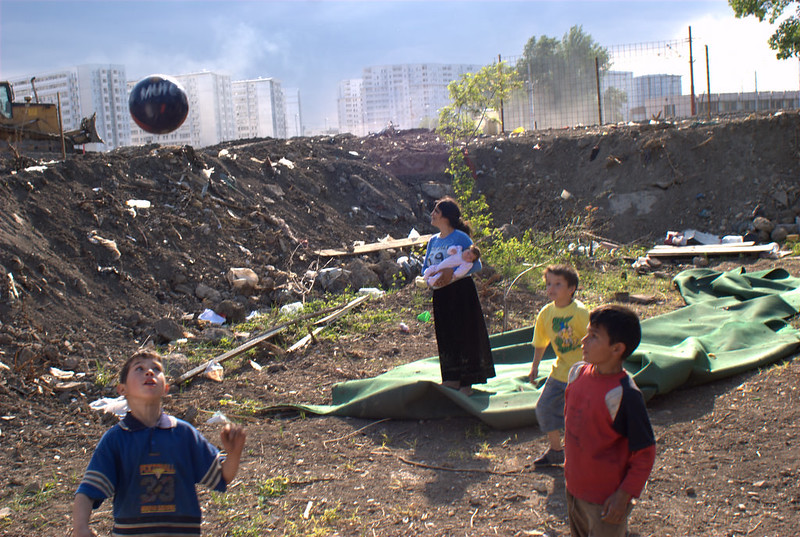
Water pollution in Serbia is primarily caused by the inadequate discharge of wastewater. Unequal practices of waste removal disproportionately impact rural and Roma communities, as these groups tend to rely on wells and local waterways that are often exposed to industrial contamination. In fact, 22% of the Roma population does not have access to improved water sources, making them especially susceptible to waterborne diseases. Although there is still much work needed to ensure that everyone in Serbia has access to adequate Water, Sanitation and Hygiene (WASH), the situation is far from stagnant. Here are nine facts about how WASH in Serbia is improving.
9 Facts About WASH in Serbia
- The OM Christian church started a non-governmental organization in 2014 to assist vulnerable populations in Serbia and other Mediterranean countries. As part of its religious beliefs, the church has enacted a variety of humanitarian work, including establishing adequate sanitation facilities.
- The Serbian government has implemented a national program dedicated to the improvement of WASH. Furthermore, the Republic of Serbia now recognizes WASH as a fundamental human right. Through their national program, the government implemented a variety of initiatives promoting hygiene in schools and health facilities. The government has also implemented long-term initiatives dedicated to the sustainability of water supplies.
- The United Nations Developmental Agency (UNDP) implemented the Protocol on Water and Health in 2013, which is currently active in 170 countries, including Serbia. Through this program, the organization aims to establish a variety of sustainable development goals in Serbia by 2030. Specifically, goal 6 of the program aims to provide clean water and improved sanitation facilities for all Serbians.
- In 2019, the European Investment Bank (EIB) gave a 35 million Euro loan to the Serbian city of Belgrade to fund improved sanitation and a wastewater treatment plant. The EIB has been supporting Serbia by loaning money for WASH development projects since 2000. This latest donation is expected to improve the living conditions of more than 170,000 people in the region.
- The KFW Development Bank is working to assist Serbia in funding a variety of infrastructural projects. Through their Financial Corporation, the bank is providing improved WASH facilities for 20 Serbian towns, which sustain a collective population of more than 1.3 million people. In early 2020, Belgrade constructed a water treatment plant through the KFW Development Bank’s funding.
- The European Union’s Water Framework Directive is working to improve water quality and ensure the proportionate distribution of water from the Tisza River, a major tributary of the Danube and one of the primary water sources for Serbia and four other European countries. The organization aims to carry out this project through a three-step initiative. These steps include traditional water resources planning, structured participation and collaborative computer modeling.
- USAID has been present in Serbia since 2001. In 2014, the organization donated $20 million to create a new reservoir in Preševo, which helped provide water to residents of this region.
- Serbia has been a member of the Open Government Partnership since 2012. The country has committed itself to be more transparent about its environmental information and budget allocations, which will promote accountability for the government to improve its water and sanitation facilities.
- Ecumenical Humanitarian, a Christian organization, has been assisting the Roma people, Serbia’s most vulnerable population, since 2007. The NGO has been working to build sustainable housing and sanitation units for this marginalized group.
Although there is still much progress to be made, the initiatives and improvements implemented over the past years demonstrate that there is hope for improved WASH in Serbia. Moving forward, these organizations must continue to make water and sanitation in the nation a priority.
– Kira Lucas
Photo: Flickr
