• Link to X
  • Link to Facebook
  • Link to Instagram
  • Link to TikTok
  • Link to Youtube
  • About
    • About Us
      • President
      • Board of Directors
      • Board of Advisors
      • Financials
      • Our Methodology
      • Success Tracker
      • Contact
  • Act Now
    • 30 Ways to Help
      • Email Congress
      • Call Congress
      • Volunteer
      • Courses & Certificates
      • Be a Donor
    • Internships
      • In-Office Internships
      • Remote Internships
    • Legislation
      • Politics 101
  • The Blog
  • The Podcast
  • Magazine
  • Donate
  • Click to open the search input field Click to open the search input field Search
  • Menu Menu

Tag Archive for: USAID

Information and news about mobile technology

Posts

USAID

How the US Helps Reconstruction in Haiti

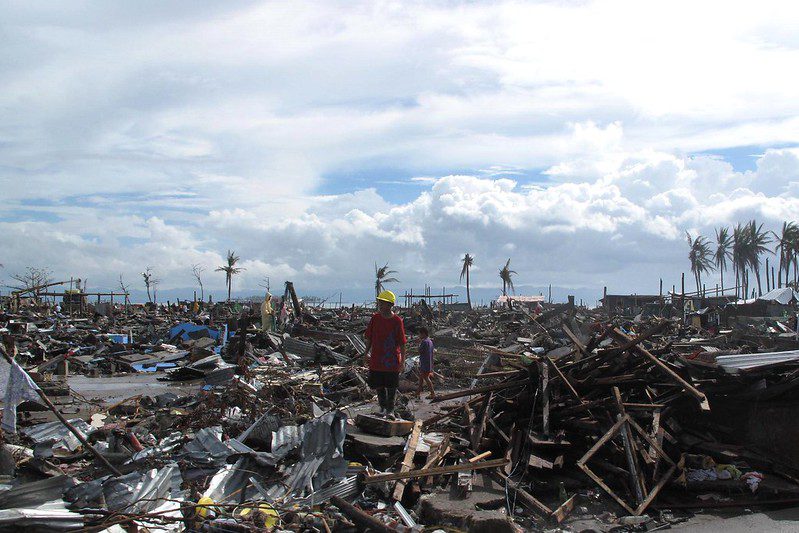
Reconstruction in HaitiHaiti is a country in the Caribbean with a population of 11.2 million. In 2010, more than 200,000 Haitians died in a 7.0 magnitude earthquake that also destroyed much of the country’s properties and infrastructure. Destruction from the earthquake has since been compounded by other natural disasters, unrest and disease outbreaks. The United States allocated USAID funding for reconstruction in Haiti back when the crisis first developed. In April 2021, a new report by the Government Accountability Office (GAO) examines how effective this aid was in helping Haiti recover. The report analyzes $2.3 billion of aid over the course of 10 years. The chairman of the House Foreign Affairs Committee, Rep. Gregory Meeks, believes that this report will help identify which U.S. development projects best help Haitian people. In turn, this report has the potential to shape how U.S. aid in Haiti changes going forward.

Overview of Past Aid

The GAO found that USAID dispersed 89% of the total allocated aid to Haiti, with a canceled project to build a new port accounting for much of the remaining portion. In addition to operating expenses, the funding spent on Haiti fell into several categories. Health and disabilities as well as economic and food security made up the majority of spending at a combined 60%. Cholera outbreaks and droughts made these two sectors a high priority for funding. However, the aid that helped Haiti recover from cholera and food insecurity means a smaller portion of USAID funding focused on the physical infrastructure needed for reconstruction in Haiti.

Future USAID Projects

The U.S. Government continues to allocate aid in support of Haiti. Three months before the GAO  published the April 2021 report, the  United States announced additional developmental assistance aid to Haiti worth almost $76 million. U.S. ambassador to Haiti, Michele Sison, commended the work USAID has done so far in advancing health, education, food security and Haiti’s economy. Future projects through the most recently allocated aid will attempt to further progress.

In April 2020, the U.S. committed $16.1 million to exclusively address the COVID-19 outbreak in Haiti. Due to the urgent nature of crisis outbreaks in Haiti, the U.S. Government developed a rapid aid response for the country’s most pressing needs.

The World Bank

Other development agencies also responded directly to the relief required as a result of the earthquake. The World Bank responded to Haiti’s crisis by forming the Infrastructure and Institutions Emergency Recovery Project. This gave special attention to rebuilding vital institutions and infrastructure as part of reconstruction in Haiti. The overall aim was to benefit long-term recovery. These reconstruction activities helped more than 1.1 million Haitians as of May 2019. While the $11.3 billion required to reconstruct the damage from the earthquake far eclipses USAID funding for Haitian aid, the United States can more effectively impact this process by shifting the focus of aid.

The Road Ahead

More than 10 years ago, the country of Haiti experienced a devastating earthquake and USAID formed an aid relationship to assist in the country’s recovery. Since then, the U.S. Government involved itself heavily in improving Haiti’s dire needs when new crises emerge. Through the efforts of the United States and other fundamental organizations, significant progress has been made with regard to reconstruction in Haiti. Further efforts will build the foundation for more long-term recovery.

– Viola Chow
Photo: Flickr
April 30, 2021
https://borgenproject.org/wp-content/uploads/borgen-project-logo.svg 0 0 Kim Thelwell https://borgenproject.org/wp-content/uploads/borgen-project-logo.svg Kim Thelwell2021-04-30 04:49:352024-05-30 22:23:31How the US Helps Reconstruction in Haiti
Global Poverty

Natural Disaster Relief in Paraguay

Natural Disaster Aid in Paraguay
The landlocked Republic of Paraguay is prone to a wide range of natural disasters. Floods and droughts affect the most benighted areas of the country. Fortunately, both national and international agencies are taking action in aiding the local population, working through COVID-19 preventive measures that have delayed the arrival of natural disaster relief packages.

Natural Disasters in Paraguay

Paraguay experienced its worst floods in 2015 and 2019. Since then, the country has confronted subsequent natural disasters in the regions of Boquerón, Presidente Hayes and Alto Paraguay, with more than 2,400 families and 80,000 individuals affected. Even though Paraguay is one of the most humid countries in the region with a fairly high precipitation rate, climate oscillations have been destabilizing already vulnerable communities. As a country relying primarily on crops and cattle raising, fluctuations in climate and natural disasters can prove fatal for the rural population, not only putting the local economy at risk but also increasing the chances of infections through water-borne diseases such as dengue and chikungunya.

As the South American country that has experienced the steepest exponential economic growth in the last thirty years, Paraguay has taken long strides to increase income per capita and reduce inequality. However, most of its economy is commodity-based, which makes it extremely sensitive to fluctuations in climate. Floods tend to be an especially dire calamity since they directly affect the agriculture, animal husbandry and hydroelectric energy industries.

Increasing Climate Resiliency

According to the World Bank, Paraguay ranks 95 out of 181 countries in the 2019 Notre Dame Global Adaptation Initiative. This renders the country fairly vulnerable to climate catastrophe, primarily because of a lack of response and strategic planning. Climate indexes such as this one serve to acquire relevant diagnoses and eventually form sector-specific policies that can aid development outcomes.

It is necessary for the national government to take action to increase climate resiliency by adopting adaptation implementation efforts. Policymaking is crucial in this area, prioritizing investments for more efficient climate mitigation techniques in vulnerable rural areas.

A Four-Part Plan

The Paraguayan government has been taking action against these threats. The Ministry for National Emergencies (SEN) alongside the country’s National System of the Environment (SISAM) have devised a comprehensive plan to diminish natural disaster impact in Paraguay. The plan has been included in Paraguay’s Sustainable Development Goals for disaster risk reduction and consists of four parts:

  1. Understanding the extent of damage that natural disasters may cause. This includes encouraging research for preventive purposes and using ancestral indigenous techniques in farming to reduce the environmental impact that slash-and-burn techniques have on climate catastrophe.
  2. Increase governance in areas prone to natural disasters. The government is committed to creating laws related to aid in cases of floods and droughts, and beginning to build sound infrastructure to easily aid affected areas.
  3. Invest resources in building said infrastructures, such as roads and municipal buildings that can withstand harsh environmental conditions. This goal also expects to increase cooperation between national and regional authorities for quick aid relief.
  4. Ameliorate time of response by authorities and communities. This means not only investing in disaster-proof establishments but also empowering individuals and promoting universal access to reconstruction and rehabilitation.

International Assistance

In addition to the government, international aid organizations are also providing natural disaster relief to Paraguay. For example, USAID has been active in Paraguay since 2004, providing aid in the aftermath of 10 disasters. The World Bank has also been focused on helping Paraguay improve disaster preparedness. The organization has identified research gaps within Paraguay’s climate disaster response, including climate variability and water resources. Additionally, the World Bank has led economic-environmental feasibility studies, which are currently lacking. These efforts are all designed to ensure Paraguay has the resources necessary to overcome natural disasters.

Alongside conscientious data-gathering for the prevention of natural disasters and natural disaster relief, international assistance is crucial: it has not only proven helpful during calamitous environmental instances but also during a yellow fever outbreak, the subsequent seasonal dengue epidemic and COVID-19. Moving forward, USAID, the World Bank and other international organizations must continue to prioritize addressing natural disasters in Paraguay.

– Araí Yegros
Photo: Flickr

April 28, 2021
https://borgenproject.org/wp-content/uploads/borgen-project-logo.svg 0 0 Kim Thelwell https://borgenproject.org/wp-content/uploads/borgen-project-logo.svg Kim Thelwell2021-04-28 10:30:022024-12-13 18:02:25Natural Disaster Relief in Paraguay
Global Poverty, USAID

Understanding USAID’S Self-Reliance Framework

USAID's Self-Reliance Framework
In 2017, under then-administrator Mark Green of the United States Agency for International Development (USAID), USAID reorganized its mission of development and aid. In a break from the past, administrator Green initiated a fundamental reorganization. He proposed a mission of providing aid for the very purpose of eventually ending any reliance or need for developmental and humanitarian assistance offered by USAID. Understanding USAID’s self-reliance framework begins with understanding USAID’s mission and new measurement system to end the need for international aid.

Purpose of USAID’S Mission

While USAID’s capabilities and knowledge have not changed, its beliefs about its mission and approach have. In the words of its policy framework, “This approach marks a new direction for USAID, but draws on our deep experience and the lessons we have learned.” Illustrating its shift in thinking, USAID explains its assistance is most effective and compassionate when strengthening its partners’ abilities to provide for themselves and their citizens.

Looking forward to the future, the journey to self-reliance (J2SR) expresses recognition of two opportunities. It works to see the possibility for ending the need for foreign assistance by pointing to the fall in global poverty, improvements in health infrastructure, greater gender parity and safety across the globe. In addition, it also points to continuing barriers and moving challenges impeding progress and self-reliance.

USAID’s Measurement System

Subsequently, helping USAID in ending the need for foreign assistance is a set of concretely defined concepts and measurable figures. They address USAID’s full reorientation towards its mission statement of “ending the need for foreign assistance.”

As a keystone metric, self-reliance gains its weight through the measurement of two factors. The first is capacity. This acts as a measurement of a given country’s capacity to deal with its own developmental challenges. The second is commitment. This measures a country’s demonstration of commitment to using efficacy, inclusivity and accountability when dealing with challenges.

Moreover, USAID selected capacity and commitment for their efficacy in solving three fundamental developmental problems. These include improving productivity and sustainable expansion, equitable distribution of goods to raise well-being and deciding how to share resources fairly and legally. Positive improvements in these three challenges ultimately contribute to the greatest possible gains to set countries moving toward self-reliance.

Congressional Oversight

However, USAID’s J2SR pathway is not without concern. In the same report by the Congressional Research Service, the authors described the 17 indicators as ‘reflective’ of a sweeping theory of development long debated. They explained that the chosen indicators connect to theories that economic growth comes from democratization and open markets.

For instance, the “Trade Freedom” indicator comes from a theory that developing countries must lower trade barriers in order to achieve prosperity. This theory has undergone hot debate. The CRS also notes that the previously mentioned metrics have been worrying to commentators due to the fact that some might use them as excuses to cut aid.

The 17 Metrics

The self-reliance pathway includes 17 unique third-party metrics. These help in determining the degree of a partner country’s commitment or capacity metric. The 17 metrics serve as target goalposts for USAID initiatives and projects. In turn, they guide and measure a country in the metrics of self-reliance.

In the words of a Congressional Research Service (CRS) report on Transformation at USAID, these 17 metrics help to quantify a country’s progress toward ending its need for foreign assistance and have been selected for its “perceived alignment with the self-reliance concept, the reputation of reporting institutions, public availability of the underlying data and methodology, comparability across countries, and comprehensiveness of reporting across countries.”

Understanding USAID’s Self-Reliance Framework

Above all, USAID’s Self-Reliance Framework intends to guide USAID’s programmatic approach to aid. This includes defining and outlining projects and determining a nation’s end state with respect to USAID’s assistance to it. In conclusion, the journey to self-reliance seeks to better serve the U.S. public while advancing individual countries towards greater self-autonomy and independence.

– Marshall Wu
Photo: Flickr

April 25, 2021
https://borgenproject.org/wp-content/uploads/borgen-project-logo.svg 0 0 Kim Thelwell https://borgenproject.org/wp-content/uploads/borgen-project-logo.svg Kim Thelwell2021-04-25 14:48:302021-05-12 14:48:45Understanding USAID’S Self-Reliance Framework
Global Poverty, Humanitarian Aid

A Look into USAID Support to Yemen

USAID Support to Yemen
USAID support to Yemen has been incredibly necessary for the past six years. As Yemen enters the sixth year of the largest humanitarian crisis in the world, over 20 million people are on the brink of starvation. There are many factors causing this crisis to persist.

Religious Conflict

The rise of the Houthi movement, fueled by the Shiite rebellion to overthrow the Sunni government, began in 2014. Since then, the former Yemeni president not only joined the insurgence but also died at the hands of the rebels. From airstrikes that the Saudi government issued to the expansion of religious polarization, Yemen’s population remains in the middle of the turmoil.

Humanitarian Issues

Currently, 1.8 million children die each year on average primarily due to malnutrition. Before the start of the internal conflict, the economy was already on the decline. Now, most families lack access to basic necessities like food and vaccinations. The issue is not that these commodities are not physically available. Inflation has caused items such as drinking water or fruits and vegetables to no longer be affordable or accessible.

Still, in the early stages of development, the structural and financial state of Yemen has only worsened in the past six years. Though coalitions exist to help fight the rebellion and offer further support for Yemen, the Houthi continues to retaliate only continuing the warfare. This results in more than 17,500 innocent civilians either severely injured or deceased since the beginning of the war.

USAID Support to Yemen

The United States remains one of the largest donors of support for Yemen and provides help to over 8 million people each month. On March 1, 2021, Secretary of State Antony J. Blinken announced almost $200 million in humanitarian aid for the humanitarian crisis in Yemen. So far, the U.S. has donated approximately $3.4 billion in support of Yemen. While this includes funding towards the United Nations Food Program, the money also helps provide rehabilitation for the economy as well as communities across the country.

The crisis has left the general Yemeni public with dwindling medical support, food and water, and stay caught in the crossfire. With no end in sight, USAID support to Yemen is essential. Without help from the U.S., the statistics aforementioned could perhaps double over the next while. Moreover, although people may best know USAID for contributing financial support, it also works to move other donors into action. With continuous support each year, USAID is the main source of hope and support for not only Yemen but also other countries facing extreme poverty.

– Caroline Kratz
Photo: Flickr

April 25, 2021
https://borgenproject.org/wp-content/uploads/borgen-project-logo.svg 0 0 Kim Thelwell https://borgenproject.org/wp-content/uploads/borgen-project-logo.svg Kim Thelwell2021-04-25 10:46:352021-05-12 10:46:51A Look into USAID Support to Yemen
Global Poverty

Improving Maternal and Child Mortality in Ethiopia

Ethiopian maternal and child mortalitySince the year 2000, Ethiopia has halved its maternal and child mortality rate. While this statistic seems impressive on the surface, the rate of maternal and child mortality in Ethiopia remains one of the highest in the world. The child mortality rate stands at 67 deaths per 1,000 children. The Ethiopian maternal mortality rate (MMR) per 100,000 live births is 412. This number is 25 times the United States MMR.

The Global Context of Maternal and Child Mortality

The rate of maternal and child mortality in Ethiopia is best understood by examining the larger global context of maternal and child mortality. Globally, neonatal mortality remains significantly high, with 7,000 newborn deaths a day. Neonatal mortality comprises 47% of the deaths of children under 5. This number is up 7% from 1990 when it stood at 40%. Furthermore, the greatest number of neonatal deaths occur in sub-Saharan Africa.

Globally, the MMR has dropped 38% from 2000 to 2017, which is the most recent WHO estimate, but it is important to note that even though the overall global MMR has reduced, some regions still disproportionately experience very high MMR rates. The greatest number of maternal deaths occur in Africa, just as with neonatal mortality. In fact, in 2017, 66% of all maternal deaths occurred in Africa.

A key cause of maternal and newborn mortality is malnutrition. Due to COVID-19, the World Food Programme predicted that the number of food-insecure people in low- and middle-income countries (LMICs) would double to 265 million by the close of 2020. Food insecurity often links to malnutrition or undernutrition. Therefore, this fact has the potential to increase maternal deaths due to a lack of iron and other essential nutrients. The WHO estimates that, as it stands globally, 40% of pregnant women are anemic. Anemia makes these women vulnerable to fatal bleeding and infections during childbirth. Furthermore, while high-income countries have very low anemia figures for pregnant women, in certain LMICs, up to 60% of pregnant women struggle with anemia.

Global Aid Organizations Leading the Battle

Fortunately, during and despite the COVID-19 pandemic, global aid organizations have been collaborating with the Ethiopian Ministry of Health and other regional bureaus to continue to decrease the rate of maternal and child mortality in Ethiopia.

As a major player in combatting maternal and child mortality in Ethiopia, the United States Agency for International Development (USAID) focuses on providing Ethiopian women, children and families, especially those in underserved communities, access to quality healthcare. USAID works with the Ethiopian Ministry of Health and regional bureaus to institute better training so that healthcare workers can improve the care provided at various levels (facility, community and household). USAID ensures access to integrated services such as prenatal checkups, skilled care for labor and delivery, newborn care, preventative care for childhood illnesses and nutritional guidance.

Quality of Care Network

Ethiopia is a member of a 10-country Quality of Care Network created by the WHO, the United Nations Children’s Fund (UNICEF) and the United Nations Population Fund (UNFPA). The Network launched in 2017 with the aim of halving maternal and child mortality by 2022 and improving patient care. In Ethiopia, this commitment involves clinical mentoring and coaching since learning is an essential aspect. Ethiopia chose 17 districts that represent “pastoralist, urban and rural populations” to operate as “learning districts.”

Maternal Mortality Reduction

These coordinated efforts seem to be making headway according to the 2020 Gates Foundation Goalkeepers Report, which tracks progress on SDG goals. In 2019, the Ethiopian MMR was down to 205 deaths per 100,000 live births which would meet the Quality of Care Network goal of halving maternal and child mortality by 2022.

Ethiopian child mortality was down from 66 deaths per 1,000 children under 5 in 2015 to 52 deaths in 2019, which represents more modest progress. However, the Goalkeepers Report warns that COVID-19 could reverse progress made on global goals and asserts that a global collaborative response is essential in all areas.

It is critical to maintain heightened vigilance in coordinating efforts to continue to improve maternal and child mortality rates in Ethiopia despite COVID-19 challenges, so that progress is not lost.

– Shelly Saltzman
Photo: Flickr

April 19, 2021
https://borgenproject.org/wp-content/uploads/borgen-project-logo.svg 0 0 Kim Thelwell https://borgenproject.org/wp-content/uploads/borgen-project-logo.svg Kim Thelwell2021-04-19 07:31:492021-04-21 07:29:11Improving Maternal and Child Mortality in Ethiopia
Global Poverty, Humanitarian Aid, Refugees

The US Provides Humanitarian Aid in Jordan

Humanitarian Aid in JordanThe U.S. provides foreign and humanitarian aid to countries around the world. In the country of Jordan where more than one million of its people live in poverty, humanitarian aid goes a long way. Providing aid from the United States means stronger U.S.-Jordan relations. Of the top 10 countries that received the most aid from the United States in 2019, Jordan was ranked at number three. Without a doubt, the U.S. provides for the overall well-being of this crucial ally through humanitarian aid in Jordan.
The Importance of Humanitarian Aid

The U.S. provided $1.5 billion worth of humanitarian aid to Jordan in 2020. The U.S. has additionally provided $1.7 billion to specifically help Syrian refugees in Jordan from the time the Syrian crisis began. This aid has been extremely crucial considering that many Syrian refugees have fled to Jordan in search of safety. Some of the aid contributes to updating medical facilities and enhancing critical infrastructure, which helps support the refugee crisis.

The U.S. and Jordan are also part of a non-binding Memorandum of Understanding that both countries signed in 2018. Under this Memorandum, the U.S. will provide $6.375 billion worth of assistance to Jordan over a span of five years. Much of this assistance helps improve infrastructure and contributes to the construction of schools across Jordan. The United States has also trained Jordanian citizens in various skills in the U.S. itself. By doing this, the U.S. is giving Jordanians a chance to take the skills back to their own country to start businesses or to apply for higher-skilled jobs in Jordan, which will all stimulate the economy of Jordan.

An Increasing Population

The humanitarian aid and other forms of assistance that the U.S. provides to Jordan are important for a variety of reasons. Jordan has also become home to refugees that have fled from conflict in Iraq. In just the last 20 years, there has been a population increase of 10 million within the country. Such a large increase in population in just a short time has raised the cost of living within Jordan. The healthcare system of the country has been stressed along with the education system and the available water supply due to this intense population growth. Humanitarian aid in Jordan is all the more important because it helps alleviate the strain.

How Providing Aid Benefits the US

Humanitarian aid in Jordan helps the U.S. in several ways. Both countries have similar values and goals with regard to peacekeeping, such as a positive Israel-Palestine relationship. Additionally, both countries want “an end to violent extremism that threatens the security of Jordan, the region and the entire globe.” Jordan’s commitment to bring lasting peace between Israel and Palestine and eradicate terrorism in the region assists broader U.S. interests. The reason Jordan is so invested in the Israel-Palestine relationship is that Jordan is home to many Palestinians, most of which are the descendants of Palestinian refugees. Therefore, Jordan feels a deep sense of responsibility to the Palestinian people.

U.S. humanitarian aid in Jordan has far-reaching benefits. Aid is vital to the well-being of the Jordanian people, its Syrian refugees and the broader relationship between the U.S. and Jordan.

– Jacob E. Lee
Photo: Flickr

April 19, 2021
https://borgenproject.org/wp-content/uploads/borgen-project-logo.svg 0 0 Kim Thelwell https://borgenproject.org/wp-content/uploads/borgen-project-logo.svg Kim Thelwell2021-04-19 01:31:292024-05-30 22:23:19The US Provides Humanitarian Aid in Jordan
Developing Countries, Development, Global Poverty, Poverty Eradication

The Possibility of Exporting Clean Energy

Exporting Clean EnergyCongressman Mike Thompson introduced H.R. 848: GREEN Act of 2021 on February 4, 2021. It is an amendment to the Internal Revenue Code of 1986, serving to provide incentives for renewable energy and energy efficiency. Renewable energy can serve as a means of ending poverty as access to energy can improve healthcare, education and economic opportunity. There also lies an opportunity of possibly exporting clean energy.
The GREEN Act of 2021

Congressman Thompson’s GREEN Act of 2021 seeks to increase the incentives for U.S. citizens to use renewable energy. Congressman Thompson is a vocal advocate for clean energy, believing this change will help not only the United States but also the world at large. Thompson’s vigor in promoting clean energy comes from a desire to cut reduce emissions and create millions of jobs worldwide. Congressman Thompson has voiced renewable energy as priority in Congress by cosponsoring the Green New Deal in February 2019 and sponsoring legislation to provide tax incentives for those using clean energy. Congressman Thompson acknowledges the U.S.’s responsibility to aid other countries. One sees this through his commitments to improve education globally. In combining these two efforts, the U.S. could tackle two of the world’s most important issues.

Clean Energy at Work

In the United Nations Sustainable Development Goals, the elimination of poverty is as imperative as clean, renewable energy. Robert Freling, executive director of the Solar Electric Light Fund, believes energy is a key weapon in fighting against global poverty. To Freling, access to electricity is a basic human right that is not available to many impoverished nations. Without access to energy, developing countries’ attempts to improve people’s lives comes to a standstill.

The World Bank reports that 840 million people do not have access to electricity and 650 million people will still not have electricity in 2030. According to the World Bank, those lower-income families living in rural areas will need to use solar home systems, mini-grids and solar lighting to combat poverty.

Various countries have proven the effectiveness of renewable energy in fighting poverty. For example, in China introducing solar energy led to more than 800,000 families in poverty having access to power. In some areas, solar installations provided families with an additional yearly income of more than $400.

Exporting Clean Energy

This emphasis on the Unites States promoting clean energy across the world has been noticed by other members of Congress as well. Rep. John Curtis believes the U.S. should set an example by exporting renewable energy to foreign countries. Rep. Curtis introduced multiple bills with the main goal of exporting clean energy. One piece of legislation Rep. Curtis introduced is the Worldwide Wind Turbine Act, which would give the U.S. Agency for International Development (USAID) the power to accept old wind turbines as donations and share these turbines with developing nations who could benefit from wind energy.

By exporting clean energy, the U.S. can lead the way to transition to renewable energy while improving the global economy. Renewable and clean energy efforts are vital because global poverty cannot truly be resolved unless energy poverty is addressed.

– Solomon Simpson
Photo: Flickr

April 18, 2021
https://borgenproject.org/wp-content/uploads/borgen-project-logo.svg 0 0 Lynsey Alexander https://borgenproject.org/wp-content/uploads/borgen-project-logo.svg Lynsey Alexander2021-04-18 05:41:142021-05-18 05:41:34The Possibility of Exporting Clean Energy
Poverty Eradication

The State of Homelessness in Indonesia

Homelessness in IndonesiaThe streets are showered in debris, rescue dogs rummage through rubble and more than 400 homes are collapsed in piles where they previously stood. Such a sight followed the earthquake that hit Mamuju, the provincial capital of West Sulawesi in Indonesia, on January 15, 2021. With at least 82 dead and around 30,000 displaced, the aftershocks are devastating. However, for many Indonesians, stories like this one are painfully familiar as natural disasters are common and homelessness in Indonesia is rampant.

Natural Disasters, Poverty and Homelessness

Sitting on the fault line of three tectonic plates, Indonesia experiences earthquakes of magnitude 5.0 or lower almost daily. Major natural disasters have hit Indonesia on average once a month since 2004. These events, including tsunamis, landslides and even volcanic eruptions, destroy homes and communities. Each crisis pushes the rate of homelessness in Indonesia higher. Of course, poverty and inequality also play important parts in explaining why almost three million (1.14%) Indonesians are homeless. Natural disasters pose a unique and pressing challenge to governments and organizations trying to fight homelessness, especially in natural disaster-prone areas.

Homelessness in Indonesia

From the Asian financial crisis in the late 1990s till the COVID-19 pandemic, Indonesia enjoyed commendable economic growth. It also joined the G20 and cemented its status as a low middle-income country. The poverty rate more than halved from 1999 standing at 9.78% in 2020. On many fronts, Indonesia shows potential for significant economic and social development in the first half of the 21st century.

That being said, the COVID-19 pandemic has undone some of Indonesia’s progress from the last two decades. From March to September of 2020, official statistics reported that an additional one million Indonesians had dropped below the national poverty line. At least 2.8 million Indonesians have lost their jobs due to the pandemic and another 70 million informal workers are at risk of unemployment in the near future.

Against this backdrop, homelessness in Indonesia remains a serious problem. In the first half of 2020, natural disasters displaced an estimated 508,000 Indonesians. Adding to the gravity of these high numbers, natural disasters are no temporary predicament. One year after earthquakes and a tsunami hit Indonesia’s Sulawesi Island on September 28, 2018, an estimated 57,000 people still remain homeless. Moreover, around 25 million Indonesians live in slums or other temporary housing. A recent survey found that even in Jakarta, Indonesia’s capital, thousands are at risk of becoming homeless because they are unable to pay rent.

Global Endeavors

Habitat for Humanity, the World Bank, USAID and the Asian Development Bank, among many others, fight homelessness in Indonesia through investment and development expertise. Habitat for Humanity has been working in Indonesia since 1997. In 2019, it helped more than 77,000 Indonesians through a combination of housing, market development and water and sanitation programs. In an effort to promote resilience and recovery in the face of natural disasters, Habitat for Humanity constructs concrete-reinforced houses, provides rubble removal and emergency hygiene kits and rebuilds houses that have collapsed from earthquakes or landslides.

In 2019, the World Bank committed almost $2 billion to projects in Indonesia. These address a broad range of development goals, including infrastructure, the maritime economy and sustainable and universal energy access. In 2017, the World Bank committed $450 million to Indonesia’s National Affordable Housing Program. This program aims to increase access to quality housing through a three-pronged approach of easier financing, household improvements and technical assistance for policy reform. By 2020, the program had already led to housing improvements for more than half a million households.

Vision Indonesia 2045

In 2018, the Indonesian government unveiled an ambitious plan for how the country should develop by 2045, the centennial of Indonesia’s independence. Although the plan spans everything from defense to innovation policy, the central pillars are peace and prosperity. One of the more specific goals is to reach an annual GDP per capita of more than $19,794. This would propel Indonesia into the realm of upper-middle-income countries and usher in lower rates of poverty and homelessness. Especially with the World Bank’s recent commitment of $250 million to support Indonesia’s COVID-19 Emergency Response Project, the current crisis is unlikely to derail Indonesia’s goals. If Indonesia realizes its growth potential and foreign aid continues bolstering its natural disaster and housing resilience, homelessness in Indonesia will decline, protecting millions of vulnerable people.

– Alexander Vanezis
Photo:Flickr

April 15, 2021
https://borgenproject.org/wp-content/uploads/borgen-project-logo.svg 0 0 Kim Thelwell https://borgenproject.org/wp-content/uploads/borgen-project-logo.svg Kim Thelwell2021-04-15 04:30:372021-05-14 04:30:55The State of Homelessness in Indonesia
Global Poverty

Combating the Bug Infestation in Georgia

Bug Infestation in Georgia
The year 2021 marks the culmination of a five-year-long partnership between USAID and Ferrero to end a harmful bug infestation in Georgia that damaged over $60 million worth of hazelnuts and other crops. The culprit is the brown stink bug, which gets its name from the repugnant odors it emits. Additionally, Ferrero invested in helping improve the health of hazelnut farms. Local Georgian farmers, the government of Georgia, the U.S. State Department, the U.S. Department of Agriculture, USAID and Ferrero started the Georgia Hazelnut Improvement Project (G-HIP) to address crop devastation and create future sustainable prevention measures.

The Infestation’s Effects on Farmers

Many of the affected hazelnut farms are in Abkhazia, a contested border region between Georgia and Russia. The remote western region has a long history of hardship, and the bug infestation further decimated an already vulnerable economy. Stink bugs destroyed more than 80% of the region’s crops in 2018. One farmer National Geographic interviewed said “this is the third year I’ve had no crops. I have no money left to pay my workers.” Thus, many farmers tried homemade methods of pest control, such as concocting their own pesticides, building traps and even collecting the individual bugs by hand and burning them. People are worried that they will have to leave their homes if they cannot get the infestation under control.

The Georgia Hazelnut Improvement Project (G-HIP)

The hazelnut industry is the sole livelihood of close to 50,000 people throughout Georgia. G-HIP’s mission was to give growers and processors the resources necessary to end the bug infestation in Georgia. The project addressed weaknesses in quality control, outdated infrastructure, technology and marketing. Also, it led to better soil testing, incentives to increase the quality of hazelnuts and technology to improve the post-harvest drying and storage capacity. Cultivating New Frontiers in Agriculture (CNFA), the Georgian Hazelnut Growers Association (GHGA) and the Hazelnut Exporters and Processors Association (HEPA) all worked together to see the project through.

Success Stories From G-HIP

A new drying, husking and storage facility opened in 2019 and was a big success for the project. The facility is located in Koki, a village in the Samegrelo region of western Georgia. It is 800 square meters large, dries around 1,000 tons of hazelnuts a year and employs 17 people. The high yield this facility will produce has the potential to bring in as much as $1.8 million in revenue. Furthermore, it will support all of the 300 farmers and their families in the village.

G-HIP also acquired a lure and kill trap that is less toxic than other pesticides. The U.S.-based company Trécé produced the trap as an environmentally friendly option. Around 500 villages were able to use the trap to cover 60,000 hectares. Fortunately, USAID and everyone involved in the project celebrated their success with the first annual Hazelnut Festival in the fall of 2020. These successes in combating the bug infestation in Georgia have resulted in high hopes for the coming years. The organization expects to have a yield of 50,000 tons. This is 30% more than the previous season for the 2020-2021 growing season.

Next Steps

Additionally, the United States Department of Agriculture (USDA) has worked with the Georgian National Food Agency and the Ministry of Environmental Protection and Agriculture to implement international standards for pest management. This helps track important data on pests and also makes adhering to international trade standards possible. The Georgian government set up a task force called the National Phytosanitary Steering Committee to see to the success of implementing international pest management standards and develop better policies regarding plant health.

This is the final year of G-HIP, but it is not the end of USAID’s work in Georgia’s agricultural sector. In early February 2021, Georgia’s National Food Agency started a brand new initiative called the Plant Safety System Initiative. This initiative will further improve prior pest management work through country-wide measures and give Georgian farmers the opportunity to earn internationally recognized certificates. These certificates can make farmers more marketable internationally, which leads to more exports. Another bug infestation in Georgia will have to contend with the many new initiatives and policies that have come about from the collaboration between all these organizations.

– Caitlin Harjes
Photo: Flickr

April 6, 2021
https://borgenproject.org/wp-content/uploads/borgen-project-logo.svg 0 0 Kim Thelwell https://borgenproject.org/wp-content/uploads/borgen-project-logo.svg Kim Thelwell2021-04-06 01:30:082024-05-30 22:22:59Combating the Bug Infestation in Georgia
Global Poverty

Agricultural Improvements in Tanzania

Agricultural Improvements in Tanzania
Tanzania is a country located along the coast of the Indian ocean in Eastern Africa. It has a population of more than 60 million people and continues to grow. Tanzania’s economy has been on the rise over the last decade. However, its agricultural sector employs a large number of people and is still struggling to make ends meet. The country partners with many agencies and organizations. Moreover, the U.S. government-funded USAID is Tanzania’s most important donor. It has been working to contribute to agricultural improvements in Tanzania by increasing the efficiency of weather information. Here are some facts about Tanzania’s economic condition, the importance of access to climate information and the U.S. aid that the country’s farming sector has received recently.

The Total Number of Low-Income Tanzanians Has Increased Despite Economic Growth

Tanzania has a wide variety of resources and economic reforms. As a result, the nation has witnessed astonishing growth in its economy within the last 10 years. Thus, the poverty rate fell from 34.4% in 2007 to 26.4% in 2018. Additionally, approximately 14 million people were living in poverty. However, due to the country’s rapid population growth, the absolute number of people living in poverty increased while the relative number decreased. The areas of economic growth were related to industry and service. This only gives work to 6% of the total population. The agriculture industry requires the most support and foreign aid because it grows slower. In addition, many Tanzanians work in this industry.

Easy Access to Weather Information is a Necessity

Access to weather information is the main tool in the process of agricultural improvements in Tanzania. This has become increasingly important as the climate is constantly changing. Since food production heavily relies on precipitation, farmers need to be able to predict and prepare for any amount of rainfall. The Tanzania Meteorological Authority (TMA) has been sending out SMS to more than 3,000 farmers all around the country several times a month to provide them with the much-needed information. However, due to high cost and inefficiency, the methods of spreading information have been the main focus of improvement.

Database for Farmers has Supported Agricultural Improvement in Tanzania

USAID funds the Building Capacity for Resilient Food Security Project and serves as an important partner in improving the spread of information. This project’s goal is to support the Tanzanian government in stabilizing its agricultural sector through different climate challenges. Additionally, the Food and Agricultural Organization of the United Nations (FAO) is one of the project’s three national partners. It has also supported TMA in creating a database for farmers to access and analyze weather information. The new technology has made it easier for farmers to receive the necessary information and has also resulted in higher usage of social media platforms by people in rural areas. It has become much easier for those in the agricultural sector to schedule the planting and harvesting of crops with this improvement.

USAID Sponsored Training to Increase Food Production Efficiency

The Building Capacity for Resilient Food Security project has contributed to many agricultural improvements in Tanzania. For example, the project sponsored training sessions for decision-makers and stakeholders throughout Tanzania in 2019. These training sessions teach farmers how to survive different climate crises and how to plant and harvest efficiently. Experts from American universities and various international partners are leading the training program. Furthermore, the goal is to teach the participants how to practice climate-smart agriculture. The hope was that the training session would increase Tanzania’s food production and decrease the number of farmers living in poverty.

Making Tanzanian Agriculture Self-Reliant

The partners of the Building Capacity for Resilient Food Security Project, FAO, USAID and the U.S. Department of Agriculture (USDA) improved Tanzanian farmers’ capability to plan their food production efficiently in January 2021. Furthermore, the partners provided important supplies such as ph meters, measuring cylinders, bottles and new technologies for a weather database to the TMA.

It will be easier for the agency to collect weather data and quickly spread the information to Tanzanian farmers with the new equipment. This will support the farmers’ goal in expanding their food production and security to the point of self-reliance. The organizations hope that making Tanzania’s agriculture more sustainable will contribute to the country’s economic growth and help many people who have employment in the sector out of poverty.

– Bianca Adelman
Photo: Flickr

April 5, 2021
https://borgenproject.org/wp-content/uploads/borgen-project-logo.svg 0 0 Yuki https://borgenproject.org/wp-content/uploads/borgen-project-logo.svg Yuki2021-04-05 07:30:422024-05-30 22:22:57Agricultural Improvements in Tanzania
Page 33 of 92«‹3132333435›»

Get Smarter

  • Global Poverty 101
  • Global Poverty… The Good News
  • Global Poverty & U.S. Jobs
  • Global Poverty and National Security
  • Innovative Solutions to Poverty
  • Global Poverty & Aid FAQ’s
Search Search

Take Action

  • Call Congress
  • Email Congress
  • Donate
  • 30 Ways to Help
  • Volunteer Ops
  • Internships
  • Courses & Certificates
  • The Podcast
Borgen Project

“The Borgen Project is an incredible nonprofit organization that is addressing poverty and hunger and working towards ending them.”

-The Huffington Post

Inside The Borgen Project

  • Contact
  • About
  • Financials
  • President
  • Board of Directors
  • Board of Advisors

International Links

  • UK Email Parliament
  • UK Donate
  • Canada Email Parliament

Get Smarter

  • Global Poverty 101
  • Global Poverty… The Good News
  • Global Poverty & U.S. Jobs
  • Global Poverty and National Security
  • Innovative Solutions to Poverty
  • Global Poverty & Aid FAQ’s

Ways to Help

  • Call Congress
  • Email Congress
  • Donate
  • 30 Ways to Help
  • Volunteer Ops
  • Internships
  • Courses & Certificates
  • The Podcast
Scroll to top Scroll to top Scroll to top