• Link to X
  • Link to Facebook
  • Link to Instagram
  • Link to TikTok
  • Link to Youtube
  • About
    • About Us
      • President
      • Board of Directors
      • Board of Advisors
      • Financials
      • Our Methodology
      • Success Tracker
      • Contact
  • Act Now
    • 30 Ways to Help
      • Email Congress
      • Call Congress
      • Volunteer
      • Courses & Certificates
      • Be a Donor
    • Internships
      • In-Office Internships
      • Remote Internships
    • Legislation
      • Politics 101
  • The Blog
  • The Podcast
  • Magazine
  • Donate
  • Click to open the search input field Click to open the search input field Search
  • Menu Menu

Tag Archive for: USAID

Information and news about mobile technology

Posts

Global Poverty, Women and Female Empowerment

USAID Empowering Women in Africa’s Energy Sector

Women in African energy
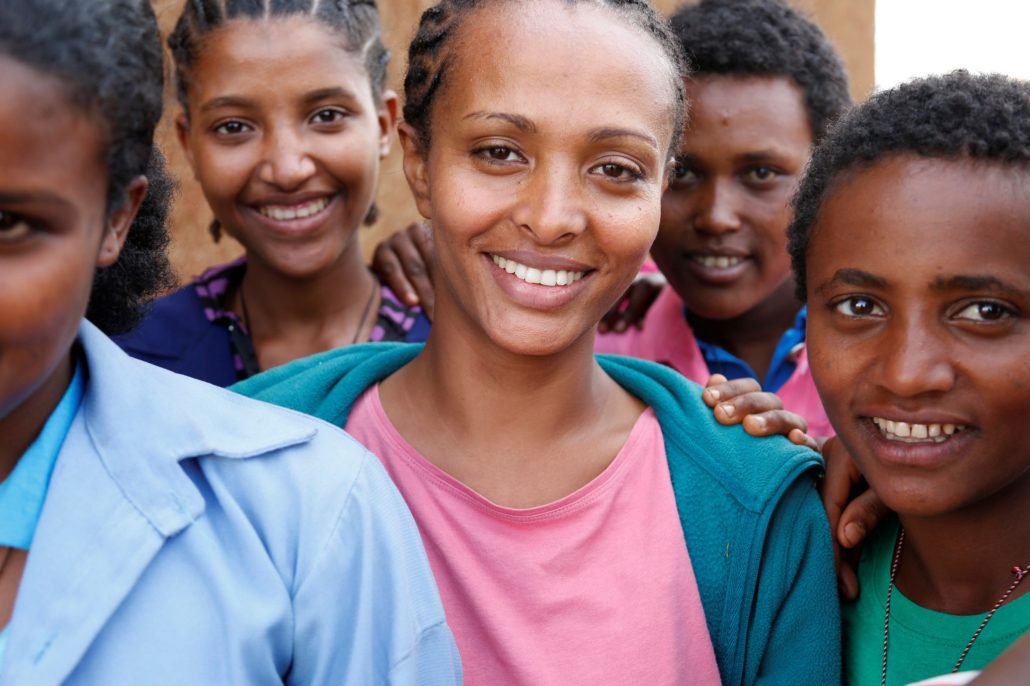
Energy and utility companies can play a significant role in financial growth and social progress within lower-income countries. Through employment and expansion of electricity access, these companies provide infrastructure crucial to development, especially in regions such as sub-Saharan Africa with wide disparities in access. However, established gender inequalities have prevented women from obtaining the same opportunities as men within the energy sector. In partnership with African governments, USAID is sponsoring the Women in African Power Network, which promotes women in Africa’s energy industry and their equal opportunity to join the workforce.

Access to Power in Sub-Saharan Africa

Approximately two-thirds of individuals in sub-Saharan Africa are without reliable electricity, according to USAID’s Power Africa. Limited access to power in sub-Saharan Africa has led to gender disparities because it poses a challenge to women’s health, employment and education. Access to electricity ensures safer childbirth procedures and allows for greater numbers of women to be employed or attend school. Another challenge to limited access to electricity is that women in sub-Saharan Africa frequently experience ill-health effects due to fuel-based electricity as they generally remain in the home for longer periods of time. Thus, many governments have begun to recognize the importance of including women in the implementation and decision-making of energy expansion initiatives in sub-Saharan Africa.

Gender and the Energy Sector

Studies by the International Union for Conservation of Nature occurred jointly with USAID and Power Africa in 2019, which found that women held only 6% of executive and leading roles in the energy sector in sub-Saharan Africa. Women also comprised roughly 16% to 20% of the general power sector workforce.

USAID has stressed the importance of closing this gender gap. According to an article on its strategy to increase the number of women in Africa’s energy sector, the U.S. agency described the “strong correlation between gender diversity and a company’s financial performance.” When women enter leadership positions, this beneficial economic trend is even more pronounced: companies that ranked highest in gender diversity in administrative roles had 14% higher return on investment than other corporations. Due to gendered differences in energy usage, women have valuable perspectives as decision-makers and consumers that provide crucial insight into the design and execution of new energy technologies.

In response, governments are creating more inclusive frameworks to advance the recruitment of women in Africa’s energy sector. As of 2018, almost 75% of energy-planning frameworks address gender inequality and several recognize the capability of women to lead the energy sector in innovation, efficiency and problem-solving.

USAID and the Power Africa Campaign

As part of the Power Africa campaign devoted to bringing electricity to all in sub-Saharan Africa, USAID partnered with African governments and IUCN to launch the Women in African Power Network (WiAP) in 2015. WiAP empowers women in African energy companies through professional growth opportunities, skill development workshops and networking facilitation that encourages connections between women in the industry. These connections also facilitate important mentorship opportunities for those who wish to join the workforce or rise within its ranks. Regional networks such as Women in Rwandan Energy and Women in Renewable Energy Nigeria promote more focused conversations among women within specific nations or departments.

By fostering professional advancement opportunities, WiAP aims to increase the number of women employed in the energy sector and to empower women who already work within it. With the skill development and empowerment cultivated within the network, the USAID initiative is working to close the gender gap in the energy sector and stimulate the accompanying economic benefits.

Though there are considerable gender disparities in employment in the energy sector, governments and outside organizations have begun to implement policies and plans to promote the inclusion of women in Africa’s energy sector. The Women in African Power Network, a network that emerged under USAID’s Power Africa initiative, aims to establish women’s networking groups and to develop their professional skills. WiAP operates with the knowledge that women are critical to the energy industry as female leadership has historically correlated with economic and social development.

– Sarah Stolar
Photo: Flickr

June 14, 2021
https://borgenproject.org/wp-content/uploads/borgen-project-logo.svg 0 0 Yuki https://borgenproject.org/wp-content/uploads/borgen-project-logo.svg Yuki2021-06-14 01:30:262021-06-16 09:45:22USAID Empowering Women in Africa’s Energy Sector
Global Poverty

Bamboo in Malawi as an Alternative Fuel Source

Bamboo in MalawiIn Malawi, 90% of Malawians do not have access to electricity or other forms of energy. Lack of access to energy sources forces Malawians to rely on firewood. As deforestation has become widespread, rural Malawians needed a new and improved source of fuel. The bamboo initiative implemented by Afribam, USAID and the Peace Corps provides a solution. Bamboo in Malawi provides an alternative fuel source to help millions get access to energy.
Bamboo as an Alternative

Bamboo in Malawi is a beneficial and valuable fuel source. Malawians use bamboo, a wood-like plant, for many activities such as cooking, building furniture and housing materials. Malawians, especially in rural areas, rely on bamboo because of deforestation, making it difficult for rural Malawians to access firewood. Locals must travel a great distance to reach forests that are still intact. Additionally, buying firewood can be costly.

Deforestation: Causes and Effects

Lack of access to electricity leads to overconsumption of firewood. Because of the reliance on firewood, deforestation is widespread throughout Malawi. Forests take years to replenish, meaning the consumption of wood is greater than the rate at which trees can grow back. Furthermore, the lack of access to electricity leads to an overconsumption of firewood, which leads to deforestation. Deforestation creates negative effects throughout Malawi. The effects of deforestation in Malawi include:

  • Increased soil erosion
  • Excess flooding
  • More droughts than normal
  • Decreased crop productivity
  • Lack of fuel access for rural Malawians
  • Malawians are forced to travel further to obtain firewood

Deforestation can cause many complications. It is important to ease the consumption of fuelwood and allow Malawi’s forests to regenerate to prevent harmful effects. Bamboo in Malawi provides an alternative fuel source that can counter the effects of deforestation and help alleviate poverty.

The Power of Collaboration

To solve fuel problems in Malawi, USAID’s Feed the Future Malawi Agriculture Diversification Activity program began a collaboration in February 2019 with AfriBam and the Peace Corps Volunteers to implement bamboo as a fuel alternative. AfriBam is a Malawian company that specializes in bamboo and bamboo-related technology in Africa.

Together, USAID, AfriBam and the Peace Corps distributed Dendrocalamus asper, a non-invasive species of bamboo, throughout Malawi to counteract the effects of deforestation and provide Malawians with adequate fuel. The reason Dendrocalamus asper is special is that this type of bamboo only takes five to seven years to mature, and it can be harvested after just three years. This means that the bamboo will be able to replenish itself well enough to provide an ongoing fuel supply, eliminating the fear of overconsumption. Throughout 2019, the collaboration reached 1,750 rural Malawian households and distributed more than 180,000 bamboo seedlings.

The Peace Corps revealed that its goal is for Malawians to use the bamboo, in the short term, as a source of cooking fuel, which will ease the pressure on forests so that the forests can recover. USAID believes that this species of bamboo will be more successful than some other fuel projects implemented in Malawi. Previously, rural Malawians received cookstoves that used firewood as fuel, but because of deforestation, the implementation of cookstoves was not successful. USAID is confident that by 2025 the species of bamboo will account for 20% of fuelwood for all of Malawi.

Looking Forward

The new species of bamboo in Malawi will bring a unique type of fuel to rural Malawians. This development is advantageous because deforestation of firewood led to several unforeseen complications. With the help of AfriBam, USAID and the Peace Corp Volunteers’ collaboration, bamboo will help poverty reduction in Malawi by providing Malawians with a reliable fuel source.

– Bailey Lamb
Photo: Flickr

June 10, 2021
https://borgenproject.org/wp-content/uploads/borgen-project-logo.svg 0 0 Kim Thelwell https://borgenproject.org/wp-content/uploads/borgen-project-logo.svg Kim Thelwell2021-06-10 01:31:192024-05-30 22:23:33Bamboo in Malawi as an Alternative Fuel Source
Global Poverty, Poverty Reduction

USAID Helps Fight Deforestation in Vietnam

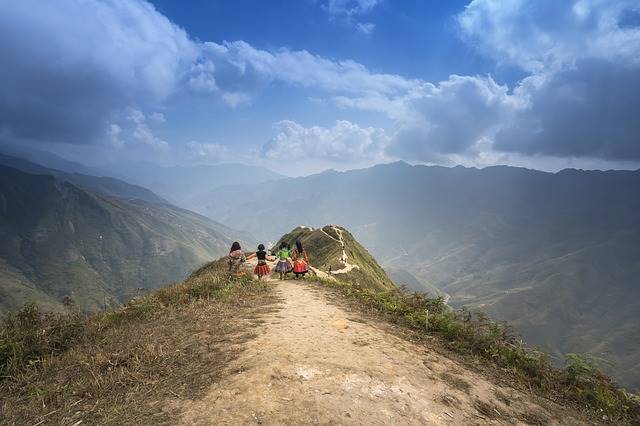
Deforestation in VietnamVietnam is a Southeast Asian country along the east coast of the Indochinese Peninsula. Its tropical climate makes it a naturally biodiverse place, but deforestation in Vietnam threatens the livelihoods of citizens. In April 2021, USAID approved two new projects totaling $74 million to help fight deforestation in Vietnam and improve the lives of thousands of citizens in poverty who rely on forests to live.
Deforestation in Vietnam

Deforestation in Vietnam is very severe. According to the World Wildlife Fund, the South Vietnam Lowland Dry Forests region is the most degraded forest outside India. Despite being home to many endangered species, only 2% of the forests are designated as protected. Furthermore, about 90% of the forests are subject to deforestation. The U.N. emphasizes that protecting biodiversity and restoring previously exploited land will improve the quality of life for citizens in countries worldwide. Indigenous and rural communities, in particular, will benefit from reversing deforestation as the protection of forest resources decreases the economic vulnerability of these groups.

The Sustainable Forest Management Project

The USAID Sustainable Forest Management project partners with the Vietnamese Government, the Vietnam Forest Owner Association (VIFORA) and forest owners to minimize the impacts of deforestation in seven of Vietnam’s most affected provinces. The main objective of this project is to develop and enforce forest conservation policies. This includes funding to increase the Vietnamese Government’s ability to prosecute deforestation crimes.

Execution of this program also involves working with the authorities, private companies and local forest owners to extend the reach of the Payment for Forest Environmental Services program. This mechanism provides direct monetary compensation to residents for forest protection efforts. Strong partnerships between aid organizations and local implementers allow these programs to help the target populations build self-sufficiency effectively.

USAID allotted $36 million for this project. In addition to funding forest management policies, this program directly helps Vietnamese communities living in forest land by promoting sustainable lifestyle practices for forest dwellers.  An estimated 250,000 hectares of forest and 70 organizations will benefit from the program. The program will also benefit the 60,000 individuals living in Vietnam’s forests who are expected to have improved and more sustainable livelihoods.

The Biodiversity Conservation Project

The USAID Biodiversity Conservation project partners with the World Wildlife Fund to provide economical alternatives for activities that lead to Vietnam’s deforestation. The project focuses on substituting forest-harming industries with forest-preserving ones. The project has the potential to increase incomes for forest-dwelling communities while reversing deforestation in Vietnam. The Biodiversity Conservation project relies on strong partnerships with the Vietnamese Government and local organizations for effective implementation.

USAID allotted $38 million for this project, which will benefit 700,000 hectares of forest land. An additional 7,000 individuals living in Vietnam’s forests will also gain income opportunities from forest-friendly endeavors. In addition, 250 villages will receive increased protection of their natural environments with a 50% decrease in animal hunting and consumption.

Deforestation in Vietnam threatens the livelihoods of the most disadvantaged populations still living in forest land. Despite this vulnerability, the Vietnamese Government struggles to stop deforestation without foreign aid. USAID’s two projects not only fight deforestation but promote practices that will directly help lift forest dwellers out of poverty.

– Viola Chow
Photo: Pixabay

June 7, 2021
https://borgenproject.org/wp-content/uploads/borgen-project-logo.svg 0 0 Kim Thelwell https://borgenproject.org/wp-content/uploads/borgen-project-logo.svg Kim Thelwell2021-06-07 01:31:262021-06-08 16:17:14USAID Helps Fight Deforestation in Vietnam
Global Poverty, Politics

Evidence-based Policymaking Meets Foreign Aid

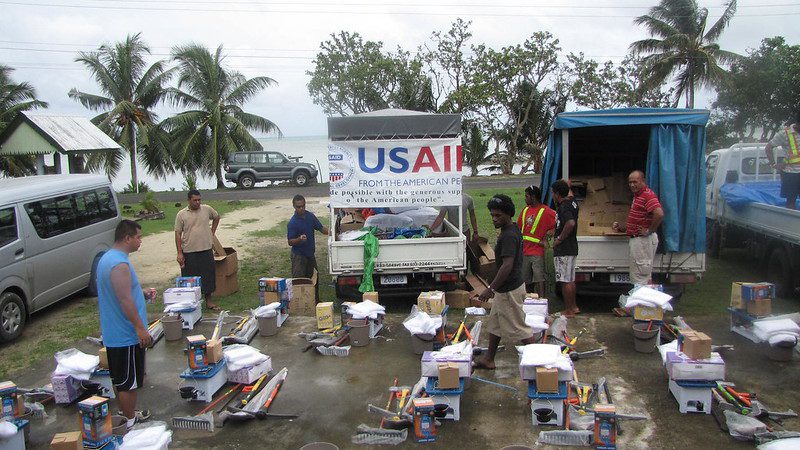
A group using USAID prepares a work crew for disaster reliefWith respect to the long history of governance, the increase in support for evidence-based policymaking is a relatively recent development. While the call to utilize evidence in policymaking can be traced to the 14th century, advocacy for evidence-based policymaking is recent. Advocates argue for the improved collection, consideration, dissemination and use of evidence at every level of government.
Evidence-based Policymaking in Congress

There is no single body today which defines or guides evidence-based policymaking. Implementations of evidence can be unique but tend to share similar goals and core principles.

Its proponents are numerous. Many organizations have recently launched their own initiatives to begin major pushes for evidence-based policymaking. In Washington alone, the Bipartisan Policy Center, Pew Charitable Trusts, Urban Institute and Brookings Institute are key examples.

When the Urban Institute introduced its Evidence-Based Policymaking Collaborative, it heralded the increasing momentum behind the use of evidence in policymaking — even suggesting the potential for a “golden era” of evidence-based policymaking. In its own words, evidence-based policymaking is about “[using] what we already know from program evaluation to make policy decisions and to build more knowledge to better inform future decisions.”

Evidence Proponents

A number of recent factors have made this change possible today. For instance, in order for policymaking backed by evidence to be possible in the first place, institutions must begin by using high-quality data which enables further analysis. Some contributing changes are computerization and digitalization, which have improved the availability of evidence. Increased investments in rigorous research have made analyzing evidence more fruitful to ultimately enable the evidence process.

The Bipartisan Policy Center launched its own Evidence-Based Policymaking Initiative in 2017 to continue providing policymakers with recommendations. It bases its definition of evidence-based policymaking on three principles: data collection, data analysis and evidence use.

In its suggestions to policymakers, the Evidence-Based Policymaking Initiative recommended that “for the evidence-based policymaking process to become more routine, policymakers must recognize that evidence is an essential and necessary input into the policymaking process.”

Evidence in Federal Agencies

USAID is a strong example of a United States government institution that has made significant strides in implementing evidence into its policies. The agency has implemented evaluative processes to assess and cement the use of evidence.

In October of 2019, Results for America released a press statement highlighting USAID, among nine other federal agencies, for its progress in its use of evidence.

USAID’s 10-year-old Development Investment Ventures (DIV) is a strong example of successful inclusions of evidence in policymaking. The Center for Global Development (CGD), a think tank and research institution, described DIV as comparable to venture capital funds. Both of them aggressively try new and untested approaches. DIV scales up the impacts of programs that are proven to work. However, DIV is unlike venture capital funds in that it seeks social returns rather than monetary gain.

DIV has managed to make remarkable impacts through its programs. Five of its innovations have yielded at least $17 in social impact per dollar invested.

CGD pointed out that the DIV programs that showed the strongest scalability were ones that “had a low cost per person reached; were based on established evidence; included an academic researcher in the design process to help test, iterate, and improve the innovation over time…” While organizations such as CGD continue to see room for improvement in evidence implementations, current evidence-based implementations at USAID are examples of the positive impact.

– Marshall Wu
Photo: Flickr

May 21, 2021
https://borgenproject.org/wp-content/uploads/borgen-project-logo.svg 0 0 Kim Thelwell https://borgenproject.org/wp-content/uploads/borgen-project-logo.svg Kim Thelwell2021-05-21 11:22:492021-05-21 12:07:23Evidence-based Policymaking Meets Foreign Aid
Global Poverty, USAID

USAID Builds Schools in Pakistani Flood Relief Effort

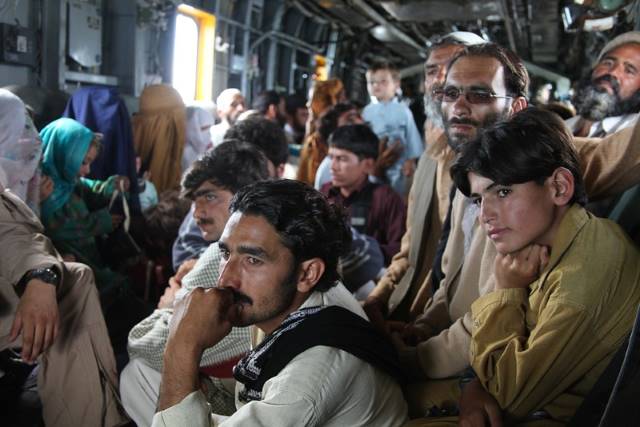
Pakistani Flood ReliefWhen the Indus River flooded Pakistan in 2010, the effects were widespread and devastating. Among those that were hit hard were Pakistani children whose schools were severely affected by the flooding. It is estimated that the floods destroyed or damaged more than 10,000 schools. Fast forward 11 years later, however, USAID has announced a major milestone in the now eight-year-long Pakistani flood relief project called the USAID-Sindh Basic Education Programme. USAID reports the completion of 106 schools in Sindh, a province stricken by flood damages.

The 2010 Indus River Floods

The Indus River floods in July and August 2010 were a result of massive monsoon rains causing severe flash flooding in Pakistan. The floods were estimated to have damaged or destroyed more than one million homes and affected more than 20 million people in the region. The impact was felt in just about every area of life in Pakistan.

Industries like farming and healthcare were severely hurt by the floods. Farmers were estimated to have lost millions of acres of usable land and more than a million livestock. Additionally, more than 500 hospitals or clinics in the region were reportedly damaged or destroyed.

On top of this, data from UNICEF in 2010 indicated that more than 1.6 million children either saw their schools damaged by floodwaters or converted into shelters. The massive displacement of children even resulted in fears of a rise in militia kidnappings at the time.

In total, the economic impact of all of that damage done by the floods was estimated as a loss of $43 billion.

USAID’s Pakistani Flood Relief

USAID has given more than $159 million toward education relief following the flood, with $81 million of the funding put directly toward the construction of new schools in northern Sindh. The money helped facilitate the completion of 106 schools, with 14 additional schools targeted to be finished by 2023. The schools will help serve more than 50,000 students in Sindh whose schools were affected by the flood.

These new schools have been built with the inclusion of elements like laboratories and computers in order to turn them into templates for the kind of high-quality educational standard that can hopefully be provided to other areas in the country in the future.

The State of Pakistan’s Education System

Despite efforts, Pakistan’s education system still faces challenges. According to UNICEF, just 56% of Pakistani children between the ages of 5 and 16 are currently in school. This means the country has more than 22 million children in this age range out of school, making Pakistan the country with the second-most out-of-school children in the world.

Additionally, significantly fewer children are enrolled in secondary school compared to primary school and significant gaps exist in overall schooling services. Socioeconomic gaps, for example, are prevalent in areas like Sindh where only 48% of the most impoverished children in the region are in school.

In other regions like Balochistan, significant gender gaps have emerged. Only 22% of girls are in school in the region. This reflects an overarching gender problem which can be seen in the disproportionate number of boys compared to girls in the education system as a whole.

Nevertheless, USAID’s newly completed schools as part of the Pakistani flood relief efforts represent the start of positive progress being made in the country’s education system. With each and every effort, Pakistani children are given an opportunity to rise out of poverty.

– Brett Grega
Photo: Flickr

May 21, 2021
https://borgenproject.org/wp-content/uploads/borgen-project-logo.svg 0 0 Yuki https://borgenproject.org/wp-content/uploads/borgen-project-logo.svg Yuki2021-05-21 07:30:052021-05-18 06:51:55USAID Builds Schools in Pakistani Flood Relief Effort
Global Poverty, Sanitation, Water Sanitation

Inadequate Sanitation In Indonesia

Inadequate Sanitation In IndonesiaCommunities throughout Indonesia are receiving help with sustainable and clean water access. Sanitation poses a significant threat to the health and safety of people in Indonesia. USAID reports that 2.4 billion people worldwide have inconsistent access to sanitation. The organization predicts that nearly 40% of the world does not use safe toilets. This can significantly increase the spread of infection and disease.
Proper sanitation is crucial in preventing the spread of infectious diseases, which are more severe to those living in poverty without access to adequate healthcare. The primary cause of child mortality in Indonesia is diarrhea. Typhoid is also a leading threat to the health of Indonesians. Both diarrhea and typhoid are amplified by inadequate sanitation, poor hygiene and limited water supply.

Water Contamination Spreads Disease

According to USAID, “In Indonesia, one in three people does not have access to a flush toilet, latrine or septic system.” Instead, many Indonesians defecate in the streets, which further compromises the health and safety of people living in those communities. Rivers, streams and runoff are often the only water source for residents of rural areas. Without proper resources for treatment, water can carry diseases that are harmful and even deadly to those who consume it.

Only about 7% of wastewater in Indonesia is treated. As a result, many communal water access areas have contaminated water. In impoverished areas, it is not sustainable for communities to continually purchase bottled water. In the capital city, Jakarta, pollution can be found in 96% of the water. There is also a widespread disconnect from infrastructure in residential areas, leaving hundreds of families without consistent access to sanitation.

With the new challenge of the pandemic, Indonesia is facing the highest fatality rate in Asia as a result of inadequate access to sanitation, which is necessary to fight the spread of the disease. When families are struggling to meet their basic needs for consumption and hygiene, regular hand washing and adequate sanitization practices are not a priority.

Educational and Financial Support

Organizations like UNICEF are supporting the government of Indonesia. They help provide more frequent and safe access to sanitation and drinking water. In emphasizing education and health literacy during primary school, UNICEF aims to get ahead of the problem. “Over the past 25 years, the rate of access to sanitation facilities has nearly doubled across the country, increasing from 35% in 1990 to 61% in 2015,” reported USAID. USAID has also greatly contributed to this cause. In 2015, the organization helped more than 2.2 million Indonesians improve their water supply and provided better sanitation to 250,000 people.

The IKEA Foundation is also fighting the issue by providing microfinance loans to Jakarta for the introduction of pipelines and water access to rural residential areas. Families living in low-income areas are spending a lot of money to purchase water. With the installation of pipelines and clean well systems, sanitary water is becoming more accessible and affordable to those who need it most.

– Ally Reeder
Photo: Flickr

May 21, 2021
https://borgenproject.org/wp-content/uploads/borgen-project-logo.svg 0 0 Jennifer Philipp https://borgenproject.org/wp-content/uploads/borgen-project-logo.svg Jennifer Philipp2021-05-21 01:30:052021-05-17 12:54:24Inadequate Sanitation In Indonesia
USAID

USAID Provides Restitution for Victims of Agent Orange

Victims of Agent Orange
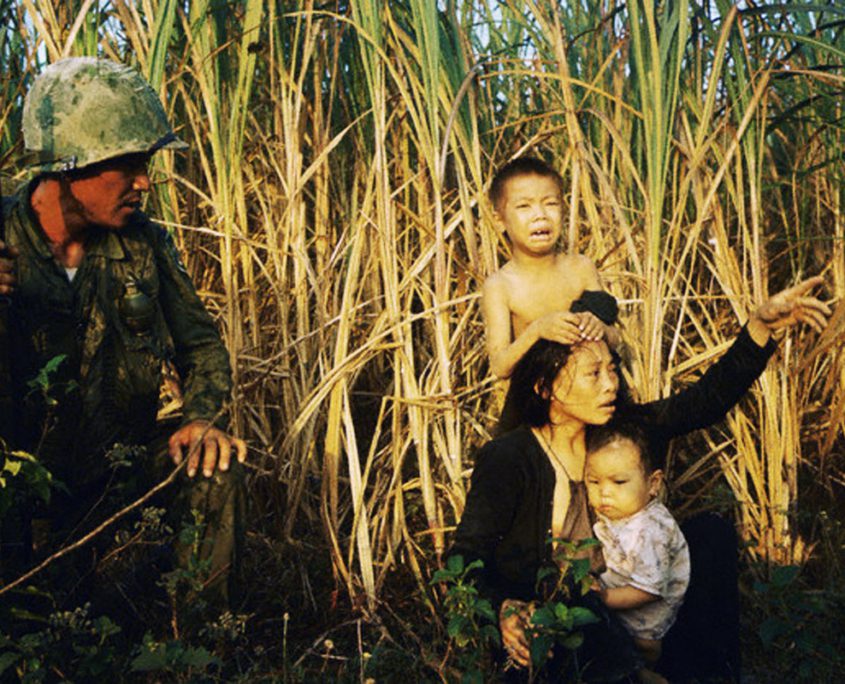
Countless Vietnamese people fell victim to the Vietnam War, which devastated Vietnam for two decades. Millions not only fell victim to conventional weapons of war, but millions have also suffered from the unconventional methods of that war, namely herbicidal warfare. Decades later, the United States government is working toward rectifying that wrong by assisting those who have suffered from the gas. Primarily, the U.S. is working through the United States Agency for International Development (USAID) by providing restitution for victims of Agent Orange.

Herbicidal Warfare

The Vietnam War has its roots in post-World War II when Vietnam temporarily split into two separate entities. Communist guerillas controlled the North, while the French Backed Emperor Bao Dai controlled the South. As the conflict between the two grew, the French became further entwined in the conflict, eventually leading the fight. Although a small, largely untrained force, the communist group, led by the charismatic leader Ho Chin Minh, successfully fought the French, winning the decisive Battle of Dien Bien Phu in 1954. Both sides signed the treaty at the Geneva Conference in 1954 and created an officially split Vietnam with promises of a nationwide election and reunification in 1956.

Although U.S. involvement in Vietnam was initially marginal, the CIA provided training and equipment to the South government, then controlled by Ngo Dinh Diem. Afterward, the U.S.’s involvement quickly escalated. After the torpedoing of two U.S. warships in the Gulf of Tonkin, the United States began bombing campaigns and eventually deployed over 2.7 million soldiers throughout the war.

Agent Orange in the Vietnam War

The war officially lasted from 1955 to 1975, and over the two decades, nearly 3 million Vietnamese died, 2 million of whom were civilians. Although conventional warfare was primarily responsible for these deaths, herbicidal warfare provided its contributions. The United States dropped 20 million gallons of herbicides across the country, subjecting over 4 million Vietnamese to the toxic compounds. Primarily, the U.S. government used Agent Orange, an orange herbicide comprising two different types of herbicides, 2, 4-D and 2, 4, 5-T, containing the poisonous chemical compound dioxin.

Although the U.S. stopped using dioxin in 1971, Agent Orange has had disastrous effects on the Vietnamese population. Everything from multiple forms of cancers, congenital disabilities, soft tissue sarcomas and peripheral neuropathy links to Agent Orange. The effects are widespread. Of the 4.8 million people across Vietnam that have had exposure to the herbicide, 3 million are suffering deadly diseases as a result. Tragically, the herbicide spans generations as many born two generations removed from the conflict suffer from congenital disabilities and health problems directly from Agent Orange. The lifespan of dioxin is complicated, but in human bodies, it can last up to 20 years, while it can last more than 100 years in sediments of bodies of water. It has contaminated soil, water supplies and food.

United States Liability

Although the U.S. government has provided over $197 million in payments to Vietnam veterans, providing restitution to Vietnamese citizens has been more complicated. The U.S. government has yet to apologize or accept responsibility for the after-effects of the herbicide. Even so, for the sake of strong bilateral ties with the U.S., much of the blame has gone to the chemical companies involved in the production of Agent Orange. However, companies insist that the responsibility falls on the U.S. government.

Vietnamese organizations have made multiple attempts to receive financial reparations for the Agent Orange that the U.S. used during the war. In 2004, a Vietnamese group sued over 30 companies involved in the production and manufacturing of Agent Orange; they alleged that the chemical agent’s use constituted a war crime. A Brooklyn district court dismissed the case in 2005.

Restitution in Vietnam

Nevertheless, as Vietnam and the U.S. improve their bilateral relations through USAID, the U.S. has taken on the initiative to help clean up the residual dioxin. In 2019, national security advisor Robert O’Brien announced that over $110 million of the USAID budget would go toward cleaning up the primary site for the storage of Agent Orange during the war, Bien Hoa Airbase Area. The joint project between USAID and Vietnam’s Air Force Air Defense Command will take up to 10 years. USAID is building upon the successful 2018 project with the Vietnamese government to clean up the area around the Da Nang Airport.

More so, it is providing relief for the victims of Agent Orange. The Obama Administration started this with the Trump Administration continuing the program. Afterward, the Biden Administration renewed the program. The U.S. Agent Orange/Dioxin Assistance to Vietnam report from the Congressional Research Service claims that aid for health-related services and assistance began being appropriated to USAID to use in Vietnam in 2009 but has continued with the dedication of a total of $94 million for just health-related services since 2011. Each year, the total has increased, apart from 2011 and 2013 when it dropped by $200,000. The most recent appropriations came in December 2020, dedicating $14.5 million to health-related activities. However, the majority of the appropriations went toward funding medical infrastructure and capacity building.

Looking Forward

More recently, USAID has moved to direct assistance. In April 2019, USAID announced a memorandum of intent to support people with disabilities. Shortly after, USAID set up staff in the country to collect information to understand the problem better. With this knowledge, the organization announced a grant to fund initiatives to improve the quality of life for those dealing with dioxin’s adverse effects. As Xuan Dung Phan describes it, “USAID will work with local NGOs to provide hospital-based/home-based rehabilitation, palliative care, home modifications, training, personal assistance services and assistive products.”

Although the U.S. government has refused to accept responsibility, through USAID, it has provided life-changing service for the millions of Vietnamese dealing with the residual consequences of its Agent Orange spraying during the Vietnam War. Thus, USAID is providing restitution for victims of Agent Orange.

– Vincenzo Caporale
Photo: Flickr

May 17, 2021
https://borgenproject.org/wp-content/uploads/borgen-project-logo.svg 0 0 Kim Thelwell https://borgenproject.org/wp-content/uploads/borgen-project-logo.svg Kim Thelwell2021-05-17 16:15:262024-05-30 07:56:18USAID Provides Restitution for Victims of Agent Orange
Global Poverty

How the Surjer Hashi Network Improved Healthcare in Bangladesh

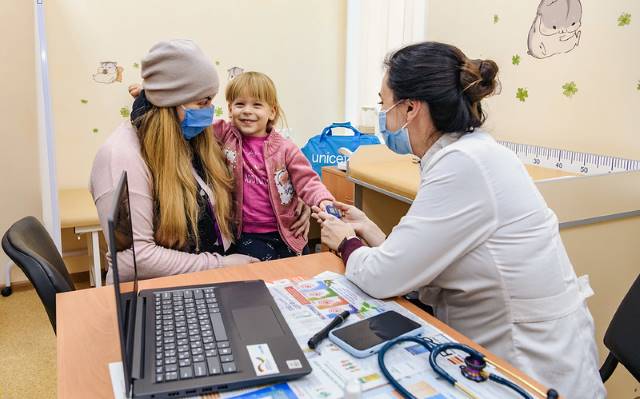
Surjer Hashi NetworkBangladesh is a country in South Asia with a population of 163 million people. As a developing country, Bangladesh struggles to provide adequate healthcare for such a large number of people. The problem particularly brings challenges for people from rural and marginalized communities, who often cannot access quality health services. To combat this issue, the Surjer Hashi Network has been established. Funded by the U.S. Agency for International Development (USAID), it is a network of hundreds of health facilities throughout the country. The facilities bring free or reduced-cost healthcare to low-income populations in Bangladesh while simultaneously bringing the country closer to achieving universal healthcare.
Healthcare in Bangladesh

Despite Bangladesh’s current struggles to provide a reasonable level of healthcare for its citizens, the country has made significant progress over the past few decades. Certain indicators have seen improvements such as maternal and infant mortality. Furthermore, the rate of vaccinations for children has increased dramatically, with the percentage of tuberculosis vaccinations for children under 1 increasing from 2% in 1985 to 99% in 2009. While the developments are a good sign, Bangladesh still faces many challenges in maintaining its healthcare system. For instance, the country suffers from a severe shortage of healthcare workers. As of 2009, only about one-third of the country’s facilities have at least 75% of qualified staff working in healthcare and 36% of health worker positions are vacant.

The ineptitude of Bangladesh’s governmental structure and the inability of its institutions to carry out its policies cause problems. The healthcare system is concentrated in urban areas even though 70% of the population lives in rural areas. Meanwhile, careless management obstructs the allocation of resources. Healthcare workers suffer from high turnover and absenteeism while maintenance of facilities is poor. Meanwhile, rural Bangladeshis often forego formal healthcare due to a lack of access in the communities. As a result, only a quarter of the population uses public healthcare.

The Surjer Hashi Network

USAID backs the Surjer Hashi Network of health clinics aiming at serving low-income and other underserved communities in Bangladesh. With 399 facilities nationwide, the network serves at least 16% of the population. In just a five-year period, USAID helped the Surjer Hashi Network prevent 2,000 maternal deaths and 10,000 child deaths. The facilities provide communities with proper healthcare in remote and underserved areas. Rural women, in particular, have benefited as the Surjer Hashi Network of clinics provides for reproductive health and child care.

Universal Healthcare in Bangladesh

In 2018, USAID started the Advancing Universal Health Coverage (AUHC) program, which has allowed the Surjer Hashi Network to remain operable in the long term. The program has consolidated the hundreds of clinics in the network into a centrally managed organization and it has introduced new business models aimed at keeping costs down and expanding health services. The efforts will ensure that clinics in the Surjer Hashi Network will be financially independent while providing high-quality and affordable healthcare for the disadvantaged.

As its name suggests, the AUHC’s goal is to achieve universal healthcare in Bangladesh. Through the Surjer Hashi Network, USAID is ensuring that Bangladesh can provide healthcare coverage for as many people as possible with healthcare facilities that are accessible in rural areas as well.

– Nikhil Khanal
Photo: Flickr

May 15, 2021
https://borgenproject.org/wp-content/uploads/borgen-project-logo.svg 0 0 Kim Thelwell https://borgenproject.org/wp-content/uploads/borgen-project-logo.svg Kim Thelwell2021-05-15 01:31:462024-05-30 22:23:26How the Surjer Hashi Network Improved Healthcare in Bangladesh
Global Poverty, Health

Fighting Tuberculosis in Ukraine

Tuberculosis in UkraineThe tuberculosis epidemic in Ukraine is characterized by drug-resistant tuberculosis strands. Among new tuberculosis cases in 2019, 27% involved drug-resistant tuberculosis and thousands of other cases were classified as multidrug-resistant tuberculosis (MDR-TB). Ukraine suffers from close to the highest rate of MDR-TB in the world. Tuberculosis in Ukraine is only successfully treated at a rate of 76% for various reasons, including patients stopping treatment prematurely, further complications, the high prevalence of MDR-TB and receiving treatment too late.
Current Efforts

In an effort to reduce the burden of tuberculosis in Ukraine, USAID is working with U.S. government agencies and other partners on various projects. Many programs have been introduced in recent years to strengthen the fight against tuberculosis in Ukraine. For example, the Management Sciences for Health (MSH) implemented the Safe, Affordable and Effective Medicines for Ukrainians (SAFEMed) project to ensure transparency and cost-efficiency within the Ukrainian health system. The programs work to increase public access to medicines and commodities essential to treating tuberculosis. Moreover, PATH, a global nonprofit working to improve public health, began the USAID-supported Serving Life Project to reduce the spread of tuberculosis and other diseases by improved detection. Serving Life specifically aims to increase the care and treatment of people living with tuberculosis in pre-trial detention centers, prisons and post-prison settings.

The Transportation Problem

Affordable medication and proper detection are the first steps in the fight against tuberculosis as “timely access to diagnosis and treatment make a difference in tuberculosis care.” However, many parts of Ukraine suffer from lacking specimen transportation systems. With inefficient or even nonexistent systems, the fight against tuberculosis in Ukraine becomes more difficult as these systems delay access to tuberculosis testing and treatment.

The failures in specimen transportation have potentially increased the already high rates of multidrug-resistant tuberculosis, a tuberculosis strand much more challenging to treat. This is because multidrug-resistant tuberculosis arises from the incomplete treatment of tuberculosis, occurring when public health systems are unable to deliver reliable and consistent tuberculosis treatment to patients. Strains on the healthcare system only exacerbate these inefficiencies as the system becomes overloaded. For example, when COVID-19 reached Ukraine, COVID-19 treatment received priority. As a result, many tuberculosis patients were forced to resort to their own methods of specimen transport.

USAID Introduces New Transportation Plan

When USAID’s Support TB Control Efforts in Ukraine activity began in October 2019, Ukraine’s lacking specimen transportation system was identified as one of the weakest links in the fight against tuberculosis in Ukraine. USAID then began a functional transportation system in the Cherkasy Oblast of Ukraine in June 2020. The program uses USAID-provided coolers to preserve specimens in transport and works to plan more flexible and adaptable transportation routes. As a result, transport vehicles are now able to do rounds four times a week while also ensuring weekly delivery to and from each primary healthcare facility. While the program began in Cherkasy, it has expanded to seven other oblasts in Ukraine within less than a year of the program’s inception.

With efforts from organizations to address the tuberculosis epidemic in Ukraine, it is hopeful that Ukraine will see its case numbers dropping.

– Kendall Carll
Photo: Flickr

May 13, 2021
https://borgenproject.org/wp-content/uploads/borgen-project-logo.svg 0 0 Kim Thelwell https://borgenproject.org/wp-content/uploads/borgen-project-logo.svg Kim Thelwell2021-05-13 01:06:062024-05-30 22:23:17Fighting Tuberculosis in Ukraine
Education, Global Poverty

Improving Education in Senegal

Improving education in SenegalSeveral countries in sub-Saharan Africa have 50% or more of their populations concentrated in rural areas. With a high density of people in scattered rural areas, improved education in these areas is a priority. Gaps in enrollment and educational attainment are present throughout these sub-Saharan countries. Due to educational gaps, a group of architects formed an organization called Let’s Build My School (LBMS). LBMS focuses on improving education in Senegal.

Education in Senegal

According to the World Bank, in 2020, 52% of Senegal’s population lived in rural areas. In 2017, the country’s literacy rate was almost 52% for those 15 and older. Since primary school is compulsory and free, the net primary school enrollment rate hovers between 70% and 75%. However, this amount decreases significantly for those living in rural areas because of regional inequalities. The percentage of children in Senegal who are not attending school is about 38%. Rates of out-of-school children include 49% of students in rural areas compared to 21% of students in urban areas.

In addition to the regional inequality gap, there is also a significant gender gap in education in Senegal. Patterns of enrollment for males versus females vary by region. Some areas, such as Matam, have more females attending primary school than males with a little more than a 20% difference. On the other hand, a more typical trend shows males having anywhere from 1% to 40% higher enrollment rates in upper secondary school than females.  Due to these trends in regional and gender-based gaps in education, LBMS chose to focus on Senegal as the first area of its focus.

Let’s Build My School

LBMS is a U.K.-registered charity group of architects advocating for education as a universal right. The charity supports access to education in underprivileged areas around the world. It especially focuses on rural African areas and began its first project in Senegal.

LBMS builds schools in disadvantaged areas and remote villages using locally sourced and sustainable construction materials. It employs building techniques that are cost-effective and easy to implement without the need for advanced construction skills. In this way, the local community can be involved in the building projects. In the future, this will allow locals to replicate these efforts as needed.

Keur Racine

So far, LBMS has completed two projects in Senegal. One of these projects is Keur Racine in the Thiès region. The project was completed between May and July of 2017, mainly using clay and tires. LBMS added on to an existing school with two classrooms and an office. This addition increased the school’s capacity to 62 more students.

The foundation was constructed with tires “filled with compacted clay and sand.” The classroom walls were constructed from “sandbags filled with locally sourced material” to allow for natural insulation. The roof was built in a way that allows for ventilation and natural lighting. The sustainable construction of these schools benefits the Earth and the people living on the land by limiting waste and providing access to schooling for rural students.

Importance of Education

A lack of education and poverty typically go hand-in-hand. This is because those in impoverished areas do not have sufficient access to educational resources or opportunities. Education is essential for improving living conditions and eradicating poverty. Quality education creates an aware, knowledgeable and skilled population able to make a better life. According to UNESCO, about 60 million people could break out of poverty if all adults had two additional years of schooling. Furthermore, 420 million people could escape poverty if all adults completed education through the secondary level. For this reason, improving education in Senegal is imperative.

USAID is Improving Education in Senegal

Prompted by the 2005 Paris Declaration on Aid Effectiveness, USAID worked “with the Government of Senegal in 2007 through a Fixed Amount Reimbursement program to construct middle schools.” The government constructs school buildings using its own funds and resources. After completion, USAID reimburses the government after confirming that the school structure meets certain specifications.

The goal of the project was to build “46 middle schools and 30 water points” by the close of 2016. In partnership with the local NGO, Femmes Plus, USAID looks to improve learning outcomes through the Our Sisters Read program. The program looks to improve the basic literacy of rural children, especially girls.

With the help of organizations such as LBMS and USAID, education in Senegal and other impoverished regions can improve and lift millions out of extreme poverty. Access to quality education is a proven global solution to ending the cycle of poverty. LBMS is an example of a smaller-scale relief effort that is contributing greatly to the overall fight against global poverty.

– Kylie Lally
Photo: Flickr

May 2, 2021
https://borgenproject.org/wp-content/uploads/borgen-project-logo.svg 0 0 Kim Thelwell https://borgenproject.org/wp-content/uploads/borgen-project-logo.svg Kim Thelwell2021-05-02 01:30:572021-07-02 03:47:23Improving Education in Senegal
Page 32 of 92«‹3031323334›»

Get Smarter

  • Global Poverty 101
  • Global Poverty… The Good News
  • Global Poverty & U.S. Jobs
  • Global Poverty and National Security
  • Innovative Solutions to Poverty
  • Global Poverty & Aid FAQ’s
Search Search

Take Action

  • Call Congress
  • Email Congress
  • Donate
  • 30 Ways to Help
  • Volunteer Ops
  • Internships
  • Courses & Certificates
  • The Podcast
Borgen Project

“The Borgen Project is an incredible nonprofit organization that is addressing poverty and hunger and working towards ending them.”

-The Huffington Post

Inside The Borgen Project

  • Contact
  • About
  • Financials
  • President
  • Board of Directors
  • Board of Advisors

International Links

  • UK Email Parliament
  • UK Donate
  • Canada Email Parliament

Get Smarter

  • Global Poverty 101
  • Global Poverty… The Good News
  • Global Poverty & U.S. Jobs
  • Global Poverty and National Security
  • Innovative Solutions to Poverty
  • Global Poverty & Aid FAQ’s

Ways to Help

  • Call Congress
  • Email Congress
  • Donate
  • 30 Ways to Help
  • Volunteer Ops
  • Internships
  • Courses & Certificates
  • The Podcast
Scroll to top Scroll to top Scroll to top