• Link to X
  • Link to Facebook
  • Link to Instagram
  • Link to TikTok
  • Link to Youtube
  • About
    • About Us
      • President
      • Board of Directors
      • Board of Advisors
      • Financials
      • Our Methodology
      • Success Tracker
      • Contact
  • Act Now
    • 30 Ways to Help
      • Email Congress
      • Call Congress
      • Volunteer
      • Courses & Certificates
      • Be a Donor
    • Internships
      • In-Office Internships
      • Remote Internships
    • Legislation
      • Politics 101
  • The Blog
  • The Podcast
  • Magazine
  • Donate
  • Click to open the search input field Click to open the search input field Search
  • Menu Menu

Tag Archive for: Somalia

Posts

Advocacy, Aid, Global Poverty, Humanitarian Aid, Migration, UNICEF

3 Ways the IOM is Addressing Somalia’s Humanitarian Crisis

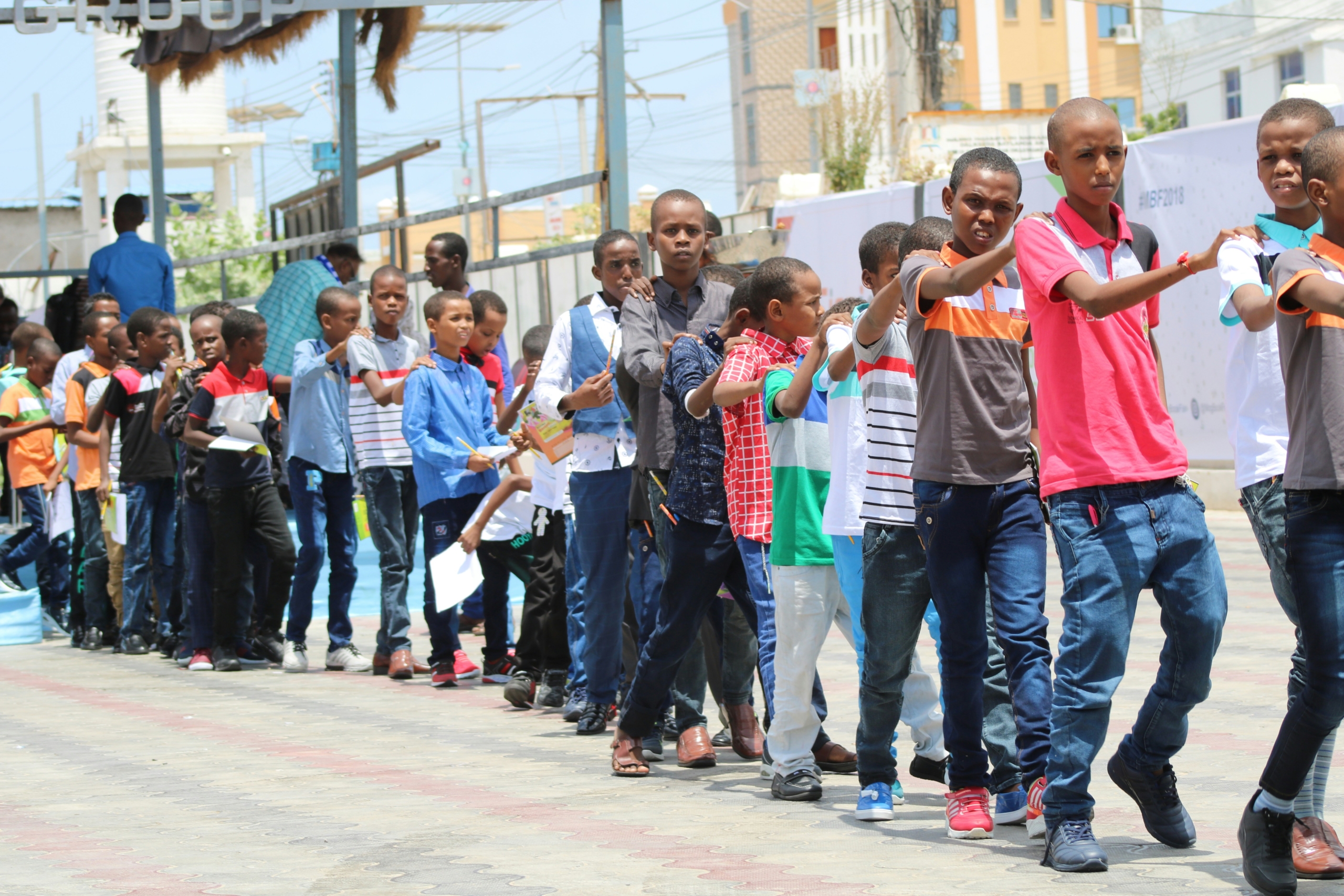
3 Ways the IOM is Addressing Humanitarian Crisis in SomaliaSomalia is a low-income country in the Horn of Africa. The country has suffered through four consecutive years of drought. This has caused the death of almost 4 million livestock between July 2021 and April 2022. A once-in-a-century flooding event during the latest rainy season worsened this grim situation. The paradoxical combination of drought and floods has resulted in failed harvests, decreased food security and displaced more than a million Somalians. Here are three ways the International Organization for Migration (IOM)—one of the largest humanitarian organizations in the country—is addressing Somalia’s humanitarian crisis.

3 Ways IOM Addresses Somalia’s Humanitarian Crisis

  1. New Mobile Clinics. In August 2023, IOM announced the opening of seven new mobile clinics in the city of Garowe, Somalia. The purpose of the clinics is to provide health and nutrition services to individuals affected by the drought. The clinics offer free malnutrition screenings, nutrition assistance, child immunizations and medical consultations to those in need, among other services. Despite receiving just 34% of the requested funding, IOM has impressively managed to reach 73% of Somalians targeted for health and nutrition assistance by the organization.
  2. Emergency Shelter. While plastic sheets may not seem like much in the way of shelter, they can be effective for temporarily patching roof holes in times of heavy rainfall and are a far cry better than no shelter at all. Recognizing this, IOM supplied 100,000 plastic sheets to flood-impacted regions of the country in Aug. 2023. Additionally, IOM provided more than 5,000 Somalian households with crucial emergency shelter materials in the same month. This program was subsequently scaled up to cover more than 7,000 households in the following month.
  3. Solar-Powered Wells. The prolonged drought in Somalia has resulted in many shallow wells and small reservoirs drying up, forcing thousands of rural Somalians to flee to urban areas or refugee camps. To combat this trend and improve access to clean water and sanitation, IOM is working on rehabilitating seven wells in the city of Baidoa, Somalia. While still in progress, the last two boreholes for the wells were completed in Aug. 2023. IOM is outfitting the wells with solar generators to guarantee their sustainability. In addition, the organization has cumulatively provided more than two million Somalians with water, sanitation and hygiene assistance as of Aug. 2023.

Looking Ahead

The IOM continues to play a critical role in addressing Somalia’s ongoing humanitarian crisis. Through the establishment of mobile clinics, the provision of emergency shelter materials and the rehabilitation of solar-powered wells, IOM has provided essential aid to millions of Somalians affected by drought and flooding. These ongoing efforts aim to improve health services, enhance living conditions and secure access to clean water, all of which are crucial in mitigating the severe impacts of the country’s climate challenges.

– Kipling Newman

Kipling is based in Denver, CO, USA and focuses on Good News and Global Health for The Borgen Project.

Photo: Flickr
August 13, 2024
https://borgenproject.org/wp-content/uploads/borgen-project-logo.svg 0 0 Precious Sheidu https://borgenproject.org/wp-content/uploads/borgen-project-logo.svg Precious Sheidu2024-08-13 03:00:582024-08-12 12:31:103 Ways the IOM is Addressing Somalia’s Humanitarian Crisis
Children, Global Poverty

Somalian Children: Malnutrition Amidst Poverty and Conflict

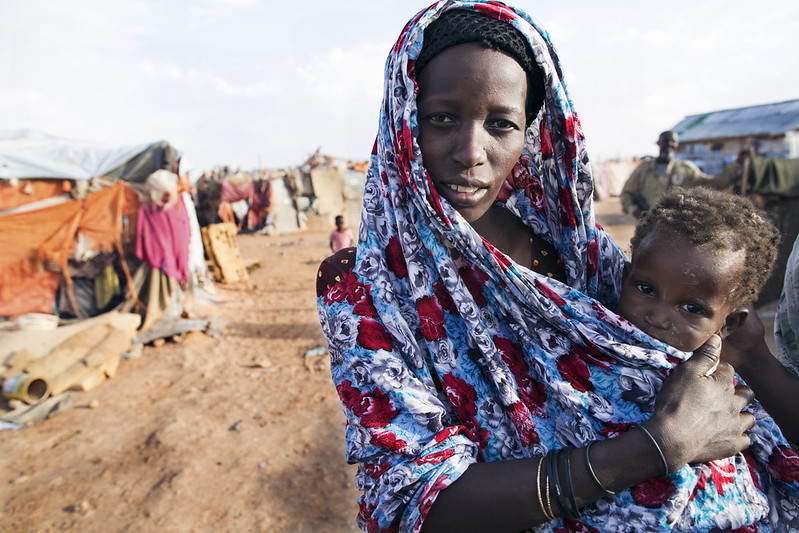
Somalian Children:Somali children face the threat of malnutrition and disease daily. With high poverty rates and violent conflict infiltrating the nation, the children are bearing the brunt of the struggles. The African nation has a large population of slightly more than 18 million. The number is growing rapidly despite high infant mortality rates and low life expectancy. The outcome of malnutrition and disease is a high infant mortality rate, with 1/10 Somalian children dying before the age of 5.

Malnutrition and Disease in Somalia

Alongside malnutrition, children in Somalia are severely affected by life-threatening diseases, often succumbing to them due to a lack of resources. A common disease among children in the nation is cholera, with the number of cases rising in recent years. The spike in cases has been a result of the lack of clean water resources, especially in rural areas.

Millions of children in Somalia do not consume enough food, leaving their bodies weakened and susceptible to disease. Additionally, the mothers of children are often undernourished themselves, having illnesses such as anemia and vitamin deficiencies. As a result of these diseases, almost half of all Somalian children do not attend school.

Natural Disasters Affecting Children

The geographical location of Somalia makes it prone to drought and flooding, depending on the time of the year. As Somalia borders the Indian Ocean, it is vulnerable to the natural elements, with several of its largest cities situated along the coastline.

Flooding is a recurring issue in the country, accounting for 45% of all natural occurrences since 1980. This has led to the outbreak of waterborne diseases, such as cholera and malaria, due to the ideal breeding grounds flooding produces. Furthermore, droughts have been a major point of concern as in 2019, affecting upwards of 2.3 million Somalians, furthering the issue of the nation’s malnourishment.

Displacement Due to Conflict

Conflict in the nation has been ongoing for many years, with civil disputes resulting in high levels of displacement across the country. Many Somalians have been forced to leave their homes to find refuge in other areas, often neighboring countries.

Due to this conflict, 2.6 million Somalians have been displaced internally, with 30% of those displaced being under the age of 11. With countless children orphaned, abandoned or separated from their families, it has left them vulnerable to disease.

Necessary Aid

It is estimated that 5.1 million children in Somalia need urgent humanitarian aid. There is a necessity for nationwide food banks and health centers for children in Somalia. They are not only faced with disease and malnutrition but also risks due to conflict and natural disasters, all contributing to the poverty rates.

How Help Is Reaching the Children of Somalia

Many organizations are working with the Government of Somalia to increase funding and support the population, especially children. In 2020, Somalia received $2 billion in official development assistance to help those in need. Through global financial assistance, Somalian children are receiving help in the form of access to food, water and health resources.

– Lily Thornhill
Photo: Unsplash

February 15, 2024
https://borgenproject.org/wp-content/uploads/borgen-project-logo.svg 0 0 Lynsey 2 https://borgenproject.org/wp-content/uploads/borgen-project-logo.svg Lynsey 22024-02-15 07:30:052024-02-14 03:32:23Somalian Children: Malnutrition Amidst Poverty and Conflict
Global Poverty, Migration

Addressing the Mediterranean Migration Crisis

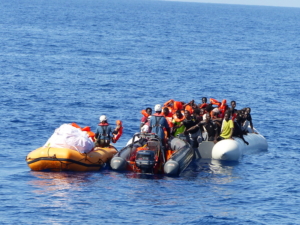
Mediterranean Migration CrisisThe migrant boat shipwreck occurring in Italy on February 26, 2023, serves as a reminder that stronger action is necessary to address the Mediterranean migration crisis. Thousands of migrants attempt to cross the Mediterranean Sea by boat with the hope of a better future. However, the Mediterranean is a deadly route for migrants, with more than 26,000 people missing or dead since 2014.

The EU’s response to the migrant crisis in the Mediterranean has been criticized for falling short in addressing and collaborating on the issue. Numbers of experts posit that the prioritization of borders over human lives is an uncomfortable truth that must be confronted as the deadly waters continue to claim the lives of those seeking a future free from poverty, war and violence.

Migrant Boat Shipwreck in Italy

The migrant boat shipwreck in Italy led to at least 63 confirmed deaths, including women and children. The migrants had hoped to land near Crotone in search of a new life free from poverty. About 200 migrants from Afghanistan, Pakistan, Somalia, Syria, Iraq and Iran boarded the boat, which had set out from Izmir, Turkey a few days before the shipwreck.

Due to high poverty rates and extreme living conditions in countries like Afghanistan, people are seeking better opportunities through migration. The economic collapse in Afghanistan, worsened by the Taliban’s seizure of power and international donors suspending non-humanitarian funding has created a humanitarian crisis. As of mid-2021, the U.N. Refugee Agency reported that 2.7 million Afghans were displaced across borders worldwide. 

The loss of lives in this incident serves as a reminder of the urgent need for comprehensive solutions to the ongoing migrant crisis in the Mediterranean.

Recent data shows a noteworthy surge in migrant arrivals in Italy compared to the same months in 2021-2022, with the figures tripling. While the peak of the migrant crisis in the EU was witnessed between 2014-2017, this year has seen a steep increase in arrivals, with Ivorians, Guineans, and Bangladeshis being the most represented nationalities.

Many migrants originate from countries with high poverty rates, including Cote d’Ivoire, which experienced a 6.7% rise in GDP in 2022, yet more than 11% of its population lived below the international poverty line. Similarly, extreme weather events and other factors have led to 35 million people continuing to live below the poverty line, as per recent reports.

Taking Action to Resolve the Mediterranean Migration Crisis

The Global Route-Based Migration Programme, initiated by the International Federation of Red Cross and Red Crescent Societies (IFRC) in 2021, aims to improve the safety and dignity of people on the move, including migrants, refugees, asylum seekers, and other displaced individuals, along land and sea-based migration routes in Africa, Europe, the Middle East and North Africa and the Americas.

The program seeks to support 4.7 million people on the move and people in host communities annually by utilizing the expertise and reach of 57 Red Cross and Red Crescent Societies worldwide. It is a tool that can be used to address the migration crisis and improve coordination and collaboration among organizations and governments, while also enhancing support and access to essential needs such as food, water, shelter, information and health care.

The Path Forward

Addressing the root causes of migration and providing support to those in need requires a collaborative effort. In a bilateral meeting on the aftermath of the migrant boat shipwreck in Italy, during a March 2023 EU summit in Brussels, French President Macron and Italian Prime Minister Meloni discussed the need for a common European solution to manage migration and aid those in need. While migration policy has been a point of tension between the two countries in the past, this meeting signifies a step toward finding common ground and working together to address the complex challenges of migration in Europe.

– Elena Maria Puri
Photo: Flickr

April 28, 2023
https://borgenproject.org/wp-content/uploads/borgen-project-logo.svg 0 0 Kim Thelwell https://borgenproject.org/wp-content/uploads/borgen-project-logo.svg Kim Thelwell2023-04-28 01:30:402023-04-27 05:46:21Addressing the Mediterranean Migration Crisis
Global Poverty

Humanitarian Aid to Somalia Amid Worst Drought

Humanitarian aid to SomaliaThe U.S. Agency for International Development (USAID) announced on July 24, 2022, that the U.S. would provide $476 million in humanitarian aid to Somalia after an unprecedented drought drastically increased the risk of famine. More than 7 million people could face famine due to this drought. Hence, amid this looming famine, this aid seeks to provide “urgent food supplies” and offer necessary nutrition support to children facing acute malnourishment.
The Current State of Somalia

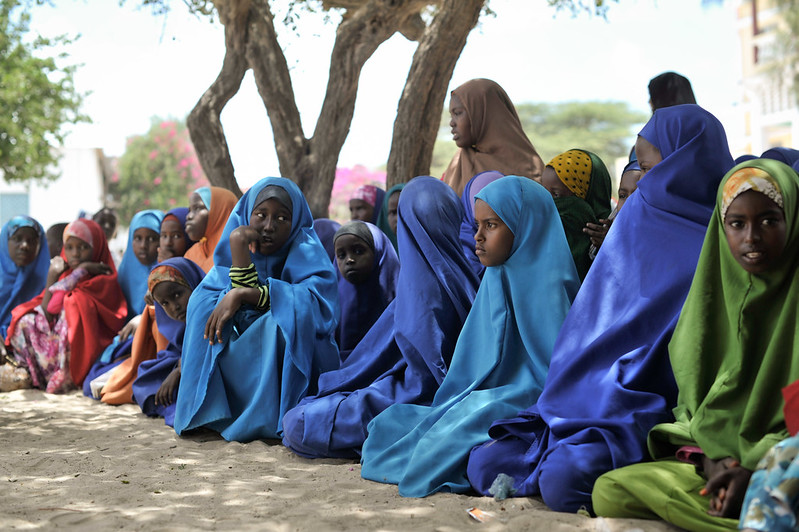
Somalia is currently in a state of climate emergency after experiencing “a fourth failed rainy season,” which plunged the nation into drought. This has caused conditions of mass famine, disease and displacement. After a recent trip to Somalia, Jan Egeland, Norwegian Refugee Council’s secretary general, describes the situation on the ground. Farmers had “lost all their livestock and crops,” children face severe malnourishment and parents beg for food and water to meet their daily needs.

Drought is not a new phenomenon in Somalia and has detrimentally impacted the social and economic stability of the country in the past decade. Since the beginning of 2021, the drought has forcefully displaced more than 800,000 people. With the most recent drought fostering a significant hunger crisis, the number of people experiencing crisis levels of hunger could increase “from less than five million to more than seven million in the coming months.” While drought in Somalia primarily fuels mass displacement and famine, it also generates “violent conflicts over water and grazing land, rising costs of basic goods and the destruction of crops and livestock herds.”

The intertwining of factors affecting food security in Somalia evidently worsens the situation. These factors include the COVID-19 pandemic, locust plagues and “continued recovery from previous droughts.” The Russian war in Ukraine also contributes to the state of food insecurity in Somalia as roughly “90% of Somalia’s wheat imports came from Russia and Ukraine.” The invasion has led to the blockage of grain supplies and a surge in food prices.

The US Response

To respond to this critical situation, the U.S. announced that it would provide $476 million worth of humanitarian aid to Somalia. Taking this most recent humanitarian funding into consideration, this would mean that the U.S. has provided close to $707 million in humanitarian assistance for people in Somalia in 2022 alone. This recent humanitarian aid sum is expected to allow USAID to accomplish several objectives to help millions across Somalia. These include providing:

  • Emergency food and nutrition aid. Cash-based transfers will allow Somalis to buy essential food from local markets to reignite the economy while addressing hunger. In areas without local markets, USAID will provide vulnerable families with sorghum, vegetable oil and yellow split peas. To address malnutrition among children, USAID will implement “community-level screening” to quickly identify severe acute malnutrition cases. USAID will then supply specialized nutritional supplements to these children.
  • Emergency health care services along with clean and safe drinking water sources. Part of this response includes supplying “latrines and handwashing stations, rehabilitated water and sanitation systems and hygiene kits.” In addition, mobile health teams will provide health services to isolated people in rural areas, among other efforts.
  • Support and protection services in response to gender-based violence. With women and children being disproportionately vulnerable to gender-based violence, USAID will provide comprehensive aid, including psychosocial support, medical resources and health care services.

The Implications

While financial aid is extremely helpful in dealing with the impact of drought, there remain significant funding shortfalls. As opposed to the $1.3 billion donated by international donors in 2017, so far, in 2022, the figure only stands at $500 million. USAID has expressed a pressing need for more international donors to help address the impacts of several climate-related catastrophes and food insecurity in Somalia.

The U.S. provision of $476 million in humanitarian aid to Somalia gives the country’s citizens hope for a better tomorrow. It remains critical for Somalia’s global partners to contribute to the widespread efforts to alleviate the impacts of the looming famine fueled by the recent drought.

– Claudia Efemini
Photo: Flickr

September 1, 2022
https://borgenproject.org/wp-content/uploads/borgen-project-logo.svg 0 0 Jennifer Philipp https://borgenproject.org/wp-content/uploads/borgen-project-logo.svg Jennifer Philipp2022-09-01 01:30:162022-09-03 16:08:33Humanitarian Aid to Somalia Amid Worst Drought
Global Poverty, Human Trafficking

Examining Human Trafficking in Somalia

Examining Human Trafficking in SomaliaHuman trafficking is the use of force, fraud or coercion to obtain labor or a commercial sex act. Today, human trafficking is a modern term for slavery. Mayumi Ueno, the counter-trafficking project manager at the International Office for Migration (IOM)’s Somalia Support Office, said the scale of human trafficking in Somalia is unknown. Somal women are often trafficked to Kenya, Djibouti and the United Arab Emirates to be sexually exploited.

How Human Trafficking in Somalia Happens

Every day, Najib Jama Abdi’s sister got up and walked to school. One day, she did not return. The Abdi family heard from the media that she had been trafficked to Somaliland. “By Allah’s mercy she was saved,” said Najib Jama Abdi to The New Humanitarian. Organizations like the Somali Police Force’s criminal investigations division 40-officer Counter-Trafficking and Organized Crime Unit work to rescue girls who have been kidnapped off the street and sold into human trafficking, like Abdi’s sister.

Human Trafficking in Somalia is a widespread issue. Women and girls are sometimes lied to and offered job opportunities, marriage or education in far-away places and then sold into sex slavery. In 2009, IOM began the Counter-Trafficking Project for Somalia. In Puntland and Somaliland, its activities included promoting awareness and informing citizens of the risks and dangers of being trafficked through media such as billboards.

History of Trafficking in Somalia

For decades, military dictator Siad Barre committed widespread atrocities, which effectively destroyed Somali civil society. Then, in May 1991, Barre was overthrown. The east desert region of Somalia declared itself the “Republic of Somaliland” after the overthrow of Barre. Somaliland now has a population of 3.5 million people, a functional political system, its own currency and a police force.

Before 1991, the federal and regional laws criminalized slave labor and certain forms of sex trafficking. Then, after Barre was overthrown, No progress was reported again until September 2017, when a human trafficking law was drafted and endorsed by Somaliland.

What’s Happening Now

Officials said they are concerned about the increasing amount of human trafficking in Somalia, specifically in the region of Somaliland. This region lies in the south-central region of Somalia. As a result, the lack of government in Somaliland makes child trafficking easier for traffickers to get away with. In November 2017, the city-state of Puntland in northeastern Somalia made valid a human trafficking legislative framework. It was made of new criminal procedures, penal codes and laws that specifically prohibit trafficking. The authorities recorded two trafficking cases that involved six individuals in 2020, during the period the U.S. government reported on the issue.

The Trafficking and Smuggling Task Force was the government’s anti-trafficking coordinating body. However, slow steps are being taken by the government to mitigate human trafficking in Somalia. Nevertheless, new anti-trafficking initiatives are moving in the right direction to end human trafficking in Somalia.

– Madeline Drayna
Photo: Flickr 

January 8, 2021
https://borgenproject.org/wp-content/uploads/borgen-project-logo.svg 0 0 Kim Thelwell https://borgenproject.org/wp-content/uploads/borgen-project-logo.svg Kim Thelwell2021-01-08 12:03:142021-01-08 12:03:14Examining Human Trafficking in Somalia
Global Poverty

BECO’s Solar Power: Bringing Cheaper, Cleaner Energy to Somalia

In June 2020, Somalia’s largest electricity provider, BECO, announced the opening of a new solar power plant in the capital city of Mogadishu. BECO is the only company that provides electricity for Mogadishu, Afgooye, Balad, Barawe, Kismayu, Marka, Jowhar and Elasha. Although the company turned to solar power primarily to cut down on the cost of diesel fuel, its decision will have the added benefit of lowering air pollution. Additionally, BECO’s solar power plant will grow in capacity over time and lower electricity bills. BECO’s solar power plant could have a significant impact on Somalis, lifting many out of poverty.

Electricity in Somalia

Lack of access to electricity is widely cited as a large contributor to poverty. Without electricity, families don’t have a non-polluting source of energy for cooking. Refrigerators are unusable. Children can’t do their homework after dark. Communities can’t access all that the Internet offers for education and upward mobility. Hospitals and schools can’t offer full services. As a result, increasing access to electricity is often a goal of development efforts.

Somalia has particularly struggled with a lack of access to electricity. Before the civil war broke out in 1991, Somalia had a national power grid that produced 70 megawatts (MW) of electricity for the whole country. But the power grid was destroyed during the war and private corporations now provide any electricity available to residents. Currently, BECO produces 35 MW of power for eight cities, which is much less than its demand of 200 MW. Many Somalis avoid using electricity in order to avoid the monthly costs as 69% of Somalis are currently living in poverty.

Power companies in Somalia heavily rely on imported fossil fuels for diesel-powered generators. These generators are CO2 emitters and can heavily pollute the air. Despite the widespread use of generators, Somalia has only 106 MW of power nationwide, according to the United States Agency on International Development. The World Bank reported in 2018 that 64% of Somalis didn’t have access to electricity.

BECO’s Solar Power Plant

Because Somalia struggles with a lack of electricity and high electric costs, BECO’s new solar power plant has the potential to positively impact many people’s lives. When it opened, the power plant had the capacity to produce 8 MW. The solar power plant is only in use four hours a day, with BECO’s preexisting generators providing the rest of the electricity that the city needs. But residents’ electric bills have already gone down.

With the addition of the solar power plant, electricity costs in Mogadishu have already dropped from $0.49 to $0.36 per kilowatt-hour. BECO had originally decided to invest in solar power because of the high cost of importing diesel fuel for generators. By cutting costs, the company can offer cleaner energy at a more affordable price.

BECO plans to invest $40 million to bring the plant’s capacity to 100 MWp by 2022. This increase would enable the power plant to produce more electricity than twice its current output. However, the success of the solar plant will depend on battery storage.

Somalia’s Potential Future with Renewable Energy

BECO’s solar power plant is just the first step in Somalia’s possible path toward renewable energy. The African Development Bank reported in a study that Somalia had a greater potential for renewable energy than any other country in Africa. Onshore wind power could produce up to 45,000 MW of electricity. Solar energy has the potential to produce 2,000 kWh/m². If other Somali electric companies follow BECO’s example, Somalia’s electrical production could increase many times over.

It’s fortunate that in Somalia’s case, solar power is more affordable than the alternative. Simple market forces might solve Somalis’ lack of access to electricity. Although constructing facilities to produce solar power is expensive, companies would be able to provide electricity more cheaply and easily if they switch from importing fossil fuels to renewable energy. As a result of this cost decrease, electric bills would drop considerably as well. Once electricity becomes significantly cheaper, more Somalis will be able to access its benefits. BECO’s solar power plant is already reducing costs, and there’s no reason to believe that this trend won’t continue.

– Sarah Brinsley
Photo: Flickr

December 17, 2020
https://borgenproject.org/wp-content/uploads/borgen-project-logo.svg 0 0 Kim Thelwell https://borgenproject.org/wp-content/uploads/borgen-project-logo.svg Kim Thelwell2020-12-17 01:30:352024-05-30 07:53:14BECO’s Solar Power: Bringing Cheaper, Cleaner Energy to Somalia
Global Poverty, Hunger

Locusts’ Effect on Economy and Starvation in Somalia


Somalia faces a constant struggle for enough resources to feed the entire population. Millions of citizens throughout Somalia suffer from hunger and poverty. Somalia is located in an area that suffers from extreme droughts and experienced one in late 2019. Droughts throughout Somalia leave millions of people without proper resources, as animals and crops go without proper nutrition to ensure food for citizens. However, Somalia, and Africa as a whole, are dealing with a more destructive problem this year. Locusts are impacting both the economy and the issue of starvation in Somalia, with millions and maybe even billions of insects flying across the continent. For a country that is currently dealing with hunger and poverty issues, locusts and their growth could be extremely detrimental to Somalia.

The Second Wave of Locusts in Somalia

According to recent studies and developments, there is currently a second wave of locusts swarming throughout Somalia and Africa. The second wave has the potential to be more harmful to the economy of Somalia because it is occurring during harvest season. The harvesting of crops is a positive thing for the citizens who continue to lack food and resources. Millions of locusts can cause enough damage to crops to equate to feeding a small population city. Furthermore, Somalia has not experienced a plague of locusts as strong as this one in about 25 years.

Additionally, COVID-19 is making this plague more damaging for Somalia and the citizens. The combination of both events will cause over 25 million Africans to not have proper food resources throughout the remainder of the year.

All Hands-on Deck Approach to Locusts in Somalia

To ensure that the effect on locusts on the economy and starvation in Somalia is minimal, the government has decided to join with the organization Food and Agriculture Organization of the United Nations (FAO). This partnership includes efforts to control and stop the growth and spread of locusts around Somalia and Africa. The control of this plague ensures that Somalia does not take a dramatic and harmful hit to the economy. It would also protect citizens from food shortages.

The Somalian government depends on communities to assist with controlling the spread as well. These efforts include using ground and air vehicles to spray pesticides on developing eggs and locusts flying throughout affected areas. Thirty ground vehicles are being used to control spread and growth. These vehicles can destroy eggs and developing locusts which are not able to fly. Additionally, in May, two helicopters were brought in to help control flying locusts and cover widely affected areas. So far, FAO has covered over 197,000 acres of land throughout Somalia and plans to cover over 444,000 acres by the end of 2020. Going forward, FAO will conduct similar control efforts. This plan also has the possibility to take care of any future swarms of locusts that may occur.

Looking Forward

Somalia, and Africa, continue to struggle with locusts swarming and developing. The locusts have had a negative effect on the economy and starvation in Somalia. The country already has millions of citizens who lack the proper amount of daily food resources. Additionally, Somalia has experienced droughts that have changed the economic outlook of the country in recent years. Adding the plague of locusts into the equation will only continue to damage food resources in Somalia, especially since they are arriving during harvest season. However, the Somalian government has decided to address this problem by working with the Food and Agriculture Organization of the United Nations (FAO). This organization created control efforts to stop the growth and development of locusts. FAO has covered massive amounts of Somalian land with control efforts and plans to continue covering more land throughout 2020.

– Jamal Patterson 
Photo: Flickr

July 26, 2020
https://borgenproject.org/wp-content/uploads/borgen-project-logo.svg 0 0 Jennifer Philipp https://borgenproject.org/wp-content/uploads/borgen-project-logo.svg Jennifer Philipp2020-07-26 13:30:532020-07-20 22:40:33Locusts’ Effect on Economy and Starvation in Somalia
Developing Countries, Global Poverty, Health

What to Know About Tuberculosis in Somalia

Tuberculosis is a disease caused by bacteria that spreads through the air. While it can also be spread through the consumption of unpasteurized milk contaminated with the bacteria, the most prevalent form of the TB infection is pulmonary TB. In rare cases, TB can also affect the lymphatic system, central nervous system, urogenital region, joints and bones.

In Somalia, one of the world’s most poverty-stricken nations, less than half of estimated cases of TB are detected. Not all tuberculosis strains are equal, making diagnosis and treatment more difficult. While antibiotics typically treat TB, studies have shown that the prevalence of drug-resistant TB has increased. Somalia has a recent history of a tumultuous political climate, exacerbating obstacles that might prevent the delivery of efficient healthcare, like fund allocation and accessibility.

Diagnosis

In a cultural profile of Somalia conducted in 2006, many believed the disease was spread through airborne particles resulting from coughing or sneezing. These same people often believed that the contraction of TB also comes from a variety of things including it being inherited or the result of a loss of faith, creating stigmas around the disease.

Many people distinguished TB from other ailments with respiratory symptoms through weight loss and the presence of blood in the mucus. Until these symptoms are found in addition to an existing cough, it is assumed to be a chest infection. In cases when a fever is apparent, some confuse TB with malaria.

While the primary symptoms (cough, weight loss and bloody mucus) follow the same way the west symptomatically views TB, Somalians understand the progression of symptoms and the disease a little differently. For example, they separate coughing as a symptom into different phases based on the nature of the cough. They focus on whether or not chest pains accompany a cough, or how it sounds. Based on what phase the symptom is in, it might dictate different treatment plans.

Drug-Resistant Tuberculosis

As of 2011, 5% of first-time infected tuberculosis patients had a drug-resistant strain of TB. In comparison, 41% of previously infected patients had this more robust form of TB. These strains are resistant to several drugs used in the treatment of TB. This resulted in the highest recorded instances of multidrug-resistant TB in Africa at the time.

World Vision

World Vision is a global poverty mitigating initiative with boots-on-the-ground efforts. The organization provides healthcare resources, clean water and education to impoverished communities around the world.

Partnering with the Global Fund to Fight AIDS, Tuberculosis and Malaria, the organization has created 33 tuberculosis grants valued at a total of $160.6 million. World Vision has been the primary recipient of tuberculosis grants in Somalia.

In Somalia, World Vision works to fight the frequency of tuberculosis and its drug resistance. With the help of the Global Fund, the organization has treated more than 115,000 people. Additionally, it has trained 132 health professionals in DOTS, the directly observed treatment, short course, as recommended by the WHO. The organization has also helped 30 laboratories with TB microscopy, which resulted in the national health authority documenting 6,505 cases. World Vision continues to strive to strengthen resources within Somalia so that the government and community have a better capacity in which to deal with TB.

– Catherine Lin 
Photo: Flickr

July 24, 2020
https://borgenproject.org/wp-content/uploads/borgen-project-logo.svg 0 0 Jennifer Philipp https://borgenproject.org/wp-content/uploads/borgen-project-logo.svg Jennifer Philipp2020-07-24 13:30:302024-05-29 23:17:46What to Know About Tuberculosis in Somalia
Global Poverty, Sanitation, Water

10 Facts About Sanitation in Somalia

Lack of access to Water, Sanitation and Hygiene (WASH) is inextricably linked to extreme poverty around the globe. Somalia, a country located in the Horn of Africa, has long faced issues relating to WASH. Though Somalia struggles with WASH, some organizations have vastly improved sanitation in Somalia. The following are 10 facts about sanitation in Somalia.

10 Facts About Sanitation in Somalia

  1. Currently, only 52 percent of Somalia’s population has a water supply close to home. This impacts women and children especially since the chore of fetching water falls on them in this society. Women must trek miles in the hot sun to fill jugs of water. Mercy-USA has been working to tackle this water crisis since 1997. In addition, they have dug and repaired about 670 wells. As a result, more than 750,000 people in Somalia have access to safe drinking water.
  2. Only a quarter of Somalia’s population has access to improved sanitation facilities within 10 meters. Poor hygiene and sanitation practices due to a lack of access to proper sanitation facilities can lead to chronic/acute diarrhea, respiratory infections and cholera. Theses are life-threatening illnesses for some age groups. Just the past three years, more than 900 people in Somalia died from cholera. UNICEF is working to improve access to sanitation facilities. It provides integrated interventions that can reduce the incidences of these easily preventable diseases.
  3. Drought has increased the price of water, exacerbating the already dangerous situation. The recent drought in Somalia led to severe water shortages. This tripled the price of a barrel of water (200 liters) to $15. CARE responded to this drought by providing 10,000 people with access to water. Additionally, CARE distributed water purification tablets to areas most affected by the drought.
  4. In parts of Somalia, up to 60 percent of pastoralists’ herds were wiped out by drought. Recently, Somalia experienced a drought that had extremely adverse effects on the country’s pastoralist communities. As Somalia has a traditional agro-pastoral focus, this expected to severely impact the economy. The livestock sector accounts for 40 percent of GDP. Thankfully, “FAO reached 38.3 million animals in Somalia through animal health services.” This “provided more than 900,000 animals with supplementary feeding.” Additionally, it delivered more than 53 million liters of water to these animals in response to the urgent needs of these drought-stricken pastoralists.
  5. Action Against Hunger is providing hygiene education sessions to teach Somali communities about preventing disease. Diseases often spread due to inadequate knowledge surrounding hygienic practices. Action Against Hunger launched a cholera prevention program that provided communities with sessions on hygiene and sanitation. These sessions showed the importance of handwashing, properly disposing of trash and how to properly clean the toilets.
  6. About 37 percent of Somalia’s population defecate in the open, but this is changing. In rural parts of Somalia, open defecation is a common practice that can cause serious risks to public health. UNICEF is working with local partner HEAL in villages in Somalia to educate communities with the goal of ending this practice. Moreover, HEAL proved that simply educating these communities is quite effective. After UNICEF and HEAL provided these villages with technical assistance and ran awareness campaigns, many families used their own money to build latrines. Today 12 villages in Somaliland, two villages in Puntland and 25 villages in Somalia’s central and southern regions have achieved the status of “open defecation free.”
  7. Sanitation in Somali schools is improving. Polish Humanitarian Action (PAH) addressed the need for functional toilets, hand-washing stations and waste disposal locations in Somali schools. PAH assessed schools in Somalia and identified five with the highest need for updates, one of which did not have a single running toilet. Additionally, PAH provided these schools with eight water kiosks. It rehabilitated existing facilities and built “20 triple latrine-blocks with hand-washing facilities.”
  8. Discussion groups are helping organizations understand how to improve Menstrual Hygiene Management (MHM) in Somalia. In Somalia, menstruation continues to be a taboo. Many women only have access to cloth rags that restrict movement. The cloth rags are unsanitary because houses do not always have the ability to wash them regularly. ELRHA sent 2,000 MHM kits to various countries, including Somalia. Its plans are to follow up in one and three months to measure the appropriateness, effectiveness, acceptability and value of these kits as a humanitarian relief item.
  9. Piped water from UNICEF-EU installed tanks is giving children hope that they will be able to attend school in lieu of fetching water. A joint urban water project is installing water tanks on the outskirts of Somali towns and pipelines. In addition, it will bring this vital resource closer to their homes. Farrah, who is 13 years old, supports his family as a water vendor. Hopefully, once water is piped into his town, he will be able to go to school instead of traveling daily for water. Farrah mentioned that “I will go to school. […] I will carry books instead of jerrycans. And I will walk with my classmates instead of a donkey. It has always been my dream to wear a uniform and carry books.”
  10. In the last year, more than 49,000 people had to flee their homes in search of water and other necessities. This came after a drought in 2016 to 2017 that displaced more than one million people. As a result, the U.N. Refugee Agency has been working with partners and government agencies to help those affected and displaced by the drought. They provided emergency assistance to some of the most affected areas of Somalia.

Lack of sanitation is closely tied to poverty. People are unable to break the cycle of poverty when their basic needs are not met. Somalia is still far from achieving proper sanitation for all who inhabit the country. However, these facts about sanitation in Somalia prove that hope is not lost. With help from generous organizations around the world, sanitation can become accessible for all.

– Hannah White

Photo: Flickr
April 22, 2020
https://borgenproject.org/wp-content/uploads/borgen-project-logo.svg 0 0 Lynsey Alexander https://borgenproject.org/wp-content/uploads/borgen-project-logo.svg Lynsey Alexander2020-04-22 07:30:432024-05-29 23:15:4210 Facts About Sanitation in Somalia
Developing Countries, Development, Economy, Global Poverty

How the World Bank is Driving Human Capital Development in Somalia

Somalia is one of the 10 poorest countries in the world. UNICEF estimates that 43 percent of the Somali population live on less than a dollar a day, while around half of the labor force is unemployed. Social unrest caused by a long civil war, coupled with weak institutions have contributed to devastatingly high levels of poverty in the region. One especially prominent effect of this has been the incredibly weak education system in Somalia. Only half of the Somali population is literate and in 2016, only 32 percent of Somali children were enrolled in school. This has undermined much of the government’s attempts to build successful anti-poverty initiatives, as economic development requires substantial improvements in the human capital development of Somalia.

Partnership with the World Bank

Somalia had previously been unable to attain a partnership with the World Bank, due to high levels of debt carrying over from previous World Bank loans. However, the ambitious economic reforms of the new Somali government which was established in 2012, offer hope for improvement, culminating in the new Country Partnership Framework established by the World Bank in 2018. The World Bank has dedicated its resources to aiding the Somali government in developing stronger institutions and economic growth, in line with the government’s National Development plan. As a result of the new partnership, the World Bank now accounts for 15 percent of total financing (around $28.5 million) for Technical and Vocational Education and Training programs in Somalia.

Human Capital Investments

These investments play a significant role in human capital development, as they offer an opportunity for Somalia to diversify its economy and offer the potential for granting individuals access to sustainable long-term income. This is especially true of the role that education plays, as creating a more educated population can be vital to ensuring continued economic growth, reducing the overall reliance on foreign aid. Improvements in human capital have the potential for massive returns. The World Bank estimates that human capital growth can produce a 10 to 30 percent increase in per-capita GDP, providing economic resilience, as well as developing the tools necessary to help lift a country out of poverty. 

Such programs can play a vital role in improving employer confidence and organizing effective human capital advances. While many other reforms may contribute to economic growth, it is important to note that since the World Bank began the partnership in 2018, the country’s GDP has grown by 0.7 percent.

Overall, by securing this partnership with the World Bank, Somalia is working toward major educational reforms to boost human capital development for this and future generations.

– Alexander Sherman
Photo: Flickr

October 24, 2019
https://borgenproject.org/wp-content/uploads/borgen-project-logo.svg 0 0 Lynsey Alexander https://borgenproject.org/wp-content/uploads/borgen-project-logo.svg Lynsey Alexander2019-10-24 08:39:082024-05-29 23:13:14How the World Bank is Driving Human Capital Development in Somalia
Page 1 of 512345

Get Smarter

  • Global Poverty 101
  • Global Poverty… The Good News
  • Global Poverty & U.S. Jobs
  • Global Poverty and National Security
  • Innovative Solutions to Poverty
  • Global Poverty & Aid FAQ’s
Search Search

Take Action

  • Call Congress
  • Email Congress
  • Donate
  • 30 Ways to Help
  • Volunteer Ops
  • Internships
  • Courses & Certificates
  • The Podcast
Borgen Project

“The Borgen Project is an incredible nonprofit organization that is addressing poverty and hunger and working towards ending them.”

-The Huffington Post

Inside The Borgen Project

  • Contact
  • About
  • Financials
  • President
  • Board of Directors
  • Board of Advisors

International Links

  • UK Email Parliament
  • UK Donate
  • Canada Email Parliament

Get Smarter

  • Global Poverty 101
  • Global Poverty… The Good News
  • Global Poverty & U.S. Jobs
  • Global Poverty and National Security
  • Innovative Solutions to Poverty
  • Global Poverty & Aid FAQ’s

Ways to Help

  • Call Congress
  • Email Congress
  • Donate
  • 30 Ways to Help
  • Volunteer Ops
  • Internships
  • Courses & Certificates
  • The Podcast
Scroll to top Scroll to top Scroll to top