Aid in Gaza and Yemen: UK Government’s Partnership with Kuwait
 In a press release from September 4, 2024, the U.K. government announced a new partnership with Kuwait. This will consist of a joint funding totaling £4.5 million delivered to UNICEF that will allow them to continue their lifesaving aid in Gaza and Yemen.
The U.K.’s Minister for the Middle East, Hamish Falconer, highlighted the U.K. and Kuwait’s “shared commitment” to dealing with international humanitarian crises. Falconer also acknowledged the role that conflict has had to play in the crises in both Gaza and Yemen, declaring that the U.K. is “pushing for more lifesaving aid to reach those in desperate need,” the U.K. Government reports.
Conditions in Gaza
As an organization centered around children in need, Gaza is a priority for UNICEF. Approximately nine in 10 of Gaza’s population are internally displaced, and half of those 1.9 million people are children.
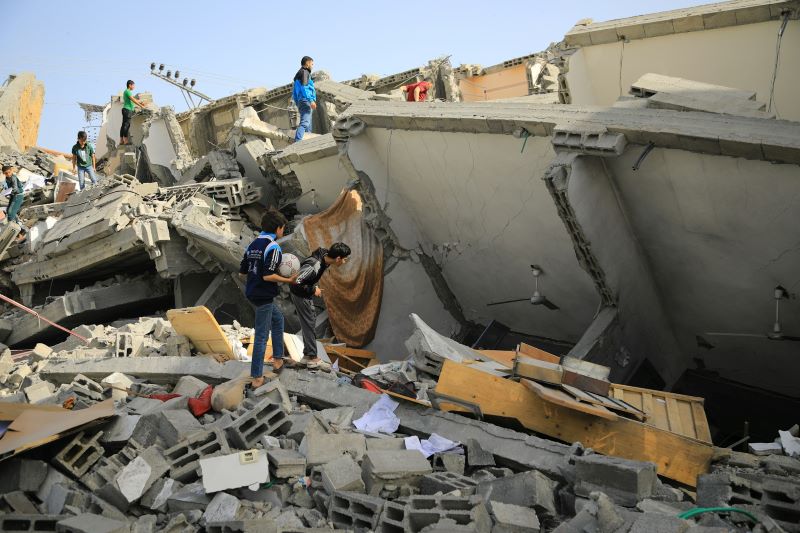
Children in Gaza are facing countless challenges. From lack of water and food, to fuel and medicine. They are left with injuries and struggle with displacement due to the destruction of their homes and have more than likely lost loved ones. The latest figure by the Palestinian Ministry of Health estimates that more than 14,000 children have been killed in Gaza, UNICEF reports. The conditions for those left are abysmal, meaning UNICEF’s aid in Gaza is essential now more than ever.
Obstacles to delivering aid have made UNICEF’s work in Gaza more difficult. Israel restricted the shipments of food and medicine into the region and this has created famine and starvation as land routes for aid are under strict inspection.
Despite this, UNICEF has been able to dispatch emergency supplies to those in Gaza – this includes water, medicine, and medical equipment. The organization’s programs are also facilitating basic mental health facilities to support children through the unimaginable horror of growing up amidst conflict and destruction, according to its website.
The Need for Aid in Yemen
The humanitarian crisis in Yemen is significant, with around 9.8 million children requiring at least one form of humanitarian assistance. Since April 2022, Yemen has witnessed a reduction in active conflict, meaning civilian casualties specifically have become less of a pressing concern. However, the country naturally continues to suffer as a result of living through nine years of conflict.
Issues in Yemen are numerous, with socioeconomic instability at the core of the country. During the ongoing struggle, children are particularly vulnerable to exploitation, abuse and child labor, according to UNICEF. Families struggle with displacement and exposure to the outbreak of disease. Millions, including children, face daily life with a lack of safe water and adequate sanitation and hygiene. Food is also scarce, causing a nutrition crisis, according to UNICEF.
UNICEF is on the ground to provide aid in Yemen, providing invaluable food and medical supplies that are treating severe acute malnutrition in children. The organization has managed to provide more than 2.5 million children with Vitamin A supplements every six months to combat malnutrition and has vaccinated more than 815,000 children against measles, according to its website.
What the Money Means for UNICEF
The combined £4.5 million will provide vital aid in Gaza and Yemen. The press release specified that this funding will contribute to efforts by UNICEF to restore water and sanitation systems in Gaza and support primary health care services in Yemen, according to the U.K. Government.
With the support of this funding, UNICEF’s work could aid 1 million people in need in Gaza, and a further 1.45 million in Yemen. The organization has publicly expressed its gratitude to the U.K. and Kuwait following the announcement. UNICEF Representative to the Gulf Area, Eltayeb Adam, described the funding as a “beacon of hope” that will “have a transformative impact on the lives of children and families in Gaza and Yemen,” the U.K. Government reports.
– Maeve Relihan
Maeve is based in Birmingham, UK and focuses on Global Health and Politics for The Borgen Project.
Photo: Unsplash
