Posts

TB in KenyaTuberculosis (TB) is a condition that mostly affects a person’s lungs but can also spread to other parts of the body. TB is caused by the bacterium Mycobacterium tuberculosis, which circulates through the air and spreads when inhaled. TB has been a persistent public health challenge in Kenya. According to the National Library of Medicine, TB is the fifth leading cause of death in the country. However, there has been a noticeable improvement in treating TB in Kenya. The director of the African region of the World Health Organization (WHO), Dr. Diallo Abdourahmane, stated that Kenya reduced TB cases by 41% and TB-related deaths by 60%. This progress is attributed to treatments such as preventive therapy, the BPaL regimen and digital adherence technologies.

Tuberculosis Preventive Treatment

One treatment used today is tuberculosis preventive treatment (TPT). Its goal is to prevent certain individuals from developing active TB by administering anti-tuberculosis medicine. The treatment destroys bacteria that have infected the body before they can harm organs or spread the illness. TPT specifically targets people living with human immunodeficiency virus (HIV). HIV weakens the body’s ability to fight infections, making individuals more vulnerable to TB. It is recommended for HIV patients to undergo this treatment to reduce the chance of developing TB. The preferred course consists of three months (3HP), during which the antibiotics isoniazid and rifapentine are taken once a week. However, this prescription may interact with other medicines, so each patient’s case should be considered individually.

BPaL Regimen

The BPaL regimen is a treatment course lasting six months. The WHO has recommended it as an alternative to lengthier treatments. The regimen combines four antibiotic medications: bedaquiline, pretomanid, linezolid and moxifloxacin. It targets drug-resistant TB, a form of the disease that does not respond to some standard medications. This treatment is primarily for adult patients and teenagers older than 14. Studies have shown a success rate of 89%, making it more effective than previous regimens.

Digital Adherence Technology

TB treatment outcomes have also improved with digital adherence technology (DAT). DAT refers to digital tools that use technological devices to record a patient’s daily medication information. Examples include smart pill boxes and medication sleeves. Researchers believe DAT motivates individuals with TB to take their daily medication consistently.

A 2026 study evaluated whether certain digital interventions improved TB treatment outcomes. The study found that digital platforms such as Keheala reduced the percentage of failed TB treatments, supporting the use of digital tools in TB care. DAT offers several benefits. Patients can choose the most suitable time to take their medication, fitting it into their routine. Patients can receive SMS reminders. Health care providers can access their patients’ information, allowing them to monitor consistency and identify patients who need additional support.

Looking Ahead

Although TB remains a serious issue in Kenya, the treatments discussed have demonstrated their effectiveness. Kenya has earned recognition from the WHO for its progress. The country has set further goals to reduce TB death rates by 90% and TB cases by 80% by 2030. Efforts in Kenya to reduce the impact of TB continue to show measurable results.

– Lara Ibrahim

Lara is based in Créteil, France and focuses on Technology and Global Health for The Borgen Project.

Photo: Flickr

Education in KenyaJust Be A Child is a U.K.-based organization that works to improve education in Kenya and it relies on U.K. volunteers and donations. It has multiple programs both in Kenya and in the U.K.

Kwale County Programs

Just Be A Child began its work in Kenya’s Kwale County, where access to educational resources, training and safe spaces for children to learn and play was limited. To address this, the organization built libraries and learning centers in 40-foot shipping containers. These centers provide a place for all community members to access books, skills training and play-based learning programs.

Now, the organization has six libraries set up in Kenya. These libraries engage residents as community members convert shipping containers and local volunteers are trained to run the spaces. The libraries are stocked with thousands of books and are restocked annually by Just Be A Child. Each library also includes a playground, giving children a space to play alongside accessing educational resources.

Library Starter: Small Books Donation Scheme

This scheme provides approximately 1,000 books to public benefit organizations that apply. The organization charges 5,000 Kenyan Shillings (about $40) for four boxes of books, each containing approximately 250 books. It has so far delivered more than 50,000. This helps schools and other community organizations set up and maintain libraries, improving educational access for children in the area.

Library Builder: Large Book Donation Scheme

This scheme provides anywhere from 1,000 to 30,000 books to NGOs, government bodies, schools and community groups. It offers a wide range of books at affordable rates to help create learning environments with varied materials that might otherwise be difficult to access. This supports literacy and learning for local children and communities, further improving education in Kenya.

Dr. Kathleen Anangwe from the University of Nairobi told Just Be a Child: “JBAC helped us establish in a community that lost hope after forceful resettlement. Now they flourish and thrive.”

Targeted Giving

This program ensures that books, toys and sports kits donated to Just Be A Child reach the places where they are most needed. For example, specialized books are given to students, professors or educational institutions that require them. In contrast, toys are given to vulnerable children who may need comfort and support.

The organization’s U.K. programs revolve around volunteering. These include book packers, the Art Brigade and the Crafters Crew. Book packers help count, organize and pack donated learning supplies. 

The Art Brigade provides art sessions for children in Kenya, equipping them with the skills and resources to express themselves creatively. The Crafters Crew knits, crochets or sews to provide handmade baby blankets, clothes and knitted toys to vulnerable children across Kenya. Volunteers who sew also donate fabric bags for Kenyan schoolchildren to help them physically access school. 

All of this allows U.K. volunteers to feel personally involved in improving education in Kenya.

The Impact of Just Be A Child

Just Be A Child reports that it has trained more than 17,000 teachers and volunteers in Kenya, reaching around five million readers and creating or stocking almost 60 libraries. Across these libraries, it has distributed more than a million books and engaged 3,500 school-aged children across Kenya.

The impacts have also been extensive in the U.K., with the organization engaging more than 5,000 participants and nearly 800 corporate volunteers. It has also helped save more than a million books from landfill.

Final Remarks

Just Be A Child is an organization that supports improving education in Kenya. While it does accept monetary donations, the ability to donate books and handmade items makes it a great option for those who may not have the means to give money. This allows the organization to engage a wider range of people across the U.K., raising awareness of the impact international aid can have.

– Ryan Cowen

Ryan is based in Brighton, UK and focuses on Good News and Politics for The Borgen Project.

Photo: Flickr

Empowering Women in KenyaJackline Auma makes her living fishing on Shakababo Lake in Kenya’s Tana River Delta. Most women who work in the Kenyan fisheries sector sell fish, fill cans or process fish. Auma owns her own boat. She employs several people to process fish and occasionally goes out to fish herself. Even so, Auma struggled to find her footing in this male-dominated “blue economy.” She was told numerous times, “The waters are no place for a woman,” and had trouble finding enough money to buy her boat. Auma was determined to be part of the movement to transform Kenya’s blue economy.

IIW-BEK Program: Empowering Women in Kenya

Female entrepreneurs like Auma are benefiting from the Investing in Women in the Blue Economy in Kenya (IIW-BEK) program. The Africa Enterprise Challenge Fund (AECF) implemented the initiative in 2022 and Global Affairs Canada is funding it to empower female entrepreneurs in Kenya’s blue economy. IIW-BEK aims to eliminate systemic financial and policy barriers that have long discouraged women from gaining a foothold in the blue economy.

The project’s goals include creating about 1,490 direct jobs and benefiting roughly 1,560 women entrepreneurs and value-chain actors across the Lake Victoria Basin and coastal counties. The ongoing funding of this project shows that governments and nongovernmental organizations (NGOs) recognize the importance of empowering female entrepreneurs beyond mere equity. It is also about sustaining the environment. 

Kenya’s blue economy may contribute to many livelihoods. However, it is still male-dominated and its ecosystems continue to be challenged. Canada hopes that by increasing women’s access to money, decision-making processes and sustainable development practices, its funding of this project will address both Kenya’s economic and environmental problems.

Project Goals

Three main goals guide this project. The first is to expand access to finance, which involves providing funding to women-owned businesses and reducing gender-based barriers. In the first funding rounds of this project, more than 1,600 female business owners submitted applications.

The second goal is to create a more supportive business environment for female entrepreneurs. This involves addressing discriminatory policies and community-level barriers, including child care demands. Many women struggle to balance caregiving responsibilities with running their businesses. Providing child care support aligns with Canada’s Feminist International Assistance Policy and helps women manage these competing demands.

The third goal is to support biodiversity and sustainable practices in the blue economy, aiming to reduce pressure on fragile ecosystems such as Lake Victoria and coastal marine zones.

Impact and Success Story

So far, this program has yielded positive results. The AECF 2022-2023 report stated that it financed up to 100 women’s groups, impacting 1,200 women who aim to transform Kenya’s blue economy. Formalizing these businesses has helped many women become more financially literate and independent. On top of that, it has expanded aquaculture production and diversified incomes away from overfished stocks.

Angela Odero is co-founder and CEO of Rio Fish Limited, based near Lake Victoria. She and her company received a grant from the program, which helped them expand and formalize their operations. This meant they could provide an affordable supply of fish to female merchants, lessening their reliance on men.

 “The grant not only inspired Rio Fish but also sent a powerful message to the industry: it is time to invest in women’s empowerment and gender equality,” she said.

Final Thoughts

From the Tana River Delta to Lake Victoria, women are increasingly stepping into leadership roles in Kenya’s blue economy. They are expanding aquaculture businesses, formalizing operations and challenging long-standing gender barriers. Support from Global Affairs Canada, delivered through the AECF, is helping this initiative improve access to finance and promote sustainable practices. 

Early results suggest empowering women in Kenya is strengthening livelihoods and encouraging a more inclusive, environmentally sustainable blue economy. Other East African countries may use it as a model for diversifying their own blue economy initiatives.

– Caleb Dueck

Caleb is based in Winnipeg, Manitoba, Canada and focuses on Good News and Technology for The Borgen Project.

Photo: Flickr

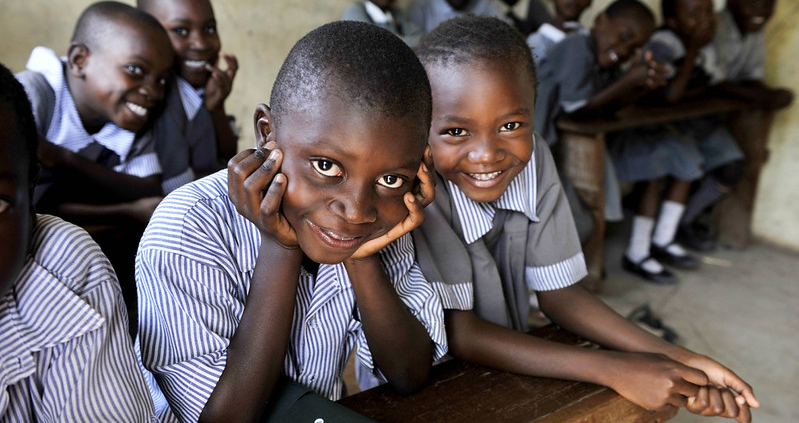
Tackling Hunger in Kericho: Lessons from Nishkam Projects’ Feeding Programme For a young child in Kericho, Kenya, tackling hunger can make the difference between success and opportunity within the education system or being trapped in a cycle of poverty. For many, days start without breakfast and school meals may be their only meal in a day, highlighting the urgent need for these meals to be fulfilling and regular. Without this, learning becomes more difficult, attendance dips and concentration wanes, reinforcing cycles of disadvantage that children themselves have no power to escape.

This systemic challenge is reflected in recent regional data. Kenya’s regions of Kericho and Tharaka Nithi experienced sharp increases in poverty from 2021 to 2022 and the figures have been slowly climbing since. Poverty in Kericho County increased from 39.8% in 2021 to 47.8% in 2022.

Time and time again, a pattern emerges where children are frequently the first to suffer the consequences of this economic instability.

The Importance of School Meals

Simply put, school meals can hold the key to unlocking a truly accomplished education and a pathway out of poverty. School meal programmes protect households from hunger and mitigate the effects of rising food costs by offering a consistent supply of food at no cost to families, saving 10–20% of their yearly food expenses.

The development of jobs is another indication of the economic potential. Globally, for every 100,000 students fed, school lunch programs provide around 1,591 cooking job opportunities. Every $1 invested in feeding programs yields $7 to $35 in economic benefits, making them widely recognized as high-return investments in decreasing poverty.

Hungry children are less likely to attend school on a regular basis and are more likely to fall behind when they do, according to several studies. Hunger impairs focus, memory and engagement, which undermines the very education that would provide a means of escaping poverty. Therefore, food insecurity not only reflects existing inequality; it actively perpetuates it. School meals are increasingly understood as being much more than a simple plate of food.

Nishkam Projects Kericho

Against this backdrop of rising food insecurity, Nishkam Projects Kericho has become a locally based response to child hunger that prioritises community and humanity. The organisation collaborates with local communities and schools to provide children from low-income homes with regular meals so that hunger will not deter them from attending school.

The Sikh values of communal duty and sewa (selfless service) have shaped a larger humanitarian legacy that encompasses Nishkam’s work in Kericho. Instead of seeing hunger as a temporary crisis, the organization approaches it as a structural issue that requires ongoing dedication and long-term presence.

This philosophy is articulated by Bhai Sahib Mohinder Singh Ji, Chairman of the Guru Nanak Nishkam Sewak Jatha and philanthropist, recently honored by Kipsigis elders in Kericho for his leadership in peace and service.

He explains the deeper motivation behind the initiative: “When people become disconnected from God, they become disconnected from creation — and when that happens, compassion disappears.” Nishkam Projects’ work seeks to bring back these connections, foster community and place compassion at the forefront of action. By incorporating its feeding program within educational institutions such as Highlands Primary School, the organization promotes a broader ethic of care while addressing pressing nutritional needs.

It centers around notions of mutual responsibility. Poverty exists when wealth is not shared, and inequality increases when individuals and communities no longer feel obligated to one another. As Bhai Sahib Ji illustrates: “When people lose that connection, greed takes over. They want more and more, and they stop wanting to share.”

In a world where widespread poverty and food waste coexist, this insight resonates strongly. Each year, a significant amount of food is wasted, despite the fact that millions of children lack access to even one consistent meal. By basing its feeding programs on seva, Nishkam Projects frames hunger as a societal issue that can be addressed through collective action.

Positive Impacts

The classroom at Highlands Primary School in Kericho demonstrates the effects of regular school meals. As Bhai Sahib Mohinder Singh explains: “Children are the most vulnerable, and they are our future. If you want a good future, you must look after the children.” He adds that hunger affects children with particular force because of their dependence on others. “If there is no compassion, they are the first to suffer.” By embedding feeding within the school day, Nishkam’s programme protects children from the immediate effects of food insecurity while also supporting long-term development goals.

A basic daily meal acts as a stabilising factor, supporting education, strengthening households and helping interrupt cycles of hunger that can pass from generation to generation. Nishkam Projects Kericho sees education as the key to long-term development, while feeding programs address urgent hunger. In this way, food serves as a foundation rather than an endpoint. It stabilizes children’s lives so learning, growth and future opportunities become possible.

Without education, efforts to alleviate hunger risk becoming recurrent. With it, communities can begin to escape chronic poverty. Bhai Sahib Mohinder Singh emphasizes that “good education, value-led education,” must accompany material support.

The Principle of Langar

This legacy of sharing food is embedded at the heart of another Sikh tradition: Langar. A centuries-old practice, Guru Ka Langar began in Punjab in the fifteenth century by Guru Nanak Dev Ji. Langar embodies the Sikh virtues of sharing, community, inclusivity and the fundamental oneness of mankind.

Food is prepared collectively, shared freely and consumed side by side, with no distinction between those who give and those who receive. As Bhai Sahib Ji explains: “We prepare langar and everyone sits in the same line, at the same level, sharing the same meal.” By eliminating social status symbols, langar reframes food distribution as a gesture of solidarity rather than charity. No hierarchy places one group above another. Instead, the shared meal affirms Bhai Sahib Ji’s idea: “The wealthy person and the poor person are brothers.”

In the context of tackling hunger in Kericho, this approach carries particular significance. Food insecurity is often associated with stigma, reinforcing feelings of shame and exclusion among those who are struggling. By maintaining dignity and encouraging a sense of belonging, Langar actively counters this trend.

By basing its feeding programs on the philosophy of langar, Nishkam Projects provides more than just food. It provides a framework for addressing poverty that prioritizes equality, respect and shared humanity.

Nishkam Peace Festival, Kericho

Beyond schools and feeding programs, Nishkam’s dedication to ending hunger in Kericho reaches into the community’s broader social fabric.

This was particularly visible during Kericho’s Nishkam Peace Festival, when children from different schools gathered for a day of performances. Spoken-word, dance and music brought families and community members together.

The langar practice was central to the celebration. A free community meal, prepared and served in the same spirit of equality that guides Nishkam’s broader work, was extended to all children. The reasoning behind such initiatives is straightforward, as Bhai Sahib Ji observes: “Helping others becomes natural if we see all of humanity as one family.”

The Peace Festival in Kericho demonstrated how community, culture and langar can come together to promote harmony.

Looking Ahead

The demand for solutions that address both the material and social dimensions of poverty continues to grow. Nishkam Projects Kericho illustrates how combining values-driven action with practical programs can support children and communities facing food insecurity.

– Prubleen Bhogal

Prubleen is based in London, UK and focuses on Good News and Politics for The Borgen Project.

Photo: Needpix
career independence for women in KenyaAcross the globe, women remain at a significant disadvantage in terms of employment, with an estimated 606 million working-age women around the world considering themselves unavailable for work, compared to 41 million men.
A Care Economy refers to a system that encompasses care work that is both paid and unpaid, with roles of workers that are involved in: education, childhood care and domestic work, amongst several other roles. According to the Gates Foundation, women overwhelmingly bear the brunt of caring for children and other family members, spending nearly three times more hours on unpaid care work than men do. Strengthening the care economy is of vital importance for career independence for women in Kenya.

Kenya’s Fourth Medium Term Plan

Kenya’s Fourth Medium Term plan from 2023 to 2027 calls for addressing unpaid care and domestic work. This plan has seen success. For instance, Kenya has recently marked a milestone in Care Reform. Lumos Kenya hosted a Care Reform Reflection and Learning Session, which saw government officials and child practitioners from across the country. The Principal Secretary for the State Department for Children Services, CPA Carren Agengo, demonstrated the success made so far, stating there had been training of thousands of social workers and caregivers, who have been developing child protection case management tools and scaling up family-based care interventions. Lumos summarised the session as follows: detailing how care reform has moved from policy to practice.

Legal Advocacy as a Tool Against Gender Inequality

The story of Dr Stellah Bosire, a physician, human rights activist and author at the intersection of women’s health and economic power, demonstrates the importance of legal advocacy as a tool against gender inequality. Her work helps boost career independence for women. For example, according to The Gates Foundation, Dr Bosire developed a circular approach, where she held weekly discussions on health and nutrition, and community dialogues to challenge restrictive gender norms.

HerConomy

Dr Bosire introduced the HerConomy initiative, which connects communities of women with diverse global opportunities that focus on promoting career advancement, entrepreneurship and financial growth. Her story demonstrates great progress, for instance, many women in the program have had the opportunity to engage in multiple income-generating activities such as running kiosks, making soap and selling juice. The community has seen an increase in the scaling of business, with one woman now owning a shoe company.

Dr Bosire told the Gates Foundation: “It’s about giving women ownership, independence, and the tools to build better futures for themselves and their families, while impacting their health.” The Gades Foundation has noted that she is fundraising to launch Kenya’s first women-led Savings and Credit Cooperative Organisation, where members will be able to borrow money to invest in businesses and education.

Strengthening the Care Economy and continuing to invest and optimise legal advocacy can both help combat gender inequality in the workforce. The story of Dr Bosire and her fundraising work to increase financial security and independence for female-led businesses is inspirational and exciting, marking a step towards the increasing number of women in working roles and boosting career independence for women in Kenya.

– Joe Langley

Joe is based in Edinburgh, Scotland and focuses on Good News for The Borgen Project.

Photo: Flickr

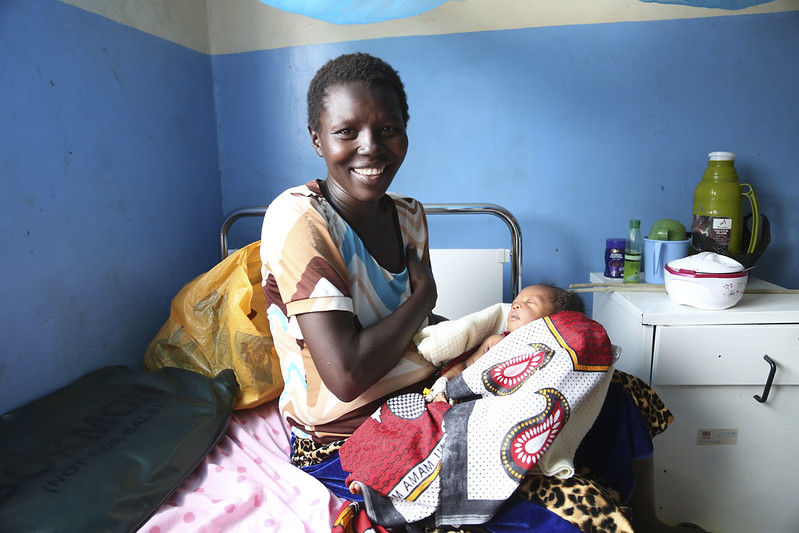
Beyond Zero: Empowering Maternal Care In Kenya The Beyond Zero mission is simple: “No woman should die while giving birth.” The campaign is a flagship maternal and child health care initiative in Kenya, reaching more than 1.2 million people through mobile clinics and medical safaris. Beyond Zero aims to expand access to quality, lifesaving health care across all 47 counties in Kenya, especially for women and infants in remote communities where services are often limited or difficult to reach.

How a Bold Promise Became a National Campaign

Beyond Zero was founded in 2014 by Kenya’s first lady, Margaret Kenyatta. Two months after assuming office, Kenyatta delivered a pledge during her maiden speech for the Organisation of African First Ladies Against HIV/AIDS (OAFLA). She vowed to use her platform to fight HIV/AIDS stigma and eliminate discrimination against people living with the disease.

Recognizing the need for stronger maternity services advocacy, Kenyatta launched Beyond Zero with a mission to reduce preventable maternal and infant deaths and eliminate mother-to-child transmission of HIV. After Kenyatta’s 10-year tenure as first lady, the Beyond Zero mission continues to guide the campaign as it supports women and children across Kenya.

Examples of Care Provided on the Ground

For many mothers in rural communities, long distances to facilities and a shortage of specialist staff restrict access to antenatal, postnatal and neonatal care. Beyond Zero responds by bringing services directly to communities through mobile clinics and medical safaris.

Mobile clinics are fully equipped health facilities on wheels, including trucks or large vans fitted with examination spaces, diagnostic equipment, vaccines and essential medicines. Medical safaris are short-term outreach campaigns in which teams of health professionals visit a specific region for several days to provide specialized services, deliver community education and write hospital referrals. Together, these approaches focus on interventions during pregnancy, childbirth and infancy.

  • Infant and Childhood Immunization Services. Routine vaccinations, such as tuberculosis and polio, are provided to newborns and infants to protect them from preventable diseases, particularly in remote communities.
  • Prevention of Mother-to-Child Transmission (PMTCT) of HIV. HIV testing and counseling are available for pregnant women. Those who test positive are linked to antiretroviral therapy to prevent transmission to their infants.
  • Cancer Screening Services. Beyond Zero provides early detection screening for breast and cervical cancer among women of reproductive age. The campaign also raises awareness through education and offers referrals for treatment when required.
  • Obstetric Fistula Awareness and Referral Services. Women experiencing poverty, malnutrition and limited health care access face higher risks of obstetric fistula, a childbirth injury that creates a hole in the birth canal. Beyond Zero works to identify, prevent and refer cases for treatment.

The Scope of Beyond Zero’s Impact Across Kenya

Since its launch, Beyond Zero has expanded from an advocacy drive into a national health initiative. Its impact is reflected in increased service delivery and expanded access in rural regions.

  • More than 45,000 households have received free health services through medical safaris.
  • Beyond Zero has implemented a Nursing Scholarship Fund for marginalized students from arid and semi-arid counties, supported by the World Bank.
  • Advocacy and health education messages have reached approximately 35 million people.
  • After coordinating the sensitization of health care workers on obstetric fistula, two counties have employed resident fistula surgeons.
  • The percentage of HIV-positive women receiving antiretrovirals increased from 66% in 2013 to 96% in 2020.

Looking Ahead 

Beyond Zero demonstrates how targeted support for maternal and child health can expand access to care across Kenya. Its mobile clinics and outreach services continue to play a role in reducing preventable deaths and improving health services for women and children in remote communities.

– Charlotte Bunn

Charlotte is based in Bristol, UK and focuses on Good News and Global Health for The Borgen Project.

Photo: Flickr

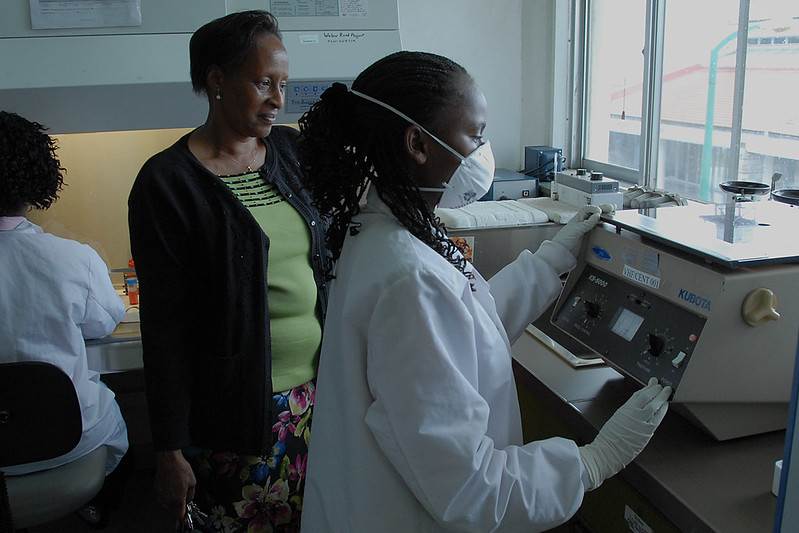
nurses from rural KenyaIn a busy isolation facility in Murang’a County, central Kenya, nurse Rose Nyawira scrambles between COVID-19 patients to give them the right amount of oxygen. There is only one oxygen cylinder available between them. Rose recognized the need for a more efficient means of distributing oxygen. She conducted research and discovered a device that allows multiple patients to access oxygen from the same cylinder. Her efforts earned her recognition as Murang’a County’s Nurse Practitioner of the Year at the Beyond Zero Awards in 2022.

Like Rose, a group of nurses from rural Kenya is being trained through a partnership between the Beyond Zero Program, Kenya Medical Training College and Roche, a Swiss-based research-focused health care company. Nurses return to their home counties to work in mobile maternal and child health clinics. These clinics provide families, particularly women and children in remote areas, with access to health care.

“I realized very early on in life that I have a gift of caring for other people. After interacting with nurses from rural Kenya, I knew that this was the profession that would help me exercise my gift,” Rose said.

Beyond Zero: The Initiative

Kenya’s first lady, Margaret Kenyatta, launched the Beyond Zero Program in 2014 with the goal of providing maternal and child health care to underserved rural counties. This medical care includes antenatal care, immunizations, family planning, screening and health education. Since 2014, it has provided primary health care to roughly 1.2 million people and reached approximately 45,000 households through mobile medical clinics known as Medical Safaris staffed by nurses from rural Kenya. In 2019, the program donated 52 fully equipped mobile clinics to all 47 counties in Kenya.

Partnership and Training

With support from ROCHE, Beyond Zero has strengthened primary health care by training more health care workers in rural areas. The program offers community health training scholarships through Kenya Medical Training College to train young people from arid and semi-arid regions. Scholarships for student nurses from rural Kenya cover tuition, uniforms, meals and essential supplies, reducing financial barriers for students from underprivileged regions.

The CEO of Kenya Medical Training College, Dr. Kelly Oluoch, emphasized the impact of training Enrolled Community Health Nurses for marginalized communities. “When ECHNs are trained and deployed to their home regions, we see higher retention rates due to their local ties and understanding of cultural and linguistic barriers to health care access,” he said.

Farah’s Story

Beyond Zero’s mobile clinics are staffed with nurses and equipped with vaccines, medical supplies, food and antimalarial drugs, providing rural communities with access to essential medical care.

Farah Kalmoy is one of the beneficiaries. He brought his 9-month-old son to a mobile medical clinic for his measles vaccine. “My home is six kilometers away from Wajir County Referral Hospital, which is the nearest health centre where I can access the medical services,” he said. Without access to the mobile clinic, Kalmoy said he would not have been able to bring his son for vaccination.

Beyond Zero’s nurses serve as a connection between rural communities and Kenya’s health care system. Because many are from the local communities, cultural familiarity can help build trust. The mobility of the clinics allows services to reach remote areas where fixed facilities may be limited.

Looking Ahead

Support continues for nurses in training and for the Beyond Zero Program. The Kenyan government, in partnership with organizations such as the United Nations Population Fund (UNFPA) and Roche, plans to expand training and strengthen retention to improve access to maternal and child health services in remote areas. These efforts highlight the role of nurse training in strengthening health care access in Kenya.

– Caleb Dueck

Caleb is based in Winnipeg, Manitoba Canada and focuses on Good News and Technology for The Borgen Project.

Photo: Flickr

Educating Girls in KenyaIn Kenya, youth unemployment is a major driver of poverty. Each year, millions of young people enter the labor market, but many lack the qualifications needed for formal employment. In 2024, the youth unemployment rate stood at 11.93%, underscoring the continued limitations on access to stable jobs due to skills gaps.

When girls in Kenya are not educated, they continue to face barriers to completing secondary school due to social constraints and economic hardship, which increases their risk of falling into poverty. Without access to education and skills training, youth unemployment continues to fuel poverty and trap families in cycles of economic insecurity. Keeping girls in school and teaching them practical skills can reduce youth unemployment, expand opportunities and help break the link between joblessness and poverty.

Gender Inequality in Education

Kenya’s labor data show large gender disparities that worsen youth unemployment and increase exposure to poverty. According to the World Bank’s 2022 report, roughly 32.67% of Kenya’s female youth are not in education, employment or training (NEET). This means they are disconnected from opportunities that could help protect them from poverty.

Focusing on educating girls in Kenya is crucial to closing this gap and giving them pathways out of youth unemployment.

Skills Training as a Pathway Out of Poverty

To address these gaps, the government and its partners have strengthened Technical and Vocational Education and Training (TVET). The East Africa Skills for Transformation and Regional Integration Project (EASTRIP), a World Bank–funded program, increased enrollment in flagship TVET colleges from 6,971 to 57,857 students. During the program, the share of female graduates entering the workforce rose from 51% to 74%, demonstrating how skills-based training can help women overcome barriers to employment.

In addition to government action, nonprofit efforts are helping girls continue their education and build better prospects. The Campaign for Female Education (CAMFED) in Kenya was established in 2025 as a new national initiative to expand access to secondary school for girls from low-income backgrounds. In its first year, the program directly provided school fees, uniforms, menstrual supplies and disability support to 2,082 girls in Kajiado County.

To ensure students also received academic and psychosocial support, the initiative trained 163 government teachers as mentors. CAMFED’s approach is part of a broader pan-African movement that has helped millions of children access education and uses peer networks to support girls beyond the classroom.

Corporate Partnerships Reduce Youth Unemployment

Partnerships with the corporate sector are strengthening the link between jobs and skills. By 2030, the Mastercard Foundation’s Young Africa Works program in Kenya aims to help seven million young adults, including about five million young women, find suitable employment. The approach works with government, businesses and educational institutions to improve practical training, align skills with employer needs and support business growth.

The initiative also partners with TVET institutions to integrate competency-based skills and create pathways that connect education to income opportunities in digital technology, agribusiness, the green economy and other industries. Another instance of implementation is the 2Jiahiri campaign, launched by the KCB Foundation and the Mastercard Foundation. The plan aims to create approximately 43,000 jobs and offer vocational training to 8,500 young people.

Graduates have access to funding, business support and starter toolkits. 2Jiajiri has created more than 150,000 jobs and trained more than 35,000 young people, boosting their access to economic opportunities.

Final Remarks

This coordinated effort shows how educating girls in Kenya and linking their skills to real jobs can reduce their vulnerability to poverty. When education aligns with actual career paths, students graduate into productive economic roles rather than into uncertain futures. Schools, government training programs and private-sector partners work together to keep girls in school.

If these models are scaled and sustained, they can help more girls stay in school, find respectable jobs and build an economy where young people can contribute with confidence and independence.

– Madison Brown

Madison is based in Nottingham, UK and focuses on Good News for The Borgen Project.

Photo: Flickr

From Farm to Factory: Kenya's EPZ Strategy for Better JobsIn Kenya’s arid north, where raising livestock in a drought-ravaged landscape has long defined economic survival, Acacia EPZ Limited is transforming reality. The gum arabic processor, based in the Athi River Export Processing Zone (EPZ), provides a stable, climate-resilient income for more than 7,000 collectors, most of them women, turning a scattered forest product into a source of household earnings.

This micro-level success highlights a national dilemma. Kenya is a major agricultural producer, yet a net importer of processed foods. Reliance on raw commodity exports has kept manufacturing’s contribution to gross domestic product (GDP) stagnant at around 10% for decades, limiting the formal job creation essential for poverty reduction. Kenya’s strategy is a focused industrial policy centered on Export Processing Zones (EPZs), a structural mechanism designed to reinvent the economy and alleviate poverty en masse by creating better urban manufacturing jobs while providing stable, higher-value markets for rural farmers.

The Economic Imperative Driving Kenya’s EPZ Strategy

Kenya’s push for agro-processing tackles economic vulnerabilities resulting from its trade deficit. The country remains stuck exporting “primary commodities with low value addition,” like tea and coffee, capturing a fraction of its final value while leaving the economy exposed to global price swings.

This reliance on raw exports fails to create quality jobs, even as agriculture employs more than 40% of the population in often informal, low-wage work with a proportionally low contribution to GDP. With nearly 16% of Kenyans living in hardcore poverty, the need for transformative economic strategies is acute. Simultaneously, Kenya spends billions annually importing the very processed goods for which it possesses the raw materials to make itself. In 2023 alone, Kenya imported $3.81 billion in agricultural and related products, including $583 million worth of consumer-oriented foods like soups, processed fruits and baked goods.

This “primary commodity” trap also limits Kenya’s share of the lucrative and rapidly expanding regional market to a mere 7% of the estimated $11 billion East African consumer base. Kenya, now at this critical crossroad, must move beyond the cycle of exporting low-value raw materials and importing high-value necessities, which has for so long perpetuated reliance on volatile global markets while forgoing the jobs and enterprise growth that processing creates.

EPZs as the Engine of Industrial Upgrading

To bridge this gap, Kenya has deployed EPZs as its primary vehicle for industrial upgrading. Operating under the legal framework of the EPZ Act, these zones offer firms incentives like tax holidays and duty-free imports to attract investment toward export-oriented manufacturing. The government’s intent, as stated in its Bottom-Up Economic Transformation Agenda (BETA), is for EPZs to play a “critical role in achieving… employment creation, investment attraction, value addition of local products, especially the agro-based and foreign exchange earnings.”

The latest data on Kenya’s EPZ strategy reveals a sector of significant scale, yet one exposed to volatility. In 2023, capital investment in EPZs grew 10.9% to KSh 112.2 billion ($840 million), while exports generated KSh 105.5 billion ($790 million). However, direct employment fell to 75,598 jobs from 82,771 the year before. The official EPZ Annual Performance Report attributes this drop to reduced United States (U.S.) apparel orders and, crucially for agro-processing, a “disruption of the global macadamia market.” While the evolution of EPZs has come a long way, it is apparent that even within these protected zones, Kenyan manufacturers are not comfortably insulated from global commodity shocks and shifting trade winds. 

The Double Dividend: Direct Poverty Alleviation Outcomes

The impact of Kenya’s EPZ strategy delivers on two fronts: its double dividend, tackling poverty at both ends of the supply chain.

The first dividend is urban and peri-urban job creation. EPZ employment is a crucial step into the formal economy, offering wage-based predictability that contrasts with the precarious informal sector, where more than 17 million Kenyans work. While apparel dominates, agro-processing niches are growing. In 2023, food manufacturing saw a significant 16.4% expansion in dairy processing and and 11.6% increase in preserved fruits and vegetables. Each new plant adds jobs in production, quality control, logistics and management, creating a ladder to higher-skilled, better-paid work.

The second, even more transformative dividend is the strengthening of rural livelihoods, establishing a direct linkage between national industrial policy and smallholder farmers. Acacia EPZ is an exemplary demonstration of this connection, as it provides a stable market for more than 7,000 gum arabic collectors, turning a scattered, low-value product into a reliable household income in drought-prone regions. This model, where an EPZ firm anchors a local supply chain, is a blueprint for poverty reduction in rural Kenya. Agro-processing factories act as high-volume off-takers for agricultural produce that raises and stabilizes farm-gate prices, moving farmers from subsistence into a predictable commercial relationship with stable, increasing incomes. The government’s BETA agenda explicitly targets this link, aiming to improve livelihoods through “increased employment” and “more equitable distribution of income” by developing agro-value chains.

A Test Case for Structural Transformation

Kenya’s EPZ strategy is a measured and ambitious attempt to use industrial policy for structural poverty alleviation. It targets the economy’s architecture, aiming to transform low-value agricultural work into higher-wage manufacturing jobs and connect subsistence farmers to commercial value chains. The path is fraught with obstacles and undoubtedly troubled by all the growing pains of a developing economy.

Yet, the simple logic is compelling: capture more value domestically to create a cycle of formal jobs and rising rural incomes. The progress of firms like Acacia EPZ has already demonstrated the micro-level potential. Scaling this model successfully, while sure to be a formidable test, appears to be a promising and worthwhile venture that could offer vital lessons on how developing nations can industrialize their way to shared prosperity through inclusive economic upgrading.

– Georgio Moussa

Georgio is based in London, UK and focuses on Business and Politics for The Borgen Project.

Photo: Flickr

Malnutrition in KenyaKenya lies in East Africa and borders the Indian Ocean. It is best known for its diversity, its wildlife conservation efforts, and producing some of the most globally recognizable long-distance runners.

Despite its rich history and diverse population, Kenya faces persistent food insecurity and inadequate access to health care, which disproportionately affect their children. LEAF is addressing malnutrition in Kenya through targeted health and agricultural interventions.

According to UNICEF, more than 25% of children under the age of 5 experience stunted growth. Food insecurity and chronic undernourishment commonly cause this condition. An additional 11% of children are underweight and 4% suffer from severe wasting. These problems lead to an increased prevalence and likelihood of death among the Kenyan children.

Root Causes of the Crisis

Many of these issues are a result of a lack of support in education for families and farmers on malnutrition, and farmers’ limited ability to adapt to natural disasters. Without the necessary support, poverty cycles from one generation to the next, preventing households from reaching their full potential.

To break this cycle, the organization Concern began working with government officials and community leaders to design potential solutions. The organization focused its efforts on Tana River County, Kenya.

Agriculture and pastoralism dominate the region, but extreme weather patterns have severely disrupted livelihoods. Hotter days and less rainfall caused animals and crops to suffer. Clinics reported a sharp rise in child malnutrition, prompting the need for immediate intervention.

The LEAF Initiative

The Lifesaving Education and Assistance to Farmers (LEAF) had two main goals: to ensure pregnant women and malnourished children receive lifesaving treatment in a timely manner and to create systematic change in the livelihoods of people living in poverty to prevent future cases of malnutrition

The LEAF initiative began its approach by prioritizing community outreach to reduce acute malnutrition. Through the funding of the Illinois-based food ingredients company Archer Daniels Midland (ADM), they supported the local health department conducting malnutrition screenings.

The organization used monthly house visits to households with pregnant women and/or children where they referred anyone showing signs of malnutrition to local clinics and educated families on nutritional and health topics. LEAF is addressing malnutrition in Kenya, as it estimated that 82% of the families living in the region in 2021 were able to get monthly screenings by the conclusion of the program.

Building Long-Term Resilience

To ensure the screenings did not remain a temporary solution, Concern implemented the second phase of the program. This phase focused on creating systemic change across multiple villages in Kenya. Concern worked with local farmers to reshape their agricultural methods to adapt to extreme climate conditions. Concern provided drought-tolerant seeds to prevent crop loss and irrigation canals to improve village access to affordable water.

These changes proved life-changing. Halim Diramu Jilu, a farmer in Tana River County, praised the program, saying, “Our lives have changed. We have enough water now.” The program reached 39,704 people. Furthermore, crop loss fell from 60% to less than 20%, reinforcing how LEAF is addressing malnutrition in Kenya by strengthening food security at the community level.

The LEAF initiative offers a strong model for how targeted health interventions can combine with grounded community-level agricultural support to tackle poverty and malnutrition. By combining climate education with immediate nutritional support, Concern helped families build independence and improve long-term outcomes for future generations.

– Sachin Kapoor

Sachin is based in Atlanta, GA, USA and focuses on Technology and Solutions for The Borgen Project.

Photo: Flickr