• Link to X
  • Link to Facebook
  • Link to Instagram
  • Link to TikTok
  • Link to Youtube
  • About
    • About Us
      • President
      • Board of Directors
      • Board of Advisors
      • Financials
      • Our Methodology
      • Success Tracker
      • Contact
  • Act Now
    • 30 Ways to Help
      • Email Congress
      • Call Congress
      • Volunteer
      • Courses & Certificates
      • Be a Donor
    • Internships
      • In-Office Internships
      • Remote Internships
    • Legislation
      • Politics 101
  • The Blog
  • The Podcast
  • Magazine
  • Donate
  • Click to open the search input field Click to open the search input field Search
  • Menu Menu

Tag Archive for: Poverty In Colombia

Posts

Aid, Global Poverty, Nonprofit Organizations and NGOs

How Innovations for Poverty Action Is Helping Fight Poverty

Innovations for Poverty ActionInnovations for Poverty Action (IPA) was founded in 2002 and works to find tested and proven solutions to fight poverty. The organization has offices and projects in 20 countries and four continents. Through research and evidence, the IPA has implemented programs in many of these countries to help poverty-stricken areas.

Innovations for Poverty Action in Colombia

IPA first came to Colombia in 2010 and has since completed much research regarding poverty in the country. It has worked in various capacities, including education and migration. One of IPA’s major projects in Colombia, ConsultIPA, came from researching the effects of different programs and their impact on areas facing poverty.

ConsultIPA is an initiative that aims to help small, local nonprofit organizations develop programs. This branch of IPA works out of Colombia and provides support for these nonprofits in their commitment to the right monitoring, evaluation and learning (MEL) system. So far, ConsultIPA has helped multiple nonprofits start their foundations and implement working strategies. Two of the bigger nonprofits that IPA has helped are Fundación Iguaraya and Planeta Rural. Both of these organizations have impacted their local communities and led to bigger initiatives and practices.

Fundación Iguaraya focuses on sustainability in Colombia and promoting a greater quality of life for its residents. Its initial mission regarded local communities and their involvement in conservation efforts to achieve greater biodiversity. Over time, the mission has evolved into learning more about the local communities and how to best amplify their voices as it relates to the cultural heritage of the people. The initiative has also provided jobs, specifically as tour guides for people traveling to these local spots.

Planeta Rural has also developed into a very important organization in Colombia. The nonprofit works with young people in the rural countryside to provide help for those in need. Planeta Rural has established programs to help the more impoverished areas grow food and explore newer technologies in support of these areas.

IPA in Ethiopia

IPA has also started developing more programs in Ethiopia. Although the group does not have a base in the country, it has partnered with local groups to provide training and support for the Ethiopian people. One of its major programs has been helping the “ultra-poor” through a graduation process. The IPA took a sample group of 925 households and divided them in half: one group would receive the program’s benefits and one would not.

After the households were picked, the project was based on five components: an asset, a training program, a support program, a savings program and home visits. Each component provided the households with much-needed support and had long-lasting impacts on these homes. The impacts of this study have been overwhelming for these families. Exit surveys have shown that the families reported economic impacts, including better saving methods. Families also said that they had enough food daily after the program. Another benefit of this program has been an increase in revenue as more families have been able to find jobs and profit from the new livestock provided during the IPA program.

Looking Forward

IPA continues to provide increasing support for areas affected by poverty and will continue pursuing new evidence and results in the fight against poverty.

– Dorothy Howard

Dorothy is based in Greensboro, NC, USA. and focuses on Good News and Technology for The Borgen Project.

Photo: Pexels

June 24, 2024
https://borgenproject.org/wp-content/uploads/borgen-project-logo.svg 0 0 Lynsey 2 https://borgenproject.org/wp-content/uploads/borgen-project-logo.svg Lynsey 22024-06-24 03:00:382024-06-23 13:24:38How Innovations for Poverty Action Is Helping Fight Poverty
Advocacy, Development, Global Poverty

One Home at a Time: Building Generational Wealth in Colombia

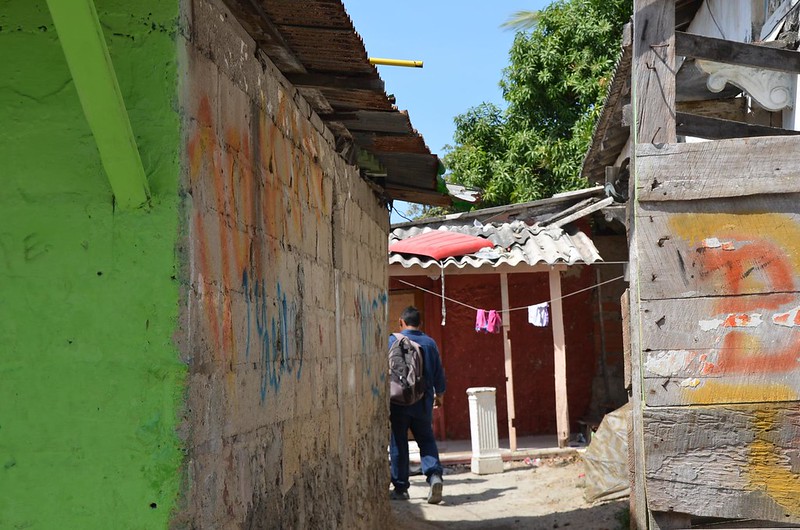
One Home at a Time: Building Generational Wealth in Colombia On Feb. 12, 2023, Catalina Velasco, Colombia’s housing minister, announced changes to the government’s Mi Casa Ya program, set to take effect in 2024. These modifications aim to help impoverished Colombians purchase their first home. By prioritizing the most vulnerable families, Mi Casa Ya could address homelessness while building generational wealth in Colombia. More than 6.8 million people suffered internal displacement during the country’s 52-year civil war, leading to an extreme housing crisis and a national poverty rate of 28%. The Colombian Ministry of Housing, City and Territory (MVCT) first implemented Mi Casa Ya in 2015 to tackle this housing crisis.

Background and Expansion of Mi Casa Ya

Mi Casa Ya is a government assistance program that serves to aid low-income families with the purchase of their first property by granting housing subsidies. Originally, Mi Casa Ya only served in three cities: Barranquilla, Bogota and Cali. However, under the Petro administration, the MVCT announced that starting in 2024, the program would expand nationwide and prioritize the country’s most vulnerable populations, particularly the homeless. 

Eligibility and Benefits of the Program

To qualify for Mi Casa Ya, the applicant must meet the following criteria. First, the applicant must not own a home in Colombia. Second, they must not have previously received any sort of housing subsidiary. Third, the applicant must have been approved for a mortgage credit. Finally, they must be registered in the Sisbén IV, the System of Identification of Potential Beneficiaries of Social Programs, which classifies Colombian citizens based on their socioeconomic status. 

Sisbén IV separates individuals into four groups: A (extreme poverty), B (moderate poverty), C (vulnerable population) and D (nonpoor, nonvulnerable). An applicant’s ranking in the Sisbén IV determines how much monetary assistance they will receive with the most economically vulnerable granted the highest amount of financial aid. 

Once deemed eligible for the Mi Casa Ya grant, the applicant receives a downpayment subsidy that varies anywhere between 26 million COP and 39 million COP, roughly $6,000 to $10,000. To reduce monthly payments, during the first seven years, Mi Casa Ya grantees will also obtain interest rate coverage of their mortgage credit.

Impact and Importance of Housing Wealth

Since its inception in 2015, the MVCT has allocated 50,000 Mi Casa Ya subsidies annually. This initiative aims to provide the impoverished with the opportunity to own homes and build generational wealth in Colombia. About 90% of the recipients fall under the Sisbén IV categories of extreme poverty, moderate poverty and vulnerable populations.

According to a 2004 study by the U.S. Department of Housing and Urban Development’s Office of Policy Development and Research, low-income families significantly increase their wealth accumulation after purchasing a home. For the impoverished, “housing wealth is total wealth,” meaning it constitutes their entire net worth. Thus, by expanding homeownership opportunities, governments not only tackle poverty and homelessness but also boost generational wealth for their most vulnerable citizens.

Looking Ahead

The expansion of Colombia’s Mi Casa Ya program marks a promising step toward addressing long-standing housing disparities. By focusing on the country’s most vulnerable populations, this initiative is set to empower countless families through homeownership, fostering stability and economic advancement. As the program rolls out nationwide, there are hopeful expectations for the housing crisis resolution and the creation of more generational wealth in Colombia.

– Naima Rasheed

Naima is based in New York, NY, USA and focuses on Good News for The Borgen Project.

Photo: Flickr
May 25, 2024
https://borgenproject.org/wp-content/uploads/borgen-project-logo.svg 0 0 Precious Sheidu https://borgenproject.org/wp-content/uploads/borgen-project-logo.svg Precious Sheidu2024-05-25 01:30:352024-05-25 00:25:22One Home at a Time: Building Generational Wealth in Colombia
Agriculture, Foreign Aid, Global Poverty

US Aid to Colombia: Navigating the Complexities of Internal Conflict

US Aid to ColombiaTo understand the complexity of U.S. foreign aid to Colombia, it is necessary to examine the current state of the country’s internal conflict. U.S. aid to Colombia has historically focused on combating the drug trade in Buenaventura, as evidenced by initiatives like Plan Colombia. The relationship between poverty, illicit markets and paramilitary groups in Colombia complicates the lives of individuals living in impoverished areas, often forcing them to turn to coca farming and drug trafficking as a means of survival.

“I was raised in Medellín,” said Luis Arango, who did social research in Buenaventura with the University of Antioquia, in an interview with The Borgen Project. “Medellín in the 1980s was the most violent city in the world, so I can understand how drug trafficking links with minorities living in poverty areas. They become part of the business, not because they want to, but because it is one of the only possibilities of making money.”

Considering the role of the drug trade in the country’s internal conflict, recent U.S. foreign aid to Colombia has centered largely around prohibition – for better or for worse. Here is a summary of the role of the drug trade in Colombia’s internal conflict and how it relates to U.S. aid and its prospects.

Internal Conflict in Colombia

A nuanced relationship between the illicit drug trade, paramilitary groups and poverty punctuates the country’s internal conflict. To begin, Colombia is the world’s largest cocaine producer and the port of Buenaventura handles 60% of its imports and exports – from coffee to gold to drugs.

Buenaventura’s port generates $1.8 billion annually in customs tax revenue, but the surrounding regions see little of it. For many, the only viable way to earn a living wage is by working in drug trafficking, as the area has experienced significant poverty. For example, 80% of Buenaventura’s population lived below the nation’s poverty line in 2003, compared to 39.3% nationally. There is also rural dependency on cocoa farming for survival. Outside the port city, in the Andes Mountains, cheap labor continues. In 2021, the UNODC reported that coca cultivation reached a historical high, and 52% of farming is located in special management zones where it threatens preservation of biological and cultural diversity.

Further, numerous armed groups, including the Revolutionary Armed Forces of Colombia (FARC), fund themselves on illegal economies such as drug trafficking.

History of US Aid to Colombia

The U.S. has provided aid to Colombia since 1822, when the country gained independence from Spain. In recent years, U.S. aid has focused on promoting peace in the country, the U.S. Department of State reports. According to the U.S. Embassy in Colombia, “Since 2016, the United States has provided more than one billion dollars in direct and indirect support to Colombia’s peace implementation – the largest contribution of any international actor.”

To promote peace, foreign aid to Colombia has focused on combating points of internal conflict such as paramilitary groups and the illicit drug markets that fuel them. According to the U.S. Department of State, “The U.S. government supports Colombian peace efforts by working in conflict-affected rural areas of Colombia where violence, drug trafficking, limited state presence and the absence of licit economic opportunities historically converge.”

In 2000, the U.S. initiated Plan Colombia, allocating $10 billion for cartel combat through crop eradication. Initial aerial fumigation was halted due to carcinogenic concerns by the World Health Organization (WHO). Presently, Washington and Bogotá fund eradication by hand. The National Police aims to eradicate 20,000 hectares in 2023, 60% less than the unmet 2022 objective. Previous plans to dismantle the drug trade have not been as effective as anticipated.

Current Updates and Prospects

International partners have initiated projects to improve the socioeconomic position of farmers. The Colombian Government, UNODC and international partners began a project that aims to increase income for farmers by supporting their sale of legal products such as coffee, honey, coconuts and beans to make them more competitive in domestic and international markets.

The World Bank also ratified its support for Colombia through a $750 million financing of the Program for the Development of Equitable and Sustainable Policies. This was “in recognition of the country’s efforts to overcome the injustices and exclusion that have generated high levels of inequality and to advance the peace process in the country,” according to a 2023 press release from the World Bank.

Luis Arango considers more alternative approaches to prohibition, with a focus on alleviating poverty in Buenaventura through legalization and regulation, youth art initiatives and new financial incentives for farmers. “It will be interesting to see if there’s some kind of support for the people who are trying to have another answer,” Arango says. Meanwhile, the notable shift in focus on increasing income for farmers of Buenaventura presents a promising example of a sustainable resolution to drug-related poverty in Colombia.

–  Sheridan Smith

Sheridan is based in New York, NY, USA and focuses on Business and New Markets for The Borgen Project.

Photo: Flickr

April 30, 2024
https://borgenproject.org/wp-content/uploads/borgen-project-logo.svg 0 0 Jennifer Philipp https://borgenproject.org/wp-content/uploads/borgen-project-logo.svg Jennifer Philipp2024-04-30 01:30:392024-04-30 01:06:35US Aid to Colombia: Navigating the Complexities of Internal Conflict
Aid, Global Poverty, Health

Health Care in Colombia: Improving Accessibility

Improving Health Care Accessibility in ColombiaThe nation of Colombia operates a mixed public-private health care system that boasts a 95% coverage rate for its population of nearly 52 million in 2023. Despite this metric, the country’s vastly varying topography across the Amazonian rainforest, mountainous and coastal regions presents a significant challenge in access to care for the 18% of the population living in these areas. Health care accessibility in Colombia remains a critical issue to address.

There are also only 2.4 doctors per 1000 residents with a larger concentration in urban areas. The widespread health care coverage applies to a core set of services. However, some required out-of-pocket expenses still present a barrier to the 37% of the population living in poverty in both rural and urban areas.

Addressing this inequity demands infrastructure improvements, technological advancements and investment. Fortunately, thanks to efforts from emerging health care technology companies and humanitarian aid organizations, Colombia is making progress in enhancing health care accessibility.

Health Care Technology Companies

Colombia has seen a rise in health care technology startups with $39.4 million being invested in the “health tech” sector according to a 2022-2023 technology report. This investment was spread across 93 startups that aim to increase access to hospitals, specialized services and medical records.

Salvva, initially known as TuMedico and founded in 2021 as a spinoff of the leading Colombian health tech company SaludTools, leads the way in connecting patients with health care providers. This company aims to link low-income patients with health care providers through an easy-to-use and affordable app that simplifies the process of diagnosis and treatment. It became a finalist in the MIT Solve program in 2022 after connecting more than 7,000 residents with providers through top-tier telemedicine. To date, its website reports more than 24,000 consultations with health care companies and providers.

Another pioneering woman in health tech founded Yo Puedo Sentirme Bien, a tele-mental health platform for students in Colombia. From 2021 to 2023, the platform engaged 2,730 students at no cost to their respective universities. Although still in its infancy and primarily serving the academic community, this initiative marks a significant step toward addressing underserved health issues within underserved populations.

Humanitarian Aid Organizations

In addition to technology solutions improving health care accessibility in Colombia, there have been major humanitarian aid projects addressing infrastructure challenges and driving improvement in rural communities specifically.

World Bank

One of the biggest challenges in accessibility is the sheer distance that must be traveled to facilities. According to an analysis from the World Bank, 10.6 million people need to travel more than 60 minutes for essential health care services. Rudimentary road systems mean that many isolated regions are more effectively traveled by water transportation, but those trips can cost patients up to 11% of their monthly wage.

The World Bank has partnered with the Government of Colombia on multiple initiatives to address travel issues. Todos Somos PAZcífico is improving dock infrastructure in the Pacific region to increase mobility for these populations. The organizations are working directly with local communities in their implementation and will create employment opportunities as the hubs drive commercial activity. The improved infrastructure will also drastically reduce the travel time for these communities to access critical services.

While water transportation is critical for coastal communities, the road infrastructure confines the inland populations. Caminos Comunitarios de la Paz Total is another initiative from the World Bank and the Colombian government with an investment of $8 billion for road improvement and rehabilitation.

In improving accessibility to health care, Colombia must reduce the travel time and difficulty for isolated populations. These initiatives are addressing the challenges on both land and sea to open pathways for hundreds of thousands of people.

The European Union (EU)

The EU supports multiple humanitarian organizations in the region and provided €28.5 million in humanitarian aid in 2023. Médecins du Monde is one organization receiving support from the EU for its work in Colombia. The France-based organization aims to provide quality health care access to the most vulnerable populations. While the World Bank is allowing people to travel to access already existing health care facilities, Médecins du Monde is bringing health care to these confined populations. In 2022, the organization worked with a confined population in the Chocó region to organize mobile clinics, rehabilitate previous health posts and educate people on disease prevention.

United States Agency for International Development (USAID)

Colombia has seen a rising Venezuelan migrant population that is especially vulnerable in terms of accessing health care. The USAID’s Local Health System Sustainability Activity (LHSS) aids the Colombian Ministry of Health in assisting this group by utilizing funds from the private sector to finance health services.

Colombia has achieved significant progress in enhancing its health care system over the last few decades, particularly in coverage. However, there is still room for improvement, with health tech companies and humanitarian aid playing key roles in continuing to improve health care accessibility.

– William Galante
Photo: Unsplash

March 10, 2024
https://borgenproject.org/wp-content/uploads/borgen-project-logo.svg 0 0 Precious Sheidu https://borgenproject.org/wp-content/uploads/borgen-project-logo.svg Precious Sheidu2024-03-10 01:30:112024-05-30 22:32:52Health Care in Colombia: Improving Accessibility
Global Poverty

5 Charities Operating in Colombia 

Charities Operating in ColombiaIn many ways, one can view Colombia as a Latin American success story. For a country with as painful and violent a history as any in the region, its journey to relative political stability in the last two decades has been remarkable. There are several charities operating in Colombia that have affected change. However, poverty in the country, especially in its urban centers, is still widespread – a symptom of the country’s history of political corruption, cartel and paramilitary-based violence and economic exploitation by its previous colonial rulers (Spain) and the United States.

And yet, the country has endured. In 2022, the people of Colombia elected progressive candidate and former M-19 paramilitary Gustavo Petro as President. Some critics argue that in many ways, this election result is a symbol of the direction in which this country is heading. The last 20 years have seen a marked decrease in Cartel violence, paramilitary activity and foreign political interference. A thriving tourist economy has also grown. Here are some of the charities operating in Colombia that have been instrumental in affecting this change.

Corporacion Superarse

Dr. Francisco Rojas founded Superarse in 1970 as a measure to help orphans living on the streets of the country’s second city of Medellin. The charity has since spread across the country and has helped find homes, educational programs and ultimately careers for more than 6,000 orphaned or abused children. Today, Superarse provides educational programs, specifically in technical and environmental education and organizes sponsorships for individual children who could be at risk of “street work.”

Fundacion Tiempo de Juego

Another charity focussing on the struggles of young people in Colombia, Tiempo de Juego operates in the Magdalena, Cundinamarca and Cuaca regions of Colombia. The charity was founded in 2006 as a non-profit safe space for children and adolescents at risk of recrution into Cartels or being forced into other criminal activities. The backbone of the charity focuses on sporting activities – especially football (soccer) – but also provides Arts, reading and technology lessons for (as of 2021, more than 7,000) Colombian children who would never normally have access to the advantages of education and social inclusion. In particular, the charity’s Leadership School Model scheme has created opportunities for children to progress into leadership roles within the charity’s educational and community framework.

Red Somos

As of 2022, approximately 190,000 people are living with HIV/AIDS in Colombia, the third highest number in the region. Thanks in large part to charities such as Red Somos however, incidence rates in Colombia have fallen by 14%. Red Somos is one of the charities leading the fight against HIV/AIDS in Colombia. Its programs encompass advocating for fairer treatment for those living with HIV/AIDS and providing “prevention, diagnosis, care and treatment services for HIV and other STIs.” Although many of its initiatives focus on advocating for and protecting LGBTQ and migrant rights, its groundbreaking work in isolated communities in terms of HIV testing and prevention is what sets it apart.

Banco de Alimentos de Bogotá

Banco de Alimentos de Bogotá, one of the country’s largest food banks, has served the people of Colombia since 2002. To give some sense of the scale of the operation, the charity has served over 501,000 people across Colombia in the first two weeks of 2024 alone. The organization serves as an incredibly effective “articulator” of goods between international donors and the communities across Colombia that need them most, from isolated rural communities that often rely on subsistence farming to inner city neighborhoods where poverty is rife.

HIAS Colombia

When it comes to charities operating in Colombia, HIAS is something of an outlier insofar as it focuses specifically on helping people from overseas in demonstrably worse situations. Following the political collapse of Venezuela in 2019, the charity supported more than 77,000 Venezuelan refugees in Colombia. As well as providing temporary housing and food support to refugees, HIAS helps reunite refugee families and focuses in particular on “single women and women-headed households” who are often amongst the most vulnerable of refugees. Its methods include political advocacy and providing long-term economic inclusion for refugees.

As a general overview of charities operating in Colombia, this list is far from exhaustive. However, what it plainly shows are the hallmarks of a country moving from being described as “developing” to “developed.” That being said, it is clear that these organizations and many more like them, will need long-term support from the developed world if this dream is to be realized.

– Rory Giles
Photo: Flickr

February 6, 2024
https://borgenproject.org/wp-content/uploads/borgen-project-logo.svg 0 0 Jennifer Philipp https://borgenproject.org/wp-content/uploads/borgen-project-logo.svg Jennifer Philipp2024-02-06 07:30:552024-05-30 22:32:495 Charities Operating in Colombia 
Global Poverty

Enhancing Vulnerable People’s Mental Health in Colombia

Mental Health in ColombiaNunzia’s story is the story of a heroine and, like every hero, her story begins with a journey.

Originally from Venezuela, Nunzia immigrated with her 20-year-old daughter to Cali, Colombia, where her other two children and many hopes for progress were waiting. Behind her, she left her country and her family — a hard process for every immigrant. However, all the good feelings found upon arrival turned into misfortunes and obstacles.

Normally, when someone emigrates from their home country, it is to improve their personal and economic situation. Nunzia was leaving behind a country with one of the highest poverty rates in South America. When she arrived in Colombia, however, her circumstances were worse. She was unable to find work or a home, and had to spend her days on the street. Such circumstances began to affect the mental health of her daughter.

This situation prompted her to contact the International Organization for Migration (IOM) for the first time. This organization not only helped her daughter recover her emotional well-being through its telemedicine health care service, but also provided her with a card that guaranteed her stay in the country. 

Action to Get the Reaction

Nunzia met other compatriots in similar circumstances, who introduced her to the Community Health Network (CHN). This organization provides direction and instruction to enable fellow Venezuelans to obtain necessary medical care and take proactive measures to protect their health and well-being. There, she began to collaborate and help minors, immigrants and refugees, eventually leading a branch of the organization called Liderando Esperanzas (Leading Hopes). The mission: enhancing vulnerable people’s mental health in Colombia.

As part of the Liderando Esperanzas network in Cali, Nunzia found a supportive community that aided her integration into Colombian society. She gained health care skills to support other individuals in similar situations and the larger community, and became one of the 700 CHN leaders who work in 18 departments nationwide. They conduct activities on mental health, dispelling myths and emphasizing community-driven strategies like World Suicide Prevention Day, which involved 6,000 participants across 18 departments in Colombia. 

Concerning Data

It is very important to stress mental health awareness in Colombia. The 2015 National Mental Health Survey (NMHS-2015) shed light on the prevalence of mental health disorders among adolescents in Colombia. Among those aged 12-17, a noteworthy 7.2% reported having experienced some form of mental health disorder at some point in their lives.

Even more alarming, the Self-Reporting Questionnaire (SRQ) showed that 12.2% of adolescents exhibited symptoms of depression or anxiety. After the 2019 COVID-19 pandemic, these issues worsened due to armed conflict in Colombia. Thus, enhancing vulnerable people’s mental health in Colombia is more important than ever.

These statistics serve as a stark reminder of the pressing need for robust mental health support and interventions tailored specifically for this vulnerable demographic. It underscores the imperative for society to prioritize mental health initiatives, ensuring that young individuals receive the care and resources they require to navigate the challenges they face.

Cases like that of Nunzia and the organization Liderando Esperanzas show the importance not only of mental health awareness, but also of helping those who have fewer resources. It is important to raise awareness about this issue among not just citizens, but also public institutions and organizations that can dedicate resources to helping the population by enhancing vulnerable people’s mental health in Colombia.

– Christian Teruel
Photo: Unsplash

November 5, 2023
https://borgenproject.org/wp-content/uploads/borgen-project-logo.svg 0 0 Yuki https://borgenproject.org/wp-content/uploads/borgen-project-logo.svg Yuki2023-11-05 03:00:552023-11-05 00:51:19Enhancing Vulnerable People’s Mental Health in Colombia
Global Poverty

Lost Children: Child Labor in Colombia

Child Labor in ColombiaUnder the rich culture and lush landscapes of Colombia lies a bitter reality, a complex and stretched array of working children throughout the country. Child labor in Colombia affects more than 10% of all children meaning millions of Colombia’s youth find themselves in the workforce. These children sacrifice their education, childhood experiences and chances of escaping the poverty trap, as 26.0% work 30 or more hours each week, with 30.0% not attending school at all. However, efforts are being made to amend this tragedy.

Demographics of Colombian Child Workers

Child labor in Colombia was at a disheartening 11.4% in 2017, but this figure is a significant drop compared to 21.6% at the beginning of the 21st century. ​​While this reduction is commendable, more than 1.5 million Colombian children are still in the workforce. The disparities when delving into the intricacies of these approximately 1 million people are observable. Labor in household services for more than 15 hours a day represents a staggering 46% of all child labor, while rural child labor is more prevalent than in urban areas. 19.8% of rural children were part of the labor market compared to 8.2% in urban areas. Gender dynamics do not significantly impact proportionality as the rates of child labor engagement are quite similar, 10.7% for boys and 12.2% for girls.

The distribution of child labor in Colombia permeates various industries and sectors. In the most prevalent rural market, agriculture is the outstanding employer as a staggering 73.4% of child workers are engaged in farming, with domestic services second with 16.5%. The urban market has a parallel pattern as the service industry is the dominant sector with 70.5% of child workers, while manufacturing’s 13.9% sits behind. While all child labor is a disheartening truth, approximately 66,000 Colombian children work in dangerous jobs such as mining and construction.

Motivations for Entering the Workforce

The reality of child labor in Colombia is evident; however, the motivations behind it reflect social dynamics. Pursuing financial autonomy is compelling, as 37.7% of urban and 26.0% of rural working children have it as their primary motivator. Playing a role in a family business is also a consequential instigator as it employs 30.1% of urban and 51.0% of rural child workers. Colombia has experienced a considerable decline in children personifying the role of economic provider has decreased by 15% from 2003 to 2017 to 9.2%

Worst Forms of Child Labor in Colombia

The extent of child labor is not limited to traditional forms of work. Unfortunately, tens of thousands of Colombian children find themselves in the worst forms of exploitation, including armed paramilitaries, criminal enterprises and sexual profiteering. Recruitment for militia groups such as FARC-EP and Segunda Marquetalia is still occurring. UNICEF reports that 1,556 children, with an average age of merely 13.4 for girls and 14.1 for boys, were forcibly recruited by paramilitary groups between September 2011 and June 2016. These children are forced into an array of tasks, including drug dealing, smuggling and trafficking. The extent of these horrors continues with UNICEF’s report that there are around 35,000 sexually exploited children with a continuously plummeting age of initiation.

Poverty and Child Labor Synergies 

Child labor is intricately woven into the fabric of poverty in Colombia. An array of indicators reveals that the economic state of a child’s family is a momentous factor in being forced into work. Approximately 83% of children in the labor force are impoverished and those in extreme poverty are even more likely to be in child labor as well as the most vulnerable roles. Moreover, the educational and occupational situation of the parents are pivotal indicators. As parental education, especially that of mothers and status of employment increases, the likelihood of child labor decreases immensely. Intuitively, children who need to help their families immediately will push education and childhood aside for communal sustainment. 

Government Action

Amid the challenges of child labor in Colombia, the government has made notable strides to combat this issue. A series of policies have been passed and proposed that aim to reduce the causes and punish the perpetrators. There have been increased penalties for human trafficking involving children, empowerment of labor inspectors to enforce forced labor crimes and a Zero Complicity policy for prevention and prosecution. The fruits of these policies have seen the number of children working in Colombia drop by approximately 300,000 between 2014 and 2017. This is some of the work the national government has done to remedy the harsh truths of child labor in Colombia. 

The realities of child poverty in Colombia are harsh and unfortunate. More than a million children are deprived of education, carefree childhood and essential building blocks for a brighter future, casting a profound shadow. However, visible progress emerges as the Colombian authorities prioritize rectifying this situation, enabling the nation’s children to pursue a better future.

– Agustín Pino
Photo: Unsplash

September 1, 2023
https://borgenproject.org/wp-content/uploads/borgen-project-logo.svg 0 0 Lynsey Alexander https://borgenproject.org/wp-content/uploads/borgen-project-logo.svg Lynsey Alexander2023-09-01 07:30:462026-04-16 10:07:09Lost Children: Child Labor in Colombia
Global Poverty, Poverty Reduction

How Renewable Energy Can Help Rural Colombian Communities 

Rural Columbian CommunitiesA geographically and economically diverse country, Colombia experiences a high poverty rate, with around 39.3% of its 50 million inhabitants living in poverty as of 2021. Although the national poverty rate has declined from the 42.5% peak that it reached at the height of the COVID-19 pandemic in 2020, the country’s progress in reducing poverty has been limited to urban areas: according to the World Bank, poverty in rural Colombia in fact increased from 42.9% to 44.6% between 2020 and 2021. Difficulty in expanding the grid to reach the country’s remote rural communities has limited their access to electricity, among other resources, and exacerbated the rural-urban divide. However, renewable energy holds the potential to improve life and livelihoods in rural Colombian communities, foster equitable economic growth and reduce the country’s poverty rate as a whole.

Colombia’s Renewable Energy Potential

Colombia already embraces renewable energy, long relying on hydroelectric power for up to 77% of its energy needs, according to the United States Agency for International Development (USAID). Yet, changing weather patterns and climate shocks like droughts have increasingly compromised the reliability of hydroelectric power. Furthermore, the maintenance of such systems has posed a challenge.

For instance, in 2011, a school in the small rural village of San Antonio installed a micro-hydroelectric power plant in hopes of ensuring access to reliable and affordable power for students and teachers. Yet, due to insufficient servicing and installation, the plant’s efficiency fell short, providing only five hours of electricity per day. This highlights the need for proper implementation and ongoing maintenance for the sustained reliability of renewable energy sources. Moreover, diversifying energy profiles in rural Colombian communities could enhance reliability and establish long-term solutions for addressing poverty.

On the bright side, Colombia holds great potential for energy diversification, with many rural Colombian communities presenting ideal conditions for wind and solar energy generation. Since these communities are off-grid, renewable energy plants and infrastructure can be tailored to their specific strengths and needs, enabling rural Colombian communities to implement locally suitable and sustainable energy production methods, as is being done on Colombia’s Providencia Island.

Impact on Education

Implementing reliable renewable energy infrastructure could significantly help improve education in rural Colombian communities. For example, even the five-hour daily supply of electricity that the San Antonio school generated with its hydropower plant was unreliable due to ongoing work on dams in the area. Power outages frequently reduced planning time for teachers and study hours for students. Additionally, the school’s health center, a vital community resource, lacked sufficient power to refrigerate vaccines and anti-venom serum, putting the many students who boarded at the school and inhabitants of this geographically-isolated community at great risk. 

Across rural Colombian communities, a lack of reliable electricity has hindered students’ learning, teachers’ teaching capabilities and schools’ ability to provide essential medical care, safe drinking water and basic sanitation services. Consequently, USAID and organizations like Tierra Grata have prioritized the implementation of reliable renewable energy resources in Colombia’s off-grid, rural regions. Already, the combined efforts from these organizations are making a significant impact on students, teachers and entire communities.

For instance, as part of a larger initiative “to develop renewable energy projects” in rural Colombian communities, USAID stepped in to help repair San Antonio’s hydropower plant, install supplementary renewable energy infrastructure and provide solar lamps for teachers’ home use. As one teacher noted, access to a solar lamp allowed him to prepare for classes at night, leading to more interactive classroom time. He also noted that, as a result of USAID’s interventions, children did not need to spend as much time gathering wood for energy, allowing them to devote more time to their studies. Overall, USAID’s interventions aim to reach more than 13,000 inhabitants across rural Colombia.  

Impact on Local Economies 

Implementing renewable energy production methods in rural Colombian communities could also contribute to poverty reduction by improving local economies. In addition to reducing energy consumption and costs, renewable energy can help create sustainable income opportunities, ensure environmental preservation, enhance efficiency and improve the quality of life in rural, off-grid communities. 

For example, a common rice-drying practice involves laying rice out in the open, and this exposes the grains to animals who might consume it before it dries completely and is ready for sale. To address this issue, USAID is working to implement solar-powered grain dryers in communities that rely upon rice for income and sustenance. The initiative will allow for more efficient grain processing, minimizing product losses and allowing local economies to grow with increased production and sales of rice. As the rural development specialist of the USAID project summarized, this approach represents “rural development from the starting point of clean energy.”

Looking to the Future

Despite the inordinate poverty that Colombia’s rural communities face, such initiatives demonstrate how reliable access to renewable energy resources can help mitigate poverty and its many effects. Across these communities, the effective implementation and maintenance of renewable energy infrastructure could reduce energy and education-related inequality, foster growth in local economies through increased productivity and alleviate the disparities caused by geographic isolation.

– Ada Rose Wagar
Photo: Flickr

August 12, 2023
https://borgenproject.org/wp-content/uploads/borgen-project-logo.svg 0 0 Naida Jahic https://borgenproject.org/wp-content/uploads/borgen-project-logo.svg Naida Jahic2023-08-12 07:30:462023-08-14 06:26:23How Renewable Energy Can Help Rural Colombian Communities 
Global Poverty, Inequality, Poverty Eradication

Everything to Know About Poverty in Colombia

Poverty in Colombia
Despite its economic growth, with Colombia being the fourth-largest economy in Latin America as of 2021, the COVID-19 pandemic exacerbated poverty in Colombia where the poverty rate in 2020 was 42.5%. However, with long-term trends toward declining poverty and better economic policies, there is hope for better living conditions in Colombia in the near future. Here is everything you need to know about poverty in Colombia as of 2022.

Quick Facts

  • In a population of 50.9 million, around 2.5 million people live on less than $1.90 as of 2019.
  • The poverty rate in 2021 was 39.3%, with a large gap between rural and urban poverty.
  • The Gini Index, a measure of inequality, is 51.3 as of 2019, according to the World Bank.
  • Annualized gross domestic product per capita growth is 1.02% from 2014 to 2019.

Factors Contributing to Poverty

When learning about poverty in Colombia, it is integral to note that it has a number of factors, including internal conflict, government policies, unequal distribution of land and more.

From the 1960s, Colombia engaged in a decades-long internal conflict between the government, paramilitary groups and antigovernment guerilla groups, which was funded primarily by the drug trade. Peacemaking efforts have been actively worked on since the 2000s and the Colombian government officially signed a peace deal with the main guerilla group, the Revolutionary Armed Forces of Colombia, in late 2016.

Many Colombians faced internal displacement due to the conflict when they had to abandon their homes and land due to threats to safety. Internally displaced people find it difficult to rebuild their assets and find stable housing or employment after they move, which often leads to living in poverty or extreme poverty. The World Bank estimates that Colombia still has around 5 million internally displaced people as of 2021.

During the conflict, paramilitary groups also seized large amounts of land from citizens, using it to fuel the drug trade. This had a disproportionate impact on the rural population — 18% of the total population as of 2021 — who still largely rely on agriculture, causing higher rates of poverty in the underdeveloped rural regions of Colombia.

Many accuse the Colombian government of pursuing a “pro-rich” model when it comes to the economy, according to Transnational Institute (TNI). Among these policies is an unregulated taxation system in which the wealthiest 20% contribute little in terms of tax revenue, despite receiving 55% of the country’s income in 2018. In addition, the government invested in international and private corporations as well as encouraging domestic export and international fair-trade agreements, leaving small-scale farmers vulnerable to price fluctuations and unable to compete with large agricultural operations.

Recent Trends

Despite these factors contributing to poverty, Colombia made significant improvements through other measures in the past two decades. According to the World Bank, Colombia worked on a debt management system, invested in the domestic market and improved policy coordination between various financial institutions in the country. The government also worked on better welfare programs, such as improving education outcomes as well as restoring land rights taken away during the conflict. The result of these efforts is steady economic growth and a long-term trend of declining inequality and poverty.

Although the COVID-19 pandemic initially disrupted this progress, Colombia’s economy recovered quickly due to its strong economic policy framework in place. Poverty decreased from 42.5% in 2020 to 39.3% in 2021 and extreme poverty is down from 15.1% to 12.2%.

New Challenges

Due to recent global economic trends and the Russia-Ukraine war, Colombia joins a host of Latin American countries grappling with rising inflation. The country experienced the highest rate of inflation in 21 years in April and food prices. The Russia-Ukraine war has disrupted the trade of wheat and fertilizer, which has contributed to food prices rising by 26%.

The United Nations Economic Commission on Latin America and the Caribbean expects another spike in Colombia’s poverty rate, meaning that as many as 880,000 people could enter poverty in 2022 — the largest impact of any Latin American country — due to the economic effects of the Russia-Ukraine War.

Hope for the Future

On June 19, Colombia elected President Gustavo Petro, its first leftist leader, who promised to tackle inequality and poverty in the country. His plans include the improvement of social programs, such as increasing access to higher education, revamping the health care system and more. Petro’s focus on Colombia’s socioeconomic inequalities has the potential for a path toward poverty reduction.

– Ramona Mukherji
Photo: Flickr

August 5, 2022
https://borgenproject.org/wp-content/uploads/borgen-project-logo.svg 0 0 Kim Thelwell https://borgenproject.org/wp-content/uploads/borgen-project-logo.svg Kim Thelwell2022-08-05 01:30:372024-12-13 18:02:43Everything to Know About Poverty in Colombia
Global Poverty, USAID

Recent Progress: Addressing Poverty in Colombia

Poverty in Colombia
Macroeconomic trends show there has been equitable growth in Colombia. While as of 2017, Colombia held the second-highest wealth inequality rate in Latin America, only slightly better than Brazil, it has been on a downward trend since 2000. Additionally, poverty in Colombia dropped by 15% between 2008 and 2017 to a low of 27%. Extreme poverty reduced by half from 2002 to 2014, with more than 6 million people moving out of poverty. This put more Colombians in the middle class than in poverty for the first time. Finally, between 2008 and 2017, the country’s gross domestic product (GDP) grew at a rate of 3.8%. This is more than twice as fast as the members of the Organization of Economic Cooperation and Development (OECD).

Problems

However, increasing exports drive much of the recent growth and reduction in poverty in Colombia. Commodity prices have risen significantly over the past several years. This growth is unsustainable, as a recent drop in prices has hindered the export industry. Colombia has also been struggling with such issues as a lack of financial inclusion, low productivity, low-skilled workers and a large informal economy.

The informal economy consists of such jobs as farm workers, taxi drivers and street vendors where “they make no direct tax contributions, have no security of employment and do not receive pensions or other social benefits.” As of May 2014, informal workers made up nearly two-thirds of the Colombian labor force. This means millions do not possess a dependable income. They do not have the opportunity to contribute to or receive a pension fund or other government benefits. For these reasons, the large informal sector is also a big contributor to inequality and poverty in Colombia.

Another major issue holding back Colombia has been its decades-long internal struggle for peace. Nearly a quarter-million Colombians have died from the conflict, with 25,000 disappearances and nearly 6 million displaced. Although a peace agreement was reached in 2016, tensions are still high in the country between the government and the rebel militia.

Solutions

Nonetheless, steps are occurring to ensure that Colombia is able to continue its recent progress. With nearly 6 million people displaced because of the internal conflict, land restitution is a key step to make. With the help of the World Bank, 1,852 land restitution legal cases occurred by the end of 2014. Additionally, the World Bank helped the Colombian government give reparations to those the conflict affected, with a focus on Afro-Colombian and indigenous groups who the conflict disproportionately affected.

Some are using digitalization and technology to help formalize businesses by simplifying the registration process and making tax collection more efficient, enabling businesses and individuals to pay taxes and contribute to the pension system and providing them access to many social benefits. Digitalization also provides greater access to financial services. This is occurring by providing micro-credits, expanding the outreach of banking services, lowering the cost of financial services and simplifying electronic payments.

USAID’s Role in Poverty Reduction in Colombia

The United States Agency for International Development (USAID) has also helped decrease poverty in Colombia by increasing the presence of democratic institutions in the country. Through this, the USAID hopes to “foster a culture of respect for human rights, promote access to justice, increase public investment and provide services to historically underserved and conflictive rural areas.” This organization fights for inclusive growth and encourages investment in rural areas. Additionally, it helps producers expand their market, provides financial services and helps restore the land to its original owners before the conflict.

All of these efforts and many more are helping reduce poverty in Colombia. The goal is to keep the country on a path toward equitable and inclusive development that leads to a reduction of inequality.

– Scott Boyce
Photo: Flickr

July 19, 2020
https://borgenproject.org/wp-content/uploads/borgen-project-logo.svg 0 0 Lynsey Alexander https://borgenproject.org/wp-content/uploads/borgen-project-logo.svg Lynsey Alexander2020-07-19 01:31:242022-02-28 14:48:31Recent Progress: Addressing Poverty in Colombia
Page 4 of 512345

Get Smarter

  • Global Poverty 101
  • Global Poverty… The Good News
  • Global Poverty & U.S. Jobs
  • Global Poverty and National Security
  • Innovative Solutions to Poverty
  • Global Poverty & Aid FAQ’s
Search Search

Take Action

  • Call Congress
  • Email Congress
  • Donate
  • 30 Ways to Help
  • Volunteer Ops
  • Internships
  • Courses & Certificates
  • The Podcast
Borgen Project

“The Borgen Project is an incredible nonprofit organization that is addressing poverty and hunger and working towards ending them.”

-The Huffington Post

Inside The Borgen Project

  • Contact
  • About
  • Financials
  • President
  • Board of Directors
  • Board of Advisors

International Links

  • UK Email Parliament
  • UK Donate
  • Canada Email Parliament

Get Smarter

  • Global Poverty 101
  • Global Poverty… The Good News
  • Global Poverty & U.S. Jobs
  • Global Poverty and National Security
  • Innovative Solutions to Poverty
  • Global Poverty & Aid FAQ’s

Ways to Help

  • Call Congress
  • Email Congress
  • Donate
  • 30 Ways to Help
  • Volunteer Ops
  • Internships
  • Courses & Certificates
  • The Podcast
Scroll to top Scroll to top Scroll to top