• Link to X
  • Link to Facebook
  • Link to Instagram
  • Link to TikTok
  • Link to Youtube
  • About
    • About Us
      • President
      • Board of Directors
      • Board of Advisors
      • Financials
      • Our Methodology
      • Success Tracker
      • Contact
  • Act Now
    • 30 Ways to Help
      • Email Congress
      • Call Congress
      • Volunteer
      • Courses & Certificates
      • Be a Donor
    • Internships
      • In-Office Internships
      • Remote Internships
    • Legislation
      • Politics 101
  • The Blog
  • The Podcast
  • Magazine
  • Donate
  • Click to open the search input field Click to open the search input field Search
  • Menu Menu

Tag Archive for: Poverty In Colombia

Posts

Aid Effectiveness & Reform, Global Poverty, Inequality

Poverty in Colombia: How Stratification Reinforces Inequality

Poverty in Colombia: How Stratification Reinforces InequalityColombia’s stratification system, originally created to fairly distribute utility subsidies, has shaped the classification of poverty in the country and it is now undergoing national reform. Launched in 1985 and solidified in the 1991 Constitution, the system divides neighborhoods into six socioeconomic levels. Authorities assign each area a stratum based on physical characteristics like road quality, construction materials and surrounding infrastructure. Strata 1 and 2 represent the poorest zones, while strata 5 and 6 represent the wealthiest. Strata 3 and 4 fall in the middle. Most classifications are the result of visual inspection, not household income.

Redistribution as a Barrier

The system’s intent was progressive. Higher strata would pay full or elevated rates for public services, effectively subsidizing lower-income households. Those in strata 1 and 2 receive discounts, while strata 3 and 4 are expected to pay market rates. But over time, the policy has increased inequality and distorted the measurement of poverty in Colombia, failing to reflect current economic conditions, thereby leading to mismatches. A struggling family in stratum 6 may pay full price, while a wealthy homeowner in a modest area may qualify for discounts.

A ScienceDirect study found that residents in middle-income Stratum 4 reported a higher quality of life than those in Stratum 6. It cited stronger community ties and a greater sense of safety. In lower strata, household income improved wellbeing, but in wealthier areas, social trust mattered more. The researchers concluded that Colombia’s current classification system may overlook the factors that actually improve people’s lives.

Outdated Metrics and Adverse Incentives

Poorer neighborhoods sometimes resist infrastructure upgrades to avoid reclassification and loss of benefits. In other cases, families face higher utility rates after a neighborhood improves, even if their income remains unchanged. Strata assignments have not kept pace with the country’s demographic shifts, rapid urbanization or population displacement from conflict. The result is a system that reflects outdated stereotypes more than present-day realities.

Strata affect more than just utility bills. Strata details appear on personal IDs and can influence access to bank loans, scholarships and job opportunities. “Stratum” has become a shorthand for class status—mocking someone as “estrato 8” (too rich) or “estrato 3” (unsophisticated) is common in daily speech. This reinforces classism, racial prejudice and territorial segregation.

According to the World Values Survey, as the BBC reported, Colombia ranks among the most socially distrustful countries in Latin America. During the 2021 protests, some residents in higher-income neighborhoods reportedly armed themselves against perceived threats from poorer communities. As noted by a 2024 Reuters report, many Colombians rarely interact with people outside their stratum. For wealthier residents, this makes it easy to ignore poverty altogether.

Colombia’s stratification system aimed to reduce inequality. Instead, it entrenched a modern caste order, where address often determines opportunity. These outcomes have prompted national efforts to rethink how Colombia targets poverty, from the delivery of public services to vulnerability assessment.

SISBÉN IV: A Data-Driven Alternative

The government’s primary tool for identifying and addressing poverty in Colombia is the System for Identifying Potential Beneficiaries of Social Programs (SISBÉN). It is a multidimensional classification system that evaluates households based on income, housing, health and education conditions. Its goal is to help social investment reach the most vulnerable populations.

SISBÉN IV, the latest version, classifies households into groups A through D, with Group A representing extreme poverty and Group D being nonvulnerable. The system shifts focus away from strata and toward individual vulnerability. It does not directly distribute aid, but it enables institutions like Prosperidad Social, ICBF and housing programs to allocate support more equitably. By relying on updated, verifiable data, SISBÉN improves targeting and reduces misclassification, helping ensure that those most in need are prioritized for public assistance.

Universal Income Registry: Replacing the Strata System

To modernize social policy, Colombia is preparing to launch the Universal Income Registry (RUI) in 2026. This system will eventually replace SISBÉN and the outdated strata model. Built on the Social Household Registry (RSH), the RUI will assess household vulnerability based on income, employment, education, housing conditions and health status. This reform will expand the national social registry from 35 million to up to 57 million people, creating a more accurate and unified platform for distributing subsidies.

The RUI aims to:

  • Identify subsidy-eligible families more accurately
  • Maintain Colombia’s principle of social solidarity
  • Reduce exclusion errors through real-time data
  • Improve transparency and efficiency in public spending

This shift toward income-based classification marks a fundamental departure from geographic indicators like strata.

Housing Reform: Mi Casa Ya

The Mi Casa Ya program is Colombia’s primary housing subsidy initiative. It provides down-payment and interest subsidies to first-time homebuyers from vulnerable populations, based on their SISBÉN group rather than strata.

Recent reforms have expanded the program’s reach beyond major cities to include rural and Indigenous communities. In addition to income requirements, applicants must:

  • Not own a home
  • Not have received prior housing subsidies
  • Meet minimum SISBÉN vulnerability thresholds

By using data to prioritize need, Mi Casa Ya makes homeownership more accessible and equitable for lower-income families.

A More Equitable Path

While Colombia’s stratification system has long reinforced inequality, reforms like SISBÉN IV, the Universal Income Registry and programs like Mi Casa Ya reflect growing efforts to reframe how the country defines vulnerability. These reforms reflect a shift in understanding and addressing poverty in Colombia, moving from geographic assumptions to individual need. By using data-driven tools, the country is working toward a more inclusive and equitable future.

– Jacobo L. Esteban

Jacobo is based in Cali, Colombia and focuses on Technology and Politics for The Borgen Project.

Photo: Flickr
July 11, 2025
https://borgenproject.org/wp-content/uploads/borgen-project-logo.svg 0 0 Precious Sheidu https://borgenproject.org/wp-content/uploads/borgen-project-logo.svg Precious Sheidu2025-07-11 07:30:042025-07-11 04:39:42Poverty in Colombia: How Stratification Reinforces Inequality
Global Poverty, War and Violence, Youth Empowerment

How the Youth Uplifts Communities from Violence in Colombia

How the Youth Uplifts Communities from Violence in ColombiaOn June 7th, 2025, a 15-year-old gunman shot presidential candidate Uribe Turbay, who remains in critical condition. Colombian gangs have a history of targeting youth and particularly those living in poverty for recruitment. Despite Colombia’s turbulent past and even present, the country remains hopeful for the future, where the youth rise above poverty and uplift their community with them. 

History of Violence in Colombia

Colombia has a history of organized crime and violence. Most notorious were Colombia’s Cali Cartel and rival Medellín Cartel, led by Pablo Escobar. In the 1980s and 90s, each generated billions of dollars from trafficking Cocaine and ruled their territories ruthlessly. Escobar even waged a personal war against the Colombian government for a period.

These gangs in Colombia often targeted the youth for recruitment. Children tend to be more impressionable, vulnerable to violence or threats of violence. They can be targeted if they lack education or live in poverty, as they have fewer other opportunities.

These historic patterns appear to have re-emerged with the shooting of Turbay. The youth who shot him had reportedly been paid to do so, indicating there were additional factors at play. His young age and likelihood of facing far less harsh criminal penalties might have played a role in why he was targeted.

Employment Reducing Violence in Colombia

Despite violence remaining prevalent across Colombia, it has reduced significantly since the 1980s and 1990s. With some support, the youth have begun to find better opportunities and take their country a step in the right direction.

Access to employment has helped the youth improve their lives and lift themselves out of poverty. Research shows that unemployment and less access to income can result in increased rates of violence, so reducing these issues spells hope.

William Alarcon, former operational manager at AES, explains how two young women coming from typically more dangerous areas of Colombia gained employment at his company. “One of the ideas in the company where I work was to give the chance to some people coming from those areas, it’s a good idea… they were very good [at] labor. They also had the intention to study more, to learn more,” he says. As a result, they were able to benefit their communities and, in particular, their families and their children, so they wouldn’t have to go through the same struggle as they did.

Alarcon also recalled how gaining employment at 25 not only benefited him, but also gave him the chance to give back. “I could improve lives, I worked making aqueducts for people in rural areas… I was very happy to see the face of those people, the happiness of the people [when they received water to their house],” he says.

Education Reducing Violence in Colombia

Education also directly relates to poverty and, by extension, violence in Colombia. Research shows that more education is correlated with more and better career opportunities. Professional experience can be difficult to get at a young age with limited available positions, but education can offer valuable skills and knowledge, making young people more employable.

“The advice to young people is to study, at least to go to make a technical career and if they can, go to a university because,” says Alarcon. “I compare people who study, at the end, can get better lives, better things, they can travel, they can educate their children in a better way.”

He also recommends that the Colombian government promote and provide access to education, particularly in areas of violence, to give the youth more opportunities. A process that the Colombian government has begun to consider with recent initiatives.

Looking Ahead

Despite the history of violence in Colombia and some ongoing issues, the country has a hopeful future because of the hard work of its youngest and the support from those around them. Violence is still an issue, but some trends show signs of promise. Through employment, education and general self-improvement, the country’s youth can potentially reshape their future.

– Jesse Correll

Jesse is based in Boston, MA, USA and focuses on Politics for The Borgen Project.

Photo: Flickr
July 2, 2025
https://borgenproject.org/wp-content/uploads/borgen-project-logo.svg 0 0 Precious Sheidu https://borgenproject.org/wp-content/uploads/borgen-project-logo.svg Precious Sheidu2025-07-02 01:30:132025-07-02 03:46:11How the Youth Uplifts Communities from Violence in Colombia
Education, Global Poverty, Nonprofit Organizations and NGOs

4 Organizations improving education in Colombia

education colombiaAs of 2022, nearly 37% of Colombia’s entire population is living below the country’s poverty line. This large impoverished population is here due to multiple factors, including armed conflicts and displacements, especially within the country’s rural areas. However, there are ways to help these families, with one major way being to support the development of better education within the country. Helping with education is an important step for many families to get out of poverty, and helping prevent further poverty within families that have not been affected yet. Here are a few organizations that help strengthen education in Colombia.

Fundación Pies Descalzos

Founded in 1997 by famous pop-singer and songwriter Shakira, Fundación Pies Descalzos (Barefoot Foundation in English) helps broaden access to education in Colombia. This includes training teachers, providing benefits to families in need, and building more schools. According to its website, it has helped more than 224,000 children all over the country. They also have worked with multiple other organizations during the years, including USAID, the Colombian Department of Education and Nestle. Recently, it also gave humanitarian aid to families affected by armed conflict within the country.

Education Cannot Wait

Founded in 2015 by Gordon Brown, Education Cannot Wait works to help refugee families provide better access to education for their children. Due to the large number of Venezuelan refugees in Colombia, this makes a significant portion of the poverty population that needs better access to education in Colombia. It also helps local Colombian children who were internally displaced due to armed conflict as part of its programs to provide better educational resources. So far, it has built 215 schools around the country and trained over 5,000 teachers as of 2024.

Social Finance UK

An organization based in the United Kingdom and founded in 2007, Social Finance offers numerous humanitarian aid benefits both within and outside its country’s borders. In Colombia, it mainly focuses on children of displaced families and children living in rural areas, as those are the ones who suffer the most difficulties in maintaining an education and are most affected by poverty in Colombia.

Its current program for Colombia, Outcomes Fund for Education Results (OFFERS), focuses on taking data from different projects and sharing their findings with the Colombian education system to help them make informed decisions on improving policy and finding methods to give the impoverished better access to education. OFFERS is also funded by Global Affairs Canada, which is a governmental organization of the Canadian government.

Powerful Children Colombia

Founded in 2021 as a response to the number of families that fell into poverty during the global pandemic, Powerful Children Colombia focuses on empowering children in Colombia who are currently suffering from poverty. It does this by creating partnerships with other organizations that help Colombian children with educational and developmental opportunities, in hopes of giving them better avenues to escape the cycle of poverty. Its two current programs focus on helping children in rural areas to help them promote physical education.

Education in Colombia

Colombia could take a long time to fully heal from the problems it has, but with better education, poverty could greatly improve, leading to higher standards of living. These are also only a few of the organizations helping give better access to education in Colombia, and they are always willing to receive support from people all over the world.

– Jose Gabriel Lopez

Jose is based in London, UK and focuses on Good News and Technology for The Borgen Project.

Photo: Flickr
June 3, 2025
https://borgenproject.org/wp-content/uploads/borgen-project-logo.svg 0 0 Naida Jahic https://borgenproject.org/wp-content/uploads/borgen-project-logo.svg Naida Jahic2025-06-03 07:30:562025-06-03 01:52:054 Organizations improving education in Colombia
Global Poverty, Indigenous Peoples

Indigenous Poverty in Colombia

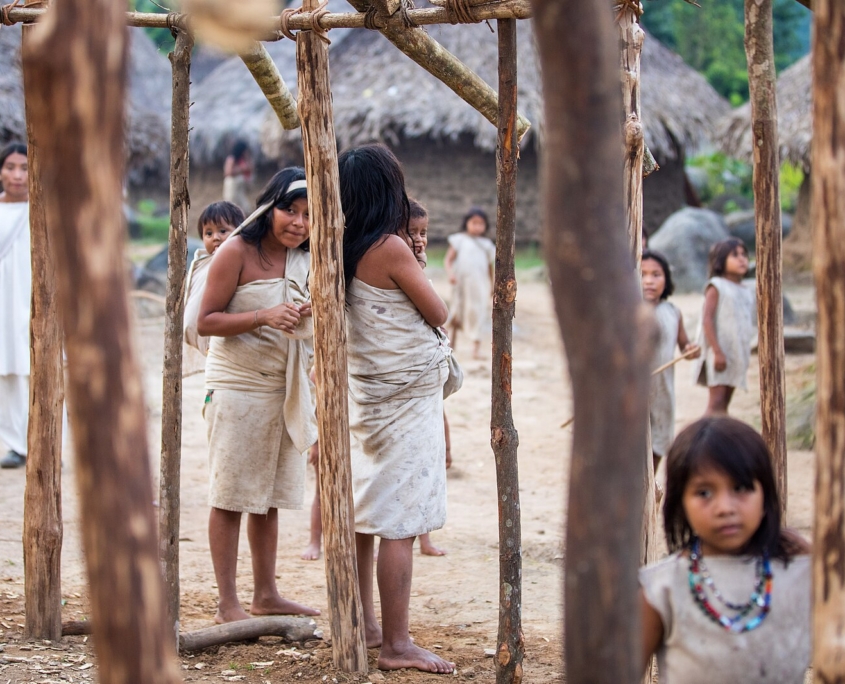
An Overview of Indigenous Poverty in ColombiaAs of 2018, approximately 1.9 million Indigenous people live in Colombia. According to ABColombia, nearly half of them experience extreme poverty, while more than 60% of Colombia’s total population lives below the poverty line. Indigenous communities face distinct and deeply entrenched barriers that perpetuate this inequality, often tied to conflict, displacement and discrimination.

Armed Conflict and Displacement

Colombia has endured decades of armed conflict, beginning in 1964 with the emergence of guerrilla groups such as the Revolutionary Armed Forces of Colombia (FARC) and the National Liberation Army (ELN). Though a peace agreement was signed with the FARC in 2016, violence and displacement remain ongoing challenges.

Indigenous communities are particularly vulnerable in this context. Due to their geographic isolation and limited political representation, many Indigenous families live in conflict zones and face territorial disputes involving armed actors. ABColombia reports that more than 300 Indigenous people have been forcibly displaced in recent years. Children from these communities also face heightened risk: since 2016, more than 8,000 Indigenous children have been forcibly recruited by armed groups.

Systemic Discrimination and Rights Violations

Historical discrimination continues to affect Indigenous people in Colombia. Though the 1991 Constitution officially recognized their rights, enforcement remains inconsistent. Many Indigenous groups still face exclusion from decision-making and public services.

Land dispossession, threats and attacks against community leaders persist. Advocacy for Indigenous rights can be dangerous: in 2023, Colombia recorded 142 killings of human rights defenders, nearly half the global total. Indigenous advocates are among those most frequently targeted. The violence impedes community organizing, weakens support networks and perpetuates cycles of poverty.

Pathways to Support and Development

Despite the challenges, organizations across Colombia are working to support Indigenous communities and reduce poverty. Targeted assistance and advocacy are essential to improve living conditions and ensure access to education, health care and legal protection.

  • Scottish Catholic International Aid Fund(SCIAF). Originally founded in 1985, SCIAF supports Indigenous and Afro-Colombian communities by strengthening disaster resilience, land rights and access to basic services.
  • International Work Group for Indigenous Affairs(IWGIA).  IWGIA promotes Indigenous rights and self-determination. In Colombia and other Southern American countries, it focuses on land rights and gender equity among Indigenous women.
  • Amnesty International. This organization funds campaigns and provides research to help minority groups in different countries. In Colombia, Amnesty International defends the rights of Indigenous groups threatened by armed conflict, displacement and violence.

Looking Ahead

Efforts to reduce Indigenous poverty in Colombia increasingly involve strengthening local governance, education access and legal land rights. According to the International Fund for Agricultural Development (IFAD), land tenure security is a key catalyst for multiple benefits in poverty eradication, food security and nutrition. Expanding such measures in Colombia offers a pathway for enhancing economic stability while protecting cultural heritage. National and international programs continue to support civil society participation, territorial autonomy and rural development. Long-term improvements in these areas remain tied to sustained investment, enforcement of existing protections and collaboration with Indigenous-led organizations.

– Jose Gabriel Lopez

Jose is based in London, UK and focuses on Good News and Technology for The Borgen Project.

Photo: Flickr

May 27, 2025
https://borgenproject.org/wp-content/uploads/borgen-project-logo.svg 0 0 Precious Sheidu https://borgenproject.org/wp-content/uploads/borgen-project-logo.svg Precious Sheidu2025-05-27 07:30:332025-05-26 23:24:50Indigenous Poverty in Colombia
Employment, Global Poverty, Government

Solidarity Income: Building Futures With Cash Transfers

Solidarity IncomeMillions of Colombian citizens live in abject poverty. As of 2022, the overall poverty rate was approximately 37%. However, the country has significantly improved in decreasing poverty over the past few decades, mainly due to its cash transfer programs, which provide regular cash assistance to low-income families.

Programs such as Families in Action, Youth in Action and Solidarity Income have proven imperative in promoting youth education and improving the health and well-being of citizens. They also provide emergency financial assistance. The nation has implemented these initiatives to support vulnerable communities in achieving long-term economic stability and building futures in Colombia.

Families in Action

In 2000, Colombia started its main conditional cash transfer program, Families in Action. The program aims to assist low-income families with consistent financial support if they meet specific conditions. These include ensuring their children attend school regularly and get routine health checkups for children aged less than 5.

Since its inception, Families in Action has helped around 2.7 million Colombian families and about 10 million people. The program has increased the use of preventive health care services. More families are taking their children to growth and development check-ups and ensuring increased diversity in rural children’s diet. The program aims to break the intergenerational cycle of poverty and help future generations lead successful lives by building futures in Colombia.

The program is supported by numerous international agencies such as the World Bank and the Inter-American Development Bank (IDB). These influential partners ensure that the program is running smoothly and has enough funding, which is crucial to continued success.

Youth in Action

Another initiative launched by the Colombian government in 2001 is Youth in Action. Aimed at easing the challenges many low-income youth face during their transition to adulthood, the program supports individuals aged 14 to 28 in college or attending vocational training programs. It provides regular cash payments to eligible students, which help pay for important expenses such as transportation, school supplies and housing. The main goal is to reduce youth unemployment and help students stay in school.

The initiative has been able to help approximately 300,000 young people through job training in semi-skilled trades, particularly in major cities where many struggle with unemployment. The program also connects these students with essential career services and job placement programs, guaranteeing their education leads to future opportunities.

The program has helped increase earnings and employment. For example, earnings for women increased by almost $18 per month (at the time of the evaluation). Additionally, 20% of program beneficiaries work in government-recognized firms, compared with 17.4% of other women. Overall, Youth in Action is an investment in Colombia’s future workforce and a strategic tool for building futures in Colombia through a fairer society.

Solidarity Income

Social inequalities among informal workers and families excluded from traditional social safety nets were exacerbated by the COVID-19 pandemic. In response, the government launched Solidarity Income in 2020 to provide unconditional cash transfers to support families not protected by other assistance initiatives.

Unlike Families in Action, Solidarity Income has no conditions. Instead, it is specifically designed to quickly help struggling people who lost jobs and could not afford food during the pandemic. The program used data from government databases and financial institutions to pinpoint exact households, allowing them to send money, even to those in remote areas.

In only a few years, the initiative reached more than three million families, with most in extreme poverty. An example is Heidy Barrera, who said, “this money will allow me to buy food for my household.” Solidarity Income was crucial during the height of the pandemic, when many other forms of financial support were unavailable.

Conclusion

Colombia’s Families in Action, Youth in Action and Solidarity Income programs show the impact of how organized cash transfer programs can positively influence millions of lives. These initiatives provide short-term relief and long-term development by helping people grow through education and health, which are essential in preventing regression and help build futures in Colombia. Strengthening and expanding these programs will be of utmost importance to create a more equitable society for the future generation of Colombians.

– Rafe Photopoulos

Rafe is based in Gainesville, FL, USA and focuses on Good News for The Borgen Project.

Photo: Flickr
May 21, 2025
https://borgenproject.org/wp-content/uploads/borgen-project-logo.svg 0 0 Hemant Gupta https://borgenproject.org/wp-content/uploads/borgen-project-logo.svg Hemant Gupta2025-05-21 01:30:432025-05-21 01:08:23Solidarity Income: Building Futures With Cash Transfers
Aid, Global Poverty

6 Organizations Helping Refugees from Venezuela in Colombia

venezuela refugees Over the years, Venezuela has been struggling with an unstable economy and poverty across a vast number of its population. In fact, according to the Human Rights Watch (HRW), less than 8.8 million people out of the total population of nearly 29 million are not suffering from multidimensional poverty. That is only about 30% of the entire country’s population. This leads many Venezuelans to leave their country in search of better opportunities that are not present in their country. Most of these people often flee to other Latin American countries, with the most popular place being Colombia, with almost 3 million refugees from Venezuela as of 2023.

However, despite moving to Colombia, they still need support to help them above the poverty line. Fortunately, numerous organizations are assisting the Venezuelans in Colombia to overcome this crisis. Here are a few of them and what they do:

International Rescue Committee

Founded in 1933 by Albert Einstein to help Germans flee the Nazi regime, the International Rescue Committee (IRC) is a humanitarian non-governmental organization that support refugees from and residing all over the world. Later on, it expanded to the rest of Europe and in modern times, it assists refugees from all over the world, including the refugees from Venezuela in Colombia. Its main work in Colombia includes providing access to health care to the Venezuelans and ensuring the safety of their minors. The number of people it helped as of 2020 is 87,000.

HIAS

Originally established in 1903 as the Hebrew Immigrant Aid Society, HIAS is another organization that focuses on global refugee aid. According to its website, HIAS has helped more than 150,000 refugees from Venezuela in their Colombia branch, mainly with economic inclusion programs and giving the refugees legal support for living in the new country.

ZOA International

ZOA International is a non-governmental organization that focuses on improving the living standards of impoverished people in multiple countries, including Colombia. While it does not specifically focus on refugees, the organization has the refugees from Venezuela as a major demographic that it supports in its efforts to help the Colombians in need, as many of them are in the country’s slums.

Its main method of support in the country focuses on providing food, water and implementing hygiene improvements to the people they help. For refugees specifically, it also gives emergency aid to provide them with better access to food and water.

Mercy Corps

Mercy Corps is a non-governmental organization that provides humanitarian aid to countries that are facing some form of insecurity, including economic instability. In Colombia, it helps the country’s most impoverished, including the refugees from Venezuela. In Colombia, its main work for the refugees from Venezuela are mainly emergency support such as money reserves, medical aid and providing internet in their shelters.

Project Hope

Project Hope is an organization that focuses on providing health relief to countries in need. Originally founded in 1958, it has provided health services all over the world by working with other organizations and often help to introduce systemic changes to the country’s health system.

In Colombia, the organization gives to the refugees from Venezuela by helping to train doctors, giving the refugees access to maternal health services and providing them with better access to essential items like pharmaceuticals or other medical supplies.

Education Cannot Wait

Founded in 2016, Education Cannot Wait is an organization working with the United Nations that focuses on giving refugee children better education opportunities, often leading to them breaking the poverty cycles in their families. Its main work in Colombia includes giving the children of the refugees from Venezuela safer environments, especially for female students. According to its website, the organization has helped more than 130,000 children in Colombia.

These are only a few of the organizations that are helping these refugees survive and overcome poverty in their new home of Colombia. While it is unclear if and when the economic crisis in Venezuela will end, the efforts of organizations like these and the people who support them can significantly help fight poverty for the refugees from Venezuela.

– Jose Gabriel Lopez

Jose is based in the United Kingdom and focuses on Good News and Technology for The Borgen Project.

Photo: Flickr

May 11, 2025
https://borgenproject.org/wp-content/uploads/borgen-project-logo.svg 0 0 Naida Jahic https://borgenproject.org/wp-content/uploads/borgen-project-logo.svg Naida Jahic2025-05-11 01:30:562025-05-30 11:00:516 Organizations Helping Refugees from Venezuela in Colombia
Economy, environment, Global Poverty

Guardianes del Mangle: Mangrove Restoration Benefiting Displaced People

Guardianes del MangleIn 2017, a group of fishermen, community activists and displaced residents founded Guardianes del Mangle, a community action group dedicated to restoring mangrove forests degraded by pollution and population growth in Turbo, Colombia. The group’s mission is to revive native ecosystems while improving the lives of residents and displaced people.

The project was founded in the Turbo neighborhoods of Pescador 1 and 2, where informal houses on stilts have been built on top of mangrove forests.

Background

Due to a lack of modern infrastructure, sewage and garbage have destroyed the mangrove forests and polluted the waterways in these settlements. The majority of Pescador 1 and 2 residents are fishermen and internally displaced people who have fled violence or persecution within Colombia.

UNHCR has been working to integrate displaced people in Turbo since 2018 and began supporting the mangrove project in 2024 through UNHCR’s Innovation Fund for Climate Action and the Environment. The Guardianes del Mangle group aims to demonstrate that generating livelihoods based on conservation can be an effective strategy for the protection and integration of displaced people.

According to UNHCR, the work of the Guardianes del Mangle “complements a broader strategy to develop resilience and self-reliance options for displaced communities.”

Importance of Turbo’s Mangroves

Turbo is a port city located in the tropical region of northwest Colombia, where mangroves provide a natural barrier against soil erosion and high tides, and act as a home for spawning fish, according to UNHCR. Due to its position on the Caribbean coast, Turbo has a large fishing economy, which relies on healthy mangrove forests along the coastline.

Over the years, large portions of this coastal forest, and the vital habitat it provides to young fish, disappeared due to deforestation, pollution and population growth. Due to a lack of modern infrastructure in the neighborhoods, sewage and garbage have destroyed mangrove forests and polluted the waterways in the Pescador 1 and 2 neighborhoods of Turbo.

Secarlos Martinez, a local fisherman and member of the group, says that the loss of the native mangrove population has been devastating.

“The population growth is gradually killing the mangroves,” he said. “Eighty percent have been cleared for residential use. The fish have fled, and that has led to economic hardship for us,” UNCHR reports.

In addition to providing a habitat for spawning fish and other wildlife, mangrove forests also prevent erosion and storm surges. “The mangroves’ most beautiful trait is that they protect us from flooding and storms,” said Diana Colón, chair of Pescador’s Community Action Board.

Most of the people living in this area are fishermen and internally displaced individuals who were forced to leave their homes due to Colombia’s enduring armed conflict. For many, environmental degradation threatens not just biodiversity but also the livelihoods of local residents.

Displaced People in Colombia

Besides restoring the local mangrove population, Guardianes del Mangle has given displaced people in Turbo a renewed sense of opportunity. Maria Valencia Eneida, a member of the community group, had to flee violence and move to Turbo in 1997, according to UNHCR. She says the project has inspired her to improve her new community.

“I am currently helping my community and the mangroves,” she said. “That way, my children will have a brighter future.”

A 2024 UNHCR report estimates that nearly 7 million people in Colombia struggle with internal displacement as a result of armed conflict between paramilitary groups, government security forces and left-wing guerrillas. Colombia also hosts the largest population of Venezuelan migrants and the third-largest population of refugees in the world.

Colombia has experienced a complex and violent conflict between non-state armed groups (NSAGs) for several decades, which has left 220,000 casualties over the last half-century. The primary root of the low-intensity struggle between armed groups and state security forces is Colombia’s outsized role in the global cocaine market.

Peace Deal

In 2016, the Colombian government signed a historic peace deal with FARC, a leftist guerrilla group accused of narco-trafficking and human rights violations, which sought to disarm the organization and reduce violence in the country, Council on Foreign Relations (CFR) reports. Despite most FARC members demobilizing after the 2016 agreement, other NSAGs have expanded and consolidated their economic and territorial presence, especially in rural areas where people cultivate coca.

The International Displacement Monitoring Centre found that the central government’s limited presence has allowed new armed groups to exert control over communities, pushing them to flee or trapping them in forced confinement.

Guardians Spearhead Change in Community

Since the beginning of Guardianes del Mangle in 2017, the community organization has been revitalizing the Pescador 1 and 2 neighborhoods and reviving the local mangrove forests in Turbo. The group’s initiatives include planting new mangrove trees, cleaning existing mangrove forests and raising awareness about environmental conservation.

The project is also improving the lives of displaced people who now call the mangrove forests home. Maria Eneida believes the mangrove restoration project has given her a more hopeful outlook. “This project has given me a purpose,” she said. “I no longer wish to go back to the place I was displaced from.”

“We made a pact to stop cutting down the mangrove, since it is this ecosystem that has provided us with a place to live,” says Secarlos Martinez, the son of displaced people who settled in this area, according to UNHCR.  With support from UNHCR, the Guardians have also partnered with the Turbo Mayor’s office and a local university so community members can participate in research and training programs. The community organization routinely organizes clean-up days, seed planting events and education programs for children. “With this initiative, we raise awareness about mangrove care. We are the generation of the future. How we live next depends on this,” said Valentina, a young member of the organization.

The Future

Aside from restoring the native mangrove forests, the organization’s work has also resulted in cleaner streets, the return of migratory birds and enthusiasm to recycle in the Pescador 1 and 2 neighborhoods.

Martinez feels that the group’s work is paying off. “Lately, we’ve seen ducks, herons and other animals that had vanished,” he said to UNHCR. “People were not used to recycling, but we have started to collect waste door-to-door. Some people now live off recycling.”

Through its initiatives in planting mangrove seed banks and rehabilitating existing mangrove forests, Guardianes del Mangle has improved the social and economic conditions of the local community in Turbo and given displaced residents a renewed sense of hope for the future.

– Willem Quigley

Willem is based in Tacoma, WA, USA and focuses on Good News for The Borgen Project.

Photo: Flickr

May 6, 2025
https://borgenproject.org/wp-content/uploads/borgen-project-logo.svg 0 0 Naida Jahic https://borgenproject.org/wp-content/uploads/borgen-project-logo.svg Naida Jahic2025-05-06 01:30:562025-05-06 00:23:57Guardianes del Mangle: Mangrove Restoration Benefiting Displaced People
Global Poverty, Nonprofit Organizations and NGOs

5 Organizations Fighting Systemic Poverty in Colombia

Poverty in ColombiaColombia, a South American country, has a long history of political tensions and armed conflict, both within its borders and in neighboring Venezuela. Systemic poverty in Colombia has left approximately 18.3 million people living below the poverty line. Multiple factors contribute to this persistent issue, including unequal access to opportunities and a lack of quality public services. These inequalities create dire consequences, with more than 85% of child deaths in certain municipalities being preventable with adequate care, reflecting unequal access to essential services. While the causes of systemic poverty in Colombia are widespread and complex, several organizations are addressing the issue through various targeted approaches.

5 Organizations Fighting Systemic Poverty in Colombia

  • ActionAid U.K. ActionAid U.K. has been working in Colombia since 2020 through a partnership with a local organization. Its work primarily focuses on protecting women’s rights and ensuring their safety, as 30% of women in Colombia have experienced violence from a partner. The organization also aims to address the disparity in opportunities and quality of life between rural and urban areas. To combat the effects of systemic poverty in Colombia, ActionAid U.K. engages in advocacy, promotes sustainable local development, improves water, sanitation and hygiene (WASH) and protects women and children from sexual and gender-based violence. The organization supports displaced individuals and unemployed victims of violence, offering them resources and opportunities to rebuild their lives.
  • Opportunity International Colombia. Opportunity International Colombia supports people affected by the region’s long-standing conflict. An estimated 7.7 million Colombians have been displaced due to conflict, along with many Venezuelans who have sought refuge in Colombia. The organization provides access to loans and training to help individuals build sustainable businesses. With 55% of adults lacking a formal bank account, rural families remain the least likely to have access to financial services. The organization addresses this gap by offering financial services that empower marginalized communities. Additionally, the organization works to improve education through its EduFinance program, helping children from low-income families access quality education. Through these ongoing efforts, Opportunity International Colombia has played a critical role in improving economic resilience and financial literacy.
  • Tearfund. Tearfund has been working in Colombia since 1980, focusing on poverty caused by migration and conflict. The organization aids families at risk of malnutrition and mobilizes local churches and community groups to provide support. As a result of its advocacy efforts, 24,000 stateless children have now been granted citizenship in Colombia. Tearfund reduces discrimination against violence-affected families and assists with their transition to stability. Community kitchens, food baskets and food vouchers provide thousands of Venezuelan families with improved nutrition and better access to health care services. Tearfund’s commitment to addressing the root causes of poverty has led to tangible improvements in the lives of displaced families.
  • CAFOD. Catholic Agency for Overseas Development (CAFOD) has been working in Colombia for more than 50 years. The organization focuses on supporting victims of conflict and marginalized communities. The organization ensures that those living in extreme poverty can potentially earn an income to support their families sustainably. CAFOD partners with local organizations to address a variety of critical areas, including peacebuilding, human rights protection, gender-based violence and the long-term effects of armed crises. By targeting these key areas, CAFOD improves food security and provides communities with the tools they need to rebuild their lives. Its work not only addresses immediate needs but also supports long-term development and stability.
  • Habitat for Humanity GB. Habitat for Humanity GB works to improve housing and informal settlements in Colombia. Through holistic programs that focus on neighborhood and home improvement, the organization enhances living conditions for impoverished families. Habitat for Humanity GB has worked with 1,440 volunteers and has served 730 people through home repairs. Its work involves constructing houses and improving the infrastructure of informal settlements, promoting housing alternatives and diversifying funding sources. Additionally, the organization raises awareness and mobilizes communities to become involved in improving their living environments.

Looking Ahead

Organizations like ActionAid U.K. and Habitat for Humanity GB play an essential role in addressing systemic poverty in Colombia. Their combined efforts tackle poverty through financial inclusion, education, humanitarian aid and infrastructure improvements. Sustaining progress requires continuous collaboration between local communities, government agencies and international partners. Indeed, expanding these initiatives could create lasting change by addressing the root causes of poverty and ensuring that vulnerable populations have the tools and opportunities they need to thrive.

– Sydney Morrow

Sydney is based in London, UK and focuses on Good News and Politics for The Borgen Project.

Photo: Flickr

April 1, 2025
https://borgenproject.org/wp-content/uploads/borgen-project-logo.svg 0 0 Precious Sheidu https://borgenproject.org/wp-content/uploads/borgen-project-logo.svg Precious Sheidu2025-04-01 07:30:122025-03-31 17:31:395 Organizations Fighting Systemic Poverty in Colombia
Global Poverty, Human Rights, Legislations and Policies

Fragility and Rule of Law in Colombia 

Fragility and Rule of Law in Colombia
In international relations, the rule of law is a principle of governance that holds all parties, including the government itself, accountable to the same rules. Colombia, however, has faced challenges in fairly upholding this principle, leading to political instability and violence. This article will focus on the fragility and rule of law in Colombia. While significant progress has occurred in recent years, major challenges remain. Overcoming these challenges and strengthening the rule of law will require continued legislative reforms, domestic activism and sustained international support. Although an uphill battle, there is hope for Colombia’s legal system.

Understanding the Roots of the Problem

Colombia has a simple legal structure, featuring a legislative, executive and judicial branch. The country elects a president every four years. A Supreme Court (Corte Suprema de Justicia) establishes legal precedent, and a Constitution serves as the foundation for addressing the fragility and rule of law in Colombia. In theory, everything should function smoothly. However, corruption, dysfunction and inequality plague the judicial system. Several factors have contributed to these conditions:

  1. Armed Conflict: Since the 1960s, civil war among rebel guerrilla groups and right-wing paramilitary groups has ravaged Colombia. Millions have been displaced or murdered, and this five-decade-long conflict significantly weakened legal institutions and fostered criminal activity, particularly in rural areas.
  2. Organized Crime: Human trafficking, drug cartels and illegal economies thrive in Colombia. This activity fuels violence and significantly undermines state authority. 
  3. Government Corruption: Elected officials frequently accept bribes from cartels, rebels and businesses to manipulate the law. These powerful figures are rarely held accountable, perpetuating a cycle of inequality.
  4. Dysfunctional Judicial System: Colombia’s judicial system itself is inherently flawed. Understaffing leads to a majority of crimes going unpunished. Legal professionals often face large bribes or violent threats, hindering their ability to administer justice. Furthermore, most poverty-stricken areas lack access to adequate legal institutions.

Impact on Citizens

The fragility and rule of law in Colombia has had a debilitating effect on its citizens, as one can see through citizens distrust of their government and the widespread poverty that runs rampant. Here is information about how fragility and rule of law in Colombia has increased distrust and poverty.

  • Distrust in Government: The World Justice Project’s 2022 survey reveals some shocking opinions that Colombian citizens hold:
    • Only 22% believe government officials would be held accountable for breaking the law.
    • Only 27% of citizens feel that local government officials are elected fairly.
    • A staggering 88% believe that most or all members of Congress are corrupt.
    • Only 36% believe the judicial system is effective in prosecuting criminals.
    • Over 70% believe most or all legal officials are corrupt.
    • Only 26% feel the police act lawfully, and a mere 25% trust the police.
  • Poverty: Corruption significantly hinders development and exacerbates poverty. In fact, as reported by the U.S. Department of State, Colombia lost more than $115 million (meant for infrastructure) to bribes and kickbacks. This irresponsible usage of resources prevents the government from providing essential services to the public, disproportionately affecting poor citizens that rely on the assistance. Furthermore, according to the World Bank, 39.3% of Colombians lived below the national poverty line in 2022. Put simply, corruption wastes resources that could be used for poverty reduction programs, infrastructure development or education, further entrenching Colombia’s citizens in a cycle of poverty.

Progress Towards Equality

While the situation is challenging, the statistics above actually represent growth compared to previous years, particularly regarding perceptions of corruption. This indicates that, albeit slowly, Colombia is making strides toward stability.

Several factors have contributed to this progress, including legislative reforms and international efforts:

  • International Bar Association’s Human Rights Institute (IBAHRI): This group actively works to restructure the Colombian Judicial System. The IBAHRI has conducted fact-finding missions, provided training to judges and lawyers and advocated for legal reform.
  • Colombian Government: Technology is being implemented to streamline judicial processes. One example is the “Justicia XXI” program, which aims to digitize court records and implement electronic case management systems. 
  • The United States: Since 2017, the United States has donated roughly $1.5 billion to Colombia to assist in “peace accord implementation.” These programs have contributed to the resolution of civil war, reduction of poverty and a crackdown on drugs.
  • The World Bank: The World Bank has provided Colombia with two DPFs. A DPF (or a Development Policy Financing) is a type of loan/grant that aims to support poverty reduction. In Colombia, specifically, the money has gone towards the creation of policy that “improves fiscal sustainability, increases productivity and improves economic/social integration of migrants.” 
  • European Union: The European Union Trust Fund for Colombia, established in 2016, supports projects such as the Land Restitution Unit, which helps victims of armed conflict restore their territory, and the Rural Development Project, which looks to increase living standards in underserved regions of the country.
  • Legislative Reforms:
    • In 2022, Colombia passed Law 2195 to eliminate corruption between the public and private sectors.
    • In 2023, a 10-Year Drug Policy, based on international standards, was introduced to reduce drug trafficking nationwide. 
    • In 2025, Colombia’s Supreme Court will replace four of its nine judges, a decision aimed at ensuring equality in the nation’s highest tribunal.

A Plan for the Future

To maintain this positive trajectory, Colombia will need to continue its anti-corruption campaign by continuing to reform the judicial system, implementing technology and expanding access to justice, particularly in rural and marginalized communities. Furthermore, the country needs to improve security measures, specifically by increasing police accountability and trustworthiness. In doing so, Colombia should be able to combat organized crime, one of the largest issues that the country faces. 

Although domestic reform is critical, Colombia cannot act alone. It will need support from the international community. Currently, the United States, the World Bank and the European Union all provide financial aid, and it would be beneficial for more institutions to follow suit. If Colombia can capitalize on international support, reduce corruption and reform its judicial system, a brighter future is within reach. The fragility and rule of law in Colombia will no longer be a burden, but a testament to peace, democracy and equality.

– Josh Weinstein

Josh is based in Chester Springs, PA, USA and focuses on Politics for The Borgen Project.

Photo: Flickr

March 27, 2025
https://borgenproject.org/wp-content/uploads/borgen-project-logo.svg 0 0 Jennifer Philipp https://borgenproject.org/wp-content/uploads/borgen-project-logo.svg Jennifer Philipp2025-03-27 07:30:292025-03-26 05:58:29Fragility and Rule of Law in Colombia 
Advocacy, Electricity and Power, Global Poverty

Energy Crisis in the Andes

Energy Crisis in the Andes The Andes, a breathtaking mountain range spanning the western coast of South America, is the longest in the world. Stretching more than 4,000 kilometers from Colombia to Chile, the region holds immense historical significance as the homeland of the ancient Inca civilization. Despite their beauty and rich history, the Andes are home to many rural communities struggling to adapt to modern times, particularly in accessing electricity and reliable energy. In high Andean rural regions in Peru, more than 30% of households lack access to electricity, highlighting the disparity between urban and rural energy access. Some of these communities have fought for access to electricity for more than a decade without success, highlighting a growing energy crisis in the Andes.

Challenges in Kewinal, Bolivia

Kewinal, Bolivia, is home to the Ragaypampa, an indigenous ethnic group, this remote community has petitioned for electricity for 15 years. Despite these ongoing efforts, Kewinal’s geographic isolation poses significant challenges. Electricity could drastically improve life in Kewinal. Without it, households rely on candles and kerosene lamps, increasing the risk of house fires. Schools lack projectors, computers and printers, leaving students ill-prepared for modern careers. Many young people leave the community in search of opportunities, while those who stay hope for progress. Health care facilities in Kewinal also suffer due to the absence of electricity. Medical centers cannot implement digital record-keeping systems, making it difficult to manage chronic illnesses. Additionally, local artisans, including woodworkers and potters, could double their incomes with access to electricity, providing economic stability and discouraging migration.

Water Scarcity in the Peruvian Andes

In Peru, water scarcity exacerbates energy challenges. Hydropower serves as a critical energy source in the Peruvian Andean-Amazonian basin, but farmers and hydropower plants compete for limited water resources. Droughts, worsened by global warming, have intensified this competition, leaving both sectors at a loss. Furthermore, irrigation for farming diverts water away from hydropower plants, reducing energy output and affecting surrounding areas. Research from the Natural Capital Project suggests collaborative strategies to balance agricultural and hydropower needs, promoting sustainable water usage and reducing conflicts.

Colombia and Ecuador

Communities in Colombia and Ecuador face similar crises, with drought and environmental degradation threatening energy production. High-altitude wetlands, known as paramos, play a critical role in water storage and distribution but have been degraded by deforestation, climate change and soil erosion. The energy crisis extends beyond rural areas, impacting urban centers like Bogotá, Colombia. Water shortages disrupt hydroelectric power, leading to rationing and the suspension of electricity exports. Conservation efforts aim to address these issues and restore balance.

Collaborative Efforts and Conservation Initiatives

Bolivia’s Electrification Program, supported by the Rockefeller Foundation, seeks to bring green energy to 56,000 rural households. Approved in 2023, the program focuses on delivering sustainable solutions to remote communities like Kewinal. “As we race to address the largest challenge of our time, the world’s most vulnerable must be prioritized. We cannot afford to leave the people of Kewinal – or anyone – behind,” says Ashvin Dayal, Senior Vice President at Power the Rockefeller Foundation.

In Ecuador and Colombia, conservation efforts led by organizations like the Fund for Protecting Water (FONAG) aim to revitalize ecosystems critical to water and energy production. FONAG has planted 40,000 water-storing paper trees and is cultivating an additional 100,000, demonstrating the potential for nature-based solutions to alleviate the energy crisis.

Looking Ahead

The energy crisis in the Andes represents a broader challenge of energy inequality and environmental degradation affecting vulnerable communities worldwide. Progress in electrification and ecosystem restoration offers hope, but significant challenges remain in reaching remote areas and addressing environmental damage. Indeed, efforts across the Andes highlight the importance of innovative, community-driven solutions and sustainable development. By prioritizing collaboration and conservation, stakeholders can potentially improve living conditions for rural populations and create a more equitable energy future.

– Michael Messina

Michael is based in Newburport, MA, USA and focuses on Technology and Solutions for The Borgen Project.

Photo: Flickr

January 16, 2025
https://borgenproject.org/wp-content/uploads/borgen-project-logo.svg 0 0 Precious Sheidu https://borgenproject.org/wp-content/uploads/borgen-project-logo.svg Precious Sheidu2025-01-16 01:30:092025-01-15 12:12:19Energy Crisis in the Andes
Page 2 of 512345

Get Smarter

  • Global Poverty 101
  • Global Poverty… The Good News
  • Global Poverty & U.S. Jobs
  • Global Poverty and National Security
  • Innovative Solutions to Poverty
  • Global Poverty & Aid FAQ’s
Search Search

Take Action

  • Call Congress
  • Email Congress
  • Donate
  • 30 Ways to Help
  • Volunteer Ops
  • Internships
  • Courses & Certificates
  • The Podcast
Borgen Project

“The Borgen Project is an incredible nonprofit organization that is addressing poverty and hunger and working towards ending them.”

-The Huffington Post

Inside The Borgen Project

  • Contact
  • About
  • Financials
  • President
  • Board of Directors
  • Board of Advisors

International Links

  • UK Email Parliament
  • UK Donate
  • Canada Email Parliament

Get Smarter

  • Global Poverty 101
  • Global Poverty… The Good News
  • Global Poverty & U.S. Jobs
  • Global Poverty and National Security
  • Innovative Solutions to Poverty
  • Global Poverty & Aid FAQ’s

Ways to Help

  • Call Congress
  • Email Congress
  • Donate
  • 30 Ways to Help
  • Volunteer Ops
  • Internships
  • Courses & Certificates
  • The Podcast
Scroll to top Scroll to top Scroll to top