 In many ways, one can view Colombia as a Latin American success story. For a country with as painful and violent a history as any in the region, its journey to relative political stability in the last two decades has been remarkable. There are several charities operating in Colombia that have affected change. However, poverty in the country, especially in its urban centers, is still widespread – a symptom of the country’s history of political corruption, cartel and paramilitary-based violence and economic exploitation by its previous colonial rulers (Spain) and the United States.
And yet, the country has endured. In 2022, the people of Colombia elected progressive candidate and former M-19 paramilitary Gustavo Petro as President. Some critics argue that in many ways, this election result is a symbol of the direction in which this country is heading. The last 20 years have seen a marked decrease in Cartel violence, paramilitary activity and foreign political interference. A thriving tourist economy has also grown. Here are some of the charities operating in Colombia that have been instrumental in affecting this change.
Corporacion Superarse
Dr. Francisco Rojas founded Superarse in 1970 as a measure to help orphans living on the streets of the country’s second city of Medellin. The charity has since spread across the country and has helped find homes, educational programs and ultimately careers for more than 6,000 orphaned or abused children. Today, Superarse provides educational programs, specifically in technical and environmental education and organizes sponsorships for individual children who could be at risk of “street work.”
Fundacion Tiempo de Juego
Another charity focussing on the struggles of young people in Colombia, Tiempo de Juego operates in the Magdalena, Cundinamarca and Cuaca regions of Colombia. The charity was founded in 2006 as a non-profit safe space for children and adolescents at risk of recrution into Cartels or being forced into other criminal activities. The backbone of the charity focuses on sporting activities – especially football (soccer) – but also provides Arts, reading and technology lessons for (as of 2021, more than 7,000) Colombian children who would never normally have access to the advantages of education and social inclusion. In particular, the charity’s Leadership School Model scheme has created opportunities for children to progress into leadership roles within the charity’s educational and community framework.
Red Somos
As of 2022, approximately 190,000 people are living with HIV/AIDS in Colombia, the third highest number in the region. Thanks in large part to charities such as Red Somos however, incidence rates in Colombia have fallen by 14%. Red Somos is one of the charities leading the fight against HIV/AIDS in Colombia. Its programs encompass advocating for fairer treatment for those living with HIV/AIDS and providing “prevention, diagnosis, care and treatment services for HIV and other STIs.” Although many of its initiatives focus on advocating for and protecting LGBTQ and migrant rights, its groundbreaking work in isolated communities in terms of HIV testing and prevention is what sets it apart.
Banco de Alimentos de Bogotá
Banco de Alimentos de Bogotá, one of the country’s largest food banks, has served the people of Colombia since 2002. To give some sense of the scale of the operation, the charity has served over 501,000 people across Colombia in the first two weeks of 2024 alone. The organization serves as an incredibly effective “articulator” of goods between international donors and the communities across Colombia that need them most, from isolated rural communities that often rely on subsistence farming to inner city neighborhoods where poverty is rife.
HIAS Colombia
When it comes to charities operating in Colombia, HIAS is something of an outlier insofar as it focuses specifically on helping people from overseas in demonstrably worse situations. Following the political collapse of Venezuela in 2019, the charity supported more than 77,000 Venezuelan refugees in Colombia. As well as providing temporary housing and food support to refugees, HIAS helps reunite refugee families and focuses in particular on “single women and women-headed households” who are often amongst the most vulnerable of refugees. Its methods include political advocacy and providing long-term economic inclusion for refugees.
As a general overview of charities operating in Colombia, this list is far from exhaustive. However, what it plainly shows are the hallmarks of a country moving from being described as “developing” to “developed.” That being said, it is clear that these organizations and many more like them, will need long-term support from the developed world if this dream is to be realized.
– Rory Giles
Photo: Flickr
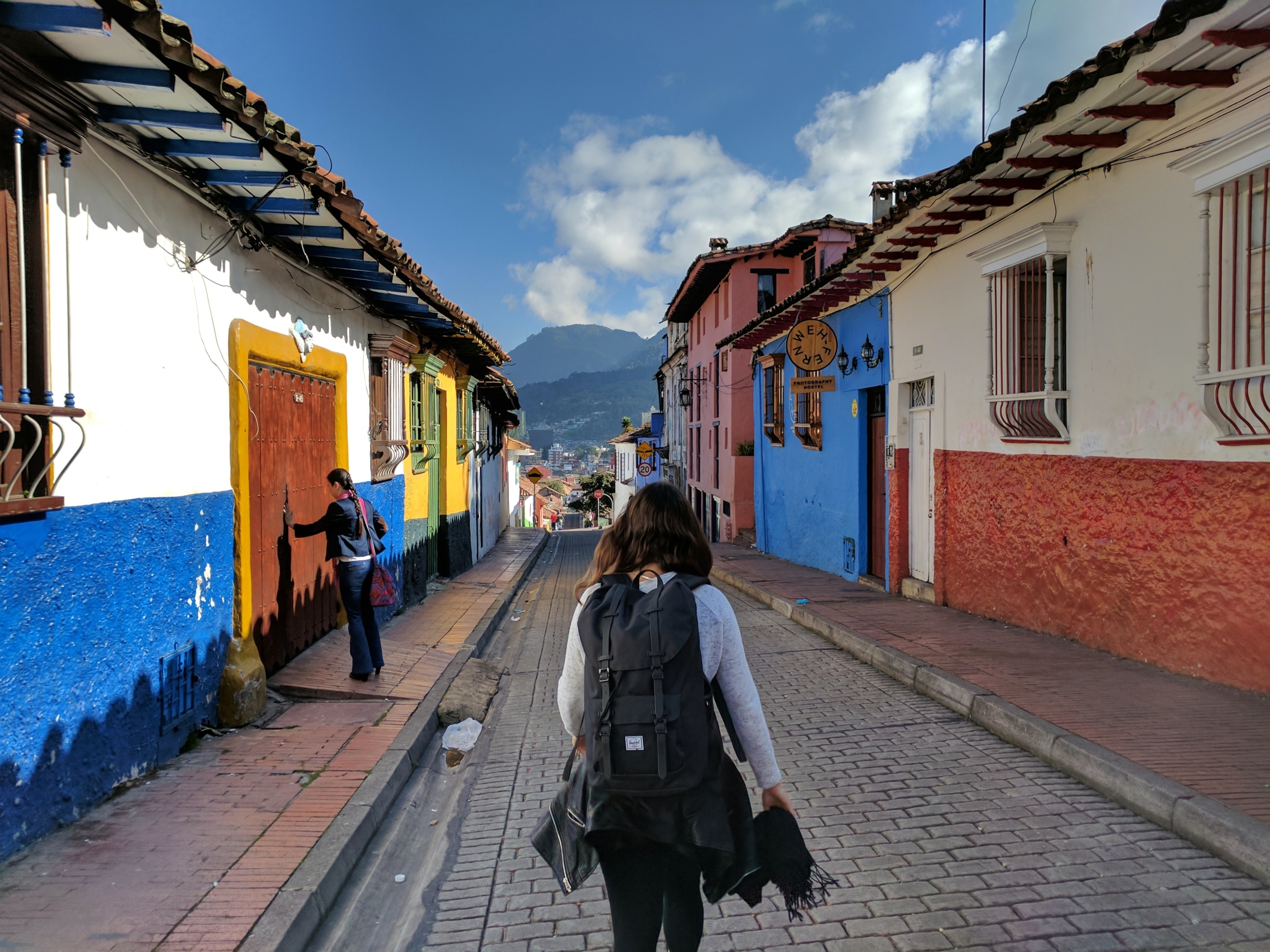
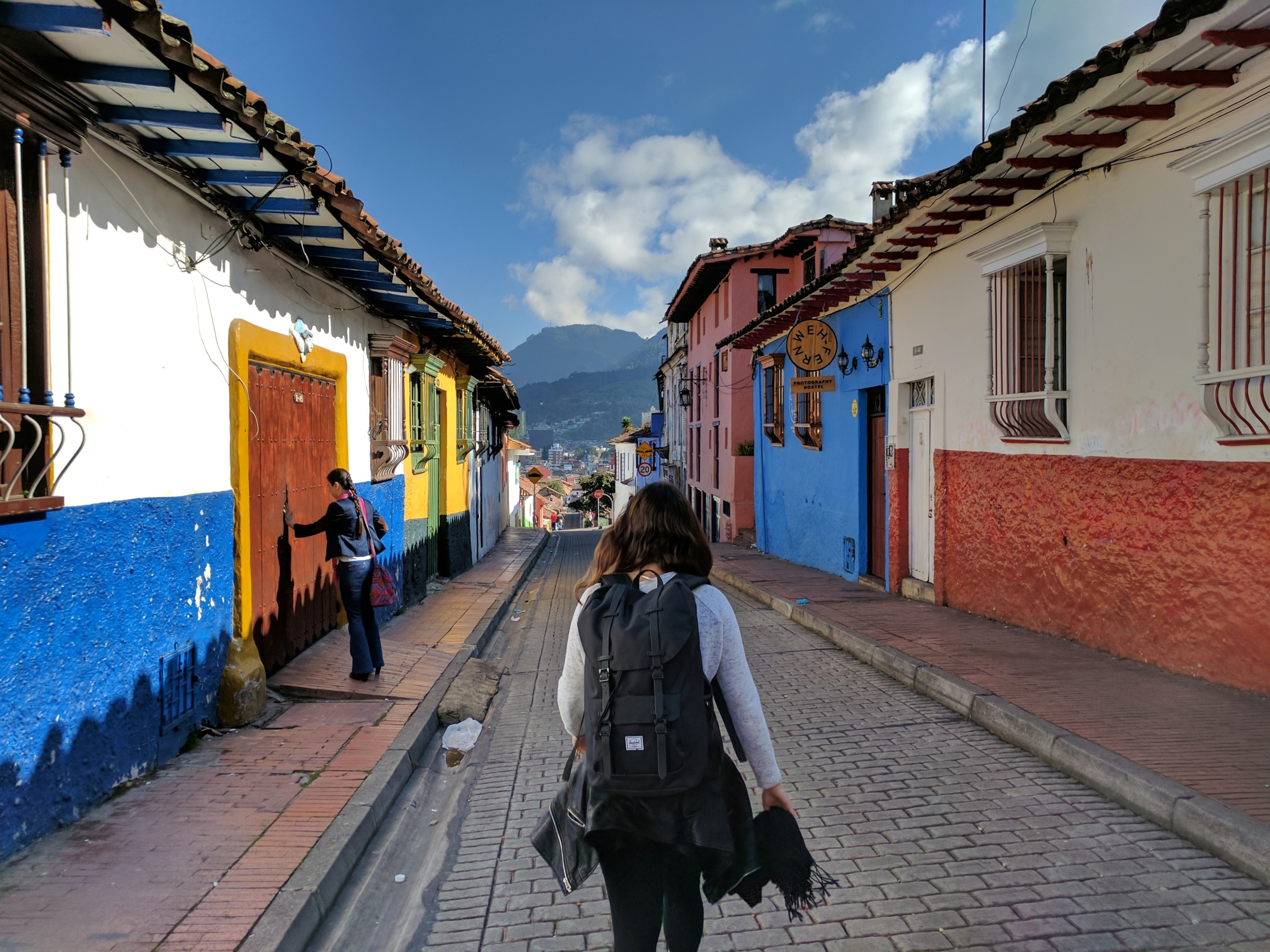 Under the rich culture and lush landscapes of Colombia lies a bitter reality, a complex and stretched array of working children throughout the country.
  A geographically and economically diverse country, Colombia experiences a high poverty rate, with around
 Ever since the rise of drug lord Pablo Escobar in the 1980s,
 In recent years, Colombia has successfully taken measures to reduce the issues that contribute to poverty, particularly in the worse urban areas. However, land displacement due to violent conflict still causes a significant portion of the population to be affected by
  Buenaventura,