Sahar: The Organization Unlocking Education in Afghanistan
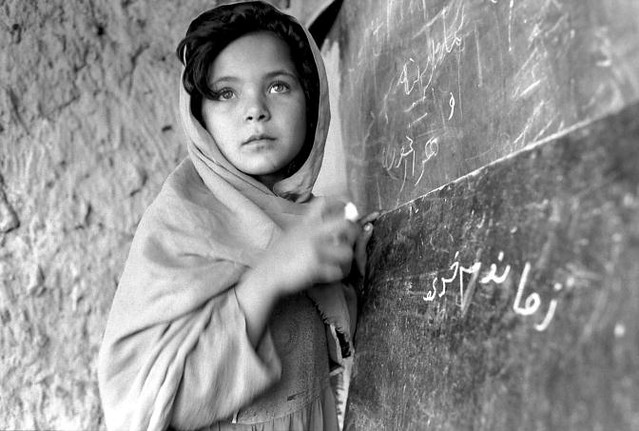 Education is crucial for unlocking opportunities and instilling hope. It can transform lives, empower individuals and uplift entire communities. However, not everyone has the chance to experience life-changing schooling. In Afghanistan, the situation is particularly dire: 80% of girls are out of school and less than one-third have ever entered primary education. This is not by choice. Due to the Taliban’s oppressive policies, which ban formal education for girls above the sixth grade, girls are barred from formal educational facilities. Despite these restrictions, many brave individuals and organizations are working tirelessly, often at great personal risk, to provide education to Afghan girls.
Education’s Impact
Education can bring social and economic development, reduce poverty and promote gender equality. In Afghanistan, educated girls are better equipped to contribute to their communities and the country’s development. However, the benefits of education are not limited to those who receive it directly. Educated women are more likely to ensure their children are educated, creating a positive cycle.
Sahar
Sahar, a nonprofit organization, has been at the forefront of the fight to educate Afghan girls. Since its creation in 2001, Sahar has helped educate 250,000 girls through 2024. The nonprofit provides grassroots schools and underground education, with people risking their lives to teach and learn. In 2001, Sahar aimed to build connections between the United States (U.S.) and Afghanistan, gradually expanding its mission. In this war-torn country, Sahar has built and supplied 39 schools, striving to serve those denied educational opportunities. Through education, Sahar opens pathways for girls to aim for a better life, targeting the 1.1 million girls lacking access to formal education.
Founded by Julia Bolz, an international humanitarian lawyer, Sahar has achieved remarkable success through partnerships. Information about said partners is limited, as partners in Afghanistan are actively breaking oppressive laws by protecting the human right to education. However, outside of Afghanistan, Sahar collaborates with several global partners. Sahar partners with the Afghan Ministry of Education, which helps maintain schools once they have been constructed. Additionally, foundations and philanthropists like Janet Wright Ketcham support the initiative, helping to construct two schools in Afghanistan. Institutes like the University of Washington and Coe Elementary School in Seattle have also supported Sahar’s goals through architectural assistance and fundraising efforts.
The Bright Future of Education in Afghanistan
The struggle for educational access in Afghanistan is ongoing. The Taliban’s restrictive policies, combined with cultural barriers, create significant challenges. However, the resilience and determination of Afghan girls and the organizations supporting them offer hope. Sahar’s work demonstrates the power of grassroots efforts and underground education in overcoming obstacles. By continuing to support Sahar and similar organizations, we can open up education and brighter futures for young girls. The fight for educational access in Afghanistan is far from over.
– Abby Collins
Abby is based in Massachusetts, USA and focuses on Good News and Technology for The Borgen Project.
Photo: Flickr
