• Link to X
  • Link to Facebook
  • Link to Instagram
  • Link to TikTok
  • Link to Youtube
  • About
    • About Us
      • President
      • Board of Directors
      • Board of Advisors
      • Financials
      • Our Methodology
      • Success Tracker
      • Contact
  • Act Now
    • 30 Ways to Help
      • Email Congress
      • Call Congress
      • Volunteer
      • Courses & Certificates
      • Be a Donor
    • Internships
      • In-Office Internships
      • Remote Internships
    • Legislation
      • Politics 101
  • The Blog
  • The Podcast
  • Magazine
  • Donate
  • Click to open the search input field Click to open the search input field Search
  • Menu Menu

Tag Archive for: Nigeria

Posts

Global Poverty

How COVID-19 Has Slowed Nigeria’s Access to Medicine

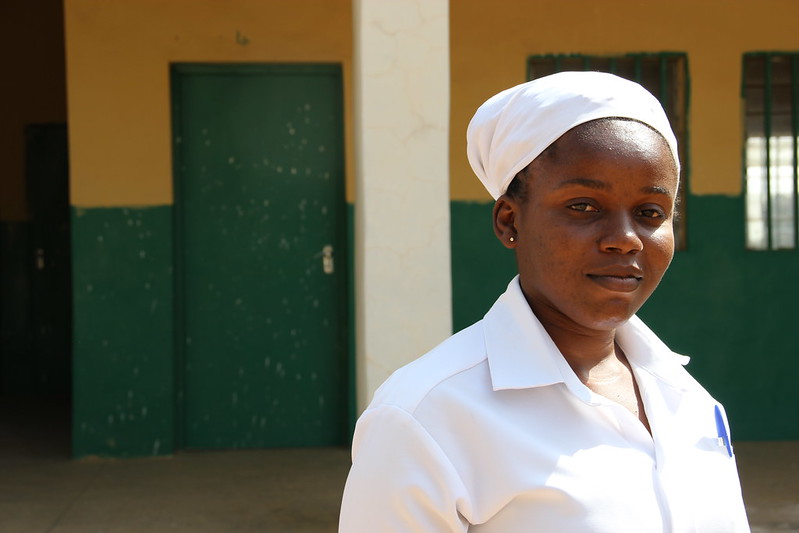
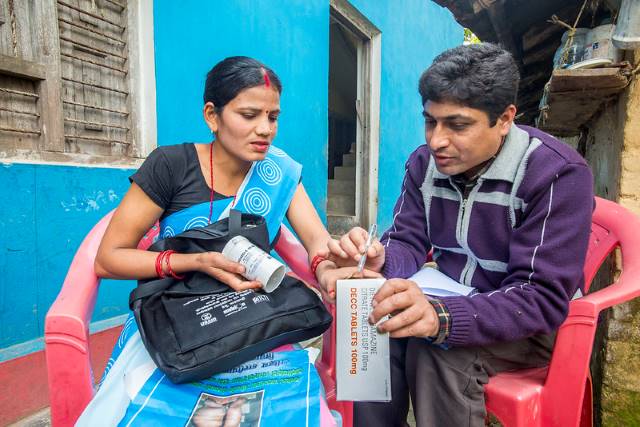
How COVID-19 Has Slowed Nigeria’s Access to MedicineNigeria, a country with both bustling cities and green plains stretching for miles, has earned the nickname “Giant of Africa.” Although Nigeria isn’t the largest country in Africa, it has the largest population with 206 million people calling it home. Even though the population in Nigeria has grown in 2020 by 2.58%, the country still has a high mortality rate and life expectancy of 54 years. Nigeria has one of the biggest HIV pandemics as well as a high risk for malaria. Access to medicine and vaccines have always been limited in Nigeria; however, COVID-19 has exacerbated the issues facing Nigeria’s healthcare system. The COVID-19 pandemic has increased restrictions on international trade, which has greatly impacted Nigeria’s pharmaceutical needs for people with pre-existing conditions, particularly those with HIV/AIDS or malaria. As 70% of Nigeria’s medical products are shipped from China and India, COVID-19 has interrupted an important part of Nigeria’s basic health needs.
Healthcare in Nigeria

Nigeria has always had trouble accessing medication as the country has a great dependency on imported products. According to Medrxiv, a server for health sciences, in 2013, only 25% of kids under the age of 2 had been vaccinated. In an attempt to secure a more efficient healthcare system, Nigeria began to manufacture its own pharmaceuticals but lately, production has been on a decline due to high prices, poor quality and a shortfall in access to medicine. Nigeria has 115 pharmaceutical manufacturers but they mainly rely on large imports from neighboring countries.

Before the virus swept across Nigeria, the country only had 350 ventilators and beds for the entire population. In April 2020, Nigeria obtained 100 more ventilators. But, what has actually been done to improve Nigeria’s basic health needs?

Changing Nigeria’s Healthcare

In 2018, four policy documents were presented to Nigeria by the Federal Minister of Health. The four policies acknowledge Nigerians need for access to medication and control of narcotics.

  1. The National Policy for Controlled Medicines — This policy, with support from the United Nations Office on Drugs and Crime (UNODC) and the European Union (EU), aims to improve healthcare services in Nigeria. By properly training healthcare professionals, narcotics can be safely monitored for medical and scientific use while avoiding abuse. The policy ensures that Nigeria will have better access to medication so citizens do not have to silently suffer. In 2012, as reported by The Global Access to Pain Relief Initiative, Nigeria only used 0.01% of narcotics to manage pain. The UNODC states, “This was largely attributed to limited or poor quantification of annual estimates, inadequate and irregular release of funds for procurement, limited knowledge and poor attitude, or issues of fear and stigma among many healthcare workers and the general populace.”
  2. National Guidelines for Quantification of Narcotic Medicines — This policy is continuous of Nigeria’s efforts to have access to “narcotic medicines.” It is a way to know how much medicine is required to fulfill Nigeria’s basic health needs. By creating a standardized system, Nigeria can estimate which and how many narcotics are needed for the country.
  3. National Guidelines for the Estimation of Psychotropic Substances and Precursors — This policy regulates “psychotropic substances,” such as alcohol, caffeine and marijuana. These drugs, according to the UNODC, can be used for “pain management including treatment of neuropathic pain and in the management of obstetric emergencies including hemorrhage, thus critical in reducing maternal deaths.” The policy verifies that these substances are and will be used for legal use only.
  4. National Minimum Standards of Drug Dependence — In the past, Nigeria treated addiction as a psychiatric condition or mental illness. Although Nigeria does not have the data to see how many people in the country have a drug dependency, treatments of addiction are changing. The policy’s goal is to have adequate care such as “counseling, vocational and occupational rehabilitation” available across Nigeria.

According to a 2020 Statista analysis, the budget for Nigeria’s healthcare is expected to increase, eventually reaching 1477 billion Nigerian naira by 2021. This can create more opportunities for Nigeria’s healthcare system, increase access to medicine and fulfill Nigeria’s basic health needs.

– Jessica LaVopa
Photo: Flickr

January 30, 2021
https://borgenproject.org/wp-content/uploads/borgen-project-logo.svg 0 0 Kim Thelwell https://borgenproject.org/wp-content/uploads/borgen-project-logo.svg Kim Thelwell2021-01-30 01:30:082024-05-29 22:52:59How COVID-19 Has Slowed Nigeria’s Access to Medicine
Global Poverty, Human Rights

The #EndSARS Movement in Nigeria

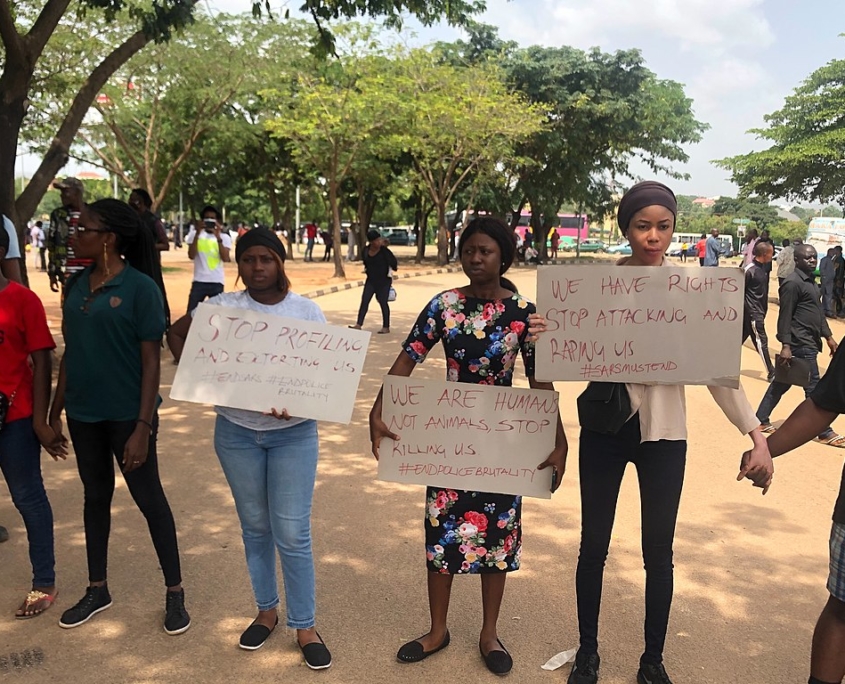
The EndSARS Movement in NigeriaSocial media is becoming a diversified platform that has been vital to the fight against police brutality in Nigeria. Nigerian citizens have experienced years of unjust violence by the Special Anti-Robbery Squad (SARS), including armed robberies, rapes, torture and unsystematic killings. For Nigerian citizens, media censorship on television has led to the circulation of the hashtag #EndSARS on social media sites. People have taken to Twitter, Instagram, Tik Tok and other platforms to post news and videos of the violence incurred. Through the #EndSARS movement in Nigeria, young Nigerian activists are emerging and are critical to the new wave of international awareness.

What is SARS?

The Special Anti-Robbery Squad, a police force, was assembled in 1992 by the Nigerian Government to cope with the failings of the Nigerian Police Force. Emboldened by their power to arrest and monitor crimes, the group has increasingly used its authority to engage in dangerous tactics and fear-mongering.

Among protests and complaints, Amnesty International has investigated and determined numerous unlawful killings and human rights abuses. 2015 marked the first set of promises, made by Nigerian President Buhari, to disband and restructure SARS. However, after years of promising reform to appease citizens, the government has not implemented any effective actions to deter the unit.

SARS has promoted corruption and violence toward citizens, especially against an evolving population of youth. There are many reports of youth being harassed by SARS for their new technology, clothing styles, hairstyles and tattoos. In protest, Nigeria’s youth have been leaders and catalysts in organizing the #EndSARS movement. A viral video in December 2017 depicted a murder committed by SARS, and since then youth have consistently used social media to document violence done by SARS. A revival of the hashtag #EndSARS occurred in October 2020 and has created a resurgence of conversation about the issue.

Leading the International Awareness of SARS

With a limitation on media coverage of protests and SARS criticism, Nigerians have taken to social media to spread the message. Protestors have created a unified voice among supporters without endorsing an individual leader of the movement. Private citizens with their phones are the main information source and record first-hand videos of the violence. For example, an Instagram Live of protestors being shot and wounded by Nigerian military officials garnered global media coverage. The shift from traditional media to social media has been an advantage to the #EndSARS movement.

The grassroots movement has diverted from the repressive Nigerian media and toward an inclusive citizen-led campaign online. Twitter, Instagram and Tik Tok are serving as major platforms for Nigerians to organize protests, volunteer and donate. Twitter users offered to pay phone bills of protestors to continue the spread of information online. Other protestors began crowdfunding donations to supply food to protestors, posting specific details relating to peaceful protests or sharing medical aid, legal aid and mental health hotlines. The variety of evidence and resources circulating on social media has bolstered the international podium of #EndSARS.

The turmoil of police brutality in Nigeria has been fiercely combatted by a new generation of youth activists. Social media has ignited an international drive to end the corruption of the Special Anti-Robbery Squad. Tangible change is coming about with protests and aid spread globally on social media. The Nigerian youth are using technology to their advantage and are moving to end a period of instability through the #EndSARS movement in Nigeria.

– Eva Pound
Photo: Flickr

January 17, 2021
https://borgenproject.org/wp-content/uploads/borgen-project-logo.svg 0 0 Yuki https://borgenproject.org/wp-content/uploads/borgen-project-logo.svg Yuki2021-01-17 07:30:122021-01-13 18:06:00The #EndSARS Movement in Nigeria
Children, Developing Countries, Education, Global Poverty, Poverty Eradication

The Potential of CCT Programs in Nigeria

CCT Programs in NigeriaDespite having some of the greatest potential for development in Africa and a vast amount of resources, Nigeria remains one of the poorest countries in the world. Over the years, the Nigerian Government has attempted to implement various poverty alleviation strategies in order to diminish poverty. Unfortunately, little progress has been made. However, more recently, the Nigerian Government has started implementing a new strategy in order to fight the persistent poverty in the country through Conditional Cash Transfer (CCT) Programs. It is hopeful that CCT programs in Nigeria will bring lasting benefits for impoverished communities.
The Success Rates of CCT Programs

Around the world, CCT programs have become increasingly popular and have been overwhelmingly successful. Positive results have also been seen in certain regions in Africa. As explained by the World Bank, “Cash transfers targeted to the poor, particularly children and other vulnerable groups, now help millions of Africans to support their basic consumption, avoid destitution and respond to shocks.” To achieve this success, most programs focus efforts toward providing cash transfers to poor families with children. In return for these transfers, families must maintain their children’s school attendance as well as keep up with regular health checkups. As a result, the country profits through an increase in the value of its human capital.

The COPE CCT Program

Beginning in 2007, the Nigerian Government implemented the In Care of the People (COPE) CCT program, which at the time was the only nationwide government-sponsored CCT program. The program was launched across 12 Nigerian states and aimed to break intergeneration poverty through cash transfers with the conditions that households maintained their children’s school attendance of at least 80% and receive regular immunizations and healthcare visits.

In the development of COPE, one of the main goals that the Nigerian Government was hoping to achieve was to reduce poverty short-term and promote an increase in the value of human capital in the long-term. Although many Nigerian citizens benefited from the CCT program, there were complications in the execution of the program. One key example that is necessary for the program to succeed is to extend the length of time in which households participate in the program. When first implemented, the program only lasted a year for participating families. However, in order to effectively assist these households, it is important that the Nigerian Government expand the period of time in which families can benefit from the cash transfers.

The Kano State CCT Program

While the COPE CCT program was designed to impact different states across Nigeria, the Kano CCT program took a different approach. The Kano State government implemented a pilot of this CCT program from 2010 to 2012 in order to increase female school attendance and reduce female drop-out rates in the specific region.

Although the COPE CCT program did not have overwhelming success, the Kano CCT program did see some success. For example, data from the World Bank shows that the number of girls enrolled in school slightly increased from 47% in 2009 to 50%  in 2011. However, there were also unexpected decreases in rates despite the CCT program. In Kano, in 2009, 47% of girls enrolled in class one enrolled in class six in, while in 2011, only 41% of those enrolled in class one were in class six.

Regardless of conflicting outcomes, the World Bank still rates the program’s efficiency as substantial. In Kano, the savings from the CCT program were also spent on the construction of additional boreholes and toilets in the schools.

Although the program itself still needs further development, the Kano CCT program has the potential to benefit households living in poverty as well as further improve female education attendance and drop-out rates.

The Potential of CCT Programs in Nigeria

Although these CCT programs still need improvement with regard to execution and development, the programs show great promise in reducing poverty rates, breaking intergeneration cycles of poverty and increasing the value of human capital in Nigeria. This is especially hopeful considering the success of the programs in other African countries. Because these programs target the health and education of youth living in poverty, these strategies help to create a strong foundation for children, thus creating a path for them to escape poverty in the future. With continued efforts to improve and develop these CCT programs in Nigeria, there is potential to greatly expand and improve Nigeria’s economy over time and reduce poverty in the region.

– Caroline Dunn
Photo: Flickr

January 5, 2021
https://borgenproject.org/wp-content/uploads/borgen-project-logo.svg 0 0 Lynsey Alexander https://borgenproject.org/wp-content/uploads/borgen-project-logo.svg Lynsey Alexander2021-01-05 23:32:542021-01-05 23:32:54The Potential of CCT Programs in Nigeria
Food Security, Global Poverty

How ColdHubs Is Using Solar Power to Help Smallholder Farmers

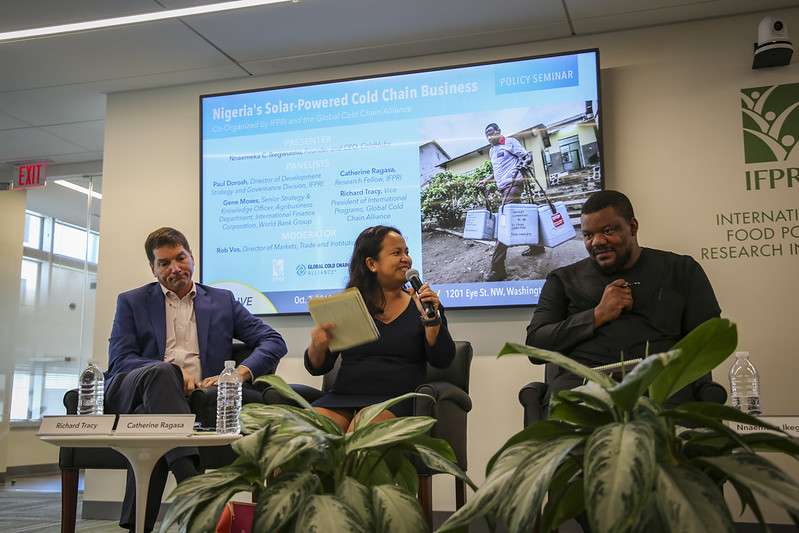
ColdHubsIn sub-Saharan countries, post-harvest crop loss is so high that nearly 50% of fresh food never reaches consumers. These losses not only diminish the economic potential of the agricultural industry, but they also aggravate food insecurity, malnourishment and stunting in young children. In turn, poor nourishment decreases productivity in individuals, which is reflected by a 2% to 3% loss in GDP. So far, many countries lack a solution to this serious problem. This is where Nigerian company ColdHubs comes in.
Post-Harvest Losses

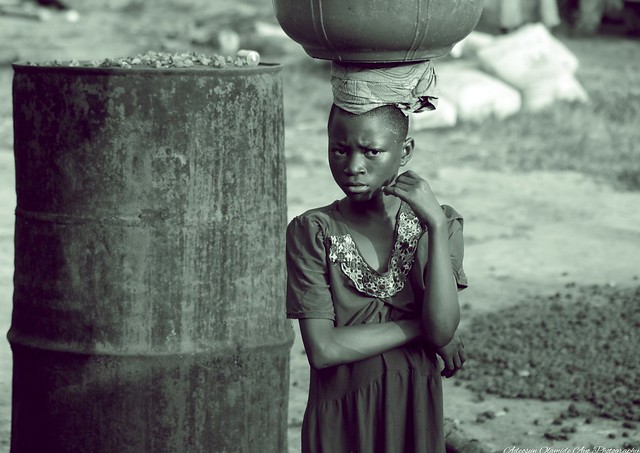
The main culprit in post-harvest losses is spoilage, the natural process of decay and deterioration characteristic to perishable food items. While reduced temperatures can slow the pace of spoilage, sub-Saharan countries lack ample access to chilled storage spaces for produce. The small-scale farmers of sub-Saharan Africa who lack such storage face both financial and infrastructural barriers. While 62% of farmers cannot afford cooling technology, 36% do not have access to power in the first place.

In Nigeria, agriculture accounts for 22% of GDP and employs 36% of Nigerians. Nearly 90% of these Nigerians are small, family farmers. Yet large quantities of post-harvest losses pose a tremendous hurdle to their economic progress. For instance, Nigeria is home to the largest tomato production belt in West Africa. However, nearly half of the crop of tomatoes spoils each year. As of 2017, post-harvest losses in Nigeria cost up to $9 billion dollars annually. Meanwhile, more than 5 million people in Nigeria are food insecure. Two million children suffer from severe acute malnutrition, and 45% of all child deaths are due to malnutrition.

Cabbage in Nigeria: A Case Study

One company is working to make a dent in those statistics. In 2013, a radio journalist specializing in agricultural news was following the journey of cabbage from farms to markets in Jos, Nigeria. What the journalist, Nnaemeka Ikegwuonu, hadn’t anticipated addressing was the story of the cabbage post-market. Farmers abandoned the cabbage that didn’t sell, leaving edible food to rot. Ikegwuonu tracked down the farmers, asking why they had left the cabbage and how to avoid such a situation.

In a recent interview with The Borgen Project, Ikegwuonu recounted, “They actually told me that if there was a form of storage inside the market, that it would be very useful to them to actually store their produce and then come back in the next week to pick up their produce [for sale] when there is less cabbage in that market.” It was this moment that inspired Ikegwuonu to develop ColdHubs. The idea: 100% solar-powered, walk-in cold rooms for food storage, installed in Nigerian markets and farms.

How ColdHubs Helps

The ColdHubs business model is simple. Farmers store perishable items in reusable crates provided by ColdHubs, using a flexible pay-as-you-store subscription. The crates then go into a ColdHub refrigerated room powered by solar panels. Each unit features enough solar panels to generate six kilowatts of energy every hour. However, the cold room itself uses up only 1.5 to 2 kilowatts per hour. This surplus allows for refrigeration to continue to run on rainy or cloudy days.

For a daily flat fee per crate stored, the solar-powered system allows farmers access to 24/7 chilled storage that operates entirely off the grid. This storage extends the shelf life of perishable foods from two days to 21 days. Importantly, this leads to an 80% reduction in post-harvest loss and a 25% increase in smallholder farmer income. For the 24 ColdHubs presently in use, some 3,517 smallholder farmers use the service. So far, ColdHubs has saved more than 20,000 tons of food from spoilage. Another 30 ColdHubs are currently under varying stages of construction. By the end of the year, the company hopes to have 50 ColdHubs fully operational throughout Nigeria.

Supporting Women and Farmers

ColdHubs looks not only to serve economic and renewable ends, but social ones as well. ColdHubs aims to employ women for its management and oversight operations. Thus far, the organization has created new jobs for 48 women. Additionally, ColdHubs is careful to maintain an affordable model ultimately aimed to support farmers over increasing profit.

“We designed Cold Hubs from a smallholder farmer from our perspective. I’m a smallholder farmer myself. The design was specifically suited so that the technology and service would be affordable,” Ikegwuonu explained. This manifests in the pay-as-you store model, as opposed to selling cold rooms outright. “We actually take up the risk of building in a cold room, and in three to four years we recover on that capital expenditure. It’s a slow, philanthropic process.”

Why It Matters Now

The proliferation of ColdHubs throughout Nigeria comes at a crucial moment, as farming seasons become more and more volatile. With prolonged heatwaves and an increasingly erratic rainy season, rain-reliant smallholder farmers struggle to raise  crops, predict growing seasons, and sell food before it rots.

“Once you harvest tomatoes, you have approximately 48 hours to sell it. With increased heat, it has actually reduced now to about 32 hours to sell that tomato.” Ikegwuonu added. With climate change in mind, ColdHubs operates with as much attention to its own climate footprint as possible. In addition to being entirely solar-powered, the cold rooms also use natural refrigerants. This reduces their contribution to atmospheric pollution.

Since approximately 54% of the working population in the continent of Africa relies on agriculture for income, ColdHubs could be a lifeline in the fight against hunger. The organization intends to bring its technology into other regions of Africa. As in Nigeria, it hopes to uplift smallholder farmers. “The future for us is to be running close to 10,000 ColdHubs in about five to 10 years, all across Africa,” Ikegwuonu shared. Once ColdHubs spreads throughout Africa, he hopes to bring the technology to developing countries across the globe.

– Alexandra Black
Photo: Flickr

October 23, 2020
https://borgenproject.org/wp-content/uploads/borgen-project-logo.svg 0 0 Kim Thelwell https://borgenproject.org/wp-content/uploads/borgen-project-logo.svg Kim Thelwell2020-10-23 11:33:062024-06-06 00:43:18How ColdHubs Is Using Solar Power to Help Smallholder Farmers
Global Poverty, Human Trafficking

Devatop Centre Advocates to End Human Trafficking in Nigeria

Human Trafficking in Nigeria
Nigeria is currently estimated to be the largest human trafficking hub in the world. Thousands of Nigerians, most of them women and young girls, become victims of sexual and labor exploitation each year. However, there are a number of governmental and non-governmental organizations actively working to stop this trade. These organizations are focused on monitoring human trafficking in and out of Nigeria, as well as helping rescue victims. The Devatop Centre for African Development is one of the leading human rights organizations that advocates putting an end to human trafficking in Nigeria and provides resources for victims who have been rescued.


Facts About Human Trafficking in Nigeria

The National Agency for the Prohibition of Trafficking in Persons (NAPTIP) reported that human trafficking in Nigeria dates back to the 15th century when European colonists started the Trans-Atlantic Slave Trade in the country. In 1807, the British Parliament banned the slave trade, though human trafficking continued to exist. It eventually evolved into the human trafficking we see today, where victims are coerced or threatened into sexual and labor exploitation.

In 2019, 203 cases of human trafficking were reported and investigated by NAPTIP in Nigeria. Seven hundred one suspects were arrested, but only 25 traffickers were actually convicted. Despite the low number of reported cases and the even lower number of convictions, NAPTIP rescued 1,152 victims of human trafficking in 2019. Of those victims, 18.4% were rescued from foreign travel, which promotes prostitution. Additionally, of the victims rescued, 80.6% were female and half of them were minors. A 2017 report published by the International Organization for Migration showed that “Women and unaccompanied girls of Nigeria are among the most at risk of being trafficked for sexual exploitation.”

Between July 2003 and December 2019, NAPTIP rescued a total of 14,688 victims of human trafficking. Of the 7,487 total reported cases they received, 3,935 were investigated and 332 convictions were made. Undercover CNN reporters, who posed as would-be migrants traveling from Nigeria to Italy in 2018, discovered that the Edo State in Nigeria is one of the largest human trafficking departure points in Africa. Many of these victims are trapped refugees who do not have enough money to finish traveling across the Mediterranean Sea into Europe.


Fighting Human Trafficking in Nigeria

The Devatop Centre for African Development is a Nigerian-based advocacy organization that works towards ending human trafficking and other human rights violations. The Centre uses a combination of educational and support programs. The organization’s programs focus on informing youth about human trafficking practices, encouraging members of the community to join the fight against human trafficking and empowering survivors to make a safe and supported transition back into society.

Executive Director Joseph Osuigwe started the Devatop Centre for African Development in 2014, after being inspired by the testimonies of students and beneficiaries who experienced sexual exploitation. Osuigwe said his pilot project for the Centre was The Academy for Prevention of Human Trafficking and Other Related Matters (TAPHOM), which uses “training, advocacy, research, media and publication to prevent human trafficking.” The first 120 young people to work under the project reached over 6,000 people in over 30 communities across Nigeria with their advocacy and successfully rescued one victim.

Today, the Centre has over 300 volunteers in 15 Nigerian states, as well as in Italy, the Netherlands, the U.S. and South Africa, said Osuigwe in an interview with The Borgen Project. The three main educational programs the Centre offers are the Anti-Human Trafficking Advocacy Program, the Volunteers Against Human Trafficking and the TALKAM Human Rights Project. Each of these programs trains volunteers in advocacy work. Osuigwe said the most successful project has been the TALKAM Human Rights Project, which directly engages members of the community in multiple ways.

The website www.talkam.org, which also has a mobile application offered on the Google Play Store, offers a resource where community members can report human rights abuses to NAPTIP and receive up-to-date information on human trafficking in Nigeria. The radio station Wazobia FM Abuja 99.5 hosts the TALKAM weekly radio program each weekend to discuss information about human trafficking in Nigeria and encourage citizens to join the fight against it. 

Additionally, the Centre hosts a quarterly community TALKAM Dialogue that engages “stakeholders and community representatives to discuss different human rights issues affecting the community,” said Osuigwe.


The Future of the Fight Against Human Trafficking in Nigeria

In 2018, Executive Governor of Edo State Godwin Obaseki signed the Edo State Trafficking in Persons Prohibition Law. This law criminalized human trafficking in Nigeria and created a legal framework in which human traffickers could be reported, investigated and convicted. Additionally, the law created the Edo State Taskforce Against Human Trafficking in Nigeria, which works towards ending human trafficking.

Governor Obaseki also promised the protection and support of human trafficking victims under the law. Human trafficking returnees now receive ₦20,000 (equivalent to approximately $50) and an “empowerment package” that includes training against human trafficking. Osuigwe told The Borgen Project that the Devatop Centre for African Development is also planning to expand the reach of the TALKAM Human Rights Project.

“We want to activate anti-human trafficking advocacy in more states in Nigeria, so as to increase more action against human trafficking,” said Osuigwe.

Nigeria is estimated to be the biggest human trafficking hub in the world. While the country may have a long way to go, organizations like the Centre and the Nigerian government are working to end human trafficking. Through community-based advocacy work and systemic change, such as the passing of the Edo State Trafficking in Persons Prohibition Law, there is hope for more victims to be rescued and more traffickers to be stopped.

– Myranda Campanella

Photo: Flickr

July 25, 2020
https://borgenproject.org/wp-content/uploads/borgen-project-logo.svg 0 0 Jennifer Philipp https://borgenproject.org/wp-content/uploads/borgen-project-logo.svg Jennifer Philipp2020-07-25 13:31:212024-05-29 23:17:50Devatop Centre Advocates to End Human Trafficking in Nigeria
Disease, Global Poverty

Worms in Nigerian Children

Worms in Nigerian Children

Soil-Transmitted Helminths (STHs) are a type of macroparasitic nematode intestinal infection that transmits to humans through infected soil, more commonly known as worms. These worms typically infest soil when it comes into contact with infected fecal matter, and can directly find its way to a person’s mouth from one’s hands, unwashed vegetables, undercooked meat or infected water supplies. Since STHs become more prevalent with a lack of proper sanitation services, they affect impoverished and developing countries disproportionately more than already developed countries. The World Health Organization (WHO) estimates about 1.5 billion people worldwide have an STH infection. In particular, worms in Nigerian children are a cause for concern.

Types of Worms

The three most common worm infections in humans are hookworms, roundworms and whipworms. Hookworms are the most infectious type since their larva can hatch in the soil and penetrate the skin of whoever comes into contact with it. Infected people with a large number of worms – typically people who go for a long time without receiving treatment – have a high level of morbidity (risk of death). Those with serious infections can suffer significant malnutrition, diarrhea, nausea, vomiting, general weakness and physical impairment.

Nigeria’s Struggle

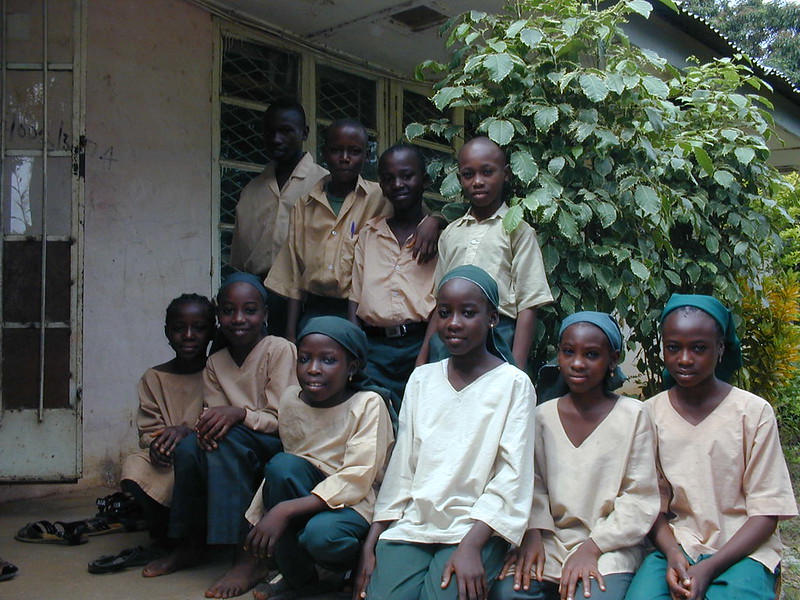
Nigeria is one of the most at-risk countries for communities suffering from STH outbreaks due to improper sanitation in many urban slums and the warm, tropical climate that worms thrive in. There is a much higher prevalence of worms in Nigerian children – especially when they are of the age to attend school. Overcrowding and improper sanitation of impoverished communities are amplified when children attend school without proper waste or washing facilities. In addition, younger children do not have a fully-developed immune system yet, creating the perfect condition for worm infections.

A study conducted in the slums of Lagos City, Nigeria concluded that the overall prevalence of worms in Nigerian children was at 86.2 percent; of these children, 39.1 percent had polyparasitism. These figures are startling and daunting, but there are effective treatments and preventative measures available. The problem is making the methods of control affordable and accessible for people in poverty.

Organizations Taking Action

Organizations are taking steps to bring proper deworming treatment and sanitation to children in Nigerian slums. The WHO has a comprehensive strategy for combatting STHs in developing countries that the Nigerian Centre for Disease Control is trying to follow. Nigeria is trying to equip school teachers with the proper training to administer worm medicine for children in slums when they attend class. This medicine would be available to school children twice a year, or as needed in some cases.  Even children that do not have worms will be able to access this medicine in order to take precautionary measures against future infection. Even though Nigeria’s infrastructure is not in the right place to make widespread and accessible sanitation a reality for low-income communities, administering affordable medicine to children is a great first step.

The problem of sanitation has fallen to international humanitarian organizations like the United Nations International Children’s Emergency Fund (UNICEF). UNICEF has conducted talks in Nigeria to educate the general populous about the importance of sanitation and taking infectious diseases seriously. With the help of the European Union, UNICEF has also installed a WASH facility in a northern Nigerian rural community. This facility consists of a solar-powered borehole that pipes up fresh well water from the ground into a 24-liter capacity tank to store the clean water safely. With further policy development and implementation measures, these facilities can expand to cover some urban slums as well.

The case of worms in Nigerian children looks bleak at the moment, but the ball is rolling with eradicating the worm epidemic. The increased sanitation of impoverished communities and more affordable and regularly-distributed medicinal treatment can very well make the dream of taking worms out of the equation for Nigerian children a reality.

– Graham Gordon
Photo: Pixabay

November 16, 2019
https://borgenproject.org/wp-content/uploads/borgen-project-logo.svg 0 0 Lynsey Alexander https://borgenproject.org/wp-content/uploads/borgen-project-logo.svg Lynsey Alexander2019-11-16 07:30:092024-05-29 23:13:37Worms in Nigerian Children
Children, Developing Countries, Development, Global Poverty

Nigerian Curling Helps to Keep Nigeria One

Nigerian Curling
In Lagos, Nigeria in the mid-1800s, British colonial cartography resulted in the drawing of many inappropriate boundaries across the African region. Nigeria serves as a token example as more than 200 self-identified tribes currently exist in the populous Sub-Saharan country. The three tribes with the most influence, the Yorubas, Hausas and Igbos have demonstrated significant friction since the country’s freedom from British rule in 1960. This perpetual conflict is so serious that it even helped spark an attempt of eastern secession in 1967 known as the Biafran War or the Nigerian Civil War. Luckily, Nigerian curling may serve a purpose in unifying the country.

Sport: The Great Unifier

Beacons of hope still shine over the quest for national unity through organizations that promote cooperation and Nigerian pride. Nigerians universally accept one unifier which is sports. Nigeria’s humid climate might seem to render its winter-sports participation impossible. Yet despite these climate restrictions, Nigeria presented both a women’s bobsled team and a skeleton racer at the 2018 Winter Olympics in Pyeongchang, South Korea. For the 2022 Winter Olympics in Beijing, China, Nigeria hopes to yield a curling team in addition to its aforementioned fleet. The Nigerian Curling Federation, approved by the World Curling Federation in 2018, is actively making these dreams a reality.

Curling and other sports, in general, have the potential to increase national pride while decreasing tribal pride, the latter of which is a significant roadblock in Nigerian attempts towards national unity. There is a normalization of stereotypes about the respective tribes, which feeds large cultural prejudices on each side. This adds to an overarching sense of hostility between the different ethnic groups in the country, which has historically manifested itself in violence as serious as the killing of more 40 people in street-fighting riots between the Yorubas and the Hausas in 1999. As Rachel Odusanya writes, “tribes can misunderstand each other because of their different worldviews, and this is one of the biggest social problems in Nigeria nowadays.”

Christopher Neimeth, Social Injustice and Poverty

This dream involves more than just curling through, as it contains the potential to advance a much-needed togetherness for the Nigerian people. To dig deeper, The Borgen Project spoke to Christopher Neimeth, a member of the curling team who lives in America but has Nigerian citizenship. Not so long ago, he traveled to Lagos, Nigeria’s queen city, with his father to help the rising club gain traction by delivering curling clinics. Neimeth, whose father has Nigerian origins, is sharing his affinity for the sport bearing the positive social implications behind it in mind.

When asked how he thought sports, particularly curling, could remedy some of the social injustice so tightly wound in Nigeria’s current social climate, Neimeth responded optimistically. He conceded that his upbringing in America naturally makes it impossible to grasp the true extent of its cultural issues, but he still believes curling offers a lot to the country. Through the amalgamating nature of sports, Neimeth argues that curling presents a unique opportunity to promote a sense of national pride, while simultaneously creating opportunities for the athletes through travel, professional opportunities and sponsorships, etc.

Additionally, the presence of sports can help reduce the high stress that is an inherent byproduct of extreme poverty. In a country like Nigeria, where more than 86 million people currently live in conditions of extreme poverty, programs like this are important to sustain hope and positive environments. The Nigerian Curling Federation’s clinics provide a safe space for youth that may otherwise turn to crime or drug use.

The underdog premise behind a Nigerian curling team appearing in the 2022 Olympics could amplify the country’s excitement, dismantling previously fortressed barriers between the country’s different peoples.

– Liam Manion
Photo: Flickr

October 18, 2019
https://borgenproject.org/wp-content/uploads/borgen-project-logo.svg 0 0 Jennifer Philipp https://borgenproject.org/wp-content/uploads/borgen-project-logo.svg Jennifer Philipp2019-10-18 11:29:272019-12-18 12:04:17Nigerian Curling Helps to Keep Nigeria One
Global Poverty

Dealing with Air Pollution in Nigeria

Air Pollution in Nigeria
Nigeria has the largest number of deaths due to air pollution in Africa, while the country ranks fourth for air pollution across the globe. Statistics indicate that in 2016, 150 fatalities occurred per 100,000 people as a result of this environmental issue. The State of the Global Air Report that the Health Effects Institute (HEI) published determined that Nigeria’s air quality is amidst the most lethal worldwide. Atmospheric threats such as generator fumes, automobile emissions and crop burning cause air pollution.

In 2016, The HEI indicated that industrialized countries like Russia and Germany have reported lower death rates than Nigeria with 62 and 22 per 100,000 people. Meanwhile, developing countries like Afghanistan, Pakistan and India have reported much higher rates with 406, 207 and 195 deaths per 100,000 people.

Causes of Air Pollution in Nigeria

Air pollution emits through generator fumes which produce the deadly gas carbon monoxide. Automobiles with older engines are also likely to emit unhealthy fumes into the atmosphere. In households, kerosene stoves produce flames that contribute to the poor air ventilation. The nation creates over 3 million tons of waste yearly and most Nigerians burn their waste in their neighborhoods rather than discarding it, contributing more pollution to the atmosphere. Another aspect that contributes to the air pollution crisis in Nigeria is the use of firewood and coal to cook.

Additionally, indoor air pollution in Nigeria is also a big issue, as the amount of fine particulate matter levels in many households surpass air quality guidelines by 20 times. In 2012, according to the WHO, Lagos, Nigeria experienced nearly 7 million deaths caused by indoor and outdoor air contamination.

Air contamination across the African continent kills over 700,000 people annually; more people die from air pollution than unsanitary hygiene practices and undernourishment. Casualties as a result of the air pollution crisis in Nigeria has increased by nearly 40 percent in the last 30 years. Nigeria has some of the highest rates of unhealthy air quality across the African continent. Overall, Nigerian cities contain the most unhealthy air quality with 10 urban areas being classified on a list of 30 cities in Africa with the most unhealthy air quality.

The Effects of Air Pollution in Nigeria

While developed countries have effective solutions in place to handle air pollution, underdeveloped countries are struggling to handle this environmental issue. Some countries have begun taking appropriate measures to handle it, though. As a result, the number of people exposed to air pollution has decreased from 3.5 billion in 1990 to 2.4 billion in 2016.

The report also indicated that 95 percent of the globe’s citizens are intaking polluted air. In 2016, extended subjection to air pollution contributed to roughly 6 million deaths, all resulting from diseases such as strokes, lung disease, lung cancer, bronchitis, asthma and heart attacks. Air pollution is one of the top leading causes of fatalities, particularly in underdeveloped countries, even after smoking, increased blood pressure and unhealthy diets. Exposure to air pollution also increases the risk of developing cancer.

Solutions to the Air Pollution Crisis

In order to effectively handle the air pollution crisis in Nigeria, it is important for the country to provide regular inspections of automobiles to ensure that older cars are not releasing harmful chemicals into the atmosphere. It is also integral that Nigeria removes cars from the road that are toxic to the environment.

The implementation of efficient electric energy will help decrease the need for generators, which produces unhealthy air pollution in households and work environments. However, Nigeria does have access to sustainable energy resources that are capable of providing power to its citizens. These methods are safer for the environment and the usage of them decreases the use of gasoline-powered generators, thus decreasing pollution.

Nigerians can reduce air pollution in the household by substituting fuelwood for biogas, which is a form of biofuel that is instinctively manufactured from the decay of natural waste. Biogas will provide sustainable options for preparing food and heating the household while eliminating air pollution both inside the household and the outside environment.

In terms of trash disposal, recycling methods will be helpful to make certain that people are not burning waste. Additionally, daily waste removal from households will also help to properly dispose of trash, which reduces the fragmentation of waste and prevents odors that contribute to air pollution.

Additionally, factories that are within metropolitan areas follow guidelines regarding sustainable practices in order to decrease air pollution in Nigeria. The National Environmental Standards and Regulations Enforcement Agency (NESREA) monitors operations to ensure that these work environments are abiding by the pollution proclamations.

In conclusion, the execution of environmentally friendly practices in Nigeria will help decrease the air pollution crisis in Nigeria that is present in households, businesses and the outside environment. In order for the elimination of air pollution to be effective, the country must pursue the regulations for all Nigerians.

Additionally, it is necessary to inform communities regarding the sources and consequences of air pollution in order for them to effectively take action in decreasing the issue. Furthermore, those that become more knowledgeable of the issue are then able to educate others and persuade the Nigerian government to continue to enforce legislation against air pollution.

– Diana Dopheide
Photo: Wikipedia

October 7, 2019
https://borgenproject.org/wp-content/uploads/borgen-project-logo.svg 0 0 Kim Thelwell https://borgenproject.org/wp-content/uploads/borgen-project-logo.svg Kim Thelwell2019-10-07 00:21:432024-05-29 23:13:02Dealing with Air Pollution in Nigeria
Economy, Global Poverty, Inequality, Poverty

The ERGP and Economic Growth in Nigeria

Economic Growth in Nigeria
Nigeria, a country located on the western coast of Africa, makes up to 47 percent of the population of Africa. With the rising amount of people surrounding the area, there has been a vast amount of poverty overtaking the country. Recently, the economic growth of Nigeria has risen due to many factors such as its production of oil. However, no matter how much the economy grows, poverty continues to rise as well due to the inequality between the poor and rich.

Economic Growth

In 2018, the oil and gas sector allowed the economic growth in Nigeria to grow 1.9 percent higher than the previous year when it only grew to 0.8 percent. Although that is where more of the growth is, the oil sector does not have physical bodies working to ensure that the industry continues to grow. This leaves no growth in the stock of jobs, leaving the unemployment rate to rise to 2.7 percent since the end of 2017. Many hope that the new Economic Recovery and Growth Plan (ERGP) will promote economic resilience and strengthen growth.

ERGP

ERGP projects that there will a growth rate of 4.5 percent in 2019, but within the first quarter, there was only a growth of 2.01 percent. Charles Robertson, the global head of the research at Renaissance Captial, believes that ERGP’s 4.5 percent target was not unrealistic, especially since Nigeria was unable to meet those projections. Because most of the country’s economic growth comes from oil, there have not been many other non-oil jobs that have made a lot of profit.

The plan not only focuses on the rate of economic growth but also makes predictions that the unemployment rate will decrease to 12.9 percent. With the lack of available jobs, there has been little to no change in this rate as well. Many of the individuals that do have jobs, however, are earning up to $1.25 or less per day, which is not enough to pay for one household.

Inequality

As the economic growth in Nigeria grows, so does the gap between the poor and the rich. With the poor as the bottom 23 percent, the gap between the two has widened to 16 percent. A lot of the high-paying jobs are looking for people that have received high-quality degrees. If one does not have the money to pay for a good education, then they automatically miss out on the job opportunities that are out there. This means, that the children that come from rich families are the only ones that will be able to get the best jobs in the market.

The current government has been running a cash transfer program that provides 5,000 nairas to each household per month, which is approximately $14. This amount is not enough to relieve any household expenses because “less than 1 percent of poor people are benefiting.” Without any increase in money for each household, one cannot do much to decrease poverty.

Although there is economic growth in Nigeria, poverty is still on the rise. Many countries have faced this problem with trying to break the balance between the two and found it has not helped to decrease poverty as much. Hopefully, as the ERGP continues, it will help make changes.

– Emilia Rivera
Photo: Flickr

October 6, 2019
https://borgenproject.org/wp-content/uploads/borgen-project-logo.svg 0 0 Kim Thelwell https://borgenproject.org/wp-content/uploads/borgen-project-logo.svg Kim Thelwell2019-10-06 01:30:372019-12-16 12:31:58The ERGP and Economic Growth in Nigeria
Global Poverty, Technology

How Technology Is Driving Agriculture in West Africa

Technology in West AfricaThroughout history, new technology has always been one of the key factors in driving both the economy as a whole, as well as a specific economic sector. New inventions drive new innovations, and as a result, significant advancements are made. Now, technology is driving agriculture in West Africa as well, with both new and familiar ideas paving the way forward. Here are some of the most notable technologies and advancements pushing agricultural expansion in West African countries like Ghana, Senegal, and Nigeria.

Clean Energy in Ghana

One of the keys to most modern technology involves energy: sustainable energy, of course, being among the most ideal (and often cheapest) options. Solar power is making electricity available for more and more West Africans every day. There is also a massive project in the works to create a solar power facility in Ghana. Composed of 630,000 photovoltaic modules, the Nzema Solar Power Station will bring electricity to the homes of more than 100,000 Ghanaians. With this clean energy, new technologies that push agriculture and other economic sectors forward can be powered.

Access to Smartphones

Tied closely with the push for energy is the advancement of the smartphone across West Africa. Smartphone ownership has increased to around 30-35 percent in Ghana, Senegal and Nigeria. Smartphones are an absolutely integral driving force for agriculture and technology in West Africa. With access to a smartphone and the internet, farmers can gain easier and more convenient access to information about local markets and upcoming weather forecasts, improving their ability to adapt to shifts in both the environment and the economy. Not only that, but smartphones also allow farmers to purchase insurance and get other financial services, such as banking.

Technologies Boosting Agriculture

In Nigeria, one company named Hello Tractor is making use of the increased spread of smartphones by creating an app designed for renting and sharing tractors with farmers. Farmers can use the app to communicate with nearby owners of tractors, and schedule bookings for the usage of those tractors on specific days. This reduces the barrier of entry to farming as a profession, and as a result is a massive boon to the agricultural sector. With West African companies such as Hello Tractor innovating upon smartphone technology and the Internet of Things, technology in West Africa is once again driving agriculture.

There are also other technologies which may be potentially transformative to agriculture in West Africa. The more recent advancements in 3D printing may offer another pathway to increase efficiency. In West African companies with less intricate transportation infrastructure, 3D printing offers a cheaper way to obtain farming tools by producing them yourself rather than paying expensive shipping fees. In Nigeria, there is a permanent set-up dedicated to manufacturing replacement parts for local industries in order to provide them more efficiently and at a lower cost. The market for this is expanding as well, as there are U.S firms investing in this technology in the region. The installment also offers training programs for local workers so that they can learn the skills necessary to operate such technology.

Another potential, yet controversial advancement is in the sector of Genetically Modified Organisms (GMOs). In Ghana particularly, cowpea is a crop prized for its energizing properties, eaten traditionally by farmers before working in the field. However, the crop is dying faster each year due to insects. GMOs could offer one potential path to solving this issue and stabilizing cowpea for West African farmers. Though scientists are still in widespread debate about the safety and usability of genetically modified cowpeas in particular, the technology could regardless offer another potential path to advancement for the West African agricultural sector.

Future for Technology in West Africa

Ultimately, the most important and consistent technology for the future of agriculture in West Africa is found in information technology. Smartphone presence becoming more widespread allows access to market data, weather data, financial services, and even access to rental services like those of Hello Tractor. Western Sydney University is also working on a mobile application specifically streamlined for usage by farmers, providing access to many of these services all in one app.

Overall, it is clear to see that technology is driving agriculture in West Africa. With all of these new advancements, it is reasonable to expect West Africa to continue pushing its agricultural sector forward. With solar power expansion, 3D printing, smartphone access, and rental services like Hello Tractor, the informational landscape of West Africa will be transformed significantly over the next several years.

– Jade Follette
Photo: Flickr

October 4, 2019
https://borgenproject.org/wp-content/uploads/borgen-project-logo.svg 0 0 Jennifer Philipp https://borgenproject.org/wp-content/uploads/borgen-project-logo.svg Jennifer Philipp2019-10-04 13:25:082024-05-29 23:12:46How Technology Is Driving Agriculture in West Africa
Page 2 of 13‹1234›»

Get Smarter

  • Global Poverty 101
  • Global Poverty… The Good News
  • Global Poverty & U.S. Jobs
  • Global Poverty and National Security
  • Innovative Solutions to Poverty
  • Global Poverty & Aid FAQ’s
Search Search

Take Action

  • Call Congress
  • Email Congress
  • Donate
  • 30 Ways to Help
  • Volunteer Ops
  • Internships
  • Courses & Certificates
  • The Podcast
Borgen Project

“The Borgen Project is an incredible nonprofit organization that is addressing poverty and hunger and working towards ending them.”

-The Huffington Post

Inside The Borgen Project

  • Contact
  • About
  • Financials
  • President
  • Board of Directors
  • Board of Advisors

International Links

  • UK Email Parliament
  • UK Donate
  • Canada Email Parliament

Get Smarter

  • Global Poverty 101
  • Global Poverty… The Good News
  • Global Poverty & U.S. Jobs
  • Global Poverty and National Security
  • Innovative Solutions to Poverty
  • Global Poverty & Aid FAQ’s

Ways to Help

  • Call Congress
  • Email Congress
  • Donate
  • 30 Ways to Help
  • Volunteer Ops
  • Internships
  • Courses & Certificates
  • The Podcast
Scroll to top Scroll to top Scroll to top