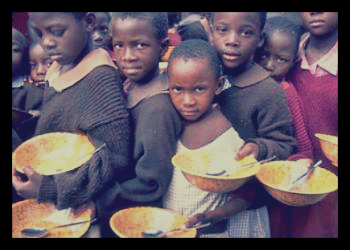
Poverty is no match for combating hunger and undernutrition, something that some of the world’s poorest countries are proving to be true according to data collected by the Hunger and Nutrition Commitment Index. Some of the poorest countries are staying true and strong to their political commitment to tackle the issue, which many economically strong countries are failing to do. These countries have the funds and means to address the issue, yet they fail to put forth the initiative to adequately address it.
Hunger and undernutrition affect people all across the world, in nations poor and rich. Thus, it is necessary for governments and people to be completely committed and put forth an effort to combat hunger, saving lives, improving quality of life, and allowing people to fully reach their capacities – both socially and economically.
The Hunger and Nutrition Commitment Index (HANCI) “ranks governments on their political commitment to tackling hunger and undernutrition… to provide greater transparency and public accountability by measuring what governments achieve, and where they fail, in addressing hunger and undernutrition,” according to their website. Its data comes from 45 countries located across the globe and, according to the lead HANCI research, Dr. Dolf te Lintelo, the point is to “shine a spotlight on what governments are doing, or failing to do, towards addressing hunger and undernutrition.”
African countries, such as Malawi and Madagascar, were amongst the top countries showing “high commitment” to solving the problem of hunger. Yet, many African countries with robust economies, such as Nigeria and South Africa, showed very little commitment, bringing into question what seems to be the motive behind improving their economies as there has been little done to help those that are under-nourished and hungry.
The HANCI website goes into great detail as to which countries have high commitment and which countries fail in their commitment efforts, as well as interactive tools that allow people to explore the data. Visit it here: https://www.hancindex.org/.
– Angela Hooks
Sources: AllAfrica, HANCI
Photo: Hunger and Nutrition Blog
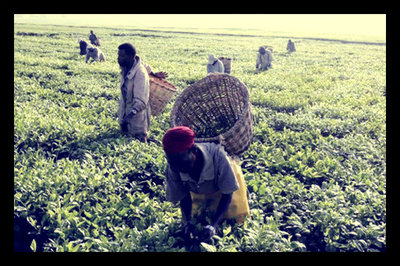 The Bank of Agriculture and the Kebbi State government have begun a collaboration to increase the number of small scale farmers in Kebbi State, Nigeria. The Bank of Agriculture has agreed to expend one to two billion naira to encourage and help small scale farmers boost their production. This partnership is specifically targeting small scale farmers because these are the people that produce the majority of the food consumed by the nation. Improving and increasing its efficiency will help the nation become more self-sustainable.
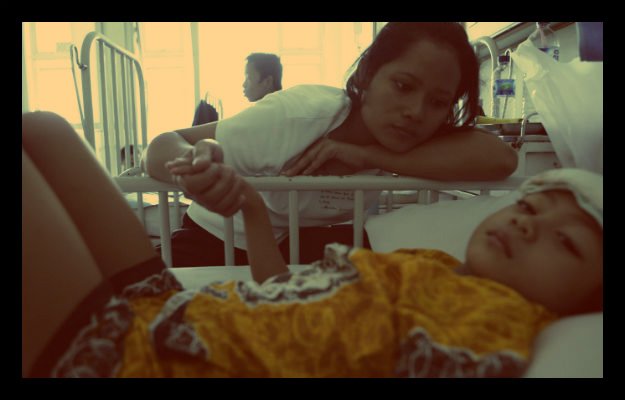 Neglected tropical diseases, which are chronic and barely heard of by the public, have been proven to cause poverty and destabilize communities. Neglected tropical diseases generally affect people in poor regions, primarily those living on one dollar a day. However, recent research shows that the worst neglected tropical diseases, NTDs, happen to the poorest people living in “large emerging market economies that comprise the G-20,” which have a GDP close to that of Western European countries. NTDs cause various things including, “greusome limb disfigurement and skin sores to bladder and liver cancers to neurological damage,” and they tend to last for years or decades.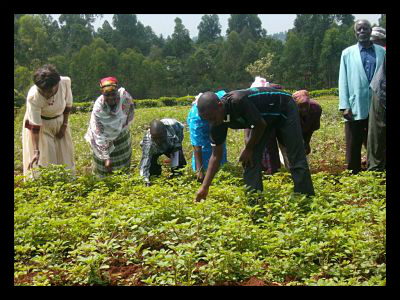

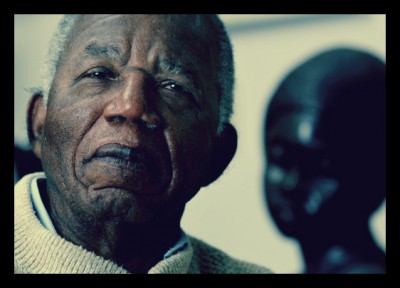 Chinua Achebe, author of “Things Fall Apart,” and widely considered to be the father of modern African literature, has died at the age of 82. His passing was confirmed by his publisher on March 22, 2013. For nearly his entire life, Chinua Achebe passionately advocated for democracy in his home country of Nigeria; he was and is an inspiration to millions who still yearn for peace and freedom.