• Link to X
  • Link to Facebook
  • Link to Instagram
  • Link to TikTok
  • Link to Youtube
  • About
    • About Us
      • President
      • Board of Directors
      • Board of Advisors
      • Financials
      • Our Methodology
      • Success Tracker
      • Contact
  • Act Now
    • 30 Ways to Help
      • Email Congress
      • Call Congress
      • Volunteer
      • Courses & Certificates
      • Be a Donor
    • Internships
      • In-Office Internships
      • Remote Internships
    • Legislation
      • Politics 101
  • The Blog
  • The Podcast
  • Magazine
  • Donate
  • Click to open the search input field Click to open the search input field Search
  • Menu Menu

Tag Archive for: Malnutrition

Posts

Agriculture, Global Poverty, WFP

Practical Action’s VINES project in Kassala and Blue Nile

VINES projectIn the border regions of Kassala and Blue Nile in Sudan, food insecurity both results from and exacerbates conflict. In Blue Nile, 46% of children under 5 suffer from malnutrition. To combat this, Practical Action launched the ‘Vegetables for Income, Nutrition and Employment in Sudan’ (VINES) project in November 2023. With a budget of $500,000, the project aims to boost the productivity of small farmers by increasing agricultural production and improving local market solutions. VINES project manager, Abdallah Adam, explains that the project focuses on beneficiaries who previously lacked access to advisory services, improved vegetable seeds and knowledge of good agricultural practices.

The Demographics of Kassala and Blue Nile

The states of Kassala and Blue Nile in Sudan, heavily affected by ongoing conflict, host hundreds of thousands of refugees and internally displaced persons (IDPs). This large population exacerbates existing food insecurity and malnutrition challenges, further complicated by climate change, conflict and erratic weather patterns. To address these ongoing issues, 6,000 small farmers in these states are participating in a project aimed at minimizing obstacles to food production. Engaging the wider community is also essential for educational and peacebuilding efforts, as part of the broader objective to improve local conditions.

The Approach

The strategy focuses on empowering farmers and enhancing market systems to boost the yield and resilience of local vegetable crops. This will be achieved through the following actions:

  • Collaboration and community engagement. The strategy enhances initiatives such as Farmers Field Schools (FFS), home gardens and vegetable nurseries to educate farmers and equip them with essential skills. It also prioritizes the production of organic fertilizers from local materials to maximize productivity and sustainability.
  • Strengthening the seed system. Enhanced and certified seeds are provided to farmers, enabling access to high-quality options that improve crop yields and overall agricultural productivity. To ensure affordability and productivity, vegetable seeds are often subsidized for smallholder farmers.
  • Addressing post-harvest losses. Practical Action has established aggregation points, drying facilities and cooling storage units to maintain the quality of produce. The organization is also developing post-harvest practices and technologies to prepare for the next harvest.
  • Improving farmers’ market access. This is done by connecting farmers with other farmers and buyers to create a collaborative environment that facilitates the exchange of knowledge and improves productivity, particularly in combating climate hazards. Vegetable Business Networks (VBNs) are crucial for strengthening market systems, both in terms of input and output markets and are particularly effective in fostering the sale of fresh vegetable produce.

The Significance

In May 2023, the World Food Programme (WFP) announced that food insecurity in Sudan was set to reach record levels. More than 19 million people are affected, equivalent to two-fifths of the population. Ongoing conflict and violence have caused basic food prices to skyrocket. Furthermore, this has intermittently forced the WFP to suspend its programs in Sudan during particularly violent periods. In this environment, operations like Practical Action become crucial. The organization provides continuous support and sustainable solutions to one of the world’s most malnourished regions.

Looking Ahead

The VINES project by Practical Action is a critical initiative addressing food insecurity in the conflict-affected regions of Kassala and Blue Nile in Sudan. By enhancing agricultural productivity and market access, the project aims to reduce malnutrition and improve livelihoods. As food insecurity in Sudan reaches unprecedented levels, such interventions can potentially create sustainable, long-term solutions and support vulnerable communities in the region.

– Bea Newington-Bridges

Bea is based in Edinburgh, Scotland and focuses on Technology Global Health for The Borgen Project.

Photo: Flickr

July 29, 2024
https://borgenproject.org/wp-content/uploads/borgen-project-logo.svg 0 0 Precious Sheidu https://borgenproject.org/wp-content/uploads/borgen-project-logo.svg Precious Sheidu2024-07-29 03:00:042024-07-29 01:00:08Practical Action’s VINES project in Kassala and Blue Nile
Agriculture, Food Security, Global Poverty

Fighting Food Insecurity in Laos: Agriculture for Nutrition

Food Insecurity in LaosPregnant with her third child in 2018, Ms. Sengphet, a farmer from the Long Peau village in Northern Laos, attended the Agriculture for Nutrition (AFN) program’s Farmer Nutrition School. Here, she learned about the essentials of nutrition for her children. Additionally, she heard of more opportunities from the $38.8 million initiative jointly undertaken by the World Food Program (WFP), the International Fund for Agricultural Development (IFAD) and the Lao Government.

With a $120 “Garden Grant” from the AFN, Sengphet purchased 10 chickens, feed and seeds for an at-home garden. From the initial investment, she has expanded her farm’s capacities from chicken to garlic, fish and frogs. This expansion helped her to earn up to $420 monthly since 2021. With AFN, Sengphet has grown her farm to fight food insecurity in Laos, which is faced by one in seven population members.

Malnutrition and Food Insecurity in Laos

Despite falling poverty levels, food insecurity in Laos remains a significant concern, particularly in rural areas where food shortages are twice as high as in urban regions. Three-quarters of households produce subsistence food and two-thirds of farmers grow rice exclusively. The lack of diversity contributes to malnutrition in addition to food shortage.

Limited access to nutritious food has resulted in high stunting rates among children, with 32.8% of those younger than 5 years of age affected. In some of the more impoverished provinces, this rate rises to 54%. The Lao government has prioritized tackling malnutrition by enacting the National Nutrition Strategy for 2025 and the National Nutrition Action Plan for 2021-2025. However, addressing food insecurity remains challenging due to high inflation and strong debt pressure in the past two years.

How APN Is Targeting Food Insecurity

The AFN program implements targeted initiatives to ensure sustainable food access. In 2016, the WFP, IFAD and the government launched the first phase in 400 villages across four provinces in Northern Laos. The program takes a holistic, community-based approach, emphasizing long-term self-sufficiency and various aspects of production. AFN collaborates with villages to develop road infrastructure, irrigation and market access, both with enterprises and through local market facilitation.

A significant part of AFN’s programming is its training initiatives and grants. AFN helps form and funds Agricultural Production Groups to farm selected products such as fish, poultry and vegetables. Furthermore, the program provides training for production techniques and opportunities for learning exchange via its Farmer-to-Farmer Extension Activities. These services are in addition to the Farmer Nutrition School and Garden Grant from which Sengphet benefitted.

Program Success

The first phase, which ended in 2022, has successfully met its targets to reduce food insecurity in Laos. It has reached 210,684 people, representing 92.5% of its goal. Around 57% of the people reached were women. Furthermore, it has helped bring 17,850 households out of poverty out of its targeted 21,000, defined by an income per capita of $270.

AFN’s impacts compound over time. In Nam Lee village, residents participating in a Village Development Planning session expressed a need for better road access to farmland and more profitable crops. With an AFN grant, the villagers constructed a 4km road to support their farming activities. By January 2021, this road access had increased productivity, with families generating $36,000 annually.

Sengpeut also highlights what the added income has provided for her family: “With my additional income,” she says, “I have been able to pay for my children’s education and build a new house. I have learned how to give medicine and vaccines to my animals and I am now part of making decisions in my house with my husband.”

With the success of Phase I, the three cosponsors are launching Phase II of the program. This phase expands to three additional provinces, targeting an extra 168,000 people. As Laos grapples with macroeconomic challenges, the AFN continues to offer sustainable solutions and combat food insecurity across small and medium scales, reaching the nation’s most vulnerable communities.

Final Remark

With the success of Phase I, the three co-sponsors are rolling out Phase II of the program. They have added 3 more provinces to the program, targeting an additional 168,000 people. As Laos continues to face macroeconomic challenges, the AFN provides sustainable solutions and fights food insecurity in Laos across small and medium-scales to the nation’s most vulnerable communities.

– Imme Koolenbrander

Imme is based in Beijing, China and focuses on Business and New Markets for The Borgen Project.

Photo: Flickr

July 28, 2024
https://borgenproject.org/wp-content/uploads/borgen-project-logo.svg 0 0 Lynsey 2 https://borgenproject.org/wp-content/uploads/borgen-project-logo.svg Lynsey 22024-07-28 01:30:532024-07-27 04:02:43Fighting Food Insecurity in Laos: Agriculture for Nutrition
Child Poverty, Food Insecurity, Global Poverty

Ready to Use Therapeutic Food and Childhood Malnutrition

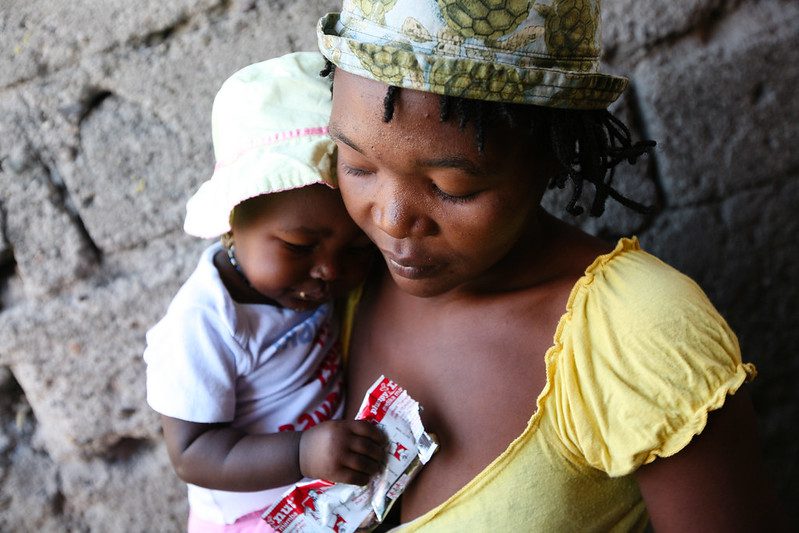
ready to use therapeutic foodChildhood malnutrition is a global crisis affecting millions of children younger than the age of 5. The side effects of childhood malnutrition are devastating, such as lower IQs, poor socioemotional skills, weaker immune systems and many more.

Ready-To-Use Therapeutic Food (RUTF) has a significant impact on treating this condition. This life-saving superfood transforms how severe acute malnutrition is treated, allowing children to recover quickly and regain their health. According to the World Health Organization (WHO), well-nourished children are more capable of escaping poverty as adults during the first two years of life.

Why RUTF?

Ready-To-Use Therapeutic Food is a revolutionary food treatment that’s giving hope to millions of children suffering from severe acute malnutrition (SAM), the deadliest form of hunger. The WHO estimated in 2007 that severe acute malnutrition (SAM) accounts for around one million child deaths annually. Approximately 20 million children worldwide suffer from SAM and those affected have a mortality risk of more than nine times greater than their well-nourished peers.

RUTF is an energy-dense, micronutrient paste designed to treat severe wasting in children younger than 5. Wasting is characterized by low weight-for-height and occurs when a child does not receive enough food or adequate quality. If untreated, it significantly increases the risk of death.

History of RUTF

According to the United Nations Children’s Fund (UNICEF), the concept of RUTF was pioneered by pediatric nutritionist André Briend and food processing engineer Michel Lescanne 25 years ago. RUTF is made from powdered milk, peanuts, butter, vegetable oil, sugar and vitamins and minerals. Each sachet of RUTF provides 500 calories and essential micronutrients, allowing malnourished children to gain weight rapidly.

The invention of RUTF marked a revolution in malnutrition treatment, shifting from the traditional therapeutic feeding centers (TFCs) to home-based care. Previously, children with severe acute malnutrition needed round-the-clock care at TFCs, which were scarce and often located far from the communities they served.

This setup required mothers to leave their homes for weeks, causing lost wages and incomplete treatments. The crowded conditions at TFCs also posed infection risks and in conflict areas like Sudan, they were vulnerable to attacks. Recognizing these challenges, Briend aimed to develop a home-administered solution. His goal was to revolutionize the management of severe acute malnutrition, allowing children to receive treatment safely at home.

RUTF’s Role in Community-Based Management

RUTF is vital for community-based management of children with uncomplicated severe acute malnutrition who still have an appetite. Its two-year shelf life makes it convenient for storage and distribution. The appealing taste and easy digestibility ensure that children readily consume it. Most importantly, RUTF requires no preparation. Children can directly have this nutrient-dense food from the packet, making it safe and reducing the risk of contamination.

According to UNICEF, the treatment of children with severe acute malnutrition was traditionally in facilities where they received specialized therapeutic milk under strict regimens. However, many children arrived too late or could not access these centers due to distance, cost and lengthy treatment durations. RUTF has enabled community-based management and transformed it into a home-based treatment. Its single-dose foil sachets do not require refrigeration or mixing with water, making it practical and safe for home use. This innovation has significantly improved treatment outcomes and accessibility.

Success of RUTF

RUTF and the community-based management of acute malnutrition (CMAM) have proven to be powerful. In emergencies like famine, child mortality rates typically range from 20% to 30%. However, with the combined use of CMAM and RUTF, these rates have dropped to 4.5%, saving countless lives. A notable pilot program in Darfur, Sudan, treated 25,000 acutely malnourished children with similarly positive results.

From 2002 to 2006, Concern Worldwide implemented a large-scale pilot in Malawi, yielding excellent treatment, coverage, community acceptance and cost-effectiveness outcomes. This success led to the publication of the CTC field manual in 2006 and a joint recognition by WHO, UNICEF and the World Food Programme in 2007, establishing CMAM as a global best practice. Today, millions of acutely malnourished children have been successfully treated with RUTF through the CMAM approach. In South Sudan, UNICEF and partners treat nearly a quarter of a million children annually with RUTF, achieving a treatment recovery rate of 95% and averting potential deaths.

Challenges in Distributing RUTF

UNICEF plays a pivotal role in the global distribution of RUTF, procuring and delivering 75-80% of the world’s supply. It ensures that RUTF reaches the most vulnerable children, even in challenging environments. Large-scale operations by UNICEF have saved countless lives during emergencies.

Despite its success, RUTF is not universally available. Many countries do not include RUTF in their essential medicines lists and treatment for severe wasting is often poorly integrated into routine health services. Additionally, the COVID-19 pandemic and global conflicts have increased the cost of RUTF, further limiting its availability.

Conclusion

Ready-To-Use Therapeutic Food has proven to be a lifesaving superfood, transforming the treatment of severe acute malnutrition and saving millions of children’s lives. Its success underscores the need for increased global efforts to ensure all children have access to this essential treatment.

– Sumaiya Sultana

Sumaiya is based in London, UK and focuses on Good News and Technology for The Borgen Project.

Photo: Flickr

July 27, 2024
https://borgenproject.org/wp-content/uploads/borgen-project-logo.svg 0 0 Lynsey 2 https://borgenproject.org/wp-content/uploads/borgen-project-logo.svg Lynsey 22024-07-27 01:30:452024-07-26 07:04:05Ready to Use Therapeutic Food and Childhood Malnutrition
Africa, Global Poverty, Nonprofit Organizations and NGOs

Human Appeal Is Helping Alleviate Poverty in Somalia

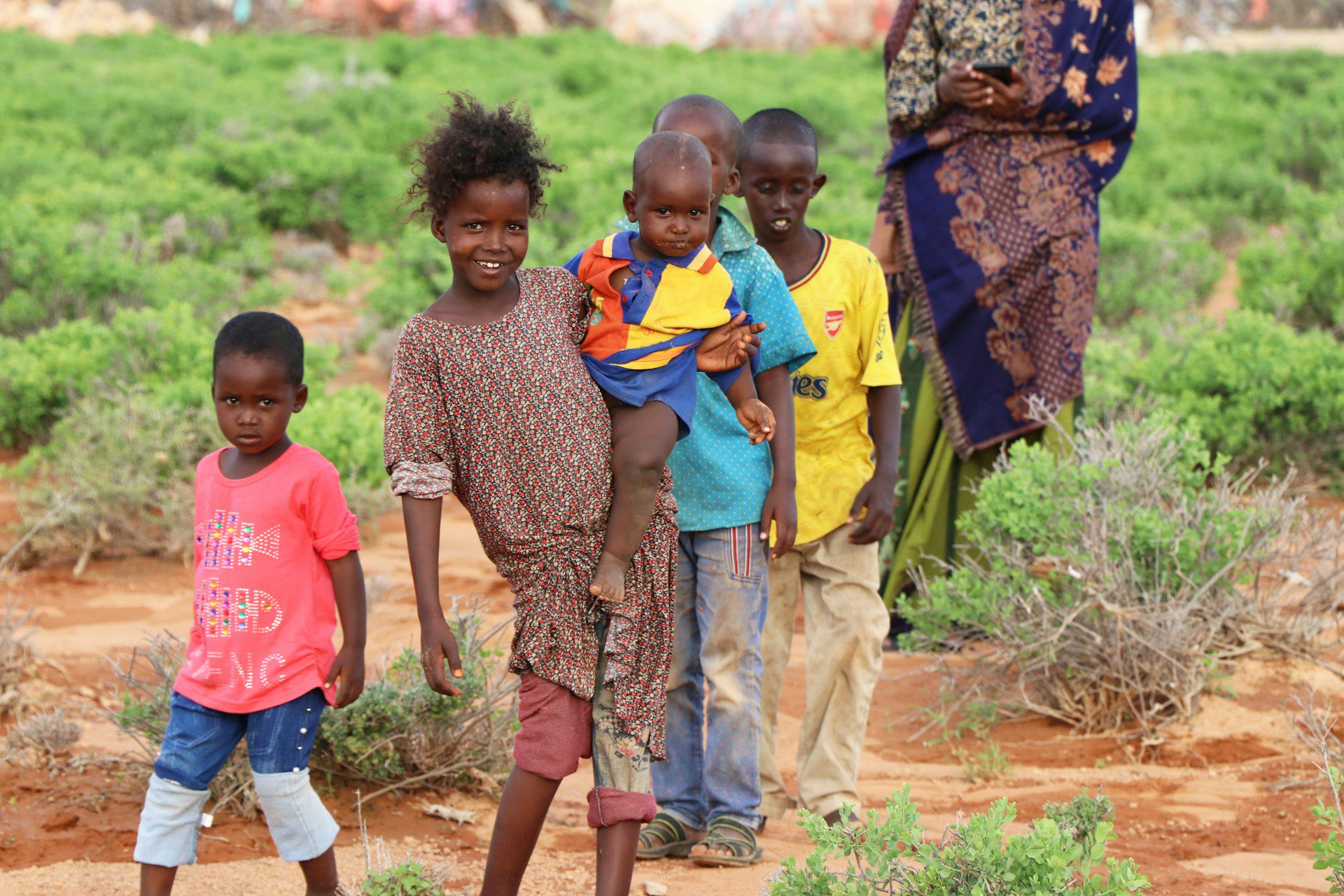
Human AppealSomalia is enduring civil war and one of its worst droughts in 40 years, following a fifth consecutive failed rainy season. Most of Somalia’s livelihoods depend on agriculture and the current drought has devastated crops and agricultural activities. As a result, up to 1.8 million children are facing malnutrition. Additionally, approximately 40% of the population, around 6.6 million people, are experiencing acute food insecurity, meaning they urgently need sufficient food. Despite Somalia’s extreme difficulties, there is hope in the fight against poverty.

Human Appeal is a global nonprofit organization that has been combating poverty for more than 30 years. The organization is dedicated to improving the lives of people around the world who are living in poverty. The organization’s slogan, “Whoever saves one life- it is as if he had saved mankind entirely,” summarizes its mission to alleviate poverty worldwide.

Human Appeal’s Work in Somalia

Human Appeal has been active in Somalia since 2016 and is dedicated to supporting vulnerable groups and individuals nationwide. The nonprofit is improving lives in Somalia by fighting against poverty, social injustice and natural disasters. Its work in Somalia entails providing relief and establishing self-sufficient programs that aim to invest in places experiencing higher poverty rates so that these people can find sustainable solutions and independently improve their lives.

Human Appeal is helping alleviate poverty in Somalia through various initiatives, including:

  • Distributing food parcels containing rice, flour, sugar, oil and milk powder, which can sustain families for up to a month.
  • Providing one month’s clean water to communities affected by the drought.
  • Collaborating with UNICEF to supply high-calorie treatment for malnutrition.
  • Offering shelter and nonfood items to displaced families arriving at camps in Mogadishu.

Human Appeal also addresses poverty in Somalia through sustainable efforts that aim to build a lasting future rather than merely provide temporary relief. The projects are managed by local staff, with local doctors and nurses operating hospitals. This approach focuses on reducing poverty and creating a better future for the people of Somalia.

Human Appeal has also been able to reach some of the most remote regions of Somalia, which are often the most in need of aid and struggling with extreme poverty. During these vulnerable times, the Human Appeal team provides critical assistance, saving lives and improving the quality of life for many citizens.

In 2023 alone, Human Appeal reached 287,142 people in Somalia, providing food support for more than 170,000 and health care for 98,000. The organization also provided access to clean water and improved sanitation for more than 11,000 people in the country.

Final Remark

Although much good work by Human Appeal and other aid organizations has already taken place in Somalia, the need for aid is increasing. Due to widespread drought and civil war, the demand for assistance within the country has doubled. Addressing coverage gaps and unmet needs of the affected population remains critical.

– Lachlan Wellington

Lachlan is based in Fareham, UK and focuses on Technology and Global Health for The Borgen Project.

Photo: Unsplash

July 26, 2024
https://borgenproject.org/wp-content/uploads/borgen-project-logo.svg 0 0 Lynsey 2 https://borgenproject.org/wp-content/uploads/borgen-project-logo.svg Lynsey 22024-07-26 07:30:072024-07-26 05:06:35Human Appeal Is Helping Alleviate Poverty in Somalia
Child Malnutrition, Global Poverty, Hunger

Fighting Child Poverty with Universal Free School Meals

Universal Free School MealsMore than 40 million children worldwide suffer from severe hunger yearly. Child hunger is a barrier to learning. Hunger stints focus and affect behavior. But it is a barrier we can break down—a barrier that, with a simple solution, can be eradicated. Globally, different organizations and governments have adopted programs to feed hungry children. Universal Free School Meals programs (UFSM) can be vital in reducing the stigma associated with child poverty. From spaghetti bolognese to chicken curry, here are some of the ways that free school meal provision supports children and families facing poverty.

Estonia

The UFSM program in Estonia began in 2002 and is supported by government spending and international donors. The program aims to provide all children in primary and secondary education with a universal model. The Estonian food pyramid influences it and includes education in nutrition and physical health.

Additionally, Estonia has implemented a fruit, vegetables and milk scheme to support local farmers and provide children with these foods to take home. This program not only benefits children in the classroom but also provides long-term health benefits by offering nutritionally rich foods and imparting knowledge about healthy eating habits.

In 2021, Estonian feeding programs received $46,697,172 of funding. With this support, 221,479 children, representing the total number of students enrolled in primary and secondary education, received a free school meal. The universal component of this scheme reduces stigma, making school more enjoyable.

These programs also support parents, as students from lower-income backgrounds are identified as needing more resources. Schemes in Estonia have close ties with local food banks within the communities they operate in. Parents can receive extra support from food banks without the fear of shame that may be associated with seeking this service. These partnerships support all members, enabling families to be better supported and fed.

Sweden

Sweden, during WW2, demonstrated that promoting UFSM concerns more than just hunger. The lack of nutritional quality in some packed lunches negatively impacts the health and focus of children in schools. By 1969, all municipalities had implemented UFSM programs, a scheme that maintains its positive impact today.

The program is almost entirely government-funded, with a budget of $151,332,6795 in 2021. This year, out of the 2,333,942 students enrolled, 2,177,882 students received lunches in schools. This scheme focuses on ensuring that children have a pleasant experience with food, meaning they accumulate positive associations with healthy eating. This can keep children from missing school due to ill health or dental issues.

Accompanying this program, teachers eat with their students at lunchtime. This forges a positive bond between teachers and students, further contributing to children’s positive experiences of education and increasing the likelihood of them wanting to stay in education long term.

The lifelong impacts of Sweden’s UFSM programs demonstrate that such schemes are beneficial for reducing the risk of poverty in adulthood and in children. Recipients from lower-income families throughout their school years had higher earnings of up to 6% during their professional lives. This demonstrates the long-term economic benefits UFSM programs can have for children.

Australia

In Australia, an organization called Eat Up advocates for an approach to UFSM provision. The scheme was established in 2015, targeting children from low-income backgrounds in schools. In addition to feeding children in schools, Eat Up has strong community ties and helps both children and their families.

In 2021, the organization’s budget was $489,628, which was spent feeding children across the country. Through this budget, 85,000 children in schools received food. The most vulnerable children felt nourished and supported in their education, which enhanced their capacity to focus in the classroom.

The scheme allows children who may otherwise go without to have what could be their only meal in a day. This encourages children to go to school and relieves parental pressure.

Final Remark

Universal Free School Meals programs are highly beneficial and a great solution to child poverty. Schemes in Estonia and Sweden demonstrate that government-led schemes with a universal, targeted approach can positively impact education experiences. Australia’s advocacy through the Eat Up program presents an alternative that shows organizations can also play a crucial role in feeding children in schools.

Turning to the figures, in 2022, the European Union (EU) average for the risk of children falling into poverty was 24.7%. In Sweden, it was 19.9%, which is lower than the average. Lower still, Estonia’s rate was 16.6%. The success of these programs in terms of poverty alleviation is evident, as countries with established programs see rates below the average.

These programs can play a crucial role in solving child poverty. By helping families and children, their benefits inspire a reminder that there is a solution to poverty.

– Sarah Littleton

Sarah is based in London, UK and focuses on Good News and Politics for The Borgen Project.

Photo: Pexels

July 26, 2024
https://borgenproject.org/wp-content/uploads/borgen-project-logo.svg 0 0 Lynsey 2 https://borgenproject.org/wp-content/uploads/borgen-project-logo.svg Lynsey 22024-07-26 03:00:482024-07-25 13:36:36Fighting Child Poverty with Universal Free School Meals
Africa, Global Poverty, Natural Disaster

Solution in Sight for Drought in the Horn of Africa

Drought in AfricaThe Horn of Africa, encompassing Kenya, Ethiopia, Djibouti, South Sudan and Uganda, has been experiencing the most severe drought in decades. This crisis has directly and indirectly impacted millions. The death toll in Somalia alone reached a staggering 43,000 in 2022. However, the accurate scale of the devastation caused by the drought in the Horn of Africa will only become clear once we have the total count of deaths from the other affected countries.

Current Situation

In the past three years, the region has been grappling with a severe lack of precipitation, with some areas receiving minimal to no rainfall. This prolonged drought has had devastating consequences, particularly for the communities whose livelihoods depend on livestock and the rain. Approximately 10 million animals have perished due to drought, resulting in displacement for millions of herders who are forced to flee their homes for areas where water is available and seek humanitarian assistance.

The drought-related food insecurity has pushed them to the brink, where they face hunger, malnutrition, starvation and even death. Furthermore, the drought has increased transportation costs and food prices, exacerbating the situation and plunging more individuals into poverty. These dire conditions have also heightened the risk of conflicts in the region.

Good News

Recurrent droughts have led to collaborative efforts between governments and aid agencies to explore long-term sustainable solutions. These efforts have yielded promising results, with numerous studies revealing substantial regional underground water reserves. This finding offers hope in this crisis, as these reserves have the potential to sustain millions of people for an extended period, reducing their dependency on rainwater and mitigating the effects of drought and other such phenomena.

Project – Africa Groundwater Access Facility

Implementing a cross-border initiative presents challenges and opportunities of paramount significance to the region. Essential to this project is the necessitated exchange of knowledge and comprehensive research across participating nations. The primary objectives of this strategic plan are as follows:

  1. Active engagement of local communities to instill a sense of ownership and commitment to the project.
  2. Rigorous identification of already known drought hotspots for targeted intervention.
  3. Execute well drilling and establish deep underground bores near these identified hotspots for long-term water scarcity mitigation.

Other Solutions – Land Restoration

Certain countries, like Burkina Faso, are implementing nature-based solutions to challenges such as drought and flooding. These strategies involve tree planting, utilizing innovative agricultural practices and integrating agriculture, farming, fruit crops and livestock pastors within a single area. This holistic approach, which is cost-effective and sustainable, has the potential to not only help millions of people but also save billions of hectares of land in low-income countries in the years to come.

Final Remark

Approximately 1.84 billion people worldwide are impacted by drought, with 85% residing in low-income countries. According to estimates, drought will displace 700 million in the next decade and affect one in every four children. Therefore, the urgency of finding sustainable solutions to reduce the effects of drought cannot be overstated. 

– Maria Waleed

Maria is based in Yokohama, Kanagawa, Japan and focuses on Good News and Global Health for The Borgen Project.

Photo: Flickr

July 26, 2024
https://borgenproject.org/wp-content/uploads/borgen-project-logo.svg 0 0 Lynsey 2 https://borgenproject.org/wp-content/uploads/borgen-project-logo.svg Lynsey 22024-07-26 03:00:432024-07-25 13:28:37Solution in Sight for Drought in the Horn of Africa
Food Insecurity, Food Security, Global Poverty

Sweet Potato Flour as a Solution to Food Insecurity

Solution to Food InsecurityPoverty and especially rural poverty, is becoming an increasing problem in South Africa, as well as in the whole of Africa. This is leading to urbanization, food insecurity and joblessness. An estimated 20% of the African population is undernourished. In 2022, around 868 million people in Africa experienced moderate to severe food insecurity, while the total population of Africa was approximately 1.42 billion in the same year. Food insecurity can be attributed to poverty, extreme weather and conflict.

One Solution to Food Insecurity

Root and tuber crops, such as sweet potatoes, are important for food security. As a drought-tolerant crop, sweet potatoes are resilient in warm climates like those in sub-Saharan Africa. They are a staple food globally, especially in developing countries, providing affordable and accessible nutrition. Sweet potatoes hold great economic value in South Africa. However, after harvest, there is a limited time to determine when they are good to eat. They are harvested once a year and are ripe for a limited period.

InnoFoodAfrica

InnoFoodAfrica is a cross-continental project that aims to enhance food and nutrition security in Africa. As part of this project, researchers at the University of Pretoria, South Africa, have found a way to make orange-fleshed sweet potato last longer by making flour out of it. A Doctor of Philosophy (PhD) Food Science candidate, Daddy Kgonothi, has been central in the development of this flour. The goal of the invention was to address micronutrient deficiencies among young children and pregnant women.

Sweet potato has a short shelf life of only two to three weeks. The flour, which is made from the same crop, has a shelf life of a whole year. Sweet potato contains beta-carotene, which is converted into vitamin A in the body. Vitamin A deficiency is one of the leading causes of micronutrient deficiencies in children younger than 6 and among pregnant women. Sweet potato also contains a high level of fiber and antioxidants. This protects the body from free radical damage and promotes a healthy gut and brain.

Flour is also a good source of iron, zinc and phosphorus. When sweet potato is made into flour, it lasts longer, which can lead to more people getting their hands on the product. It is also versatile and can be used in many recipes, such as bread. This way, the flour can be a solution to deficiencies.

The Impacts of the Sweet Potato Flour

The flour is one solution to food insecurity in not only South Africa but also large parts of Africa. The development of the flour was finalized in 2022. It allows people to enjoy the nutrients and benefits of the crop all year long. Not only is the flour helping enhance general food insecurity in South Africa and the rest of Africa, but it is especially helping pregnant women and children eat more nutritious food.

– Sigrid Nyhammer

Sigrid is based in London, UK and focuses on Good News for The Borgen Project.

Photo: Pixabay

July 23, 2024
https://borgenproject.org/wp-content/uploads/borgen-project-logo.svg 0 0 Lynsey 2 https://borgenproject.org/wp-content/uploads/borgen-project-logo.svg Lynsey 22024-07-23 03:00:292024-07-23 01:28:39Sweet Potato Flour as a Solution to Food Insecurity
Africa, Child Poverty, Global Poverty

Child Poverty in Djibouti

Child Poverty in DjiboutiThe Republic of Djibouti is home to 1.1 million people. With a GDP growth of 6.7% in 2023, Djibouti has experienced a graceful economic incline due to port commerce and trade. Despite attaining low-middle income status, the poverty rate in Djibouti currently sits at 79%. Socio-economic pressure on Djiboutian families living on lower-income status or below the poverty line has caused widespread exposure to child labour and malnutrition. Children living in rural areas are more likely to be struggling with insufficient prenatal care and social services such as education and health care facilities. With the consideration of children representing a third of the country’s population, the alleviation of child poverty in Djibouti continues to be an essential step in governmental & international humanitarian relief.

A Debrief of Djibouti’s Malnutrition Crisis

Djibouti’s record of food insecurity traces back to its heavy dependence on foreign aid and struggles with “persistent droughts and food shortages.” The weather in Djibouti instigates consistent agricultural production with conditions of 130 mm of rainfall per year, according to the World Bank, and recurring droughts. As one of Africa’s smallest countries, Djibouti’s limitation in arable land impedes the ability to produce food, the World Bank reports. The insufficient production of food resources is disproportionate to the necessary nutritional needs of a human being, significantly impacting 42% of the population of Djibouti that is living in extreme poverty, according to the World Food Programme (WFP). As a result, the country imports 90% of food production through global markets instead.

The increment in pricing for commodities such as housing, electricity and water fuels financial pressure on lower to middle-income families. Household expenses in addition to the inflated international food import prices render it difficult for parents to protect children and adolescents from nutritional deficiency. Due to limited economic opportunity for lower-income Djiboutian families, the financial prioritization of basic household requirements leaves little room for imperative dietary coverage.

Djibouti holds one of the highest cases of child malnutrition compared to other countries within the Middle East and North Africa regions. Due to the exacerbated food shortages, weather conditions and economic setbacks, one in three Djiboutian children are severely malnourished, according to the SOS Children’s Villages. More than 10% of Djiboutian children aged between 6 and 59 months are living in households with food insecurity and are suffering from acute malnutrition, according to a 2011 report. The high occurrence of malnutrition due to limited feeding practices for Djibouti’s children comes with deterioration in physical development such as stunted growth and critically underweight.

Susceptibility to Child Labor

Due to the financial strain on families, children have to be a part of the workforce from an early age. Djiboutian children are more likely to work at the age of 5 than to be attending school or other childhood services, according to the World Bank report. Often, these children struggle with aggressive workplace conditions to attend school or contribute to their family income. From caring for livestock to street work such as polishing shoes or washing cars, Djiboutian children in the workforce partake in diverse roles. However, Djibouti’s children are also vulnerable to illicit activities such as human trafficking. Commercialized sexual exploitation occurs due to the absence of labor inspectors.

While Djibouti’s Ministry of Labor has enacted laws that provide standardized guidelines on child labor; there yet exists legal gaps in protection from sexual exploitation. The country proposed the national labor inspection Strategy in 2020, however, it has been ineffective in applying adequate protection against child labor. Children’s exploitation occurs due to the absence of labor inspectors, according to Humanium. The financial strain on Djibouti’s government prohibits further law enforcement protocol to protect vulnerable children from unethical forms of labor. Child labor tends to compromise a child’s engagement with education due to physically and psychologically demanding circumstances that they are subjected to.

Going Forward With International Effort

International organizations alongside the Djiboutian government are in motion to develop policies and services to secure food, proper housing and educational opportunities for children living in harsh conditions. For example, the SOS Children’s Villages has been providing support in Djibouti for children without parental care since 2011. SOS Children’s Villages have immensely supported 190 Djiboutian children and families living in poverty within the city of Tadjourah.

Additionally, UNICEF and the WFP are simultaneously strategizing to reduce acute malnutrition through policy advocacy. UNICEF has appealed for $2.5 million from the U.S. government where 36% would go to water, sanitation and hygiene, around 8% would be allocated for education, and around 17% for food security. UNICEF has also partnered with Djibouti’s government to provide accessible water and nutritional goods for more than 6,000 children.

In 2022, the World Bank approved a $30 million International Development Association (IDA) grant for Djibouti to provide financial means to protect families that are exposed to sudden economic disparities. Due to the recurrence of severe droughts, pricing in Djibouti has had a significant impact on lower-income households. The Social Protection Emergency Crisis Response Project is on a mission to generate social safety nets for households in Djibouti struggling with multiple crises.

A Secure Childhood

This form of financial protection could shield vulnerable families from national crises, and those that cannot be substantially supported by the government. By ameliorating the scarcity of resources for families living in poverty, children in Djibouti are pushed even further to attain a secure childhood as every child should. A safe environment for children in Djibouti begins with quality education, access to nutrition, and relief from labor exploitation. International focus has been a remarkable contributor to protecting the rights and freedom of the young generations of Djibouti and preventing further child poverty in Djibouti.

– Abigail Lobo

Abigail is based in Ontario, Canada and focuses on Good News and Technology for The Borgen Project.

Photo: Flickr

June 1, 2024
https://borgenproject.org/wp-content/uploads/borgen-project-logo.svg 0 0 Jennifer Philipp https://borgenproject.org/wp-content/uploads/borgen-project-logo.svg Jennifer Philipp2024-06-01 07:30:122024-05-30 05:58:38Child Poverty in Djibouti
Food Insecurity, Global Poverty, World Hunger

Food Fortification: Using Staple Foods to Combat Malnutrition

Food Fortification: Using Staple Foods to Combat MalnutritionSince 2017, the prevalence of undernourishment has risen globally, with an estimated 735 million people affected according to the 2023 Global Hunger Index. Undernutrition is linked to nearly half of all deaths among children under 5, predominantly in low- and middle-income countries. The World Health Organization (WHO) identifies micronutrient deficiencies as a significant health issue, particularly the lack of iron, iodine, vitamin A and zinc, which are crucial for growth and development. These deficiencies pose severe health risks, especially to children and pregnant women in developing nations. With inflating food costs, climate change and the growing threat of conflicts around the world,  the world is experiencing its worst global food crisis in decades. In response, food fortification presents a sustainable, innovative and cost-effective strategy to combat malnutrition and micronutrient deficiencies worldwide.

Addressing Malnutrition

Malnutrition and chronic illnesses in the Global South pose significant obstacles to achieving the United Nations Millennium Development Goals (MDGs). Concern Worldwide U.S. indicates that, at the current rate of progress, the MDG of eradicating hunger by 2030 is unlikely. Micronutrient deficiencies impact more than two billion people worldwide, with severe repercussions for the health, social and economic well-being of nations, families and individuals, particularly affecting women and children.

Strategic Approaches to Combat Malnutrition

Food fortification involves deliberately enhancing the nutritional quality of food by adding vitamins and minerals. This practice helps prevent, reduce and control micronutrient deficiencies in the general population and specific groups, including children and pregnant women. Over recent decades, large-scale food fortification has emerged as a crucial strategy to combat malnutrition, reaching billions by making staple foods like flour, rice and edible oil more nutritious.

Globally, experts rank food fortification as one of the most cost-effective interventions in global development. Nutrition International (NI), an organization dedicated to providing nutrition interventions where they are most needed, collaborates with governments, industry stakeholders and other organizations. The organization works to supply fortified staple foods and condiments by promoting mandatory fortification and enhancing social safety net programs through these partnerships.

Fortified Rice: The Bangladeshi Experience

Rice serves as the primary nutrition source in many developing countries, including Bangladesh, where extensive malnutrition and chronic illnesses persist. It accounts for 67.5% of the daily caloric intake in Bangladesh, making it the third-largest rice market globally from 2020 to 2021. Approximately 40% of the rice produced in Bangladesh is for home consumption. For poorer populations, meals typically consist of rice accompanied only by vegetables and spices. Consequently, the Bangladeshi diet often lacks essential micronutrients, contributing to a significant national burden of micronutrient deficiencies. Despite notable reductions in malnutrition rates among children and women, these deficiencies remain widespread.

According to the 2019-2020 National Micronutrient Survey of Bangladesh, approximately 61% of surveyed women did not achieve the minimum requirements for healthy dietary diversity. With assistance from Nutrition International, Bangladesh has utilized large-scale food fortification within its social safety net programs to combat micronutrient deficiencies by providing fortified rice. Collaborative efforts involving the Bangladeshi government, the World Food Programme and Nutrition International have facilitated rice fortification with zinc, iron, folic acid, vitamin A and vitamins B1 and B12. This fortified rice is distributed across Bangladesh’s districts through various points. Since launching in 2013, the initiative has reached more than 15 million people via two major safety net programs. In 2021, the fortified rice initiative expanded into commercial markets on a pilot basis.

Flour and Oil: The Case of Pakistan

Pakistan loses about 3% of its GDP or approximately $7.6 billion, annually due to malnutrition. The United Nations Food and Agriculture Organization (FAO) reports that 37.5 million people in Pakistan are not receiving proper nutrition. In response, Nutrition International, funded by U.K. aid and collaborating with Mott MacDonald, initiated a project to institutionalize fortified edible oil and wheat flour across 56 districts in Pakistan. By 2019, these ongoing efforts had significantly increased the production of fortified goods, providing more than 65 million people across the country with essential micronutrients. The program now aims to expand its reach to 155 million people with fortified edible oil and 87 million people with fortified wheat flour by 2027.

Looking Ahead

The positive impact of food fortification programs in countries like Bangladesh and Pakistan illuminates a path toward mitigating global malnutrition. The ongoing initiatives demonstrate the tangible benefits of strategic collaborations that enhance the nutritional content of staple foods, offering hope for substantial improvements in public health. As these ongoing efforts expand, the potential to significantly reduce micronutrient deficiencies and improve life outcomes for millions globally continues to grow.

– Irene Suvillaga

Irene is based in Ontario, Canada and focuses on Technology and Global Health for The Borgen Project.

Photo: Flickr

May 13, 2024
https://borgenproject.org/wp-content/uploads/borgen-project-logo.svg 0 0 Precious Sheidu https://borgenproject.org/wp-content/uploads/borgen-project-logo.svg Precious Sheidu2024-05-13 07:30:412024-05-13 00:54:21Food Fortification: Using Staple Foods to Combat Malnutrition
Developing Countries, Development, Global Poverty, Health

The prevention of malnutrition and IDA in the Philippines

The prevention of malnutrition and IDA in the PhilippinesA significant proportion of the Philippines suffers from malnutrition, and more than 18% of the population lives below the poverty line. Iron deficiency anemia (IDA) is one of the most prominent micronutrient deficiencies among infants and young children in the Philippines, and it can be easily prevented via the consumption of fortified and iron-rich foods. IDA causes significant health care costs and can result in disability and loss of productivity.

The Impact of Cost

Fortification provides a better solution to IDA and other nutrient deficiencies than supplementation or treatment and would be effective in treating malnutrition in the Philippines. However, many individuals from lower-income backgrounds experience IDA or malnutrition because most nutrient-rich foods are not affordable.

Infants and Children

Infants aged 6-11 months have the highest prevalence of nutrient deficiency in the Philippines, with approximately 56.5% suffering from IDA. This is followed by approximately 41% of children aged 12-23 months also suffering from IDA. Increasing iron uptake would improve overall health and provide a positive impact on both physical and cognitive ability. As a result, these infants and children could grow up to have a more positive contribution to society, both socially and economically, a step toward ending malnutrition in the Philippines.

Women

An additional group of individuals who benefit from food fortification is women of reproductive age. IDA can be caused by an increased demand for iron in the body, as a result of menstruation or pregnancy. Consuming enough iron to prevent IDA is much easier than curing it during pregnancy. Iron needs to be readily available, alongside education that promotes the necessity of an iron-rich diet.

The Philippines Multisectoral Nutrition Project

In 2022, the government of the Philippines launched the Philippines Multisectoral Nutrition Project, “To increase the utilization of a package of nutrition-specific and nutrition-sensitive interventions and improve key behaviors and practices known to reduce stunting in targeted local government units.” Financed by the World Bank, the plan aims to significantly reduce malnutrition in the Philippines within four years, thereby increasing the number of the population able to contribute to the country’s financial success.

One goal is to increase the amount of pregnant women receiving prescribed antenatal care and iron-folic supplementation for IDA by 50%. It also aims to increase the number of infants aged 6-23 months who are consuming an age-appropriate adequate diet by more than 50%. It additionally aims to introduce nutrition-specific and nutrition-sensitive interventions to help educate communities on the importance of a balanced diet and nutrients such as iron.

This program targets 235 towns in the Philippines, with the aim of providing children and pregnant women with nutritional support and essential health care. Strategies that are part of the plan include providing fortified food and access to clean sanitation to families with infants and young children, and providing supplements and health care support to pregnant women suffering from IDA and other nutrient deficiencies.

Looking Ahead

The Philippines is making great efforts toward reducing and preventing malnutrition and nutrient deficiencies among poorer communities. Using supplementation to provide support for those already suffering, especially vulnerable individuals such as pregnant women, alongside making fortified foods accessible to the poorer communities, provides great hope for a healthier, more productive country.

– Charlotte Campion
Photo: Flickr

January 17, 2024
https://borgenproject.org/wp-content/uploads/borgen-project-logo.svg 0 0 Lynsey 2 https://borgenproject.org/wp-content/uploads/borgen-project-logo.svg Lynsey 22024-01-17 01:30:472026-04-16 10:21:52The prevention of malnutrition and IDA in the Philippines
Page 5 of 19«‹34567›»

Get Smarter

  • Global Poverty 101
  • Global Poverty… The Good News
  • Global Poverty & U.S. Jobs
  • Global Poverty and National Security
  • Innovative Solutions to Poverty
  • Global Poverty & Aid FAQ’s
Search Search

Take Action

  • Call Congress
  • Email Congress
  • Donate
  • 30 Ways to Help
  • Volunteer Ops
  • Internships
  • Courses & Certificates
  • The Podcast
Borgen Project

“The Borgen Project is an incredible nonprofit organization that is addressing poverty and hunger and working towards ending them.”

-The Huffington Post

Inside The Borgen Project

  • Contact
  • About
  • Financials
  • President
  • Board of Directors
  • Board of Advisors

International Links

  • UK Email Parliament
  • UK Donate
  • Canada Email Parliament

Get Smarter

  • Global Poverty 101
  • Global Poverty… The Good News
  • Global Poverty & U.S. Jobs
  • Global Poverty and National Security
  • Innovative Solutions to Poverty
  • Global Poverty & Aid FAQ’s

Ways to Help

  • Call Congress
  • Email Congress
  • Donate
  • 30 Ways to Help
  • Volunteer Ops
  • Internships
  • Courses & Certificates
  • The Podcast
Scroll to top Scroll to top Scroll to top