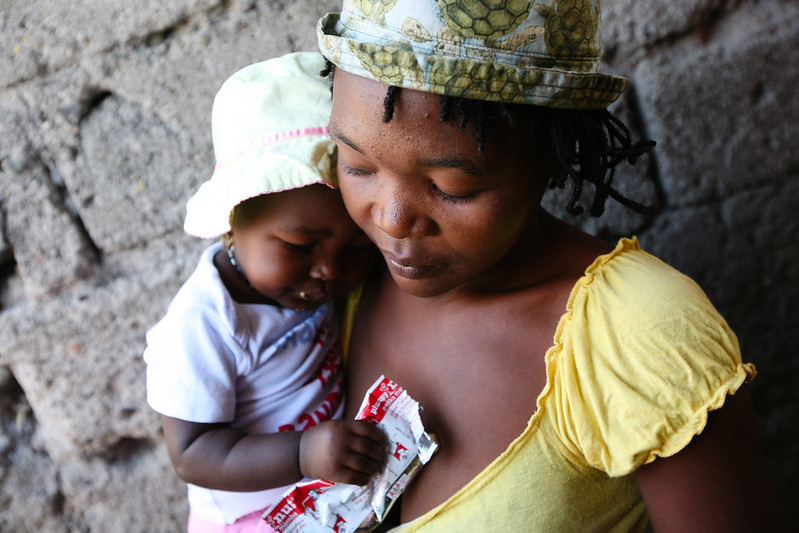
 Childhood malnutrition is a global crisis affecting millions of children younger than the age of 5. The side effects of childhood malnutrition are devastating, such as lower IQs, poor socioemotional skills, weaker immune systems and many more.
Ready-To-Use Therapeutic Food (RUTF) has a significant impact on treating this condition. This life-saving superfood transforms how severe acute malnutrition is treated, allowing children to recover quickly and regain their health. According to the World Health Organization (WHO), well-nourished children are more capable of escaping poverty as adults during the first two years of life.
Why RUTF?
Ready-To-Use Therapeutic Food is a revolutionary food treatment that’s giving hope to millions of children suffering from severe acute malnutrition (SAM), the deadliest form of hunger. The WHO estimated in 2007 that severe acute malnutrition (SAM) accounts for around one million child deaths annually. Approximately 20 million children worldwide suffer from SAM and those affected have a mortality risk of more than nine times greater than their well-nourished peers.
RUTF is an energy-dense, micronutrient paste designed to treat severe wasting in children younger than 5. Wasting is characterized by low weight-for-height and occurs when a child does not receive enough food or adequate quality. If untreated, it significantly increases the risk of death.
History of RUTF
According to the United Nations Children’s Fund (UNICEF), the concept of RUTF was pioneered by pediatric nutritionist André Briend and food processing engineer Michel Lescanne 25 years ago. RUTF is made from powdered milk, peanuts, butter, vegetable oil, sugar and vitamins and minerals. Each sachet of RUTF provides 500 calories and essential micronutrients, allowing malnourished children to gain weight rapidly.
The invention of RUTF marked a revolution in malnutrition treatment, shifting from the traditional therapeutic feeding centers (TFCs) to home-based care. Previously, children with severe acute malnutrition needed round-the-clock care at TFCs, which were scarce and often located far from the communities they served.
This setup required mothers to leave their homes for weeks, causing lost wages and incomplete treatments. The crowded conditions at TFCs also posed infection risks and in conflict areas like Sudan, they were vulnerable to attacks. Recognizing these challenges, Briend aimed to develop a home-administered solution. His goal was to revolutionize the management of severe acute malnutrition, allowing children to receive treatment safely at home.
RUTF’s Role in Community-Based Management
RUTF is vital for community-based management of children with uncomplicated severe acute malnutrition who still have an appetite. Its two-year shelf life makes it convenient for storage and distribution. The appealing taste and easy digestibility ensure that children readily consume it. Most importantly, RUTF requires no preparation. Children can directly have this nutrient-dense food from the packet, making it safe and reducing the risk of contamination.
According to UNICEF, the treatment of children with severe acute malnutrition was traditionally in facilities where they received specialized therapeutic milk under strict regimens. However, many children arrived too late or could not access these centers due to distance, cost and lengthy treatment durations. RUTF has enabled community-based management and transformed it into a home-based treatment. Its single-dose foil sachets do not require refrigeration or mixing with water, making it practical and safe for home use. This innovation has significantly improved treatment outcomes and accessibility.
Success of RUTF
RUTF and the community-based management of acute malnutrition (CMAM) have proven to be powerful. In emergencies like famine, child mortality rates typically range from 20% to 30%. However, with the combined use of CMAM and RUTF, these rates have dropped to 4.5%, saving countless lives. A notable pilot program in Darfur, Sudan, treated 25,000 acutely malnourished children with similarly positive results.
From 2002 to 2006, Concern Worldwide implemented a large-scale pilot in Malawi, yielding excellent treatment, coverage, community acceptance and cost-effectiveness outcomes. This success led to the publication of the CTC field manual in 2006 and a joint recognition by WHO, UNICEF and the World Food Programme in 2007, establishing CMAM as a global best practice. Today, millions of acutely malnourished children have been successfully treated with RUTF through the CMAM approach. In South Sudan, UNICEF and partners treat nearly a quarter of a million children annually with RUTF, achieving a treatment recovery rate of 95% and averting potential deaths.
Challenges in Distributing RUTF
UNICEF plays a pivotal role in the global distribution of RUTF, procuring and delivering 75-80% of the world’s supply. It ensures that RUTF reaches the most vulnerable children, even in challenging environments. Large-scale operations by UNICEF have saved countless lives during emergencies.
Despite its success, RUTF is not universally available. Many countries do not include RUTF in their essential medicines lists and treatment for severe wasting is often poorly integrated into routine health services. Additionally, the COVID-19 pandemic and global conflicts have increased the cost of RUTF, further limiting its availability.
Conclusion
Ready-To-Use Therapeutic Food has proven to be a lifesaving superfood, transforming the treatment of severe acute malnutrition and saving millions of children’s lives. Its success underscores the need for increased global efforts to ensure all children have access to this essential treatment.
– Sumaiya Sultana
Sumaiya is based in London, UK and focuses on Good News and Technology for The Borgen Project.
Photo: Flickr

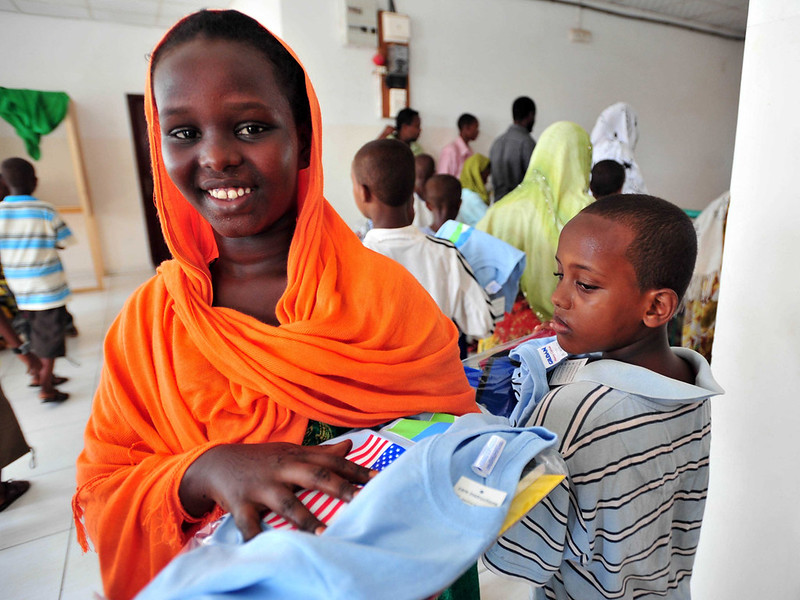 The Republic of Djibouti is
 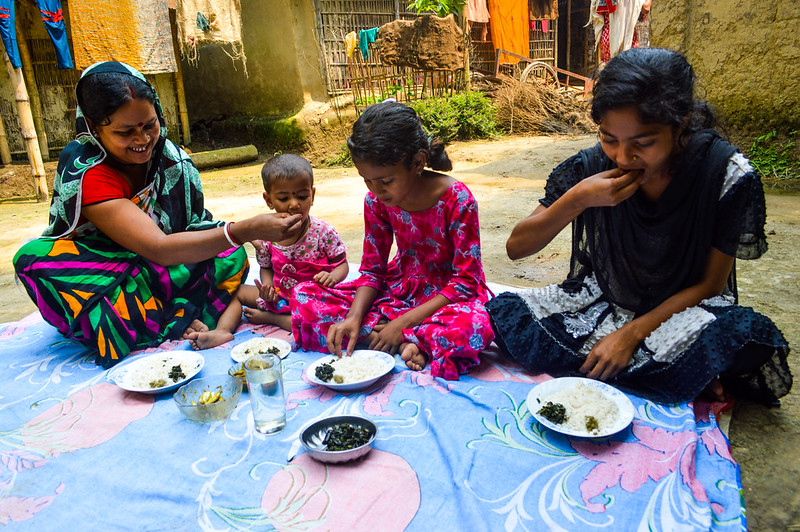 Since 2017, the prevalence of undernourishment has risen globally, with an
  A significant proportion of the Philippines suffers from malnutrition, and
 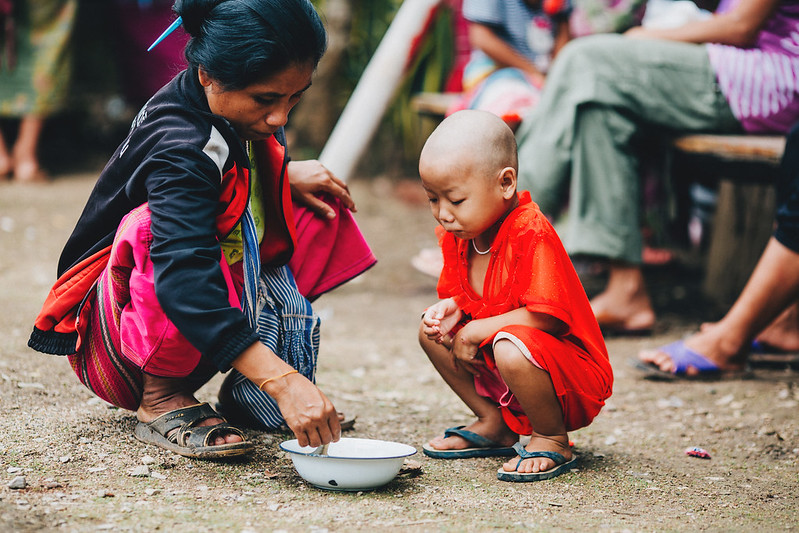 According to the World Health Organization, in 2021,
  Yemen is currently in the middle of the worst humanitarian crisis in the world. Yemen has been in conflict