• Link to X
  • Link to Facebook
  • Link to Instagram
  • Link to TikTok
  • Link to Youtube
  • About
    • About Us
      • President
      • Board of Directors
      • Board of Advisors
      • Financials
      • Our Methodology
      • Success Tracker
      • Contact
  • Act Now
    • 30 Ways to Help
      • Email Congress
      • Call Congress
      • Volunteer
      • Courses & Certificates
      • Be a Donor
    • Internships
      • In-Office Internships
      • Remote Internships
    • Legislation
      • Politics 101
  • The Blog
  • The Podcast
  • Magazine
  • Donate
  • Click to open the search input field Click to open the search input field Search
  • Menu Menu

Tag Archive for: Legislation

Posts

Africa, Child Marriage, Global Poverty

Legislation Passed: Child Marriage in Sierra Leone is Banned

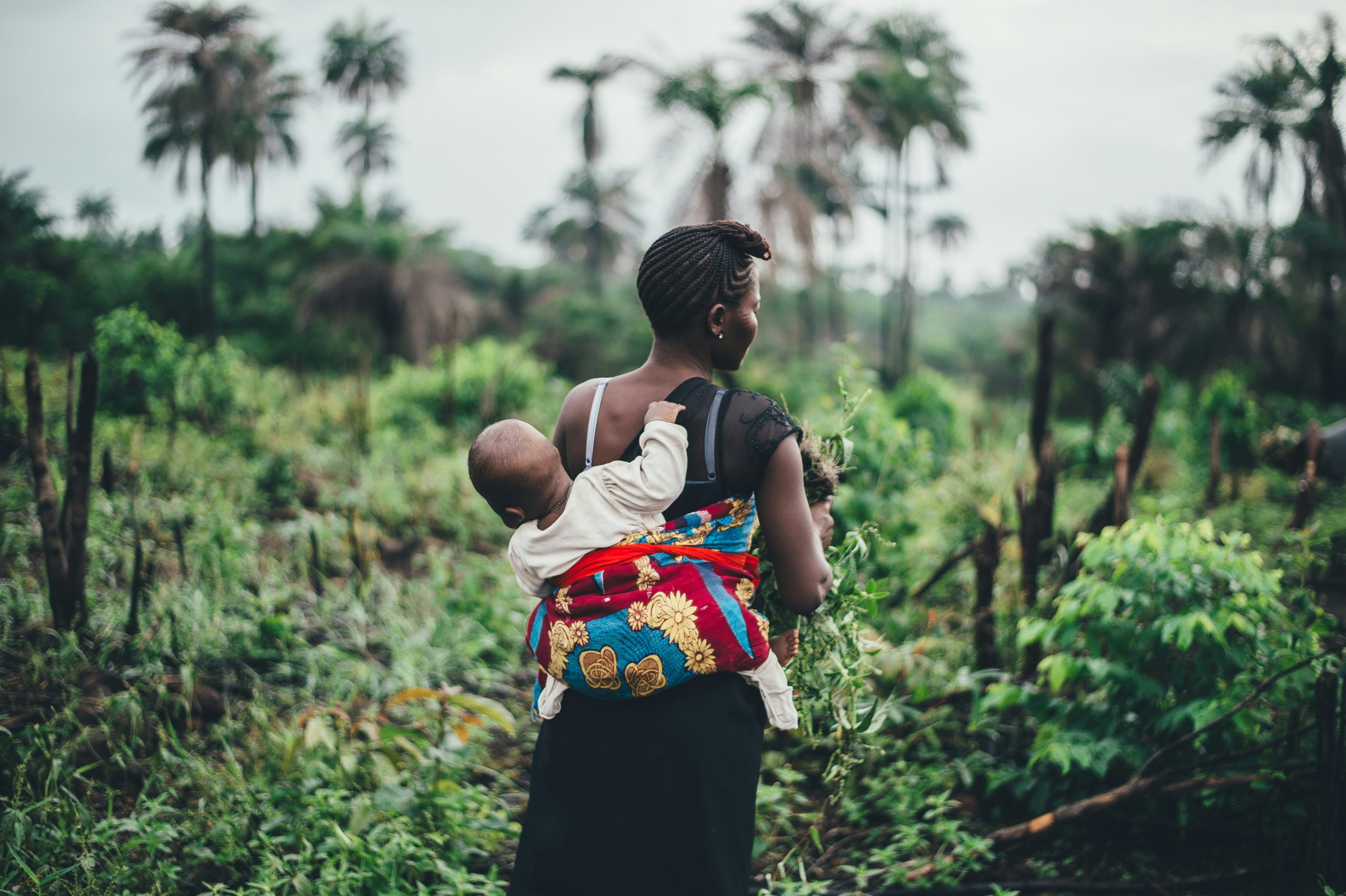
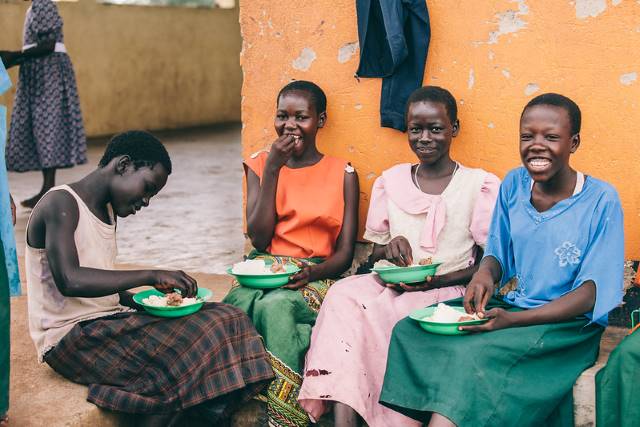
Child Marriage in Sierra LeoneOn July 2, 2024, President Julius Maada Bio signed the Prohibition of Child Marriage Act to end the widespread practice in Sierra Leone.

Law That Aims to Protect

In Sierra Leone, a milestone has been achieved in the country; the Prohibition of Child Marriage Act was recently signed into effect, eradicating all child marriages younger than the age of 18. This includes conspiracy, aiding and abetting a child to enter marriage; violators can expect strict penalties if found guilty, with punishments of up to 15 years in prison and approximately $4,000 fine.

Obligations on community and religious leaders will require them to take strong measures so they don’t officiate child marriages and no person is allowed to attend the ceremony involving a child. It will also prevent cohabitation with a child regardless of whether married or not, criminalizing both as offenses.

The new bill contributes to protecting women, girls and children from harmful practices, even employing marriage prohibition officers who will work within communities to advise and issue reports, ensuring the law is being followed.

The Scale of Child Marriage

According to the United Nations Children’s Fund (UNICEF), an estimated 800,000 child brides reside in Sierra Leone, with half having been married before the age of 15 years. Child marriage is common in the country, with 30% of girls aged 20 to 24 years old married before age 18 and 13% married before age 15.

The reasons for child marriage are complex and vary: poverty, education, gender inequality, religion and even inheritance are all factors related to this ongoing issue. Families with limited resources seek to find ways for their children to gain opportunities; by offering a bride in the form of a child, the motivation is not just economic, but also a custom and local practice.

Education, FGM and Risks

The effects of child marriage have been devasting, resulting in many disadvantages for women and girls throughout their lives. Girls are often less educated and unable to complete secondary school, which limits their employment opportunities. This makes them underrepresented in skilled and professional industries and digital literacy, such as the internet, cell phones and technology that can provide them access to more resources and information.

There is also the divisive practice of Female Genital Mutilation (FGM) used to initiate girls into womanhood and prepare them for marriage. It’s a method of suppressing women’s and girls’ sexual urges and keeping them focused on the woman’s responsibilities and duties she will face within her home. According to the 2019 Sierra Leone Demographic and Health Survey, 83% of women and girls aged between 15 and 49 years have undergone FGM.

Final Remark

Additional concerns that must be addressed are fear of retaliation for having a family member imprisoned and increased poverty, which will prevent many from following the new law. Therefore, it will take much involvement from the community for this law to make a substantial impact. The benefits for women, girls and children are great for now. They can finish school, gain more skills and seek opportunities. Most of all, they can enjoy childhood without the pressures of being forced into child marriage.

– Tanita Love

Tanita is based in Chicago, IL, USA and focuses on Good News and Politics for The Borgen Project.

Photo: Unsplash

July 27, 2024
https://borgenproject.org/wp-content/uploads/borgen-project-logo.svg 0 0 Hemant Gupta https://borgenproject.org/wp-content/uploads/borgen-project-logo.svg Hemant Gupta2024-07-27 03:00:432024-07-26 07:17:19Legislation Passed: Child Marriage in Sierra Leone is Banned
Development, Global Poverty, Legislations and Policies

Transforming Lives in Rwanda’s Progressive Legislation

Rwanda's Progressive LegislationIn recent years, Rwanda’s enacted progressive legislation aimed at significantly improving living standards and reducing poverty. Central to these efforts are the 2023 National Strategy for Transformation (NST1) and the Economic Recovery Fund (ERF), both designed to accelerate economic growth and ensure sustainable development. Here are how these groundbreaking initiatives are not only transforming lives but also setting a powerful example for the rest of the continent.

Economic Rebound of Rwanda

The NST1 is a pivotal framework designed to boost Rwanda’s economic growth and sustainable development. Key initiatives under NST1 include promoting industrialization, creating jobs and enhancing agricultural productivity. These initiatives have significantly contributed to Rwanda’s economic progress, with the World Bank reporting a 7.6% gross domestic product (GDP) increase in the first three quarters of 2023 despite external challenges and inflation control measures.

Moreover, educational reforms have led to universal enrollment in primary schools and substantial improvements in secondary education attendance and completion. Completion rates have increased by 57% in students and if we count late completion, this number jumps to 71%. This multifaceted approach underscores the effectiveness of NST1 in driving Rwanda’s economic and social advancements.

Securing the Future in Rwanda

To secure its upward projection, Rwanda implemented the Economic Recovery Fund (ERF). The Rwandan government’s initiatives under the ERF, particularly its focus on supporting key sectors like tourism, have indeed shown significant results. The first phase of the ERF, which included substantial support for the tourism sector, helped many businesses survive the impact of COVID-19. This support, along with continued funding, allows for more jobs to be created; it is estimated that 1,328 additional jobs will arise from tourist-based activities per million invested. As ERF fulfilled its duties, the second phase of the fund launched $250 million to increase access to finance and to continue the economic recovery that the country still feels.

Protection for Everyday

In 2024, Rwanda introduced the Social Protection Transformation Project (SPTP), a new initiative aimed at enhancing the country’s social protection system. Funded by the World Bank and coordinated by the Ministry of Local Government (MINALOC) and the Local Administrative Entities Development Agency (LODA), the SPTP focuses on strengthening social safety net programs, supporting economic inclusion and improving delivery systems.

The project includes various components such as direct support, nutrition-sensitive programs, public works, early childhood development and skills development. It aims to ensure that vulnerable households have better access to human capital and economic opportunities, thereby improving their overall resilience and well-being.

The Role Model

When compared to other African nations, Rwanda’s approach to social and economic development stands out due to its innovative use of Information and Communication Technology (ICT) in governance and service delivery. Unlike many of its peers, Rwanda has integrated ICT into nearly all facets of public administration, which has streamlined processes and increased transparency. Initiatives such as the Irembo platform allow citizens to access a wide range of government services online, reducing bureaucratic inefficiencies and fostering greater civic engagement.

This digital transformation is a key reason why Rwanda’s model is considered progressive and effective; it not only improves service delivery but also supports data-driven decision-making and policy implementation. Additionally, Rwanda’s focused and comprehensive strategies, like the NST1 and the ERF, have led to measurable successes in poverty reduction and economic growth, further distinguishing its approach from other nations on the continent.

Rwanda’s innovative and effective strategies position it as a potential model for other nations striving for sustainable development and poverty reduction. The country’s success underscores the critical role of community resilience and Rwanda’s progressive legislation in driving economic and social progress. By learning from Rwanda’s experience, other nations can adopt similar approaches to foster inclusive growth and enhance the well-being of their citizens.

– Demi Olin

Demi is based in Huntington, WV, USA and focuses on Good News for The Borgen Project.

Photo: Flickr

July 26, 2024
https://borgenproject.org/wp-content/uploads/borgen-project-logo.svg 0 0 Hemant Gupta https://borgenproject.org/wp-content/uploads/borgen-project-logo.svg Hemant Gupta2024-07-26 01:30:322024-07-25 07:18:41Transforming Lives in Rwanda’s Progressive Legislation
Global Poverty, Government, NGOs

Recent Poverty Reduction in Hawaii

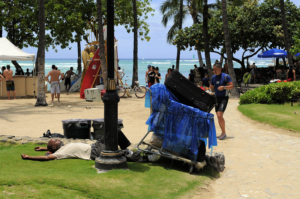
Poverty Reduction in HawaiiRecent initiatives in Hawaii have improved poverty reduction through legislative measures and community-driven programs. These efforts are not only aimed at providing immediate relief but also focus on sustainable solutions to assist vulnerable populations across the state.

The Situation

According to the United States (U.S.) Census Bureau, 10.2% of Hawaii residents live below the poverty line. This score is higher than the U.S. national average of 11.5% as of 2022. Even as Hawaii grapples with poverty, a number of local initiatives are offering hope for meaningful progress in reducing hardship.

Governmental Initiatives

One of the most important legislative actions contributing to poverty reduction is the proposed Farm Bill. This legislation aims to strengthen local agriculture while simultaneously combating hunger. By supporting local farmers and promoting healthy farming practices, the Farm Bill seeks to lower food costs and increase food security for people nationwide, including Hawaii’s residents. The Farm Bill’s approach is crucial in a state that is heavily reliant on imported goods and where high living costs disproportionately affect low-income families. Implementing the Farm Bill involves incentivizing local production through grants, reducing dependency on external food sources and stimulating economic growth.

Governor Josh Green’s administration has also taken proactive steps to address homelessness, a critical aspect of poverty in Hawaii (41% in 2022). The Governor’s office highlighted the Hoʻokahi Leo Kauhale initiative on its official website, focusing on providing affordable housing for at least 50 people experiencing homelessness. This program incorporates housing with comprehensive support services driven to meet the needs of homeless individuals and families. By providing housing along with health care access, employment resources and social services, Hoʻokahi Leo Kauhale aims to reduce homelessness and help residents rebuild their lives.

The Department of Business, Economic Development and Tourism (DBEDT) also plays a pivotal role in Hawaii’s poverty reduction efforts. DBEDT’s goal is to reach a globally competitive economy for Hawaii. The department has led initiatives to increase the state’s economic growth and job creation. DBEDT’s efforts contribute to reducing unemployment rates and promoting financial stability among Hawaii’s residents.

Nongovernmental Initiatives

Hawaii has also made strides in addressing local poverty apart from governmental efforts. Child & Family Service (CFS), a Hawaii-based nonprofit organization dedicated to fostering healthy child development, has also been working to break generational poverty throughout the state. In 2016, the organization launched a pilot program called Transition to Success (TTS). The program’s mission is to empower and guide impoverished families to success via mentorship, coaching and other resources. About 986 participants of TTS reported positive changes regarding self-sufficiency.

What This Means for the Nation

Recent efforts towards poverty reduction in Hawaii show a combination of legislative innovation, community engagement and strategic economic development. Working between government agencies and nonprofit organizations will be crucial in building upon these achievements and addressing common challenges. By continuing to evolve upon successful strategies, Hawaii can further solidify its commitment to poverty alleviation and economic empowerment, setting an example for resilience and stability nationwide.

– Christian Core

Christian is based in Princeville, HI, USA and focuses on Good News and Celebs for The Borgen Project.

Photo: Flickr
July 24, 2024
https://borgenproject.org/wp-content/uploads/borgen-project-logo.svg 0 0 Hemant Gupta https://borgenproject.org/wp-content/uploads/borgen-project-logo.svg Hemant Gupta2024-07-24 01:30:382024-07-24 01:49:01Recent Poverty Reduction in Hawaii
Global Poverty

Zambia’s Creative Cures to Combat Its Housing Crisis

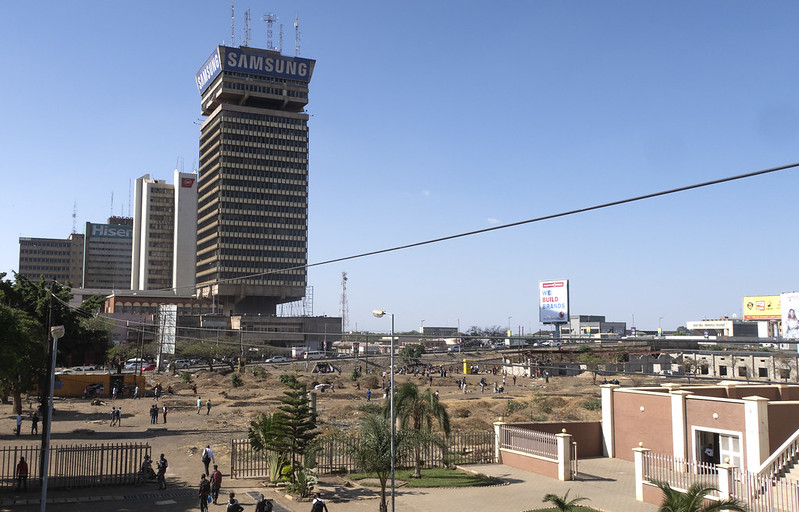
Housing CrisisGlobally recognized as having one of the highest levels of poverty and inequality, Zambia has a long journey ahead to overcome this poverty, which was further exacerbated following the COVID-19 pandemic. However, arguably the greatest factor prolonging the struggle against poverty is its housing crisis. A shortage of quality and available housing leads to social unrest, the spread of diseases, medical challenges, water insecurity and limited employment opportunities. Therefore, the Zambian government has identified improved housing as one of its top priorities. It is developing creative cures to combat its housing crisis.

Why the Housing Crisis Arose

  1. Social factors: Zambia is not only experiencing a rapidly growing population, approximately 19.6 million as of 2021, but it is also projected to double in the next 25 years. It stands out as “one of the world’s youngest countries in terms of median age.” A population largely of working-age people results in an increased demand for jobs, support and housing at a rate that the current development cannot match.

  2. Rapid economic development: Zambia has become rapidly urbanized over the last few decades, perpetuating rising incomes and employment opportunities. Although this is a hugely positive step forward in the fight against poverty and insufficient economic and industrial operations, the rate with which these changes have come about has surpassed developments in infrastructure. This has exacerbated the housing deficit, at 1.5 million homes in 2023, but is projected to increase to three million by 2030. As a result, 70% of Zambia’s urbanites live in slums, necessitating creative cures to combat the housing crisis.

  3. Existing poverty: Although recent urbanization and industrial development have elevated the economic status of many Zambians, such progression has yet to penetrate rural populations. The main reasons for this are “while the agricultural sector is projected to grow, it hardly accounts for population growth and the sector is subject to high volatility.”

    The economic situation remains unstable and unpredictable. “More than 61% (2015) of Zambia’s 19.6 million people earn less than the international poverty line of $2.15 per day.” This means that although there are not enough houses to be purchased by those who have benefitted from the recent economic prosperity, a significant portion of the population still faces financial constraints preventing them from affording any available developed housing.
  1. Legislation: Apart from an insufficient number of houses, there are also issues with legislation around property ownership. The process of registering land takes an average of one year, leaving people without homes yet already engaged in the economic process of purchasing land. Current legislation fails to guarantee access to land, housing finance and security of tenure, as well as materials and skilled labor workforces. Challenges extend beyond legally securing the right to build or own a property, encompassing hurdles in the physical processes of construction and maintenance.

Steps Taken To Overcome the Housing Crisis

Although the housing crisis in Zambia constitutes a serious challenge, many methods are being researched and introduced. Zambia’s creative cures to combat the housing crisis strive to balance the housing deficit and address those areas of the population for whom property ownership remains economically inviable.

  1. Innovative construction methods: The Zambian government seeks to develop more economically and environmentally friendly construction materials as one of its creative cures to combat the housing crisis. Through public-private partnerships and with financial support from the Ministry of Infrastructure, Housing and Urban Development (MIHUD), a skilled labor force is being trained to “develop stabilized soil bricks,” offering a “low-cost and sturdy material for constructing quality houses.”

  2. Technology: The Land Survey Amendment Act of 2021 has promoted the “digitization of records to speed the process of title deeds,” so far addressing “approximately 300,000 records.”

  3. Financial support: For those with a monthly income of more than ZMW6,600 ($398), “Zambia Home Loans” offers supplementary financing for construction and land purchases. There are also more affordable schemes for those with less economic security. “Rent-to-own programs” provide more short-term housing opportunities, allowing renters to gain employment and economic security from a stable home. Alongside financial aid to potential renters and buyers, the Zambian government is providing funding for the construction of properties, signing agreements with “unions and banks to construct more than 40,000 units within the next decade,” constituting a “$1.4 billion investment for programs across the country.”

  4. Nonprofit support: The MIHUD works alongside private players to deliver “low-cost units for households residing in informal settlements.” Private partners include The Horizon Properties and Habitat for Humanity Zambia. Habitat for Humanity targets the nation’s most vulnerable groups. As a humanitarian organization, it has a plethora of programs in place to target areas such as water and sanitation needs as well. By actively participating in property construction and facilitating interest-free mortgages (micro-loans), the organization aims to promote housing security at all stages of the home-owning process.

Conclusion

Although it is undeniable that the housing crisis in Zambia is a serious challenge in the battle against poverty, the Zambian government and many other internal and external organizations have made it their mission to devise creative cures to combat the issue.

– Chloe Thomas
Photo: Flickr

February 8, 2024
https://borgenproject.org/wp-content/uploads/borgen-project-logo.svg 0 0 Hemant Gupta https://borgenproject.org/wp-content/uploads/borgen-project-logo.svg Hemant Gupta2024-02-08 07:30:172024-12-13 18:03:06Zambia’s Creative Cures to Combat Its Housing Crisis
Global Poverty

The New Reform Benefiting Mental Health in Panama 

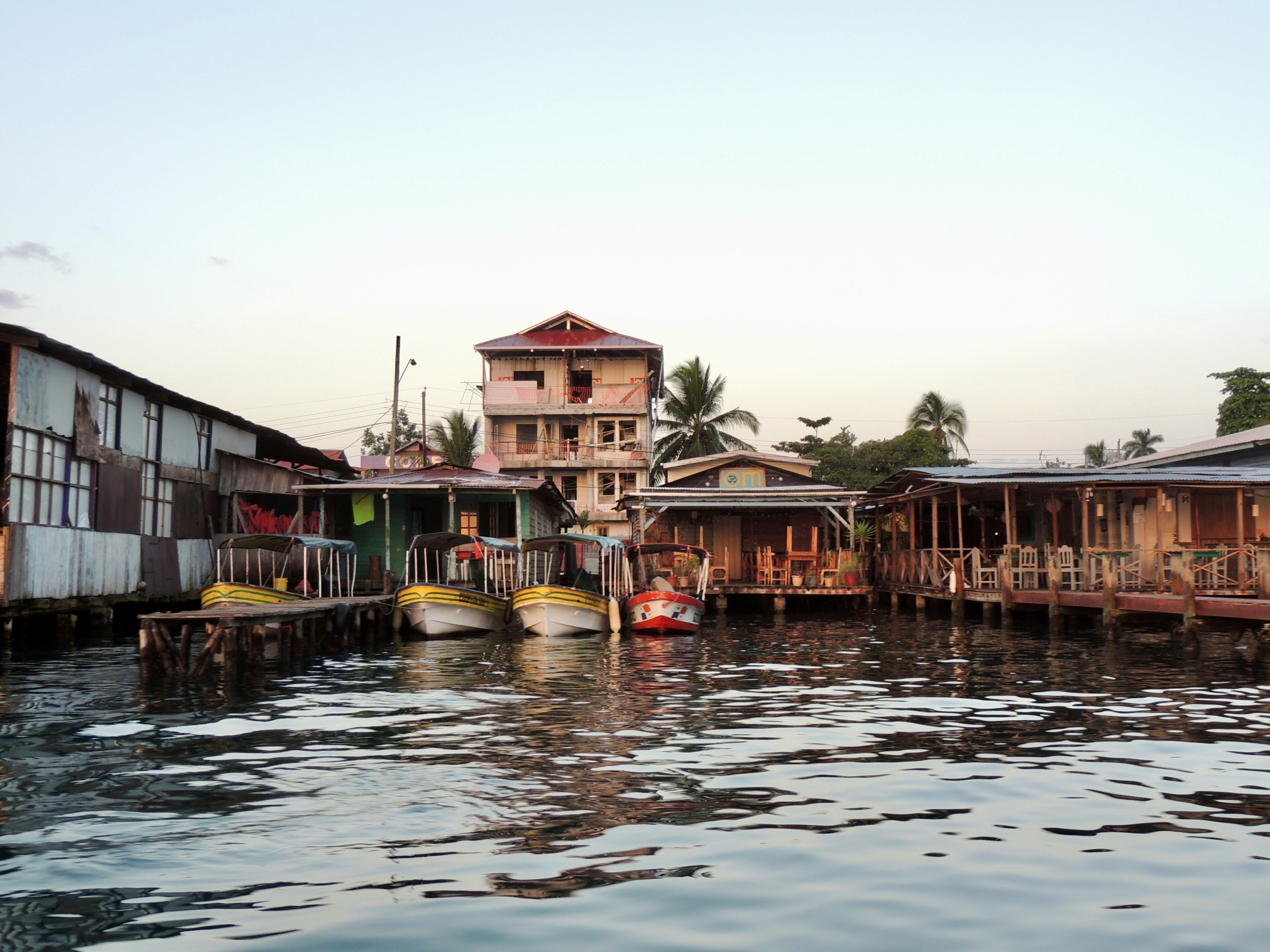
Mental Health in Panama The COVID-19 pandemic impacted mental health in Panama and quality of life in 2020. There has been a global spike in psychiatric illnesses and overall quality of life since the pandemic. This event has increased the number of laws worldwide for health care and improved living, especially for citizens with no health care, public health care or, in some places, universal health care.
Mental health in Panama took a toll after COVID-19 and the 2020 pandemic; according to a poll of 480 adults living in Panama, 65.2% agreed the pandemic affected them and 62.9% agreed that mental health declined. In the same poll, 80.8% of participants were women and 37.3% checked off as unemployed. In 2021, the OECD published that the poverty rate jumped 3% in 2020 from 14.6% to 17.8%, and extreme poverty dropped 0.2%.

A Law for the People

The new law 364 in Panama from Feb. 4, 2023, established the human right to mental health assistance nationally. This legislation means Panama recognizes mental health as a human right for every person, with no discrimination against medical backgrounds or income. In this new law, there are 15 articles.

According to Article 1, “insurance companies may not discriminate against people who have mental health conditions when they are contracting a life or health insurance policy.” Article 2 states that “Private health centers providing care for people with mental, behavioral or neurodevelopment disorders may not refuse medical/psychological assistance to a person experiencing a mental health crisis.”

These two articles within the legislation could prove vital in the goals to provide national mental health assistance. Since public health care systems do not cover mental health in Panama, many would have needed private health care even to get coverage to attend a facility. Though citizens still do not get coverage through the new law, it allows private facilities in Panama to treat residents with little to no health care coverage. It also allows citizens with mental health disorders or other medical problems to acquire insurance more easily.

The Right Mindset

The legislation passed aims to promote awareness of mental health in Panama and encourage the public to seek help. A couple of essential objectives; “to guarantee access to quality services for mental health care services, reduce suicide rates and reduce the stigma surrounding mental health,” according to Icaza, González-Ruiz & Alemán. These objectives are essential to the goals set out in this new law. Panama also plans to create an educational program for all schools, private or public. That promotes mental well-being, prevention of mental decline, and signs to be aware of when dealing with someone who has a mental health condition.

Determination to Do Good

Panama rose, determined to do good for the citizens. When this legislation passed in February 2023, the executive branch had six months to regulate it and there has been no report of it since. The plan is to battle mental health in Panama and insurance issues for the citizens so everyone, regardless of income or history, has an equal chance of acquiring better health.

– Liam E. McGrenaghan
Photo: Unsplash

January 27, 2024
https://borgenproject.org/wp-content/uploads/borgen-project-logo.svg 0 0 Jennifer Philipp https://borgenproject.org/wp-content/uploads/borgen-project-logo.svg Jennifer Philipp2024-01-27 01:30:282024-01-26 04:54:20The New Reform Benefiting Mental Health in Panama 
Global Poverty, Violence Against Women, Women

Addressing the Deaths of Native American Women

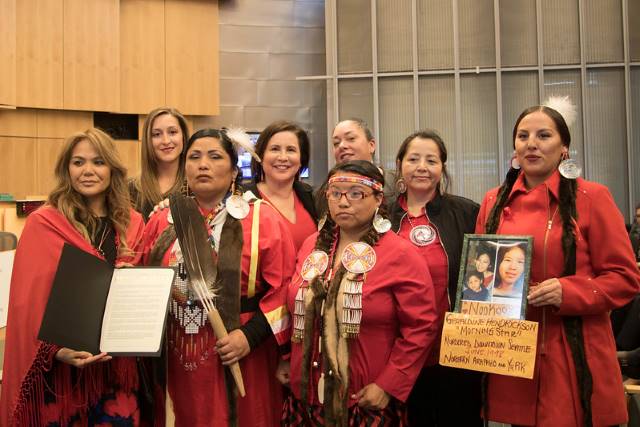
Native American WomenThe 2017 film, Wind River, based on actual events, riveted the public with its reported death rate of Native American women on American reservations. Writer-producer Taylor Sheridan aimed to raise awareness of the overlooked death rate and has succesfully done so since.
Violence Against Indigenous Women

Where poverty is the greatest, indigenous women experience domestic violence rates 10 times higher than the national average for all races. In addition, 84% of Native American women experience violence in their lifetimes or one in three each year. The perpetrators are most often non-Native men outside the jurisdiction of tribal law enforcement.

Murdered indigenous women numbers rose to 500 in 2018, which is a low figure compared to the actual number of missing persons on reservations. Women have silently died and gone missing, underreported, for years. This is due to the discordance that exists between tribal, federal and local law enforcement. However, changes are being made ever since the 1978 ruling of Oliphant v. Suquamish, where it was ruled that Indian courts have no criminal jurisdiction over non-natives. In November of 2019, President Trump signed an executive order to investigate the matter of unsolved cases of missing or murdered Native Americans.

Legislatively Addressing the Issue

Several major changes have since been underway. For example, the Not Invisible Act of 2020 will increase national focus on violent crime against indigenous people and intergovernmental coordination on the high death rate of Native American women. This bill began in 2019 as the Not Invisible Act of 2019; the first bipartisan bill in history to be introduced by four tribal representatives: Deb Haaland, Tom Cole, Sharice Davids and Markwayne Mullin.

To complement the Not Invisible Act, Savanna’s Act became public law in October 2020. Named after Savanna LaFontaine-Greywind, a murdered young indigenous woman whose fetus was cut from her womb, Savanna’s Act will ensure the Justice Department reports statistics on all missing/murdered native women and reform law enforcement. In addition, the National Institute of Justice has created the National Baseline Study which is a study on the health, wellbeing and safety of Native American women, to also provide more accurate data on femicide.

Safe Women, Strong Nations

In addition, the Safe Women, Strong Nations project partners with native nations to combat abductions and murder. The project provides legal advice to the tribes in restoring authority and holding perpetrators responsible. The project works to raise awareness to gain federal action to eliminate the violence against native women.

Poverty makes it easier for native women to be overlooked. One in three Native Americans suffer from poverty, living off on average $23,000 a year. “Poverty is both the cause and the consequence of all the ills visited upon Native Americans.” It is common knowledge that poverty provides leeway for criminality, and with Native American reservations being economically disadvantaged, this is no exception. Addressing systemic poverty instead of turning a blind eye will help lower the death rate of native women. The reservations only need opportunity and U.S.  juridical attention. It is hopeful to see that the United States’ legislative representatives are addressing violence against minority groups but more work needs to be done to protect the well-being of Native American women.

– Shelby Gruber
Photo: Flickr

February 18, 2021
https://borgenproject.org/wp-content/uploads/borgen-project-logo.svg 0 0 Jennifer Philipp https://borgenproject.org/wp-content/uploads/borgen-project-logo.svg Jennifer Philipp2021-02-18 06:22:092021-02-18 06:25:43Addressing the Deaths of Native American Women
Global Health, Global Poverty, Women

Ending Female Genital Mutilation in Sudan

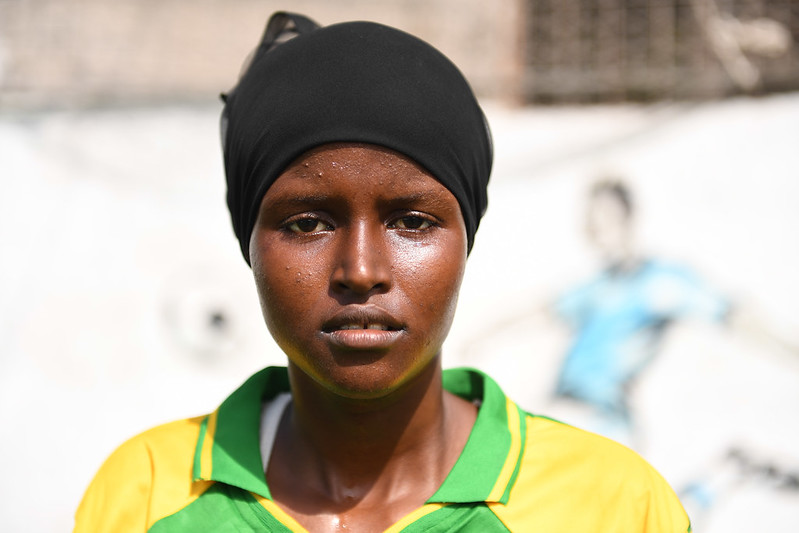
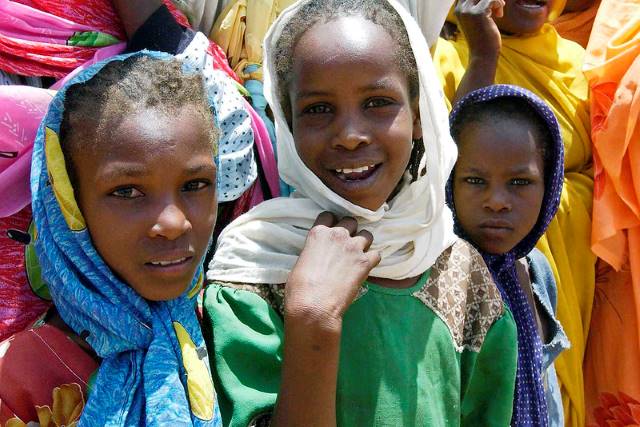
Female Genital Mutilation in SudanAlthough six African states issued legislation to prohibit female genital mutilation, the north African state of Sudan was lagging behind in these efforts. Female genital mutilation ( FGM) was illegal in some Sudanese states but the bans were widely ignored. Under the leadership of Omar al-Bashir, parliament rejected recommendations to ban the practice.
Female Genital Mutilation

FGM is defined as procedures that deliberately alter or cause injury to female genital organs. It is mostly carried out on young girls between infancy and adolescence and occasionally performed on adult women. These procedures are nonmedical and provide no health benefits, only harm to the female. It involves removing and damaging healthy and normal female genital tissue, therefore, it interferes with the natural functions of the female body.

The reasons behind FGM vary between regions due to a mix of sociocultural factors. The procedure is routinely executed by a midwife without anesthesia. There are four types of FGM. Type one is the partial or total removal of the clitoris. Type two is the removal of the clitoris and inner labia. Type three is the removal of all the external genitalia or narrowing of the vaginal opening. Type four is any other type of damage to the female genitalia, such as burning, scraping or piercing.

Females experience either short-term or long-term effects. The short-term effects include severe pain, excessive bleeding (hemorrhage), genital tissue swelling, fever, infections, wound healing issues. The more dangerous and life-altering long-term effects include urinary problems, menstrual problems, increased risk of childbirth complications, the need for later surgeries or psychological problems.

According to UNICEF, 87% of Sudanese women aged between 14 and 49 have undergone a form of FGM. FGM is also more prevalent among the poorest women.

Actions to End Female Genital Mutilation

In 2008, the National Council of Child Welfare and UNICEF joined together to launch the Saleema Initiative, which focused on abandoning FGM at a community level.  The initiative educated women about the health risks and encouraged females to say no to the procedure.

Additionally, the United Nations General Assembly took action in 2012 by calling on the international community to enhance efforts to end FGM. In 2015, the global community agreed to the Sustainable Development Goals (SDGs), which include a target under Goal 5 to eliminate all harmful practices, such as child marriage and female genital mutilation by 2030.

The World Health Organization (WHO) is addressing the issue by implementing guidelines, tools, training and policy to allow healthcare providers the opportunity to offer medical care and counseling to females suffering the effects of FGM.  The WHO also aims at generating knowledge to encourage the abandonment of the FGM procedures. One final measure by the WHO is increased advocacy through publications and tools for policymakers.

Criminalizing Female Genital Mutilation in Sudan

In May 2020, the Sudanese Government criminalized FGM and made it punishable by up to three years in prison. But, experts remain concerned that a law is not sufficient in ending the practice due to religious and cultural ties to the procedure.

The sociocultural and religious ties surrounding female genital mutilation in Sudan complicate attempts to end the practice. Criminalizing FGM in Sudan may not be enough to end the practice. The National Council of Child Welfare, UNICEF, the United Nations General Assembly and the WHO are taking major steps to eliminate FGM or assist those already affected by the practice.

– Rachel Durling
Photo: Flickr

February 18, 2021
https://borgenproject.org/wp-content/uploads/borgen-project-logo.svg 0 0 Kim Thelwell https://borgenproject.org/wp-content/uploads/borgen-project-logo.svg Kim Thelwell2021-02-18 03:10:502021-02-18 03:10:49Ending Female Genital Mutilation in Sudan
Global Poverty, Human Rights, Human Trafficking, Slavery

Human Trafficking in Hong Kong

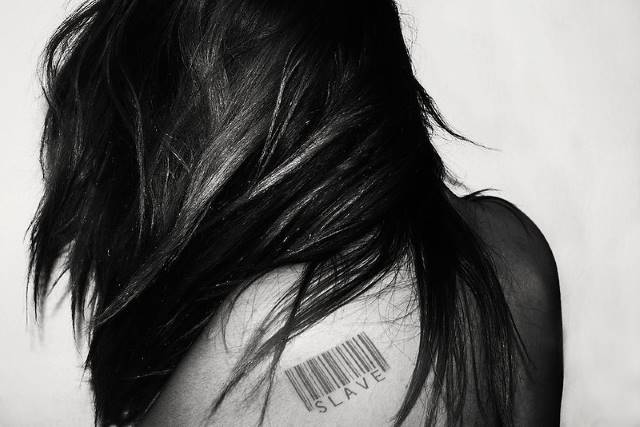
Human Trafficking in Hong KongHuman trafficking is a persistent problem all around the world, including in the Hong Kong Special Administrative Region located in the People’s Republic of China. The Justice Centre Hong Kong produced a study in 2016 on human trafficking in Hong Kong and it was found that one in six of the 370,000 migrant workers in the city were forced labor victims. While Hong Kong does take steps to eradicate human trafficking, it is important to study human trafficking in every region of the world so that it can be prevented in the future.
Recent Changes and Legislation

Lawmakers in Hong Kong proposed that the government pass an anti-slavery bill based on Great Britain’s “Modern Slavery Act.” However, two of those lawmakers, Dennis Kwok and Kenneth Leung, were removed from Parliament, leaving many questioning whether the bill would ever get passed. A member of The Mekong Club, a group in Hong Kong dedicated to fighting modern slavery said, “There is little chance that this important bill will move forward.” This, in conjunction with the current protests in Hong Kong likely means that lawmakers have had little time to focus on anti-human trafficking legislation.

Another recent development on human trafficking in the nation is that in mid-2020 the U.S. demoted Hong Kong from Tier 2 on the Trafficking in Persons Report to Tier 2 Watch List, suggesting that Hong Kong “does not fully meet the minimum standards for the elimination of trafficking.” The government of Hong Kong disputed the U.S. human trafficking report’s claims, arguing that the report was not based on evidence and looks at minor flaws rather than the big picture.

Hong Kong’s Approach to Resolving Human Trafficking

One problem with the nation’s current anti-human trafficking legislation is that the city only defines human trafficking as “involving cross-border sex trafficking for prostitution,” which means the legislation does not cover “labor exploitation, debt bondage, domestic servitude or similar practices.” Unfortunately, the legal system can make it difficult for those who are trafficked in Hong Kong to get the help they need or support from legal authorities.

While anti-human trafficking laws could be amended, lawmakers and academics have shown there are creative solutions to the problem. Reed Smooth Richards Butler, a law firm, worked with Liberty Asia, an anti-slavery charity, to create the Legal Gap Analysis report, which explains how other laws can be used to persecute human traffickers. For example, individuals responsible could be arrested for false imprisonment rather than human trafficking directly. Creative efforts like these are important to find solutions to salient issues, including the trafficking of people.

Protecting Human Rights

While the government can certainly improve its response to human trafficking in Hong Kong, the country has implemented many measures to help reduce human trafficking and protect human rights. Human trafficking needs addressing and analyzing the nuances in human trafficking policy can help incapacitate the industry globally.

– Madelynn Einhorn
Photo: Flickr

February 17, 2021
https://borgenproject.org/wp-content/uploads/borgen-project-logo.svg 0 0 Kim Thelwell https://borgenproject.org/wp-content/uploads/borgen-project-logo.svg Kim Thelwell2021-02-17 01:30:392021-02-15 03:42:13Human Trafficking in Hong Kong
Developing Countries, Gender Equality, Global Poverty, Women's Rights

Progressing Women’s Rights in Uganda

Women's Rights in UgandaWomen’s rights in Uganda are notoriously spotty. Ugandan women experience high rates of physical and sexual abuse, at 56% and 22% respectively. Additionally, child marriage is common and 40% of Ugandan girls marry before they turn 18. As a result, many girls never complete their education or gain the necessary job skills to help them provide for themselves and their families. The lack of opportunities for women to thrive economically only perpetuates poverty in the region.

The Gender Gap and Poverty

Uganda currently ranks 65th out of 153 countries on the Global Gender Gap Index for equal “economic participation and opportunity” among men and women. With 19.7% of Ugandans still living below the poverty line in 2013 and two in three households that escape poverty and then fall below the poverty line all over again, striving for women’s rights in Uganda is one essential step needed to combat the region’s prevalent poverty. Over the last few years, the Ugandan Government and nonprofit groups have made great strides to advance women’s rights in Uganda.

Legislation for Women’s Rights in Uganda

Over the last 15 years, Uganda has passed a volley of legislation designed to protect women’s rights. These laws make it more likely for women to have the physical health and wellbeing to hold jobs and begin to address the social barriers to women’s economic participation.

  • Laws prohibiting violence against women: The 2009 Persons Act (anti-trafficking), 2010 Anti-Female Genital Mutilation Act, 2010 Domestic Violence Act and additional 2011 domestic violence regulations.
  • The Equal Opportunities Commission Act of 2007: This law gives the Ugandan state power to punish discrimination against sex, while also permitting the state to implement “affirmative action in favor of groups marginalized on the basis of gender… for the purpose of redressing imbalances which exist.”

Governmental Plans for Women’s Rights

Addressing women’s rights in Uganda is a key part of Uganda’s Second National Development Plan 2015/16 – 2019/20. The Plan explains attaining women’s rights as a prerequisite to desired economic growth and proposes several key initiatives to increase women’s access to business ownership and resources. The initiatives include using technology to promote women’s issues, advancing economic reforms to allow women equal access to inheritance, property and public financial resources as well as addressing widespread gender discrimination. An additional public policy plan, The National Strategy to End Child Marriage, seeks to enhance women’s autonomy and economic opportunity by curtailing child marriage, which stunts teenagers’ abilities to seek education and exposes them to marital violence. Due to child marriage, currently up to 35% of girls drop out of school before age 18.

Organizations for Women’s Rights in Uganda

Nonprofit advocacy groups are playing a part to advance and raise awareness for women’s rights too. Girl Up Initiative Uganda provides programs tailored to educate adolescent girls, teaching job skills and economic empowerment. Additionally, Action for Rural Women’s Empowerment (ARUWE Uganda) focuses on teaching agricultural job skills to women in rural areas.

The National Union of Women with Disabilities in Uganda (NUWODU) seeks to expand ongoing women’s rights work to women with disabilities. In particular, NUWODU aims to end discrimination against disabled women workers in the job market and to increase their wages and access to services.

While there is still plenty of work to do, the progress being made by nonprofits and governmental action taken on behalf of Ugandan women enables them to attain long-term economic equality and prosperity that will help the region as a whole to fight poverty.

– Elizabeth Broderick
Photo: Flickr

December 7, 2020
https://borgenproject.org/wp-content/uploads/borgen-project-logo.svg 0 0 Kim Thelwell https://borgenproject.org/wp-content/uploads/borgen-project-logo.svg Kim Thelwell2020-12-07 08:46:052024-05-30 07:53:00Progressing Women’s Rights in Uganda
Government

The Parliamentary System Versus the Presidential System

Parliamentary System Versus the Presidential System

A nation’s type of government indicates how its executive, legislative and judicial levels are organized. There are various constitutional structures of national government throughout the world. The most popular models are the presidential system and the parliamentary system. Both systems are democracies, meaning that citizens have the power to make governmental decisions through their vote. It is critical for citizens to understand the differences between these two systems of government so that they understand the full potential of their votes, as well as their representation. To better understand the parliamentary system versus the presidential system, it’s important to examine how these systems operate within each branch of government.

The Executive Branch

Presidential systems have an executive branch that consists solely of the president. The president is an individual elected by citizens to be head of government and state for a maximum of two terms in office. The President is independent of the legislative branch. Some common responsibilities of the president are to:

  • execute and enforce laws of Congress,
  • sign the legislation into law,
  • veto bills enacted by Congress and
  • conduct diplomacy with foreign nations.

In contrast, parliamentary systems have a clear distinction between the head of government and head of state. In this system, the head of government and parliament is the Prime Minister. Rather than participating in a general election, Parliament elects the Prime Minister. Citizens elect the members of Parliament. Additionally, Parliament makes up the legislative branch of government.

The Prime Minister typically has no limit to the time they can stay in office. However, this means that they are dependent on the satisfaction of Parliament, which has the power to remove the Prime Minister from power. This can be accomplished through a no-confidence vote.

Meanwhile, within a parliamentary system, the head of state may be an elected president. But, the head of state is also commonly a hereditary monarch and acts as a figurehead for the nation.

The Legislative Branch

The legislative branch of the parliamentary system versus the presidential system may either be unicameral or bicameral. Unicameral contains one house, whereas two houses make up a bicameral system. A bicameral legislative system consists of a lower house and upper house. The lower house is where most law-making occurs. Many governments opt for a two-house legislative branch to avoid the concentration of power in one body and ensure the federal government is held accountable.

In presidential systems, the legislative branch will write law for a president to ultimately approve. Though the president may suggest laws, it is ultimately the legislative branch that will write them. In contrast, a Prime Minister will write laws along with the legislature and pass them.

The Judicial Branch

Judicial systems across parliamentary system versus the presidential system have a similar structure. Their structures are similar in that they both strive to create a separation of powers between the judiciary branch and other branches of government. However, the exact structure of these systems varies widely across various countries.

Is One Better Than The Other?

Both forms of government are organized in such a way that they both have various strengths. Due to the vote of no-confidence, it is easy to end the term of a Prime Minister within a parliamentary system. Meanwhile, it is much harder to impeach a president. However, Prime Ministers are dependent on the legislature. In contrast, presidents are completely independent of their legislative branches. They are able to make decisions that they believe are best in the nation’s interest without the influence of outside parties.

Despite all the differences between the parliamentary system versus the presidential system, it is ultimately the members of a nation who hold power. By voting, citizens can express their voice and effect change in their respective countries, no matter their system of government.

– Shreya Gaddipati
Photo: Flickr

June 7, 2019
https://borgenproject.org/wp-content/uploads/borgen-project-logo.svg 0 0 Kim Thelwell https://borgenproject.org/wp-content/uploads/borgen-project-logo.svg Kim Thelwell2019-06-07 13:14:392019-12-16 13:36:08The Parliamentary System Versus the Presidential System
Page 2 of 3123

Get Smarter

  • Global Poverty 101
  • Global Poverty… The Good News
  • Global Poverty & U.S. Jobs
  • Global Poverty and National Security
  • Innovative Solutions to Poverty
  • Global Poverty & Aid FAQ’s
Search Search

Take Action

  • Call Congress
  • Email Congress
  • Donate
  • 30 Ways to Help
  • Volunteer Ops
  • Internships
  • Courses & Certificates
  • The Podcast
Borgen Project

“The Borgen Project is an incredible nonprofit organization that is addressing poverty and hunger and working towards ending them.”

-The Huffington Post

Inside The Borgen Project

  • Contact
  • About
  • Financials
  • President
  • Board of Directors
  • Board of Advisors

International Links

  • UK Email Parliament
  • UK Donate
  • Canada Email Parliament

Get Smarter

  • Global Poverty 101
  • Global Poverty… The Good News
  • Global Poverty & U.S. Jobs
  • Global Poverty and National Security
  • Innovative Solutions to Poverty
  • Global Poverty & Aid FAQ’s

Ways to Help

  • Call Congress
  • Email Congress
  • Donate
  • 30 Ways to Help
  • Volunteer Ops
  • Internships
  • Courses & Certificates
  • The Podcast
Scroll to top Scroll to top Scroll to top