• Link to X
  • Link to Facebook
  • Link to Instagram
  • Link to TikTok
  • Link to Youtube
  • About
    • About Us
      • President
      • Board of Directors
      • Board of Advisors
      • Financials
      • Our Methodology
      • Success Tracker
      • Contact
  • Act Now
    • 30 Ways to Help
      • Email Congress
      • Call Congress
      • Volunteer
      • Courses & Certificates
      • Be a Donor
    • Internships
      • In-Office Internships
      • Remote Internships
    • Legislation
      • Politics 101
  • The Blog
  • The Podcast
  • Magazine
  • Donate
  • Click to open the search input field Click to open the search input field Search
  • Menu Menu

Tag Archive for: Global Poverty

Inflammation and stories on global poverty

Posts

Developing Countries, Development, Global Poverty, Health

7 Facts About Foreign Aid to Paraguay

Foreign Aid to ParaguayWith a national poverty rate of about 24% in 2018, according to World Bank data, increasing foreign aid to Paraguay is vital. Paraguay, a landlocked nation home to 7.13 million people in the heart of South America, has made significant strides to combat poverty, but not without help. Foreign aid is a staple in the country’s infrastructure development, humanitarian assistance and social welfare programs, all of which help to reduce poverty in Paraguay.
7 Facts About Foreign Aid to Paraguay

  1. Based on a poverty line of less than US$5.5 (2011 PPP) per day, foreign aid contributions helped Paraguay’s poverty rate fall to 15.8% in 2019, “less than half of what it was in 2003.” For instance, between 2003 and 2019, Paraguay received at least $13 million each year in U.S. foreign assistance, contributing to many projects designed to improve life for impoverished Paraguayans. One such project is the Paraguay Productivo, which targeted rural poverty by connecting smallholder farmers with “sustainable business opportunities” between 2009 and 2012. With projects like these, foreign aid to Paraguay contributed to a sharp decrease in poverty, improving the quality of life for millions of Paraguayans.
  2. Paraguay received more than $304 million for official development assistance (ODA) in 2020. This large sum of money contributes to hundreds of projects, including those for encouraging democracy, developing infrastructure and eradicating poverty. Projects like the Democracy and Governance Project (U.S.), Paraguay Productivo (U.S.) and the Project for Strengthening Primary Health Care System (Japan) contribute to economic growth and political stability, providing better resources and improving life for impoverished Paraguayans.
  3. The largest single donor to Paraguay is Japan, contributing more than $54 million in 2019 and 2020. The next highest donors of foreign aid to Paraguay are the European Union ($40.07 million), South Korea ($39.84 million), the Inter-American Development Bank ($38.36 million), the Green Climate Fund ($28.07 million), France ($22.44 million) and the United States ($21.52 million). Japan’s priorities in Paraguay are reducing disparities and promoting sustainable economic development, providing a framework for its aid. For instance, Japan’s Agricultural Sector Strengthening Project delivered resources to farmers, increasing their productivity and mitigating rural poverty.
  4. The sector receiving the most ODA is economic infrastructure and services, receiving 34% of foreign aid to Paraguay from 2019 to 2020. The next highest receiving sectors are social infrastructure and services (33%), health and population (17%) and education (5%). Paraguay Okakuaa, a U.S. project lasting from November 2015 to September 2021, developed economic infrastructure to prevent the exploitation of impoverished children, including the development of an electronic case management system to assist the government in executing labor laws.
  5. USAID, the U.S. agency orchestrating the country’s international development plans, leads several noteworthy projects that contribute to the fight against poverty, both directly and indirectly. The Democracy and Governance Project focuses on stemming corruption in the country, with an allotment of almost $4 million in 2018. The Higher Education Partnership received $3 million in 2019 to “strengthen the capacity of local higher education institutions (universities and training centers) to address gaps in the area of rule of law,” the USAID EducationLinks website says. USAID donated $4.9 million for COVID-19 assistance in 2022, bolstering the nation’s response to the pandemic.
  6. Some projects have a narrower focus on improving the well-being of Paraguayans, from improving health care to advancing access to food and water. For example, Japan and the Inter-American Development Bank loaned up to 9.13 million yen for water and sanitation improvements in Ciudad del Este, advancing water and sewage services in Paraguay’s “second largest metropolitan area.” Projects like this one focusing on water quality ensure the health, safety and security of the Paraguayans with the fewest resources.
  7. Foreign assistance does not always come from government sources, as many non-governmental organizations step up to combat poverty. Habitat for Humanity, for instance, served almost 3,500 Paraguayans in 2021 through “new constructions,” home repairs and “incremental building.” This organization contributes to improved living conditions, aiding vulnerable Paraguayans by building durable homes.

Eradicating global poverty is a group effort. As it stands, 8.6% of the world lives in extreme poverty and foreign aid works as a critical tool in the fight to end poverty. Through global action, poverty in Paraguay can diminish.

– Michael Cardamone
Photo: Flickr

September 19, 2022
https://borgenproject.org/wp-content/uploads/borgen-project-logo.svg 0 0 Jennifer Philipp https://borgenproject.org/wp-content/uploads/borgen-project-logo.svg Jennifer Philipp2022-09-19 07:30:102024-05-30 22:30:047 Facts About Foreign Aid to Paraguay
Developing Countries, Development, Education, Global Poverty

Ecuador Uses AI to Help Students to Improve

AI to help studentsIn Ecuador, a country where poverty is a prominent social issue, education stands as an essential pathway out of impoverishment. In a modern world where technology is thriving, combining technology and education is beneficial to the population. Starting January 2021, Ecuador has been using AI to help students understand math to a greater extent.

Higher Education in Ecuador

According to CEIC Data, in 2015, the percentage of adults aged 25 and older with a bachelor’s degree or an equivalent qualification stood at just 12%. Due to the impacts of the COVID-19 pandemic, many higher education students in Ecuador faced learning losses or gaps.

With the help of funding from the World Bank, the Ministry of Higher Education, Science, Technology and Innovation (SENESCYT) in Ecuador started offering “artificial intelligence (AI) assisted academic support in math” to new students starting their higher education. According to the World Bank, “using AI [has] enabled access to large-scale, low-cost academic remediation programs.”

The program has improved math results for students, which will, in turn, increase skills and job opportunities. This is changing the face of Ecuadorian remedial education. The use of AI to help students will help solve any recurring problem of lowered access to face-to-face classes due to weather, lack of transportation or sickness.

Implementation

The conventional method for a school to provide extra courses to pupils with learning gaps was to hire a private tutor after school hours. Most parents had the same issues with their children — the children faced difficulty understanding course work. However, not everyone could afford the privilege of hiring a tutor. But, for those who could, parents found it difficult to ensure that each student would be helped in a customized way that caters to their individual pace of learning.

Now, with the help of technology, students are able to access academic support to improve their performance in math. The new AI-powered learning platform is able to tailor tutoring to students’ strengths and weaknesses and prior learning.

According to a February 2022 article by the World Bank, the portal has provided assistance to “more than 14,000 students in the technical and technological higher education system” since January 2021. With the support and involvement of more than 300 educators, more than 400 technical and technological higher education courses implemented the AI tutoring program.

The Importance

According to the World Bank, as of 2020, 33% of Ecuadorians are living under the national poverty line. Access to education can help to combat poverty. According to UNESCO, “if all students in low-income countries had just basic reading skills (nothing else), an estimated 171 million people could escape extreme poverty. If all adults completed secondary education, we could cut the global poverty rate by more than half.”

In this case, providing students with AI-powered academic support to improve their critical skills will help to lay a foundation that paves the path to greater job opportunities. There is a correlation between education and poverty as education provides the skills and knowledge essential for accessing well-paying, skilled employment opportunities to break cycles of poverty. Because of this, access to good quality education is an antidote to poverty. Ecuador’s use of AI to address gaps in learning stands as a step toward the nation’s future economic prosperity.

– Frema Mensah
Photo: WikiCommons

September 19, 2022
https://borgenproject.org/wp-content/uploads/borgen-project-logo.svg 0 0 Naida Jahic https://borgenproject.org/wp-content/uploads/borgen-project-logo.svg Naida Jahic2022-09-19 01:30:502022-09-16 15:09:23Ecuador Uses AI to Help Students to Improve
Children, Developing Countries, Development, Global Poverty

Presidential Policies to Reduce Poverty in Mexico

Policies to Reduce Poverty in MexicoToward the end of 2021, Andrés Manuel López Obrador, the president of Mexico, told the U.N. to “wake up from its slumber” on the issue of global poverty, the PassBlue reported. The popular left-wing president is halfway through his six-year term. He has said that alleviating domestic and global poverty are among his top priorities. In 2020, just one year before López Obrador proposed to the U.N. a first-of-its-kind plan to decrease global poverty, poverty in Mexico increased by almost 4 million people. That year, 55.7 million people in Mexico survived on less than $1.90 a day. The Economic Commission for Latin America and the Caribbean (ECLAC) expected this number to rise in 2022 “due to inflationary pressures.” A closer look at López Obrador’s policies to reduce poverty in Mexico provides insight into the country’s economic future.

Poverty in Mexico

In 2022, about 44% of Mexico’s population lives in poverty, according to the most recent government data. Excluding the negative effects the coronavirus had on economies across the globe, there are three main causes of mass poverty in Mexico:

  1. Poor Educational Attainment. In 2020, about 5.2 million students dropped out of school in Mexico due to the onset of the COVID-19 pandemic. Economic difficulties, requiring children to work, stood as a significant factor in these dropouts. With the onset of the pandemic,  the country also saw domestic violence, child homicides and adolescent pregnancy rates skyrocket.
  2. The Wealth Gap. The top 20% of the wealthiest households in Mexico have “income [10] times higher than the poorest 20%” of households. Wealthy people earn about half of the income in Mexico, while millions of people in poverty endure unemployment, underemployment and unfair wages. The distribution of wealth determines who has access to safe housing, water and other infrastructure necessities.
  3. Corruption. Corruption is rife in Mexico, impacting both political stability and the nation’s economic development as well as “the rule of law, efforts to combat organized crime and the effectiveness of public services.” Money laundering, especially among government officials, is not uncommon. Corrupt local authorities have restricted Mexico’s residents from protesting and expressing their frustrations to the government for generations. Corruption also increases inequality in the country.

López Obrador’s Domestic Policies

In a radical move to change the status quo of policies to reduce poverty in Mexico, soon after assuming office, López Obrador ceased almost all existing welfare programs in the country in favor of a system reminiscent of a universal basic income, where residents received non-need-based cash.

Economists held concerns that the erasure of programs with need-based criteria would result in people not receiving enough benefits. These concerns held weight — For the government to afford to give out cash to all citizens, López Obrador had to cancel the two-decade-long Prospera program. The program “gave cash to mothers living in poverty in exchange for them keeping their children in school and taking them for regular medical checkups.” The program received praise for its success, on an international level.

In 2020, López Obrador transitioned Mexico to remote schooling after the coronavirus hit. Shortly after the implementation of programs such as Aprende en Casa (Learn at Home), which entailed receiving educational content through television and the internet, inequalities became apparent. Especially in rural areas, the inability to connect to the internet meant that rural children could not access the program.

International Policies

In 2021, López Obrador gave a speech to the United Nations Security Council (UNSC) proposing a global poverty reduction program where the globe’s 1,000 wealthiest people and corporations would donate 4% of their wealth and G20 countries would donate 0.2% of their GDPs.

In 2021, almost 700 million people lived in extreme poverty across the world, according to Development Initiatives. López Obrador said that his plan could produce around $1 trillion annually to fight global poverty. U.N. members will debate his proposal before deciding on its direction, but some leaders have already come out in support.

Future of Policies

Half of his presidential term remains, and despite growing poverty rates amid his policies to reduce poverty in Mexico, López Obrador is still popular, with a 62% approval rating. Economists suggest that if López Obrador implements successful policies to reduce poverty in Mexico, he will be more reputable on a global scale and in debates over his U.N. proposal.

There is Hope

Others have stepped up to fight poverty, even though policies to reduce poverty in Mexico have had mixed results. One organization stepping up to the plate is Save the Children, a worldwide charity foundation that aids the most vulnerable group living in poverty — children. Since 2000, in Mexico, Save the Children has helped to reduce the prevalence of child labor by 80%. In 2021 alone, Save the Children provided assistance to more than 95,000 children. In Mexico, the organization’s work over the past two decades includes ensuring the health and nourishment of 28,000 children, educating and empowering 19,000 children and taking 3,000 children out of the grips of poverty. Save the Children collaborates with local organizations in Mexico and foundations in the U.S. to help more impoverished children in Mexico each year.

With effective policies to reduce poverty, Mexico’s citizens can live a better quality of life. But, in the meanwhile, organizations are stepping in to assist Mexico’s most vulnerable.

– Delaney Murray
Photo: WikiCommons

September 17, 2022
https://borgenproject.org/wp-content/uploads/borgen-project-logo.svg 0 0 Kim Thelwell https://borgenproject.org/wp-content/uploads/borgen-project-logo.svg Kim Thelwell2022-09-17 01:30:542024-05-30 22:30:13Presidential Policies to Reduce Poverty in Mexico
Children, Developing Countries, Development, Education, Global Poverty

Book Banning and Censorship Across the Globe

Book banning and censorshipBook banning has become a dominant form of censorship around the world, as governments try to control the internet and technology available for their citizens. Associations similar to Amnesty International are fighting against book banning and censorship to protect democracy, access to education and information and progressive and forward-thinking in the 21st century. Countries across the globe such as China, Bangladesh and Egypt commonly practice book banning to restrict education and allow censorship. Book banning has many implications in terms of access to education and further restricting vulnerable populations from thriving. Fortunately, international organizations are actively working against book banning and censorship to ensure that vulnerable populations have access to a well-rounded education.
Countries that Practice Book Banning

Ironically, book banning has been a topic discussed in iconic books themselves such as Fahrenheit 451, which tells the story of a sheltered dystopia where books are burned to prevent conflicting opinions and an inharmonious society. While the idea is farfetched, countries across the world still employ book banning to stifle controversial opinions and prevent taboo topics from becoming a point of discussion in their societies. Book banning and censorship have been common practices in countries like China and Hong Kong in order to protect the Chinese Communist Party from criticism. Politically sensitive reading materials as well as those dealing with religion, sexual content, and other taboo topics are consistently avoided by booksellers.

European countries such as Russia and Hungary also have a history of censorship, especially with those relating to LGBTQ+ themed materials. Hungary had legislation passed in June 2021 which excludes LGBT content from school curriculums and sexual education programs and has also censored such material on a wider, more national scale as well. Far-right politicians have banned many books that display homosexuality and Russia has also claimed obscenity for similar literary materials.

Book Banning and Poverty

Though book banning is harmful for educational and political reasons, there are also financial implications which impact vulnerable populations as well. For example, in China, the Communist Party has increased restrictions on books pertaining to independence movements, pro-democracy thematic elements and other subjects. Since the country is at the forefront of the cheap publishing market, if books are banned by the CCP, they may not be published at all. The restrictions and financial burden fall primarily on small publishers and progressive academics who may not have the means to abandon the Chinese printing market and pursue publishing elsewhere, as it is estimated that high-quality printing in China is almost 40% cheaper than other countries.

In the past decade, more and more books discussing poverty and social class have been banned or restricted in the United States, as well as in European countries including the United Kingdom. By stifling authors’ voices and those trying to depict the harsh realities of some underprivileged populations, book banning and censorship limit awareness and the public’s opportunities to provide relief through advocacy and action.

Organizations Against Book Banning

Amnesty International is one organization that encourages people to take action against international book banning and protect the freedom of expression. Through their annual Banned Books Week, which takes place on September 18-24, the organization partners with the American Library Association and others to bring awareness to book censorship attempts in libraries and schools and its harmful impact by uniting book communities consisting of librarians, booksellers, publishers and everyday readers. Through their research with the Office for Intellectual Freedom, it was found that in 2021, there were 729 challenges in libraries, schools and universities that restricted access to at least 1,597 books. The efforts and data being shared with the public increase awareness about the topics that are being filtered and allow people to take action and prevent further book banning and censorship with community efforts.

– Nethya Samarakkodige
Photo: Wikipedia Commons

September 15, 2022
https://borgenproject.org/wp-content/uploads/borgen-project-logo.svg 0 0 Naida Jahic https://borgenproject.org/wp-content/uploads/borgen-project-logo.svg Naida Jahic2022-09-15 07:30:542024-05-30 22:30:08Book Banning and Censorship Across the Globe
Children, Developing Countries, Development, Global Poverty

The Future of India’s Development

Future of India’s DevelopmentCelebrating India’s 75th anniversary of independence from British governance, Prime Minister Modi announced on August 15, 2022, that the country would be working toward becoming a developed nation within the next 25 years. In addition, he promised to lift millions of Indians out of poverty while cracking down on “corruption and nepotism” within the government. With more than 1.4 billion people in India, accomplishing these tasks is a monumental challenge, but one that Modi believes is achievable for the future of India’s development.

Striving for Development

Although there is no single metric that defines a country as developed, ways of assessing development include factors ranging from income per capita to electricity usage. Generally, developed countries will have lower rates of unemployment, higher levels of literacy and industrialization, a diverse economy and high gross national income (GNI). With a GNI of $2,170 in 2021, India holds the status of “lower middle income” according to the World Bank. However, that figure once stood at $440 in 2000, showing a clear upward progression of moving toward the GNI of more developed nations.

India also has a broad network of poverty relief and social welfare programs. One example is the Public Distribution System (PDS), which costs close to 1% of India’s GDP and distributes grain to low-income families, according to the World Bank in 2011. Introduced in 2005, the Mahatma Gandhi National Rural Employment Guarantee Scheme ( MGNREG) aims to provide up to 100 days of paid work per year for impoverished adults in rural areas. Lastly, through the Rashtriya Swasthya Bima Yojana (RSBY) program, India’s impoverished receive health insurance coverage. By 2011, RSBY served more than 70 million Indians, a huge success given the country has very few insurance programs for its labor force.

Program Shortcomings

Unfortunately, India’s development suffers from logistical issues and mismanagement. According to National Sample Survey data from 2004-2005, grain distributed under the PDS reached less than half of the intended recipients. The cause of this problem is “leakage and diversion of grains,” leading experts to suggest cash transfers that directly give families an equivalent value.

Other programs like the MGNREG also struggle with providing benefits, with fewer than 100 days of work being available, particularly in rural areas. Prime Minister Modi addressed these issues during the August 15 celebrations, promising to curb inefficiencies within the government and fight against corruption.

A Vision for India

Modi’s vision for India’s future development also includes achieving “excellence in science and technology” while attaining “food and energy security.” India’s minister of power, R.K. Singh, said on August 5, 2022, that India is ahead of many developed countries in progress toward achieving clean energy.

Furthermore, India’s strong relationship between itself and the United States is touted as a catalyst for growth, with U.S. President Joe Biden stating that the two countries would work together to bring “prosperity and security for our people.”

Transforming India into a developed nation is a massive undertaking, one which will require an incredible mobilization of human and economic resources. With 21.9% of the population living under the national poverty line in 2011, according to the latest available data from the World Bank, substantially reducing this statistic would be a major humanitarian victory. The country’s future 100th anniversary holds massive potential and the opportunity to showcase India’s development.

– Samuel Bowles
Photo: WikiCommons

September 14, 2022
https://borgenproject.org/wp-content/uploads/borgen-project-logo.svg 0 0 Naida Jahic https://borgenproject.org/wp-content/uploads/borgen-project-logo.svg Naida Jahic2022-09-14 07:30:092022-09-13 11:32:55The Future of India’s Development
Development, Education, Global Poverty, Health

How the Gentrification of Thrifting Affects Low-Income Communities

Gentrification of ThriftingThe gentrification of thrifting is impacting the availability of second-hand clothing for people in need. Although thrifting existed from the late 19th to early 20th centuries, it had not gained widespread popularity until the 1970s onward. Furthermore, the scale at which this now $119 billion industry operates signifies its importance to the fashion industry and mass media. While thrifting has captured the interest of many young consumers, the consequences of this overconsumption prove to be more harmful than initially intended.
The History of Thrifting

Thrifting has existed for centuries across various cultures, but it was not until the late 1800s that thrift stores began to appear all across the U.S. As immigrants integrated themselves into the evolving American culture, they struggled to be accepted by mainstream society, often seen as those who took opportunities away from U.S.-born citizens. Many low-income individuals sought to create secondhand shops in collaboration with the Salvation Army, however, secondhand clothing held a stigma that deterred the general public.

At the turn of the 20th century, these locations began to change their marketing tactics to resemble popular department stores emerging at the time. From then on, they appealed to a broader range of people and the stigma began to disappear. It was not until the last half-century that modern thrift stores aligned with popular fashion, moreover when maximalism became all the rage.

Throughout the mid-to-late 2010s, fashion companies worldwide, including Levi Strauss and H&M, formed an arrangement to push sustainable fashion to the forefront of their businesses. Their proposed sustainable options could not come to fruition without addressing the issue of unethical production methods. Once fast fashion increased in scale, garment producers overlooked the human rights side of the equation. Tragedies like the Rana Plaza garment factory collapse in Dhaka, Bangladesh, sparked the question of ethical textile creation. Thus, thrifting presented an easy switch for consumers. Furthermore, with the increase in internet use and micro-trends perpetuated by the COVID-19 pandemic, thrifting gained traction like never before.

Recent Popularization of Secondhand Shopping

With the upward trend of maximalist fashion —a style that incorporates layers, patterns and other eccentric accessories— consumers acknowledged thrifting as an affordable shopping alternative. This craze began among teenagers and the advent of social media platforms such as TikTok and Instagram has merely increased its appeal. Environmental friendliness and avoiding exploitative labor justify the transition from fast fashion websites to secondhand stores. Influencer culture has also weaved itself into the mix, triggering this overconsumption and gentrification of thrifting.

Thrift stores, designed to benefit low-income communities, have been under fire for increasing the prices of secondhand clothing in recent years. Although a majority attribute the online reseller to be the pivotal cause of this shift, more often than not, thrift stores are raising their prices to maximize sales from wealthy shoppers.

The issue pertains to demand rather than the supply of donated goods. The desire for thrifted items has increased, so much so that it is becoming difficult for low-income people to access this support network. Moreover, thrifting has positively benefited the environment and human rights issues. However, psychological determinants, especially among impressionable youth, also play a role.

Changes in the Thrifting Market

A study in Vietnam displayed the growing second-hand market as well as the impacts of social class and cultural perceptions. While many western countries have developed an affluent thrifting environment, others have blurred the lines regarding the practice due to external influences. Some feel good about their decision to thrift due to its low cost and benefits to the environment while others stay away because of lingering social stigma. Each country is attempting to develop its own stance on second-hand goods, but a general consensus has yet to be reached.

Clearing up Misconceptions and Finding a Solution

Misconceptions about thrifting have emerged over the years. Supply is a common segway for thrifting advocates to guilt affluent consumers out of purchasing secondhand. The sheer number of donated clothing has skyrocketed since the pandemic began, but only around 20% become in-store inventory for selling in secondhand shops. The rest are either sent to warehouses to ship to overseas markets in sub-Saharan Africa or end up in landfills. It is an act of overconsumption as an ideology that has erected a majority of the damage; even more so than resellers of thrifted clothing.

Rather than citing specific groups that have contributed to the steepening prices, the best solution to combat the gentrification of thrifting is to spread awareness and encourage ethical buying behaviors, such as avoiding “high-need items in low stock” or simply buying an item that one can use for an extended period of time. Another alternative may be purchasing from vintage clothing or consignment sites that are not geared toward the low-income demographic. This way, one streamlines where their clothing originates from and can avoid situations where the seller mass purchases items from mainstream thrifting locations.

By addressing the gentrification of thrifting through conscious thrifting behaviors, secondhand shops can still serve the people most in need.

– Sena Ho
Photo: Flickr

September 13, 2022
https://borgenproject.org/wp-content/uploads/borgen-project-logo.svg 0 0 Kim Thelwell https://borgenproject.org/wp-content/uploads/borgen-project-logo.svg Kim Thelwell2022-09-13 07:30:292024-05-20 07:49:47How the Gentrification of Thrifting Affects Low-Income Communities
USAID

US Provides $116 Million in Aid to Mozambique Amid Humanitarian Crisis

Aid to MozambiqueOn July 20, 2022, the U.S. pledged to provide $116 million of aid to Mozambique for the 800,000 refugees currently displaced. This amount of money is part of the United States’ plan to send $2 billion to the Horn of Africa because of its humanitarian crises. Along with the U.S., other partners of USAID have also pledged to deliver resources to Mozambique.

Recent Conflicts in Mozambique

Since 2017, the terrorist group al-Shabaab has been destroying Mozambique’s northern province, Cabo Delgado. Cabo Delgado contains much of Mozambique’s rich natural gas supply, which is vital to its economy. Al-Shabaab has committed several violent acts toward the people who live there such as destroying schools and hospitals, kidnapping children and killing numerous people. In March 2022, 88,000 people fled the town of Palma because of a terrorist attack. This destruction has threatened the continuation of many gas fields in the province.

Along with the terrorism, cyclone Gombe wreaked havoc on the country in March 2022. This was only one of three natural disasters that struck Mozambique during its cyclonic season. The hurricane affected approximately 736,015 people or 148,253 families and displaced around 23,000 people. Additionally, Gombe destroyed an estimated 91,000 hectares (approximately 225,000 acres) of crops.

In total, because of these issues, more than 800,000 people have experienced displacement. Mozambique has not been able to recover from the damage of these two problems it has faced, especially with the current Russia-Ukraine war and the food insecurity it has caused.

Relief to Mozambique

The United States has a history of giving foreign aid to African countries. In 2019, the U.S. donated an estimated total of $7.1 billion to sub-Saharan Africa. This aid went towards addressing health and humanitarian issues. The U.S. is also Mozambique’s biggest donor as it provides more than $560 million annually.

Currently, in Africa, there are 27.1 million refugees and 53 million internally displaced people, and 800,000 of them are located in Mozambique.

In addition to the $592 million already pledged to countries in the Horn of Africa, the U.S. has committed $116 million in aid to Mozambique. This funding is part of Biden’s plan to provide a total of $2 billion to African nations and those affected by the Russian-Ukrainian war. Feed the Future, an organization that President Obama established, has labeled Mozambique as one of the eight countries the organization will target to increase its support and stop its humanitarian issues. Other partners of USAID have also pledged to send other resources to help with the food, water, sanitary, hygienic and agricultural needs.

Aid to Improve Mozambique’s Infrastructure

In addition to the $116 million aid package to Mozambique, the U.S. plans to invest $10 million to help address the country’s infrastructure and development needs. Some of this money will go toward helping smallholder farmers develop sustainable farming practices while also allowing them to access a wide variety of crops to grow.

The U.S. is hard at work ensuring that Putin’s invasion of Ukraine affected receive assistance. Its donation of $116 million to aid Mozambique is just a portion of its end goal of donating $2 billion to countries affected by this war. Millions across these countries will receive aid and relief, helping alleviate some of the damage that the Russian-Ukrainian war caused. Mozambique specifically will greatly benefit from this money, and the 800,000 displaced persons will receive resources to help their situation.

 – Janae O’Connell
Photo: Wikimedia

September 10, 2022
https://borgenproject.org/wp-content/uploads/borgen-project-logo.svg 0 0 Jennifer Philipp https://borgenproject.org/wp-content/uploads/borgen-project-logo.svg Jennifer Philipp2022-09-10 01:30:362022-12-01 11:42:54US Provides $116 Million in Aid to Mozambique Amid Humanitarian Crisis
Developing Countries, Global Poverty, Health

Flooding in Uganda 

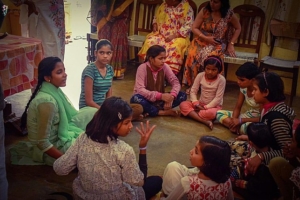
Flooding in Uganda Due to global warming over the past few years, the world has seen many countries be thrown into crisis due to natural disasters. Uganda has been one of those impacted countries.
What’s Happening?

24 people have died and over 5,600 people have been displaced due to the eruption of 2 riverbanks in Eastern Uganda causing flash flooding after heavy rain. The floods have also led to 400,000 people without clean water and destroying thousands of acres of farmable land. Flooding in Uganda has left many Ugandans without the capacity to sustain their basic needs. Rain is predicted for the coming month and the local government has a goal of evacuating 100,00 people out of the Eastern Ugandan area, only 2,500 have been evacuated thus far.

Impact On Poverty

Uganda has one of the youngest populations in the world. Half of the population is 15 years old or younger, so this massively impacts the work force. 76% of the country lives in rural areas and 73% of the work force works in agriculture. The floods have greatly impacted this massive industry of agriculture which affects the way the population is able to earn sustainable wages. 41% of the country already lives below the poverty line of less than $1.90/day. Fertile land and farming are seen as a way for people to make a living for themselves.

With the floods having no end in sight and likely only to get worse due to global warming, thousands of acres have been lost in this season alone and it is hard to say when the industry could make a full recovery.  The eastern and northern regions of Uganda have higher poverty populations than the rest of the country. This means flooding in Uganda is more likely to affect people who are in poverty.

Humanitarian Impact

On June 13, politicians in the area declared a need for humanitarian assistance in food security. The USAID and BHA are planning to deliver emergency funds to the world food program in order to help with the food crisis caused by the flooding in Uganda. The U.S. also announced a donation of $20 million in development assistance to the country. The funds are meant to ease the food insecurity by helping the agriculture industry and providing the country with improved techniques to increase productivity and to prevent losses.

 A Look Ahead

The situation for many in Uganda is currently not adequate, however, the people of the world see their struggle and have committed to helping. The U.S. and other organizations have seen this problem all over the world in terms of food insecurity caused by natural disasters. While the problem may not be gone today or tomorrow, there are countless people trying to make sure that the Ugandans in the coming years will not have the same worries.

– Alex Peterson
Photo: WikiCommons

September 9, 2022
https://borgenproject.org/wp-content/uploads/borgen-project-logo.svg 0 0 Jennifer Philipp https://borgenproject.org/wp-content/uploads/borgen-project-logo.svg Jennifer Philipp2022-09-09 01:30:322022-09-07 02:40:06Flooding in Uganda 
Developing Countries, Development, Global Poverty, Health

Mental Health in Pakistan

In developing countries like Pakistan, a nation that has faced violence, economic and political instability since its birth in 1947, mental health is a highly consequential yet invisible issue. Pakistan has one of the highest mental illness rates in the world — A 2016 article by DAWN says around 50 million Pakistanis suffer from mental issues. Pakistan also has a staggeringly low number of psychiatrists — a 2020 article published by The Lancet Psychiatry says Pakistan’s population stands at more than 200 million people yet the nation has fewer than 500 psychiatrists. A 2015 article by Inamullah Ansari says Pakistan has four psychiatric hospitals available to the whole country. This makes it especially hard for those who need help to find it, a problem only exacerbated in rural areas where there is only one psychiatrist per million people. For these reasons, improving mental health in Pakistan is imperative.

Mental Health Stigma in Pakistan

The topic of mental health in Pakistan carries a stigma, which deters people from seeking professional help. Many believe that mental health issues stem from “supernatural forces,” and as such, psychiatric patients seek help from religious healers. This is due to limited educational awareness of mental health conditions and minimal access to mental health professionals.

Mental Health Among Pakistani Women

Pakistani women face significant societal stigmas and gender biases, which marginalize women and serve as stressors exacerbating mental health issues among women. In Pakistan, violence against women is rife as society considers violence “one of the acceptable means whereby men exercise their culturally constructed right to control women.”

It is common for many Pakistani families to celebrate the birth of a boy but mourn the birth of a girl. Child brides, dowries and exchange marriages are common, especially in rural areas. And often, early marriage results in abuse, violence, and in extreme circumstances, some marriages lead to honor killings and acid burns. Marital violence is concerningly common in Pakistan. A United Nations study found that a staggering 90% of Pakistani women surveyed suffered mental and verbal abuse from their spouses and 50% of women endured physical abuse.

Societal Stigma

Divorce in Pakistan also carries a tremendous stigma. Many women are afraid to leave their husbands simply due to social stigma, fearing their friends and families will cut them off. This stigma often traps women in a cycle of abuse. Around 70% of abused women have never opened up to anyone about their abuse, says a 2004 study by Unaiza Niaz.

This constant abuse puts women at high risk for depression, post-traumatic stress disorder, substance abuse and even suicide. Marital abuse also puts children at a higher risk for depression, anxiety, substance abuse and poor school performance. Children younger than 12 with abusive parents are up to seven times more likely to endure emotional, behavioral and learning difficulties, says the same study.

Several studies and surveys have shown that women, especially married women who have faced violence, are exponentially more likely to seek psychiatric care than men. Due to the gender-specific issues Pakistani women endure, promoting mental health in Pakistan, especially for women, is imperative.

Fighting for Change

Although the situation seems grim, many organizations and individuals are fighting to bring awareness and increase psychiatric care for those who need it the most.

Dr. Alaptagin Khan is working to raise awareness of mental health in Pakistan and established the Childhood Trauma Research Center in Peshawar in 2018 at Lady Reading Hospital, with the support of the Neurocare Foundation. This center collects data, hosts workshops and seminars and works to bring awareness to childhood trauma. The center aimed to collect data from 2,500 participants by December 2020. The data “will allow health professionals to assess the true disease burden of mental health disorders associated with childhood trauma in Pakistan.”

The Pakistan Psychiatric Society, founded in 1972, is the largest professional psychiatric membership organization in Pakistan. It represents more than 400 psychiatrists and continually advocates for a better system to combat mental health in Pakistan. It publishes scientific journals and magazines on mental health awareness and provides training for psychiatrists.

BasicNeeds Pakistan, started in 2011, is a nonprofit organization that “works to improve the lives of people living with mental illness and/or epilepsy in Pakistan.” It provides mental health training for community volunteers, brings awareness to mental illnesses and common symptoms and debunks myths or stigma. In addition, in 2016, it started the Centre for Women’s Enterprise and Development, which aims to create job opportunities for women suffering from mental illnesses. As of 2016, BasicNeeds Pakistan has provided support to 16,703 people who faced mental health issues or knew someone who did.

Looking Ahead

Mental health in Pakistan is a dire issue, one that political turmoil and instability continue to perpetuate. It is also one that women are at the forefront of, contributing to the oppressive standards of women’s living. It is an epidemic that continues to grow, affecting the entire population’s well-being and must be addressed for Pakistan to improve as a country.

– Padma Balaji
Photo: WikiCommons

September 9, 2022
https://borgenproject.org/wp-content/uploads/borgen-project-logo.svg 0 0 Jennifer Philipp https://borgenproject.org/wp-content/uploads/borgen-project-logo.svg Jennifer Philipp2022-09-09 01:30:252022-09-06 14:01:54Mental Health in Pakistan
Development, Global Poverty

Top Gun’s Budget Reveals Funding Possibilities

Top Gun's Budget Reveals Funding Possibilities“Top Gun: Maverick” was released on May 27, 2022, hitting upward of $1 billion globally. The film is a sequel to the original 1986 classic starring Tom Cruise and depicts fighter pilots in the U.S. Navy training for a risky mission. As a high-energy action film, the scenes of actors being jostled in fighter jets are an integral part of the movie’s excitement and fun. However, the spending allocated within Top Gun’s budget reveals funding possibilities for international aid programs.

The Filming of “Top Gun: Maverick”

Given Cruise’s commitment to realism, it may be unsurprising that scenes including flights in F/A-18 Super Hornet fighter jets are real. Actors flew in jets rented directly from the U.S. Navy, getting the chance to experience the thrill of high speed and the grueling reality of high gravitational force.

However, this immersive approach to moviemaking came at a staggering cost. Bloomberg reports that the film’s production paid upward of $11,000 per hour to access the fighter jets. Yet, these fees are only a little higher than basic operation costs. The Department of Defense reports that operating a F/A-18 Super Hornet costs $10,507 per hour, not including the initial purchase cost of the aircraft.

Top Gun and Defense Spending

These figures hint at the department’s astronomical spending each year. The defense department’s budget request for this upcoming fiscal year is $773 billion— $30.7 billion more than in 2022.

DOD’s purpose is to deter war and ensure the nation’s security. However, countless military officials maintain that preventing war by funding international aid programs such as the United States Agency for International Development (USAID) can be more cost-effective in the long run.

International aid programs that reduce hunger and disease and spread stability through education can prevent conflict globally. As the “Top Gun: Maverick” budget highlights, the cost of everyday military operations can be exorbitant. The U.S. could funnel some of that money into international aid instead.

What One Hour of Flight Time Could Do for Global Poverty

To illustrate this point, one can look at what the U.S. military could do with the funding that matches one hour of flight time in a fighter jet— $10,507.

  • Provide 5,253 malaria nets to sub-Saharan Africa. One net saves an average of two people from malaria. At just $2 per net, more than 10,000 people could be protected from malaria. The Against Malaria Foundation reports that the world saves one child’s life for about every 600 nets set up. That means one could save at least eight young lives with the same amount of money that provides just one hour of jet flight time.
  • Feed more than 280 people in Somalia during a catastrophic famine. USAID estimates the cost per beneficiary of emergency food assistance at $37 per person. This means hundreds of people could receive food aid.
  • Send about 350 Congolese girls to primary school for a year. The average primary school fee in the Democratic Republic of the Congo is $25-$35 per year. This money could go far, especially since this cost is insurmountable for many Congolese families. Educated girls have a radiating positive economic impact on low-income countries. Rights group Plan International estimates that every $1 spent on girls’ education generates $2.80  in the country’s GDP return on investment.

Moving Forward

Seeing how Top Gun’s budget reveals funding possibilities gives pause to how much change is feasible. With even a portion of the $773 billion in yearly defense spending, just one hour of flight in a fighter jet could do much for global poverty.

The organization Global Campaign on Military Spending works to advocate for the reallocation of military spending to peace and public aid programs. Established in 2014, it holds an annual event to raise awareness about military spending and to change the conversation.

– Grace Ramsey

Photo: Flickr

September 8, 2022
https://borgenproject.org/wp-content/uploads/borgen-project-logo.svg 0 0 Kim Thelwell https://borgenproject.org/wp-content/uploads/borgen-project-logo.svg Kim Thelwell2022-09-08 07:30:022024-06-08 03:32:08Top Gun’s Budget Reveals Funding Possibilities
Page 4 of 40«‹23456›»

Get Smarter

  • Global Poverty 101
  • Global Poverty… The Good News
  • Global Poverty & U.S. Jobs
  • Global Poverty and National Security
  • Innovative Solutions to Poverty
  • Global Poverty & Aid FAQ’s
Search Search

Take Action

  • Call Congress
  • Email Congress
  • Donate
  • 30 Ways to Help
  • Volunteer Ops
  • Internships
  • Courses & Certificates
  • The Podcast
Borgen Project

“The Borgen Project is an incredible nonprofit organization that is addressing poverty and hunger and working towards ending them.”

-The Huffington Post

Inside The Borgen Project

  • Contact
  • About
  • Financials
  • President
  • Board of Directors
  • Board of Advisors

International Links

  • UK Email Parliament
  • UK Donate
  • Canada Email Parliament

Get Smarter

  • Global Poverty 101
  • Global Poverty… The Good News
  • Global Poverty & U.S. Jobs
  • Global Poverty and National Security
  • Innovative Solutions to Poverty
  • Global Poverty & Aid FAQ’s

Ways to Help

  • Call Congress
  • Email Congress
  • Donate
  • 30 Ways to Help
  • Volunteer Ops
  • Internships
  • Courses & Certificates
  • The Podcast
Scroll to top Scroll to top Scroll to top