• Link to X
  • Link to Facebook
  • Link to Instagram
  • Link to TikTok
  • Link to Youtube
  • About
    • About Us
      • President
      • Board of Directors
      • Board of Advisors
      • Financials
      • Our Methodology
      • Success Tracker
      • Contact
  • Act Now
    • 30 Ways to Help
      • Email Congress
      • Call Congress
      • Volunteer
      • Courses & Certificates
      • Be a Donor
    • Internships
      • In-Office Internships
      • Remote Internships
    • Legislation
      • Politics 101
  • The Blog
  • The Podcast
  • Magazine
  • Donate
  • Click to open the search input field Click to open the search input field Search
  • Menu Menu

Tag Archive for: Global Poverty

Inflammation and stories on global poverty

Posts

Children, Developing Countries, Development, Global Poverty, Health

The State of Poverty in Jamaica

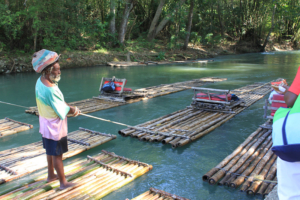
Poverty in JamaicaMany view Jamaica as the heart of the Caribbean, with beautiful beaches and crystal clear waters. However, Jamaica has long faced an uphill economic climb that continues to plague the nation. While Jamaica’s GDP saw growth from 2013 onward, the onset of the COVID-19 pandemic significantly impacted the economy. The state of poverty in Jamaica indicates regression since the onset of the COVID-19 pandemic. The poverty rate in Jamaica rose 4% in two years, sitting at 23% in 2020.
Tourism Industry in Jamaica

Due to the nation’s heavy reliance on the tourism industry, the COVID-19 pandemic affected Jamaica significantly. The tourism industry alone accounts for $60 billion in gross domestic product while generating 2.8 million jobs for the citizens of Jamaica, according to Prime Minister Andrew Holness. In 2019 alone, a staggering 4.2 million tourists flocked to the beaches and resorts on the island.

However, once the pandemic hit Jamaica, the tourism industry came to a halt as did tourism-based income. The gross domestic product decreased by 9.9% in the year 2020, accounting for the steepest decline in the island’s history. During the peak of the pandemic, in July 2020, the unemployment rate reached 12.6%.

The CARE Programme

To combat this harsh reality, the Jamaican government stepped up to the plate to assist citizens. One of the most significant moves the government receives applause for is its implementation of a social and economic support program called the CARE Programme.

In order to improve the state of poverty in Jamaica, the program provided “compassionate grants to those who were unemployed or informally employed” before the onset of the pandemic. Those facing unemployment as a result of the pandemic received “temporary unemployment benefits” and the program supplied grants to small businesses and self-employed individuals whose income decreased due to the pandemic. The CARE Programme also provides aid to ill, elderly and disabled Jamaicans as well as other economically disadvantaged groups by boosting aid through existing initiatives. The program also gave incentives to companies in specific sectors to retain employees who fall in the lower-income bracket.

Due to the government’s generous and swift reaction to the pandemic, the state of poverty in Jamaica has continuously improved post-pandemic. In the year 2022, the percentage of people active in Jamaica’s labor force has risen. According to Carol Coy of the Statistical Institute of Jamaica (STATIN) as of April 2022, “The overall number of persons in the labor force rose by 24,900 or 1.9% to 1,350,300.” In addition to its renewed workforce, Jamaica anticipates that tourism in the nation for the year 2022 may bring in approximately USD $2.9 billion while drawing up to 2.5 million tourists to the island.

Looking Ahead

The perseverance of the Jamaican citizens and the government has led to a historic turnaround for the nation’s economy post-pandemic. While poverty has long ridden the island, the resiliency of the Jamaican people has brought the nation back from the brink of complete economic collapse. The current state of poverty in Jamaica makes it apparent that the future is more prosperous than ever.

– Austin Hughes
Photo: Flickr

September 3, 2022
https://borgenproject.org/wp-content/uploads/borgen-project-logo.svg 0 0 Kim Thelwell https://borgenproject.org/wp-content/uploads/borgen-project-logo.svg Kim Thelwell2022-09-03 07:30:322024-12-13 18:02:44The State of Poverty in Jamaica
Children, Developing Countries, Development, Global Poverty, Health

How Digital Payments Can Aid Afghanistan’s Humanitarian Crisis

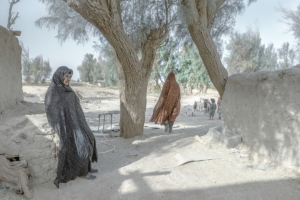
Afghanistan’s Humanitarian CrisisAfter nearly two decades, the Afghanistan War ended in August 2021, when United States forces evacuated the country. For the nearly 40.9 million Afghans left behind, the rippling impacts of the war have created a devastating crisis. Afghanistan’s humanitarian crisis has made nearly every aspect of life take a turn for the worst under the rule of the Taliban. Crucially, this includes economic struggles, which then affect access to food and healthcare.
Part of the reason for the harsh and sudden economic downturn for Afghanistan came as a result of the Taliban’s takeover in August 2021. Since then, most foreign aid has been revoked, including from sources such as:

  • The United States
  • The World Bank
  • The International Monetary Fund
  • The Asian Development Bank

As a result, nearly $2 billion in aid has been stopped, causing the economy to collapse, as prior to this, Afghanistan was nearly dependent on foreign aid.

Humanitarian Crisis

The economic collapse was the result of multiple failures or setbacks Afghanistan faced in recent years. Drought, the COVID-19 pandemic and conflicts all came to a head with the Taliban takeover. Food insecurity has been at the forefront of the humanitarian crisis plaguing the Middle Eastern country.

According to the World Food Programme, 95% of Afghans are food insecure as of January 2022. Drought and rising food prices in the last year have increased the severity of food insecurity, which is now up 14 points from 81% the year before.

Food insecurity isn’t due to a lack of food in the country and is rather due to a lack of economic security. As of 2020, 85% of Afghans did not have a bank account. In the current crisis, humanitarian aid is not enough. Afghans need access to secure finances to lift themselves out of poverty and to allow them to purchase food and other necessities.

However, Afghanistan’s Central Bank’s credentials are not recognized internationally, which essentially renders it useless as a financial institution. This is a security measure, as there are fears that the Taliban could use any money for their own purposes. However, the group Human Rights Watch writes of a way to legitimize the Central Bank without giving funds indirectly to the Taliban, in a practice called “ringfencing.”

A Human Rights Watch article stated the ways to protect money going into Afghanistan. By “(ensuring that bank leaders have sole and independent authorities and credentials), put in place independent auditors to monitor the bank’s transactions internationally and domestically and ensure that assets made available are being used for legitimate central banking functions and humanitarian and commercial purposes.”

Measures to ease the burden of the economic crisis will go a long way to aid Afghanistan’s humanitarian crisis.

Digital Payments

One creative attempt to relieve the financial woes felt by Afghans is the use of digital payments. The Center for Global Development released a brief in May 2022 on the potential impact of digital payments on Afghanistan’s humanitarian crisis.

Digital payments do not include cryptocurrency, though it doesn’t exclude the possibility. They work similar to apps like Venmo or CashApp, where money goes directly to consumers and then to the places they do business. The rise of technology like QR codes has made digital payments even more accessible.

In a country similar to Afghanistan, digital payments are seen as a way to alleviate economic hardship without inadvertently giving money to the Taliban, or paying the Taliban to regulate financial institutions. Instead, security measures including biometric data on smartphones or customer due diligence protocols. The protocols are already in place for digital payments used by non-governmental organizations (NGOs), which often utilize digital payments for salaries in the countries they operate in.

The benefit of digital payments is the traceability, unlike bank notes. However, one potential disadvantage is that many Afghan women do not have access to smartphones or are illiterate, which would be a greater barrier to the effective use of digital payments.

There are various digital payment platforms that have already shown success. Fintech for International Development partnered with several NGOs to launch “Lotus20”, which had a successful pilot program in Kenya. In Afghanistan, the platform seeing success is “HesabPay”, which has partnered with more than 4,000 Afghan merchants to accept digital payments.

A Look Ahead

Afghanistan’s humanitarian crisis is rapidly growing and will continue to get worse. There are a plethora of other issues contributing to the total devastation and yet so many can be traced back to economic pitfalls. Digital payments have the potential to help Afghans regain control of their finances and lives in a time of near constant crisis.

–Emma Rushworth
Photo: Wikimedia Commons

September 3, 2022
https://borgenproject.org/wp-content/uploads/borgen-project-logo.svg 0 0 Jennifer Philipp https://borgenproject.org/wp-content/uploads/borgen-project-logo.svg Jennifer Philipp2022-09-03 01:30:482022-09-03 16:29:10How Digital Payments Can Aid Afghanistan’s Humanitarian Crisis
Children, Developing Countries, Development, Global Poverty, Health

Updates From AIDS Conference 2022

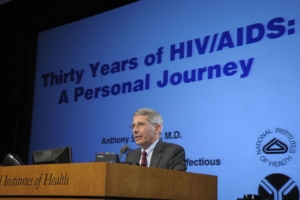
AIDS ConferenceThe 24th Annual AIDS conference occurred in Montreal between July 29, 2022 and August 2, 2022. This was the first year the conference employed a hybrid model with both in-person and virtual speakers. As a result, researchers, advocates and leaders from 172 countries attended, and most were from developing countries.
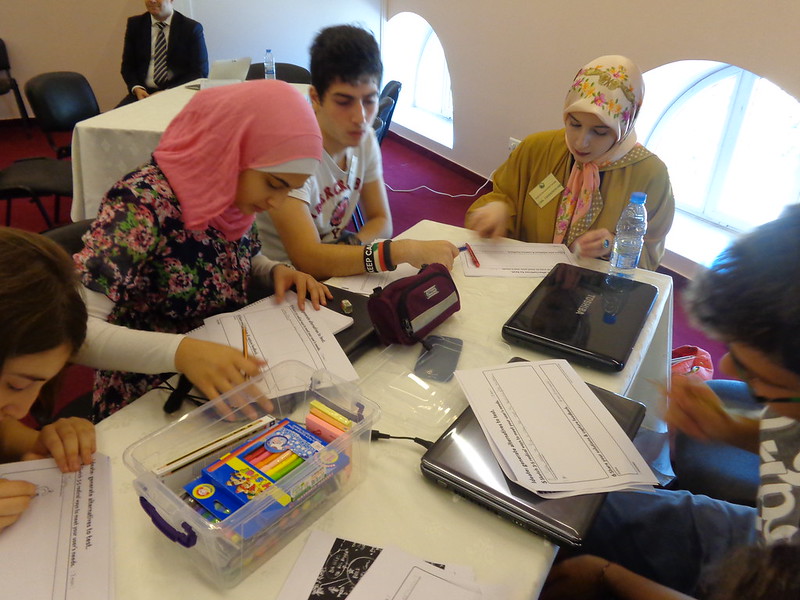
The AIDS conference displayed many breakthroughs in HIV prevention and the intersections between sciences such as clinical, political, social and behavioral. The greatest clinical development, according to the co-chair of the conference Dr. Jean-Pierre Routy, was the research that found that the receipt of a long-acting injection shot of antiretroviral medication every eight weeks is “safe and superior” to daily oral medication.

Necessary Steps

However, though medical science is taking strides forwards, the rollout of these treatments remains behind. Esteban Burrone, the Head of Policy at the Medicines Patent Pool, described the necessary steps to promote the equitable rollout of HIV antiretroviral medication. Each country needs FDA approval, licensing, manufacturing and recommendation in guidelines for a rollout to receive approval. Things that can help fast-track product rollout in countries are “community involvement in demanding access, pursuing early licensing, securing national approval, equitable pricing agreements.” In addition, Dr. Karin Hatzold, a public health physician, discussed how access to “diagnostic strategies such as HIV self-testing… [and] operations research to optimize delivery models” are crucial for a successful rollout and introduction to products.

Reaching Rural Areas

Tackling the difficulty of delivering medications to vulnerable populations in developing countries, however, is Dr. Rosalind Parkes-Ratanshi. Parkes-Ratanshi discussed a pilot project in Uganda where medical drones help distribute HIV medication in remote locations and for mobile populations. Her medical drone project is also used for COVID-19 and STI sample delivery. Although this does not address the policy required to roll out new products in other countries, it is a step to reaching rural populations with already approved antiretroviral medication.

New Framework

Furthermore, representatives from the World Health Organization (WHO), Global Fund and the International Aids Society (IAS) presented new people-focused guidelines that the WHO has adopted to focus on structural barriers. This includes reducing stigma and eradicating “punitive laws.” The new framework also works to target key populations who make up 70% of new HIV infections according to UNAIDS. Each presenter at the AIDS conference including the WHO strives to progress the global community toward the UNAIDS 95-95-95 target, a goal that states by 2030, 95% of people living with HIV will know their HIV status, 95% of people who know their status will be receiving treatment and that 95% of people on HIV treatment will have an undetectable viral load making the chance of infecting others very low.

PEPFAR News

PEPFAR, the U.S. President Emergency Plan for AIDS Relief, announced that 5.5 million babies across the world have been born HIV-free due to the program’s efforts. PEPFAR’s efforts to expand treatment and prevention services to many target populations across the globe have reached millions. U.S. Global AIDS Coordinator and Special Representative for Health Diplomacy Ambassador-at-Large Dr. John Nkengasong described the prevention program that made this possible. “In collaboration with countries, communities, and our partners, PEPFAR supported comprehensive HIV prevention programming for adolescent girls and young women, voluntary medical male circumcision, and we scaled up treatment for women and men with viral suppression.” Other PEPFAR announcements included reaching the 90-90-90 UNAIDS target in at least 12 “high HIV disease burden countries” and treating approximately 20 million men, women, and children with antiretroviral medication.

These were only a fraction of the many positive advancements that researchers discussed at the 2022 AIDS conference. Much progress has occurred in understanding other barriers such as the social, political and economical barriers to reach the UNAIDS 95-95-95 goal by 2030. Check out the AIDS 2022 website for more information about the 24th Annual AIDS conference.

– Jordan Oh
Photo: Flickr

September 3, 2022
https://borgenproject.org/wp-content/uploads/borgen-project-logo.svg 0 0 Naida Jahic https://borgenproject.org/wp-content/uploads/borgen-project-logo.svg Naida Jahic2022-09-03 01:30:232022-09-01 11:26:15Updates From AIDS Conference 2022
Development, Education, Global Poverty, Health

Social Entrepreneurship Empowers Disability Justice

Social Entrepreneurship Empowers Disability JusticeThe MIT Enterprise Forum (MITEF) is carrying out its 16th edition Pan-Arab Startup Competition. Since 2016, the yearly program awards competitors in three categories: ideas, startups and social entrepreneurship. The competition highlights how social entrepreneurship empowers disability justice, among other issues. Winners receive equity-free funding based on scalability, social impact, financial sustainability and innovation. Participants receive top-notch mentoring from some of the leading minds in entrepreneurship and technology, and they also gain networking opportunities with a global entrepreneurial community and investors.

Social Entrepreneurship Track

Social entrepreneurship is quickly gaining popularity in the world of innovation. It is an initiative that pursues an innovative idea to address the root causes of communal issues such as poverty, water scarcity, disability justice and much more.

MIT recognizes the potential of social entrepreneurship. Hala Fadel, the Founder and Chair of MITEF Pan-Arab, commented that “the entrepreneurship and innovation ecosystem has reached an inflection point as 450-plus alumni are leading their way through the domains of renewable energy, sustainable agriculture and environmental infrastructure.”

Money goes into social businesses to create social impact, not to maximize dividends on investment. Without pressure from opportunistic stockholders to optimize profit, these peace-driven projects can expand impact and be self-sustaining and ethical.

A fundamental principle of social entrepreneurship is a pledge to higher than standard working conditions and wages. These initiatives provide proper employment for locals who are working to confront their communities’ problems. The emergence of this new wave of entrepreneurship is productive for social health, innovation and middle-class development. Social entrepreneurs may become major drivers of poverty reduction action in the future.

Social Business Highlight: Entaleq

Entaleq, one of the program’s successful alumni, is a mobile phone application aiming to improve accessibility for people with disabilities in Egypt. The Helm Foundation developed the app, and the nonprofit works to fight poverty and domestic violence.

The Helm Foundation’s mobile app positively influences people’s lives in North Africa. Entaleq allows users to comment and review locations that have disability access. The Helm Foundation also helps build and advocate for accessibility infrastructure in Egypt. As the 2020 winner of MITEF’s social entrepreneurship track, Entaleq hopes to reach the global market shortly.

Disability Justice and Poverty Reduction

Disability justice is essential for global poverty alleviation. According to a report from the International Labor Organization (ILO), people with disabilities are typically among the world’s poorest demographics, especially in low-income countries. According to a U.N. report, people with disabilities are likely 7% to 10% of any nation’s population.

Furthermore, there is an undeniable connection between disability, conflict and poverty. War continues to wound the bodies and minds of people around the world. People from conflict-heavy areas are more likely to have limited support and decreased job opportunities. A focus on disability justice is vital for recently post-conflict countries as they navigate reconstruction and poverty reduction.

Disability justice is often limited to caregiving. However, conceptions of disability justice may expand to more inclusive design and improvements to daily living which the Entaleq app does in Egypt.

How MIT’s Annual Pan-Arab Competition Helps Entrepreneurs

MIT’s annual Pan-Arab Competition is sure to bring together some of the brightest young entrepreneurs in the Middle East and North Africa. Participants will gain valuable training and exposure to a global network of innovators. Successful startups receive equity-free funding to advance projects. MITEF’s ideas, startup and social entrepreneurship tracks offer several routes for budding innovators.

Entaleq won funding in the 2020 social entrepreneurship track. The platform allows people to review disability accessibility at locations around Egypt. There are deep intersections between disability and poverty, and this technology enhances app users’ mobility and agency. Innovative social initiatives such as Entaleq prioritizing community care are making transformative impacts, showing how social entrepreneurship empowers disability justice.

MITEF’s Pan-Arab competition may be used as a model for sprouting innovation. Government funding in social entrepreneurial education will reap benefits, from local communities to the macro global economy. The MITEF Pan-Arab Competition’s proven success is designing a new identity for the world of technology and innovation.

– Samson Heyer
Photo: Flickr

September 2, 2022
https://borgenproject.org/wp-content/uploads/borgen-project-logo.svg 0 0 Jennifer Philipp https://borgenproject.org/wp-content/uploads/borgen-project-logo.svg Jennifer Philipp2022-09-02 01:30:442024-06-06 01:11:43Social Entrepreneurship Empowers Disability Justice
Development, Global Poverty, Health

International Partnerships Reduce Indo-Pacific Piracy

International Partnerships Reduce Indo-Pacific PiracyPiracy is often thought to be a practice of the past, if not romanticized in fictional portrayals. Today, pirates are still prevalent. In 2020, piracy increased by 20% worldwide and doubled in the Indo-Pacific region. The U.N. reports this unprecedented threat in the Gulf of Guinea affecting regional stability and global peace. In response, major powers, including India, China and the U.S., are working together to see international partnerships reduce Indo-Pacific piracy.
Past Collaborations

In 2008, after piracy surged, Shared Awareness and Deconfliction (SHADE) — an anti-piracy operation — was formed to coordinate missions among China, America, Japan and India. This alliance aimed to prevent piracy and poverty in pirate-prevalent nations. Then, in September 2009, the U.S. and China ramped up their collaboration. In total, the Chinese Navy, with U.S. assistance, “rescued … 43 ships in 32 missions.”

The Gulf of Aden, however, is perhaps the greatest cooperative victory. Much of the world’s oil and food exports are transported through the gulf, making the Gulf of Aden a crucial economic pipeline. In 2010, a U.N. Contact Group approved the U.S. and China’s plans for mitigating piracy in the Gulf, supported by India.

Anti-piracy initiatives with this level of cooperation are much more effective than a single nation’s efforts. No country can handle the vast ocean alone. As a naval expert said, “ To catch a pirate, cooperation is key.” Cooperating to end piracy may also save the world up to $12 billion a year and help decrease global poverty, according to a non-profit’s 2010 report.

Recent Initiatives

China partnered with the U.S. Coast Guard to clamp down on piracy and prevent primarily low-income countries in the Indo-Pacific from experiencing pirate-inflicted economic damage. Meanwhile, Japan joined U.S. and U.K. naval vessels in 2021 anti-piracy drills, providing another guard against pirates.

More broadly, the Quadrilateral Security Dialogue, an alliance consisting of the U.S., Australia, India and Japan, recently planned several joint defense operations for mitigating Indo-Pacific piracy. In 2021, the alliance set a precedent where all four countries participated for the second consecutive year in over a decade.

American Funding

Piracy often begins in poverty and goes on to cause poverty, creating a loop. Put simply: poverty motivates potential pirates to steal. Rather than more minor acts of thievery, this often spirals into massive maritime violations. In the past decade, Congress considered funding vulnerable countries as a method of piracy prevention. Thus, in the past year, the U.S. provided $253 million for financial development in Somalia.

Furthermore, Congress passed the Indo-Pacific Maritime Security Initiative, which would gradually dispense $425 million toward piracy prevention. By economically supporting the Indo-Pacific region, overall poverty decreases and residents are less likely to resort to piracy. Piracy and its adverse effects can diminish by continuing to facilitate anti-poverty programs in the Indo-Pacific and other vulnerable regions. Major world powers have shown that cooperation works. Their international partnerships reduce Indo-Pacific piracy and help ease global poverty.

– Ashwin Telang
Photo: Flickr

September 1, 2022
https://borgenproject.org/wp-content/uploads/borgen-project-logo.svg 0 0 Jennifer Philipp https://borgenproject.org/wp-content/uploads/borgen-project-logo.svg Jennifer Philipp2022-09-01 07:30:142024-05-30 22:30:02International Partnerships Reduce Indo-Pacific Piracy
Children, Developing Countries, Development, Global Poverty, Health

5 Charities Operating in Kosovo

Charities Operating in KosovoKosovo, the smallest country in the Balkans, ranks as “one of the poorest countries in Europe,” struggling with its newfound freedom since declaring independence from Serbia in February 2008. This partially recognized state is home to around 1.8 million people, but Kosovars continue battling for international recognition and an improved economic outlook. With its most recent data in 2015, the World Bank reports that the country has a 17.6% national poverty rate, significantly higher than many European counterparts. As the nation contends with more than 300,000 impoverished Kosovars, five charities operating in Kosovo are making a difference.

5 Charities Making a Difference in Kosovo

  1. Sunny Hill Foundation. Dua Lipa, a world-renowned singer and songwriter, established the Sunny Hill Foundation in 2016 to advance the quality of life for Kosovars. The organization based in Pristina, Kosovo, works to improve Kosovan society, focusing on helping the country’s most vulnerable residents. The Sunny Hill Foundation raises money to donate to local cultural institutions and NGOs, with a requirement of only contributing to volunteer-led organizations. In 2018, this charity contributed €100,000 to 17 local institutions with focuses ranging from educating special needs children to advancing artistic talent. As a result of Lipa’s efforts to support the nation through the Sunny Hill Foundation, in August 2022 she became an honorary ambassador of Kosovo.
  2. The Ideas Partnership. This is a volunteer organization established in 2009 that focuses on improving education in Kosovo. The organization generally focuses on vulnerable ethnic groups in Kosovo, namely the Roma, Ashkali and Egyptian communities. Completed projects include sending 10 blind children to learn Braille and providing a kindergarten education for 30 children. One ongoing project assists six families with access to nutritious food. Through its network of volunteers, the Ideas Partnership is advancing opportunities for minority communities in Kosovo to increase their quality of life.
  3. PL4Y International. Since 1999, PL4Y International has promoted youth engagement in sports to encourage educational attainment and spur societal change. The NGO has helped more than 500,000 children across 15 countries through its programs. In Kosovo, PL4Y International launched a project called “YOUth can change the future for Kosovo,” concentrating on bridging ethnic, religious and cultural differences in Kosovan society through child sports. As Kosovars struggle to overcome the lasting societal impacts of the Kosovan 1998-1999 conflict and the lingering uncertainty associated with the nation’s international status, PL4Y International is working to bring Kosovan youth together and build a more promising future.
  4. Action for Mothers and Children (AMC). Also known as Akcioni per Nena dhe Femije, AMC concentrates on improving maternal and child health in Kosovo. Since the organization’s founding in 2013, AMC has specialized in projects focusing on education, fundraising, research and advocacy. AMC successfully developed five Women’s Health Resource Centers in Kosovo, helping to educate thousands of women on their pregnancies, deliveries and newborns. In August 2016, AMC expanded its services to an online platform called Beba-ks, offering remote assistance in English, Serbian and Albanian to deliver evidence-based information to new and expecting parents.
  5. HALO Trust. Beginning in 1988, the HALO Trust has worked to unearth landmines and prevent fatalities in former war-torn communities. Because of the 1990s conflict between Yugoslav forces and the Kosovo Liberation Army, landmines and other unexploded ammunition remain buried throughout Kosovo, presenting a fatal threat to Kosovan communities. Since then, 580 people faced injuries and fatalities in Kosovo due to these remaining explosives, driving the HALO Trust’s mission to remove and dispose of these threats. These ready-to-explode landmines are especially dangerous for poor Kosovans in rural areas. Many farmers, for instance, risk their lives by simply going into a field to maintain their crops. Therefore, the work of the HALO Foundation in Kosovo is critical to improving the lives of impoverished Kosovars.

Looking Ahead

From sponsoring youth sports and opening centers for reproductive health to unearthing landmines, these charitable institutions are truly improving Kosovan society. These philanthropic organizations are helping Kosovo achieve a brighter future with less poverty and fewer societal divisions.

– Michael Cardamone
Photo: Flickr

September 1, 2022
https://borgenproject.org/wp-content/uploads/borgen-project-logo.svg 0 0 Kim Thelwell https://borgenproject.org/wp-content/uploads/borgen-project-logo.svg Kim Thelwell2022-09-01 01:30:582024-05-30 22:30:105 Charities Operating in Kosovo
Global Poverty

Humanitarian Aid to Somalia Amid Worst Drought

Humanitarian aid to SomaliaThe U.S. Agency for International Development (USAID) announced on July 24, 2022, that the U.S. would provide $476 million in humanitarian aid to Somalia after an unprecedented drought drastically increased the risk of famine. More than 7 million people could face famine due to this drought. Hence, amid this looming famine, this aid seeks to provide “urgent food supplies” and offer necessary nutrition support to children facing acute malnourishment.
The Current State of Somalia

Somalia is currently in a state of climate emergency after experiencing “a fourth failed rainy season,” which plunged the nation into drought. This has caused conditions of mass famine, disease and displacement. After a recent trip to Somalia, Jan Egeland, Norwegian Refugee Council’s secretary general, describes the situation on the ground. Farmers had “lost all their livestock and crops,” children face severe malnourishment and parents beg for food and water to meet their daily needs.

Drought is not a new phenomenon in Somalia and has detrimentally impacted the social and economic stability of the country in the past decade. Since the beginning of 2021, the drought has forcefully displaced more than 800,000 people. With the most recent drought fostering a significant hunger crisis, the number of people experiencing crisis levels of hunger could increase “from less than five million to more than seven million in the coming months.” While drought in Somalia primarily fuels mass displacement and famine, it also generates “violent conflicts over water and grazing land, rising costs of basic goods and the destruction of crops and livestock herds.”

The intertwining of factors affecting food security in Somalia evidently worsens the situation. These factors include the COVID-19 pandemic, locust plagues and “continued recovery from previous droughts.” The Russian war in Ukraine also contributes to the state of food insecurity in Somalia as roughly “90% of Somalia’s wheat imports came from Russia and Ukraine.” The invasion has led to the blockage of grain supplies and a surge in food prices.

The US Response

To respond to this critical situation, the U.S. announced that it would provide $476 million worth of humanitarian aid to Somalia. Taking this most recent humanitarian funding into consideration, this would mean that the U.S. has provided close to $707 million in humanitarian assistance for people in Somalia in 2022 alone. This recent humanitarian aid sum is expected to allow USAID to accomplish several objectives to help millions across Somalia. These include providing:

  • Emergency food and nutrition aid. Cash-based transfers will allow Somalis to buy essential food from local markets to reignite the economy while addressing hunger. In areas without local markets, USAID will provide vulnerable families with sorghum, vegetable oil and yellow split peas. To address malnutrition among children, USAID will implement “community-level screening” to quickly identify severe acute malnutrition cases. USAID will then supply specialized nutritional supplements to these children.
  • Emergency health care services along with clean and safe drinking water sources. Part of this response includes supplying “latrines and handwashing stations, rehabilitated water and sanitation systems and hygiene kits.” In addition, mobile health teams will provide health services to isolated people in rural areas, among other efforts.
  • Support and protection services in response to gender-based violence. With women and children being disproportionately vulnerable to gender-based violence, USAID will provide comprehensive aid, including psychosocial support, medical resources and health care services.

The Implications

While financial aid is extremely helpful in dealing with the impact of drought, there remain significant funding shortfalls. As opposed to the $1.3 billion donated by international donors in 2017, so far, in 2022, the figure only stands at $500 million. USAID has expressed a pressing need for more international donors to help address the impacts of several climate-related catastrophes and food insecurity in Somalia.

The U.S. provision of $476 million in humanitarian aid to Somalia gives the country’s citizens hope for a better tomorrow. It remains critical for Somalia’s global partners to contribute to the widespread efforts to alleviate the impacts of the looming famine fueled by the recent drought.

– Claudia Efemini
Photo: Flickr

September 1, 2022
https://borgenproject.org/wp-content/uploads/borgen-project-logo.svg 0 0 Jennifer Philipp https://borgenproject.org/wp-content/uploads/borgen-project-logo.svg Jennifer Philipp2022-09-01 01:30:162022-09-03 16:08:33Humanitarian Aid to Somalia Amid Worst Drought
Children, Developing Countries, Development, Education, Global Poverty, Health

5 Countries that Need the Water Action Plan

Water action planOn June 1, 2022, the White House unveiled its Action Plan on Global Water Security, spearheaded by Vice President Kamala Harris. The White House aims to help achieve water security domestically and abroad, citing the connection between water and U.S. national security interests. In particular, five countries that need the water action plan will benefit from gaining access to clean water and reducing deaths.
Three Pillars

The White House said it views water security as “sustainable access to safe drinking water, sanitation and hygiene services, as well as water to sustain ecosystems and for agriculture, energy and other economic activities.” 

The water action plan focuses on three pillars to implement its goals:

  • Increasing the U.S. role in attaining universal water security and ensuring sustainability without increasing carbon emissions.
  • Encouraging sustainable practices for managing and building water resources and ecosystems to build economies and cooperation.
  • Utilizing cooperation among organizations like the G-20 Summit and the U.N. to achieve water security.

While the plan did not specify nations, five countries that need the water action plan especially are Angola, Somalia, Ethiopia, Uganda and Papua New Guinea.

Angola

Angola is a southern African country with a population of roughly 35 million. Only about half of Angolans have access to basic sanitation and clean water. In 2020, the U.N. reported that access to both had stagnated, hampering the efforts to achieve SDG 6 by 2030.

Malaria deaths account for over 11,000 deaths in 2020. In addition, Angola has one of the highest child mortality rates, with 71.5 of every 1,000 live births dying before age 5.

Water treatment is just one way to curb malaria and child mortality in the country. Investments from the water action plan could fund water treatment and basic sanitation services, especially in rural areas.

Somalia

Like Angola, Somalia is on the U.N.’s list of least developed countries (LDC). Clean water and sanitation services are not easily accessible in the eastern African country, as only 32% of the population used a sanitation service in 2020. In a country of roughly 15 million people, this amounts to more than 10 million people without that access.

Somalia is also amid a severe drought. The U.N. estimates that Somalia is heading toward the fourth year in a row without a successful rain season. This has devastated Somalia, with over 100,000 people relocating to find access to water.

The White House highlighted the link between global water security and national security. Somalia is a prime example: In 2014, at the height of its civil war, the terrorist group al-Shabaab used “water terrorism” to further the conflict between the citizens and the Somali government. By cutting off such a crucial resource, tensions flared, and anger toward the government grew, furthering the war.

Somalia could benefit from the water action plan’s funding to expand water access and treatment, which could have a resounding impact.

Ethiopia

Somalia’s neighbor to the west shares its water insecure status, as well as being one of 46 LDCs, according to the U.N. Ethiopia has been the focus of foreign aid for decades, stemming from the Ethiopian Civil War in the 1970s.

Ethiopia met its Millennium Development Goal (MDG) for clean drinking water, the precursor to SDG 6. Since 1990, it has slashed the percentage of people without access to clean drinking water in half, with 57% of people having access to clean drinking water. This success comes from the government-run water, sanitation and hygiene (WASH) program.

Still, Ethiopia struggles with sanitation and waterborne illnesses, contributing to child mortality rates. According to UNICEF, the lack of treatment and sanitation of water contributes to 60% to 80% of communicable diseases in Ethiopia. In terms of child mortality, this level of water insecurity leads to 70,000 deaths of children under 5 years of age each year.

Uganda

Uganda is also on the U.N.’s LDC list. Uganda has stagnated on SDG 6, with only 55.9% of the population having access to drinking water.

Sanitation is one of the critical issues surrounding Uganda’s water crisis. In Uganda, 8.8 million people practice open defecation, contaminating the natural water supply. According to the nonprofit Water.org, 28 million Ugandans lack access to safe sanitation services, which plays a vital role in SDG 6.

The White House’s water action plan could help enrich existing aid programs through the U.S. Agency for International Development, giving 750,000 Ugandans access to clean water and providing resources to become open-defecation free.

Papua New Guinea

Though not on the LDC list, the Sustainable Development Report finds that Papua New Guinea still needs essential water services. Only 45.3% of Papua New Guinea’s citizens have access to clean drinking water, and only 19.2% have access to sanitation services. The U.N. reports that only 30% of the population can access soap and water at home for a hand washing facility.

According to UNICEF, 30% of the population use surface water daily. This likely correlates with illness and poverty among those who contract waterborne diseases.

Solutions 

The White House Action Plan on Global Water Security could help these five countries in desperate need of aid to create stability and health through water and sanitation services. The World Bank estimates that global WASH programs and infrastructure would cost $35 billion to maintain each year, according to a White House report.

While more funding is called for, USAID committed to $1.2 billion in aid for three years to strengthen global water security. The water action plan is a step in the right direction and provides a starting point for these five countries and others to achieve water security.

– Emma Rushworth
Photo: Wikimedia Commons

August 31, 2022
https://borgenproject.org/wp-content/uploads/borgen-project-logo.svg 0 0 Jennifer Philipp https://borgenproject.org/wp-content/uploads/borgen-project-logo.svg Jennifer Philipp2022-08-31 07:30:212026-04-16 10:09:245 Countries that Need the Water Action Plan
Children, Development, Global Poverty, Health

HIV/AIDS in Belgium

HIV/AIDS IN BELGIUMAccording to a study by BMC Infectious Diseases, HIV/AIDS in Belgium is “largely concentrated among men who have sex with men and sub-Saharan Africans.” According to 2011 data from the Belgian government, 98.2% of patients had links to HIV care, 90.8% were in care and 83.3% were receiving antiretroviral therapy. However, these statistics were disproportionate for certain sections of the population where sub-Saharan Africans on ART had less viral suppression while there was higher retention in care of men who have sex with men.

After carrying out a study, an organization called BREACH (Belgian Research on AIDS and HIV Consortium) concluded that potentially the weakest part of efforts to suppress the HIV/AIDS epidemic in Belgium was the undiagnosed HIV-infected population, which estimates have stated is around 20%. This was particularly prevalent amongst migrants in Belgium and it is a problem that requires attention.

There is also a link between poverty and those suffering from HIV/AIDS. When the Journal of the International AIDS Society conducted research into the link between AIDS and poverty, the results were that vulnerabilities relating to migration such as economic hardship and barriers to HIV testing mean that non-citizens are more likely to become infected by HIV/AIDS.

The Progress

Better sexual health awareness and an increase in levels of screening are some methods that have helped HIV/AIDS patients in Belgium live longer and enjoy better health. A research organization named Sciensano which targets health and disease has contributed to HIV/AIDS research in Belgium and has recorded encouraging statistics over the past few years. Based on a 2017 report, Sciensano found that there was a 2% decrease in HIV/AIDS transmission since 2016 and 27.5% compared with 2012.

The study also notes that “HIV transmission by intravenous drug use is exceptional in Belgium and was only reported for 1% of the HIV diagnoses in 2017.”

Belgium’s National Strategic Plan

A step that the Belgian government took to reduce the transmission of HIV/AIDS was the implementation of its National Strategic Plan on HIV in 2013. The monarchy of Belgium also endorsed this plan, which had three main goals: preventing HIV/AIDS, providing testing and treatment of HIV/AIDS and providing care and support. In setting up the plan, the government ensured it would specifically target vulnerable groups such as migrants.

In conclusion, Belgium has made significant progress in tackling HIV/AIDS. Government initiatives coupled with the work of other organizations have been effective enough to reduce levels of HIV/AIDS in the country and are a step forward for marginalized groups that the disease impacts the most.

– Claire Dickson
Photo: Flickr

August 31, 2022
https://borgenproject.org/wp-content/uploads/borgen-project-logo.svg 0 0 Jennifer Philipp https://borgenproject.org/wp-content/uploads/borgen-project-logo.svg Jennifer Philipp2022-08-31 01:30:472022-09-01 12:42:00HIV/AIDS in Belgium
Children, Development, Education, Global Poverty, Health

Fighting Poverty With Female Education in China

Female Education in ChinaIn June 2022, 65-year-old Zhang Guimei escorted her students to China’s annual college entrance examinations, or ‘gaokao,’ for the 12th year in a row. If all goes well, when these students exit the exam room, they will be able to change their fate by passing the metric for college. According to Global Times, however, this would not have been possible if not for Zhang Guimei. Known as the “principal of miracles,” Zhang has sent more than 1,800 girls from the poorest parts of China to college. Not only did she receive one of China’s highest medals of honor for contribution to society, but she has also been written into the official modern history textbook compiled by the government. However, her story is a simple one about an educator who gave her all for her students to change female education in China.

The Story of Zhang Guimei

Zhang Guimei’s husband, who taught with her at a high school in Yunnan, died of cancer in 1994. Two years later, Zhang Guimei herself became ill. Because all her money had gone to treating her husband, she gave up on treatment and kept her illness a secret.

The truth emerged when she fainted in class. Despite their poverty, the people of Huaping county–the teachers, students, villagers and even the local government–all pitched in to raise money for her treatment.

Zhang knew the difficulty with which the money came by. In the early 2000s, Huaping county was extremely poor because its mountainous terrain limited agricultural growth as well as transportation. It was common for parents to pay their children’s tuition five cents at a time, using coins that are no longer popular in larger cities. Even so, they raised enough money for Zhang’s treatment.

Deeply moved, Zhang Guimei believes–to this day–that the people of Huaping saved her life. She resolved to dedicate her ‘second life’ to educating the people of Huaping–a promise she kept for 40 years.

Keeping Girls in School

During her time there, Zhang noticed a strange phenomenon: many girls who had good grades would suddenly drop out. Later, she realized that they had to withdraw either to work low-paying jobs or get engaged.

At the turn of the 21st century, China was developing at a rapid pace. But Huaping county–and Yunnan province in general–was one of the few areas that remained impoverished. Rural, poor and uneducated, families had no money to pay for school and often prioritized the education of boys over girls. In order to have one less mouth to feed, girls often became engaged or married in exchange for a bride price.

However, Zhang Guimei never stopped believing that developing female education in China was the key to changing the fate of Huaping. In her mind, “if one girl can receive higher education, she can change the fate of three generations.” To tackle the problem at its root, she resolved to establish a free public high school so the girls could have a chance to get the education they deserved.

A Difficult Path

The path to establishing the Huaping High School for Girls was difficult. Although the government was very supportive, it had no money to sustain the operations of a free high school. Zhang had to ask for donations on the street from 2002 to 2007. Things took a turn when a journalist from Beijing discovered her efforts, and with help from people across the country supporting female education in China, her high school finally opened in 2008.

When the school opened, there was only one building, with no dormitories or even bathrooms. At night, the classrooms turned into dorms that the students and female teachers slept in. Not long after, nine out of 17 original faculty members resigned. To make matters worse, the school had no students as many parents still refused to let their daughters out of the mountains.

Zhang took a very simple approach to this problem. Going from house to house, she promised that the school would do its best to help the child even if they could not finish their education. If colleges accepted the girls but they could not afford it, she would take all financial responsibility. Many parents relented, and the girls were finally able to step toward a future outside of the mountains.

One Simple Wish

 In the past decade, more than 1,800 girls have been able to leave the mountains through Zhang’s high school. More than 40% of the students at Huaping High get into first-rate colleges, and the school has ranked first in the entire Lijiang County for many years.

However, Zhang Guimei’s hard work has taken a toll on her health, with 23 different diseases that plague her. Wearing plain clothes and talking into a cheap megaphone, numerous medicinal patches were on the back of her hands as she escorted her students to the 2022 exams. Yet, the entire Huaping changed because of one educator with a simple wish: to change female education in China. Hopefully, her story will inspire many others to fight for the one wish that will better the world.

– Emilie Zhang
Photo: Flickr

August 30, 2022
https://borgenproject.org/wp-content/uploads/borgen-project-logo.svg 0 0 Jennifer Philipp https://borgenproject.org/wp-content/uploads/borgen-project-logo.svg Jennifer Philipp2022-08-30 01:30:422022-08-30 01:29:53Fighting Poverty With Female Education in China
Page 6 of 40«‹45678›»

Get Smarter

  • Global Poverty 101
  • Global Poverty… The Good News
  • Global Poverty & U.S. Jobs
  • Global Poverty and National Security
  • Innovative Solutions to Poverty
  • Global Poverty & Aid FAQ’s
Search Search

Take Action

  • Call Congress
  • Email Congress
  • Donate
  • 30 Ways to Help
  • Volunteer Ops
  • Internships
  • Courses & Certificates
  • The Podcast
Borgen Project

“The Borgen Project is an incredible nonprofit organization that is addressing poverty and hunger and working towards ending them.”

-The Huffington Post

Inside The Borgen Project

  • Contact
  • About
  • Financials
  • President
  • Board of Directors
  • Board of Advisors

International Links

  • UK Email Parliament
  • UK Donate
  • Canada Email Parliament

Get Smarter

  • Global Poverty 101
  • Global Poverty… The Good News
  • Global Poverty & U.S. Jobs
  • Global Poverty and National Security
  • Innovative Solutions to Poverty
  • Global Poverty & Aid FAQ’s

Ways to Help

  • Call Congress
  • Email Congress
  • Donate
  • 30 Ways to Help
  • Volunteer Ops
  • Internships
  • Courses & Certificates
  • The Podcast
Scroll to top Scroll to top Scroll to top