• Link to X
  • Link to Facebook
  • Link to Instagram
  • Link to TikTok
  • Link to Youtube
  • About
    • About Us
      • President
      • Board of Directors
      • Board of Advisors
      • Financials
      • Our Methodology
      • Success Tracker
      • Contact
  • Act Now
    • 30 Ways to Help
      • Email Congress
      • Call Congress
      • Volunteer
      • Courses & Certificates
      • Be a Donor
    • Internships
      • In-Office Internships
      • Remote Internships
    • Legislation
      • Politics 101
  • The Blog
  • The Podcast
  • Magazine
  • Donate
  • Click to open the search input field Click to open the search input field Search
  • Menu Menu

Tag Archive for: Global Poverty

Inflammation and stories on global poverty

Posts

Development, Education, Global Poverty

Ukrainian Diia App Helps Refugees Receive Aid and News

Diia appThe Ukrainian government released the Diia app in 2020 to help the government reach all citizens and ensure access to a wide array of governmental services. Now, amid the war that began in February 2022, displaced citizens are using the Diia app to access monetary assistance, digital versions of official documents and other modes of aid.

The Functionalities of the Diia APP

Ukraine’s official site, ukraine.ua, states that one of Diia’s goals is “to make 100% public services available online.” The available services include access to digital documents, such as one’s driver’s license or passport, that have the same legal strength as a physical copy. Furthermore, the app also allows Ukrainians to make payments to the government or register new businesses quickly.

The Tony Blair Institute for Global Change reported 13 million Diia users in Ukraine by the close of 2021, which was partially influenced by the introduction of COVID-19 aid and vaccine certification through the app. As the population in Ukraine in 2020 stood at about 44.13 million, around 29.5% of the Ukrainian population used the Diia app in 2021.

Post-War Digital Connections

However, the Diia app became significantly more important following the February 2022 Russian invasion. The United Nations Refugee Agency recorded more than 6.3 million Ukrainian refugees across Europe as of August 10, 2022. As early as May 2022, the United Nations estimated that more than 8 million Ukrainians faced internal displacement within Ukraine itself. Despite this, the app can still track the locations of registered Ukrainians no matter where they are and provide limited cash aid as well as the services mentioned above.

The government also introduced a simplified identification process that allows Ukrainians access to certain neighboring countries such as Moldova and Poland. Furthermore, it adopted the aid system used for COVID-19 to send “the equivalent of the monthly minimum wage” to anyone working in war-affected regions. Thus, the government is providing financial assistance to those both in and outside of Ukraine to support citizens and keep them out of poverty.

Finally, the app allows Ukrainians to keep track of the events taking place in their home country from firsthand sources. In an interview with the news site Emerging Europe, Ukrainian Minister of Digital Transformation Mykhailo Fedorov stated that the app gives constant information on the state of the war and allows citizens to directly support the military with funding. This is important because the Diia app bypasses language barriers and disinformation to directly inform its citizens regardless of where they are.

The Future of Digitalization

Although not intended for a wartime scenario, Diia is making a massive difference to keep displaced Ukrainians financially secure and aware of current events. Not only does this help keep citizens afloat and out of poverty but it also helps keep their spirits up by informing them about the events occurring in their home country.

Diia’s widespread post-war availability proves the advantages of reaching out to those unable to easily access government services due to location, physical handicaps or poverty. Digital systems that aid those struggling in society can often be adjusted and reused in times of crisis to aid the general public and keep them from falling into poverty themselves.

– Henry Bauer
Photo: Flickr

September 8, 2022
https://borgenproject.org/wp-content/uploads/borgen-project-logo.svg 0 0 Kim Thelwell https://borgenproject.org/wp-content/uploads/borgen-project-logo.svg Kim Thelwell2022-09-08 01:30:412022-09-06 12:48:30Ukrainian Diia App Helps Refugees Receive Aid and News
Developing Countries, Development, Education, Global Poverty

UN Working with the Zakat Foundation to End Poverty

It is no secret that the issues associated with global poverty were only made worse during the COVID-19 Pandemic. Factors such as the cost of living, food security, healthcare and education are all points of concern for many nations with a struggling poor population. Luckily, there are many organizations working to address these issues. The Zakat Foundation has recently begun working with the United Nations to address worldwide hunger and global poverty.
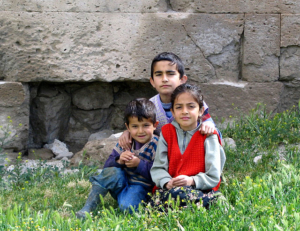
The Zakat Foundation

The National Zakat Foundation Worldwide is an Islamic charity organization that is dedicated to helping the world’s poor. Zakat is one of the pillars of Islam which dictates that all Muslims should be kept financially viable, and one way to ensure this is for all Muslims to donate 2.5% of their earnings to charity organizations that aid the poor. The NZF Worldwide is the perfect channeling organization for all of this funding. It is estimated that the total amount of Zakat donations reach $300 billion to nearly $1 trillion dollars annually. The NZF Worldwide wants to use this incredible amount of money to help eradicate poverty.

Success so Far

The National Zakat Foundation currently has five member countries, Austria, Netherlands, Canada, Switzerland and the UK, which all provide a pathway for Muslims to send their Zakat donations to help eradicate global hunger and poverty. Through the Zakat Foundation, the member countries have raised more than $30 million since 2016 that has been used to provide aid for people living in poverty in other countries.

The UN and NZF Worldwide

The United Nations Development Programme announced in early August 2022 that it will once again be working with the National Zakat Foundation to use Zakat donation funding to help achieve the sustainable development goals for the world’s poorest countries. The first major project of this partnership is the goal of achieving the eradication of hunger and poverty in Somalia. The NZF with the help of the U.N. will work with local government officials, Islamic officials and the Central Bank of Somalia to help direct the Zakat funds in a productive manner that helps alleviate food insecurity and improve quality of life conditions for people living in poverty in Somalia.

Other NZF Programs

The National Zakat Foundation has had some recent success in the summer of 2022 before this partnership with the U.N. was announced. In the closing weeks of July, the NZF was able to provide the state of Osun in Nigeria with much needed power equipment that improved the quality of life in every sector, from nutrition to education. With the help of Zakat donations made by the member countries, the NZF was able to provide the state of Osun with cash grants, fridges, sewing machines, laptops, printers and more. Small items similar to those listed can have a profound impact on the lives of those who receive them, such as fridges keeping food from spoiling and laptops aiding educational growth.

The Future of Zakat

Despite the looming effects of an increased cost of living for those living in poverty, it appears that good news in the form of charitable religious donations may be what is keeping those people from continued suffering. The partnership with the United Nations and the already proven success are just a few reasons why the outlook for the world’s poor is bright, thanks to hard working organizations like the National Zakat Foundation.

– Declan Harkness
Photo: Flickr

September 6, 2022
https://borgenproject.org/wp-content/uploads/borgen-project-logo.svg 0 0 Jennifer Philipp https://borgenproject.org/wp-content/uploads/borgen-project-logo.svg Jennifer Philipp2022-09-06 07:30:312022-09-07 05:19:05UN Working with the Zakat Foundation to End Poverty
Children, Developing Countries, Development, Education, Global Poverty, Health

Benefits of Increasing Economic Development Aid to Turkey

Economic Development Aid to TurkeyThe relationship between the United States and Turkey began in 1831 when the country was still the Ottoman Empire. Turkey is a member of the North Atlantic Treaty Organization (NATO) and one can best describe the U.S.-Turkey relationship as diplomatic. While the United States only had $220 million in obligations to the Western Asian country in 2020, more economic development aid to Turkey could help alleviate poverty and an ongoing economic crisis.
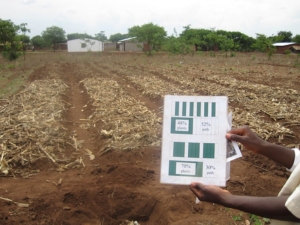
Poverty in Turkey

In 2019, the World Bank reported that 0.4% of Turkish citizens lived in poverty. In a country of 84 million people, that equates to 336,000 impoverished people.

One of the most significant factors contributing to poverty in Turkey is the lack of education. In 2019, only 66% of the population 25 and older had finished lower secondary education. Low education attainment gives rise to unemployment. In 2021, unemployment in Turkey stood at 13.4%. While the COVID-19 pandemic does stand as a contributing factor to the unemployment rate, the unemployment rate increased only about 3% since 2018.

With the unemployment rate also comes low wages, which factors into poverty. In 2018, the average wage stood at about 4,000 Turkish lira (about $220). But, the cost of living in Turkey jumped nearly 70% in April 2022, according to the BBC. To try and counteract that, the Turkish government has raised the minimum wage to 5,500 lira a month, but citizens say rent alone equates to “3,000-4,000 Turkish liras.”

Foreign Aid to Turkey

The majority of foreign aid to Turkey from the United States comes from the U.S. Department of State, largely going toward humanitarian aid. The Department of Defense gave Turkey $28.43 million in 2020 for “conflict, peace and security” programs. However, Turkey only received about $2.8 million through the Trade and Development Agency for economic development.

Trade and the Economic Crisis

Money for economic development from the Trade and Development Agency involves creating economic opportunities by exporting goods from the United States for development projects. This is beneficial to the United States as the money is invested in the Turkish economy through products produced domestically. In turn, that investment is returned through the continued trade partnership of U.S. goods.

The trade relationship between the United States and Turkey has increased significantly since 2009. According to the Office of the United States Trade Representative, from 2009 to 2019, U.S. exports to Turkey increased by about 41% to $10 billion.

Despite a GDP increase of 0.9% in 2019, Turkey is facing an economic spiral. The value of its currency, the Turkish lira, has endured instability since 2018. Outstanding circumstances like the pandemic and economic sanctions have created a perfect storm of financial woes for the country, along with rampant inflation.

In November 2021, the value of the lira dropped sharply by 30%, triggering another wave of panic in the country. In 2022, the war between Russia and Ukraine exacerbated these financial circumstances, with Turkey seeing inflation rise more than 70% this year.

The United States can help alleviate poverty and the ongoing economic crisis via increased foreign aid to Turkey, especially through economic development. Expanding programs through the Trade and Development Agency would be one instrumental way to facilitate change in Turkey. Additionally, increasing economic development aid to Turkey could greatly aid the stability of the country until the lira crisis resolves.

– Emma Rushworth
Photo: WikiCommons

September 6, 2022
https://borgenproject.org/wp-content/uploads/borgen-project-logo.svg 0 0 Kim Thelwell https://borgenproject.org/wp-content/uploads/borgen-project-logo.svg Kim Thelwell2022-09-06 07:30:012022-09-05 13:29:32Benefits of Increasing Economic Development Aid to Turkey
Children, Developing Countries, Development, Global Poverty, Health

Agriculture in Malawi Uses Solar Power to Water Crops

Agriculture in MalawiIn high-rise corporate buildings and individual cubicles, a barrier unfolds in the lives of many people who work in air-conditioned offices toward the difficulties of a career in agriculture. Small changes in the weather or environmental conditions impact entire communities. The emergence of the collaboration between new, innovative technological solutions and the farms of Malawi shed light on the future of farming.

Agriculture in Malawi

Malawi is a landlocked country in the southeast Africa. About 80 percent of Malawi holds connections to the agricultural sector as a means of their livelihood, representing the importance of efficient and innovative farming policies. Political leaders implemented the “National Nutrition Policy and Strategic Plan” to complement the pre-existing “Comprehensive Africa Agriculture Development Program”. Together, the policies coordinate government spending and growth in the agricultural sector. Malawi also works with other organizations and governments for additional agricultural support. For example, the United States Agency for International Development (USAID) invests in dairy and legume cultivation, provides training to assist in financial and economic improvements and works with local communities to develop lasting solutions.

Concern Worldwide in Malawi

Another organization that provides agricultural assistance is Concern Worldwide. Created in 1968 by a couple named John and Kay O’Loughlin-Kennedy, this group is based in Ireland. It initially started as a response to the independence movement in Biafra from Nigeria that resulted in widespread famine. The organization eventually expanded to countries in need around the world, providing aid and sending volunteers.

In 2021, Concern Worldwide provided emergency assistance to 17.8 million people and health services to 11.4 million people. In 24 countries, Concern Worldwide emphasizes the livelihoods and education of impoverished communities and fights for adequate health and gender equality.

Harnessing the Power of the Sun

One of Concern Worldwide’s latest initiatives is the implementation of a program to improve agriculture in Malawi. Because a large portion of the country relies on the success of agriculture to survive, it is vital that the productivity and efficiency of new technological innovation transfer to the communities to establish a sustainable livelihood. Concern helps install solar-powered irrigation systems with funding partnerships with organizations such as the European Union and Irish Aid.

The new irrigation system allows farmers to avoid problems associated with droughts and other environmental inconsistencies and plant multiple times per year. The collaboration in these local communities ensures that the program will be long-lasting and sustainable. Groups in specific areas assemble into co-operatives, jointly operate the system and make decisions about entering the agricultural market to ensure a profit. The profits provide repayment for the irrigation system, allowing the organization to move on to the next co-operative group. Thus, the system that Concern Worldwide supports encourages productive farming techniques and resourceful business strategies to ensure long-term success for agriculture in Malawi.

Success Builds From Previous Projects

The development of solar-powered irrigation systems builds on prior projects in the region from similar humanitarian groups. Concern Worldwide previously worked with the Promoting Sustainable Partnerships for Empowered Resilience (PROSPER) program to provide treadle pumps in partnership with UK Aid.

It functioned as a means to increase food accessibility and availability. After budget cuts, the organizations that were supporting the project were unable to continue. Thus, there is hope that the new solar-powered system yields more success among renewed efforts in the field of agriculture in Malawi. The solar-powered irrigation system also builds on a prior UNICEF project for a solar-powered water pump in Malawi. UNICEF installed this pump and also trained citizens to operate and fix the pump when needed while creating a way to fund the pump through a community garden. The program assisted in a wide variety of poverty-reducing actions in the areas of sanitation, agriculture, trust in local institutions and time for children to attend school.

A Look Ahead

As more projects such as the prior project that UNICEF implemented as well as the more recent project by Concern Worldwide make a difference in Malawi’s local agricultural communities, individuals remain closer to maintaining healthier and stable lifestyles.

–Kaylee Messick
Photo: Flickr

September 5, 2022
https://borgenproject.org/wp-content/uploads/borgen-project-logo.svg 0 0 Jennifer Philipp https://borgenproject.org/wp-content/uploads/borgen-project-logo.svg Jennifer Philipp2022-09-05 07:30:282022-09-03 16:15:41Agriculture in Malawi Uses Solar Power to Water Crops
Children, Developing Countries, Development, Education, Global Poverty

Cryptocurrency in the Philippines

 cryptocurrency in the PhilippinesThe fallout from a new cryptocurrency game in the Philippines, Axie Infinity, has prompted involved parties to question the nature of the role that cryptocurrency plays in the economy of developing countries. The game’s adverse effects halted players’ hopes of financial gain, which cost many, including those on low incomes, their savings. Axie Infinity originally saw Filipinos earning sums as large as $487 in just over two weeks, and thousands of people entered the crypto game, as it soared in popularity. However, the game’s economy crashed, leaving many of its players in debt and a poor reputation for cryptocurrency in the Philippines.
The Appeal of the Game

The Philippine Statistics Authority saw an increase in the percentage of the population living in poverty, from 21.1% in 2018 to 23.7% in 2021. One can attribute this increase in poverty to the COVID-19 pandemic, which negatively impacted many people’s work and income stability. Many Axie Infinity players had an attraction to the play-to-earn element of the game so that they could improve their incomes. The game involved buying monsters (Axies,) that are NFTs (non-fungible tokens.) Players could trade or breed these and also obtain an exchangeable currency called SLP (smooth love potion).

How the Game Collapsed

The low income of many players (minimum wage in the Philippines currently being around 570 PHP/$10.3 USD) meant that as SLP began to increase in price, it became more difficult to afford the starter monsters and therefore, Axie Infinity became less financially accessible. This led to an employment scheme where “managers” from high-income countries, such as Australia, would buy monsters, and those who could not afford to would take the position of “scholars,” leveling the monsters up, while the managers raked in the profit. As the game’s popularity increased, the value of the currency dropped, and a bad situation turned into a catastrophe for cryptocurrency in the Philippines, with a hack costing the network and its players $600 million. Despite the players getting their stolen money back, the game lost its credibility as a multi-faceted lack of security emerged, and many players were worse off than where they started.

The Benefits

Upon seeing the damage that the Axie Infinity crash caused, it is easy to doubt the benefits of cryptocurrency, specifically to those living in poverty. Despite the magnitude of the fallout, cryptocurrency still plays a crucial role in the socio-economic system of the Philippines. At least 70% of people in the Philippines do not have a bank account, and sources show that cryptocurrency and distributed ledger technology (blockchains) are helping to decrease this percentage. Having access to banking is a vital tool for bringing people out of poverty, enabling them to have more financial stability and security in receiving pay, paying bills and opening doors for aspiring entrepreneurs. More than half of Filipinos would consider investing in cryptocurrency, and the trust issues caused by Axie Infinity may be somewhat repairable by building knowledge.

Barriers to Overcome

In order to tackle financial exclusion, and therefore poverty, using cryptocurrency must become the accessible tool it has the potential to be. This is only enabled by further research to ensure regulation will not lead to a market collapse, and for users to be educated and informed. Despite players having some trust issues with the prospect of regulation, many believe that regulating could make the market bring possibilities for rapid economic development. Working on these trust issues by studying and teaching cryptocurrency in the Philippines would mean that people could reap the benefits with minimal risk.

– Lydia Tyler
Photo: Flickr

September 5, 2022
https://borgenproject.org/wp-content/uploads/borgen-project-logo.svg 0 0 Jennifer Philipp https://borgenproject.org/wp-content/uploads/borgen-project-logo.svg Jennifer Philipp2022-09-05 01:30:022024-06-11 23:17:21Cryptocurrency in the Philippines
Children, Development, Global Poverty, Health

Mexico’s Drug War Affects Education

Mexico's Drug War Affects EducationSince the Mexican government declared war against drug cartels in 2006, nationwide violence between cartels, police and the military has been taking a steep toll. The National Institute of Statistics and Geography (INEGI)  estimates the war led to 300,000 homicides and the disappearance of 66,000 people since 2006. This increased violence raises particular concern about how Mexico’s drug war affects education quality.
Major Disruption to Mexico’s Education System

Widespread violence from the drug war has caused mass school closures, negatively affecting the quality of education Mexican youths receive. Between 2019 and 2020, cartel violence forced school closures in eight states: elementary schools closed 104 times, junior high schools 51 times, preschools 49 times, high schools four times and universities three times. These forced closures caused severe disruptions for Mexican youths, undermining the quality of their educational opportunities. The World Bank reported in 2020 that only 72% of Mexicans used the internet, implying difficulties for remote learning options.

A study collected data during the 2000s and captured stark differences in education quality between areas with high rates of violence and areas with lower violence. Student absenteeism in high violence areas was 44%, while lower violence areas had 33%. Teacher absenteeism follows the same trend: High violence areas were 20.8%, while lower violence areas had 13.2%. Student lateness compared 52.9% to 11.9%, and teacher lateness had 41.2% to 29.1%. The study found the widest divergence in the presence of youth gangs: 51.6% versus 23.5%. Even one month of gang-related violence can reduce school enrollment by 14%. These statistics show how drug-related violence has heavily disrupted many educational systems in Mexico.

Drug Cartels Target Students and Teachers

The study emphasizes how homicide is now the second leading cause of death for Mexican males aged 15-24, a critical age range for learning skills from education and entering the labor force. Between 2000 and 2019, 21,000 Mexicans under 18 were killed, while 7,000 have disappeared. Cartels have also recruited youths in economically deprived areas where a lack of opportunities and resources contribute to youth recruitment. In 2019 alone, cartels recruited an estimated 30,000 Mexican youths. This recruitment targeting is partly why youths sometimes avoid or drop out of school. In 2006, at the start of the drug war, 11,664 Mexican youths did not attend primary school, compared to 106,131 in 2019.

In 2011, 7,000 Acapulco teachers protested against gang violence threatening their schools. They called on the government to provide safety in the face of teachers being attacked, extorted and kidnapped. More than 100 schools shut down in Acapulco due to teachers standing up to cartels who had demanded half their salaries in extortion. Schools only reopened four years later, in 2015, after the Mexican National Guard stepped in to ensure student and teacher safety.

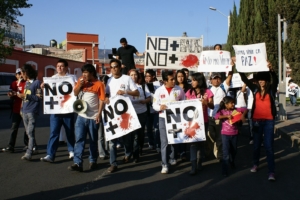
Mexican citizens have increasingly mobilized to demand accountability from their government and better protection for schools. In 2014, the disappearance of 43 students in Guerrero sparked national protests over the government’s inability to provide a safe, educational experience for teachers and students. Mexico continues to fight drug-related violence affecting schools, knowing how important education is in reducing poverty and improving opportunities.

– John Zake
Photo: Wikimedia Commons

September 4, 2022
https://borgenproject.org/wp-content/uploads/borgen-project-logo.svg 0 0 Naida Jahic https://borgenproject.org/wp-content/uploads/borgen-project-logo.svg Naida Jahic2022-09-04 07:30:482024-05-30 22:30:01Mexico’s Drug War Affects Education
Children, Developing Countries, Development, Education, Global Poverty, Health

The UK Government’s Asylum Partnership Agreement with Rwanda

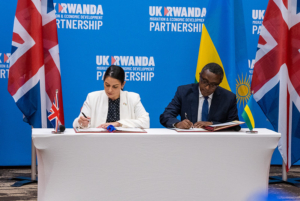
Asylum Partnership AgreementOn April 14, 2022, the U.K. government and Rwanda entered into an agreement, that later became a five-year asylum partnership agreement. The agreement, officially titled “U.K.-Rwanda Migration and Economic Development Partnership,” will aim to provide asylum for immigrants traveling to the U.K. illegally, through relocation to Rwanda. As part of the agreement with Rwanda, officials will process refugees on entry into Rwanda, where they will receive a decision regarding their refugee status.
What Does the Agreement Entail?

U.K. Home Secretary Priti Patel and Rwanda’s Minister of Foreign Affairs, Vincent Biruta signed the asylum partnership agreement, which falls under the Memorandum of Understanding. The decision to strike an agreement with Rwanda came about as a result of the U.K.’s new immigration policy, which intends to counteract illegal immigration. “The consultation showed public support for the need to disrupt the criminal activity that underpins illegal migration.”

Rwanda will receive financial support from the U.K. government to accommodate and process refugees. According to the House of Commons Library “…the U.K. is providing £120 million funding to Rwanda. It will also pay for the processing and integration costs for each relocated person.”

Is the Agreement Necessary?

The two states signed the agreement in response to the migrant crisis affecting much of Europe in recent times. They intend to provide a safer, more manageable system to combat illegal immigration into the U.K.

It is anticipated that approximately 60,000 people are set to travel across the English Channel by the end of 2022. This figure is more than double in comparison with last year’s 28,526 people crossing the Channel in small boats. There was hope that schemes such as the partnership agreement would present a more viable option to combat future illegal immigration. However, “14,728 people have arrived since the government launched the Rwanda policy,” according to BBC.

Questions Over Suitability of the Deal and Its Potential Impact on Poverty

Many raised notable questions over the suitability and practicality of Rwanda serving as the representative country to accommodate refugees. Significant concern from U.K. officials regarding the asylum partnership agreement with Rwanda has manifested from numerous documents submitted to a high court hearing earlier this year.

A key point raised questions over Rwanda’s human rights status. Rwanda is one of the 14 countries presenting substantial issues in relation to asylum systems and human rights.

Concerns regarding the impact the agreement may have upon refugees traveling to Rwanda and the communities that they could settle in have been a prevalent talking point. Treatment of refugees arriving in Rwanda remains an issue from a human rights perspective, as suppression of freedom of speech, detention and even torture are common practices.

Economically, Rwanda has seen steady progress in recent times, with the country aiming to become a middle-income nation by 2035. However, according to The World Bank, with its poverty percentage standing at 55% in 2017, it may represent a difficult beginning for many refugees. The refugees that could face relocation to Rwanda will indeed discover this and with the right to leave Rwanda available to thousands of them, it has the potential to cause chaos and increase the strain on aid agencies working to combat poverty within Rwanda and across Africa.

The Ethical and Legal Challenges of the Agreement

At this current time, the agreement appears to be shrouded in controversy and indifference due to human rights concerns. The inaugural flight carrying asylum seekers destined for Rwanda should have departed on June 14, 2022. However, the European Court of Human Rights'(ECHR) late intervention successfully halted the first wave of deportations. Prime minister Boris Johnson condemned the ECHR’s decision and threatened to revoke the U.K.’s participation in the convention.

The asylum partnership agreement with Rwanda was met with a considerable outcry in the lead-up to June 14 and efforts to disrupt and put an end to the agreement were voiced in the form of organized protests. The UNHCR commented on the agreement, stating “They should not be traded like commodities and transferred abroad for processing.”

With the considerable legal battles looming over the asylum partnership agreement, any effort to relocate migrants to Rwanda as part of the agreement will not take place before late autumn at the earliest. The next landmark step in the ongoing developments of the agreement will take place on September 5, when a judicial review will take place at London’s High Court to determine the legality of the agreement.

– Jamie Garwood
Photo: Flickr

September 4, 2022
https://borgenproject.org/wp-content/uploads/borgen-project-logo.svg 0 0 Jennifer Philipp https://borgenproject.org/wp-content/uploads/borgen-project-logo.svg Jennifer Philipp2022-09-04 07:30:162022-09-02 14:34:36The UK Government’s Asylum Partnership Agreement with Rwanda
Children, Development, Education, Global Poverty, Health

Increasing Disability Support in Brazil

Increasing Disability Support in BrazilBrazil’s poverty rate was 13.10% in 2020, well above the global average poverty rate of about 9% for the past several years. Among Brazil’s low-income residents, many have physical and mental disabilities. A global survey shows a strong correlation between disability and poverty in low and middle-income countries such as Brazil. Increasing disability support in Brazil is crucial to decreasing its poverty rate.

Statistics on Disability and Poverty in Brazil

In 2019, the National Survey of Health (PNS) reported that 17.3 million adults and children in Brazil were living with a mental or physical disability. PNS found that nearly half, 8.5 million, were 60 and older. Currently, Brazilian law recognizes disability in those who live with any long-term impairment that hinders full participation in society.

Poor Conditions Found in Institutions

Brazil has been criticized for its poor treatment of people with disabilities. In 2018, the Human Rights Watch released an 83-page report exposing inhumane conditions in institutions for people with disabilities. The report revealed a lack of basic food and hygiene services, neglect, abuse and little to no legal rights for those detained in institutions. The HRW visited eight institutions that forcibly restrained patients and sometimes tied them to their beds. Although the government passed the Brazilian Law for the Inclusion of Persons with Disabilities in 2015, poor treatment of people with disabilities still occurred, as the HRW’s 2018 report shows.

A Need for More Government Support

Article 11 of the disabilities inclusion law states that people with disabilities retain legal rights to refuse medical intervention or forced institutionalization. However, many of these people have little choice. Often, they or their caregivers lack enough financial means for people with disabilities to live independently.

The government offers Benefício de Prestação Continuada (BPC), a monthly social pension for those with disabilities who cannot support themselves. BPC provides 954 Brazilian reals, $259, per month to an individual, but families state that this is not enough. The 2018 HRW report presents testimony from Brazilians calling for more services such as physical therapy and mobility devices.

HRW states that an over-reliance on institutionalization occurs partly because the Brazilian government does not provide enough support for these households. In addition, BPC is not adequate alone: In many cases, people with disabilities did not directly receive their social pension, and HRW found that institution employees had used these pensions without permission.

Increasing Disability Support and Funding

The Brazilian government responded to HRW reports and expanded the BPC program as of March 2020. More people with disabilities became eligible for a monthly pension in the expansion. Actions taken by other countries may also provide some models for supporting people with disabilities. Italy annually recalculates disability benefits based on changes in inflation and cost of living. Japan provides monthly compensation based on disability severity rather than a fixed amount.

Following the HRW’s recommendations, critics call on Brazil to do more for its people with disabilities: to continue expanding BPC, regulate institutions while working toward deinstitutionalization, pass legal reforms that protect autonomy, and develop more community-based services such as health care and inclusive education.

– Luke Sherrill
Photo: Wikimedia Commons

September 4, 2022
https://borgenproject.org/wp-content/uploads/borgen-project-logo.svg 0 0 Naida Jahic https://borgenproject.org/wp-content/uploads/borgen-project-logo.svg Naida Jahic2022-09-04 01:30:552022-09-02 06:34:01Increasing Disability Support in Brazil
Children, Development, Global Poverty, Health

Indigenous People in the U.S.

Indigenous peoples in the U.S.Indigenous people have endured an undeniably long and dark history of displacement, oppression and discrimination; and now subsequently constitute 15% of the world’s population living in extreme poverty. In the U.S., they bear the highest poverty rate compared to other minority groups at 25.4% and often lack access to economically reliable housing, health care and other resources. As the native population grows, so have national movements and tribal rights. In the last 10 years, Native Americans have made progressive strides in the United States. These are some of the advancements indigenous people in the U.S. have accomplished in the past decade.

Land Acknowledgements and Tribal Economic Development Efforts

One way for Native Americans to uplift themselves out of poverty and food insecurity is through acquiring tribal sovereignty. Recently, indigenous people in the U.S. and their allies have further pressured the federal government to amend its federal trust management system.

Indigenous land in the U.S. is abundant in vital natural resources. However, many policies prohibit native leaders from utilizing the resources that could be used to stimulate economic growth in reservations (and reduction in poverty rates).

Tribes like the Oneida Nation have worked around the discrepancies to stabilize their local tribal economy. The nation developed a sustainable food system that would circulate food within the reservation and allow for more job opportunities. The Oneida Community Integrated Food Systems (OCIFS) has thrived since 1994 and continues to influence other tribes.

The native lands are vital to the indigenous communities and the world as they house over 80% of the planet’s biodiversity and natural resources, according to Amnesty International. Governments and corporations continue to exploit indigenous land, which results in the pollution and displacement of the native people. As migration from their lands continue, Native Americans lack access to essential resources and their sacred customs. As a result, indigenous people are more likely to experience economic hardship, abuse, illness and the ultimate threat of extinction.

Electing the First Indigenous Woman as Cabinet Secretary

In 2021, Debra Haaland assumed office and made history as the first indigenous woman to serve as cabinet secretary. Haaland is a 35th-generation New Mexican member of the Pueblo of Laguna currently serving as the United States secretary of the interior. Before becoming secretary of the interior, Haaland served as a tribal administrator, lieutenant governor and a representative in congress.

As secretary, Haaland enacted the Not Invisible Act, a commission in coordination with the Department of Justice to cut down on crimes against indigenous peoples in the U.S. The commission would act as a hub to take on trials, evidence and witnesses. Upon collection the data acquired, the commission would then give the federal law enforcement guidance on how to fight crimes against Native Americans better.

On April 1, 2021, Secretary Haaland declared the creation of the Missing and Murdered Unit (MMU) under the Bureau of India Affairs Office of Justice Services (BIA-OJS). The unit would aid interdepartmental efforts and provide better resources to investigate missing and murdered indigenous people. The unit will continue to work on unresolved and active cases by collaborating alongside the BIA, FBI, Tribal prosecutors and other agencies.

Declaration of Indigenous Peoples’ Day

On October 8, 2021, President Biden made the historic decision to proclaim October 11, 2021, “Indigenous Peoples’ Day.” The presidential action recognizes and honors the diverse communities of indigenous peoples in the U.S. and their contributions to the nation. Moreover, the proclamation acknowledges the extensive history of horror and injustice inflicted on native people within the United States. In addition, it promises to maintain and uphold “a future grounded in tribal sovereignty and respect for the human rights of indigenous people in the Americas and around the world.”

The Long Road to Reconciliation

Organizations like The Red Road remain at the forefront of advocacy for Native Americans. The organization started in 1999 when its founder Charles Robinson, gave a speech on Native Americans at a school and was disturbed by the misconceptions about indigenous people in the U.S.

The Red Road devotes its efforts to spreading awareness of indigenous struggles and addressing the colonial history of indigenous people. One of the organization’s upcoming projects is to uplift Native Americans from poverty and food insecurity. One project involves establishing a self-sustaining source of healthy food via community gardens as grocery stores are scarce in and around reservations.

The other project looks at the inter-reservation economies. Most reservations have very few tribally-owned businesses and fewer opportunities to build indigenous wealth, hence why countless indigenous communities rely on federal subsidies. The project would assist and promote the establishment of native-owned companies, allowing for greater tribal independence and economic opportunities for the indigenous people in the U.S.

Native Americans continue to endure tremendous hardship but remain resilient. There are many years of decolonization and rebuilding left before reaching true reconciliation. But, with the constant changes occurring throughout the recent decades, the future appears promising.

– Ricardo Silva
Photo: Flickr

September 4, 2022
https://borgenproject.org/wp-content/uploads/borgen-project-logo.svg 0 0 Jennifer Philipp https://borgenproject.org/wp-content/uploads/borgen-project-logo.svg Jennifer Philipp2022-09-04 01:30:522022-09-06 05:58:44Indigenous People in the U.S.
Global Poverty, Health

Europe’s Efforts on Heat Wave Crisis

Europe's efforts on heat wave crisisSince July 2022, Europe has been going through severe heat waves. In the United Kingdom, temperatures hit over 40 degrees Celsius, leading to at least 1,500 heat-related deaths and becoming the highest recorded in the country’s history. Europe’s efforts in the heat wave crisis are tackling devastating fires and negative impacts on the health, energy and economy sectors. In addition to the war in Ukraine and subsequent global economic crisis, heat waves most affect low-income populations.

Economic Impact of Heat Waves in Europe

Europe’s heat waves are occurring in a tense time: The world is still experiencing the coronavirus’ hit to the economy and the ongoing Russia-Ukraine conflict. Europe saw a devaluation in the euro for the first time in 20 years along with skyrocketing inflation.

In Italy, farmers state that they are seeing the worst drought in 70 years. In Germany, a major transportation river’s water level has dropped so low that slow shipping is stalling the supply chain. In France, a major utility company stated that three power reactors could not run at total capacity due to the high water temperatures of surrounding rivers.

Extreme temperatures are leading to wildfires all over the continent and are becoming expensive. In 2019, the World Wildlife Fund reported that Mediterranean countries spend more than $2 million yearly on fire management, about 80% on suppression and only 20% on prevention. The report also notes that growing wildfires negatively impact workers in forestry and land cultivation, and tourism.

Poverty and Heat Waves in Europe

The heat wave, drought and wildfires in Europe have also severely impacted the economy for daily living. Prices soared for basic commodities like wheat, rice, maize, potatoes and beets, which need much water for production. Allianz, a financial services company, reports that food and drink prices have risen by about 14% in European countries since 2021. Calling it “heatflation,” Allianz estimates Europeans will soon pay about $243 more per grocery trip.

Heat waves are exacerbating energy poverty. Skyrocketing costs in energy products and bills most affect low-income households. They often contend with poorly insulated homes, unshaded neighborhoods and a lack of air conditioning access. Consequently, heat waves negatively impact their health.

Europe’s Efforts on Heat Wave Crisis

To combat the heat wave, European countries undertook various actions. In southern France, firefighters are evacuating residents from critical areas and creating fire buffer zones by preemptively burning terrain and cutting down trees.

Portugal asked for European Union assistance, calling on the EU Civil Protection Mechanism, which delivered emergency help for its wildfires. Other nations are working on financial relief plans to help people with rising inflation. In France, the parliament approved a $20 billion relief package, and nongovernment organizations are aiding vulnerable people who lack access to heat-relief facilities.

Despite the scorching temperatures and related deaths, Europe continues these efforts on the heat wave crisis at local and international levels.

– Youssef Yazbek
Photo: Flickr

September 3, 2022
https://borgenproject.org/wp-content/uploads/borgen-project-logo.svg 0 0 Naida Jahic https://borgenproject.org/wp-content/uploads/borgen-project-logo.svg Naida Jahic2022-09-03 07:30:332024-05-30 22:30:01Europe’s Efforts on Heat Wave Crisis
Page 5 of 40«‹34567›»

Get Smarter

  • Global Poverty 101
  • Global Poverty… The Good News
  • Global Poverty & U.S. Jobs
  • Global Poverty and National Security
  • Innovative Solutions to Poverty
  • Global Poverty & Aid FAQ’s
Search Search

Take Action

  • Call Congress
  • Email Congress
  • Donate
  • 30 Ways to Help
  • Volunteer Ops
  • Internships
  • Courses & Certificates
  • The Podcast
Borgen Project

“The Borgen Project is an incredible nonprofit organization that is addressing poverty and hunger and working towards ending them.”

-The Huffington Post

Inside The Borgen Project

  • Contact
  • About
  • Financials
  • President
  • Board of Directors
  • Board of Advisors

International Links

  • UK Email Parliament
  • UK Donate
  • Canada Email Parliament

Get Smarter

  • Global Poverty 101
  • Global Poverty… The Good News
  • Global Poverty & U.S. Jobs
  • Global Poverty and National Security
  • Innovative Solutions to Poverty
  • Global Poverty & Aid FAQ’s

Ways to Help

  • Call Congress
  • Email Congress
  • Donate
  • 30 Ways to Help
  • Volunteer Ops
  • Internships
  • Courses & Certificates
  • The Podcast
Scroll to top Scroll to top Scroll to top