• Link to X
  • Link to Facebook
  • Link to Instagram
  • Link to TikTok
  • Link to Youtube
  • About
    • About Us
      • President
      • Board of Directors
      • Board of Advisors
      • Financials
      • Our Methodology
      • Success Tracker
      • Contact
  • Act Now
    • 30 Ways to Help
      • Email Congress
      • Call Congress
      • Volunteer
      • Courses & Certificates
      • Be a Donor
    • Internships
      • In-Office Internships
      • Remote Internships
    • Legislation
      • Politics 101
  • The Blog
  • The Podcast
  • Magazine
  • Donate
  • Click to open the search input field Click to open the search input field Search
  • Menu Menu

Tag Archive for: Education

Posts

Children, Education, Global Poverty

STEM Education Can Reduce Poverty in Rural China

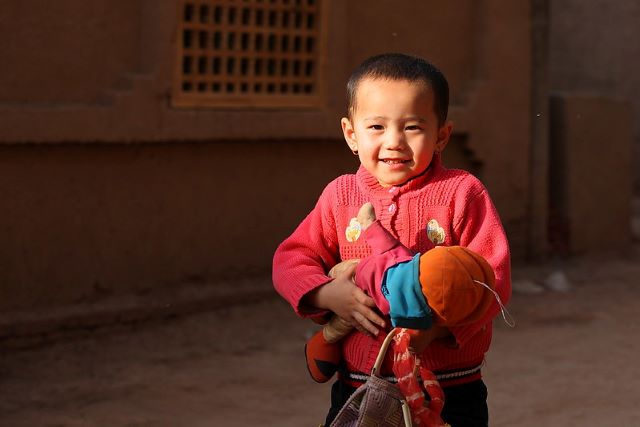
STEM Education Can Reduce povertyEducation has long been proven as a tool for poverty reduction. In fact, UNESCO estimates that if all people in low-income countries had basic reading skills, an estimated 171 million people could escape poverty. Education allows for upward socioeconomic mobility for those in poverty by providing access to more skilled, higher-paying jobs. In particular, STEM education can reduce poverty.

STEM Education

STEM refers to science, technology, engineering and mathematics. Because of the shifting focus toward STEM in the job market, millions of STEM jobs are opening up in developing countries. However, many go unfilled because of gaps in the STEM education pipeline. These jobs could be the key to helping the poor to improve their standards of living, but those in poverty often lack the education necessary for these jobs, such as in rural China.

Education Disparities in China

Education in China is becoming more accessible and comprehensive. Since the 1980s, the adult literacy rate has risen from 65% to 96% and the rate of high school graduates seeking higher education has risen from 20% to 60%. However, these gains are not equal across the country. Rural students in China have often been left behind in the education reform movement. More than 70% of urban students attend college while less than 5% of rural students do, partly because urban residents make about three times more than rural residents. Another reason has to do with parental support; a researcher at the University of Oslo found that over 95% of urban parents wanted their children to attend college, while under 60% of rural parents wanted the same.

Rural students also receive lower-quality education than urban students. Despite China’s Compulsory Education Law in 1986, rural schools often lack the ability to put the proposed reforms in place because they do not have the educational resources. Teachers are scarcer in village schools as most qualified professionals flock to the urban areas where there is a higher standard of living and higher pay. As a result, fewer rural students get into top colleges and therefore lose out on opportunities for advancement.

Generational Poverty and the Effect of STEM

Generational poverty refers to families that have spent two or more generations in poverty. This is especially common in rural areas where parents have a harder time generating the necessary income for their children’s education, which perpetuates the cycle of poverty when the children grow up. In rural China, about 5.1 million people live in the throes of generational poverty. This is due to a number of factors but a major one is lack of educational opportunities in the rural provinces.

STEM education can reduce poverty by helping children in rural provinces break the cycle of generational poverty. Since 2016, 248 high schools in poor areas have tuned into live lessons hosted by one of the top high schools in China, giving poor students the ability to receive the same education as their upper-middle-class peers. As a result, 88 of the participating rural students were admitted into China’s top two universities — universities that are estimated to have a rural population of only 1%.

Organizations for STEM Education

Some groups are working to bring STEM education to even younger students. In 2019, Lenovo, a technology company started in China, donated 652 sets of scientific toolboxes to primary schools in Huangzhong County, Qinghai Province, an area that is over 90% agrarian. The toolboxes contained materials that helped children perform science experiments and solved the problem of the lack of equipment in rural schools. Each toolbox, spread over 122 schools, helped 12 children at once and was reusable. In total, it enabled about 43,903 primary and secondary school students to become more scientifically literate and will prepare them better for future education and employment.

The Green & Shine Foundation is also helping teachers better instruct their students. It trains rural teachers in teaching necessary STEM skills to help lay the foundation for more STEM education later in their students’ lives. It also helps to develop curriculums and hold exchange programs with STEM schools so that rural teachers can observe and discuss new teaching methods. These efforts have helped 1,411,292 rural teachers and students across China.

STEM for Ending Generational Poverty

China has made strides in alleviating poverty, reducing its poverty rate every year since implementing major reforms. The Chinese government needs to prioritize investment in STEM education in rural provinces to close the education gap between rural and urban students and help bring an end to generational poverty. STEM education can reduce poverty globally.

– Brooklyn Quallen
Photo: Flickr

January 5, 2021
https://borgenproject.org/wp-content/uploads/borgen-project-logo.svg 0 0 Kim Thelwell https://borgenproject.org/wp-content/uploads/borgen-project-logo.svg Kim Thelwell2021-01-05 03:07:192024-05-30 07:56:00STEM Education Can Reduce Poverty in Rural China
Children, Developing Countries, Education, Gender Equality, Global Poverty

Challenges in Education in Guinea-Bissau

Education in Guinea-BissauWith a population of 1.8 million, about 69% of people in Guinea-Bissau live below the poverty line and 25% experience chronic malnutrition. In addition to working toward reducing poverty, there is a focus to improve education in Guinea-Bissau, which faces many struggles, including low enrollment rates, limited financial support and gender inequality.

Education Statistics in Guinea-Bissau

In Guinea-Bissau, the literacy rate is around 53%. Only 30% of children begin school at the specified age of six. According to a study conducted by UNICEF, as a result of late enrollment, a significant proportion of children in lower primary grades are overage. As of 2010, 62% of children finished their basic education. About 14% of those in grade one end up completing grade 12. Additionally, out of the 55% of children who attend secondary school, about 22% complete it. As of 2014, the net primary school attendance was 62.4%. Lack of accessibility to school, especially in terms of secondary education outside of urban areas, contributes to these statistics.

Schools also receive insufficient funds for quality education and have to rely on families for support. Adequate standards for physical school buildings and textbooks are also lacking. Teachers tend to lack a proper level of competency in regard to the subject they teach and have insufficient teaching materials. According to a text published by the United Nations Educational, Scientific and Cultural Organization (UNESCO), “At a level corresponding to the fifth year of primary education, teachers fail to answer a quarter of the questions on Portuguese and under a half of those in mathematics arising from the syllabus for their pupils.” Furthermore, many schools fail to offer a full curriculum and 46% of teaching days from 2016 to 2017 were lost because of teacher strikes. More than 20% of students aged 7 to 14 years old reside over half an hour from a school and distance decreases their likelihood of attending. Furthermore, many students, the majority being girls, drop out of school due to early marriage and child labor.

Gender Inequality

A gender gap is prevalent within Guinea-Bissau’s education system. Of children aged 10 to 11 years old, 17.5% of boys are not attending school as opposed to 25.7% of girls. Among impoverished families, boys are 1.8 more likely to reach grade six than girls. In general, boys are 1.5 times more likely than girls to take part in General Secondary Education. Moreover, boys obtain 59% of public resources for education, while girls get 41%.

The gender inequality in Guinea-Bissau’s education system leads to consequences, such as child marriage among girls. About 54% of women without an education experienced child marriage, as opposed to the 9% of women who achieved secondary education or higher. The average age of a woman without education for the first delivery of a child is 18.2 years old as opposed to 21.4 years old for a woman who studied for 14 years. Women who received an education of 14 years have an average of about 1.2 kids. On the other hand, women without education have an average of 3.3 children.

Decreasing the gender gap in Guinea-Bissau’s education system would lead to benefits for not only women but the entirety of the population. Women who achieve higher education are 50% likely to vaccinate their children under the age of 5, whereas the likelihood for women without an education is 26%. Furthermore, the likelihood of women who did not attend school using a net to prevent malaria for their children under the age of 5 is 71%, as opposed to 81% among women who studied for at least six years.

The Quality Education for All Project

In July 2018, the World Bank developed the Quality Education for All Project in Guinea-Bissau. The goal of the Project is to improve the overall environment of schools for students from grade one to grade four. Through the Project, the World Bank aims to reduce teacher strikes by providing training. The World Bank also plans to update the curriculum taught as well as educational supplies and materials. Furthermore, the Project encourages greater community involvement in the management of schools.

UNICEF’s Educational Efforts

UNICEF aims to improve the quality of education in Guinea-Bissau, especially with regard to early childhood, through partnership and the rehabilitation of classrooms. Alongside PLAN international, Handicap International and Fundação Fé e Cooperação (FEC), UNICEF monitors schools by training 180 inspectors who are responsible for over 1,700 schools. The monitors focus on teacher attendance as well as the process in the classroom. In order to establish standards, such as National Quality Standards and Early Learning Development Standards, UNICEF also partnered with the Ministry of Education. UNICEF launched Campaign “6/6” to encourage the enrollment of children in school beginning at age 6 and maintaining their attendance throughout primary education.

Response to COVID-19

The Global Partnership for Education (GPE), which coordinates with UNICEF, allocated $3.5 million to Guinea-Bissau for a COVID-19 response from 2020 to 2021. Through its grant, GPE plans to achieve greater health standards in schools and training among community members to increase awareness of COVID-19 prevention. GPE also supports a radio distance education program as well as a distance program that addresses gender-based violence and the inclusion of children with disabilities. UNICEF broadcasts programs three times a day for radio distance learning. Additionally, GPE aims to assess preschool and primary age students to gather further information about learning loss and to create a program for children out of school.

– Zoë Nichols
Photo: Flickr

January 4, 2021
https://borgenproject.org/wp-content/uploads/borgen-project-logo.svg 0 0 Lynsey Alexander https://borgenproject.org/wp-content/uploads/borgen-project-logo.svg Lynsey Alexander2021-01-04 01:15:252021-01-04 01:15:25Challenges in Education in Guinea-Bissau
Education, Global Poverty, Health

Housing in Guatemala: More Than A House

housing in GuatemalaGuatemala is a country rich with ancestral heritage and Indigenous peoples, but the poverty crisis has debilitated many of the citizens. Housing in Guatemala is undergoing a crisis, which has widened the housing gap to well over 1.8 million homes. With 54% of people living under the poverty line, housing access is a rarity. This also affects other major areas like sanitization, food security, finding jobs and accessing education. The main priorities of humanitarian organizations in Guatemala are housing, education and health care.

Bill McGahan

Bill McGahan is an Atlanta resident and involved community serviceman. McGahan is also the leader of an annual mission trip that takes high school students to create housing in Guatemala. The long-term commitment to building housing has also highlighted other areas of need. On the trips, students work alongside From Houses to Homes. The student volunteers spend their time holistically addressing the needs of Guatemalans, including health and education.

Housing

Housing in Guatemala is the essential building block to finding permanence and stability. Many Guatemalans live in inadequate housing, are homeless or depend on makeshift shelters built from gathered materials. Housing lessens the risk of diseases from fecal contamination, improves sanitation, strengthens physical security and provides warmth in winter months. These benefits are imperative to stabilizing external conditions and lessening poverty’s effects.

The mission trips each year incorporate the students from the very start of housing to the finishing touches. Each year the participants first raise the funds for building materials. Then the volunteers construct a house in as little as five days. At the end of the building projects, keys are handed to each family, which reflects a new reality for them. In this way, these students “don’t just build houses, they provide a home.”

Education

A home is so much more than four walls and a roof. It is the place to help grow and nurture individuals, including a safe space for learning. Children in Guatemala face constant challenges to their education. The average Guatemalan education lasts only 3.5 years, 1.8 years for girls. Nine out of 10 schools have no books. Accordingly, the literacy rate in rural Guatemala is around 25%. Education is an investment in breaking a pattern of poverty, which is an opportunity not afforded to many Guatemalan children.

Children pulled out of school work as child laborers in agriculture. This provides short-term benefits to families in terms of income but has a high cost in the future when finding work. Contributions to local schools have long-term paybacks for children and their families. Children can further their education, secure future employment and create stable homes for themselves and future generations.

Health Care

Housing in Guatemala is relevant to health as well. The goal is to solve homelessness by providing homes, not hospital beds. Access to quality health care is imperative to providing housing stability. Guatemala needs to improve its health services in order to solve its housing issue, especially since they lack effective basic health care.

Clinical care for Guatemalans is often inaccessible, particularly in rural areas with limited technology. With approximately 0.93 physicians per 1,000 people, there are extreme limitations for medical professionals to see patients. Even in getting basic nutrition training or vaccinations, Guatemalans are severely lacking necessary access. Basic health care is a priority that will be a long-term struggle, but each advancement will create higher levels of care and access for the many Guatemalans in need.

Guatemala is readjusting its approach to finding better access to housing, health care and education, all of which are important for a home. Humanitarians, like Bill McGahan, are finding solutions and implementing institutions that will uplift Guatemalans. Increased housing in Guatemala has been encouraging stability, prosperity and new outlooks on life. The country is seeing great progress in eliminating poverty, one home at a time.

– Eva Pound
Photo: Flickr

December 23, 2020
https://borgenproject.org/wp-content/uploads/borgen-project-logo.svg 0 0 Yuki https://borgenproject.org/wp-content/uploads/borgen-project-logo.svg Yuki2020-12-23 11:43:332024-12-13 18:02:17Housing in Guatemala: More Than A House
Activism, Advocacy, Global Poverty

Domestic Violence in Tonga: The WCCC’s Efforts

Domestic Violence in TongaDomestic violence in Tonga, specifically against women, has become the leading type of law infringement. The most prevalent instance occurs in the home, which is especially alarming during a pandemic forcing everyone inside. However, Tonga is taking measures to fight this issue. One way is through the Women and Children Crisis Center (WCCC).

Domestic Violence in Tonga

The amount of reported cases of domestic violence in Tonga has risen over the past five years. Between January and June of 2020, there were about 537 domestic violence reports and 117 issued police safety orders. Out of those, only 99 assaulters faced prosecution.

Tongan women report experiencing physical coercion and control, sexual assault, emotional abuse and physical assault. Police officials state that the chief problem is related to a cultural belief. Tongan men believe they are in a position of power at home and can act however they please because of this entitlement. As a result, women are often scared to report their abuse cases. This is particularly true when husbands, brothers or sons are the perpetrators, as is typical.

Pacific Women reports that three out of four women in Tonga have experienced physical and sexual violence. Relationships can involve abuse as early as day one and continue on for decades, which women often endure. Furthermore, about 85% of women who have suffered from domestic violence are likely to return to the same environments as their attacks. To combat this, the WCCC in Tonga offers an escape for the abused to ensure women are given the protection they need from abusers.

The Women and Children Crisis Center in Tonga

The WCCC was established in 2009 by Director Ofa Guttenbeil-Likiliki with a group of women and male supporters. The aim was to help those who have suffered from violence. In turn, they gave free counseling and support to victims of domestic violence in Tonga. Further, the WCCC provides 24 hours of free housing to both women and children in the Mo’ui Fiefia Safe House.

When a woman reports her case to WCCC, the volunteers at the organization help guide the victim through the legal process. They explain the amount of time it will take for the victim’s case to reach court and provide information about how and when the police will contact the victim for testimonies. They also educate the victim on the importance of having a medical record when reporting cases like rape. If the woman is willing, the WCCC offers her a platform to voice her experience. The organization focuses on sharing the stories of victims who have used WCCC’s services and how they have benefitted from those services.

Male Advocacy Training

Violence prevention was another main reason for WCCC’s founding. In 2017, the WCCC launched male advocacy training to end violence against women and children and encourage gender equality. The purpose of the training is to educate men on three key ideas: men have control over how they behave in a sexual manner, all sexual activity can only be performed after there is consent on both sides and men are equally responsible for the transmission of sexually active diseases.

The men receive many lessons from knowledgeable speakers to help end the domestic violence in Tonga. Director Guttenbeil-Likiliki said, “In a situation where a woman does not want to have sex but you continue to persist and persuade her to have sex, this is a high-risk situation, as it is considered to be sexual assault or rape.” Melkie Anton, a lead trainer, explains proper relationship roles to male participants. Anton states, “Women are often used as sexual objects,” and when a woman is in a relationship, she must follow all of her partner’s orders. As a result, the man ends up controlling the relationship and may treat the woman’s feelings with disregard. Another learning directive is toxic masculinity. WCCC members detail how issues, such as proving masculinity and competing with other men encourage domestic violence.

Looking to the Future

WCCC members are working toward expanding their organization’s influence throughout Tonga,  particularly through collaboration. The WCCC has partnered with other organizations, such as the Fiji Women’s Crisis Centre and the Vanuatu Women’s Crisis Centre. The organization even reaches out to Tongan government agencies, including the Ministry of Education. The work of the WCCC, from aiding victims to education to advocacy, is a step in the right direction. With continued efforts, there can be an end to domestic violence in Tonga.

– Sudiksha Kochi
Photo: Flickr

December 23, 2020
https://borgenproject.org/wp-content/uploads/borgen-project-logo.svg 0 0 Yuki https://borgenproject.org/wp-content/uploads/borgen-project-logo.svg Yuki2020-12-23 11:22:372024-05-30 07:53:23Domestic Violence in Tonga: The WCCC’s Efforts
Global Poverty

Automation in Southeast Asia Affects the Poor

Southeast Asia has been reducing its poverty level as a whole for the past decade. However, the rise of automation has now put the population back at risk. One of the largest industries in terms of employment in Southeast Asia is the production and manufacturing industry. The most common type of work found in this region is in small factories. These jobs are some of the most vulnerable to the effects of automation in Southeast Asia.
Affected Industries

Automation is the process by which labor or a job that is performed by a human switches to being done by a machine. In many cases, a robot is able to work faster and more efficiently than a person with the added bonus of not having a salary and never needing time off. Thus, the prospect of a workforce full of machines is very appealing to those looking to lower their labor costs.

Automation in Southeast Asia stands to put a large number of laborers out of work. The International Labor Organization reported that 73% of Thailand’s manufacturing workforce are at high risk of having their jobs automated. On a whole, the ASEAN-5 (Cambodia, Indonesia, the Philippines, Thailand and Vietnam) faces a 56% risk for employment being automated in the next two decades. The majority of workers affected will be those with both lower wages and lower levels of education. These are the types of jobs easiest to automate, which renders these workers as the most severely impacted demographic.

Further, the types of jobs created through automation, like machine operation and maintenance, require skills the lesser educated workers replaced by automation lack. In Vietnam, those with only a primary school education are three times more likely to have their job automated than someone with a secondary degree.

The Transition

These countries face an interesting problem. Through automation, they stand to gain much in the way of foreign investments and business. Southeast Asia has become a hub of global production, which provides many economic benefits. On the other hand, automation puts the lives of the working-class people in these countries in serious danger. Several countries in Southeast Asia have proposed new ideas to try and navigate through this transition.

The Indonesian Minister of Finance has proposed the implementation of a universal basic income. This has the possibility of alleviating the stress caused by job loss. The Government of Thailand has approved a tax incentive to boost automation within the country. The proposition aims to bring in foreign investors that would train Thai workers and create employment opportunities.

Conclusion

A smooth transition to automation will be crucial in keeping much of the population of Southeast Asia above the poverty line. It is fundamental to support workers in the age of automation in Southeast Asia. Most importantly, they need access to higher levels of education. Hopefully this issue will encourage these governments to provide more opportunities and training to their citizens. People can continue to work in meaningful ways in the age of automation through adequate aid.

– Jackson Bramhall
Photo: Flickr

December 21, 2020
https://borgenproject.org/wp-content/uploads/borgen-project-logo.svg 0 0 Yuki https://borgenproject.org/wp-content/uploads/borgen-project-logo.svg Yuki2020-12-21 07:30:092020-12-17 12:00:54Automation in Southeast Asia Affects the Poor
Gender Equality, Global Poverty, Women's Rights

6 Facts About Women’s Rights in Mongolia

Women's Rights in Mongolia
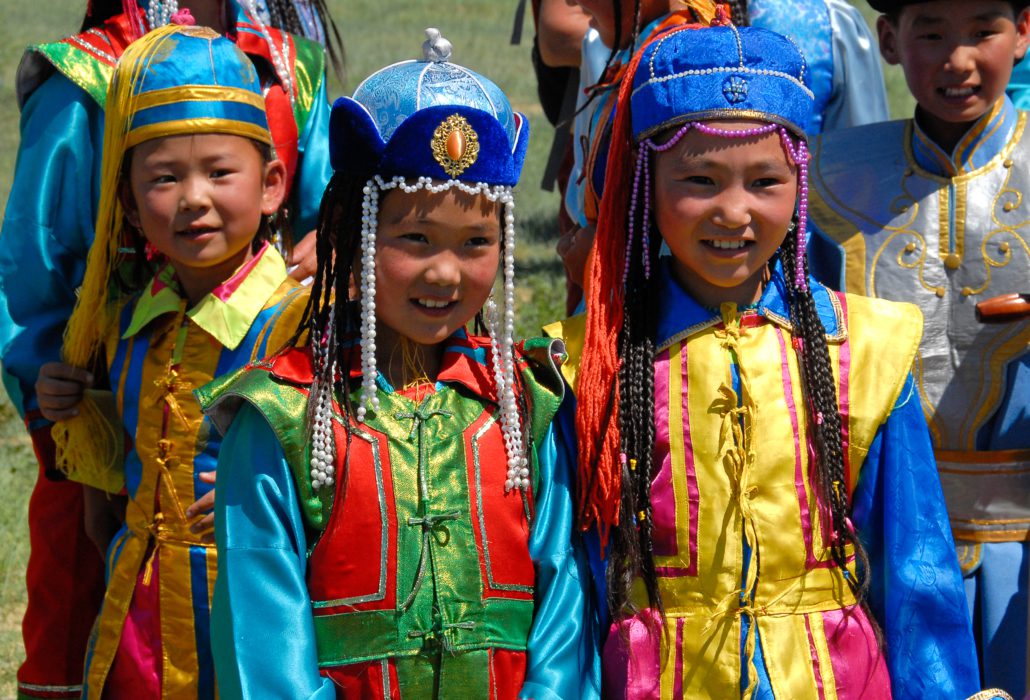
Mongolia is a country in East Asia with more than 3 million people. Throughout the nineteenth and twentieth centuries, Mongolia experienced varied periods of social change and growth. After dispelling the controlling Communist Party in the early 1990s, social and economic policies rapidly transformed the nation’s outlook and prospects. Consequently, opportunities for women also changed. To understand this issue better, here are six facts about women’s rights in Mongolia.

6 Facts About Women’s Rights in Mongolia

  1. The communist party provided new opportunities for women in the twentieth century. In 1921, the Mongol nationalists established a communist party, in tandem with the Soviet Union, which essentially proclaimed equality between men and women. As a result, women received an education, entered the workforce and had political power. The government provided generous benefits and healthcare, and female literacy rates dramatically increased.
  2. The fall of the Soviet Union presented opportunities and challenges for women’s rights. The political transition in Mongolia came with newfound hardships, particularly economic ones. The new government removed subsidies assisting Mongolians, leaving many without financial assistance. From 1991 to the mid-200s, women faced higher unemployment levels, and more than 30% lived in poverty.
  3. With men working in the fields, women have turned to cities for employment and have found success. In recent years, as agriculture was deemed a male endeavor, women were forced to turn to other places to earn an income. Parents subsequently invested in their daughters’ education, and now, with women more educated than men, they are more likely to be employed. This phenomenon is now being deemed a “reverse gender gap.”
  4. The female unemployment rate is 2.6%, while male unemployment is 7.1%. This might not be a good thing for women’s rights in Mongolia, however. With higher alcoholism rates for Mongolian men in recent years, there is a clear connection between unemployment, alcoholism and violence within the home. Approximately one-third of Mongolian women suffer from domestic violence, a staggering statistic for a country whose economy relies so heavily on female labor.
  5. Sexual harassment remains a serious issue. With an estimated 63% of women experiencing sexual harassment of some form, the need for reform is evident. There is not a law in Mongolia protecting women from male harassment. Even in the workplace, where women are significant contributors, there is no legal defense against unwanted harassment.
  6. Despite female education rates, women are subject to massive inequities in pay. On average, women are more likely to be better educated than their male counterparts; however, traditional norms and values prevent women from fully achieving equality. A lack of childcare and social benefits, partnered with patriarchal values, gets in the way of opportunities for women. Furthermore, the gender pay gap stands at more than 12.6%, an increase from previous years. Even when women persevere through their society’s social limits, they do not receive as much pay as men of the same standing.

The unique history of Mongolia has altered the standing of women in Mongolian society multiple times. Despite Mongolia’s patriarchal values, the investment in female education has proven to be fruitful as women are well-educated and seeking work within the commercial setting. However, there is still much work to be done, as women face lower wages, sexual abuse and inequalities.

There is room to be hopeful, though, as rising levels of education and employment mean that there will be continued improvement within Mongolia’s social and economic spheres. Hopefully, women’s rights in Mongolia will continue to improve, and all Mongolians will soon embrace female contributions to society.

– Eliza Cochran
Photo: Flickr

December 17, 2020
https://borgenproject.org/wp-content/uploads/borgen-project-logo.svg 0 0 Kim Thelwell https://borgenproject.org/wp-content/uploads/borgen-project-logo.svg Kim Thelwell2020-12-17 14:40:452024-05-30 07:53:266 Facts About Women’s Rights in Mongolia
Children, Developing Countries, Education, Global Poverty

Links Between South African Poverty and Education

South African poverty and educationSouth Africa is a country with 19.6 million children, making up about 35% of its total population of 56.5 million people. Of these 19.6 million children, about 98% have “attended some form of an educational facility.” However, these high attendance rates do not mean high-quality education and lack of academic resources is a large contributing factor to the correlation between South African poverty and education.

Education in South Africa

Despite having high rates of education enrollment, the quality of education in South Africa is poor. Reports have shown that of the students who attended school for five years, only half can do basic math. Furthermore, there are little to no standards for the teachers to be held at. About 10% of teachers across the country are absent from school on any given day and 79% of grade six math teachers do not have the content knowledge to be teaching at their respective level.

Education is compulsory until grade nine, and over the years, there have been increasing numbers of drop-out students, for a variety of reasons. The main reason is unequal access to resources as a result of poverty. The disparities between female and male students also continually present issues in the South African education system, especially with low percentages of girls pursuing careers in science, math or technology.

In addition, South African schools have struggled to teach basic skills such as reading and writing as well as early development for young children. Only 38.4% of children ages zero to four attended a school system such as day-care, playgroup or pre-kindergarten programs. The early development issue is further seen as 46.8% of parents say they do not read with their children and 43.15% say that they do not color or draw with their children.

South African Poverty and Education Correlation

South Africa has struggled with high rates of poverty for many years and the correlation between South African poverty and education is present in many different aspects of the relationship. In rural areas in the former homelands, about 81% of children are below the poverty line and 44% of children in urban areas live in poverty as well. Education in rural areas suffers especially, simply as a result of the barriers presented by the location. For example, critical resources such as water, electricity, books and technology are missing from many schools, which present obstacles for South African children to have a complete educational experience. Furthermore, the location of schools in comparison to students’ homes, present long commutes. Without reliable transportation, students and teachers both struggle to consistently arrive at school.

Why Low Education Enables Poverty

Poor education is a leading factor in continuing the cycle of poverty. Research continually supports the idea that children who suffer from high rates of poverty are more likely to drop out of school after grade nine as a result of the barriers poverty creates. Increasing the quality of education results in a growing economy, lowers income inequalities and decreases the risk of disease and violence. Without a basic education, South African children struggle to become members of the workforce, and as a result, cannot escape poverty. Education not only teaches basic skills such as reading and writing but helps to develop important qualities such as strong communication and social skills. Without this, it is difficult for children to become working members of society. Furthermore, education differences between the poor and the rich as well as males and females, increases inequality, resulting in poor systems that cannot fix the underlying issues.

Partners for Possibility

Partners for Possibility is an example of a grassroots organization that works to fix the issues between South African poverty and education all while improving businesses in the United States. Business leaders from companies in the United States go overseas to South Africa for a 12-month program in which they teach principals and leaders of schools about leadership and engagement. By doing so, business professionals help to change the unstable and ineffective system of South African education, while simultaneously learning about poverty and culture in South Africa. The program has had extremely positive outcomes as education leaders, teachers and parents become more invested and engaged in the school system, which in turn, benefits the children.

South African poverty and education are strongly linked and this presents many issues for children. However, it is not an impossible mission to address and Partners for Possibility demonstrates the mutual return for U.S. businesses and South Africans that comes with finding these solutions.

– Alyssa Hogan
Photo: Flickr

December 17, 2020
https://borgenproject.org/wp-content/uploads/borgen-project-logo.svg 0 0 Kim Thelwell https://borgenproject.org/wp-content/uploads/borgen-project-logo.svg Kim Thelwell2020-12-17 02:44:402020-12-17 02:44:39Links Between South African Poverty and Education
Advocacy, Developing Countries, Education, Global Health, Global Poverty, Poverty Reduction, Women, Women and Female Empowerment, Women's Empowerment

Why Women are More Likely to Live in Poverty

Women Are More LikelyGlobally, women are faced with the invisible burdens of gender inequality which are entrenched deeply within institutional structures and communities as a whole. These prejudices may limit a woman’s access to higher employment and assistance programs, ultimately leading to higher rates of poverty, especially among women of color. As of 2018, the poverty rate for women was 12.9% compared to the 10.6% rate among men. There are several reasons why women are more likely to live in poverty.
Educational Inequalities

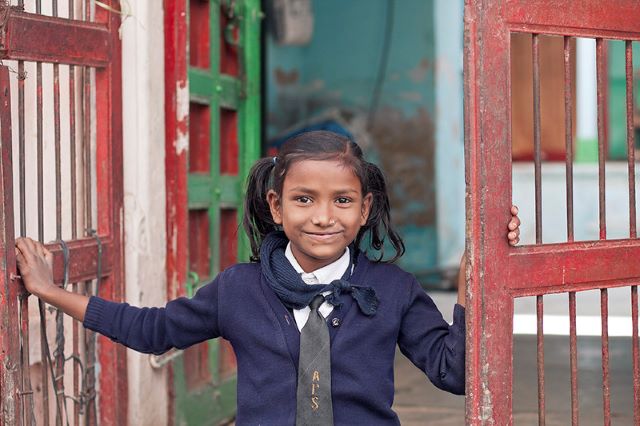
In many developing countries, women are more likely to be denied an education, as nearly 25% of all girls have not completed primary school education and two-thirds of women make up the world’s illiteracy rate. In Somalia, for example, only 7% of girls are enrolled in primary school. The lack of education among women may result in higher pregnancy and poverty rates. According to the United Nations Girls’ Education Initiative, a girl’s education is a driving force in their economic well-being. Somalia suffers from one of the world’s worst educational systems and is one of the poorest countries as well, having a poverty rate of 73%. With education, females can increase their access to higher-paying jobs, and thus, benefit the family’s income., which results in a positive cycle for generations, bettering the economy overall.

Women Are Paid Less

Despite having the same qualifications and working the same hours, women are more likely to get paid less than men. Worldwide, women earn nearly 20% less than men. These variances within wages affect women in low-paying jobs and poorer countries dramatically. Closing the gender wage gap can result in overall equal income distribution. In the United States alone, closing the wage gap would mean that half the poverty rate of working women and their families would be cut.

Period Poverty

Around the world, many females may suffer from period poverty: inadequate access to hygienic menstrual products and menstrual education. The lack of education is related to the stigma periods carry. Periods have been associated with immense shame for a long time and this stigma is carried throughout communities, deeply limiting girls’ opportunities. Globally, periods are the reason why girls are absent from school at a disproportionate rate, as two out of three girls in developing countries are skipping school during their period. In India, 23 million menstruating girls drop out of school annually because of a shortage in hygienic wash facilities and products. Without an education, females are less likely to obtain a high-paying job and escape poverty.

Domestic Violence and Sexual Exploitation

One in three females globally fall victim to some form of domestic or sexual violence in their lifetime. Girls and women who grow up in poverty are also at an increased risk of experiencing such crimes. Victims of domestic or sexual violence can be impacted through the degradation of their physical or mental health, loss of employment or are ultimately driven into homelessness. Globally, females lose out on nearly eight million days of employment every year as a direct result of violent acts committed against them. According to a survey by the U.S. Conference of Mayors, domestic violence was the root cause of women becoming homeless in half of all the cities surveyed.

Pregnancy

Economically, females are potentially burdened with the costs of pregnancy, including the additional fees of caring for a child, more significantly than men. Custodial mothers are twice as likely to be poor compared to custodial fathers. Further, unplanned pregnancies can be detrimental to a woman’s income as being unable to work immediately after giving birth means no pay, especially in the informal working sector. In the developing world, nearly 12 million girls aged 15-19 give birth each year, which often results in the end of the girls’ education and the beginning of child marriage. Children who are born from early pregnancies or marriages more often than not enter the same cycle of poverty and no education.

Organizations for Female Empowerment

Malala Yousafzai started the Malala Fund after members of the Pakistani Taliban shot her for advocating the right for girls to be educated. Since then, Malala has built her project into a global initiative that furthers the goal of providing free quality education to young girls in developing countries.

The Orchid Project is a global initiative to end female genital mutilation (FGM). The Orchid Project functions as a platform that raises awareness of the areas where FGM is most prevalent and advocates against the practice. The Orchid Project has brought together more than 193 countries with the collective goal of abolishing FGC by 2030.

Women for Women is an NGO that works to aid those who are in hostile conflict zones and are the victims of collateral damage. Women for Women helps to uplift these victims of violence by providing them with tools, support and education so that they may earn a living and remain stable through the direst of circumstances. Women for Women has helped more than half a million women in countries that have been directly impacted by war and conflicts.

Empowering Women Means Reducing Global Poverty

Females in developing countries experience complexities that restrict their development and progression. Organizations are helping to raise awareness of these complexities and aid women in need. Since women are more likely to experience inequalities that push them into poverty, empowering women ultimately means alleviating global poverty.

– Maya Falach
Photo: Flickr

December 17, 2020
https://borgenproject.org/wp-content/uploads/borgen-project-logo.svg 0 0 Jennifer Philipp https://borgenproject.org/wp-content/uploads/borgen-project-logo.svg Jennifer Philipp2020-12-17 01:30:312024-05-29 22:43:04Why Women are More Likely to Live in Poverty
Children, Developing Countries, Education, Global Poverty

Ekal Vidyalaya Focuses on Education and Indian Children

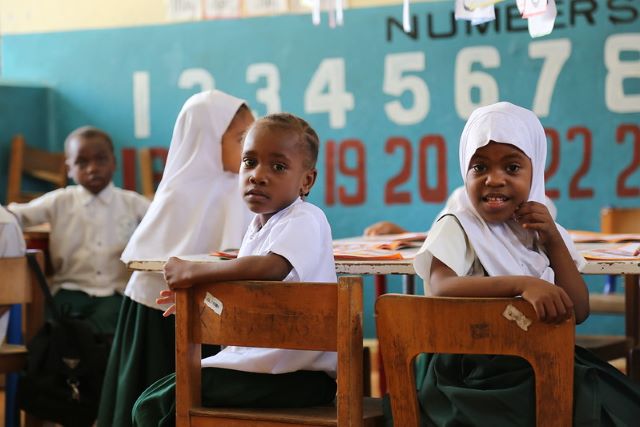
Education and Indian ChildrenOver 100,000 schools and just as many teachers deliver education in even the most traditionally unreachable, rural parts of India because of one foundation. Ekal Vidyalaya, a nonprofit originally inspired by social research and activism, recognizes the paramount goal of establishing educational access for every child in rural India and approaches it directly. Inspired and built in the 1980s, Ekal Vidyalaya conducts multinational fundraising, transforms nontraditional school models into working solutions and impacts the lives of nearly 2.8 million students through its efforts. Bringing education and Indian children without teachers and schools together is a fundamental pillar of the Ekal mission, which transcends borders in an impassioned quest to substantively create change.
Ekal Vidyalaya: Mission and History

Ekal Vidyalaya’s mission is to raise up schools and rural communities with “basic education, digital literacy, skill development, health awareness and rural entrepreneurship” in unison with farming maximization efforts that are taught. These wide-ranging, self-identified aspects of the organization’s mission reflect some of the initial issues that Ekal Vidyalaya, even before it was known as such, identified. Dr. Rakesh Kumar Popli and Dr. Rajneesh Arora, among others who were analytically evaluating regions in India in order to determine areas of concern, partnered with other leading scientists and activists of the time in order to raise awareness towards educational discrepancies and other health and social issues. Over time, education and Indian children became focal points of an effort that became known as Ekal Vidyalaya and refining steps brought the ancillary and primary systems of aid into reality.

Ekal Vidyalaya’s Methodology and Goals

In order to make progress on its significant goals, Ekal Vidyalaya relies on donations, volunteerism and community outreach. The name itself is a direct reference to the impact structure: one-teacher schools are essentially called Ekal Vidyalayas and they are the way that the nonprofit integrates itself into towns and villages in order to raise literacy and improve conditions. Once the school is established and working well, the organization then adds health services and skill development to bring economic opportunities for the villagers.

COVID-19 Considerations

Adapting to the COVID-19 pandemic is a continuous battle for the organization, particularly for its grassroots-based donation effort. Despite this, Ekal has been able to leverage its structure to transition training centers into mask making centers and provide over a reported 2.3 million people with food supplies using volunteers and other community organizations. Early October saw a global Ekal conference wholly online, where goals for the next five years were outlined. Various elements of the organization, from youth divisions to board members, committed to increasing not only education efforts but practical village-to-village communication and economic growth. Bringing together education and Indian children remains a core pillar of the estimated budget, and technological revolutions in the forms of roaming mobile centers and tablets prove Ekal’s commitment to continued adaptability. As challenges present themselves, Ekal Vidyalaya strives to preserve its mission and still improve upon it, which will be a necessary factor for change in the years still to come.

– Alan Mathew
Photo: Flickr

December 14, 2020
https://borgenproject.org/wp-content/uploads/borgen-project-logo.svg 0 0 Yuki https://borgenproject.org/wp-content/uploads/borgen-project-logo.svg Yuki2020-12-14 03:31:532020-12-14 03:31:53Ekal Vidyalaya Focuses on Education and Indian Children
Children, Developing Countries, Education, Global Poverty

The LeAP Initiative: Improving Education Worldwide

LeAP initiativeAccess to education is a global issue that is deeply connected to issues of global poverty. Education often provides impoverished people with a way to escape poverty through improved job opportunities and better knowledge of healthcare. In this way, reducing poverty in developing countries often requires improving access to education. The World Bank is currently implementing a program called the Learning Assessment Platform, or LeAP, which it hopes will allow world leaders to better track how effective and efficient their nations’ educational systems are. Through the LeAP initiative, the World Bank hopes to improve global education.

Learning in Crisis

Poor and absent education is a serious global issue, with UNESCO finding that roughly 258 million children were not enrolled in school in 2018. That number has likely increased since then as a result of the COVID-19 pandemic.

Even for children in impoverished countries who do get an education, many times the education they receive is poor in quality and ineffective. Among developing nations, only 44% of children enrolled in school had obtained proficiency in mathematics and reading in 2017. In sub-Saharan Africa, that number fell to only 10%.

According to the World Bank, a significant factor contributing to these low education rates is the fact that many developing countries lack systems to measure learning outcomes among populations. Without such systems, leaders in these countries are unable to accurately identify the reasons why their education systems are failing, which prevents them from implementing effective policies that would improve the education systems.

The LeAP Initiative

Despite these challenges, the World Bank is hoping to use its resources to improve education by leaps and bounds. In order to meet this goal, the World Bank is working to improve learning assessment systems in developing countries by developing a Learning Assessment Platform. The LeAP initiative would provide countries with the tools and resources needed to develop more effective systems for assessing the state of education among populations.

For the past decade, the World Bank has been working to build a solid base of learning assessment resources for the LeAP program to build off of. With the help of Russia’s similar learning assessment program, called the Russia Education Aid for Development (READ) Trust Fund program, the World Bank has developed a wide range of tools and resources specifically designed to help countries accurately gauge the effectiveness of education systems. These include free online courses for educating policymakers and specialists on effective learning assessment techniques, tools for benchmarking education success and access to more than 60 reports detailing the student assessment systems of dozens of countries.

Investing in Learning

In its efforts to improve global education, the World Bank has done more than just provide developing countries with learning assessment resources. Working with the READ Trust Fund program, the World Bank has helped secure more than $20 million in learning assessment system improvement grants for 12 different countries, including Ethiopia, Cambodia, India and Vietnam.

Through the LeAP initiative and several other global education programs, the World Bank hopes to reduce worldwide “learning poverty” by at least 50% by 2030.

The World Bank’s goal of cutting learning poverty is ambitious but its work on improving learning assessment systems around the world is an important step toward making it a reality. When countries are able to accurately assess the strengths and weaknesses of education systems, they are able to craft policies that more effectively improve these systems while also allowing other countries to learn from them and develop their own learning assessment systems. In this way, The World Bank’s LeAP initiative is pivotal in its effort to improve global education.

– Marshall Kirk
Photo: Flickr

December 8, 2020
https://borgenproject.org/wp-content/uploads/borgen-project-logo.svg 0 0 Kim Thelwell https://borgenproject.org/wp-content/uploads/borgen-project-logo.svg Kim Thelwell2020-12-08 08:18:032020-12-08 08:18:03The LeAP Initiative: Improving Education Worldwide
Page 12 of 67«‹1011121314›»

Get Smarter

  • Global Poverty 101
  • Global Poverty… The Good News
  • Global Poverty & U.S. Jobs
  • Global Poverty and National Security
  • Innovative Solutions to Poverty
  • Global Poverty & Aid FAQ’s
Search Search

Take Action

  • Call Congress
  • Email Congress
  • Donate
  • 30 Ways to Help
  • Volunteer Ops
  • Internships
  • Courses & Certificates
  • The Podcast
Borgen Project

“The Borgen Project is an incredible nonprofit organization that is addressing poverty and hunger and working towards ending them.”

-The Huffington Post

Inside The Borgen Project

  • Contact
  • About
  • Financials
  • President
  • Board of Directors
  • Board of Advisors

International Links

  • UK Email Parliament
  • UK Donate
  • Canada Email Parliament

Get Smarter

  • Global Poverty 101
  • Global Poverty… The Good News
  • Global Poverty & U.S. Jobs
  • Global Poverty and National Security
  • Innovative Solutions to Poverty
  • Global Poverty & Aid FAQ’s

Ways to Help

  • Call Congress
  • Email Congress
  • Donate
  • 30 Ways to Help
  • Volunteer Ops
  • Internships
  • Courses & Certificates
  • The Podcast
Scroll to top Scroll to top Scroll to top