Posts

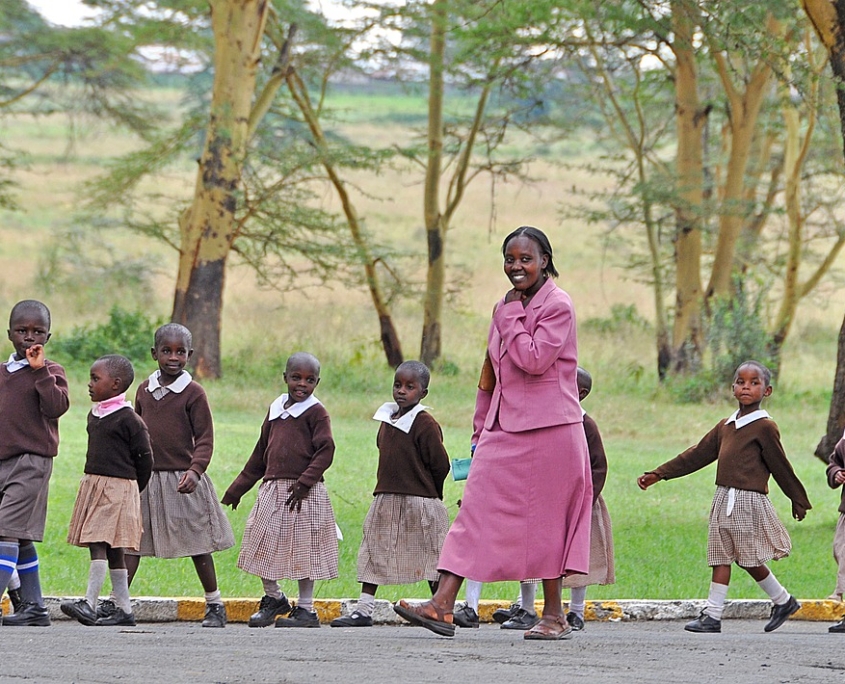
Tackling Hunger in Kericho: Lessons from Nishkam Projects’ Feeding Programme For a young child in Kericho, Kenya, tackling hunger can make the difference between success and opportunity within the education system or being trapped in a cycle of poverty. For many, days start without breakfast and school meals may be their only meal in a day, highlighting the urgent need for these meals to be fulfilling and regular. Without this, learning becomes more difficult, attendance dips and concentration wanes, reinforcing cycles of disadvantage that children themselves have no power to escape.

This systemic challenge is reflected in recent regional data. Kenya’s regions of Kericho and Tharaka Nithi experienced sharp increases in poverty from 2021 to 2022 and the figures have been slowly climbing since. Poverty in Kericho County increased from 39.8% in 2021 to 47.8% in 2022.

Time and time again, a pattern emerges where children are frequently the first to suffer the consequences of this economic instability.

The Importance of School Meals

Simply put, school meals can hold the key to unlocking a truly accomplished education and a pathway out of poverty. School meal programmes protect households from hunger and mitigate the effects of rising food costs by offering a consistent supply of food at no cost to families, saving 10–20% of their yearly food expenses.

The development of jobs is another indication of the economic potential. Globally, for every 100,000 students fed, school lunch programs provide around 1,591 cooking job opportunities. Every $1 invested in feeding programs yields $7 to $35 in economic benefits, making them widely recognized as high-return investments in decreasing poverty.

Hungry children are less likely to attend school on a regular basis and are more likely to fall behind when they do, according to several studies. Hunger impairs focus, memory and engagement, which undermines the very education that would provide a means of escaping poverty. Therefore, food insecurity not only reflects existing inequality; it actively perpetuates it. School meals are increasingly understood as being much more than a simple plate of food.

Nishkam Projects Kericho

Against this backdrop of rising food insecurity, Nishkam Projects Kericho has become a locally based response to child hunger that prioritises community and humanity. The organisation collaborates with local communities and schools to provide children from low-income homes with regular meals so that hunger will not deter them from attending school.

The Sikh values of communal duty and sewa (selfless service) have shaped a larger humanitarian legacy that encompasses Nishkam’s work in Kericho. Instead of seeing hunger as a temporary crisis, the organization approaches it as a structural issue that requires ongoing dedication and long-term presence.

This philosophy is articulated by Bhai Sahib Mohinder Singh Ji, Chairman of the Guru Nanak Nishkam Sewak Jatha and philanthropist, recently honored by Kipsigis elders in Kericho for his leadership in peace and service.

He explains the deeper motivation behind the initiative: “When people become disconnected from God, they become disconnected from creation — and when that happens, compassion disappears.” Nishkam Projects’ work seeks to bring back these connections, foster community and place compassion at the forefront of action. By incorporating its feeding program within educational institutions such as Highlands Primary School, the organization promotes a broader ethic of care while addressing pressing nutritional needs.

It centers around notions of mutual responsibility. Poverty exists when wealth is not shared, and inequality increases when individuals and communities no longer feel obligated to one another. As Bhai Sahib Ji illustrates: “When people lose that connection, greed takes over. They want more and more, and they stop wanting to share.”

In a world where widespread poverty and food waste coexist, this insight resonates strongly. Each year, a significant amount of food is wasted, despite the fact that millions of children lack access to even one consistent meal. By basing its feeding programs on seva, Nishkam Projects frames hunger as a societal issue that can be addressed through collective action.

Positive Impacts

The classroom at Highlands Primary School in Kericho demonstrates the effects of regular school meals. As Bhai Sahib Mohinder Singh explains: “Children are the most vulnerable, and they are our future. If you want a good future, you must look after the children.” He adds that hunger affects children with particular force because of their dependence on others. “If there is no compassion, they are the first to suffer.” By embedding feeding within the school day, Nishkam’s programme protects children from the immediate effects of food insecurity while also supporting long-term development goals.

A basic daily meal acts as a stabilising factor, supporting education, strengthening households and helping interrupt cycles of hunger that can pass from generation to generation. Nishkam Projects Kericho sees education as the key to long-term development, while feeding programs address urgent hunger. In this way, food serves as a foundation rather than an endpoint. It stabilizes children’s lives so learning, growth and future opportunities become possible.

Without education, efforts to alleviate hunger risk becoming recurrent. With it, communities can begin to escape chronic poverty. Bhai Sahib Mohinder Singh emphasizes that “good education, value-led education,” must accompany material support.

The Principle of Langar

This legacy of sharing food is embedded at the heart of another Sikh tradition: Langar. A centuries-old practice, Guru Ka Langar began in Punjab in the fifteenth century by Guru Nanak Dev Ji. Langar embodies the Sikh virtues of sharing, community, inclusivity and the fundamental oneness of mankind.

Food is prepared collectively, shared freely and consumed side by side, with no distinction between those who give and those who receive. As Bhai Sahib Ji explains: “We prepare langar and everyone sits in the same line, at the same level, sharing the same meal.” By eliminating social status symbols, langar reframes food distribution as a gesture of solidarity rather than charity. No hierarchy places one group above another. Instead, the shared meal affirms Bhai Sahib Ji’s idea: “The wealthy person and the poor person are brothers.”

In the context of tackling hunger in Kericho, this approach carries particular significance. Food insecurity is often associated with stigma, reinforcing feelings of shame and exclusion among those who are struggling. By maintaining dignity and encouraging a sense of belonging, Langar actively counters this trend.

By basing its feeding programs on the philosophy of langar, Nishkam Projects provides more than just food. It provides a framework for addressing poverty that prioritizes equality, respect and shared humanity.

Nishkam Peace Festival, Kericho

Beyond schools and feeding programs, Nishkam’s dedication to ending hunger in Kericho reaches into the community’s broader social fabric.

This was particularly visible during Kericho’s Nishkam Peace Festival, when children from different schools gathered for a day of performances. Spoken-word, dance and music brought families and community members together.

The langar practice was central to the celebration. A free community meal, prepared and served in the same spirit of equality that guides Nishkam’s broader work, was extended to all children. The reasoning behind such initiatives is straightforward, as Bhai Sahib Ji observes: “Helping others becomes natural if we see all of humanity as one family.”

The Peace Festival in Kericho demonstrated how community, culture and langar can come together to promote harmony.

Looking Ahead

The demand for solutions that address both the material and social dimensions of poverty continues to grow. Nishkam Projects Kericho illustrates how combining values-driven action with practical programs can support children and communities facing food insecurity.

– Prubleen Bhogal

Prubleen is based in London, UK and focuses on Good News and Politics for The Borgen Project.

Photo: Needpix
IMF Debt Restructuring in ZambiaNovember 2020 saw Zambia become the first African nation to fail to meet its obligated debt payment to the International Monetary Fund (IMF), missing a payment of more than $40 million. In 2022, the country signed an Extended Credit Facility (ECF) agreement on the terms that it would allow more fiscal freedom to reinvest in stable, supported social reform. 

Sovereign Domestic Debt in Zambia

In 2019, Zambia’s external debt totaled almost $16 billion. A combination of declining national GDP, increased borrowing for commercial projects and a sustained fiscal deficit, further entrenched by the global financial impact of the COVID-19 pandemic, left the country unable to maintain economic growth.

Much of this debt was also worsened by inflexible loan agreements with bilateral lenders. As a result, the type of debt Zambia accumulated carried higher interest rates and strict repayment deadlines that the country struggled to meet.

Before defaulting on its November 2020 payment, Zambia’s debt-to-GDP ratio, a key indicator used by the IMF to calculate a country’s ability to repay debt, was nearing 103%. The IMF expects that countries with ratios below 60% are more able to repay loans effectively and sustainably. Ratios above this level indicate a high risk of economic default.

Conditions in Zambia were classified as extreme poverty under the United Nations (U.N.) frameworks, with more than half of the citizens living on less than $2 per day.

The Gamble of Restructuring

In response to growing trends of debt defaults and fiscal instability in low-income countries, the IMF and the World Bank launched two initiatives aimed at providing debt relief and encouraging poverty reduction strategies: the 1996 Heavily Indebted Poor Countries (HIPC) Initiative and the 2005 Multilateral Debt Relief Initiative (MDRI).

Support from these institutions allowed countries with the highest debt-to-GDP ratios to access comprehensive debt relief. These programs expanded following the COVID-19 pandemic, which disrupted global economic growth and placed pressure on international trade. The expansion produced the G20 Common Framework.

After defaulting in November 2020, Zambia applied for debt treatment under this framework. The goal was to temporarily stabilize debt levels while also improving fiscal management.

The application was formally accepted in the summer of 2022. Zambia received a 38-month ECF worth $1.3 billion, which the IMF increased to $1.7 billion in 2024. Upon approving the ECF terms, the IMF stated that efforts to alleviate Zambia’s debt distress would include increased social spending to “improve access to basic social services… [provide] a critical mitigant against food insecurity… and [increase] spending on health and education.”

The Impact of IMF Debt Restructuring in Zambia

Alongside institutional reforms aimed at preventing future debt mismanagement, IMF debt restructuring in Zambia has also produced several developments affecting citizens’ daily lives.

Across the health and education sectors, the ECF agreement allowed the Zambian government greater fiscal freedom to recruit “tens of thousands of teachers and health workers.” This expansion has improved access to education and strengthened service delivery in clinics and hospitals.

The government also expanded the Social Cash Transfer (SCT) scheme, which provides welfare payments to the country’s most vulnerable and excluded families. More than 1 million households were expected to receive support by the end of 2022.

Although current data remains limited due to gaps in surveys and census collection, the Civil Society for Poverty Reduction in Zambia reports that poverty remains widespread, reaching about 60% of the population in 2024. However, the organization notes that long-term economic stabilization may help lift millions of Zambian households out of poverty.

Some indicators of stabilization have already appeared. Inflation has declined steadily for more than a year and GDP growth has returned for the first time since before the COVID-19 pandemic.

Zambia’s ECF deal officially ended in October 2025. In reviewing progress, the IMF reported earlier this year that while fiscal restructuring during the 38 months showed progress, long-term sustainability will depend on the Zambian government maintaining these reforms independently.

Implementing Positive Social Change

Strategic initiatives like those led by the IMF still face barriers to comprehensive poverty reduction. One of the most significant challenges is the time required to negotiate funding and relief terms.

Zambia’s government waited nearly two years for its agreement to move forward. Other countries in the region, including Ethiopia, Ghana and the Democratic Republic of the Congo, have also experienced delays ranging from months to years before reaching similar agreements.

Some scholars attribute these delays to rigid institutional processes or lingering structural inequalities in global financial systems. The IMF instead points to “delays on structural conditionality” as a key factor slowing negotiations.

Looking Ahead

Despite the challenges, Zambia offers one example of how IMF-supported debt restructuring and ECF programs can provide low-income countries with a structured pathway out of financial crisis. These programs aim to restore macroeconomic stability while protecting essential social spending during broader institutional reforms.

By combining fiscal reform with commitments to health, education and social services, such programs seek to address immediate economic pressures while strengthening long-term fiscal capacity. The impact of IMF debt restructuring in Zambia illustrates how coordinated relief, fiscal reform and targeted social investment can help move a country from default toward stability and create a foundation for sustainable growth and gradual poverty reduction.

– Hannah Michie

Hannah is based in Nice, France and focuses on Good News and Politics for The Borgen Project.

Photo: Flickr

ZNotesEducation does not just reduce learning poverty. It also provides a better future and enhances the chances of people who did not have access to education before. This can provide greater access to jobs and reduce income inequality. 

Education can transform lives socially and empower people across demographics to improve their own lives. Even people in developing nations like India are achieving state ranks due to these educational opportunities. 

ZNotes

ZNotes is an educational platform created by Zubair Junjunia, who witnessed the inequalities students faced during their end-of-year exams. Junjunia launched the platform when he was just 16. Now, this platform has amassed a wealth of information to help people gain further access to educational rights.

With more than 500,000 subscribers to its databases, ZNotes has had a profound impact on more than 6 million students from more than 190 countries. Epic Angels is one of the educational platform’s biggest benefactors in the Asia Pacific region. 

The Importance of Education

UNESCO reports that global poverty would be reduced by more than 50% if everyone completed secondary education. During the COVID-19 pandemic, the learning poverty rate skyrocketed to about 70% due to limited access to educational resources. ZNotes is a good way to quell this hindrance. 

If everyone (including those in developing or low-income households) had proper access to education, then 171 million people would be able to have better lives and be free from poverty. Although ZNotes has garnered support from more than 4.5 million students globally, coverage of certain topics remains limited. 

How ZNotes Is Reducing Learning Poverty

ZNotes is an immensely popular online learning tool that has also won awards for its syllabus-tailored study materials, which increase the chances of getting good grades. What started as a personal effort quickly turned into a global fight against educational inequality. It has worked to reduce the rate of learning poverty ever since by connecting learners across cultures, genders and faiths. 

In these diverse spaces, students exchange guidance on university, internships and career pathways, widening access to valuable social capital. Beyond preparing students for high-stakes exams, ZNotes equips them for life after school. Through its internship and contribution programs, young people gain real-world experience in a global social impact startup, building both academic and employability skills. The results are clear: 77% of interns report stronger candidacy for jobs and future internships.

Conclusion

Education is a powerful yet complex tool to foster growth, independence and success. ZNotes is an online educational platform dedicated to working collaboratively with students to reduce learning poverty. With millions of supporters, ZNotes has significantly contributed to reducing learning poverty by empowering students to become globally connected, career-ready leaders through a combination of academic support and real-world experience.

– Shruti Reddy

Shruti is based in Cedarhurst, NY, USA and focuses on Technology and Solutions for The Borgen Project.

Photo: Flickr

Brasil Sem MisériaBrazil is a country situated in South America, consisting of 26 states and is home to the official language, Portuguese. With a population of 211,140,729 as of 2023, according to the World Health Organization (WHO), it occupies nearly half of South America. A governmental social program named Brasil Sem Miséria, created in 2011, aims to lift a large proportion of the country suffering from extreme poverty. Some focuses include providing access to social services for individuals and improving rural production for farmers. The scheme has primarily been targeted in the Northeast region of the country.

Poverty in the Northeast of Brazil

The Northeast of Brazil is the largest region in Latin America suffering from rural poverty. According to the World Bank, 5.4 million of the 45 million people living in the Northeast live on around $1 a day. The area suffers from geographical struggles, such as frequent severe droughts and unequal distribution of land, causing individuals to be reluctant to engage in social programs and government assistance.

It comprises nine states, including Maranhão, Piauí, Ceará, Rio Grande do Norte, Paraíba, Pernambuco, Alagoas, Sergipe and Bahia, as well as Fernando de Noronha. According to ScienceDirect, more than 70% of farmers in the Northeast Region are classed as poor or extremely poor. The agricultural sector is a significant income generator for a large number of people in rural areas. Farmers, especially, are reliant on their income from agricultural work, and climate change and prolonged periods of drought have and continue to result in fluctuating markets due to the unpredictability of price, supply and demand.

Brasil Sem Miséria

Brazil Without Extreme Poverty, also known as Brasil Sem Miséria, consists of various social programs to lift Brazil from extreme poverty. Created in 2011 by President Dilma Rousseff, the program was designed to support a large number of individuals. Some targets include:

  • Targeting children
  • Full-time education
  • Access to jobs
  • Rural food production and farmers

Accomplishments So Far

  • Targeting Children. Children must learn the foundations of human development, relating to their health, intellectual mind and physical well-being, especially for those living in poverty. According to World Without Poverty (WWP), Brasil Sem Miséria provided investment worth R$450 million in 2013 to enable children to stay well-fed and motivated as they grow.
  • Full-Time Education. The program consisted of expanding school days through Brasil Sem Miséria to strengthen learning and reduce inequalities. The policy has been adopted by nearly 30,000 schools. The Ministry of Education (MEC) invested and aimed to increase the number of full-time schools in Brazil from 32,000 to 46,000.
  • Access to Jobs. Free courses were available through the Brasil Sem Miséria job program, called the Plan’s Access to Technical Learning and to Jobs National Program. To date, there are 481 choices of profession, oriented to various sectors, including industry, trade, agriculture and cattle farming. More specific courses include computing, electrician, receptionist, etc.
  • Rural Food Production and Farmers. To maintain Brazil’s rich agricultural economy, Brasil Sem Miséria intended to work with rural families to enhance their production rates so the quality, quantity and value of produce increase, contributing to increasing income for family farmers. The Technical Assistance and Rural Extension (Ater) was hired to support 260,000 families, according to World Without Poverty (WWP).

Looking Ahead

Extreme poverty in the Northeast rural region of Brazil remains and continues to impact a large proportion of the population. However, government social programs, like Brasil Sem Miséria, have and will continue to lift various individuals out of poverty. Young children, farmers and rural families have already experienced progress by stabilizing healthier lives for the future.

– Zara Ashraf

Zara is based in London, UK and focuses on Good News for The Borgen Project.

Photo: Unsplash

Education Innovation in Cuba Expands Cultural LearningEducation innovation in Cuba is advancing inclusive classroom practices through a new interactive educational game introduced by the United Nations Educational, Scientific and Cultural Organization (UNESCO) in Havana. The tool, titled “African Diaspora,” encourages students to explore African heritage and its cultural influence in the Caribbean through participatory learning.

UNESCO Launches “African Diaspora” Game

UNESCO introduced the “African Diaspora” game through its Regional Office in Havana as a new educational tool for learning about Africa and its descendants in the Caribbean. The resource uses illustrated cards, game boards and creative activities that promote collaboration and help participants place episodes, characters and Afro-descendant traditions in context.

Supporting the General History of Africa Project

UNESCO launched the General History of Africa project in 1964 to address gaps in how Africa’s history is documented and taught from an African perspective. The United Nations (U.N.) describes the project as an effort to remedy widespread ignorance of Africa’s history and to promote a fuller understanding through education.

The “African Diaspora” educational game draws inspiration from this broader initiative by focusing on Africa’s connections to the Caribbean region.

Education Innovation in Cuba and Inclusive Learning

Education innovation in Cuba reflects efforts to modernize teaching approaches while supporting student engagement through interactive classroom tools. According to World Bank data, Cuba reports near-universal adult literacy.

The “African Diaspora” tool aims to help students examine cultural traditions and historical narratives linked to Africa and Afro-descendant communities in the Caribbean.

Regional Collaboration and Broader Impact

Prensa Latina reported that the resource highlights Afro-descendant traditions from Cuba, the Dominican Republic and Venezuela, supporting a regional approach to learning. 

UNESCO continues to promote and expand the General History of Africa project as a long-standing effort to strengthen educational materials on Africa and its diasporas, showing how interactive classroom tools can support cultural awareness while strengthening student engagement.

– Isil Ertas Senturk

Isil is based in Oakville, Ontario, Canada and focuses on Good News for The Borgen Project.

Photo: Flickr

Education in Latin AmericaWhen thinking about their childhood, most people remember their first day of school, learning their ABCs and basic math operations. For most, childhood and education go hand in hand as essential steps that help an individual learn, mature and transition into adulthood. However, many children in Latin America lack access to this experience. 

Before COVID-19, roughly 52% of children in Latin America were unable to read and understand simple text. The pandemic has made this situation even worse, with young generations being less educated and lacking the tools necessary to transition into adulthood. However, international organizations are fighting poverty through younger generations by increasing investments in education to create a brighter future for millions of children across Latin America.

Learning Crisis

Over the last two decades, many countries in Latin America have experienced a learning crisis related to their younger generations. This crisis can take different forms across countries, depending on their specific geographic and social characteristics. In Argentina, for example, the most affected children are those living in rural areas, far from cities and their services. 

As a result, many teachers are forced to teach children from multiple grades, ages and abilities in the same classroom, being unable to personalize the learning experience and focus on individual students. In other countries, such as Haiti, the learning crisis is related to the provision of educational opportunities to all members of the population. 

In Haiti specifically, nearly 80% of primary schools are non-public, thus limiting access to education to those who can pay, on average, $130 per year. Many families cannot afford education and other necessities, so they decide not to send their children to school.

What Is Being Done?

To address the education crisis plaguing Latin America, several international organizations have stepped up efforts to expand access to education across the region. In September 2025, the Development Bank of Latin America and the Caribbean (CAF) launched the LAC Future Bank. It is a five-year strategy designed to benefit 50 million children in Latin America through a $5 billion regional investment.

These funds will be used to develop projects that prioritize children and their needs, including education. Although this initiative addresses other issues related to childhood well-being, education is a main area of focus to “break cycles of poverty and inequality.” In Haiti, programs and organizations, such as the International Development Association (IDA) and its partners, have focused primarily on funding for millions of children. 

From 2013 to 2023, IDA and partner organizations provided roughly half a million tuition waivers to children who could not afford to attend school. In other countries, such as El Salvador, projects like the “Growing up and Learning Together: Comprehensive Early Childhood Development Project” are working to create safe, clean schools with essential services for children.

The Impacts

Although it is difficult to measure the effectiveness of these investments in the short term, there have been early signs of improvement. World Bank investments have enabled middle-income countries to reduce their dropout rates and boost learning outcomes. Slowly but surely, improvements in education quality and access in Latin America are key to a more productive, inclusive and sustainable development pattern in the future for many countries across the region.

– Rodrigo Salgado

Rodrigo is based in Boulder, CO, USA and focuses on Good News for The Borgen Project.

Photo: Unsplash

Child Poverty in IndiaFew activists can say that their work has made a difference in more than 100 communities and improved the lives of more than a million underprivileged children. But Rouble Nagi, a teacher and an artist from India, has a resume unlike any other. Through her work as an artist and educator, she has developed a unique and innovative approach to alleviating child poverty in India by providing adolescents with free, flexible education. 

Her work primarily involves building education facilities and transforming the walls of abandoned buildings into educational murals. Indeed, these murals, which she calls “Living Walls of Learning,” teach reading, math, science and more, providing children with accessible learning opportunities. In February 2026, she was awarded the 2026 GEMS Education Global Teacher Prize for her outstanding work on the ground in marginalized communities.

A Hero for India’s Underprivileged Youth

India has the largest child population in the world, with 253 million adolescents out of 1.46 billion people and 25% of these children are living in poverty without access to education. As one of the largest nations in the world, India’s youth will be essential to the future of India and the world. But not enough of these children are getting the care and services they need to grow up with good physical and intellectual health. 

Many factors keep impoverished children from attending school, primarily child labor, child marriage and a lack of proper education facilities. However, Nagi has found a way to work around this. She has designed an education system that works around the challenges facing India’s youth. Her education facilities offer lenient schedules, where children learn practical skills they will use in everyday life.

Nagi has created more than 800 classrooms and murals across more than 100 slums and communities through her organization, the Rouble Nagi Art Foundation (RNAF), resulting in astounding progress. For the one million children who attend her classrooms, she has reduced the dropout rate by 50% and helped ensure they stay in school until completion. Through art, compassion and hard work, Nagi has been a hero to India’s youth and a pioneer in ending child poverty.

Recipient of the 2026 Global Teacher Prize

The GEMS Education Global Teacher Prize is an initiative organized by the Varkey Foundation and UNESCO. Each year, judges select a teacher who has exemplified what it means to be an outstanding educator. The winner receives a $1 million prize for their accomplishments. 

The most recent Global Teacher Prize went to Nagi for the sheer expanse of her positive impact on children’s education in India. She received this award at the 2026 World Governments Summit in Dubai. Judges chose Nagi out of more than 5,000 nominees from 139 countries, describing her as representing the very best of what teaching can be.

What Is Next?

With the $1 million reward she received, Nagi plans to continue providing education to marginalized youth to expand their opportunities and help them lead better lives. Specifically, she plans to build a specialized skilling institute, where she will provide free online and in-person literacy training. She exemplifies what it means to take action to improve the lives of those less fortunate. 

Though child poverty in India remains alarmingly high, pioneers like Nagi are always emerging from the woodwork and taking charge of creating a better future. Her work isn’t done either; she plans to improve the lives of millions more, bringing an end to child poverty step by step.

– Lucas Cain

Lucas is based in Pittsburgh, PA, USA and focuses on Good News and Technology for The Borgen Project.

Photo: Flickr

Ghana's Poverty ReductionAlthough Ghana, a country in West Africa, experiences consistent economic growth, its impact is felt unequally. Southern regions, such as Accra, have significantly better infrastructure and schools compared to the northern regions. In many northern regions, the absolute poverty rate rises above 50%.

Several factors contribute to the spatial inequality in Ghana. Because agriculture is the primary employer in the north, there are more severe economic consequences due to the variable climate. Rainfall has declined, droughts have increased and floods have become more frequent. In addition, several cash crops, such as cocoa, are not suited to the area’s savannah characteristics.

In light of these challenges, the Ghanaian government is working to improve the economic strength and reduce poverty levels in the northern regions.

The Northern Development Authority

The Northern Development Authority (NDA) is an independent organization established in 2017 by an Act of Parliament, with one of its goals being to support Ghana’s poverty reduction efforts in the north. It succeeded the Savannah Accelerated Development Authority (SADA), an organization with a similar goal but described as inefficient. The NDA facilitates the distribution of social programs and helps secure foreign investment in the region.

The NDA’s projects are gradually transforming cities and regions. For instance, in the Bunkpurugu Nakpanduri District, the organization dug 32 boreholes, providing families with access to fresh water. However, Ghanaian leaders believe that the NDA has room for improvement. The Acting Chief Executive Officer of the Northern Development Authority, Dr. Emmanuel Abeere-Inga, pointed out in 2025 that government funds rarely reach the northern regions because “it’s taken by bureaucrats in Accra,” the country’s capital.

This public concern, while highlighting challenges within the NDA, does not negate the initiatives it has implemented. The organization continues to play a role in efforts to reduce poverty in the region.

Investment Assisting Ghana’s Poverty Reduction Efforts

The Ghanaian Ministry of Food and Agriculture and AAK, a supplier of plant-based oils, signed an agreement to expand the country’s shea industry. With a planned intensification of direct sourcing, around 300,000 women from the northern regions are expected to benefit. Additionally, the creation of an “Innovation Academy” and a processing factory will expand job opportunities and support poverty alleviation.

Investments such as these stem from government-led efforts. Recently, Ghana hosted the African Prosperity Dialogues, in which national leaders emphasized supporting inflows of investment, including restructuring investment laws to be more accessible to smaller investors. These efforts aim to grow local markets and reduce poverty, particularly in northern areas.

Free Senior High School Program

In 2017, Ghana launched the Free Senior High School program, with the aim of expanding access to secondary education across the country. Since its inception, the program has enrolled around 1.6 million students, though it continues to face capacity challenges. Many qualified students do not earn spots simply because demand exceeds supply.

Recently, Ghana initiated steps to close this gap by opening 25 private schools across all regions to participate in government-funded education. These efforts may contribute to easing poverty, especially in northern regions where rates are higher. A 2023 article by the United Nations Development Programme (UNDP) explains the connection between poverty and education, noting that poverty rates would be “halved if all adults completed secondary school.” In this way, Ghana’s Free Senior High School program supports education reform and contributes to poverty reduction in the north.

Looking Ahead

Through both progress and challenges, the Ghanaian government continues working to address poverty in its northern regions. Programs such as the Northern Development Authority may face bureaucratic delays, while other initiatives demonstrate measurable outcomes. Overall, efforts to reduce poverty in northern Ghana remain complex, involving multiple strategies and ongoing policy adjustments.

– Ben Anderson

Ben is based in Madrid, Spain and focuses on Business and Politics for The Borgen Project.

Photo: Pexels

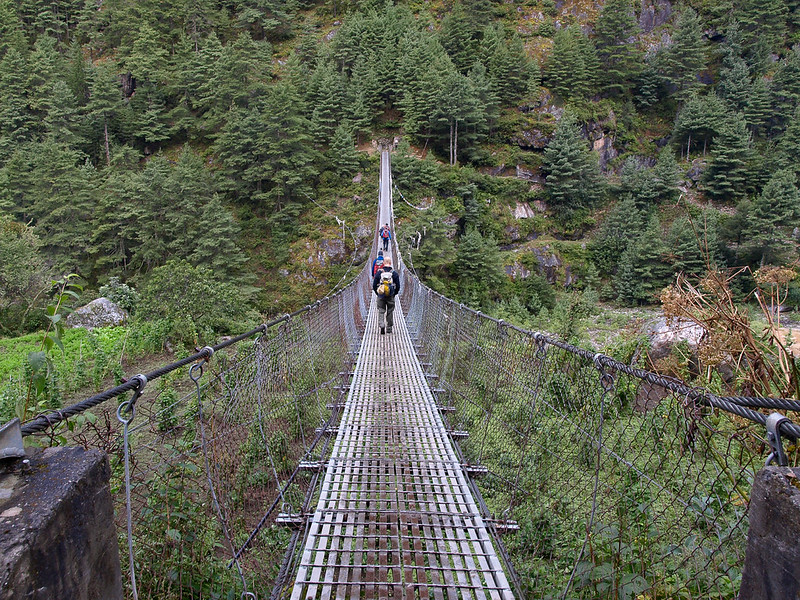
Trail Bridges in NepalIn Nepal’s hill and mountain districts, seasonal rivers often separate communities from essential services. During monsoon season, rising water levels can wash away temporary crossings, forcing children, patients and families to take long detours or attempt unsafe river crossings. Trail bridges in rural Nepal are helping restore safe, year-round access to schools, health posts and emergency care. By replacing damaged or temporary crossings with durable pedestrian suspension bridges, Nepal’s trail bridge program helps reduce travel time and improve safety for rural communities.

Infrastructure and Recovery Needs

The need for resilient rural infrastructure intensified after the 2015 earthquake, which affected 31 districts and damaged transport links and public facilities. In many hill and mountain areas, the absence of a bridge can significantly extend travel time to schools, markets and health facilities, particularly during monsoon periods.

Nepal’s Department of Local Infrastructure (DoLI) coordinates the Trail Bridge Sector Wide Approach (TB SWAp), which provides national standards, financing mechanisms and institutional coordination across federal, provincial and local governments. According to DoLI, Nepal had 8,444 trail bridges in place under the sector framework, with an estimated 4,000 to 5,000 additional bridges still needed to ensure safer crossings and reduce long detours.

The framework sets an access objective aimed at limiting detours to safer crossings to within one hour, with particular focus on rural and disadvantaged communities.

Implementation relies on standardized technical designs, trained bridge builders, user committees and quality monitoring systems operating under national guidelines.

Construction Momentum and National Scale

A 2023 regional presentation on Nepal’s trail bridge sector reported that Nepal reached 10,000 trail bridges by 2023 and constructed 740 trail bridges in fiscal year 2022/2023. The same presentation reported that approximately 1 million people use a trail bridge each day.

Switzerland’s development agency, the Swiss Agency for Development and Cooperation, has supported Nepal’s trail bridge program since the 1960s.

Swiss government reports that Swiss technical support and funding support helped build more than 8,000 trail bridges, improving access to services for millions of people.

Measurable Gains in Education and Health Access

Switzerland’s government reported that the trail bridge program improved access for more than 18 million people, with about 1.4 million people using trail bridges daily.

In areas near newly built trail bridges, average school attendance increased by 16%, and visits to health centers increased by 26%.

Helvetas, which provides technical verification and engineering support to the Nepali government, reports similar outcomes: school attendance increases by an average of 16% and consultations at health centers rise by 26% following construction of a new trail bridge.

Helvetas also reports that each bridge shortens and secures travel routes for an average of approximately 1,800 people.

Why the Model Works

Nepal’s trail bridge sector combines national technical standards with decentralized delivery. The TB SWAp framework outlines institutionalized norms, standardized manuals and training systems that support construction and monitoring at multiple levels of government.

The UNCRD presentation notes that average annual construction increased under the sector-wide approach, reflecting strengthened coordination and sector planning.

Helvetas reports that more than 10,000 trail bridges have now been built in Nepal, many verified through long-term partnerships with the government.

Swiss development reporting highlights that Nepal has developed the institutional capacity to plan, construct and maintain trail bridges through national and subnational systems.

Continuing Need

Despite progress, thousands of additional crossings remain necessary to reduce unsafe river crossings and long detours in rural areas.

Documented increases in school attendance and health facility visits indicate that trail bridges in rural Nepal remain a practical and evidence-based approach to improving access to essential services for remote and marginalized communities.

– Kira Rai

Kira is based in London, UK and focuses on Good News for The Borgen Project.

Photo: Flickr

Higher Education in PortugalMany may not be aware of the university structures that are within various countries, such as Portugal. To understand these educational stances is to understand the youth and the opportunities that exist for those in such areas. Here is information about higher education in Portugal.

The Accessibility of Higher Education in Portugal

Historically, Portugal was not known as having easily accessible education. From the 1950s to 1970s, a dictator ran Portugal who took away freedom of education, expression, health and security. Literacy rates and job security were at an all-time low. The country was known for providing agricultural resources, but the dictator took away any factory or industrial jobs to minimize competition, strikes and those gaining knowledge of the poor work conditions and decisions he was making. With the lack of education and accessibility for jobs, the citizens were not able to protest against or understand the immense poverty or deprivation they were facing.

The fight to create a better system in Portugal is not new. Back in 2005, the country witnessed legal movements aimed at making higher education more accessible to young people. It first created the new credit system, which created more opportunities for students to study abroad and hold clearer records on their diplomas, according to the Universidade Católica Portuguesa.

When it comes to studying abroad, there are diverse ways that students can achieve that. There are different programs they can join like Erasmus+ and the Almeida Garrett program. These programs allow students to look at different internships, schooling opportunities or work studies to experience life abroad. Since Portugal is a part of the EU, studying abroad is relatively easy as options are more accessible.

Improving Accessibility

Flash forward to 2009-2010, the Universidade Católica Portuguesa described how it implemented a new system to clarify expectations on knowledge, credits and hours students must have in their undergraduate and graduate degrees. This created that much-needed organized system, which helps to guide students by setting clear expectations and goals.

Knowing these new laws, it is also important to know the different types of universities they apply to. Higher education in Portugal has both private and public entities. Public structures are less expensive, while private structures are more expensive, often involving smaller schools. Both hold their pros and cons, but fit different students’ wants and needs.

Higher education in Portugal includes both universities and polytechnics. Attending a university gives someone more research and educational opportunities, a way for students to learn more about their major and concentration. Polytechnics are a space for students to learn more about their focused career. It is often more practical, helping students focus on working toward a specific job.

Poverty in Portugal

Poverty has existed in Portugal for many reasons, including the country being late to industrialization and having wars and inadequate infrastructure affecting its economy. Initiatives like the Child Guarantee National Action Plan are addressing poverty among children and helping them access the same opportunities as those who are not impoverished.

Portugal’s economy has grown, which has resulted in more jobs, higher wages for those with higher education and a large market for recent graduates. According to the Human Development Index, Portugal is now a highly developed country, ranking high in many aspects and 40th overall. Education plays a crucial role in people understanding their rights, gaining equal pay, shifting and creating gender norms and making a life for oneself. From 1990 to 2023, the HDI states, “expected years of schooling changed by 5.6 years and mean years of schooling changed by 4.4 years.” This overall plays a role in the HDI, helping to make Portugal’s change as pivotal as it was, preventing it from falling into poverty while working towards an outstanding economy.

Looking Ahead

All of this being said, improvements are still needed in Portugal’s higher education system. However, focusing on that discredits what Portugal has accomplished so far, which has resulted in it moving in a positive direction.

– Daniella Johnson

Daniella is based in the USA and focuses on World News for The Borgen Project.

Photo: Flickr