 Turkey is located in the Mediterranean between Europe and the Middle East. Once part of the Ottoman Empire, this transcontinental country became autonomous in 1923 and is formally named the Republic of Turkey. After achieving sovereignty, the Turkish government immediately enacted legislation to ensure equality for men and women within politics and society. Despite these reforms, women’s rights in Turkey could still see improvement.
A Brief History of Women’s Rights in Turkey
Women’s rights in Turkey have come a long way since initial equality legislation in 1923. By the 1980s, women’s rights movements had gained more momentum when the Turkish government responded to protests regarding violence against women. In 1985, Turkey ratified the Convention on the Elimination of All Forms of Discrimination Against Women (CEDAW), thus giving women’s rights issues the political focus they deserve. Through the 1990s, the passage of laws to protect domestic violence survivors granted more fundamental rights to women. However, the Turkish government did not stop there in their fight for women’s rights.
In 2011, the Republic of Turkey—along with many other European countries—drafted and signed a resolution known as the Istanbul Convention to further solidify and protect women’s rights. This resolution provided strict legal action against those who committed violence towards women. The status of women’s rights in Turkey has improved significantly since 1923, but the existence of said rights are currently at stake.
Women’s Rights Today
On August 13, 2019, Turkish President Recep Tayyip Erdoğan stated the government’s plans to withdraw from the Istanbul Convention altogether. Erdoğan explained that the convention’s resolution, “puts a dynamite on the foundation of the family” and is “not legitimate”. His decision has sparked outrage among women’s rights supporters in Turkey as this convention was a major milestone for women’s equality not only in Europe but across the world. Many have taken to the streets to protest Erdoğan’s declaration, but this has not reversed his proposal.
Turkey’s femicide rates have also increased in recent years. Femicide is known broadly as the murder of women and girls, and more specifically is the intentional killing of women simply because they are women. In 2019, 417 women were killed in domestic violence incidents and in 2020, 207 women were killed in homicides. This rise in femicide rates is attributable to both domestic violence and “honor killings”. Honor killings are when relatives or partners kill a loved one if they feel they’ve dishonored them in some way. Turkey has seen an increased rise in honor killings since 2018.
Won’t Back Down
Worldwide domestic violence against women has increased significantly amidst the COVID-19 pandemic—and Turkey is no exception. The recent femicide of 27-year-old college student Pınar Gültekin sparked outrage among women’s rights advocates in Turkey. Many have taken to the streets to call attention to rising femicide rates and domestic violence against women. Protests against President Erdoğan’s decision to withdraw from the Istanbul Convention have also reignited in the aftermath of Gültekin’s murder.
Today, activists in Turkey are continuing to support organizations and campaigns working to strengthen and protect women’s rights. There is still much work to do to ensure to protect women’s rights in Turkey.
– Sadat Tashin
Photo: Flickr
 Zimbabwe is a country in Southern Africa with
  In August 2020, South African women celebrated their 65th Women’s Month. The 30-day event originally celebrated for one day on August 9, 2020, commemorates the 1956 march of approximately 20,000 women who protested against the newly enacted laws. These laws required black, South Africans to carry an internal passport and they are part of the legacy of Women’s Month in South Africa.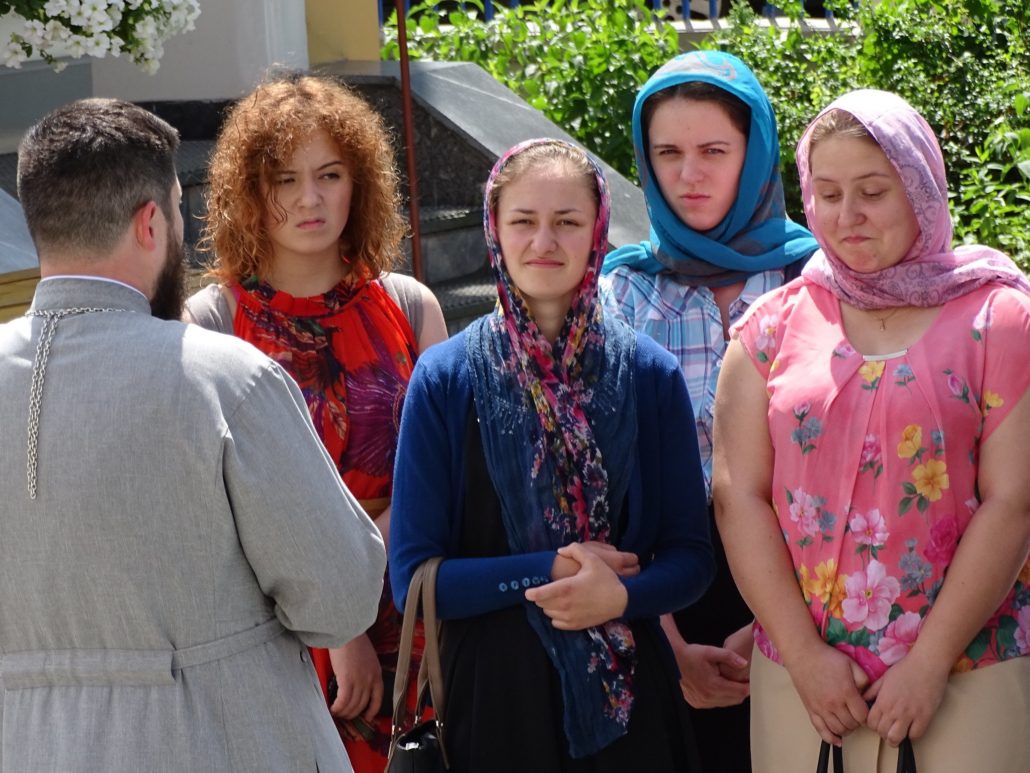

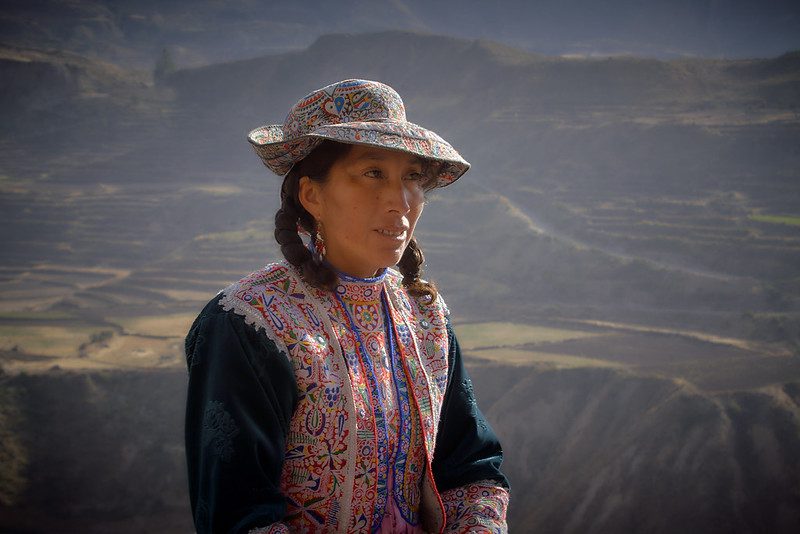 In 2018, Peru ranked 87th on the gender inequality index with a score of 0.381. This indicates limited women’s rights in Peru. Between 2015 and 2020, the infant mortality rate was 68 for every 100,000 live births. At the same time, the teen birth rate was almost 57 per 1,000 girls. Women have a labor force participation rate of almost 15% lower than men.
 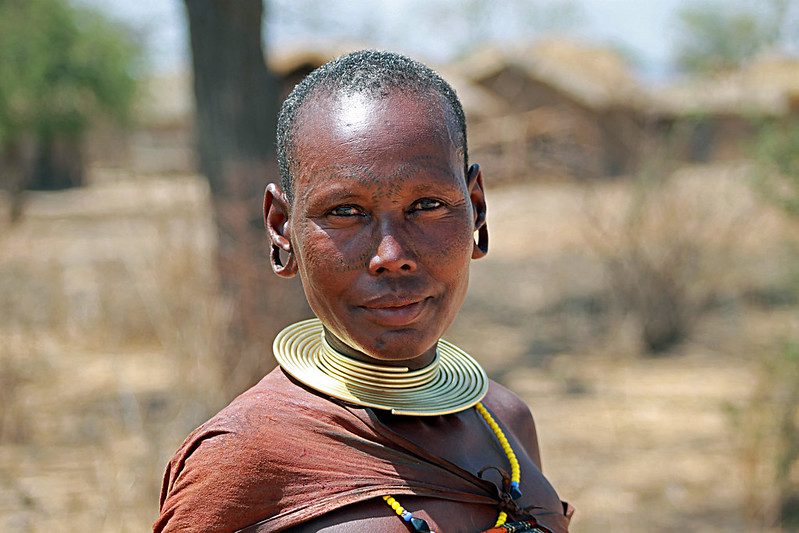 Accusations of witchcraft are not just a thing of the past: in Tanzania, older women are frequently attacked and accused due to this label. For example, an 80-year-old woman named Mirondo describes how a group of men entered her hut in the middle of the night, blindfolded her, bound her and beat her. They destroyed her crops and burned down her home. They even said, “we have shown you mercy and are not killing you today, but you have 24 hours to leave the village or else we will come back and kill you.” Despite its horror, this type of story is not uncommon. Accusations of witchcraft continue to threaten women’s rights in Tanzania.
 For years, women have struggled to obtain equality in the developing European country, Albania. Recently, however, this topic has received greater publicity as it becomes an increasingly pressing issue for thousands of citizens. Here are five facts about women’s rights in Albania that illustrate Albanians’ struggles. Moreover, these facts highlight organizations and initiatives that are inspiring positive change.
 Saudi Arabia has seen tremendous strides in women’s rights throughout the past decade. There are a few notable areas of progress toward women’s rights in Saudi Arabia. However, the incarceration of female activists points to the lack of progression in women’s rights.
