• Link to X
  • Link to Facebook
  • Link to Instagram
  • Link to TikTok
  • Link to Youtube
  • About
    • About Us
      • President
      • Board of Directors
      • Board of Advisors
      • Financials
      • Our Methodology
      • Success Tracker
      • Contact
  • Act Now
    • 30 Ways to Help
      • Email Congress
      • Call Congress
      • Volunteer
      • Courses & Certificates
      • Be a Donor
    • Internships
      • In-Office Internships
      • Remote Internships
    • Legislation
      • Politics 101
  • The Blog
  • The Podcast
  • Magazine
  • Donate
  • Click to open the search input field Click to open the search input field Search
  • Menu Menu

Archive for category: Women’s Rights

Global Poverty, Women's Rights

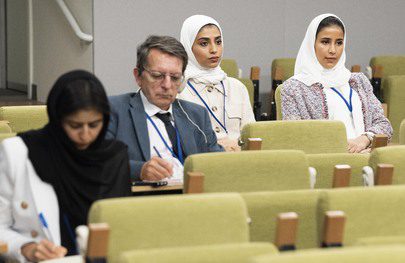
Evolution of Women’s Rights in Saudi Arabia

Women's Rights in Saudi Arabia
Saudi Arabia has one of the world’s biggest oil supplies and is also home to the holy Mecca. However, Saudi Arabia also has one of the most oppressive regimes, comparatively speaking. Women’s rights in Saudia Arabia are close to being non-existent. Although women in Saudia Arabia have been granted certain basic rights, there is a long way to go. Here is a history of women’s rights in Saudi Arabia.

Early History

Saudi Arabia is a predominately Islamic nation and the law system follows Sharia law. Ever since the Iranian Revolution, laws against women in Saudi Arabia have been stricter. In the early 50’s, Saudi Arabia finally opened a school that focused exclusively on girls. Then, 20 years later, women in Saudi Arabia could attend college as well.

It would not be until three decades later that women would see more changes in Saudi laws. When women received personal licenses, their ownership of such licenses was not as it is in European or American nations, for example. Women’s guardians received the identification cards on behalf of the woman. In the following years, Sharia law and government played a key role in the development of women’s rights in Saudi Arabia. These structures forced women into marriage, domestic abuse was a wide-spread issue and basic human rights eroded, year after year. Women started to see a change in the 2000s and 2010s with the enrollment of females elected into the government. Furthermore, women could vote in 2015 and the driving ban ceased in 2018.

Women’s Rights Since 2018

Women in Saudi Arabia do not have certain freedoms that may seem trivial to most women around the world. In 2019, it became legal to allow women to obtain passports or to travel without the permission of a male guardian. Though these reforms do not completely solve the oppression women face, they are a step in the right direction. These reforms allow a sense of freedom to women.

Saudi Arabia is gradually moving closer to removing its “guardianship system” that subjects women’s rights to their male relatives. A new regulation includes the right for a women’s hiring without the need for a male guardian’s permission. Notably, the law is intended to target and ban employment discrimination laws.

One of the biggest changes for women in Saudi Arabia is allowing women to be able to register their children’s births. Previously, a male guardian or the father of the child did this act. Human rights changes such as these in Sharia law allow for women to be looked at as equal and as “heads of the household”.

Celebrating the Victories But Eyeing the Future

These regulations are a positive step towards empowering women and providing them with more opportunities for leadership roles. Much progress remains, in terms of women’s rights in Saudi Arabia as the women lack many pivotal rights and liberties afforded to men. However, progress deserves celebration and these new regulations have given women freedoms they previously did not enjoy.

– Hena Pejdah
Photo: UN Multimedia

October 16, 2020
https://borgenproject.org/wp-content/uploads/borgen-project-logo.svg 0 0 Kim Thelwell https://borgenproject.org/wp-content/uploads/borgen-project-logo.svg Kim Thelwell2020-10-16 09:40:032024-05-30 07:52:30Evolution of Women’s Rights in Saudi Arabia
Advocacy, Women's Empowerment, Women's Rights

5 Organizations Supporting Women’s Empowerment in the Middle East

Women's Empowerment in the Middle EastWomen’s empowerment is a priority for many activists and advocacy groups around the world. In the Middle East, many women are not active participants in politics or in the workforce and experience domestic abuse and sexual assault. However, many non-governmental organizations have stepped up in recent years to promote women’s empowerment in the Middle East. Numerous NGOs support women’s economic, social and political growth in this part of the world. The following five charities are all taking meaningful steps toward women’s empowerment in the Middle East. Their tactics span economic empowerment, political activism and more.

Organizations Promoting Women’s Empowerment in the Middle East

  1.  The Center of Arab Women for Training and Research. Founded in 1993, this organization supports women’s empowerment in the Middle East through education and operates in multiple countries. The Center of Arab Women for Training and Research (CAWTAR) is dedicated to training Middle Eastern women in useful skills to enable them to find meaningful employment. In December 2019, CAWTAR launched the InnovAgroWoMed program to help women find jobs in agriculture and food production. It plans to run the program until 2022 in Italy, Spain, Tunisia and Palestine. CAWTAR also launched a program to empower Syrian refugees living in Lebanon by teaching them computer skills and accounting so that they can support themselves financially. Finally, CAWTAR conducts research on Arab women’s participation in the workforce. In doing so, it aims to break the stigma about women’s roles in the economy and the public sphere.
  2. Arab Women Organization in Jordan. For fifty years, this Jordan-based group has been dedicated to gender equality and ending violence against women. Founded in 1970, the Arab Women Organization in Jordan (AWO) works to advance women’s rights. It advocates for government policies that support women, encourages women to run for office, and engages in general activism. Additionally, AWO leads workshops to teach women leadership skills and provides free counseling and services to survivors of domestic or sexual violence. As of 2019, AWO owns and operates two women’s centers that provide aid to local women as well as to Syrian refugees. Counseling at these centers helps women identify signs of abuse and provides them with the training they need to become independent and self-sufficient. To commemorate AWO’s fiftieth anniversary this year, the organization’s leaders publicly reiterated their dedication to women’s empowerment in the Middle East and their goal to continue providing leadership programs to women in Jordan.
  3. Daughters for Life Foundation. Dr. Izzeldin Abuelaish created the Daughters for Life Foundation in 2009 after the tragic deaths of his three young daughters. Her mission is to promote peace and political stability through women’s empowerment in the Middle East. The foundation grants scholarships to Arab women in various countries throughout the Middle East so that these women can access higher education and pursue their dreams. Scholarships for graduate and undergraduate programs in the United States and Canada are available in a variety of subject areas. DFL also hosts an annual gala in Toronto to honor its scholars’ success and connect them with local leaders in business and media.
  4. Organization of Women’s Freedom in Iraq. Since 2003, the Organization of Women’s Freedom in Iraq (OWFI) has protected women’s rights and fought violence against women. The group also advocates for the victims of so-called “honor crimes,” widowed women and women in prison. OWFI operates six women’s shelters across Iraq to protect survivors of rape and abuse. All shelter locations are secret so that the survivors will not have to fear retaliation from their abusers. As of 2020, more than 500 women have passed through OWFI shelters. OWFI has braved pushback from the Iraqi government, even facing a lawsuit accusing the NGO of supporting revolution. Despite the government’s attempts to shut them down, OWFI leaders are adamant that they will continue to fight for women’s rights in Iraq.
  5. Women for Women International. Founded in 1993, this global organization provides support to women in eight countries in the Middle East, Africa and Europe, including Afghanistan and Iraq. Women for Women International not only offers a variety of economic and social programs for women, but it also offers men’s groups to teach men how to be better feminist allies. Since 2002, the charity has run a year-long women’s program that teaches local women skills, such as husbandry and beekeeping, to help them achieve financial independence. In the past eighteen years, more than 100,000 Afghani women have completed the program, which also teaches healthy decision-making, financial skills, and self-protection. Women for Women International has also been active in Iraq since 2003. There, it serves not only Iraqi women but also Syrian refugees living in the country and indigenous Yezidi women. The organization has opened “opportunity centers” where women can go to find economic resources, connect with their community and find political opportunities. Importantly, Women for Women International sponsors frequently keep in contact with the women who have gone through their various programs over the years.

With years of experience and extensive programming, these five organizations will continue to advocate for women’s empowerment in the Middle East. They all educate women to become confident, independent individuals with the necessary skills to support themselves. Hopefully, they will continue to touch women’s lives in meaningful ways for years to come.

– Jackie McMahon
Photo: Flickr

October 9, 2020
https://borgenproject.org/wp-content/uploads/borgen-project-logo.svg 0 0 Kim Thelwell https://borgenproject.org/wp-content/uploads/borgen-project-logo.svg Kim Thelwell2020-10-09 15:42:432024-05-30 07:52:175 Organizations Supporting Women’s Empowerment in the Middle East
Global Poverty, Women's Rights

Improving Women’s Rights in Serbia

Women’s Rights in SerbiaSerbia is a country located in southeastern Europe that has a population of close to seven million people. Additionally, around half of the population consists of women. They often receive unequal rights and treatment. However, women’s rights in Serbia are improving. Acknowledgment and representation of women are increasing significantly.

Gender-Based Violence

Gender-based violence is one of the main issues that women in Serbia face. The United Nations Population Fund (UNFPA) and the International Men and Gender Equality Survey (IMAGES) find that violence against women is not uncommon. Research reveals the 76% of Serbian women in secondary school are victims of gender-based violence. Additionally, a survey reveals that about 20% of Serbian men believe that women “sometimes deserve to be hit.” In particular, domestic violence often occurs in the privacy of homes. Furthermore, women often do not report this violence.

Domestic Violence in Serbia

Serbia also has a history of overlooking incidents of domestic violence incidents. Domestic violence goes unaddressed due to an inadequate police response, minimal prosecutions and judges who are reluctant to issue protective orders against abusive partners. Feminist movements in Serbia started in the late 1970s, fighting for the protection and rights of Serbian women. The first domestic violence hotline came about as early as 1990. This hotline improved the data on domestic violence and supported abused and at-risk women. Several similar hotlines have since been developed in Serbia.

The UNFPA Serbia and the Government of Serbia are working to improve domestic violence information channels for rural women. In addition, healthcare professionals are receiving training to improve their ability to recognize and address incidents of domestic violence.

Women With Disabilities

In a report, the U.N. Committee on the Elimination of Discrimination against Women (CEDAW) states that women with disabilities in institutions are insufficiently protected from violence and abuse. The Committee further states that Serbian legislation infringes the rights of women with disabilities. These violations occur concerning legal capacity, the right to make decisions and the right to access justice.

In 2015, Human Rights Watch reported “that when women with disabilities are deprived of legal capacity and held in closed institutions in Serbia, violations of their right not to receive treatment without consent and to be free from violence occur.” The  Committee recommends that Serbia repeal all laws infringing upon the rights of women with disabilities.

Progress and Improvements

The Office of the High Commissioner for Human Rights (OHCHR) emphasizes that focusing on ending domestic violence and discrimination is crucial in fighting for women’s rights in Serbia. Thus, additional legislation for the prevention of domestic violence has been implemented. As a result, Serbia’s Council of Suppression of Domestic Violence received a report of around 76,000 cases of domestic violence in 2018. In response, Serbia implemented 18,000 plans for the protection and support of domestic violence victims. Serbia hopes to see an increase in acknowledgment and access to services for women who suffer from gender-based violence.

The political representation of women in Serbia is also significantly improving. There is an increasing amount of female representation in parliament. Currently, around 40% of the National Assembly are women. Women’s rights in Serbia continue to improve and gain traction within the nation. With the help of organizations and the government, the future looks bright for Serbian women.

– Jennifer Long
Photo: Flickr

October 9, 2020
https://borgenproject.org/wp-content/uploads/borgen-project-logo.svg 0 0 Kim Thelwell https://borgenproject.org/wp-content/uploads/borgen-project-logo.svg Kim Thelwell2020-10-09 06:38:302021-04-29 06:40:10Improving Women’s Rights in Serbia
Women's Rights

Protesters Defend Women’s Rights in India

Women's rights in India
India’s Citizenship Amendment Act (CAA) is the product of a Bharatiya Janata Party (BJP) effort to formulate strict guidelines on the question of who is is not an Indian citizen. The CAA has damaging effects on women’s rights in India.

In December 2019 this harmful legislation became law. Two days after it passed through the Lok Sabha, the lower house of India’s parliament, it was approved by the Rajya Sabha, the upper house of India’s parliament. To fulfill a BJP campaign promise, Indian President Ram Nath Kovind swiftly signed the CAA into law.

Protests

The CAA became law on December 12, 2019. Protests began immediately. On December 16, 2019, women gathered at Shaheen Bagh, a neighborhood in South Delhi, to protest the CAA.

These protests continue today, although tactics have shifted as a result of the coronavirus pandemic. Protesters like Kanchan Yadav have utilized online channels in ongoing protests against the CAA. A highly controversial law, the CAA has devastating implications for India’s Muslim minority, as well as for women’s rights in India.

The Effect of the CAA on Women’s Rights in India

In order to secure one’s status as a citizen, the CAA requires Indians to provide scrupulous documentation proving that he or she has been an Indian citizen since before March 25, 1971, or that one’s family claims citizenship back to that date. Many Indian women lack such documents for various systemic reasons. For example, of the total number of child brides in India, half were married before the age of 15, prior to the age at which they would have begun what Americans think of as secondary education.

Illiteracy disproportionately affects Indian women compared with Indian men. Just over half of all women in India are literate, whereas the literacy rate of Indian men surges to over 80% of the male population. This disparity contributes to circumstances in which Indian women are more susceptible to unemployment, poverty and hunger than their male counterparts.

In rural areas, Indian women are often unemployed or underemployed. Less than 10% of the total number of households in India are headed by women. These factors contribute to the looming reality that when the BJP run government comes looking for proof of citizenship, many women will be unable to provide the required documents. Indian women whose citizenship is revoked as a result of BJP policy will lose their right to property and their right to vote.

Global Solidarity With Protests in India

In India, protests against the CAA are unrelenting. Indian women have rightfully identified the threat that the CAA poses to their already unsteady status in Indian society, and protests continue throughout the country and in the digital sphere. These protests are a big step in defense of women’s rights in India. From Shareen Bagh to San Francisco to South Africa, the call to civil disobedience resounds.

– Taylor Pangman
Photo: Wikimedia


October 8, 2020
https://borgenproject.org/wp-content/uploads/borgen-project-logo.svg 0 0 Kim Thelwell https://borgenproject.org/wp-content/uploads/borgen-project-logo.svg Kim Thelwell2020-10-08 07:30:022020-10-02 16:27:17Protesters Defend Women’s Rights in India
Education, Global Poverty, Women's Rights

4 Facts About Women’s Rights in Colombia

Women’s Rights in Colombia
Colombia is a South American country between the Caribbean Sea and the Andes Mountains that people know for its salsa dancing and its coffee. The country has come a long way in the past century in its advancement of women’s rights in Colombia.

Throughout the colonial era and the 19th century, Colombia operated under a patriarchal society, and many relegated women to being housewives. Few besides the wealthy had access to education, and it had limitations for those who did. However, by the 1930s, higher education schooling received legalization for women, and society began to recognize women as equal to men for their academic achievements. Around this time, Colombia offered full citizenship status to women as well.

In the present day, Colombia demonstrates greater gender equality due to the several measures that it previously took to support and protect women. Here are four facts about women’s rights in Colombia.

4 Facts About Women’s Rights in Colombia

  1. Colombia’s government has strong laws in favor of women’s rights and gender equity. For example, in 1991, the Political Constitution of Colombia replaced the 1986 Constitution and included several articles supporting women’s equality. Some articles expanded on women’s rights to participate in society, including freedom from discrimination and the right to participate in politics and public administration. Others improved gender equality in family life, establishing the possibility of divorce and special protection during pregnancy. Furthermore, in 2011, Colombia’s government passed Law 1475, which establishes a 30% quota of women candidates in all elections; the same percentage of women must also occupy the highest level of the government’s public service. The passing of this law has increased women’s participation in politics and government, therefore strengthening their influence over future legislation. In 2018, half of Colombia’s cabinet ministers were women, and for the first time in history, the country had a female minister of the interior. By comparison, the average for female representation in Latin American legislatures was 22% in 2010.
  2. The Colombian government actively combats violence and discrimination towards women. Domestic violence is a prevalent issue in Colombia, with nearly 38,000 reported cases of violence against women at the hands of an intimate partner in 2014. Therefore, legislation that supports women in vulnerable positions is even more crucial. Law 1257, passed in 2008, is one example, as it issued regulations to prevent and punish forms of violence and discrimination against women. Additionally, Law 1719, passed in 2014, ensures access to justice for victims of sexual violence. These recently-passed regulations protect women from abuse and provide them with greater autonomy in leaving harmful domestic relationships.
  3. Young women have access to schooling and education. In 2018, 83% of Colombian children aged 11 to 12 attended secondary school, with girls outnumbering boys by 5% – 80% attendance for girls versus 75% for boys. Young women are overall more educated than men in Colombia, providing them with more opportunities to enter high-earning careers. The technology sector is one industry that is expanding in its employment of women. Colombia is experiencing a boom in IT investment, and as a result, the country’s 1,800 software development companies are creating hundreds of thousands of new development and programming jobs. The Bogotá Chamber of Commerce has launched a World Bank pilot for women in IT, creating a scholarship program to train women in programming and web development at the Bogotá Institute of Technology. At present, women occupy 17% of IT jobs in Colombia; however, programs like these are helping women rapidly increase their participation in the industry and become high-wage earners. Furthermore, this is a valuable resource for the country’s long-term economic growth. Fostering gender equality in the labor market would improve efficiency, increase industry specialization and decrease unemployment rates, propelling Colombian industry and innovation forward.
  4. Colombia’s civil society has increased social mobilization for women. Efforts from community groups and activist organizations have increased awareness of women’s rights issues in Colombian society. For example, LIMPAL, the Colombian branch of the Women’s International League for Peace and Freedom, works to protect women’s rights through advocacy and women’s political participation. The organization does much to increase women’s social autonomy, including providing women with training workshops and legal support to better defend their rights and improve quality of life. With greater representation in governmental roles and positions of authority, women have redirected political debates to include a feminist perspective. Women now have greater influence over legislation regarding sexual harassment, equal pay and domestic violence. This has increased national recognition and visibility of the pressing issues impacting women’s rights in Colombia, as well as creating new methods of addressing these issues. Claudia López, the current mayor of Colombia’s capital city, Bogotá, is one female politician who is paving the way for Colombian women, especially those pursuing governmental positions. Elected on October 27, 2019, López became both the first woman and the first openly gay mayor of Bogotá. In her victory, she pledged to fight the misogyny, racism and classism that is still present in Colombian society.

Women’s rights in Colombia continue to progress every year as women occupy more positions of authority and increase their influence over legislation and societal expectations. Colombia has moved away from its patriarchal past, providing women with greater opportunities for education and career success than what was previously available. Hopefully, more progress is in store as Colombia continues to move towards greater gender equality.

– Natasha Cornelissen
Photo: Unsplash

October 6, 2020
https://borgenproject.org/wp-content/uploads/borgen-project-logo.svg 0 0 Jennifer Philipp https://borgenproject.org/wp-content/uploads/borgen-project-logo.svg Jennifer Philipp2020-10-06 13:42:452024-06-05 02:36:474 Facts About Women’s Rights in Colombia
Global Poverty, Women's Rights

The Progress of Women’s Rights in Finland

Women’s Rights in Finland
Finland has a long history with gender equality, being the world’s first country to offer full political rights to women in 1906. Here are five facts about women’s rights in Finland, including landmark developments and where it needs to improve.

5 Facts About Women’s Rights in Finland

  1. Finland offers one of the most generous parental leave policies in all of Europe. A February 2020 policy granted seven months of paid leave for new mothers as well as one month of pregnancy allowance prior to their official leave. Non-biological parents have access to the same parental leave privileges while single parents receive a full 14 months of paid leave. This updated policy also extends the seven months of parental leave to fathers and allows parents to transfer up to 69 days from their seven-month allotment to the other parent. Gender-neutral parental leave policies are a crucial step toward gender equality by leveling the gap between conventionally male and female roles in society and relieving women of the tradition of them solely raising their children.
  2. Women in Finland enjoy high-quality education. In fact, Finland ranked first in the world in leveling the gender gap in educational attainment in 2018. The consistently high levels of education among women show this. Among those obtaining a university-level or post-graduate in 2012, the proportion of women was 60% and 50%, respectively. Moreover, the rate of female educational attainment is increasing rapidly and significantly outpacing that of men, as the share of women earning post-graduate degrees jumped from 15% in 1975 to 54% in 2012.
  3. Political institutions provide equal representation. Finland’s government has a history of pioneering gender equality, being the first parliament in the world to include female members of parliament. Finland elected its first female prime minister in 2003, and its third female prime minister, Sanna Marin, assumed office in December 2019. Marin leads a coalition government consisting of five parties, all of which have women under the age of 35 at the helm. Female representation in the nation’s 2019 election was especially notable, with a record number of women winning parliamentary seats, amounting to 47% of the parliament. As a result, Finland ranked sixth globally in political empowerment for women in 2018.
  4. Women dominate the labor market. Finland enjoys the highest labor participation rate of women worldwide and ranks among the best nations for working women. Moreover, the employment rate for Finnish women is higher than the European Union average. However, Finland needs to still make improvements, as women in the public and private sectors receive only 80% to 85% of their male counterparts’ earnings. Nonetheless, the gender pay gap has been steadily decreasing over the last two decades and expectations have determined that it should continue to decrease as a result of social welfare policies that allow women to reconcile family and work life.
  5. Finland is a victim of the “Nordic Paradox,” the trend where Scandinavian nations experience high rates of domestic violence despite promoting gender equality in economic and political life. The 2013 rate of intimate partner violence in Finland was nearly double the European average. Domestic violence rose 7% in 2019 with over 10,000 reported victims, more than half of which were between married couples. Finland has taken steps at the national level to address this trend, having adopted a National Gender Action Plan and trained about 200 federal judges in prosecuting cases involving violence against women. Moreover, crisis shelters and a free 24/7 helpline are available, with specialized investigators and law enforcement officials to address reports of violence. The Finnish Institute for Health and Welfare oversees these shelters, which also provide professional counseling and health services to customers.
  6. Migrant women are a major part of Finland’s equal rights agenda. Immigrant women with children experience an employment rate that is nearly 50% lower than that of their native-born counterparts, and social integration has posed a challenge for these communities. To address this issue, the Social Impact Bond emerged through institutional and private investment to assist immigrant women in finding employment within four months. Moreover, the national government finances public language programs to offer support to recent migrants learning the Finnish language.

Despite being a pioneer for women’s rights in Finland, the country still experiences its fair share of women’s issues. However, with a female-led government and strong social welfare policies, Finland’s progress is effectively ongoing and still serves as a model for the rest of the developed world.

– Neval Mulaomerovic
Photo: Pixabay

October 6, 2020
https://borgenproject.org/wp-content/uploads/borgen-project-logo.svg 0 0 Jennifer Philipp https://borgenproject.org/wp-content/uploads/borgen-project-logo.svg Jennifer Philipp2020-10-06 12:30:392024-05-30 07:53:02The Progress of Women’s Rights in Finland
Global Poverty, Women's Rights

Steps to Improve Women’s Rights in South Africa

Women’s Rights in South Africa
Despite recent groundbreaking laws and activists campaigning for women’s rights in South Africa, many women still live in fear of harm. Especially because of COVID-19, gender-based violence has grown heavily, as women must live with their abusers at home while services to assist these survivors are being put on hold. Out of this persistent injustice, however, new steps have emerged for women’s rights.

Violence Against Women in South Africa

In addition to COVID-19’s devastation, the death toll of women by violent criminals has risen. In response, South African President Cyril Ramaphosa proposed to make public the national register of offenders convicted of violence against women. This new step for women’s rights in South Africa will help ensure that apprehended criminals will not continue to murder and rape.

In an interview with The Borgen Project, Mowbray resident Aimee Sawyer, a domestic abuse survivor, spoke about how even in high school, she walked in fear to school every day, recalling a vivid memory when a builder shouted to her, “Hey girl come here so I can kiss your white ass.”’ Ever since she could remember, there was always a new story about horrific acts of violence against women. “Today,” she said, “it was a story about a woman who was shot and killed by her husband who followed her into a police station. He shot her as she was laying a charge of domestic violence against him.”

The Gender Wage Gap

The gender wage gap, estimated to be between 15%-17%, is also a concern for women’s rights in South Africa. A South African woman would need to work two months more than a man to earn an equivalent salary to what he would earn in a year. However, some progress has occurred through The Employment Equity Act, which promotes equality and fair treatment in the workplace, no matter race, gender or marital status. More recently, The Equal Pay International Coalition and The Equal Pay Platform of Champions aim to combat the gap through activism and representation.

Poverty and Women’s Rights

Poverty is another factor nullifying women’s rights in South Africa. Female-headed households are vastly poorer than male-headed households. Additionally, every two out of five urban dwellers are poor in comparison to four out of every five in rural areas. One reason for this is social discrimination. Women are poorer due to less paid work, education and owning less poverty. But recently, women have resumed political leadership roles, advancing legislation that promotes gender equality, such as equal land rights and reproductive rights to women. The African Growth and Opportunity Act, now extended to 2025, is a prime example of how the U.S. is aiding South Africa by improving trade and creating a free-market relationship.

South Africa is combating gender-based violence, according to the many relief systems implemented. “I think the law says that women and men have equal rights, but sadly, for many citizens, that is not the case,” Aimee Sawyer said. Nevertheless, gender equality, while still far off, is not unattainable.

 – Shelby Gruber
Photo: Flickr

October 5, 2020
https://borgenproject.org/wp-content/uploads/borgen-project-logo.svg 0 0 Jennifer Philipp https://borgenproject.org/wp-content/uploads/borgen-project-logo.svg Jennifer Philipp2020-10-05 16:03:172020-10-06 16:03:28Steps to Improve Women’s Rights in South Africa
Global Poverty, Women's Rights

6 Facts about Women’s Rights in Bangladesh

Women's Rights in Bangladesh
Since achieving independence in 1971, Bangladesh has lifted 15 million citizens out of poverty and made great strides in tackling food insecurity. However, while its government has been tirelessly working to develop economically, it has also been fighting another battle for women’s rights in Bangladesh.

Despite a patriarchal social framework, Bengali women have held the right to vote since 1947, and the country elected its first female Prime Minister in 1991. Women fought for their country in Bangladesh’s Liberation War, and the constitution that the country subsequently adopted promised equal opportunities for women in all areas. The following six facts about women’s rights in Bangladesh explain how the country has tried to uphold that promise, and what challenges remain.

6 Facts About Women’s Rights in Bangladesh

  1. The government has enacted numerous policies over the past decade focused on women’s rights in Bangladesh. The Ministry of Women and Children Affairs has increased allowances for widows, eased the burden on lactating mothers in urban areas and provided job training in fields such as agriculture and electronics. The National Women Development Policy of 2011 aimed to establish equal rights for men and women but also included specific goals such as assistance for female entrepreneurs. To oversee the implementation of the development policy, the government formed a 50-member National Women and Child Development Council chaired by Prime Minister Sheikh Hasina. Hasina has also vocally supported women’s empowerment in global forums such as the UN.
  2. Men still dominate the country’s political system. With Hasina leading the country since 2009 and the main opposition party also being led by a woman, Bangladesh might appear to be a model for women’s empowerment in politics. However, out of 350 seats in the Bangladeshi parliament, only 22 currently belong to directly elected female legislators while 50 are reserved for women who are not directly elected. Female politicians and activists have described a culture of exclusion within the two main political parties, reinforced by male politicians who view their female colleagues as inferior. Still, the proportion of women in parliament has continued to rise over the past decade and women hold seats in 12,000 local political offices.
  3. Maternal mortality has dropped 60% since 2000. This drop has been the result of effective investments in prenatal care. The Government and United Nations Population Fund (UNFPA), the UN’s sexual and reproductive health agency, has provided critical support by coordinating midwife training programs. Trained midwives alleviate a major risk factor for maternal mortality, which is a lack of healthcare access for pregnant women. More than half of Bengali women opt to give birth at home, but the proportion of births in which trained health personnel are present has been growing and now makes up more than half.
  4. Violence against women and child marriage remain major problems. Two out of three married women in Bangladesh have experienced domestic violence at some point in their lifetime. Religious law dictates customs such as marriage and cements discrimination against women. Almost 60% of girls are married before their 18th birthday, and their husbands’ families may abandon them if they are unable to bear children. Grassroots and international NGOs have attempted to change this status quo; for example, Girls Not Brides Bangladesh is a partnership of 25 organizations that lobbies the government and promotes advocacy. The government has answered by passing the Domestic Violence Prevention and Protection Act in 2010 and the Child Marriage Restraint Act of 2017, but the results of these efforts have yet to materialize.
  5. Civil society organizations have played a key role in improving women’s rights in Bangladesh. An example of a nonprofit that is supporting Bengali women is the South Murapa Underprivileged Women’s Cooperative Society. This organization provides medical care to women in Cox’s Bazar district. The group’s chairperson, Kulsuma Begum, escaped an abusive husband at the age of 16 and immediately set out to help pregnant women in disaster zones. Apart from domestic organizations like Begum’s, international charities such as Save the Children have made large gains in infant health and early childhood education.
  6. The COVID-19 pandemic has exacerbated existing inequities. An interagency evaluation by UN Women identified several factors that could erode women’s rights in Bangladesh due to the pandemic, including lack of healthcare access, unequal care work burden and a lack of decision-making power in the pandemic response. Experts also documented a rise in gender-based violence during the initial shutdown, fueling a spike in calls to national trauma hotlines. Luckily, local organizations on the ground have organized cash-for-work activities for women, such as mask making.

The Road Ahead

In the months to come, the COVID-19 pandemic will continue to present challenges for Bangladesh, especially the country’s women. However, Bengali women have long borne the brunt of their country’s struggles while still relentlessly pushing for change. Hopefully, their resilience will ultimately shine through.

 – Jack Silvers
Photo: Flickr

October 5, 2020
https://borgenproject.org/wp-content/uploads/borgen-project-logo.svg 0 0 Jennifer Philipp https://borgenproject.org/wp-content/uploads/borgen-project-logo.svg Jennifer Philipp2020-10-05 14:10:582024-05-30 07:53:036 Facts about Women’s Rights in Bangladesh
Economy, Global Poverty, Women's Rights

The Economy and Women’s Rights in South Korea 

Women’s Rights in South Korea
Historically, women’s rights in South Korea have had limitations and have handicapped the country’s progression. In all realms of society – socially, politically, economically and culturally – women have ranked lower and had fewer rights than their male counterparts. However, there are significant advancements in improving the status of women in South Korea. Specifically, efforts in closing the country’s gender gap could allow for the economy to flourish, and in return, lower overall poverty rates.

Gender Inequality in South Korea

Traditionally, South Korea previously used Confucianism to rule its moral codes and societal structure. For women, these codes determined that they should be obedient to the men in their lives – fathers, husbands and sons. Until the 21st century, men had the title of the head of the household for their families, which reinforced the deep inequality between South Korean men and women. For women, the continuation of familial lines was the primary societal expectation. These historical-cultural expectations set precedence regarding women’s rights in South Korea in modern times.

In 2005, South Korea’s Constitutional Court made the decision to officially retire the tradition of “hoju,” which placed the man at the head of the household. The abolishment of this system had intentions of uplifting South Korean women by improving their daily lives and shows the country heading towards a more inclusive society. In modern-day South Korea, men and women now have equal rights, and furthermore, female employment rates have risen to over 52% since 2018. These significant improvements in women’s rights in South Korea have the potential to create a future with a flourishing economy.

Despite best efforts, South Korea still continues to rank towards the bottom for economic opportunities for women. South Korea ranks at 115 for the country’s economic gender gap, ranks at 124 for economic participation and female opportunity and has the largest pay gap among OECD countries. In addition, South Korean’s working population has started declining and expectations have determined that birthrates will begin to decrease by 2028. A simple, straightforward solution to these issues would be a higher integration of women in the workplace. According to the International Monetary Fund (IMF), an increase in female labor would also increase South Korea’s GDP by 7%, a substantial amount. So, the question is, what is South Korea doing to support female involvement in the workplace?

Solutions

In a 2015 interview, Kim Hee-Jung, the minister of gender equality and family, discussed the ways South Korea is attempting to close its gender gap. Kim Hee-Jung first corrected a common misconception that people have in regard to increasing women’s opportunities by stating an increase in opportunities for women does not decrease men’s opportunities. She proved her point by stating that “the statistics show that in OECD countries with high rates of female economic participation, birthrates and economic growth rates tend also to be higher.” Furthermore, there are policies to aid in creating a sustainable work-life balance for both South Korean men and women. For example, the government initiated the “two-track support for paternity leave,” where men will receive their entire month’s salary if they decide to take paternity leave after their wives have. Kim Hee-Jung ended the interview on a promising note for the future of female power in South Korea’s economy.

Overall, women’s rights in South Korea have greatly improved in this past century. Although South Korea began by placing social expectations and limitations on its women, it has made great efforts in changing these traditional roles. For the South Korean economy to truly thrive, others must continue to recognize and reduce inequality in the workplace. With this acknowledgment, South Korea has the ability to uplift its women in order to enhance its entire economy.

– Bolorzul Dorjsuren
Photo: Flickr

October 5, 2020
https://borgenproject.org/wp-content/uploads/borgen-project-logo.svg 0 0 Jennifer Philipp https://borgenproject.org/wp-content/uploads/borgen-project-logo.svg Jennifer Philipp2020-10-05 09:46:162020-10-05 09:46:15The Economy and Women’s Rights in South Korea 
Global Poverty, Women's Rights

The Status of Women’s Rights in Rwanda 

Women’s Rights in Rwanda
Rwanda, a nation rebuilt after a tragic genocide in 1994, has progressed in terms of gender equality rights and become one of the leading nations in terms of women’s equality. However, many gender-based issues still persist that limit women. Women’s rights in Rwanda are notably among the most progressive, but Rwandan women are still invisible in many senses.

Women in Government

Rwanda was the first country to have a majority of women in its government. In fact, women hold 64% of the Rwandan government seats, whereas men hold 36% of the seats. On paper, women’s rights in Rwanda seem to flourish and represent a standard for other countries. Following the genocide and the diaspora of a majority of the population, women made up more than 60% of the remaining population and became responsible for the workplace.

President Paul Kagame, who rebuilt Rwanda after the genocide, leads this nation of 12.3 million people. He created a new constitution mandating a reservation of 30% of the parliament seats for women. Since this new amendment from 2003, the Rwandan government has consisted of a mostly equal balance of men and women.

Gender Equality in Rwanda

Paul Kagame also implemented the Vision 2020 plan which consists of a transformation to a knowledge-based middle economy country, however without gender equality in the field of information and communication technologies, this vision will not become reality. Currently, 34% of higher education ICT graduates are women. To aid this gender inequality, the Rwandan Government has implemented strategies that will benefit women in ICT. It is also investing in programs to increase the number of women in the field.

This nation ranks fifth in the World Economic Forum’s Global Gender Gap Index from 2016. The United States currently ranks 45th, so Rwanda is seemingly much more equal. The World Economic Forum measures the gender gap index by how far countries have gone in closing the gender gap across a different range of measures. The Gender Gap Report specifically highlights equality in health, education, economy and politics.

The World Economic Forum highlights women’s rights in Rwanda in two categories, economic and political. Women hold 86% of the labor force participation and the wage gap is 88 cents for women in comparison to only 74 cents for women in the United States. These statistics are notable, however, one can attribute much of this labor force participation to the lack of men able to work during the genocide and the number of women forced into the workplace.

Sexual Violence in Rwanda

While Rwanda is a standard of gender equality because of the high rates of women in the economy and politics, the prevalence of sexual violence still persists at an astonishing rate. During the genocide, others used women as weapons of war and they experienced rape to increase fear in the country. Even years after the genocide, thousands of Rwandan women are victims of sexual violence and can take little no legal action. One can attribute the majority of this to the lack of representation of women in police and judicial positions.

In an attempt to alleviate sexual violence, The Rwanda Men’s Resource Center implemented a program to put at-risk men and women in each other’s shoes. The Men’s Resource Center, created by nine men, attempts to address masculine behaviors and gender inequalities while promoting healthy family lifestyles. This program has yet to be successful in reaching and solving many Rwandan women’s struggles, but it is a step in the right direction to address gender violence.

This African country looks equal on paper,  but many of its citizens would disagree that male and female gender roles are actually proportionate. Gender equality has progressed greatly since the 1994 genocide, but the authoritarian system still limits women and they face disproportionate amounts of sexual violence with little legal or medical assistance. Rwandan women have made immense strides and are some of the leading forces for change in the nation.

– Caroline Pierce
Photo: Flickr

October 2, 2020
https://borgenproject.org/wp-content/uploads/borgen-project-logo.svg 0 0 Jennifer Philipp https://borgenproject.org/wp-content/uploads/borgen-project-logo.svg Jennifer Philipp2020-10-02 14:34:592024-05-29 23:23:21The Status of Women’s Rights in Rwanda 
Page 26 of 41«‹2425262728›»

Get Smarter

  • Global Poverty 101
  • Global Poverty… The Good News
  • Global Poverty & U.S. Jobs
  • Global Poverty and National Security
  • Innovative Solutions to Poverty
  • Global Poverty & Aid FAQ’s
Search Search

Take Action

  • Call Congress
  • Email Congress
  • Donate
  • 30 Ways to Help
  • Volunteer Ops
  • Internships
  • Courses & Certificates
  • The Podcast
Borgen Project

“The Borgen Project is an incredible nonprofit organization that is addressing poverty and hunger and working towards ending them.”

-The Huffington Post

Inside The Borgen Project

  • Contact
  • About
  • Financials
  • President
  • Board of Directors
  • Board of Advisors

International Links

  • UK Email Parliament
  • UK Donate
  • Canada Email Parliament

Get Smarter

  • Global Poverty 101
  • Global Poverty… The Good News
  • Global Poverty & U.S. Jobs
  • Global Poverty and National Security
  • Innovative Solutions to Poverty
  • Global Poverty & Aid FAQ’s

Ways to Help

  • Call Congress
  • Email Congress
  • Donate
  • 30 Ways to Help
  • Volunteer Ops
  • Internships
  • Courses & Certificates
  • The Podcast
Scroll to top Scroll to top Scroll to top