• Link to X
  • Link to Facebook
  • Link to Instagram
  • Link to TikTok
  • Link to Youtube
  • About
    • About Us
      • President
      • Board of Directors
      • Board of Advisors
      • Financials
      • Our Methodology
      • Success Tracker
      • Contact
  • Act Now
    • 30 Ways to Help
      • Email Congress
      • Call Congress
      • Volunteer
      • Courses & Certificates
      • Be a Donor
    • Internships
      • In-Office Internships
      • Remote Internships
    • Legislation
      • Politics 101
  • The Blog
  • The Podcast
  • Magazine
  • Donate
  • Click to open the search input field Click to open the search input field Search
  • Menu Menu

Archive for category: Women’s Rights

Global Poverty, Women's Rights

6 Facts About Women’s Rights in Chile

Women's Rights in Chile
Although Chile has one of the most prosperous economies in Latin America, it has been criticized for being slow to pass legislation that protects women’s rights. However, while there are still barriers to gender equality, great progress has been made. Here are six facts about women’s rights in Chile.

6 Facts About Women’s Rights in Chile

  1. Women’s rights in Chile have greatly improved over the last few decades. Women’s rights faced a slow start, with women finally gaining the right to vote in all elections in 1949. However, attempts at further progress between 1973 to 1988 were blocked by Chile’s authoritarian military regime. Chile became a democracy again in 1990, and since then, has been able to focus on improving women’s rights.
  2. Divorce, which was nonexistent in Chile, finally became legal in 2004. This event is seen as a win for women’s rights, as Chile has high rates of domestic violence. With divorce finally an option, women have a much better chance of escaping toxic and abusive relationships. Additionally, over the past two decades, the government has passed legislation that benefits single, working mothers. Women in need now have access to subsidized child care and maternity leave, furthering their ability to leave unhealthy relationships.
  3. The number of women in the Chilean Government has increased. Michelle Bachelet became president in 2006, making her the first female president of Chile. Since then, the government created quotas to increase women’s presence in government. Now, 40% of Parliament candidates are required to be female. To support this initiative, a non-profit called La Morada is actively working with women and encouraging political participation. Because of these changes, there has been a sharp increase in women holding government positions.
  4. The Chilean government is continuing to address women’s rights. In 1991, the government created the National Women’s Service (SERNAM) to advance women’s rights in Chile. It assists in creating woman-centered legislation that advocates for greater rights and representation for women. SERNAM has received increased funding in recent years, which has allowed it to continue and widen its work. Furthermore, Chile’s national action plan focuses on combatting domestic and sexual abuse. The government is creating programs to educate and train communities to best handle these sensitive situations, as well as opening centers that serve as safe havens for survivors of abuse.
  5. Women are being empowered to rise out of poverty and pursue education and careers. Women, especially women living in poverty, have historically had lower employment rates in Chile. The government has been striving to provide jobs for 300,000 women to bridge these gaps and encourage female employment. To ensure mothers can return to work, the government has increased access to daycare facilitates. This allows women to raise children while also providing for their families financially.
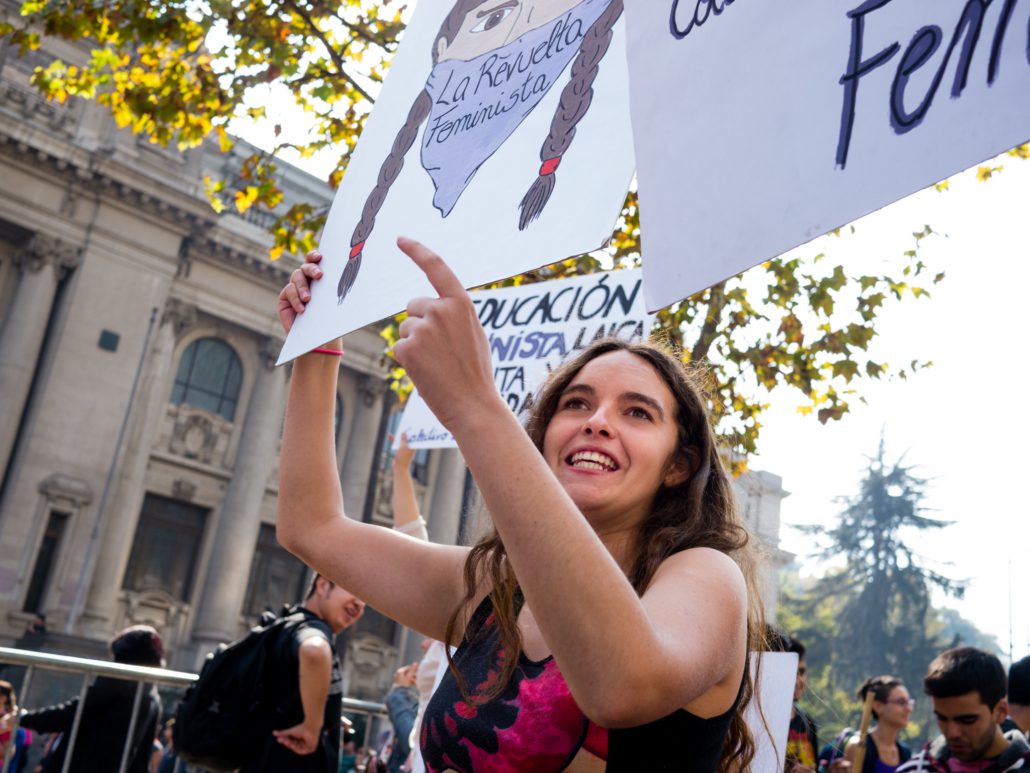
  6. Women have been active leaders of protests. Chile has recently experienced a period of severe political and social unrest. During this time, there have been frequent protests against the unfair actions of the government. Women activists in Chile have fought against the patriarchal values that have been historically enforced in their country. They repeatedly use the phrase “Nunca más sin nosotras” at many protests, which translates to “Never again without us women.” By participating in and leading these events, women are asserting that they will continue to fight for increased women’s rights in Chile.

These six facts about women’s rights in Chile highlight the progress that has been made and the work that still needs to be done. Gender equality can only be achieved if this issue remains a priority. With continued efforts by both the government and activists, there is hope for women’s rights to continue to improve in Chile.

– Hannah Allbery
Photo: Flickr

November 3, 2020
https://borgenproject.org/wp-content/uploads/borgen-project-logo.svg 0 0 Kim Thelwell https://borgenproject.org/wp-content/uploads/borgen-project-logo.svg Kim Thelwell2020-11-03 10:14:502024-06-11 23:17:196 Facts About Women’s Rights in Chile
Global Poverty, Women's Rights

The National Campaign Against Domestic Violence in the Maldives

Domestic violence in the Maldives
In July, the Maldives’ Ministry of Gender, Family and Social Services introduced a nationwide campaign to combat domestic violence and encourage women’s empowerment. The campaign is intended to last for a three month period and raise awareness on domestic violence in the Maldives.

The Maldives is considered a “development success” by the World Bank. In the last few decades, the Maldives’ Gross Domestic Product (GDP) per capita multiplied by more than fifty. The average life expectancy is the Maldives is now 78 years it has almost achieved full literacy across the nation. Now, the country is turning its attention to women’s rights and domestic violence.

Women’s Rights in the Maldives

The Maldives has improved its Gender Inequality Index score significantly in the last two decades from 0.649 to 0.367. The GII takes into account a variety of factors to measure equality between genders, with nations closer to 0 being the most equal. Women contribute to the nation’s economic and political progress through leadership roles and participation in the workforce.

However, the Maldives today still grapples with structural forms of gender inequality. A byproduct of this is the prevalence of domestic violence. According to data collected by the U.N. in 2017, 56% of women ranging from ages 15 to 49 had experienced physical or sexual violence from their partners in the last 12 months.

To continue furthering socio-economic progress in the Maldives, women’s rights and gender equality must not be sidelined. Recognizing this, the government has begun to make a stronger effort to combat domestic violence.

Women’s Rights and Poverty

Economic inequality between the genders is also a persistent social issue in the Maldives. According to research done by the UNDP, Maldivian women’s Gross National Income is lower than men’s by a staggering 48%.

As of 2016, 8.2% of Maldivians live below the nation’s poverty line. Due to structural inequalities that exclude women from major sectors of the economy, such as tourism and agriculture, women are more vulnerable to poverty in the Maldives. For example, the tourism industry indirectly accounts for nearly 60% of the Maldivian economy, but only three percent of women contribute to this sector, in contrast with nearly 50% of men.

Greater women’s empowerment and gender equality have been shown to boost nations’ economic growth. Gender gaps in employment and access to equal opportunity can cost approximately 15% of a nation’s GDP. Allowing women to access the same employment as men in the Maldives would not only benefit the nations’ path of economic growth but help to lift the Maldives’ most vulnerable from extreme poverty.

Furthermore, women’s economic empowerment can be linked to domestic violence. While it is not the only factor, when women can financially support themselves, they are more likely to be able to leave their abusers. Improving women’s rights and helping raise them out of poverty can improve the overall economy and help women escape domestic violence.

The ‘Geveshi Gulhun’ Campaign

The president of the Maldives, Ibrahim Mohamed Solih, participated in the inauguration of the Maldives’ anti-domestic violence campaign on July 15, 2020. This campaign comes after public demands from individuals and civil society groups that the government fulfill its promises to address issues like sexual violence and domestic violence.

The campaign aims to raise further national awareness about gender inequality and change long-standing stereotypes about women. The ‘Geveshi Gelhun’ campaign is a necessary first step to what is hopefully a more equitable future in the Maldives.

At the event, President Solih announced that the government would almost double the Ministry of Gender, Family and Social Services budget to develop resources to address gender-based violence against women in the nation. In addition, he promised that the government would make legislative changes to further punish cases of sexual violence.

The three-month campaign is mostly administered through various forms of media. This has consisted of live television programming, social media posts and billboards to raise awareness. The Ministry is working with local businesses and artists to develop the campaign’s messaging.

Moving Forward

The ‘Geveshi Gelhun’ campaign is a great step in the right direction. Raising awareness and enacting stronger legislation will hopefully have a significant impact on women’s rights. To continue combatting domestic violence in the Maldives, the government and other humanitarian organizations must make this issue a focus of their efforts.

– Leina Gabra
Photo: Flickr

November 2, 2020
https://borgenproject.org/wp-content/uploads/borgen-project-logo.svg 0 0 Kim Thelwell https://borgenproject.org/wp-content/uploads/borgen-project-logo.svg Kim Thelwell2020-11-02 18:18:192020-11-02 18:18:19The National Campaign Against Domestic Violence in the Maldives
Gender Equality, Global Poverty, Women's Rights

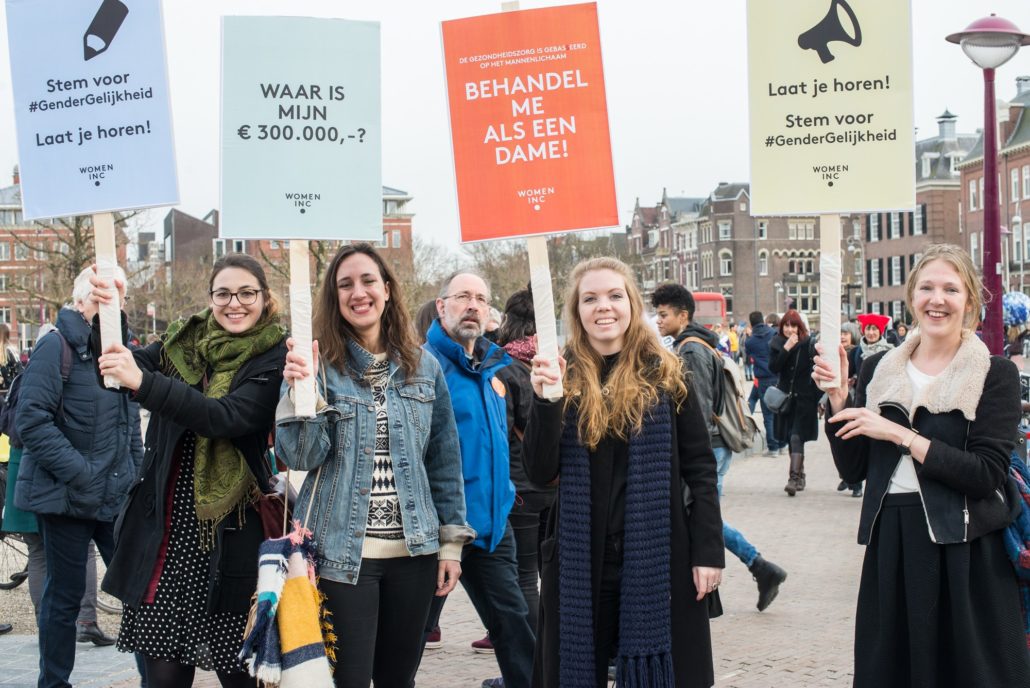
The Fight for Women’s Rights in the Netherlands

Women’s Rights in the Netherlands
Gender-based discrimination takes on many masks around the world. However, in recent years, activists and legislatures have made strides for the advancement of women’s rights in the Netherlands.

Advancing Women’s Rights in the Netherlands and the World

Women’s rights in the Netherlands are a central focus of local politics as people work for the betterment of women not only in the Netherlands but around the world. Through lobbying and the passage of legislation, the Netherlands is ahead of many countries around the world in terms of the betterment of women, and women’s rights. Betterment of women includes, but is not limited to:

  • Eliminating child brides
  • Educating young girls
  • Combating intimate partner violence and violence against women
  • Enforcing the necessity of women in negotiating peace talks in U.N. Resolution 1325
  • Promoting a woman’s involvement in the economy and politics

The Nuclear Family and Poverty

It is true that for many years, the Netherlands trailed behind much of the world in women’s rights and advancements. Women received encouragement to stay home with house and child and occasionally hold small jobs, with no opportunity for advancement in the profession or in Dutch society. As of 2013, 24.2% of women with children lived below the poverty line in comparison to 0% of men with children.

The nuclear family model around the world has been promoting the idea that the male in the family has to be the one to provide for the family, while the mother stays at home to take care of the children and the house. This frequently leaves women in a financially unstable position without the ability to provide for themselves and creating a gendered financial disparity.

Dismantling Gender Roles

The Netherlands has spent time working to dismantle the gender roles that people associate with the nuclear family. By better incorporating Dutch women into the labor market and government positions, women are finally finding ways to support themselves and their families. Organizations like the McKinsey Project work to advance women’s participation in the labor market through lobbying and creating opportunities for the betterment of women.

Beginning with the Work and Care Act implemented in 2001, part of supporting families for Dutch women include up to 16 weeks of paid maternity leave in which they were entitled to 100% of their median earnings as calculated over the previous year. Meanwhile, their partners can take one week with pay, and up to five partially-paid weeks.

Parent leave is another beneficial measure that a parent can take up until a child’s 8th birthday. Parental leave is when parents can take up to 26 times their working hours. Take, for example, if a parent works 40 hours per week, they have 1,040 working hours to take for the sake of their child in the event they need to take time for/with their child. Additionally, they can spread the time out however they may need.

The implementation of programs like the Work and Care Act, and work with organizations like the McKinsey Project are just a few of the ways the Netherlands has been making strides in promoting the economic, political and social advancement of its women over the last several years. It is important to acknowledge that while gender-based oppression still exists around the world, the Netherlands included, the strides the country has made is admirable.

– Jessica Raskauskas
Photo: Flickr

October 31, 2020
https://borgenproject.org/wp-content/uploads/borgen-project-logo.svg 0 0 Jennifer Philipp https://borgenproject.org/wp-content/uploads/borgen-project-logo.svg Jennifer Philipp2020-10-31 12:31:072024-05-30 07:52:57The Fight for Women’s Rights in the Netherlands
Global Poverty, Women and Female Empowerment, Women's Empowerment, Women's Rights

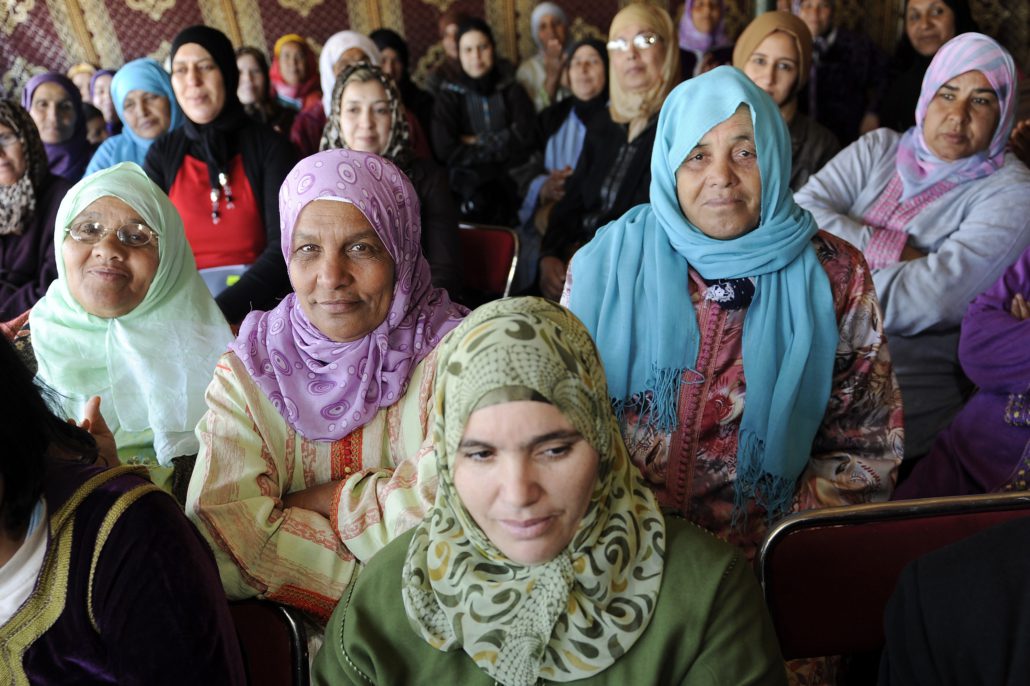
The Status of Women’s Rights in Morocco

Women’s Rights in Morocco
Since Morocco gained its independence from France in 1956, there have been many changes to women’s rights. Across the nation, women continue to fight for their rights in legal, social, political and economic contexts. Although work remains, local organizations have made great strides in improving the status of women’s rights in Morocco.

Women’s Rights On Paper

Morocco’s Constitution addresses the issue of women’s rights. Article 19 of the 2011 Constitution states, “The man and the woman enjoy, in equality, the rights and freedoms of civil, political, economic, social, cultural and environmental character.” This is a general guarantee of gender and matrimonial equality. Moreover, there have been numerous other ratifications in the Moroccan legislature that correlate to this statement.

Moroccan women now have protections against male guardian requirements, rape-marriage allowances and sexual harassment. The government passed all of these laws after 2004, with one as recent as 2018. Yet, there are still a few loopholes in the legal system. For example, the Family Law allows forced marriage if a judicial waiver is provided. Many believe that there is still progress to be made.

Status of Women’s Rights in Morocco (Social Contexts)

While the Moroccan Constitution is promising and shows progression, conservative ideals remain common in social institutions. This includes the hierarchy of power held by males and gender-based discrimination. Socially, the need is the greatest for reform and change, which law or legislation do not often achieve.

Women are fighting for equality in Morocco today by seizing opportunities, including education, economic and financial freedom and leadership positions. By holding higher positions in society, these conservative assumptions may begin to dissipate in family and cultural contexts.

Status of Women’s Rights in Morocco (Political Contexts)

Women gained both the right to vote and the right to stand in an election on the same date in May 1963. The assumption of leadership by women is historical and considered to be a great gain for Moroccan women. Bassima Hakkaoui, a veiled political leader, is now in charge of the Ministry of Solidarity, Women, Family and Social Development. She is the first veiled woman to hold this position.

Unfortunately, most women struggle to gain access to political leadership positions today. As of 2018, only 81 out of 395 parliamentary members were held by women. This begs the question of whether Moroccan women can be accurately and meaningfully represented by their government voices. Many activists call for more female representation in parliament and other positions of power.

Status of Women’s Rights in Morocco (Economic Contexts)

According to USAID Morocco, ranks 141 out of 149 countries in women’s economic participation and opportunity. Women make up 50% of Morocco’s population but only 26% of the labor force. Also, the female labor force participation rate in Morocco decreased by 6% between 1999 and 2010. Moroccan women remain a largely untapped resource within the very borders of the country.

One of the results of the 2011 Constitution includes positive advancements in girls’ education. Increasing access and encouraging girls to finish school has led to more women contributing to the labor market and the economy. The accumulation of generational wealth is an example of this influence.

Fighting for Women’s Rights

To continue improving the status of women’s rights in Morocco, the strengthening of the justice system is crucial. Addressing social and cultural barriers is also important, as many gender limitations stem from conservative or patriarchal views.

Two notable organizations are fighting to raise the status of women’s rights in Morocco and both reside in Rabat. The Democratic Association for Moroccan Women and the Mobilizing for Rights Associates (MRA) work within the community and advocate for legal reforms. These reforms promote women’s social, economic and political equality, monitor international human rights compliance and assist women’s rights campaigns.

MRA also tracks the implementation of the newly signed Elimination of Violence Against Women law, which was recently enacted in September 2018. This law has shown the world that Morocco is willing to make progress in gender equality. Furthermore, it exemplifies the importance of these women’s rights organizations in making progress.

Moving Forward

Although Morocco has made improvements in women’s rights, work remains. Women across the country are continuing to fight for equality in all contexts. Moving forward, women’s rights organizations continue to advocate for the safety and liberty of all Moroccan women.

– Savannah Gardner
Photo: Flickr

October 31, 2020
https://borgenproject.org/wp-content/uploads/borgen-project-logo.svg 0 0 Kim Thelwell https://borgenproject.org/wp-content/uploads/borgen-project-logo.svg Kim Thelwell2020-10-31 07:30:382020-10-30 19:23:59The Status of Women’s Rights in Morocco
Child Marriage, Global Poverty, Women's Rights

Birth Certificates and Women’s Rights in the DRC

Women’s Rights in the Democratic Republic of the Congo
Worldwide, governments register the identity and nationality of 73% of people at birth. In the Democratic Republic of the Congo, 75% of children are without birth certificates. This means that there is no record proving the identity of three in four Congolese children. Political unrest in the DRC has allowed the lack of documentation to go largely unaddressed, but the persistence of this problem deepens injustices that girls and women predominantly face. Here is some information about birth certificates and women’s rights in the DRC.

Child Marriage in the DRC

Thirty-seven percent of girls in the Democratic Republic of the Congo are subject to child marriage. One reason for the survival of this practice is the inability to prove that it has occurred. There is no proof of age for a girl without a birth certificate, which increases the risk that she could marry before the age of 15, the legal age for a girl to marry in the DRC. Child marriages are particularly harmful to women, as sexual violence is prevalent in the DRC. In fact, 52% of women have reported experiencing domestic violence. The DRC Family Code, enacted in 1998, details protections for women against domestic violence, but many women are unaware of the code and do not seek justice in cases of abuse. Instead, they often justify wife-beating. Documenting every child born in the DRC is a small step that could reduce child marriages.

The Benefits of Birth Certificates in the DRC

Birth certificates in the Democratic Republic of the Congo provide access to a wide range of services. For example, education and healthcare are unavailable without any proof of identity. The gender gap already limits the opportunity for women to receive an education with a primary enrollment rate of 54%, and the lack of birth certificates amplifies this injustice. Birth certificates also provide proof of ancestry, which is necessary to claim an inheritance. This flaw in the DRC’s system reinforces the disparity between men and women and the frailty of women’s rights.

Cost and accessibility are two factors that have contributed to the lack of birth certificates in the Democratic Republic of the Congo. Registration is reported as free within 90 days of birth, but the political and economic state of the country has complicated the provision of this service and there is a fee for late registration. Bribery is not uncommon when it comes to obtaining a birth certificate. Registration centers are scarce and many Congolese families find it difficult to travel from rural regions to the urban centers where they can obtain birth certificates, with some women living six miles from the nearest center. Meanwhile, if there are not any financial or geographical barriers to a birth certificate, a woman may find herself unable to register her child because she is a victim of rape and the identity of the father is unknown.

World Vision’s Recommendations

In 2009, World Vision made three recommendations to the DRC to guide the country in addressing the lack of birth certificates issued: removing all administrative costs for registration and having zero tolerance for bribery, implementing mobile registration services and campaigning to spread awareness about the importance of registration. Improvements such as these could lighten the burden of obtaining a birth certificate for a Congolese child and simultaneously make progress in the fight for women’s rights in the DRC. People may be more likely to uphold women’s rights in the DRC if girls receive recognition by the government from birth.

– Payton Unger
Photo: Flickr

October 30, 2020
https://borgenproject.org/wp-content/uploads/borgen-project-logo.svg 0 0 Jennifer Philipp https://borgenproject.org/wp-content/uploads/borgen-project-logo.svg Jennifer Philipp2020-10-30 17:27:552024-05-30 07:53:16Birth Certificates and Women’s Rights in the DRC
Global Poverty, Women's Rights

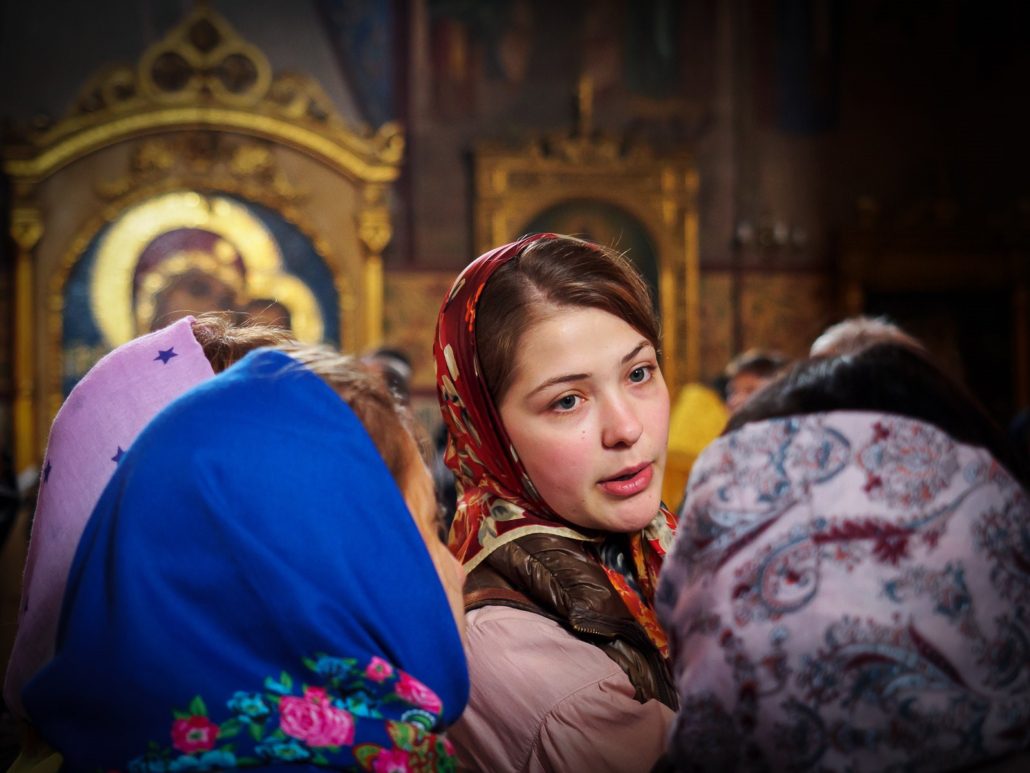
5 Facts About Women’s Rights in Russia

Women’s Rights in Russia
Russia is somewhat infamous for its history of oppression and human rights abuses. Often in the news for things like unfair elections or police brutality, gender equality is a less-reported topic, but nonetheless a pervasive and damaging systemic issue. Here are five facts about women’s rights in Russia.

5 Facts About Women’s Rights in Russia

  1. Russian women are equal in theory, but not in practice. The Constitution of Russia, adopted in 1993, guarantees equal rights for women and men. Even before that, the Bolshevik Revolution granted women’s rights in Russia– including suffrage– in 1917. However, women are still fighting inequality in many sectors, including the professional realm. People in Russia expect women to prioritize motherhood over professional development because of Russia’s low fertility rate. Citing a belief that strenuous jobs pose a threat to women’s safety and reproductive health, the government has barred women from occupations like aircraft repair, construction and firefighting. While the country passed reforms in 2019 to reduce the number of restricted jobs from 456 to 100, they will not come into effect until 2021. However, some of the largest industries, like mining and electric engineering, remain in the barred category.
  2. More women are in poverty than men. In addition to legal barriers to job opportunities, traditional gender roles box women out of professions like politics. Women earn on average 30% less than a man, one of the largest wage gaps among high-income countries. Even in professions where the wage gap is the smallest, like in the education sector, there is a 20% difference in average salary. Women also do a significant amount of unpaid work– estimates have determined that the loss to the annual budget due to gender segregation is 40-50% in Russia. Were Russia to offer equal resources in agriculture to all genders, it could raise food production by 30%. Higher poverty rates for women affect not only women but the children they raise. Impoverished women often cannot afford higher education for their children, which limits the children’s upwards economic mobility. Therefore, the cycle of poverty is perpetuated because of systemic gender discrimination putting mothers in positions where they cannot give their children better lives.
  3. Russian women face threats to their physical safety– and the police stand by. Domestic violence as a whole– which disproportionately victimizes women– is a serious threat to women’s rights in Russia. In January 2017, Russia decriminalized domestic violence that does not cause serious injury– meaning broken bones or a concussion– for first-time offenders. Since most victims do not report their abuse, most “first-time offenders” are actually long-time abusers. In addition, police officers routinely ignore domestic disturbance calls. When officers do respond, they often refuse to criminally prosecute instead of telling victims to prosecute privately. This is economically unfeasible for many women and effectively places the onus of an entire subgroup of law enforcement on the victim rather than the state. Decriminalization of domestic violence has rendered the statistics on it unreliable, but statistics have shown that most cases do not end up in court. If women cannot receive the assurance of their physical safety under Russian law and society, their overall rights are under severe threat.
  4. Learned attitudes reinforce gender inequality. Every Russian man that the Levada Center polled, regardless of age group, responded that the most desirable quality in a woman was that she had to be a good homemaker. This attitude pervades across gender lines: younger Russian women answered that attractiveness was the best quality, but by age 30, the women agreed that their most desirable quality was to be a good homemaker for a man. When pollsters asked the equivalent question about desirable qualities in a man, both men and women ranked intelligence as the most important trait in a man. Men, however, ranked intelligence in a woman as sixth or seventh on their list of 15 traits. But before one can solely cast the blame for gender inequality on men, women ranked independence as least important for themselves. Older women’s answers matched that of the men– the mothers and grandmothers teaching the sons their societal values. No one gender is at fault for the perpetuation of gender inequality; instead, it is a product of Russian culture and society that each generation has passed on to the next.
  5. The feminism movement in Russia is growing every year. Hundreds instead of dozens of women attend marches and protests now, especially against the controversial decriminalization of domestic violence. The work of leaders like Leda Garina and Zalina Marshenkulov has fostered the growth of feminism in the public consciousness. Despite facing arrests and threats, activists and organizations are persisting in getting the message of gender equality out to the public. Innovations in technology and social media make information more accessible to the Russian people and change the perception of feminism from a dirty, Western word to something necessary to Russian society. New venues are cropping up in big cities to aid women. For example, Cafe Simona in Saint Petersburg is a woman-only workspace and event space that allows women to go about their days without experiencing harassment. NGOs like Human Rights Watch also strive to inform both the domestic and international communities of the issues facing Russian women. Reporting by HRW and other media outlets on Yulia Tsvetkova, a feminist blogger who underwent and is a political prisoner, led to protests around the country. Despite crackdowns on NGOs under Putin’s “foreign agents” law, organizations are doing their best to get the word out about the situation in Russia.

People still need to do more to improve women’s rights in Russia. Nothing less than significant legal reforms are necessary to change the culture of misogyny in the country. Gender equality might be a long way off for Russian women, but because of activists and NGOs fighting for their rights under the law, hope is on the horizon.

– Brooklyn Quallen
Photo: Flickr

October 30, 2020
https://borgenproject.org/wp-content/uploads/borgen-project-logo.svg 0 0 Jennifer Philipp https://borgenproject.org/wp-content/uploads/borgen-project-logo.svg Jennifer Philipp2020-10-30 15:05:082020-10-30 15:05:085 Facts About Women’s Rights in Russia
Global Poverty, Women, Women and Female Empowerment, Women's Rights

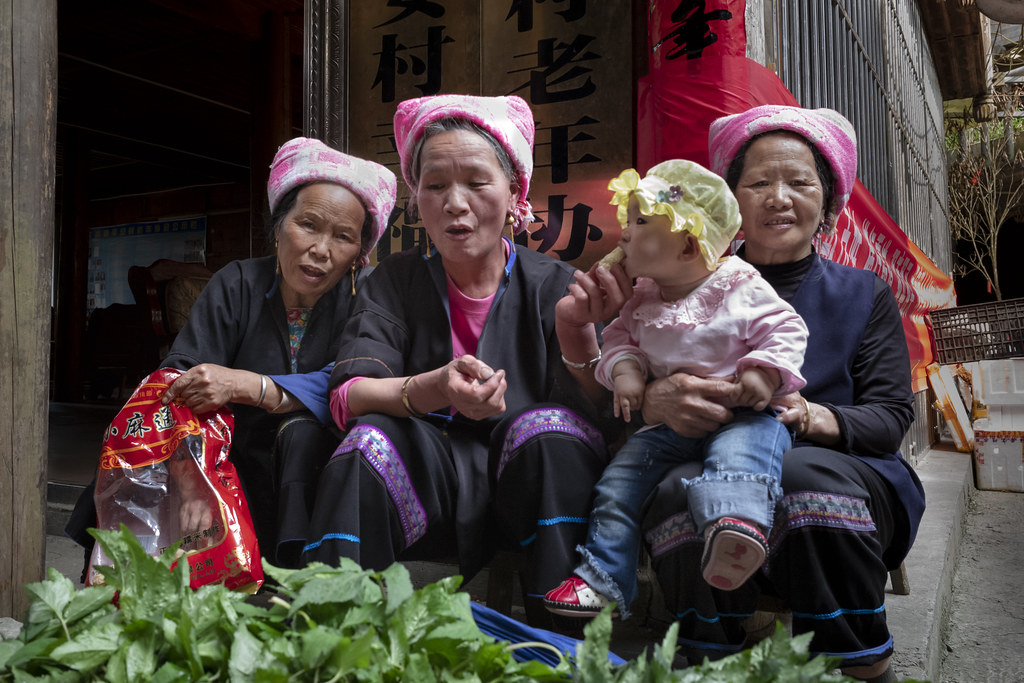
The Fight for Women’s Rights in China

Women's Rights in China
For many years, gender equality and women’s rights in China have been a problem, mainly for women. Various restrictions still take place, even today. Income discrepancies and traditional gender roles in the country aimed at placing and keeping women inferior as compared with their male counterparts.

For example, women who have children do not always receive support from their supervisors and often lose their pay when on maternity leave. From occupational rights to issues such as property rights, men in China have always (and unfairly) been the more supported gender for years. Unfortunately, this continues to this day.

Discrimination in the Workplace

Women of the past and present in China, have dealt with unfair employment practices. They have had to jump over unnecessary hurdles just to keep up with their male counterparts. The Chinese government claims to better prioritize the promotion of gender equality, and therefore women’s rights in China. Particularly — in the workplace, however, recent research says otherwise. Of the job listings in the Chinese Government’s civil service job list, 11% stated preferences for men. The percentage was higher in jobs preferring men from 2018 to 2019, at 19%.

This information was identified by the Human Rights Watch, which also discovered that fewer than 1% of these job postings offered offered support to women. This has caused many women to surrender to traditional gender roles. For example, staying at home, not working and being dependent on the male of the house. Notably, only 63% of the female workforce worked in 2017.

Patriarchal Oppression

China’s history has seen a higher focus on men being the core of not just their families but the country’s overall success and growth. Post Confucius era, society labeled men as the yang and women as the yin. In this same vein, society views Yang as active, smart and the dominant half. This, compared with Yin, which is soft, passive and submissive. These ideologies are not as prominent today but persist enough that there is a problem.

The tradition begins at birth with boys being the preferred children compared to girls in China. A consensus opinion in the country is that if one has a male child versus a female child, they believe the son will grow into a more successful member of the family. The sons are more likely favored because the issue of pregnancy is a non-factor and they can choose almost any job they desire. Of course, this is something that does not support efforts for gender equality nor women’s rights in China.

A survey done just last year found that  80% of generation Z mothers did not have jobs outside of the home. Importantly, most of those surveyed were from poorer cities. The same survey found that 45% of these stay-at-home mothers had no intention of going back to work. They simply accepted their role of caring for the house. Gender equality and women’s rights in China have shifted toward cutting into the history of patriarchal dominance within the country.

Women’s Rights Movement in China

Since the Chinese government is not completely behind gender equality in China for women, the feminist movement is still active and stronger than ever. In 2015, the day before International Women’s Day, five feminist activists were arrested and jailed for 37 days. They were just five of an even larger movement of activists fighting against the traditional gender role ideology that has placed females below males. These movements have begun to make great progress towards gender inequality within the country. From 2011 to 2015, a “12th Five Year Plan” had goals of reducing gender inequality in education and healthcare.

The plan also was to increase the senior and management positions and make them accessible for women to apply for said positions. Xi Jinping, the current President of the People’s Republic of China, has proclaimed that the country will donate $10 million to the United Nations Entity for Gender Equality and the Empowerment of Women. During the next five years and beyond, this support will help the women of China and other countries build 100 health projects for women and children. March 1, 2016, the Anti-domestic Violence Law of the People’s Republic of China took effect. This law resulted in the improvement in legislation for gender equality in China. In June of that year,  ¥279.453 billion was put forth toward loans to help women, overall.

– Dorian Ducre
Photo: Flickr

October 30, 2020
https://borgenproject.org/wp-content/uploads/borgen-project-logo.svg 0 0 Kim Thelwell https://borgenproject.org/wp-content/uploads/borgen-project-logo.svg Kim Thelwell2020-10-30 07:30:162024-05-30 07:52:50The Fight for Women’s Rights in China
Global Poverty, Women's Rights

Updates on SDG Goal 5 in Saudi Arabia

SDG Goal 5 in Saudi Arabia
The U.N. Sustainable Development Goals (SDGs), declared in 2015, are a list of 17 goals of economic and social development upon which each nation has received the call to improve. SDG Goal 5 requires each member state to achieve gender equality and empower all women and girls. This article contains some updates on SDG Goal 5 in Saudi Arabia.

Despite a longtime refusal to challenge embedded cultural hostility towards women, the government of Saudi Arabia has made some modest changes that have lifted some of the restrictions that have historically been placed upon Saudi women. Examples include the 2011 decree allowing Saudi women to vote and the 2018 decision to allow Saudi women to drive.

As per the SDGs, Saudi Arabia must work toward developing a more equitable society for women by the year 2030. The following are updates on SDG Goal 5 in Saudi Arabia.

Women’s Representation in National Politics

One indicator of SDG Goal 5 is women’s representation in the national parliament of a country. Given that Saudi Arabia is an absolute monarchy, it does not have a national parliament. The consultative Shura Council is the closest approximation to a parliament and is responsible for submitting legislative recommendations to the King.

In 2013, Saudi King Abdullah appointed 30 women to the 150-member council for the first time. However, as of 2017, female representation on the Shura Council has remained at 20% and the Saudi King is the one one who can increase it.

Recent Decrees Have Weakened the Male Guardianship System

Another indicator of SDG Goal 5 is the promulgation of legal frameworks that promote equality and non-discrimination on the basis of sex. Any updates on SDG Goal 5 in Saudi Arabia would be incomplete without an assessment of the status of the male guardianship system. By law, Saudi women must be under the authority of a male relative or spouse. Until recently, Saudi women could not apply for a passport or leave the country without their male guardian’s approval. Neither could they register marriages, divorces or their children’s births.

However, in 2019, a series of decrees announced by Saudi Crown Prince Mohammad bin Salman weakened the authority of the male guardianship system.

Today, Saudi women can obtain a passport and travel outside the country without male permission. Moreover, women can now register marriages, divorces and their children’s births. Additionally, employment opportunities for women have also expanded, with law guaranteeing a woman’s right to work.

The male guardianship system does not allow for equality and non-discrimination of women under the law. Despite these recent reforms, the law still upholds certain powers of the male guardianship system. For example, women still need the permission of a male guardian to marry and live independently, and only men can pass on citizenship to their children.

Child Marriage in Saudi Arabia

Child marriage has been a historic issue in Saudi Arabia. However, in January 2019, the government of Saudi Arabia implemented new marriage regulations for children preventing girls and boys as young as 15 from marrying without the consent of a court of law. Although the U.N. does not have publicly available data on the child marriage rate in Saudi Arabia, the fact that child marriage is legal opens the possibility for a high proportion of marriage of girls under age 18.

These updates on SDG Goal 5 in Saudi Arabia demonstrate that although a series of recent reforms have eased the burden on Saudi women and girls, the government of Saudi Arabia continues to uphold certain legal institutions of gender discrimination. Low representation in the Shura Council, an intact male guardianship system and regulations enabling child marriage serve as examples of the challenges that Saudi women still face in 2020.

– John Andrikos
Photo: Flickr

October 24, 2020
https://borgenproject.org/wp-content/uploads/borgen-project-logo.svg 0 0 Jennifer Philipp https://borgenproject.org/wp-content/uploads/borgen-project-logo.svg Jennifer Philipp2020-10-24 06:04:092024-06-07 05:08:08Updates on SDG Goal 5 in Saudi Arabia
Global Poverty, Women's Rights

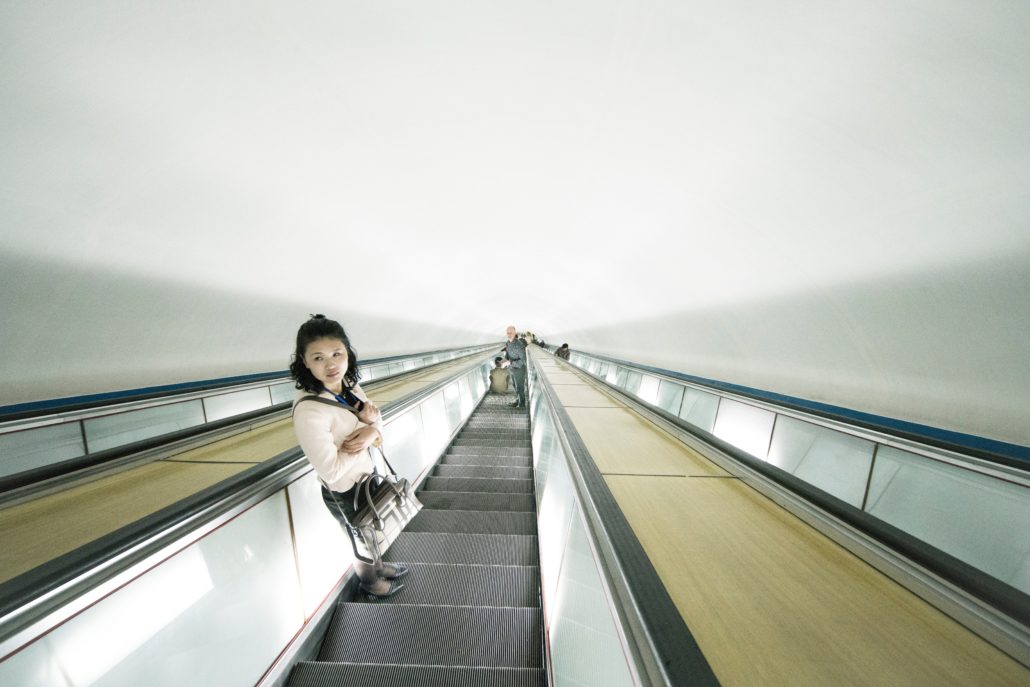
The Reality of Women’s Rights in North Korea

Women's Rights in North Korea
Women’s rights is a global issue that never fails to persist. Gender equality is not something that countries can easily gain and even the most progressive governments cannot always ensure fair treatment. Many know North Korea as one of the most repressed countries in the world, with the United Nations Commission of Inquiry having determined that it systematically and egregiously violated human rights in 2014. The investigation found that the State was guilty of torture, arbitrary arrest, enforced disappearances and systemically denying basic human rights and fundamental freedoms. Many of these countless violations occurred at prison camps or detention centers with North Korean women as the most common victim. Here is some information about women’s rights in North Korea.

The Situation

While the State established a Women’s Rights Act in 2010 in response to international scrutiny, as a politically isolated country, the implementation of such policies is doubtful. Investigations by the UN COI proved not only that North Korea had not implemented the policies, but that circumstances might have even become aggravated in recent years.

A report from the Citizens Alliance of North Korean Human Rights determined there were no practical changes in terms of women’s access to labor, wages, social safety, medical care or education. Many of these resources remain restricted to those who cannot pay fees, making typical things such as childcare or higher education only available to women employed by the State. Even when employed, women often experienced intense discrimination in the workplace and had to quit in favor of providing for their families.

The Prevalence of Sexual Violence

Patriarchal culture exists in North Korea socially and politically. Female dominated trades experience heavy restrictions and are vulnerable to incessant fees. It is very difficult for women to make an independent income, and many are often completely dependent on their husbands or families. Employed women are often subject to sexual violence by their male coworkers or employers, and do not receive protection from the State. Circumstances are even direr in detention facilities and prisons, where sexual assault is a common practice. Guards, police agents and fellow inmates often force women in these facilities into submission. When assaulted, victims also frequently receive the blame for the violence enacted upon them.

The reality of women’s rights in North Korea does not correspond to the country’s policy efforts at gender equality. The DPRK 1946 Law on Sex Equality is one of the earliest examples of a comprehensive gender equality law, yet North Korean women have consistently struggled to maintain independence throughout their country’s history.

A legal analysis of the 2010 North Korean Women’s Rights Act shows that the State does not have true determination to enforce gender equality. The language of the document itself is far too vague to ensure the implementation of policy. It fails to define gender equality or the current issues plaguing women in North Korea and focuses on formal equality rather than anything of substance. The document has no clear statements on the prohibition of sexual harassment, reliable access to healthcare, rights to abortion, equal rights to participate in non-government organizations or the removal of gender stereotypes in education and media. Without clear policy, it is challenging to ensure women’s rights in North Korea.

Solutions

There are no specific organizations solely advocating for the betterment of women’s rights in North Korea, but awareness alone can lead to change. Political isolation has enabled North Korea to ignore matters of equality, but supporting the stories of its women prevents the erasing of the problem. Following the investigations by human rights organizations, such as the Citizens Alliance for North Korean Human Rights, is a good way to ensure the implementation of policy and the recognition of the current issues that affect North Korean women.

Another good organization to support is Liberty in North Korea (LiNK). Reports in 2017 determined that more than 1,000 North Koreans defect every year. The experience of trying to leave the State can be highly traumatic for female defectors, and their experience of others smuggling them across borders presents many safety issues. North Korean women trying to defect often end up in detention centers or fail to find safe refuge. LiNK not only provides support for refugee rescue and resettlement but is also actively working to change the narrative of North Korea. By drawing focus away from the government, which dominates the country’s image, LiNK works to bring attention to the experiences of North Korea’s people.

One must encourage change by uplifting the voices of North Korean women and actively listening to their stories. Once that happens, women’s rights in North Korea can improve.

– Ida Casmier
Photo: Unsplash

October 23, 2020
https://borgenproject.org/wp-content/uploads/borgen-project-logo.svg 0 0 Jennifer Philipp https://borgenproject.org/wp-content/uploads/borgen-project-logo.svg Jennifer Philipp2020-10-23 21:48:462020-10-23 21:48:46The Reality of Women’s Rights in North Korea
Global Poverty, Women's Rights

Women’s Rights in Venezuela Today

Women’s Rights in Venezuela TodayIn Venezuela, women have always needed to fight for their rights. However, now more than ever women need much more support. In the constitution developed in 1999, all citizens regardless of gender have social, political and economic rights. The 2007 law reform Organic Law of the Right of Women to a Life Free of Violence, women are more often in disadvantaged positions than men. Women’s rights in Venezuela have been neglected and much-parodied by a government that calls itself “feminist.”

Women’s Rights in the Past

The first years of Chavez’s government saw the development and reinforcement of programs that enhanced women’s rights. For example, they implemented the Women’s Bank (which has ceased to exist) and the Women and Gender Equality Ministry. The 2007 Organic Law of the Right of Women to a Life Free of Violence was considered groundbreaking. It is internationally recognized as “one of the most progressive in the world,” as it broadened the definition of domestic violence. However, this is as far as the government has gotten into reinforcing women’s rights in Venezuela.

Women’s Right in the Present Day

Today there’s a persistent gender gap in Venezuela. A 2016 report from the UN Economic Commission for Latin America and the Caribbean indicates that around 54% more women between the ages of 20 and 59 are not actively in the workforce. Instead, there are more women now who have become head of households than in 1990, 39% in 2011 versus 24% back then. Since women have fewer opportunities in the workforce due to their lack of experience, women in Venezuela are often staying at home. In addition, the worsening healthcare system plus the great shortage of contraceptives, which have fallen around 90% since 2015, only strengthen women to remain in their “traditional roles as mothers and caretakers.”

Issues that Affects Women in Venezuela

Indeed, Venezuela is the country with the highest rate of teenage pregnancy in Latin America and the Caribbean. It also sees a rise in HIV and other STDS cases due to the lack of contraceptives. There is also a great shortage of menstrual products, which has made a huge impact on the lives of women and girls, often becoming an impediment for them to go to school or work. Moreover, the maternal mortality rate has sparked over these few years, with a rate of 66%. As a result, this led many women to seek out better healthcare in other foreign countries like Colombia, in which 26,000 women gave birth to their babies since 2015. There are supports and efforts from UNFPA and local organizations and the promises made by the government. However, there have not been any other options but for women to migrate to other territories.

International Aids

UNFPA along with UNICEF and PAHO has delivered 90 tonnes of health, water, hygiene and sanitation and education supplies to Venezuela earlier in April. Indeed, these supplies were vital for vulnerable women and families in Venezuela. There is also support from organizations such as the UN Population Fund. The UN Population Fund imported thousands of contraceptives to fight the shortage and supply the market. However, there is still much to be done.

What To Do

Today there are only 32 women out of 167 representatives in the assembly. Increasing representation of women in politics is one way for women’s rights to become more accessible for them. Women’s participation in politics can benefit innumerable ways in the country. For instance, ending the gender gap and increasing women’s physical security. Gender-based violence is another problem in the Caribbean country. Indeed, only this year there have been 157 women who died at the hands of physical violence, according to a report of Uthopix’s Monitor de Femicidios. Complaints often go unreported, and the ones that aren’t do not always go to trial. By including more women in political positions there will be a better chance for women’s rights to be assessed adequately.

– Alannys Milano

Photo: Flickr

October 22, 2020
https://borgenproject.org/wp-content/uploads/borgen-project-logo.svg 0 0 Kim Thelwell https://borgenproject.org/wp-content/uploads/borgen-project-logo.svg Kim Thelwell2020-10-22 07:30:562020-10-18 18:42:28Women’s Rights in Venezuela Today
Page 24 of 41«‹2223242526›»

Get Smarter

  • Global Poverty 101
  • Global Poverty… The Good News
  • Global Poverty & U.S. Jobs
  • Global Poverty and National Security
  • Innovative Solutions to Poverty
  • Global Poverty & Aid FAQ’s
Search Search

Take Action

  • Call Congress
  • Email Congress
  • Donate
  • 30 Ways to Help
  • Volunteer Ops
  • Internships
  • Courses & Certificates
  • The Podcast
Borgen Project

“The Borgen Project is an incredible nonprofit organization that is addressing poverty and hunger and working towards ending them.”

-The Huffington Post

Inside The Borgen Project

  • Contact
  • About
  • Financials
  • President
  • Board of Directors
  • Board of Advisors

International Links

  • UK Email Parliament
  • UK Donate
  • Canada Email Parliament

Get Smarter

  • Global Poverty 101
  • Global Poverty… The Good News
  • Global Poverty & U.S. Jobs
  • Global Poverty and National Security
  • Innovative Solutions to Poverty
  • Global Poverty & Aid FAQ’s

Ways to Help

  • Call Congress
  • Email Congress
  • Donate
  • 30 Ways to Help
  • Volunteer Ops
  • Internships
  • Courses & Certificates
  • The Podcast
Scroll to top Scroll to top Scroll to top