• Link to X
  • Link to Facebook
  • Link to Instagram
  • Link to TikTok
  • Link to Youtube
  • About
    • About Us
      • President
      • Board of Directors
      • Board of Advisors
      • Financials
      • Our Methodology
      • Success Tracker
      • Contact
  • Act Now
    • 30 Ways to Help
      • Email Congress
      • Call Congress
      • Volunteer
      • Courses & Certificates
      • Be a Donor
    • Internships
      • In-Office Internships
      • Remote Internships
    • Legislation
      • Politics 101
  • The Blog
  • The Podcast
  • Magazine
  • Donate
  • Click to open the search input field Click to open the search input field Search
  • Menu Menu

Archive for category: Women’s Rights

Women's Rights

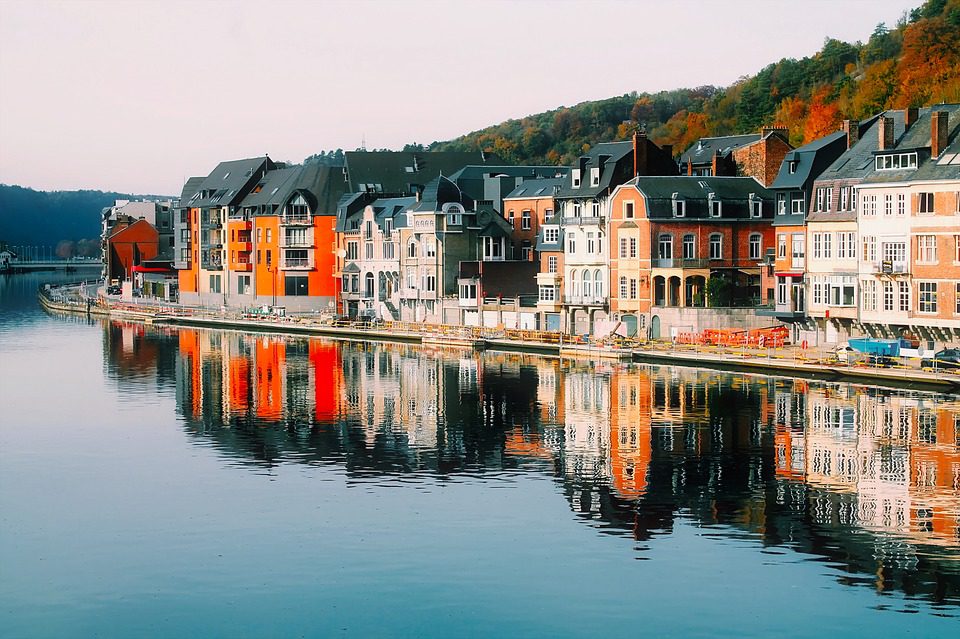
5 Facts about Women’s Rights in Belgium

Women’s Rights in Belgium
Women’s rights have come a long way since the beginning of the century. In countries around the world, women have fought tirelessly for many of the freedoms that their male counterparts already enjoy, from the right to vote to the right against discrimination. The women of Belgium are no exception from these movements. Here are five facts about women’s rights in Belgium.

5 Facts About Women’s Rights in Belgium

  1. Belgium was one of the last European countries to introduce women’s suffrage. Despite some Belgian women earning their right to vote in 1919, Belgium was one of the last European countries to acknowledge women’s suffrage and women’s demands for voting rights. The only country to allow it after Belgium was Greece. The lag in women’s suffrage was mainly due to early women’s rights advocates such as Marie Popelin and Isala Van Diest, who chose to focus first on improving women’s education and legal equality in Belgium before advocating for equal voting rights. Additionally, during this time, many members of the socialist and liberal parties did not trust women with the right to vote, fearing that women would vote too conservatively and would give their overwhelming support to the Catholic parties under the influence of the priest. However, this proved untrue when women officially received the same voting rights as their male counterparts.
  2. Women did not fully gain voting rights until 1948. Women in Belgium, as in many other countries in the world, did not enjoy the same freedoms as men when it came to engaging in politics for a long time. They first received the right to vote in 1919; however, these rights had heavy restrictions in that only specific women could vote. Only mothers and widows of servicemen who died in World War I, mothers and widows of citizens “shot or killed by the enemy” and female prisoners who “had been held by the enemy” initially obtained the right to vote. In 1920, all Belgian women, with the exception of prostitutes and sex workers, received the right to vote in municipal elections. It was not until 1948 that Belgian men and women enjoyed the same voting rights in parliamentary elections. The first parliamentary election in which women participated took place on June 26, 1949.
  3. The number of women in Belgian politics has been steadily rising. In the past, the Belgian Parliament had been heavily male-dominated. However, thanks to policies like the Quota Act, this has been changing, a major win for women’s rights in Belgium. Belgium first introduced the Quota Act in 1994 but updated acts have since emerged. The most recent Quota Act imposed a 50–50 quota for every election list and required that the two candidates at the top of the list not be of the same gender. Election lists that do not comply with the Quota Act are automatically nullified. This helps prevent political parties from participating in elections if they are unwilling or unable to abide by the quota rules. By 2019, women held 42% of positions in parliament. Sophie Wilmès is the current prime minister of Belgium and is also the first woman to hold this post in the country. Increasing the number of women in Belgian politics helps to expand women’s rights in Belgium.
  4. Belgium is closing its workforce gender gap. In 2020, Belgium ranked 27th out of 153 countries in the Global Gender Gap Report, which “benchmarks countries on their progress towards gender parity across four thematic dimensions: Economic Participation and Opportunity, Educational Attainment, Health and Survival, and Political Empowerment.” The workforce gender gap has also been closing over the years. The overall labor force participation rate for women 20-64 years old in Belgium is 63% (2.34 million women) compared to 72.3% for men (2.66 million men). Despite the increasing number of women entering the workforce over the years, there are still disparities between men and women in the workforce. When examining board members in Belgian companies, women only hold 30.7% of the seats while 69.3% of men hold the rest. There is also a discrepancy between men and women when it comes to wage earnings in Belgium. The pay gap in Belgium was 21% in 2017 and the pension gap was 28%. Despite the wage gap closing, women in Belgium are still more vulnerable than men to living in poverty. In 2018, women were two percentage points higher than men in reports on the poverty level in the country.
  5. Belgium implemented the accelerated Beijing Declaration and Platform for Action. The Beijing Declaration was a resolution that the United Nations adopted in September 1995 at the end of the Fourth World Conference on Women. The resolution established a set of principles aimed at addressing the inequality between men and women. In 2015, Belgium partnered with UN Women to introduce the full, effective and accelerated implementation of the Beijing Declaration and Platform for Action. The accelerated commitment outlined six main tactics for addressing gender inequality: (1) investing in gender equality at the national and international levels, (2) updating or establishing new action plans, strategies and policies on gender equality, (3) enhancing women’s leadership and participation at all levels of decision-making, (4) introducing new laws or reviewing and implementing existing ones to promote gender equality, (5) preventing and addressing social norms and stereotypes that condone gender inequality, discrimination and violence and (6) launching public mobilization and national campaigns to promote gender equality. One area that has seen improvement from the implementation of the Beijing Declaration and Platform for Action is women’s participation in politics throughout Belgium.

While women’s rights in Belgium have dramatically improved over the years, these five facts show that there is still room for improvement within the country. On International Women’s Day in 2019, over 5,000 female demonstrators went on strike in Brussels to campaign for women’s rights and gender equality. Despite Belgium’s best efforts, there is still more the country must do to ensure total equality between the rights of men and women.

– Sara Holm
Photo: Pixabay
October 2, 2020
https://borgenproject.org/wp-content/uploads/borgen-project-logo.svg 0 0 Jennifer Philipp https://borgenproject.org/wp-content/uploads/borgen-project-logo.svg Jennifer Philipp2020-10-02 12:50:112024-05-30 07:52:265 Facts about Women’s Rights in Belgium
Global Poverty, Women's Rights

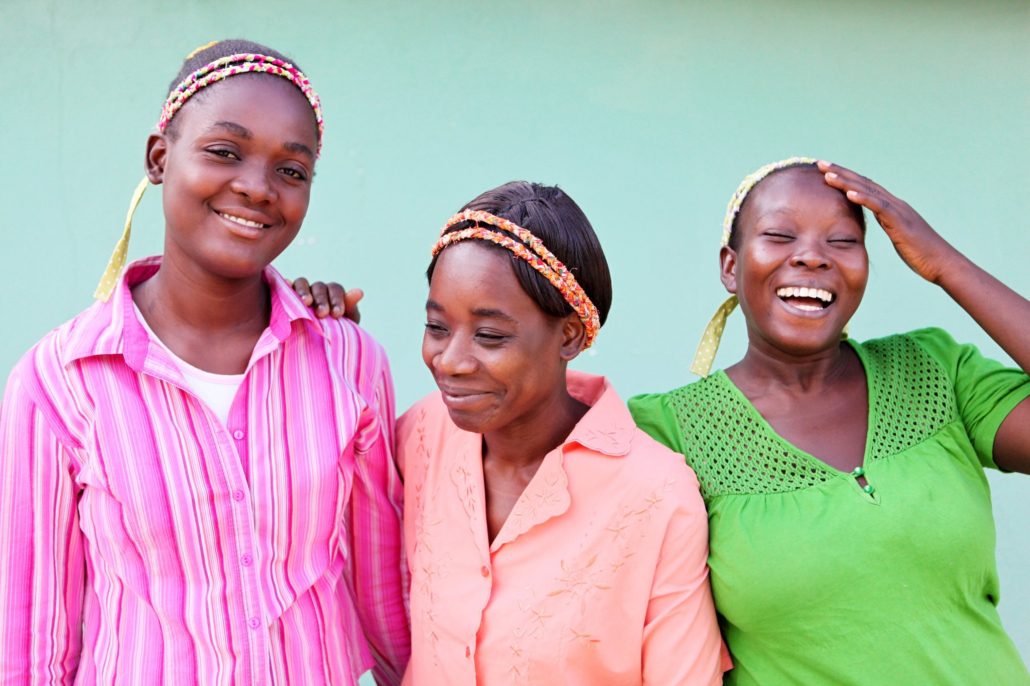
The Fight for Women’s Rights in Haiti

Women’s Rights in Haiti
In the poorest country in the western hemisphere, women in Haiti have long been subject to exorbitantly high rates of gender-based violence. In addition, the Haitian judicial system often leaves them without anywhere to turn and there is insufficient access to education across the country.

However, women are integral to local economies and to Haitian society. Women head approximately half of Haitian households. Street vendors, a key element in the Haitian economy, tend to be largely female. Additionally, many women own small farms, making them vital to the agricultural chain.

Moreover, Haiti’s Constitution guarantees women the right to participate in politics, protects women from workplace discrimination and claims to protect them from physical and sexual abuse. Nevertheless, the state of women’s rights in Haiti remains wanting.

Gender-Based Violence

Haiti is one of the poorest countries in the world, and civil unrest, lack of infrastructure, poverty and general political instability plague it. This creates structural inequalities that put Haitian women and girls at heightened risk for gender-based violence. According to the Committee on the Elimination of Discrimination against Women (CEDAW) definition, gender-based violence includes violence towards a woman simply due to being a woman or violence that disproportionately harms women. According to the U.S. Agency for International Development (USAID), “one in three Haitian women, ages 15-49, has experienced physical and/or sexual violence.”

The inequalities inherent in Haitian society have left women particularly vulnerable. In fact, lack of adequate food, housing, sanitation, clean water, medical attention and protection make them open pray in a society where misogyny is common and the majority of people live in poverty.

Inadequate Access to Judicial Systems

In addition to facing remarkably high rates of sexual violence, women also receive inadequate support from the judicial system when it comes to prosecuting perpetrators of gender-based violence. Social barriers discriminate against women at every step of the process while structural issues, including corruption, lack of resources and lengthy procedures make it nearly impossible to even bring a case to court.

As 59% of the Haitian population lives below the poverty line and 24% live in extreme poverty, prohibitively high legal fees make the formal justice system inaccessible for the majority of the population. For women especially, incumbent misogynistic norms result in administrators overlooking cases of violence against women, brushing them off as not being serious, failing to acquire adequate evidence or displaying a general disregard for victims and their families.

Nevertheless, there have been some developments that have facilitated an improvement in women’s rights in Haiti. These developments have aided in women’s access to the legal system and their ability to report accounts of rape or abuse. In 2005, rape was officially criminalized, accompanied by higher rates of sentencing perpetrators. The country has also introduced other legislation that focuses on Haitian women’s rights, including improved training and accountability standards for the judiciary and legislation addressing gender-based violence across sexual, criminal and domestic contexts.

Still, the lack of legal support for women often makes simply reporting rape a futile practice. Prejudices against female autonomy and preconceived ideas of women’s behavior can result in instances of victim-blaming. It is not unusual for police officers to question the victim’s actions as inviting the violence or point to their choice of attire as prompting the assault. This type of verbal abuse discourages women from reporting violent instances and further normalizes violations of women’s rights in Haiti.

Lack of Safe Learning Environments

Globally, girls are already at a disadvantage in terms of accessing and receiving a quality education. In Haiti, classes usually occur in French while most of the country speaks Creole. Additionally, private organizations often run schools that charge tuition families cannot pay, subsequently making access to education particularly challenging. In 2015, the UN Development Program found that Haitians of 25 years or more were recipients of an average of 4.9 years of schooling. Save The Children, a humanitarian aid program estimated that Haitian girls attend school only until age 7 on average. Many leave school due to high tuition or to provide an extra set of hands at home, a direct result of the high rates of poverty.

Gender-based violence, poverty, child marriage and pregnancy, all issues that disproportionately affect girls, are common factors impeding access to education. According to a USAID study, school was the second-most common place for “unwanted touching.” The lack of safe learning environments correlates with a high drop-out rate for girls.

This drop-out rate results in a productivity loss in the labor market and an increase in costs associated with women’s health. Additionally, social costs include high infant mortality for children of adolescent girls, less social empowerment and reduced skill sets in unemployed females.

Furthermore, girls who have limited education are more likely to remain poor, experience violence and carry more children, a cycle that continues into future generations. According to WomenOne, a nonprofit promoting girls’ education, a woman’s children are twice as likely to attend primary school if she did. In 2015, WomenOne worked in Haiti to build a school in the village of Berard in partnership with LinkedIn and BuildOn. It intended this school to educate an equal number of girls and boys. 

Because Haitian women have an important role to play within their communities, families and the workforce, prioritizing education for girls by creating safe spaces to learn is critical to both propel development efforts and elevate women’s rights in Haiti.

 – Samantha Friborg
Photo: Flickr

October 2, 2020
https://borgenproject.org/wp-content/uploads/borgen-project-logo.svg 0 0 Jennifer Philipp https://borgenproject.org/wp-content/uploads/borgen-project-logo.svg Jennifer Philipp2020-10-02 11:59:212024-06-04 01:17:57The Fight for Women’s Rights in Haiti
Developing Countries, Gender Equality, Global Poverty, Women, Women's Empowerment, Women's Rights

Women in Developing Countries: The Impacts of International Trade

women in developing countriesInternational trade is arguably the most significant economic development of the last century. Its growth has been roughly exponential due to technological advancements and specialization, and exports today are more than 40 times the amount they were in 1913. Although this growth contributes to higher wealth and more stable economic systems for many countries, it simultaneously can exasperate already-existing inequalities, particularly those concerning women. International trade has contributed to the creation of new workforces containing more women. However, the employment opportunities in developing countries are typically low-paying positions with little prospects for skill development. Women in developing countries are limited to such positions due to social and cultural dynamics, policies and other country-specific contexts.
Employment of Women in Developing Countries

Women in developing countries oftent act as a cheap source of labor for firms. In manufacturing, women are mainly employed in jobs involving the production of goods, rather than higher-paying jobs involving management positions. If an economy is predominantly agricultural, women are often subsistence farmers or members of family businesses. In these situations, many women in developing countries do not get paid for their work. In service-based economies, women occupy low-skill positions such as street vendors. However, increasing the pay women receive for these jobs and successfully closing the gender gap could add about $28 trillion to global GDP.

The tendency of women to work in low-skilled jobs results from ingrained social norms designed to limit women’s economic mobility. Societies that expect women to assume the full responsibility of childcare often give them few opportunities to receive education or reduce the burden of their domestic labor. Consequently, these women are less likely to have the same access men do to land, credit and labor markets.

Little Access to Opportunities

Women in developing countries often also experience disproportionate rates of unemployment or remain in low-paying positions because they are unable to learn more about job opportunities in other locations. Robert Jensen, a former professor from the University of Texas at Austin, examined this phenomenon. He concluded that women living in rural areas in India who were contacted by recruitment campaigns providing information about job opportunities in urban areas ultimately participated more in the labor force. As a result, they experienced increased mobility.

Current Trade and Employment Policies

In 2016, the U.N. Conference on Trade and Development released a report stating that gender-blind trading policies exacerbate the inequalities women experience in developing countries. These gender-blind trading policies do not create equal opportunities. Instead, they allow men in the workforce to further benefit from existing economic advantages they enjoy.

However, the U.N. proposed two new global development frameworks to promote gender equality and women’s empowerment through trade. The 2030 Agenda for Sustainable Development focuses on combating gender issues. It links economic, social and environmental factors to address power structures and social dynamics that contribute to gender inequality. The Addis Ababa Agenda on Financing for Development requests equal gender inclusion into the formulation and implementation of financial, economic, environmental and social policies. It also aims to ensure women’s equal rights through access to economic activities that would combat gender-based violence and discrimination.

Together, these development plans are a holistic, firm course of action in the fight against women’s economic inequality. The U.S. Council on Foreign Relations recently reported on the progress nations have made in adopting plans, allocating funds and formulating policies. It found higher numbers of trade agreements with gender-related provisions in the last three decades. Although the global economic impact of COVID-19 may disrupt this progress, comprehensive plans and agendas will ensure that the pursuit of gender equality in trade continues.

– Isabel Serrano
Photo: Unsplash

October 2, 2020
https://borgenproject.org/wp-content/uploads/borgen-project-logo.svg 0 0 Kim Thelwell https://borgenproject.org/wp-content/uploads/borgen-project-logo.svg Kim Thelwell2020-10-02 11:46:522020-10-02 11:46:51Women in Developing Countries: The Impacts of International Trade
Global Poverty, Women's Rights

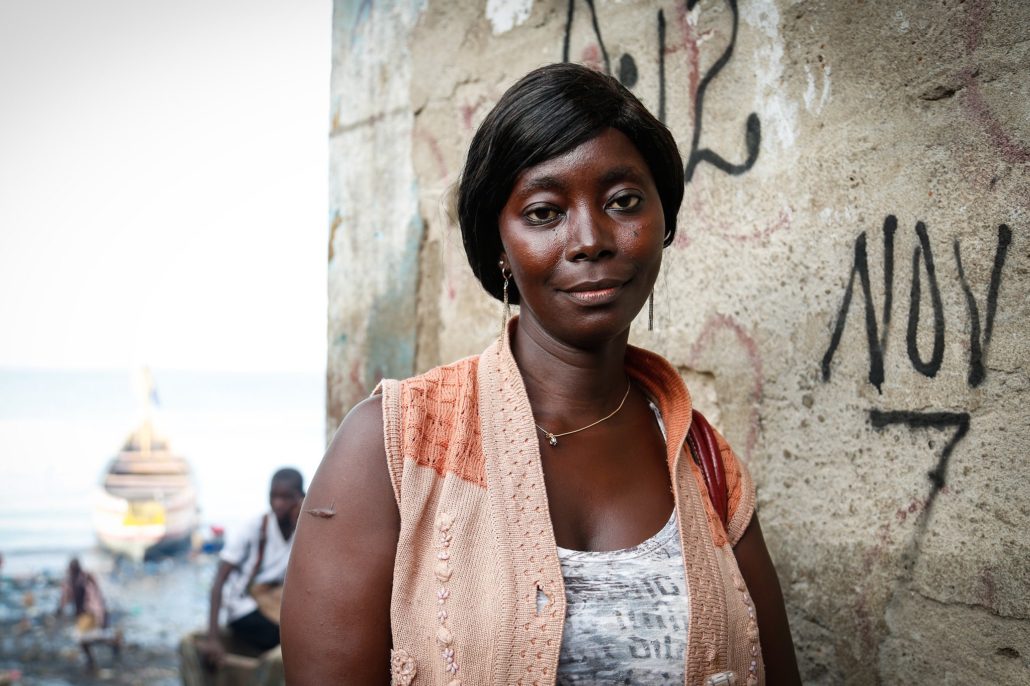
Women’s Rights in Sierra Leone

Women’s Rights in Sierra Leone
Sierra Leone, located in Western Africa, has long been a question of concern to humanitarian organizations. People have widely debated women’s rights in Sierra Leone and the government has made little progress in gender equality. Gender equality is also a prerequisite for diminishing poverty in the future.

Women’s Primary Function in Society

An outbreak of the Ebola virus burdened Sierra Leone in 2014. Not only did the outbreak cause significant hardship, but Ebola also particularly affected women as they made up 59% of the deceased. The mass female mortality is due to an underlying theme of women as primary caregivers and the country’s gender norms. Historically, women have had no consensual role in marriage and family would give them away in exchange for a bride price. The traditional bride price is even more evidence of women’s objectification and use as a status symbol. Also, women hold lower positions than men in almost every field of work.

A major setback for women advancing in society is the lack of women in government. Sierra Leone’s patriarchal system has influenced the cultural boundaries that women must abide by. The identities of women in Sierra Leone are dependent entirely on male power and male-controlled institutions.

Reproductive Rights

The effect of deep-rooted patriarchy on Sierra Leonean culture is visible, especially with the limited protection of women’s bodily rights. Women’s rights in Sierra Leone have recently been more geared to gaining autonomy over their bodies. There is limited resources and capabilities to enforce punishment of domestic abuse, sexual violence and rape of adults and minors. Another aspect of women’s limitations is the lack of health services for mothers. Sierra Leone has one of the highest female mortality rates in the world with 1,165 of every 100,000 women dying.

With inadequate rights to their maternal health, women have taken it upon themselves to fund their health initiatives and groups. Many women have become health promoters to teach workshops for mothers on nutrition, hygiene, prenatal and postnatal care. The act of becoming leaders of health empowers women to demand change within communities. Women have decided that they will begin offering female healthcare if the government will not.

Change in the Future

The higher power structures must address meaningful change, but some women have already begun to start the change from the bottom. The major changes that have led up to today are the 2007 Domestic Violence Act, Devolution of Estates Act, the Registration of Customary Marriage and Divorce Act and honoring the Convention the Elimination of All Forms of Discrimination against Women. These four acts ensure more consensual marriage practices, allowing female inheritance of property, a minimum quota for women in elected positions and more. While these are major steps forward, the road ahead is long. Women’s rights in Sierra Leone still do not have protection in the country’s constitution and need amending.

The work of non-governmental organizations has been instrumental in introducing new perspectives to the Sierra Leonean government. Evidence of change is already emerging. Women’s rights in Sierra Leone are expanding every day, and women’s function in society is continuing to evolve. The future of women relies on breaking gender norms, adhering to higher standards of protecting females, access to healthcare and inclusive politics.

– Eva Pound
Photo: Flickr

October 1, 2020
https://borgenproject.org/wp-content/uploads/borgen-project-logo.svg 0 0 Jennifer Philipp https://borgenproject.org/wp-content/uploads/borgen-project-logo.svg Jennifer Philipp2020-10-01 15:09:022020-10-02 15:09:12Women’s Rights in Sierra Leone
Global Poverty, Women's Rights

 7 Facts About Women’s Rights in Lebanon 

Women’s Rights in Lebanon
Although making some positive strides in recent years, Lebanon is still behind some of its regional counterparts when it comes to women’s rights. Women in Lebanon still lack important protections against abuse and violence, personal status laws and representation under civil and religious law. Here are seven facts about women’s rights in Lebanon.

7 Facts About Women’s Rights in Lebanon

  1. Civil Code vs. Religious Laws: Lebanon has 15 personal status laws that are religion-based (Shia, Sunni and Druze) but has no civil code covering personal status issues such as divorce, custody of children or property rights. The religious courts preside over cases of personal status and operate with very little government oversight, resulting in the repeated violation of women’s rights. Because Lebanon’s constitution guarantees respect for “personal status and religious interests,” religious authorities have been keeping personal status laws under their control.
  2. Domestic Violence: The Lebanese parliament passed a domestic violence law in 2014, which includes protection measures, such as restraining orders and policing and court reforms, as well as funding to enact the reforms. The law also introduced an official definition of domestic violence into the Lebanese criminal code. However, Lebanese women are still at risk of marital rape, which because of pressure from religious authorities, is not apart of the criminal code. A spouse’s threat or violence to claim “marital right to intercourse” is a crime, but the actual physical act is not.
  3. Migrant Domestic Workers: The Kafala system allows migrants, mainly women from Africa and South East Asia, to work in Lebanon as domestic workers. The employers of the workers are in charge of their legal residency, as well as whether they can change or leave employers. Labor law protections, like minimum wage, working hour limits and overtime pay, exclude migrant workers. This lack of employer accountability often leads to cases of verbal, physical and sexual abuse. In March 2020, the International Labour Organization (ILO) and the Ministry of Labour met to discuss the reform of the Kafala system, but no legislation has been introduced as of yet.
  4. Child Marriage: Lebanon currently has no national minimum age of marriage. Instead, religious courts regulate when people can marry. The Human Rights Watch found that early marriage can lead to a higher risk of marital rape, exploitation, domestic violence and health problems. Those most at risk include Syrian and Palestinian refugees in Lebanon. Lebanon has committed to eliminating child marriage by 2030 and reducing it by 20% by 2020. Currently, the Lebanese Higher Council for Childhood is developing a national strategy and action plan to address this problem. However, many drafts of law raising the legal age of marriage to 18 have not passed through the Lebanese parliament because of religious backlash.
  5. Representation in Politics: The Lebanese government created the Ministry of Women’s Affairs, however, this is largely symbolic and the first minister is a man. The Global Gender Report Gap states that gender equality in politics stands at 0.01%, as Lebanon has never had a woman as head of state and 97% of parliament is male. Currently, women’s organizations in Lebanon are demanding that parliament set a quota that 30% of seats should be for women, as no quota currently exists.
  6. Nationality Law: Lebanese women cannot pass their nationality to their children or foreign husbands, unlike Lebanese men. This deprives children of citizenship and increases the risk of statelessness. The Lebanese government has failed to address this issue, citing the threat of naturalization and resettlement of Palestinian and Syrian refugees as a reason not to change this law for women. The only exception is for unmarried mothers, as this group can pass on their nationality to their child if one year has passed and the child is still nationless.
  7. Activism in Lebanon: One prominent group advocating for women in Lebanon is KAFA. It is a feminist, secular, Lebanese, nonprofit organization fighting against discrimination against women. The organization focuses on family violence, human trafficking and child protection. This group was instrumental in the passing of the law against domestic violence in Lebanon’s parliament.

Many of the setbacks women face are the product of the fact that approximately 2.7 million people in Lebanon are living in poverty. Men, who have historically always held political and religious power, deprive women of rights as a strategy to keep women and children financially tied to men. This means money stays in the hands of majority groups and used at their discretion. However, many international and domestic groups are fighting through institutions and on the ground for representation, protection and power. This activism and attention may lead to a large improvement in women’s rights in Lebanon in the years to come.

– Claire Brady
Photo: Flickr

September 30, 2020
https://borgenproject.org/wp-content/uploads/borgen-project-logo.svg 0 0 Jennifer Philipp https://borgenproject.org/wp-content/uploads/borgen-project-logo.svg Jennifer Philipp2020-09-30 12:38:232020-09-30 12:38:22 7 Facts About Women’s Rights in Lebanon 
Global Poverty, Women's Rights

Gender Disparity and Women’s Rights in Bolivia

Women's Rights in Bolivia
Bolivia has a rich history and emerged on the idea of respecting its ancient cultural traditions. As the country developed, it has been difficult to stray away from traditional values that place importance on strict gender roles. The patriarchal ideologies that Bolivia originated with have silenced women for centuries. One aspect of these ideologies has created the idea that women take up positions in politics solely to take away the jobs of men. Here is some information about the challenges regarding women’s rights in Bolivia as well as how the country is trying to improve.

Gender Inequality in Bolivia and Latin America

Gender inequality and violence against women have been pervasive issues across Latin America for centuries. In the modern-day, women in politics continually face harassment and assault due to their fight for parity and equality. As a result, Bolivia and many other Latin American countries have experienced diminished economic growth due to increased poverty rates and a lack of female participation in the labor markets. A 2009 study showed that 63% of women worked as apprentices without pay or were family workers and only 9% of Bolivian women had formal employment with access to social security benefits. However, the country of Bolivia, despite its deeply ingrained traditions and cultural history, is now setting the standard for gender parity across Latin America.

The Effects of Gender Disparity

The World Bank has explained that evidence has shown that gender disparities can hinder economic growth, facilitate an increase in poverty rates and undermine well-being outcomes for men and women alike. The educational enrollment gap is an example of the challenges regarding women’s rights in Bolivia. For example, a 2014 survey showed that one in five female students aged 15 to 24 reported having felt discriminated against in academic environments. Because of this and other factors (lack of economic resources, pregnancy, domestic and care work, etc.), the education gap has increased between men and women leaving more women uneducated and limiting them from joining the labor market. Regardless of these economic consequences due to gender disparity, many Bolivian men, including politicians, have continued to insite physical and psychological violence against women in order to prevent them from taking up political positions to improve such issues.

Gender Parity: A Movement

The Bolivian government originally began its mission toward gender parity in 1997. It began with the passing of a law that required 30% of political candidates to be women. Since then, the development and creation of laws have continued in order to increase female political representation and participation.

Beginning in 1997 into the present day, gender disparity within the Bolivian government has changed dramatically. Only a few decades ago, people thought of most women as second-class citizens with only a 4% rate of holding municipal assembly posts. Today, Bolivia now ranks second in the world for the most gender-equal government with a council which is 53% female.

Although these women continuously face backlash for this increase in representation, this has not stopped the mission towards true gender equality. With the increase in the number of laws fighting against the physical and psychological abuse that these women have faced, these changes have aided in creating awareness of the violence these women have experienced and implementing the plan to further address topics relating to women’s sexual health.

Aiding Women in Poverty

Furthermore, programs aimed toward aiding women in poverty have begun emerging. For example, the Joint Programme on Productive Patrimonial Assets Building and Citizenship Programme for Women in Extreme Poverty (the Programme) targets aid to indigenous rural women from the poorest areas of Bolivia. The Programme aims to assist these women in attaining sustainable livelihoods for themselves and their families through a two-element strategy. The first element involves a non-reimbursable direct monetary transfer component that provides seed capital, startup grants, joint venture and risk capital. Meanwhile, the second element focusses on providing training and advisory services to these women. Furthermore, the Programme aims to strengthen Women’s abilities to fully exercise their citizenship and political rights. The results have led to a decrease in poverty rates by providing financial support and financing to women entrepreneurs. The Programme has aided over 4,000 Bolivian women by giving them access to services such as savings accounts and credit lines, among others.

It is clear that the mission to end gender disparities in the Bolivian government is a movement that will not end abruptly due to long-standing patriarchal ideologies. However, Bolivia’s mission to end gender discrimination and improve women’s rights in Bolivia has set forth a movement across Latin America. Addressing such issues will not only aid in the country in achieving gender equality but also help reduce poverty amongst women and improve female participation in the labor market.

– Caroline Dunn
Photo: Flickr

September 29, 2020
https://borgenproject.org/wp-content/uploads/borgen-project-logo.svg 0 0 Jennifer Philipp https://borgenproject.org/wp-content/uploads/borgen-project-logo.svg Jennifer Philipp2020-09-29 11:42:102024-05-29 23:15:12Gender Disparity and Women’s Rights in Bolivia
Advocacy, Global Poverty, Women's Rights

Eliminating Gender-Based Violence in Zimbabwe

Gender-Based Violence in Zimbabwe
Gender-based violence continues to threaten the safety of millions of girls and women around the world while infringing upon their most basic human rights. According to the World Bank, gender-based violence affects one in every three women globally. Zimbabwe in particular is still struggling to combat this issue, but is working to find solutions. Though gender-based violence in Zimbabwe remains a major societal issue, organizations like the Musasa Project are providing hope for a safer future.

Consequences of Gender-Based Violence

Beyond its negative effects on survivors, gender-based violence is also damaging to economic and social structures as a whole. According to the World Bank, gender-based violence results in a loss of about 3.7% of a country’s total GDP. Failure to address issues impacting the well-being of women has also been proven to contribute to poverty. Poverty cannot be alleviated without the protection of and equality for women and girls around the world.

Gender-Based Violence in Zimbabwe

In Zimbabwe, gender-based violence is especially prevalent. Nearly 50% of the country’s women have experienced either physical or sexual violence at some point in their lifetime. Meanwhile, one in three of these women have experienced physical or sexual violence before the age of 18.

Gender-based violence in Zimbabwe is so common that it is steadily becoming a normalized part of Zimbabwean culture; 48.6% of women between the ages of 15-24 years believe that “wife-beating” can be “justified under at least one condition.”

The Musasa Project

Hoping to educate Zimbabwean women about the injustices and abnormalities of gender-based discrimination, Sheelagh Stewart and Jill Taylor Musasa created the Musasa Project. Founded in 1988, this Zimbabwe-based NGO offers a wide range of support and relief services to survivors of gender-based violence. The organization also seeks to eliminate violence against Zimbabwean women by changing regressive laws, beliefs and practices perpetuating gender-based violence.

The Musasa Project offers valuable resources to about 3,000 Zimbabwean women every year including counseling services, legal aid, temporary safe shelters, medical assistance, educational programs and support through a toll-free helpline.

The Musasa Project’s most extensive work is its counseling services, which serve a high volume of emotional and physical abuse survivors every year. Many women also depend on the Musasa Project’s legal aid services and 24-hour telephone support line. In just three years, the Musasa Project attended to the cases of more than 14,000 women.

A Better Future

The organization is currently working towards expanding its educational resources to a broader population and offering programs designed specifically for those convicted of sexual assault and domestic violence. In doing so, the Musasa Project ultimately aims to reduce gender-based violence in Zimbabwe through awareness and education.

Though the Musasa Project only operates in four regional offices in the cities of Masvingo, Harare, Gweru and Bulawayo, its resources and services are making significant strides in reducing gender-based violence across the whole of Zimbabwe. Acknowledging that one of the most meaningful ways to create change is through law and policy-making, the project works closely with the Zimbabwean government to enforce laws pertaining to gender-based and domestic violence.

The Musasa Project’s plethora of resources for victims, perpetrators and the general public raises awareness about the injustices of gender-based violence and gains support for the eradication of this issue. This project and its multifaceted approach to protecting women and girls provides hope that gender-based violence in Zimbabwe will eventually vanish.

– Stacy Moses
Photo: Flickr

September 26, 2020
https://borgenproject.org/wp-content/uploads/borgen-project-logo.svg 0 0 Kim Thelwell https://borgenproject.org/wp-content/uploads/borgen-project-logo.svg Kim Thelwell2020-09-26 01:30:052020-09-25 06:00:59Eliminating Gender-Based Violence in Zimbabwe
Global Poverty, Women and Female Empowerment, Women's Rights

Improving Women’s Rights in Syria

Women's Rights in Syria
For nearly a decade, the Syrian Civil War has left the Middle Eastern nation desolate, impugned with violence, and, more importantly, divided. However, when it comes to mainstream coverage on the Civil War’s effects, women are not usually in the spotlight, at least until recently. With the Syrian Civil War coming to a close, rebuilding and drafting a new constitution has commenced. This transition period is giving nonprofits and international organizations a unique opportunity to elevate women’s rights in Syria.

Overview

One can define women’s rights as women having the same legal protections and economic opportunities as men, along with an equal footing in the rebuilding process. Essentially women in Syria should have fair access to nonprofit and IGO resources as well as food, water and medicine.

Currently, Syrian women suffer from food insecurity, loss of education, lack access to clean water and medical supplies and gender-based violence at a disproportionately higher rate than men. In fact, in 69% of communities, early and unwanted marriage is a prevalent concern.

Moreover, before and during the war, societal roles of marriage and domestic abuse escalated dramatically. One report noted that “even though the state endowed women with rights to education, employment, etc., society ignored those rights. They saw society as a mechanism that reproduces the privileged position of men through customs and traditions.”

Since marriage is a cultural safeguard against rape and kidnappings, more women entered marriages only to become victims of abuse. Thus it is vital that nonprofits, International organizations and the global community as a whole, emphasize women’s rights in the initial rebuilding phases.

Women Now for Development

While the past decade presented several obstacles for obtaining women’s rights in Syria, local actors, nonprofits and international organizations are paving a solid foundation for the future.

In December 2018, when the U.S. announced its departure from the Syrian Civil War, the international organization Women Now for Development (otherwise known as Women Now) kicked-started a series of humanitarian centers in non-state controlled regions in Syria.

These centers served to provide educational skills and medical assistance to Syrian women, particularly those fleeing violence. Additionally, Women Now’s help centers assisted with:

  • Fighting illiteracy, especially among women and young people.
  • Empowering women economically through training and providing them with support to create income-generating activities.
  • Providing education through classes in technology, communications and foreign languages.
  • Supporting women’s access to society and building civic engagement.
  • Providing children’s education and protection.

What makes Women Now different from other international organizations is that rather than excluding Syrian Women from the development conversation, it is emphasizing their voices and perspectives. As a result, it is allowing for a more effective and streamlined localization effort.

UN Women

Another instance of international organizations assisting women’s rights is U.N. Women. For the past two years, the group helped women participate in a cash-for-work program that taught the women skills while giving them a stable revenue stream. Additionally, the U.N. Women’s project in Syria created safe-spaces and skill training seminars, allowing women to escape abuse both due to the war and normalized oppression in Syrian society.

Regional analysts predict that with a new wave of protests and emphasis on failed human rights campaigns, Syria will either fail as a state or work within a globalized system to strive for a better future.

The Middle East Women’s Initiative has lead the battel for female representation in the new Syrian government so far, both in the Syrian Democratic Forces’ ability to win influence over the people and in Syrian Women’s international representation. The Initiative noted in a recent index how “Women in the Autonomous Administration and the Syrian Democratic Forces hold senior leadership roles across policy functions and institutions. Ilham Ahmed, the co-chair of the Syrian Democratic Council, acts as the region’s de facto head of state, speaking before the U.S. Congress and meeting U.S. President Donald Trump last year. Further, the SDF operation to liberate Raqqa from ISIS control was led by a woman commander, Rojda Felat.”

Reforms for the Future

In order for Syria to build a foundation that genuinely upholds women’s rights, it needs to introduce and expand on new policies. A highly recommended reform would be to restore compliance to CEDAW laws regarding discrimination against women.

While Syria signed onto CEDAW, an international framework against female discrimination, it conveniently left out several key provisions. In the transition, Syrian government officials must consider re-instating said provisions to grant women a stronger foundation of civil liberties and elevated socio-economic status.

Another critical step is to increase funding for feminist nonprofits. Under the current status quo, feminist nonprofits are quintessential to providing women with protection and critical resources.

“This[assisting women in Syria] was difficult without proper funding. Women Now was only able to compensate staff for their work with a minimum wage due to feminist organizations’ funding, who understood the importance of care to staff working in difficult circumstances. When centers had to shut down, and programs could not be delivered, the remote management team also lost funding for their salaries.”

Finally, both regional and global actors must pursue international diplomatic coordination. As stated previously, military conflict disproportionately impacts women. However, international and regionally based specialized committees are already making progress on de-escalating violence and creating safety mandates. Thus, increased diplomatic coordination should be a primary priority.

While many would call Syria a failed state and lost cause for any form of human rights, past and current reforms are starting to paint a different narrative. Now it is up to the rest of the world to decide whether they are willing to support said vision.

– Juliette Reyes
Photo: Flickr

September 22, 2020
https://borgenproject.org/wp-content/uploads/borgen-project-logo.svg 0 0 Kim Thelwell https://borgenproject.org/wp-content/uploads/borgen-project-logo.svg Kim Thelwell2020-09-22 09:24:432020-09-22 09:24:43Improving Women’s Rights in Syria
Global Poverty, Women and Female Empowerment, Women's Empowerment, Women's Rights

5 Facts About Women’s Rights in Sudan

Women’s Rights in Sudan
For decades, the subject of women’s rights has been at the forefront of media and politics. While progress has been made, women’s rights in Sudan still lag behind other countries. Women in Sudan are fighting for equal rights amid new legislation such as the Personal Status Law of 1991, which allows child marriages and states that women can only marry if they have consent from a father or male guardian. Here are five facts about the women’s rights movement in Sudan.

5 Facts About Women’s Rights in Sudan

  1. Women make up 70% of protesters. As women band together to protest against laws and government officials that want to limit women rights, Global Fund for Women estimates that women account for nearly 70% of protesters in Sudan. The women taking part in these protests have labeled their movement “the women’s revolution.” Although many women have been beaten or flogged, they stand strong and continue to protest.
  2. Many of the laws women are protesting stem from long-lasting traditions. Tradition is important in Sudan’s culture — but tradition does not justify oppressive laws. Laws in Sudan restrict women from wearing pants, enjoying equality and representation in government and escaping child marriage. Modern women demand equal rights; however, rights are difficult to attain when women have a limited voice within government and law.
  3. Women in Sudan have been fighting for their rights for over 30 years. Under the oppressive rule of dictator Omar al-Bashir, women in Sudan have had to fight for basic equal rights since 1989. While inequality did not start with Al-Bashir, he did support and enforce laws that limit women’s rights. Military and government officials beat, rape and murder women for speaking out against years of abuse and inequality.
  4. The women’s revolution movement helped overthrow Al-Bashir. In 2019, women refused to stay silent as Sudan began to rise up against Al-Bashir. Even though they had to deal with persecution from the military, women continued to rise up against their oppressors. According to Harvard International Review, protesters such as Alaa Salah and Lina Marwan stood strong to tell their stories of inequality, continuing to protest even after being harassed by Sudanese military officials.
  5. The “No to Women Oppression Initiative” promises a better future for women in Sudan. As of January 2020, West Kordofan started its first “No to Women Oppression Initiative.” Though currently the only initiative of its kind, this may spark further collaborations between women’s rights organizations across Sudan. These organizations are also continuing to discuss violence against women with Sudan’s government, in hopes of attaining equal rights.

These five facts about women’s rights in Sudan indicate that the country has a long way to go in achieving equal rights for women. But as protests continue and women persist in fighting for their rights, this country can hope for a stronger, more equitable future. Moving forward, it is essential that women in Sudan receive international support for their protests. By working together, conditions for women in Sudan can improve.

– Olivia Eaker
Photo: Flickr

September 16, 2020
https://borgenproject.org/wp-content/uploads/borgen-project-logo.svg 0 0 Kim Thelwell https://borgenproject.org/wp-content/uploads/borgen-project-logo.svg Kim Thelwell2020-09-16 17:36:012020-09-16 17:36:015 Facts About Women’s Rights in Sudan
Global Poverty, Women's Empowerment, Women's Rights

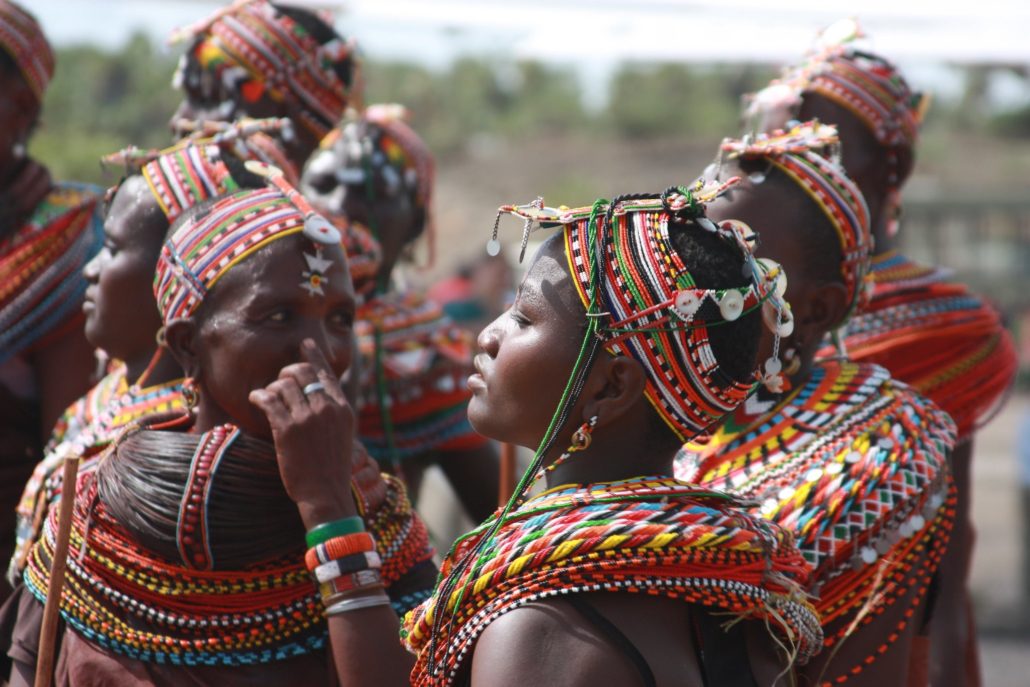
Improving Women’s Rights in Kenya

Women's Rights in Kenya
Kenya is a country located in Sub-Saharan Africa, along the Indian Ocean. For many decades, Kenyan women have been fighting for their rights and freedoms, but it has been an issue for centuries. Due to the patriarchal traditions of Kenya, the transition to more equal values has been daunting. Many organizations, individuals and groups have been working to ensure growth for women’s rights in Kenya.

The 2020 Global Gender Gap Index that the World Economic Forum released showed that Kenya’s score was 0.671, putting the nation in 109th place. As for economic participation and opportunity, Kenya’s score is currently 0.598. In 2019, the World Bank reported that women made up 49.04% of the workforce. Political empowerment is at 0.169, with reports determining that 31.3% of Kenyan senators and 21.8% of members of parliament were female in 2019. Educational attainment is 0.938. However, 60% of females aged 15+ were illiterate in 2018. Meanwhile, the health and survival category is at 0.980 and the mortality rate of women was 195 per 1,000 in 2018.

Property Ownership

Property ownership is a massive struggle that Kenyan women face. In rural areas, when a woman becomes a widow, her husband’s land does not become hers. This is despite the law against it, which rural locations do not enforce and, in some cases, urban areas do not enforce as well. Bringing this issue to the court system only results in ostracization and intense legal fees, which often force women to go without legal representation. The relevance of land ownership on someone’s quality of life and access to markets is undeniable.

The government has implemented many laws and acts to address discrimination. The Marriage Act requires the registry of marriages; therefore, providing women with legal support to defend their property claims. Securing women’s rights to property they garner through marriage is the goal of the Matrimonial Property Act. The Law of Succession Act equalizes the property inheritance of sons and daughters. Lastly, The Land Act prevents spouses from losing their land without their knowing.

Despite these attempts at easing attacks on women’s rights, the laws and acts have crucial gaps and Kenya is not implementing them well enough. The Matrimonial Property Act has not clarified what qualifies as evidence that a spouse has contributed to property gain or the country should decide the distribution of property. This results in many women not claiming property, or doing so and facing discrimination. On top of these errors, lies cultural and social issues that prevent women from exercising their property rights. The need for the government to be better about preventing discrimination against women is blatant. The call for these laws and acts to experience enforcement in rural areas is falling on deaf ears. In 2018, the Kenya Land Alliance reported that 86.5% of land title deed holders were men, while only 10.3% were women and 19.3% of deed holders were joint.

GROOTS Kenya

One organization targeting gender inequality is GROOTS Kenya, which emerged in 1995. It is a group dedicated to educating and preparing women to advocate for their rights. It is also pushing for county and sub-county courts to handle land succession cases, which would the physical strife of women walking miles to defend their rights. The group in Kakamega has called for the creation of mobile courts in sub-county areas. Without these mobile courts, most women would have to walk around 19 miles to a court. In total, this organization has empowered more than 3,500 women. 

Inua Kike (Women Rising)

To further improve upon inequalities, Susan Achieng founded Inua Kike (Women Rising) in 2013. Providing emotional, financial and social support for any woman wanting to acquire a secondary education certificate is what this organization does best. Susan understands that secondary education is paramount for ensuring that women have better job opportunities, so she spreads awareness to mothers and young women so that they have another chance to earn their certificate. With this, women will be able to better their financial and social independence through higher education.

Despite how small this organization is, it has completely changed many women’s lives by giving them another chance. Maureen Riziki, a recipient of aid, had to drop out of secondary school due to early pregnancy. Because of Inua Kike, she was able to return and pass her exams and even obtain a scholarship by her local Member of Parliament to study plant operation.

In Africa, this organization has empowered a total of 15,000 women. About 80% of the women aided have doubled their income and savings within a year. Additionally, 80% of women in agriculture have doubled their crop turnout.

The issue of women’s rights in Kenya is massive, but countless women and men are fighting for equality. With the progressions that sedulous individuals and groups have made, a better future for Kenyan women is near.

– Emma Green
Photo: Flickr

September 16, 2020
https://borgenproject.org/wp-content/uploads/borgen-project-logo.svg 0 0 Kim Thelwell https://borgenproject.org/wp-content/uploads/borgen-project-logo.svg Kim Thelwell2020-09-16 05:13:312020-11-28 05:13:47Improving Women’s Rights in Kenya
Page 27 of 41«‹2526272829›»

Get Smarter

  • Global Poverty 101
  • Global Poverty… The Good News
  • Global Poverty & U.S. Jobs
  • Global Poverty and National Security
  • Innovative Solutions to Poverty
  • Global Poverty & Aid FAQ’s
Search Search

Take Action

  • Call Congress
  • Email Congress
  • Donate
  • 30 Ways to Help
  • Volunteer Ops
  • Internships
  • Courses & Certificates
  • The Podcast
Borgen Project

“The Borgen Project is an incredible nonprofit organization that is addressing poverty and hunger and working towards ending them.”

-The Huffington Post

Inside The Borgen Project

  • Contact
  • About
  • Financials
  • President
  • Board of Directors
  • Board of Advisors

International Links

  • UK Email Parliament
  • UK Donate
  • Canada Email Parliament

Get Smarter

  • Global Poverty 101
  • Global Poverty… The Good News
  • Global Poverty & U.S. Jobs
  • Global Poverty and National Security
  • Innovative Solutions to Poverty
  • Global Poverty & Aid FAQ’s

Ways to Help

  • Call Congress
  • Email Congress
  • Donate
  • 30 Ways to Help
  • Volunteer Ops
  • Internships
  • Courses & Certificates
  • The Podcast
Scroll to top Scroll to top Scroll to top