• Link to X
  • Link to Facebook
  • Link to Instagram
  • Link to TikTok
  • Link to Youtube
  • About
    • About Us
      • President
      • Board of Directors
      • Board of Advisors
      • Financials
      • Our Methodology
      • Success Tracker
      • Contact
  • Act Now
    • 30 Ways to Help
      • Email Congress
      • Call Congress
      • Volunteer
      • Courses & Certificates
      • Be a Donor
    • Internships
      • In-Office Internships
      • Remote Internships
    • Legislation
      • Politics 101
  • The Blog
  • The Podcast
  • Magazine
  • Donate
  • Click to open the search input field Click to open the search input field Search
  • Menu Menu

Archive for category: Women’s Empowerment

Global Poverty, Human Trafficking, Women's Empowerment

My Business-My Freedom: Human Trafficking in Nepal

Human Trafficking in Nepal
Millions of Nepalese citizens are at risk of becoming victims of the human trafficking trade every year. However, one can only estimate the statistically correct percentage of victims. Captivating International, a nonprofit based in Nepal, founded My Business-My Freedom in the hopes of fighting human trafficking in Nepal.

My Business-My Freedom

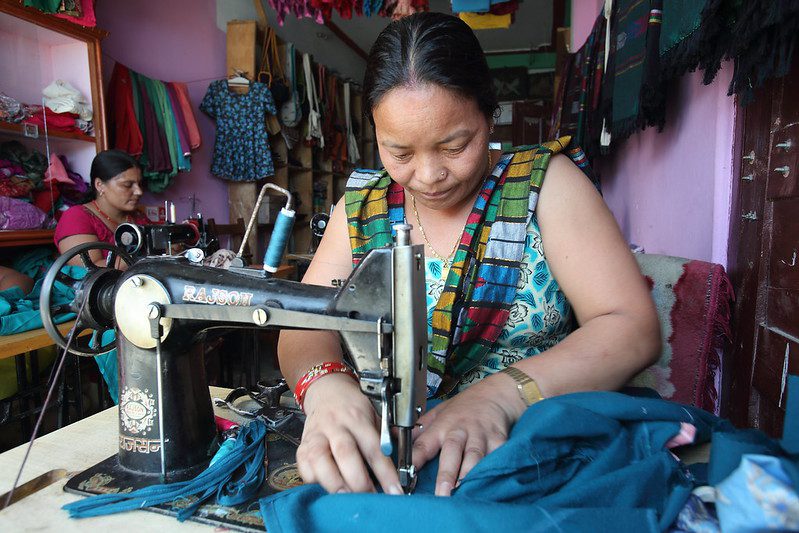
My Business-My Freedom is a micro-finance and education program helping Nepalese women achieve business success, self-sustainability and freedom. Beneficiaries include both women who are most at risk of becoming victims of trafficking and current rescued survivors of human trafficking in Nepal.

The organization estimates that a loan of $200 will help one woman start her business and that when she repays it, it will go to the next prospective business owner. Currently, 240 women living in Pokhara and Chitwan are immersed in the program with room to grow. The initiative plans to continue expanding into other regions and aiding around 1,000 women per year.

How does My Business-My Freedom Work?

The program leads each woman through the process of starting a business including ensuring that it is successful, well-funded and sustainable. The My Business-My Freedom program involves the following steps for prospective business owners:

  • Providing training about entrepreneurship and business opportunity.
  • Mentoring on money management, savings, budgeting and other basic business skills.
  • Connecting with other women in similar circumstances in order to create a sense of belonging and community.
  • A low-interest loan to start up the business: when it is paid, the owner is eligible to take future loans until it is no longer necessary.

Captivating International and COVID-19 Relief

In recent news, My Business-My Freedom partnered with 3 Angels Nepal to combat food insecurity during the COVID-19 pandemic lockdown. The partnership accomplished this through checking in on women and families over the phone. If the women and their families were in need, the partnership made and delivered food relief packages to them. These packages included rice, dal, cooking oil, salt, soybeans and lentils.

The efforts of Captivating International and 3 Angels Nepal found that 30 women were in need, and provided them and their families with food. The latter organization also works on the ground by suspending loan payments and providing both phone support and food assistance.

Lowering Vulnerability Through Funding Successful Entrepreneurs

According to the Report of Armed Police Force of India, the number of Nepalese girls working in sex trafficking in India increased quite steadily from 2012 to 2017. Child trafficking is incredibly high as well. Captivating International, through My Business-My Freedom, is just one of the organizations working to eradicate human trafficking in Nepal. In covering a widening area of influence and contributing to building the economy, Captivating International is creating sustainability by increasing security and income for women. This, in turn, should help to alleviate the vulnerable populations that traffickers prey upon in Nepal.

– Savannah Gardner
Photo: Flickr

September 14, 2020
https://borgenproject.org/wp-content/uploads/borgen-project-logo.svg 0 0 Kim Thelwell https://borgenproject.org/wp-content/uploads/borgen-project-logo.svg Kim Thelwell2020-09-14 07:13:302024-06-04 01:08:46My Business-My Freedom: Human Trafficking in Nepal
Development, Global Poverty, Women's Empowerment

3 Ethical Fashion Brands Fighting Poverty

Fashion Brands Fighting Poverty
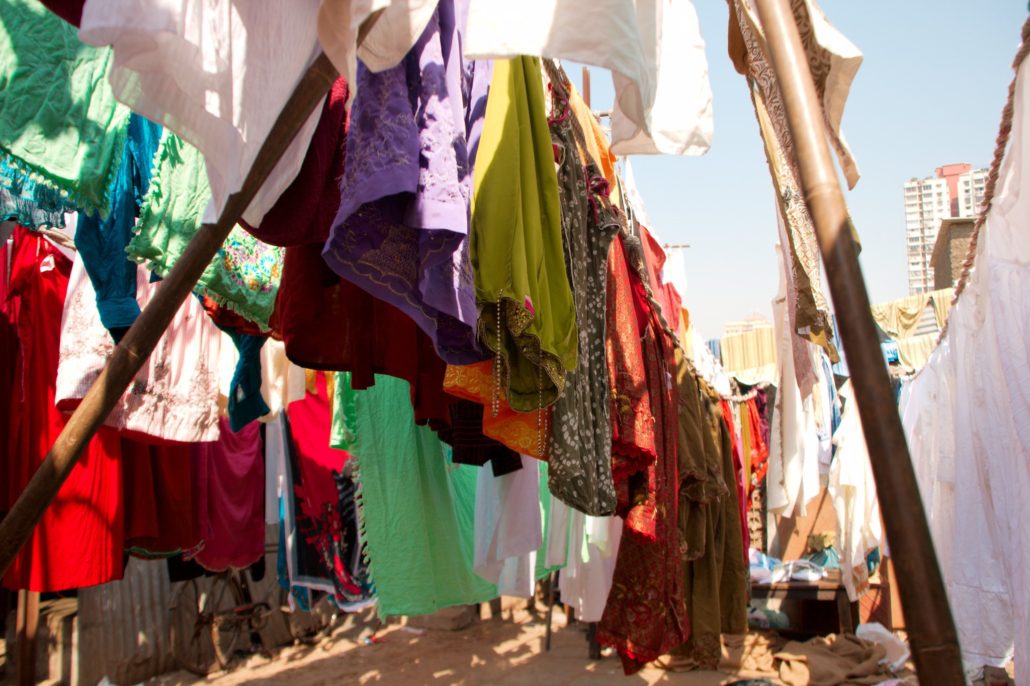
Others are increasingly holding businesses accountable for their practices. Accountability—in regards to environmental impact, gender equality and racial representation—is rising within all industries. The fashion industry is no exception. Fast fashion brands like Uniqlo and the recently bankrupt Forever21 continue to confront criticism. These companies and others have disastrous environmental impacts and use inhumane working conditions and wages. It is increasingly difficult to find fashion brands fighting poverty.

Fortunately, the industry is starting to change. Ethical brands are on the rise, with some even building business models that fight against global poverty. These business models safely employ women and men in impoverished countries. But being a conscious consumer is also trendy: a 2019 McKinsey report found that two-thirds of global consumers admitted a brand’s stance on social and environmental issues influenced whether they purchased from that brand. From everyday shopping staples to high-end fashion pieces, ethical approaches to fashion transform the industry and improve the lives of those who work for these companies. Here are three ethical fashion brands fighting poverty.

Indego Africa

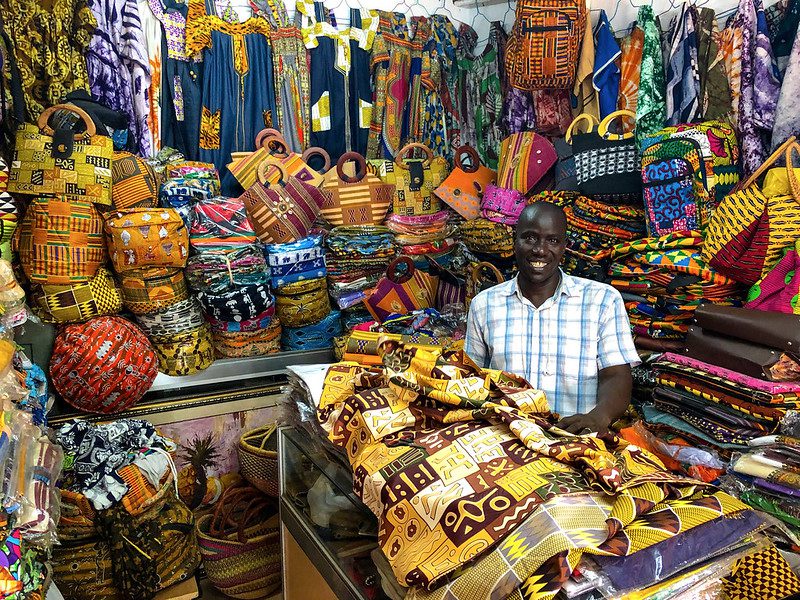
Indego Africa aims to alleviate poverty for women and their families through artisan employment and entrepreneurial education. The brand teaches women to intricately weave baskets and bags. Founder Matthew Mitro lived in Nigeria for six years. His inspiration drew on his work with Nigerian women and thus started Indego Africa in 2007. Employing over 1,200 artisans, the brand has extended its impact into Rwanda and Ghana. According to its 2018-2019 Annual and Social Impact Report, 90% of artisans employed through Indego Africa could pay for all or most of their children’s education.

Production occurs in Rwanda and Ghana. All of the company’s profits go towards business and vocational programs to educate Indego Africa’s employees and young adults, particularly young women, in nearby communities. Indigo Africa designs its programs to cater to the large demographic of unemployed young adults. By fostering educational platforms in areas like technology, business and leadership, Indego Africa carves out a clear path to economic independence for young women in Africa.

Gift of Hope

Gift of Hope supplies handmade goods to buyers, as well as hope to Haitian children who became orphans when their families can no longer afford to care for them. Founder Mallery Neptune first visited Haiti when she was 16, but it was not until she turned 20 that she founded the Haiti Foundation Against Poverty in 2007. The program started with a focus on sponsoring children and providing food for the elderly. By 2010, it expanded into the Gift of Hope project, a program designed to create jobs for Haitian mothers. In Haiti, women struggle to secure stable and sustainable employment and therefore disproportionately experience poverty.

As an extension of the Haiti Foundation Against Poverty, Gift of Hope employs over 70 jewelry-makers, seamstresses and other Haitian artisans. The nonprofit employs impoverished women who have lost their children to poverty (or are at risk of doing so) and pays them three times more than the minimum wage. This practice draws individuals and their families out of poverty. Every purchase with Gift of Hope saves a child from orphan-hood, reuniting families.

Carcel

Fashion label Carcel is proof that high-end fashion brands can too adopt ethical practice within their supply chains. Headed by Veronica D’Souza, the Danish company works with incarcerated women in Peru and Thailand where the poverty rates as of 2018 are 22% and 9.85%, respectively. Oftentimes the company’s employees have been imprisoned for human trafficking and drug-related crimes, but D’Souza believes they fell onto these paths because they could not escape the cycle of poverty.

Carcel works with the National Prison System in Peru and the Ministry of Justice in Thailand. They give 27 women the opportunity to hone local craftsmanship. In conjunction with mastering clothes-making techniques, Carcel offers instructional programs on managing cash, financial literacy and English. These programs equip women with educational tools to secure financial stability. Upon their release from prison, women have the skills they need to avoid re-incarceration or falling back into poverty. Fashion brands fighting poverty are increasingly popular, giving hope for improving the lives of thousands of workers worldwide.

– Grace Mayer
Photo: Flickr

September 4, 2020
https://borgenproject.org/wp-content/uploads/borgen-project-logo.svg 0 0 Kim Thelwell https://borgenproject.org/wp-content/uploads/borgen-project-logo.svg Kim Thelwell2020-09-04 01:30:172024-05-29 23:22:423 Ethical Fashion Brands Fighting Poverty
Global Poverty, Women's Empowerment

5 Facts About Femicide in Turkey

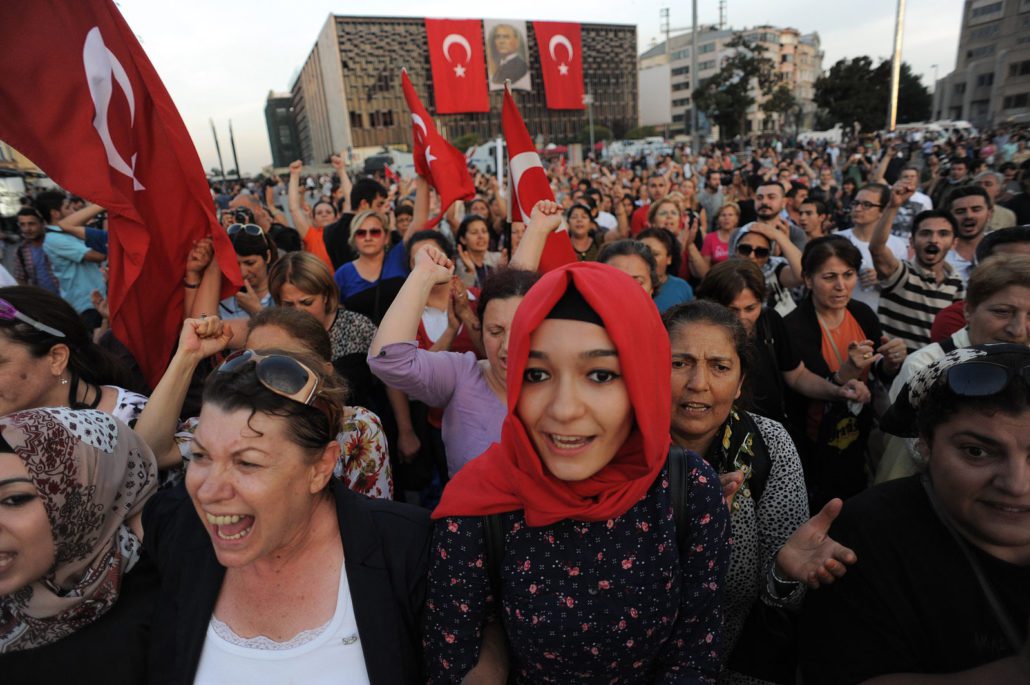
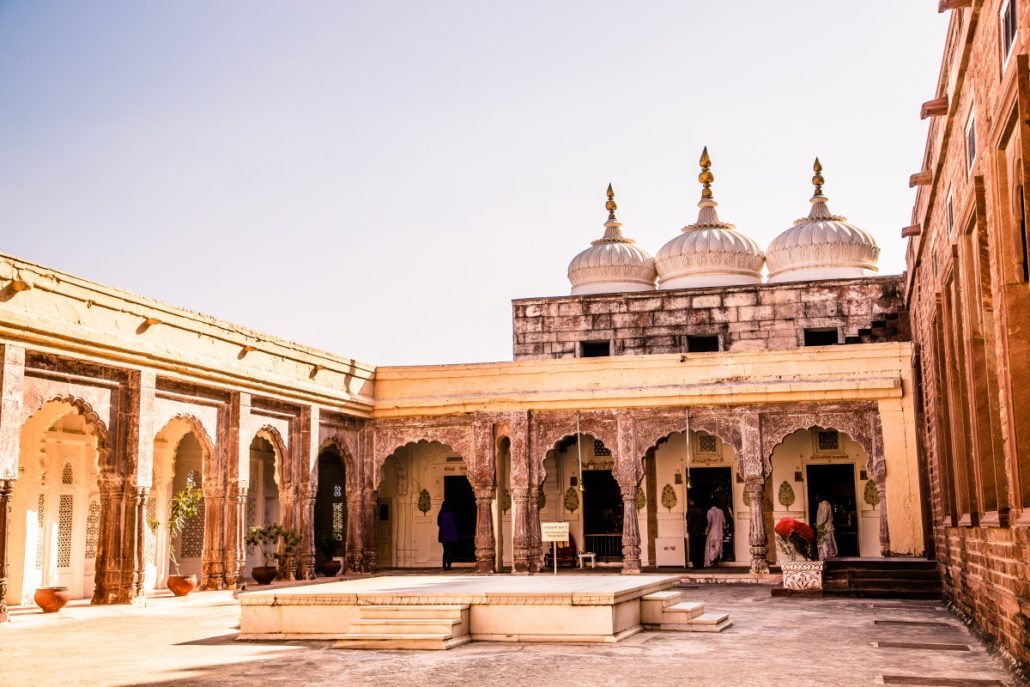
Femicide in TurkeyThe recent murder of 27-year-old student, Pınar Gültekin, has sparked widespread outrage in Turkey. Gültekin was murdered at the hands of her ex-boyfriend, who beat and strangled her to death. Current anger is a response to not just this brutal slaying, but to the all-too-common occurrence of femicide and domestic violence in Turkey. In addition, the anger is a result of the willful ignorance of the government when it comes to these crimes. Here are the top five facts about femicide in Turkey.
5 Facts About Femicide in Turkey

  1. Gender-based and domestic homicides are often referred to as “honor killings.” Anti-female sentiments are deeply engrained in Turkish culture. The President of Turkey and other members of the Turkish government have made many comments publicly degrading women. The usual rhetoric is that women are not equal to men and that women without children are deficient. Members of the Turkish government have also publicly encouraged verbal harassment of women wearing shorts. The country’s former Deputy Prime Minister, Mehmet Şimşek, blamed the rising unemployment rate on women seeking jobs. Former mayor of Ankara, Melih Gökçek, said that women who are victims of rape should die before they have an abortion.
  2. Femicide in Turkey is on the rise. The Turkish government has admitted to not keeping records of violence against women, but the Turkish feminist group We Will Stop Femicide reported that 474 women were murdered in Turkey in 2019, mostly at the hands of relatives or partners. These numbers are expected to skyrocket in 2020 due to coronavirus lockdowns. A study conducted by Sage Journals in 2009 reported that 42% of Turkish women between the ages of 15 and 60 experienced some form of physical or sexual abuse from their husband or partner.
  3. Legal framework has been laid to protect women. In 2011, Turkey became the first country to adopt a Council of Europe convention on gender-based and domestic violence. This was the Istanbul Convention, which provided legislation to protect victims and prosecute offenders. However, law enforcement rarely follow these basic laws. The laws are under further threat by President Erdoğan and the conservative Justice and Development Party (AKP). The AKP has tried to roll back this legislation on the grounds that it threatens traditional family values. Furthermore, conservative lobby groups protest the legislation outlined in the Istanbul Convention on the grounds that it promotes divorce and “immoral lifestyles.”
  4. Female empowerment has led to women in Turkey achieving economic independence. This is a huge step, as it gives women the ability to exercise their rights and leave abusive relationships. However, workplace and wage discrimination is still widespread throughout Turkey. Only 34.2% of Turkish women work, which is by far the lowest percentage of employed women in the 35 industrialized countries. Women are also more likely to work low-wage jobs or to be employed in the informal sector with no social security. Turkey ranked 130th out of 149 countries on the World Economic Forum’s 2018 Global Gender Gap Index.
  5. The Turkish government practically encourages gender-based violence. The rise of female independence has led to what feminist scholar Fatmagül Berktay calls a “crisis of masculinity.” She claims that the reduced need for men to be breadwinners has caused them to feel displaced, and as a result, they often engage in physical, sexual, psychological or economic abuse against their partners. Political tension in Turkey also promotes gender-based violence. Religious militarism is a rising state ideology in Turkey, which promotes misogyny and makes women easier targets of abuse. In addition to these factors, the government’s benign attitude toward violence against women encourages male offenders and, by extension, femicide in Turkey.

While many of these facts can appear disheartening, Turkey also demonstrates plenty of improvement. We Will End Femicide and similar groups are empowering women in Turkey to fight for their rights. Protests across Turkey have seen inspiring turnout since the death of Pınar Gültekin was made public on July 21. Western nations have also been made aware of the prevalence of femicide in Turkey via social media, and women around the world are joining the #challengeaccepted trend to raise awareness of the issue on social media.

– Caroline Warrick
Photo: Wikimedia

September 3, 2020
https://borgenproject.org/wp-content/uploads/borgen-project-logo.svg 0 0 Kim Thelwell https://borgenproject.org/wp-content/uploads/borgen-project-logo.svg Kim Thelwell2020-09-03 08:54:292020-09-03 08:54:295 Facts About Femicide in Turkey
Global Poverty, Women's Empowerment

Uplifting Women Through Economic Empowerment in India

Uplifting Women Through Economic Empowerment in India
India is located in South Asia and has a population of about 1.3 billion people. The country is mostly known for its agricultural work, multiple languages and cultural communities. Also, India has been a part of the U.N. since its creation in 1945. Currently, the country is attempting to grow its economy and reach the technological level of first world countries. Yet, among many issues that India needs to recognize is gender and class inequalities within its workforce. One solution is uplifting women through economic empowerment.

The Legacy of India’s Caste System

In India, caste and ethnic background still play a major role in the workplace — which can lead to people remaining stuck in underprivileged communities. Many believe that women may be educated but should nevertheless, remain housewives after marriage. Recently, many women have married, subsequently left their jobs and then attempted to return to work after many years of absence. Saundarya Rajesh, who holds a doctorate in Women’s Workforce Participation and hails from Chennai, recognized that there were not many women in white-collar jobs and that class differences were preventing women’s acceptance, when restarting their careers. Rajesh herself was a second-career woman in a white-collar job, who felt the pressure to choose between work and family. Her experiences led to her beginning Avtar I-Win in 2005, with the aim of helping women in similar situations to her own.

Avtar I-Win Empowers Women

The first step for Avtar I-Win was connecting women with job opportunities — helping showcase their resumes or launch their careers. Rajesh wanted the corporate workforce to create or allocate jobs for women — many of these jobs only men held. The Avtar I-Win group has completed 15,000 successful placements and the group continues to place women in new careers. The group’s main goal is to uplift women through economic empowerment in India. As the program grew, the organization cultivated a counseling service with a focus on life decisions and career development, called WINSIGHT. The service, run by qualified experts, provides a way for women to gain mentorship themselves and grow into mentors for other Avtar women.

With the growth of the organization, Rajesh and her board have added new aspects to their organization — always seeking to instill career intentionality and independence in girls, from a young age. With this mindset, girls can make their way out of poverty, forced marriages and sexual and domestic abuse — eventually increasing the corporate talent pool of India. Seeing the success and positive impact of Avtar I-Win, Rajesh began Avtar Human Capital Trust (AHCT) in 2008, which is a charitable not-for-profit organization.

Reaching Women in Poverty

Rajesh and her team noticed that even though they helped women restart their careers; education and financial barriers prevented them from reaching all women. Headquartered in Chennai, AHCT addresses gender inequality across the states of Tamil Nadu and Pondicherry — providing financial help for women and students in underprivileged communities. By doing so, AHCT allows women to focus on preparing and aspiring for professional careers.

With the support of companies willing to hire more women, AHCT and Avtar I-Win have launched programs such as Project Puthri and FLEXI Careers in India. Project Puthri focuses on helping girls from a young age, so they can graduate with the purpose of attaining corporate jobs. The organization’s current goal is to help 10,000 girls per year across Tamil Nadu and Pondicherry. The board believes that with more women contributing to India’s GDP, the country will become more prosperous and communities will rise out of poverty. FLEXI Careers supports this mission through diversity and inclusion consulting. The organization focuses on an array of services to make the corporate world an inclusive workplace for women from underprivileged communities.

Female Empowerment and the Future

Saundaraya Rajesh founded her organization on helping and believing in women from communities of poverty. Yet, she understood that women needed assistance in obtaining careers for which many (especially family-oriented women in poverty) experienced great barriers to entry. Along with other pioneers in workplace inclusivity, Rajesh is uplifting women through economic empowerment in India — introducing programs on technology, economic empowerment, health and hygiene education for women who need extra support to succeed in the corporate world.

– Sumeet Waraich
Photo: Pxhere

September 2, 2020
https://borgenproject.org/wp-content/uploads/borgen-project-logo.svg 0 0 Kim Thelwell https://borgenproject.org/wp-content/uploads/borgen-project-logo.svg Kim Thelwell2020-09-02 02:22:012024-06-04 01:08:45Uplifting Women Through Economic Empowerment in India
Global Poverty, Women and Female Empowerment, Women's Empowerment

Raised Expectations: Gender Roles in Myanmar

gender roles in MyanmarPolitical change often brings a liberalization of public opinion on gender roles. On the surface, this seems to be the case in Myanmar. In 2010, the country held its first national election in 20 years, following half a century of brutal reign by a military junta. This election led to the release of democratic icon Aung San Suu Kyi from house arrest and to her 2012 win of a parliamentary seat. Suu Kyi went on to lead the National League for Democracy to victory in the 2015 election, but the party resisted her proposed reforms. Since 2017, Myanmar has descended into internal conflict and waged genocide against its Rohingya minority. This continued violence disproportionately impacts women, impacting broader gender roles in Myanmar.
Women’s Experiences of Post-War Development

The European Association of Development Research and Training Institutes hosted a webinar entitled “Gender and Development in Myanmar” on June 17, 2020. During the webinar, Dr. Elisabeth Olivius shared her findings that post-war reforms may entrench gender disparities in Myanmar. The country has experienced a relative period of peace over the last 15 years. There has been an upsurge in state-led development projects in the past decade. These projects aim to ameliorate legacies of war, namely extreme poverty, but a lack of state provisioning has actually widened gender inequalities.

Dr. Olivius explained how unequal gendered divisions of wartime labor prevent women from taking advantage of development. They shape who wins and loses in post-war transformations. Domestic responsibilities make women less mobile and prevent them from taking advantage of new opportunities. In addition to tangible constraints, women’s wartime roles forced them to endure trauma, exhaustion, and stress without respite. Dr. Olivius recounted one anecdote: during the war, the men of one village fled to the jungle to hide, leaving the women to feed and pacify the occupying army.

Traditional values—often intertwined with a preference for authoritarian rule—perpetuate the conservative gender attitudes that keep women out of the public sphere. This is exemplified by how women’s informal labor in Myanmar also underpins its need for economic reforms. Burmese women perform work in the mining industry and through reproductive labor—the birth and rearing of children—without the benefit of state aid. Feminist groups have seen successes like the creation of a national strategic plan and the drafting of a gender violence law. However, nationalist groups have advanced a largely regressive agenda.

Poverty and Gender Roles in Myanmar

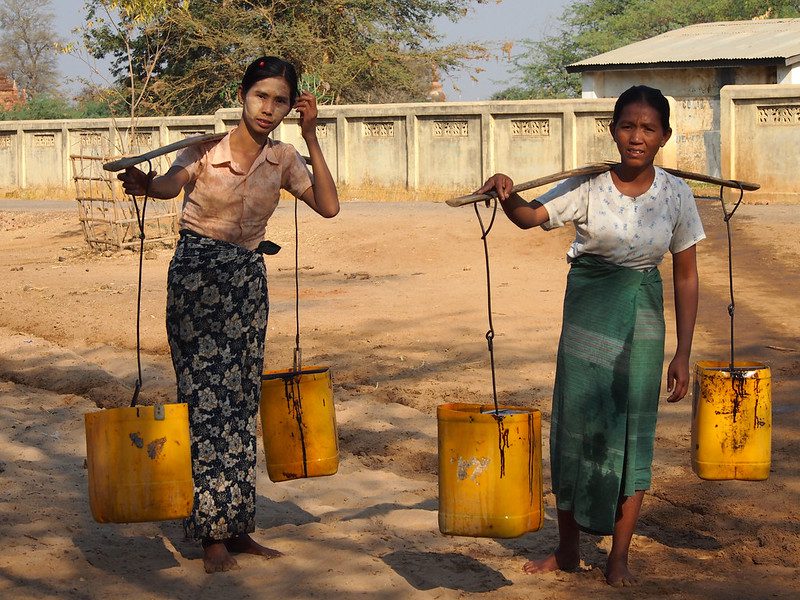
The extreme poverty brought on by wartime conditions also disproportionately impacts women. Women sometimes have to walk miles to procure resources for their families, according to Dr. Olivius. One report details local women walking for hours to draw water from the closest well. This well was in a dark and oxygen-lacking cave several hours from their village. Without childcare alternatives, the women had to bring their children with them on this journey. These women have since reported miscarriages resultant from the grueling collection trips. Addressing women’s poverty in Myanmar isn’t just about securing better-paying jobs; it must include treatment for emotional and physical depletion and harm.

Furthermore, Dr. Olivius stressed that ownership of land in the context of economic restructuring is gendered and contributes to insecurity for women. Without the necessary political reforms, women go unrecognized as landholders. This lack of government-sanctioned landownership makes women particularly vulnerable to land appropriation by outside groups. One Burmese woman lamented, “The local authorities do not even recognize the woman’s name, just only the leader of the family. The leader is a man, so nothing for women…Now they have no land to survive.” Women are not considered family leaders, despite the male migration and war that resulted in many female-led households.

Elevating Women in Myanmar

Gender roles in Myanmar must change beyond the point of one woman publicly working in politics. While the 2008 revisions to Myanmar’s constitution show promise, they do not include any specifics concerning women’s representation. Quotas in such situations often serve as a distraction and don’t necessarily lead to development, and the representation of individual women in politics is compatible with gender inequality and negative attitudes towards women’s rights.

Women’s rights need to be constructed by and for the women impacted. One necessary step is collaboration with indigenous sources to reimagine Buddhism as a conceptual ground for women’s rights. Professor Htun emphasized in the webinar that religiosity and conservatism are not linked in Myanmar. It is important that donors support groups like Musawah, which is “spearheading a global Campaign for Justice in Muslim Family Laws,” and creating a Muslim vision of women’s rights. Donors can also encourage autonomous, local construction, even if it is religiously oriented. Progress begets progress. As the country makes political and economic strides, gender roles in Myanmar must become more equitable.

– Annie Iezzi
Photo: Flickr

August 31, 2020
https://borgenproject.org/wp-content/uploads/borgen-project-logo.svg 0 0 Kim Thelwell https://borgenproject.org/wp-content/uploads/borgen-project-logo.svg Kim Thelwell2020-08-31 01:30:182024-05-29 23:22:27Raised Expectations: Gender Roles in Myanmar
Global Poverty, Women's Empowerment

Lotus Face Masks in Cambodia: A Sustainable Solution to High Mask Demand

Lotus flowers are used to make lotus face masks in Cambodia to address PPE waste and a high face mask demand. Several activists and actors have raised alarm over the potentially devastating effects that personal protective equipment (PPE) can have in terms of increasing pollution around the world. There have been reports of PPE waste collecting on coasts around the world. Plastic pollution negatively impacts ocean health and, for maritime nations, this could translate to economic losses and the loss of livelihoods for those working within the ocean economy. One study by Plastics Hub found that if every person living in the UK utilized a single-use face mask for every day of 2020, it would contribute an additional 66,000 tons of plastic waste. It is unclear how much of this waste could end up in marine environments, but with 150 million tonnes already circulating the earth’s water, there is a pressing urgency to address the unsustainability of single-use face masks to fight the spread of COVID-19. As a result, an eco-friendly designer in Cambodia created lotus face masks to address this PPE waste.
Is There a Way to Combat PPE Pollution?

Cambodia is not exempt from the negative impacts that pollution can have on marine environments. The Food and Agriculture Organization of the United Nations (FAO) identifies Cambodia as being highly dependent on its aquatic resources for both food security and the livelihoods of the Cambodian people.  In 2013, Cambodia averaged 700,000 tons of fishing and aquaculture production.  At a conference on maritime issues in Cambodia in 2015, hosted by the National University of Management in Phnom Penh, speakers highlighted the risk pollution poses to the economic livelihoods of those who depend on the marine economy.  The FAO has also spoken about the degradation of the marine habitat in the country due to pollution. Photographer Niamh Peren described one scene of coastal pollution in Sihanouk, Cambodia as “mountains and mountains of plastic.”

Pollution in the marine environment is a global problem. Due to the nature of the ocean’s currents, marine plastic pollution does not respect national boundaries and one country’s actions will not be enough to address the problem alone. However, Awen Delaval, an eco-friendly fashion designer, is implementing an innovative solution to tackling plastic pollution, while simultaneously diversifying the economy in Cambodia and alleviating poverty rates in the country.

Turning Unwanted Lotus Stems into Organic Fabric

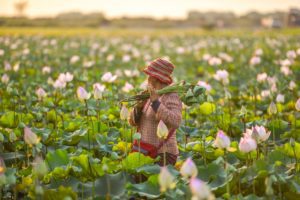
Delaval’s lotus face masks are made utilizing ancestral techniques of producing lotus fiber from lotus stems, which are commonly regarded as waste within the country. The entire process of creating sustainable lotus face masks is entirely eco-friendly, as well as biodegradable.  The fabric produced using lotus fibers is remarkably efficient at filtration and, according to Delaval, is a superior fabric due to its light texture and breathability. The eco-textile company Samatoa, which Delaval manages, produces lotus masks that meet the standards of both the United States’ CDC and France’s Association Francaise de Normalization, making them an effective alternative to plastic single-use face masks.

Samatoa also values the tenets of fair trade and has made a positive impact on the livelihoods of poor Cambodians in the Battambang province. The company has provided employment that empowered thirty Cambodia women to be financially independent and provide for their families. According to Samatoa, the wages earned by company workers are twice what they would receive from other textile work in the country. Additionally, the company ensures that workers have access to a number of benefits, including trade union rights, paid leave and health insurance.

Impact of Lotus Face Masks

Delaval’s innovative solution to plastic pollution produced from single-use face masks gained international attention. The company he manages, Samatoa, is striving to increase production and capacity to improve the lives of an additional 500 women. Samatoa also provides educational opportunities to lotus farmers on sustainable farming practices, further improving the lives of the Cambodian people. Deval’s lotus face masks provide a sustainable solution to the problem of PPE waste while simultaneously providing economic development to rural communities in Cambodia.

– Leah Bordlee
Photo: Pixabay

August 21, 2020
https://borgenproject.org/wp-content/uploads/borgen-project-logo.svg 0 0 Kim Thelwell https://borgenproject.org/wp-content/uploads/borgen-project-logo.svg Kim Thelwell2020-08-21 17:26:102020-08-21 17:26:10Lotus Face Masks in Cambodia: A Sustainable Solution to High Mask Demand
Global Poverty, Women's Empowerment, Women's Rights

5 Facts About the Garment Industry in Bangladesh

Garment Industry in Bangladesh
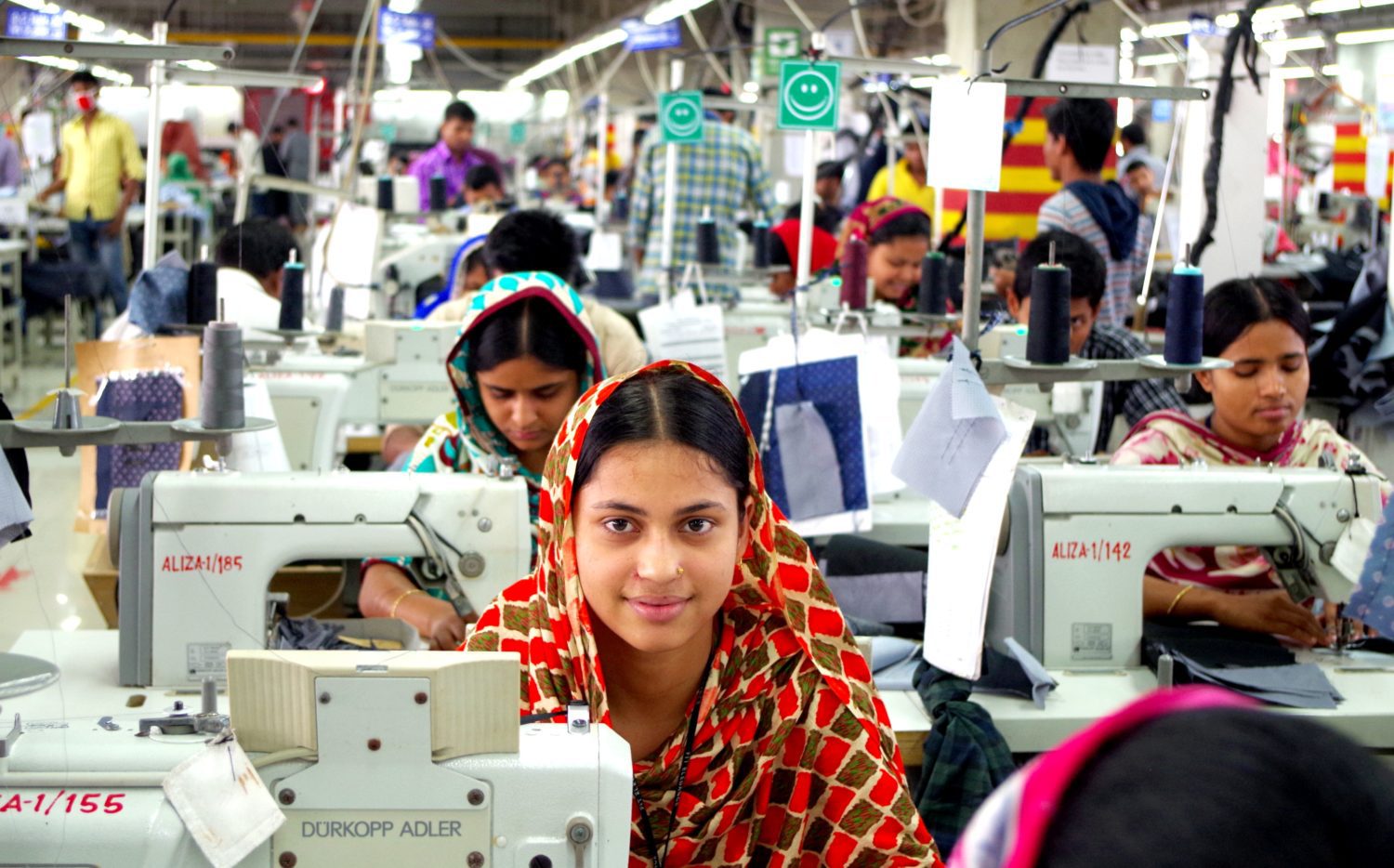
The garment industry in Bangladesh is the number one business in the country, accounting for 80% of the country’s exports. Four out of five of the 4.4 million workers employed in the garment industry in Bangladesh are women, so one can often consider issues facing this industry to be feminist issues. Here are five facts about the garment industry in Bangladesh including how they relate to feminism.

5 Facts About the Garment Industry in Bangladesh

  1. The garment industry in Bangladesh is huge. As previously stated, the garment industry is the number one business in the country. Bangladesh is the second-largest individual country in the world for apparel manufacturing, second only to China. H&M, Target and Marks and Spencer are among the global brands that contract with garment factories in Bangladesh for clothing production.
  2. The minimum wage is not a living wage. The average garment industry worker will work for 12 hours a day and make about $95 a month. The majority of these workers are women who support several relatives and live paycheck to paycheck. According to an international aid group Oxfam, only 2% of the price of an article of clothing that a person purchases in Australia go to the worker who made it. By contrast, a top fashion industry CEO will make in four days what a Bangladeshi garment factory worker will make in a lifetime.
  3. The garment industry in Bangladesh has a history of disaster. Two garment factory disasters, one in 2012 and one in 2013, left almost 1,200 garment factory workers dead. Following these incidents, many changes occurred to improve labor regulations and safety conditions in the garment factories. Many companies contracting with these factories also stepped up, paying full wages to workers unable to return, as well as providing compensation to injured workers and families of those who had died.
  4. The COVID-19 pandemic has hit the garment industry in Bangladesh hard. Millions of workers are unemployed due to the global pandemic. The Bangladesh Garment Manufacturer’s Export Association (BGMEA) reported that 1,025 factories experienced cancellations of export orders totaling 864.17 million items worth $2.81 billion. The BGMEA president also reported a 50% decrease in orders and does not expect the sales to bounce back for at least another year. Although Bangladeshi law requires employers to pay severance, few actually do. There are no unemployment benefits in Bangladesh. Many displaced garment workers fear that they will die of starvation if they do not die of COVID-19 first.
  5. Pre-existing shortcomings of the Bangladeshi garment industry are being highlighted. Longstanding issues of the industry include a lack of unity among the 16 trade unions, political pressure by industry owners and big brands, loopholes in the country’s labor laws and a disconnect between a practical living wage and the legal minimum wage. After most factories shut down because of COVID-19, the Bangladeshi government issued a $600 million bailout for all manufacturing industries in Bangladesh. The garment sector received the majority of this, but the amount barely covered about a month’s salary for all the workers in the garment industry.

Despite the seemingly dire state of the garment industry in Bangladesh in the face of constant poverty coupled with a global pandemic, some are making many efforts and are continuing to implement them in order to better the industry. The International Finance Corporation (IFC) has launched many efforts to better the garment industry in Bangladesh since the disasters of 2012 and 2013. One of these efforts is called the Gender Equality and Returns (GEAR) program which offers career progression opportunities for female sewing operators. They receive training in the soft and technical skills necessary for them to assume supervisory positions. The program also trains managers on how to select, promote and support female workers in the industry. Since the launch of this program, IFC has trained over 140 female sewing operators in 28 factories, 60% of whom received promotion weeks after completing the training. Remake, a nonprofit in San Francisco that aims to make the global fashion industry more humane and environmentally sustainable, has launched another effort. Recently, Remake has pressured big brands to pay back contractors in Bangladesh for whatever they ordered before the pandemic. Of these brands, 16 have already agreed to do so.

– Caroline Warrick-Schkolnik
Photo: Flickr

August 20, 2020
https://borgenproject.org/wp-content/uploads/borgen-project-logo.svg 0 0 Kim Thelwell https://borgenproject.org/wp-content/uploads/borgen-project-logo.svg Kim Thelwell2020-08-20 15:00:332020-08-20 13:41:375 Facts About the Garment Industry in Bangladesh
Education, Global Poverty, Women and Children, Women's Empowerment

5 Ways to Improve Intergenerational Poverty

Ways to Improve Intergenerational Poverty
Intergenerational poverty is the relentless cycle in which poverty is passed down from one generation to the next, indicating that impoverished parents have impoverished children. This cycle occurs because of the lack of resources that poor citizens receive, such as inadequate healthcare and education. The most salient way to prevent the progression of intergenerational poverty is to invest in helping impoverished children around the world. Children who grow up in poverty are significantly more likely to have low incomes later in life compared to children who do not fall below the poverty line. However, providing support for impoverished children is not enough to improve intergenerational poverty. It is imperative to also invest in women’s rights as their parental contributions have a major impact on children and their future societal status. By providing resources and support to impoverished women and children, we can help stop the vicious cycle of intergenerational poverty and promote a more just, sustainable world.

5 Tangible Ways to Improve Intergenerational Poverty

  1. Provide more educational opportunities for poor women and children. Education is a major factor in improving intergenerational poverty as it enables greater social mobility. For instance, each year of college equals a 10% annual income increase compared to individuals who did not attend college, according to the American Enterprise Institute. Additionally, education and schooling teaches children to be independent but also encourages children to form important social connections. These connections would help provide impoverished individuals with more opportunities and resources to improve their social standing. Some educational interventions that would improve intergenerational poverty include investing in free and accessible preschool programs, providing free childhood interventions for low-income homes, and designing scholarships specifically for impoverished students.
  2. Encourage women to own assets. Another trigger for upward social mobility is owning assets. Asset ownership helps improve intergenerational poverty as it is an important investment that will provide future generations with an inheritance, automatically improving their social ranking and economic worth. The most valuable asset in low-income countries is land. However, “women hold only 1-2% of individually titled land,” which limits their agency and well-being. Therefore, it is important to support public policy interventions that enable poor populations to accumulate and preserve assets, as the transfer of assets to future generations will help to improve intergenerational poverty. Some specific policy interventions to promote female asset ownership include supporting the co-registration of land by both spouses, improving access to legal services, and reforming marriage laws so women receive a share of assets and inheritance.
  3. Support social protection for impoverished women and children. When an unexpected shock or crisis occurs, poor women and children are the most vulnerable in society as they do not have adequate resources to respond to the shock. For instance, when spouses get divorced, women often lose housing and other productive assets, and they are unable to provide for their children. As a result, it is very common for women who are experiencing downward mobility to withdraw their child from school which has lasting impacts on their career and societal status. Some examples of social protection measures for women and children include disability grants, access to healthcare, social pensions and child support grants.
  4. End discrimination and empower women. Many countries and cultures still consist of largely gendered and discriminatory societal norms. Fighting back against discrimination and promoting women’s empowerment has significant consequences for intergenerational poverty as it increases the number of resources and supports a mother provides for her child, and it improves the child’s well-being. Sexism is a deep-rooted societal issue that requires intense and drastic collaborative interventions to be resolved. Although they do not fix the issue, the following short-term solutions would empower women and improve intergenerational poverty by promoting equality. The solutions include organizing initiatives with men to promote equal parenting practices, providing more income-earning opportunities for women, and granting women access to financial services without having to receive permission from their husbands.
  5. Support programs and policies that promote good health, nutrition and sanitation practices. The health status of mothers has huge implications on the societal and health status of their children. This correlation needs to be addressed as children’s health is directly related to their social and cognitive development. For example, many impoverished children perform poorly in school due to their delayed development, which prevents them from receiving high-paying jobs, and as a result, continues the cycle of intergenerational poverty. Some specific policies that address global health issues and would improve intergenerational poverty include providing free healthcare for children under 5 years old, fee exemptions for low-income homes, supplementary nutrition for pregnant mothers, and providing free contraceptives and advice to women around the world. By promoting beneficial health practices, women are more likely to teach those practices to their children which will help to prevent illnesses, promote healthy development, and hopefully improve economic standing.

In order to address the intergenerational transmission of poverty, we must first acknowledge the societal norms that are contributing to the vicious cycle. By counteracting the suppressive standards with progressive policies, children are better able to escape poverty and contribute to the world economy.

– Ashley Bond
Photo: Pixabay

August 20, 2020
https://borgenproject.org/wp-content/uploads/borgen-project-logo.svg 0 0 Kim Thelwell https://borgenproject.org/wp-content/uploads/borgen-project-logo.svg Kim Thelwell2020-08-20 07:43:022020-08-20 21:17:475 Ways to Improve Intergenerational Poverty
Global Poverty, Women and Children, Women's Empowerment, Women's Rights

The Pangea Network: Supporting Women Entrepreneurs

The Pangea NetworkAround the world, women are disproportionately affected by poverty. Kenya is one place where gender issues and poverty go hand in hand. Over 35% of the Kenyan population lives below the poverty line, and women, children and the elderly are most at risk. However, as poverty and inequality increase, so does the movement to help change the tides in Kenya. Nicole Minor learned of Kenya’s struggles and set out to change the lives of women throughout the country. The Pangea Network, a non-profit organization focused on empowering women in Kenya, was born.

Poverty in Kenya

Kenya has a population of more than 50 million, with over 17 million currently living in poverty or extreme poverty — on less than $1.90 a day. However, poverty in the country is steadily decreasing, falling from 43% in 2003 to 36% in 2016. And although poverty in Kenya remains a significant problem, the country has a lower overall poverty rate than most sub-Saharan countries. Kenya’s GDP continues to rise by approximately 5% annually, which is an impressive feat. Despite these facts, however, Kenya is unlikely to reach the goal of eradicating poverty by 2030 without new poverty reduction policies and faster growth rates.

Women in Kenya

In Kenya, women and girls are most vulnerable to poverty. One notable gap between men and women is in education. Of those in Kenya that earn higher education, approximately 30% are women — despite government policies that ensure gender equality in education. One reason for this is that women in Kenya have traditionally been relegated to the domestic sphere and lack opportunities for attending university, which can limit job prospects.

Despite the hardships they face, women are fighting back against gender inequality and poverty through enterprise and entrepreneurship. That’s where the Pangea Network comes in.

What is the Pangea Network?

The Pangea Network is a nonprofit organization focused on “empowering motivated individuals” with “knowledge, skills and an ongoing network of support in order to achieve their dreams and make positive, life-changing contributions in the communities where they live.” The organization’s founder, Nicole Minor, began creating the framework for the Pangea Network in 2005 in an effort to dedicate herself to social service. Today, the Pangea Network is an international organization that operates in Kenya and the United States.

How it Works: The Kenyan Women’s Network

The Pangea Network operates a four-year course called the Kenyan Women’s Network, which teaches participants a variety of skills intended to guarantee their future success. Some practical skills that participating women may learn include bookkeeping, financial literacy and micro-financing; women can also learn about issues like human rights, wellness and personal development.

The ultimate goal of the Kenyan Women’s Network is to enable participants to develop and grow their own businesses, which will generate profit and allow them to become financial providers for their households. Women who participate receive loans from the Pangea Network, allowing them to fully develop and expand their enterprises.

Impact

The Pangea Network has had a huge impact throughout its years in action. For those participating in the Kenyan Women’s Network, the average weekly income rose by almost 40% between 2015 and 2018. Over 560 different businesses founded by participants have grown in size and revenue, 45 of which began only with help from the Pangea Network. Furthermore, almost 200 women have received animal husbandry and livestock training; nearly 400 women have received first aid training; and more than 60% of Kenyan women who participate in the program report that they are their family’s primary source of income.

Beyond the Women’s Network, the Pangea Network provides scholarships for school-aged children in Kenya. It also sponsors boys’ and girls’ retreats focused on empowering children and providing them with both skills and a love of learning.

The Pangea Network is an inspiring organization dedicated to empowering Kenyan women and equipping them to succeed. Participants in the Women’s Network are hardworking, driven and well-deserving of the tools they are given to start or grow their own businesses. The Pangea Network is not only providing these women with hope, but it is also helping to close the gender gap and fight poverty in Kenya.

– Paige Musgrave
Photo: Pixabay

August 19, 2020
https://borgenproject.org/wp-content/uploads/borgen-project-logo.svg 0 0 Kim Thelwell https://borgenproject.org/wp-content/uploads/borgen-project-logo.svg Kim Thelwell2020-08-19 15:00:222020-08-19 13:54:47The Pangea Network: Supporting Women Entrepreneurs
Global Poverty, Women's Empowerment

How Solar Freeze Aims to End Food Loss in Africa

Food loss in AfricaIn developing countries around the world, small-scale farmers see up to 80% post-harvest losses on their fresh produce. The most significant factor contributing to this large-scale food loss in Africa is the lack of proper cold storage facilities. Most small-scale rural farmers do not find refrigeration feasible due to unreliable sources of local electricity, the high cost of conventional cooling and the lack of technical knowledge.

Growing up in the rural Kenyan village of Machakos, Dysmus Kisilu witnessed firsthand how smallholder farmers struggled financially, losing 40-60% of their harvest due to the lack of refrigeration. When food losses are at such a high rate, food security also becomes an issue. About 30% of Kenya’s population faces food insecurity and poor nutrition each year, and agricultural food loss in Africa plays a significant role.

Kisilu wanted to utilize his knowledge and skills in renewable energy to make an impact on small-scale farmers, specifically women and youth, and food insecurity in Kenya. After studying solar-powered solutions to post-harvest losses at UC Davis in 2016, he developed Solar Freeze – a company that provides mobile solar-powered cold storage units for small-scale farmers.

Solar Freeze

Solar Freeze includes four innovative technologies within its system:

  1. Mobile Solar-Powered Cold Rooms – The Solar Freeze units are portable cold storage units that derive their source of energy from solar power. This off-grid solution allows small-scale farmers to store their temperature-sensitive produce like fruits, vegetables and dairy products in a temperature-controlled environment to ensure longer shelf life and maintain freshness.
  2. Cold Storage as a Service – Smallholder farmers and traders can use the Solar Freeze app and SMS service to locate the nearest mobile cold storage unit. Through the use of mobile and cash payments, farmers can pay for Solar Freeze’s storage service for affordable rates, saving costs in spoiled food, refrigeration hardware and physical storage space.
  3. Cold-Chain Distribution, Logistics and Transportation – Solar Freeze’s mission is to provide not only cold storage but also refrigerated transportation. Small-scale farmers should eventually be able to move smaller amounts of produce more frequently and cheaply with a cold storage “Ubering” service that does not require an internet connection to place shipping orders.
  4. Solar Freeze Mobile App and IoT Monitoring – Farmers will be able to monitor real-time data from the cold storage management system through the Solar Freeze app and IoT platform installed within the cold storage units.

Implementation in Kenya

Solar Freeze takes on a micro-franchise business model that aims to integrate its technology and knowledge with village women and youth. The goal is to get more women to own and operate the cold storage units as independent micro-franchisee entrepreneurs. Through the micro- franchise model, Solar Freeze will supply women smallholder farmers and their communities with solar-powered cold storage units and provide resources, training and mentorship to operate the units and grow their agribusinesses.

Solar Freeze has also created a youth empowerment program called Each One Teach One. The program, already training 50 youth, teaches the younger generation how to work with the cold storage equipment as well as solar irrigation. They learn the entirety of the solar-powered technology to repair and maintain the machinery. Students then teach others in their community the skills that they learned.

The innovative technology and implementation of Solar Freeze aim to transform rural agriculture in Africa, making agribusiness more efficient and profitable. It also plans to aid in ending women and youth unemployment, food loss and hunger in Kenya and Africa.

Future of Solar Freeze

Solar Freeze has currently tested its technology and business model with 3,000 smallholder farmers in Kenya. Out of the 3,000 farmers, 90% reported that there was a reduction in post-harvest losses. Kisilu plans to impact 30,000 farmers with Solar Freeze by 2030. The impact Solar Freeze can have on smallholder farmers and the surrounding communities could be a massive stride in revolutionizing farming and ending hunger and food loss in Africa for future generations.

– Dalton Dunning
Photo: Flickr

August 19, 2020
https://borgenproject.org/wp-content/uploads/borgen-project-logo.svg 0 0 Kim Thelwell https://borgenproject.org/wp-content/uploads/borgen-project-logo.svg Kim Thelwell2020-08-19 06:49:442024-12-13 18:02:09How Solar Freeze Aims to End Food Loss in Africa
Page 31 of 54«‹2930313233›»

Get Smarter

  • Global Poverty 101
  • Global Poverty… The Good News
  • Global Poverty & U.S. Jobs
  • Global Poverty and National Security
  • Innovative Solutions to Poverty
  • Global Poverty & Aid FAQ’s
Search Search

Take Action

  • Call Congress
  • Email Congress
  • Donate
  • 30 Ways to Help
  • Volunteer Ops
  • Internships
  • Courses & Certificates
  • The Podcast
Borgen Project

“The Borgen Project is an incredible nonprofit organization that is addressing poverty and hunger and working towards ending them.”

-The Huffington Post

Inside The Borgen Project

  • Contact
  • About
  • Financials
  • President
  • Board of Directors
  • Board of Advisors

International Links

  • UK Email Parliament
  • UK Donate
  • Canada Email Parliament

Get Smarter

  • Global Poverty 101
  • Global Poverty… The Good News
  • Global Poverty & U.S. Jobs
  • Global Poverty and National Security
  • Innovative Solutions to Poverty
  • Global Poverty & Aid FAQ’s

Ways to Help

  • Call Congress
  • Email Congress
  • Donate
  • 30 Ways to Help
  • Volunteer Ops
  • Internships
  • Courses & Certificates
  • The Podcast
Scroll to top Scroll to top Scroll to top